
Understanding the Importance of a Dementia Care Facility for Long-Term Support and Comfort
PAGE
By PAGE Editor
Dementia is a condition that affects millions of older adults around the world and creates significant emotional, mental, and physical challenges for both patients and their families. As memory loss progresses and daily activities become more difficult, individuals often require specialized care that goes beyond what family members can provide at home. Choosing the right dementia care facility can make a major difference in ensuring safety, comfort, emotional stability, and quality of life for those living with memory-related conditions. Families frequently struggle when trying to decide how to provide the best care for a loved one diagnosed with dementia. While many attempt to manage care independently in the early stages, the condition gradually becomes more demanding. Confusion, wandering, mood changes, forgetfulness, and difficulty performing routine tasks can create stressful and unsafe situations without proper support. A supportive care environment designed specifically for individuals with dementia provides professional assistance, structured routines, medical monitoring, and emotional care. These facilities are equipped to meet the unique needs of residents while also offering peace of mind to families who want their loved ones to receive compassionate and professional attention.
Understanding Dementia and Its Challenges
Dementia is not a single disease but rather a general term used to describe conditions that affect memory, thinking, communication, and reasoning abilities. Alzheimer’s disease is one of the most common forms, although there are several other types that can impact cognitive function. As dementia progresses, individuals often experience increasing difficulty with remembering names, recognizing familiar people, managing medications, preparing meals, or even completing basic personal care tasks. Behavioral changes such as aggression, anxiety, confusion, or depression may also develop over time. These challenges can become overwhelming for family caregivers who may lack the training, resources, or time necessary to provide continuous support. Many families experience emotional stress, exhaustion, and burnout while trying to balance caregiving responsibilities with work and personal obligations. A dementia care facility is specifically designed to address these concerns through professional care services, structured activities, and secure living environments tailored to individuals with cognitive impairments.
Specialized Care for Cognitive Conditions
Unlike standard senior living communities, memory care environments focus on the unique needs of residents living with dementia. Staff members are trained to understand behavioral symptoms, communication difficulties, and emotional changes associated with cognitive decline. Caregivers use specialized approaches to reduce confusion, anxiety, and frustration while helping residents maintain dignity and independence whenever possible. Daily routines are carefully planned to create consistency and familiarity, which can help residents feel calmer and more secure. A dementia care facility often includes personalized care plans based on each resident’s medical condition, personality, preferences, and stage of dementia. This individualized approach allows caregivers to provide targeted support while respecting the unique needs of every resident. Professional staff members are also trained to respond to emergencies, medication management issues, and behavioral challenges in ways that prioritize both safety and emotional well-being.
The Importance of Safety and Security
Safety becomes one of the most critical concerns for individuals living with dementia. Memory loss and confusion can increase the risk of wandering, falls, medication mistakes, and accidents within the home. Specialized care communities are designed with secure environments that help protect residents while allowing them to move comfortably throughout the facility. Features may include secured entrances and exits, monitored common areas, emergency response systems, handrails, and easy-to-navigate layouts. Families often feel relieved knowing their loved one is no longer alone or at risk of becoming lost or injured without supervision. Professional caregivers are available around the clock to provide assistance whenever needed. In addition to physical safety, emotional security is equally important. Structured schedules, familiar surroundings, and compassionate interactions can reduce stress and confusion among residents.
Emotional and Social Benefits of Community Living
Isolation and loneliness can have a serious impact on older adults living with dementia. Individuals may gradually withdraw from social activities due to confusion, communication difficulties, or embarrassment about memory loss. Living in a supportive community environment encourages social engagement and emotional connection. Residents have opportunities to participate in group activities, music therapy, games, exercise sessions, and creative programs designed to stimulate cognitive function and improve mood. Meaningful social interaction helps reduce feelings of anxiety and depression while promoting a sense of belonging and purpose. Trained staff members also encourage residents to maintain hobbies and activities that bring comfort and familiarity. Family members often notice improvements in emotional stability when loved ones receive regular social interaction and structured daily engagement in a supportive setting.
Personalized Daily Assistance
As dementia progresses, routine daily tasks can become increasingly difficult. Many individuals require assistance with bathing, dressing, grooming, eating, medication management, and mobility. A dementia care facility provides personalized support while encouraging residents to maintain as much independence as possible. Caregivers offer assistance respectfully and patiently, understanding that each resident may respond differently depending on their condition and emotional state. The goal of personalized care is not simply to complete tasks for residents but to help them feel valued, comfortable, and supported throughout the day. Small acts of compassion and understanding can significantly improve quality of life for individuals living with dementia. Staff members also monitor residents’ physical health, nutrition, hydration, and medication schedules to ensure their overall well-being remains stable.
Structured Activities and Cognitive Engagement
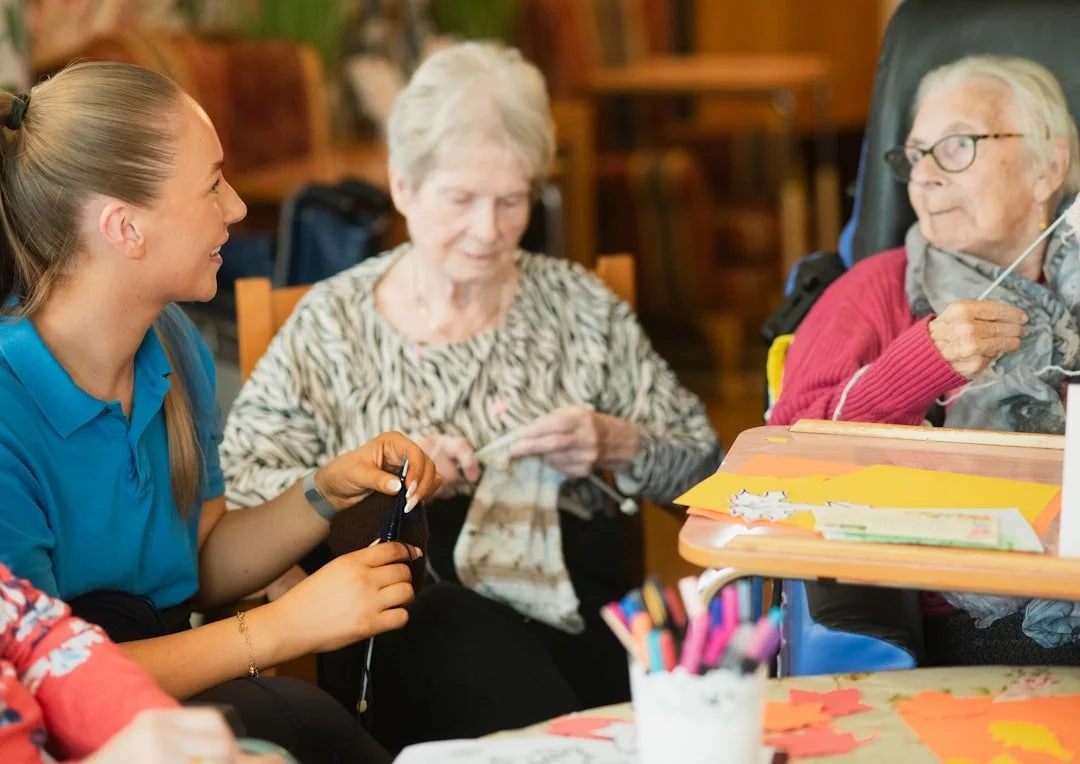
Mental stimulation plays an important role in dementia care. Although cognitive decline cannot always be reversed, engaging activities can help residents maintain certain skills, improve mood, and reduce boredom or agitation. Memory care programs often include activities such as puzzles, storytelling, music sessions, gardening, arts and crafts, gentle exercise, and sensory therapy. These activities are carefully selected to match residents’ abilities and interests. Structured routines also provide comfort and predictability, which can reduce confusion and anxiety. Residents often respond positively to familiar schedules and repeated activities that create a sense of stability. A dementia care facility typically focuses on creating meaningful daily experiences that promote emotional fulfillment while supporting cognitive function as much as possible.
Nutrition and Physical Wellness
Maintaining proper nutrition becomes increasingly important for individuals with dementia. Some residents may forget to eat, lose interest in meals, or experience difficulty using utensils and swallowing. Professional care communities provide balanced meals designed to meet nutritional needs while accommodating dietary restrictions or medical conditions. Staff members assist residents during mealtimes when necessary and monitor food and fluid intake carefully. Physical wellness programs may also include walking groups, stretching exercises, chair yoga, and other low-impact activities that support mobility and circulation. Regular movement helps improve physical health while also reducing restlessness and stress. Clean living spaces, regular hygiene assistance, and healthcare monitoring further contribute to residents’ overall quality of life.
Supporting Families Through the Care Journey
Dementia affects entire families, not just the individual diagnosed with the condition. Family caregivers often experience emotional exhaustion, stress, sadness, and guilt while trying to provide the best possible care. Transitioning a loved one into professional care can be emotionally difficult, but it often improves life for both the resident and family members. Families gain peace of mind knowing their loved one is receiving professional attention in a safe and supportive environment. Many care communities encourage family involvement through regular communication, visits, support groups, and care planning meetings. Staying connected helps families remain actively involved in their loved one’s life while reducing the overwhelming pressure of full-time caregiving responsibilities. A dementia care facility can also provide educational resources and emotional support that help families better understand the condition and cope with the challenges it presents.
The Role of Compassionate Caregivers
The quality of caregivers plays a major role in dementia care. Residents often depend heavily on staff members for emotional reassurance, companionship, and assistance with daily routines. Compassionate caregivers understand the importance of patience, empathy, and respectful communication. Individuals with dementia may become confused, frightened, or frustrated, and trained staff members know how to respond calmly and effectively. Building trusting relationships with residents helps create emotional stability and comfort. Familiar caregivers can often recognize subtle changes in mood, behavior, or health that may require additional attention. Families should carefully evaluate staff experience, training, and interactions with residents when choosing a care community.
Choosing the Right Care Environment
Selecting the right care community requires careful research and thoughtful consideration. Every individual living with dementia has unique needs, preferences, and health concerns that should be considered during the decision-making process. Important factors may include staff qualifications, safety measures, cleanliness, healthcare services, meal quality, recreational programs, and overall atmosphere. Families should visit multiple communities, ask detailed questions, and observe how residents are treated by staff members. A high-quality dementia care facility should feel welcoming, calm, organized, and supportive. Residents should appear engaged, comfortable, and treated with dignity at all times. Understanding financial costs and available support programs is also important when planning long-term care arrangements.
Improving Quality of Life Through Specialized Support
Although dementia presents many challenges, compassionate and professional care can greatly improve the quality of life for individuals living with the condition. Safe environments, structured routines, emotional support, and meaningful engagement all contribute to greater comfort and stability. Families often find reassurance knowing their loved one receives around-the-clock care from trained professionals who understand the complexities of cognitive decline. Residents benefit from personalized attention, social interaction, healthcare monitoring, and opportunities to remain active and engaged. Choosing a trusted dementia care facility is one of the most important decisions families can make when seeking long-term support for a loved one with memory loss. The right environment provides not only professional care but also dignity, compassion, and peace of mind during every stage of the dementia journey.
HOW DO YOU FEEL ABOUT FASHION?
COMMENT OR TAKE OUR PAGE READER SURVEY
Featured





Jackets have always been an important part of fashion.