
Key Insights into Professional Demolition and Site Clearance Services
PAGE
By PAGE Editor
Introduction
In modern construction and redevelopment projects, the process of removing old or unsafe structures is just as important as building new ones. Before any new development can begin, the existing site must be properly cleared, assessed, and prepared. This is where professional demolition and site clearance services become essential. These services involve much more than simply tearing down buildings; they require careful planning, technical expertise, strict safety measures, and environmental responsibility.The demand for structured demolition work has grown significantly as cities expand and older infrastructure needs replacement. Whether it is residential buildings, commercial properties, or industrial facilities, safe removal and proper site preparation ensure that new projects can begin without complications. A skilled demolition contractor plays a key role in managing these tasks with precision and efficiency.
Understanding the Purpose of Demolition and Site Clearance
Demolition and site clearance are the foundational steps in many construction and redevelopment projects. The purpose is not only to remove structures but also to prepare land for future use. This includes clearing debris, handling hazardous materials, and ensuring the ground is stable and safe for new construction.Site clearance may also involve removing underground structures such as foundations, pipelines, or storage tanks. In some cases, vegetation, old roads, or unusable surfaces must also be cleared. This ensures that the site is fully ready for redevelopment without hidden obstacles or risks.A professional demolition contractor evaluates all these factors before starting any work. Their expertise ensures that the process is carried out safely, efficiently, and in compliance with regulations.
Planning and Assessment Before Demolition
Every successful demolition project begins with detailed planning. This stage is critical because it determines how safely and efficiently the structure will be removed. Engineers and specialists conduct a thorough site inspection to understand the building’s design, materials, and condition.Structural analysis is performed to identify weak points and potential hazards. Utilities such as electricity, gas, and water are carefully disconnected to prevent accidents. Environmental assessments are also conducted to check for hazardous materials like asbestos or chemical contamination.During this phase, a demolition contractor develops a step-by-step strategy for executing the project. This includes selecting the appropriate demolition method, estimating timelines, and ensuring all safety regulations are met. Proper planning reduces risks and helps avoid unexpected delays during execution.
Different Methods Used in Demolition Work
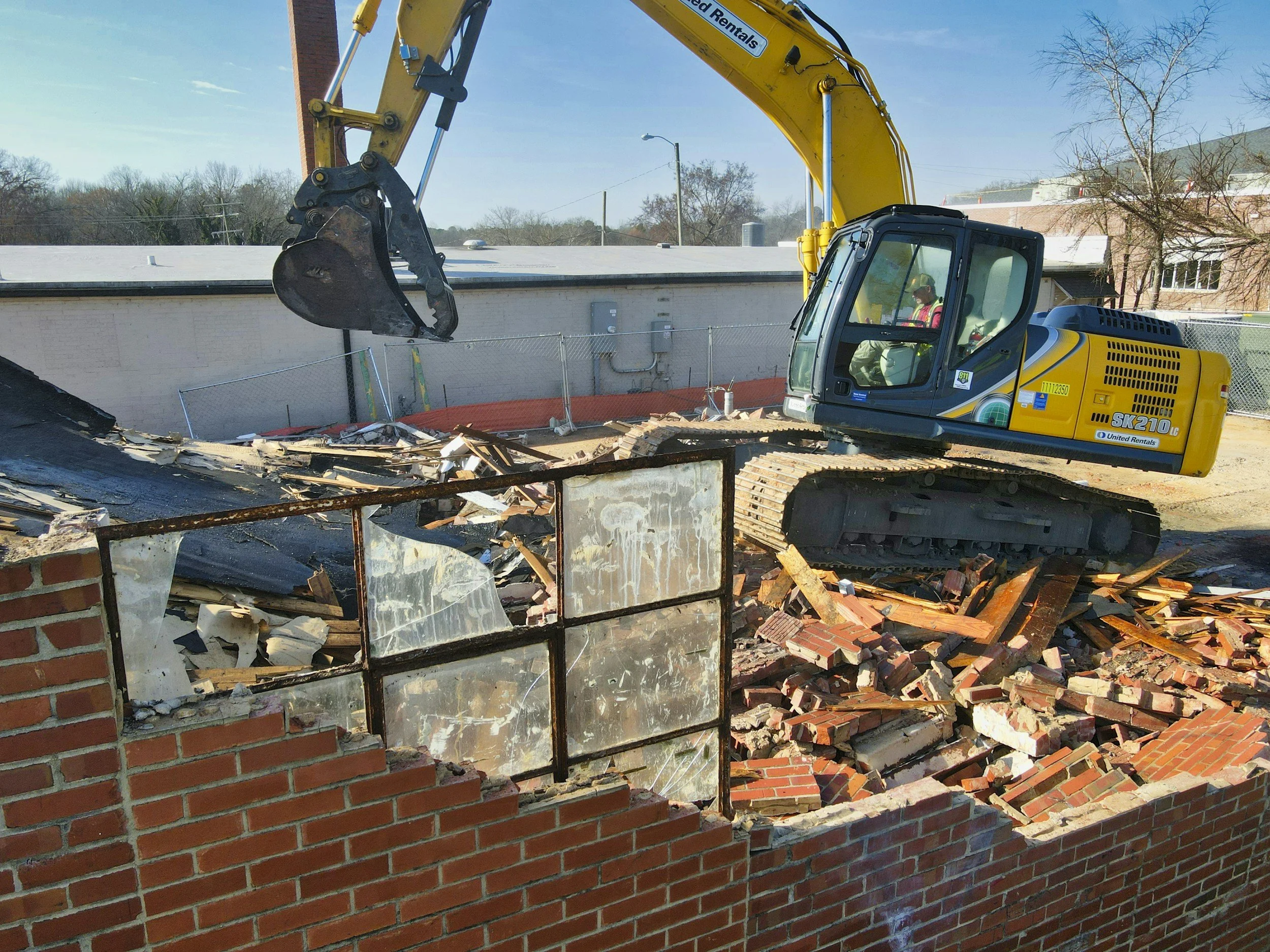
There are several methods used in the demolition industry, each designed for specific types of structures and project requirements. Mechanical demolition is one of the most common methods, where heavy machinery such as excavators and bulldozers are used to bring down buildings gradually. This method is suitable for residential and small commercial structures.Another widely used method is controlled demolition, which involves the use of explosives to safely collapse large buildings. This method requires highly skilled professionals and detailed engineering calculations to ensure the structure falls in a predetermined direction without damaging nearby properties.Selective demolition focuses on removing only specific parts of a structure while preserving the rest. This approach is commonly used in renovation projects where partial rebuilding is required. It allows for cost savings and reduces waste.Deconstruction is a more environmentally conscious method where structures are carefully dismantled to recover reusable materials. Although it takes more time, it significantly reduces environmental impact and supports recycling efforts.Each method is chosen based on project requirements, safety considerations, and environmental goals. A qualified demolition contractor ensures that the most suitable technique is applied for each project.
Safety Standards and Risk Management
Safety is the most critical aspect of any demolition project. Due to the high-risk nature of the work, strict safety standards must be followed at all times. Workers are required to wear protective equipment, including helmets, gloves, boots, and respiratory protection.Before any demolition begins, a detailed risk assessment is conducted. This helps identify potential dangers such as unstable structures, falling debris, gas leaks, or electrical hazards. Emergency response plans are also prepared in case of unexpected incidents.Machinery used in demolition is regularly inspected and maintained to prevent mechanical failures. Communication between team members is also essential to ensure coordinated and safe operations.Regulatory compliance plays a major role in maintaining safety standards. Permits must be obtained before work begins, and inspections may be conducted throughout the project. A responsible demolition contractor ensures that all legal and safety requirements are strictly followed.
Environmental Responsibility in Demolition Projects
Modern demolition practices are increasingly focused on environmental sustainability. Instead of sending all materials to landfills, many demolition companies now prioritize recycling and reuse. Materials such as steel, concrete, and wood can often be repurposed for new construction projects.Dust control is another important environmental consideration. Water sprays and barriers are used to minimize dust spread during demolition activities. Noise reduction techniques are also implemented to reduce the impact on surrounding communities.Hazardous materials such as asbestos are handled with extreme care and disposed of according to environmental regulations. This ensures that demolition work does not harm the environment or public health.Sustainable demolition practices not only benefit the environment but also reduce overall project costs by recovering valuable materials.
Challenges Faced in Demolition Projects
Despite careful planning, demolition projects often face unexpected challenges. One of the most common issues is dealing with hidden structural weaknesses that are not visible during initial inspections. These can complicate the demolition process and require adjustments on-site.Weather conditions can also affect project timelines, especially in outdoor demolition work. Heavy rain, strong winds, or extreme temperatures may slow down operations or increase safety risks.Urban demolition projects face additional challenges due to limited space and proximity to other buildings. Extra precautions must be taken to avoid damage to surrounding properties.Budget constraints and tight deadlines can also create pressure on project teams. This is why experience and expertise are essential in handling such challenges effectively. A skilled demolition contractor is trained to manage these situations while ensuring safety and efficiency.
Execution Process of Site Clearance
Once planning is complete, the execution phase begins. The site is first secured to prevent unauthorized access. Warning signs, barriers, and safety zones are established around the area.Utilities such as electricity, water, and gas are disconnected before any physical work begins. This eliminates potential hazards during demolition activities.The actual demolition process is then carried out using the selected method. Heavy machinery or controlled techniques are used to bring down the structure safely. Continuous monitoring ensures that the process remains under control.After the structure is removed, the site clearance phase begins. Debris is sorted into recyclable and non-recyclable materials. Foundations and underground structures are also removed if necessary. The land is then leveled and prepared for future construction.
Importance of Professional Expertise
Demolition is not a task that can be handled without proper knowledge and experience. It requires a deep understanding of structural engineering, safety protocols, and environmental regulations. Mistakes in demolition can lead to serious accidents, financial losses, and legal issues.Hiring a professional demolition contractor ensures that the entire process is managed efficiently from start to finish. Their expertise allows them to assess risks, choose the right methods, and execute the project safely. This not only saves time but also reduces overall costs and ensures compliance with all regulations.
Conclusion
Demolition and site clearance are essential steps in the construction and redevelopment process. They require careful planning, advanced techniques, and strict safety measures to ensure successful execution. From initial assessment to final site preparation, every stage must be handled with precision and responsibility.A professional demolition contractor plays a vital role in ensuring that projects are completed safely, efficiently, and in compliance with regulations. Their expertise helps transform old or unsafe structures into clean, ready-to-develop sites, supporting modern construction and urban development.As the construction industry continues to grow, the importance of professional demolition and site clearance services will only increase. These services not only support new developments but also contribute to environmental sustainability and safer urban spaces.
HOW DO YOU FEEL ABOUT FASHION?
COMMENT OR TAKE OUR PAGE READER SURVEY
Featured




When parents evaluate physical learning kits or STEM toys on an ecommerce storefront, they make purchase decisions under acute time pressure and cognitive overload.