
When Floodwaters Recede, the Real Work Begins
PAGE
By PAGE Editor
Floods don't just damage property—they disrupt lives. The water may drain away, but what it leaves behind tells a different story: soaked drywall, warped flooring, hidden moisture pockets, and the looming threat of mold. The window to act is narrow, and every hour counts.
Flood damage is one of the most complex property emergencies homeowners and business owners face. The visible destruction is only part of the problem. Water travels. It seeps into walls, creeps under flooring, and saturates insulation long before anyone notices the signs. What looks like minor surface damage on day one can become a costly structural issue by day five.
That's exactly why professional intervention isn't just helpful—it's critical. Redeeming Restoration exists for moments like these.
Why Flood Damage Demands More Than a Mop and Bucket
There's a reason restoration professionals approach flood damage differently than a standard cleanup crew. Water categorization matters enormously. Floodwater—especially from storms, overflowing waterways, or sewage backups—is classified as Category 3 water, also known as "black water." This type carries bacteria, pathogens, and contaminants that pose genuine health risks.
Attempting to manage this level of damage without the proper equipment, training, and protective measures puts people at risk. It also dramatically increases the chances of incomplete drying, which creates the perfect environment for mold growth within 24 to 48 hours of water exposure.
Redeeming Restoration's team arrives equipped with industrial-grade water extraction units, commercial air movers, dehumidifiers, and moisture meters that detect what the naked eye cannot. The goal isn't just to remove standing water—it's to restore the property to a safe, dry, and livable condition.
What the Flood Cleanup Process Actually Looks Like
Assessment and Documentation
Every restoration project begins with a thorough assessment. The team identifies the source of the water intrusion, maps the affected areas, and documents the extent of the damage. This documentation matters for insurance claims and ensures nothing gets overlooked in the restoration process.
Water Extraction and Structural Drying
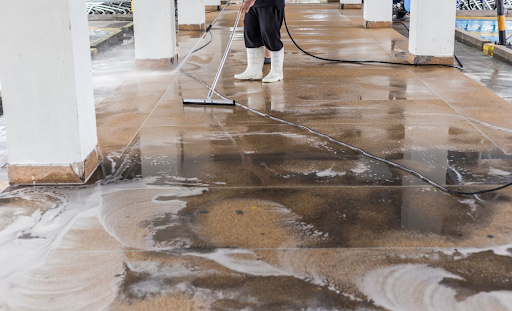
Speed is the defining factor in flood damage outcomes. The faster water is removed, the less secondary damage occurs. High-powered extraction equipment removes thousands of gallons of water in a fraction of the time it would take conventional methods. Once extraction is complete, industrial drying equipment runs continuously until moisture readings confirm the structure is fully dry—not just surface dry.
Sanitization and Odor Control
Floodwater leaves behind more than moisture. Contaminants, debris, and organic matter cling to surfaces and materials. Proper sanitization protocols eliminate bacteria and prevent mold from taking hold. Odor treatment is also part of this phase—because a property that smells like a flood is a constant reminder of one.
Restoration and Repairs
Once the property is dry and sanitized, the focus shifts to restoring what was damaged. Whether that means replacing drywall, treating subfloor materials, or repairing structural elements, the work is done with the goal of returning the property to its pre-loss condition—or better.
The Hidden Cost of Waiting
Delays cost more than dollars. Mold remediation is significantly more expensive than mold prevention. Structural repairs escalate when moisture has time to migrate and settle. Materials that could have been dried and saved often require full replacement when the drying window is missed.
There's also the emotional toll to consider. Flood damage in a home isn't just a property issue—it's deeply personal. Living with water damage, or trying to manage it alone, compounds an already stressful situation. Having a skilled, responsive team handle the heavy lifting allows property owners to focus on their families and their next steps.
What Sets Redeeming Restoration Apart
Redeeming Restoration doesn't treat flood damage as a transaction. Every project is approached with the understanding that someone's home or business is on the line. The team brings not only technical expertise but genuine care for the people they serve.
Flood Cleanup handled by experienced restoration professionals who combine advanced drying technology with a commitment to clear communication and honest workmanship gives property owners the best possible chance of a full recovery—without the guesswork, the setbacks, or the sleepless nights of wondering whether the job was done right.
The company operates with transparency throughout every phase of the project—explaining what's being done, why it's being done, and what to expect next. Insurance coordination support is also part of the service, making an already difficult process far more manageable.
A Path Forward After the Flood
Flood damage feels overwhelming in the immediate aftermath. The scale of it, the uncertainty of it, the sheer volume of decisions to make—it's a lot to carry. But a flooded property is not a lost one. With the right team responding quickly and working systematically, restoration is not only possible, it's the expected outcome.
Redeeming Restoration has helped property owners recover from some of the most severe water damage scenarios—storm flooding, burst pipes, appliance failures, and everything in between. The results speak for themselves: properties returned to safe, fully functional conditions, and customers who feel supported through every step of the process.
When the water comes in, the response that follows determines everything. Choose a team that understands what's at stake and has the tools and experience to make it right.
HOW DO YOU FEEL ABOUT FASHION?
COMMENT OR TAKE OUR PAGE READER SURVEY
Featured



Flyknit and leather sit at opposite ends of the handbag world, and buyers get pushed into picking a side too early. One sounds modern and light. The other sounds premium and safe.