
VIVET Debuts As Kai Cenat’s Physical Archive Of Coming Of Age
By PAGE Editor
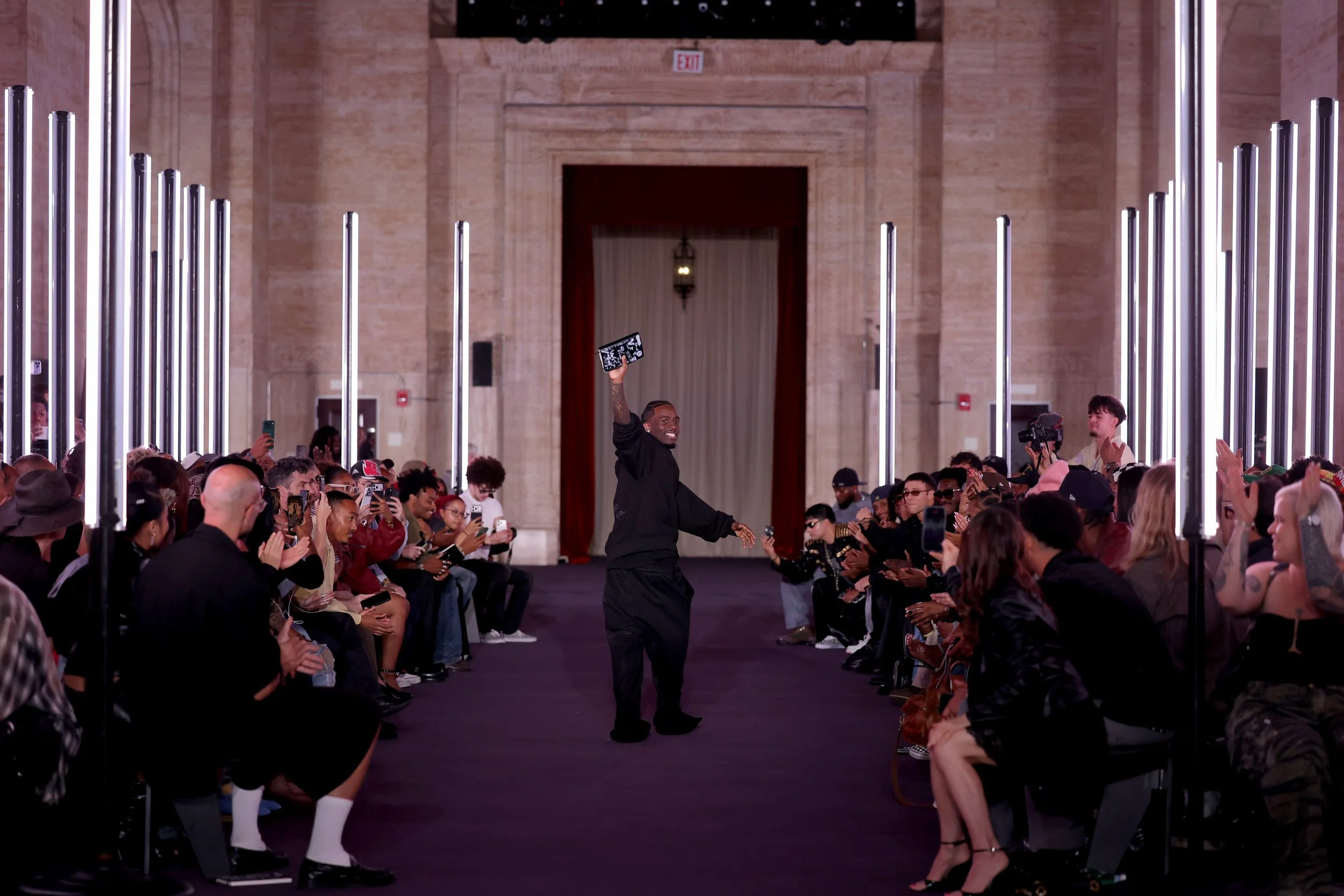
For years, Kai Cenat has documented his coming of age in real time. Through streaming, audiences have watched his personal milestones, creative evolution and rise to cultural prominence unfold without the distance typically afforded to celebrity. With VIVET, that instinct to document takes physical form.
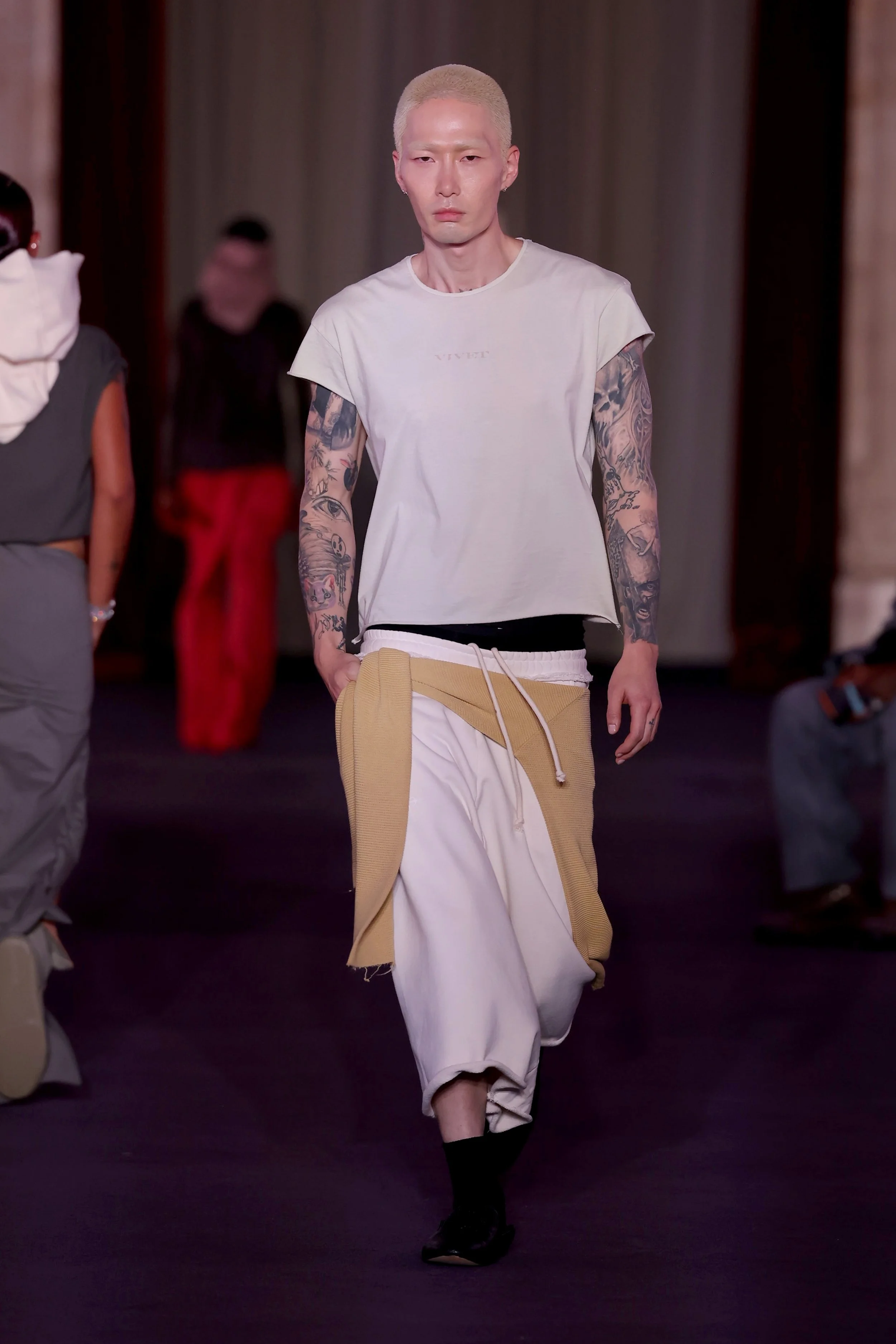
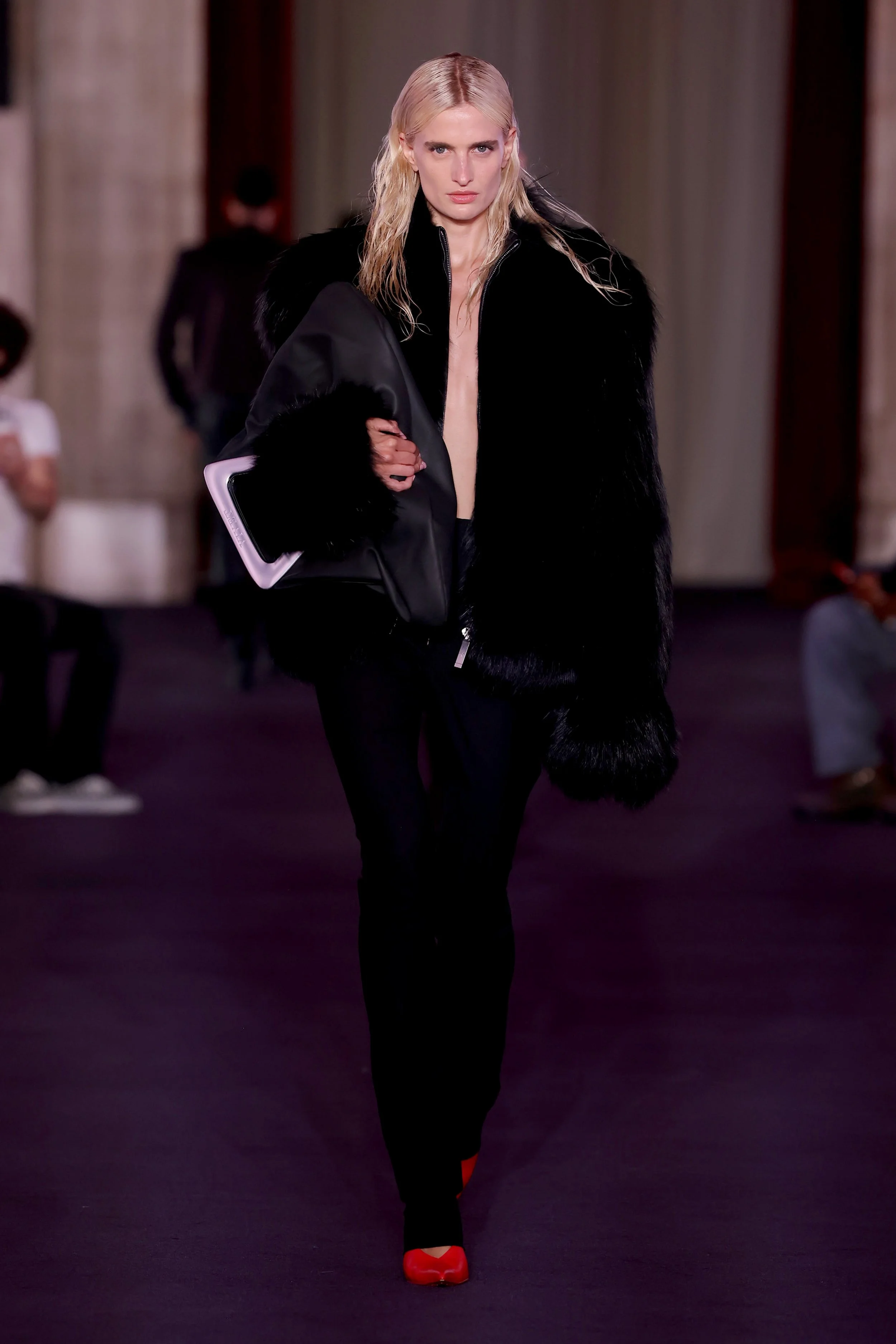
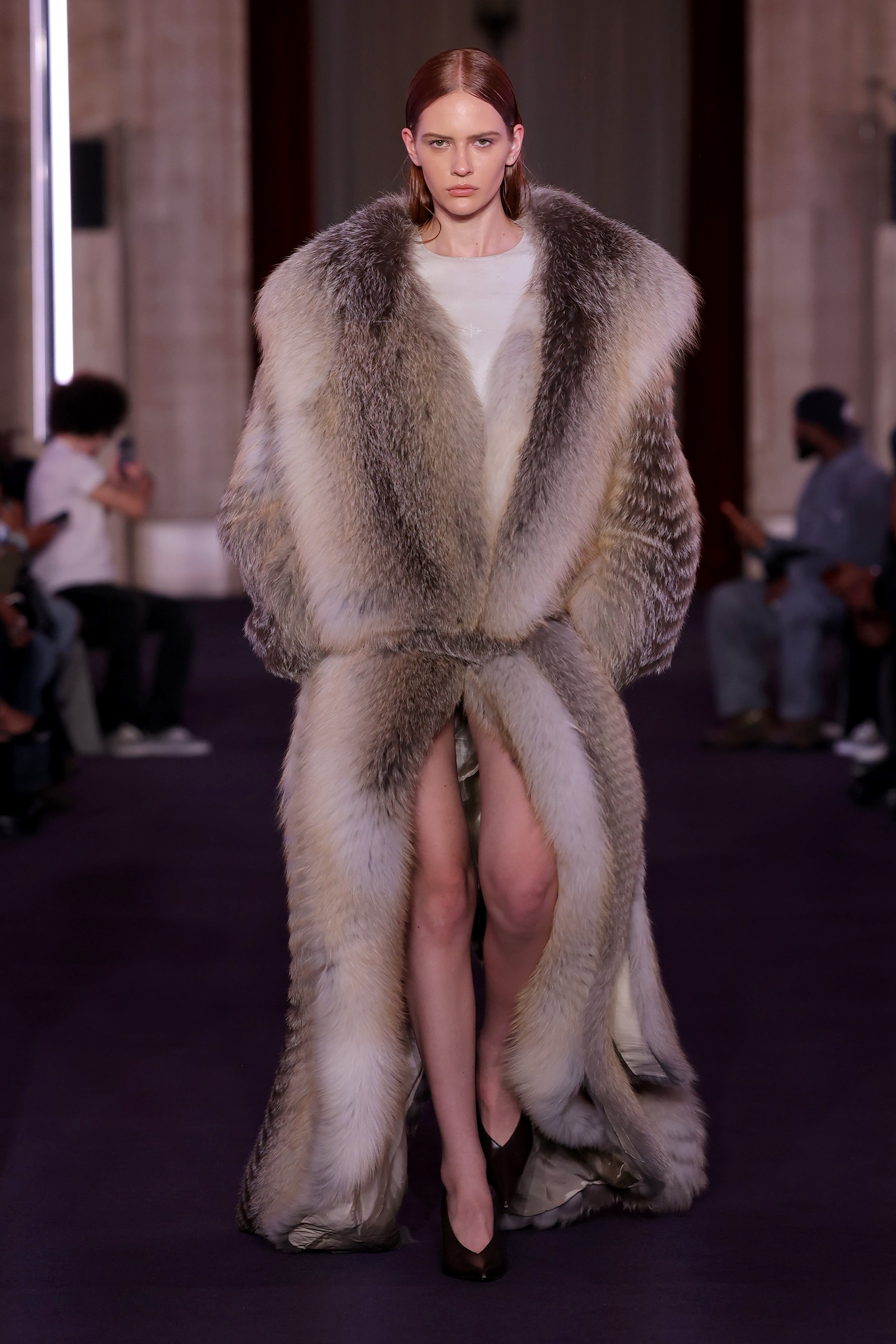
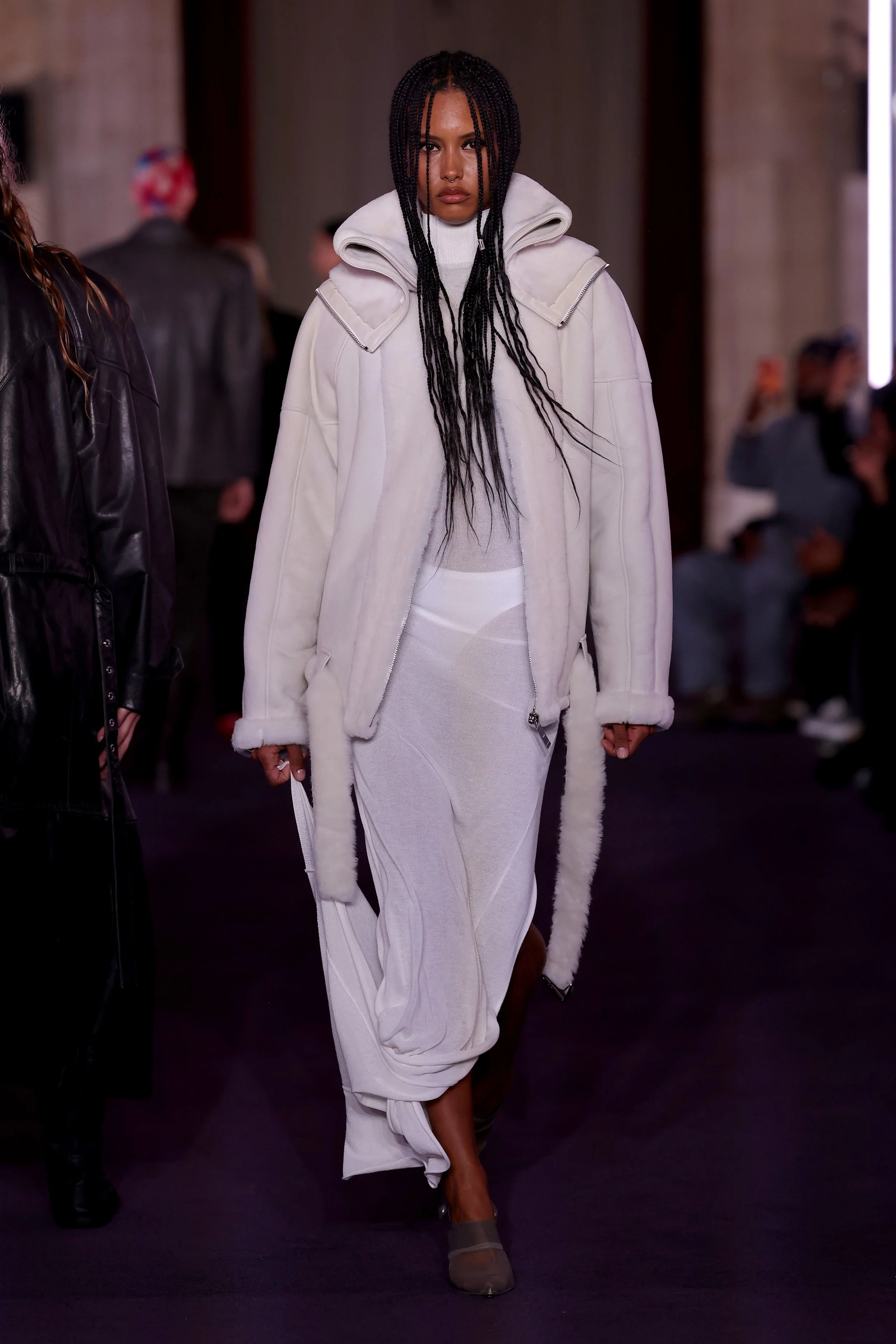
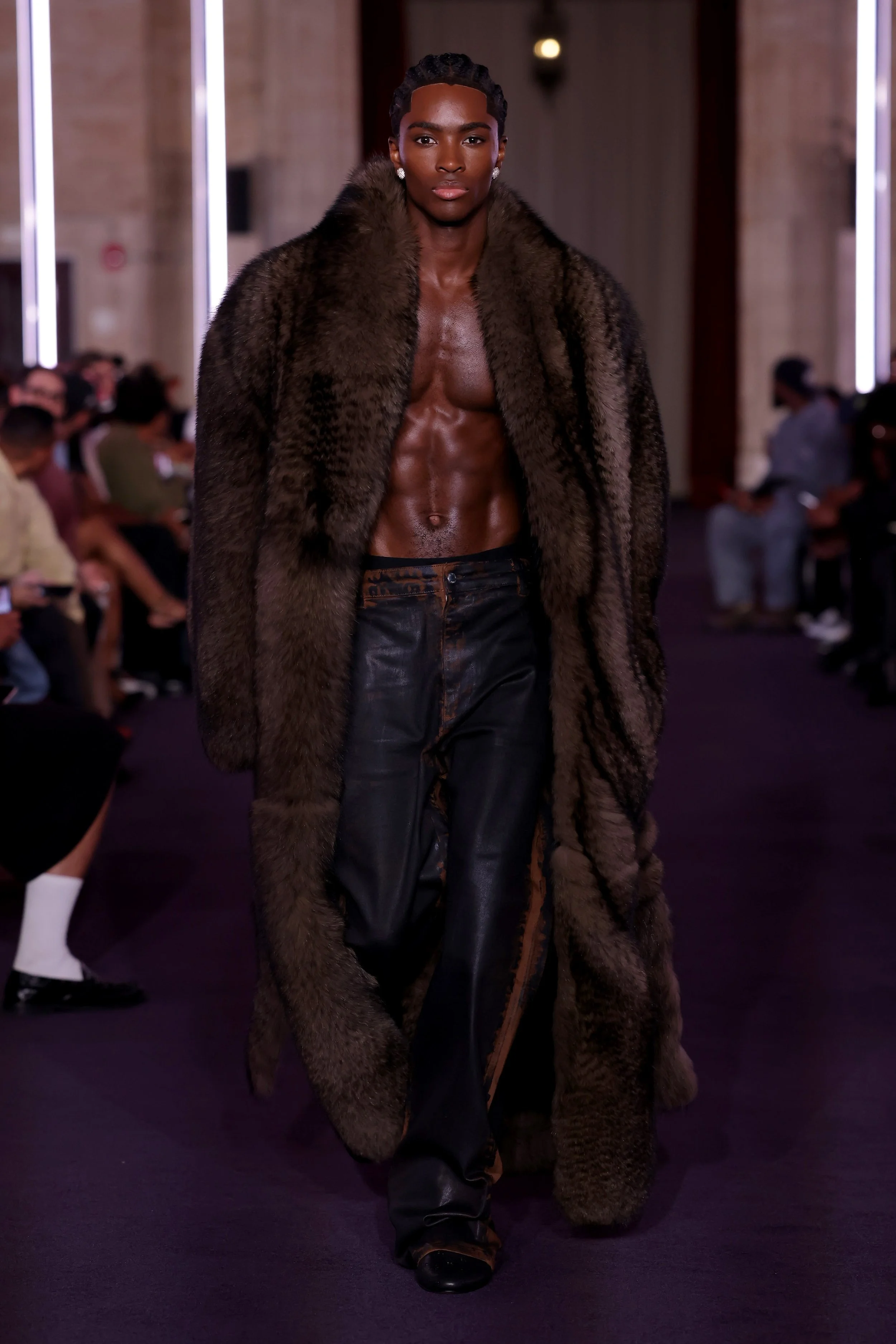
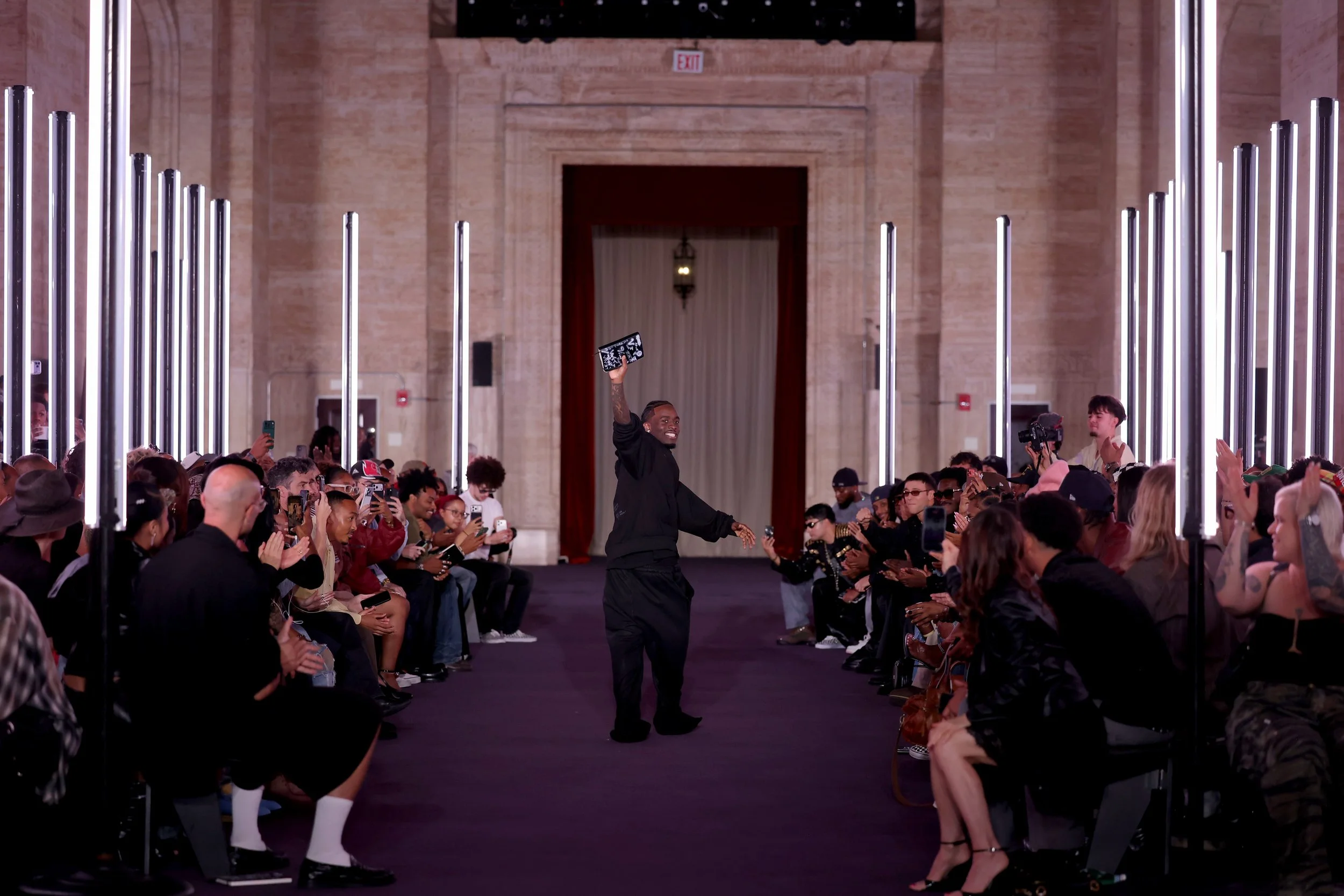
On September 12, 2026, Cipriani in Lower Manhattan hosted the debut of VIVET, the label founded and creatively directed by Cenat. More than a fashion debut, the collection presented a physical archive of his evolution—one that reflects the same transparency, vulnerability and unfinished process that have defined his digital storytelling.
That idea was made tangible through notebooks gifted to guests at the show. What began as a souvenir from a manufacturing company in Italy became, for Cenat, a personal tool for documenting the development of VIVET.
PAGE
“It shows journey, it shows transparency, it shows vulnerability, everything,”
Cenat says.
“Started off as a souvenir from a manufacturing company out there that gave souvenirs to their guests. I was like, ‘Yo, I wanna document everything,’ designed it, and it’s here now. Literally everything.”
The notebook becomes a fitting metaphor for VIVET itself. If Cenat’s streams have served as a living record of his transition into adulthood, the notebook offers a physical counterpart—a place to preserve the ideas, references and experiences behind the finished product.
Named after a Latin phrase meaning “he, she, or it will live forever,” VIVET is built around permanence and the pursuit of garments designed to outlast trends. Cenat spent months studying textile manufacturing, pattern-making and leather construction in Italy alongside industry specialists, approaching fashion as a craft to be learned from the inside out.
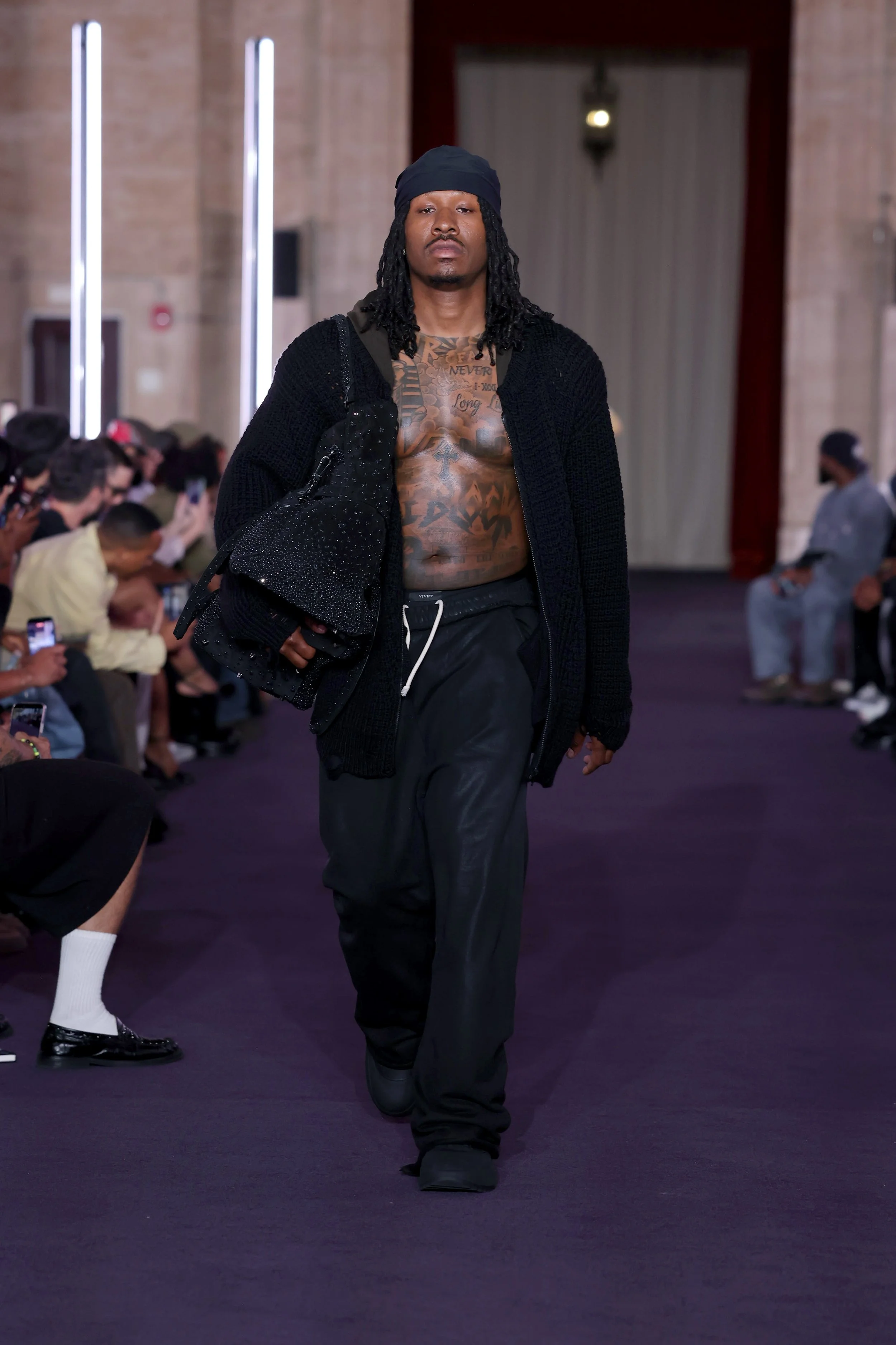
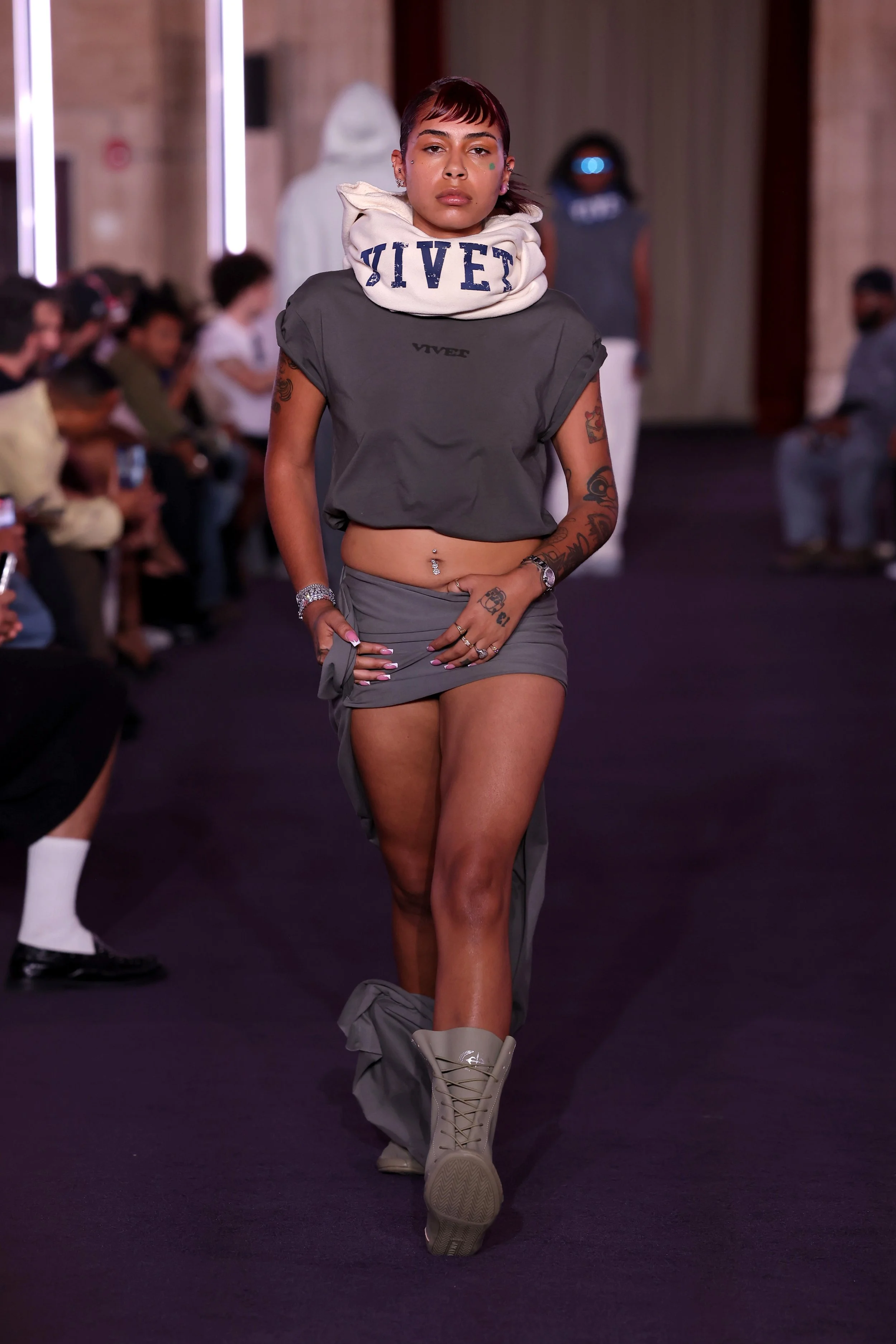
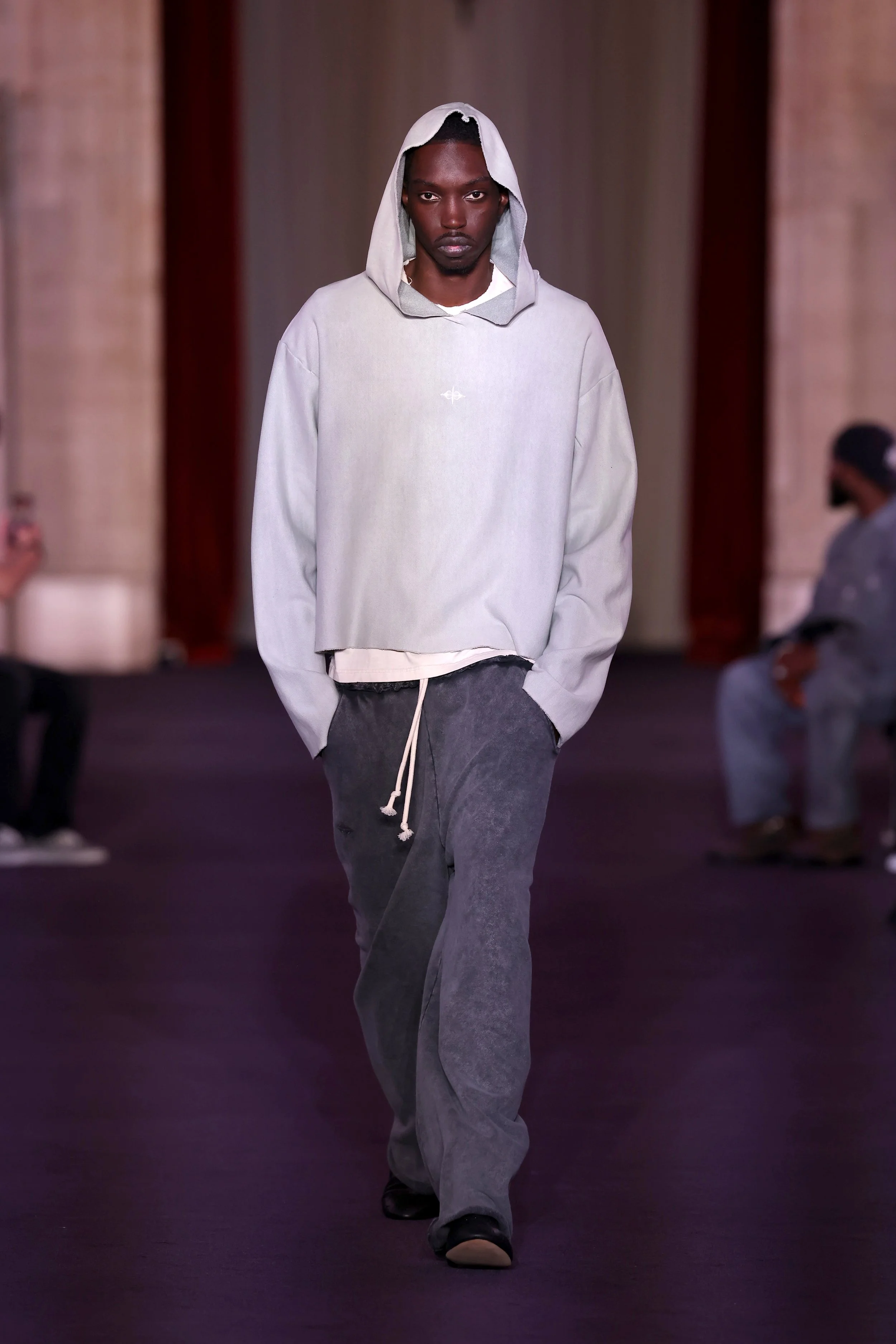
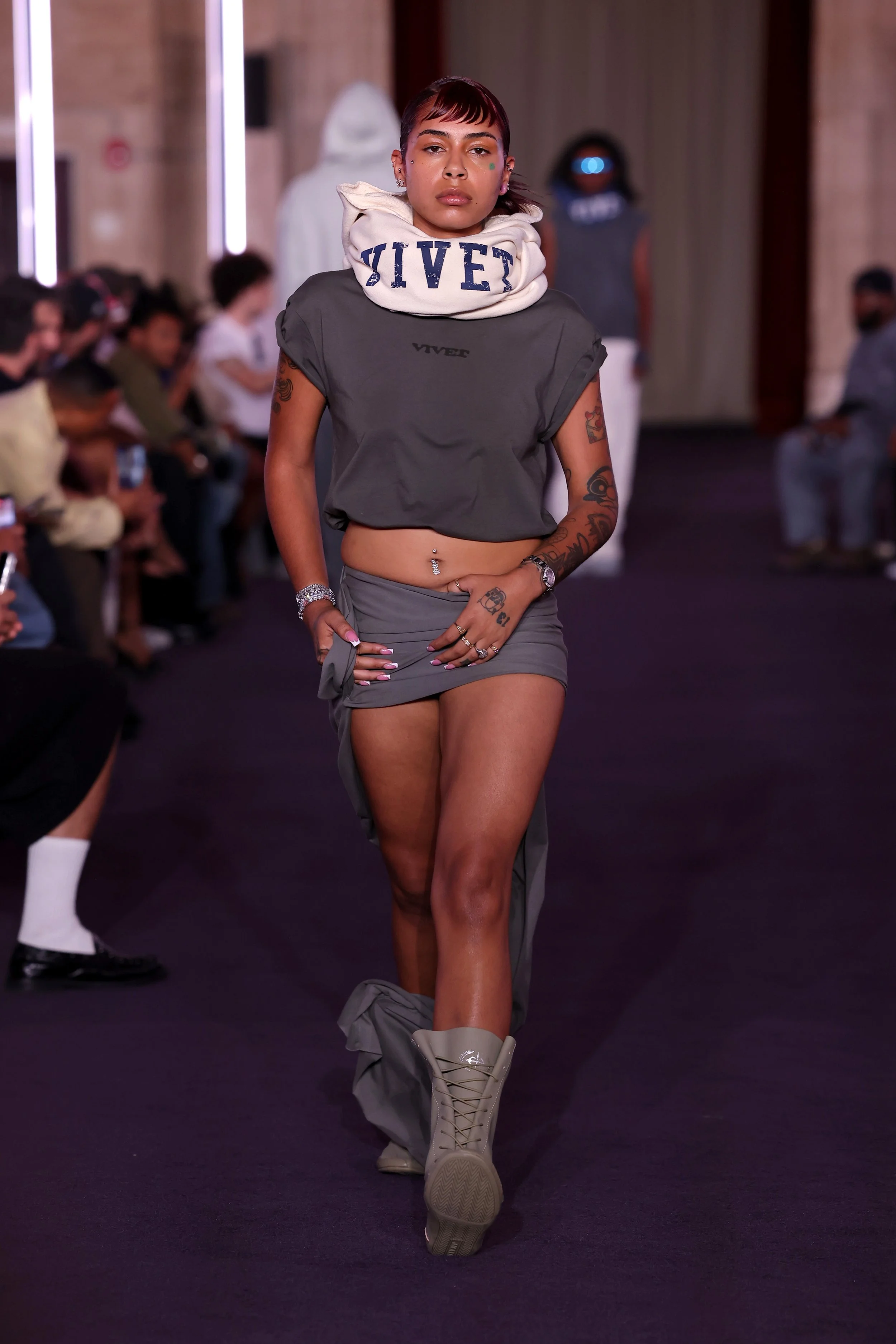
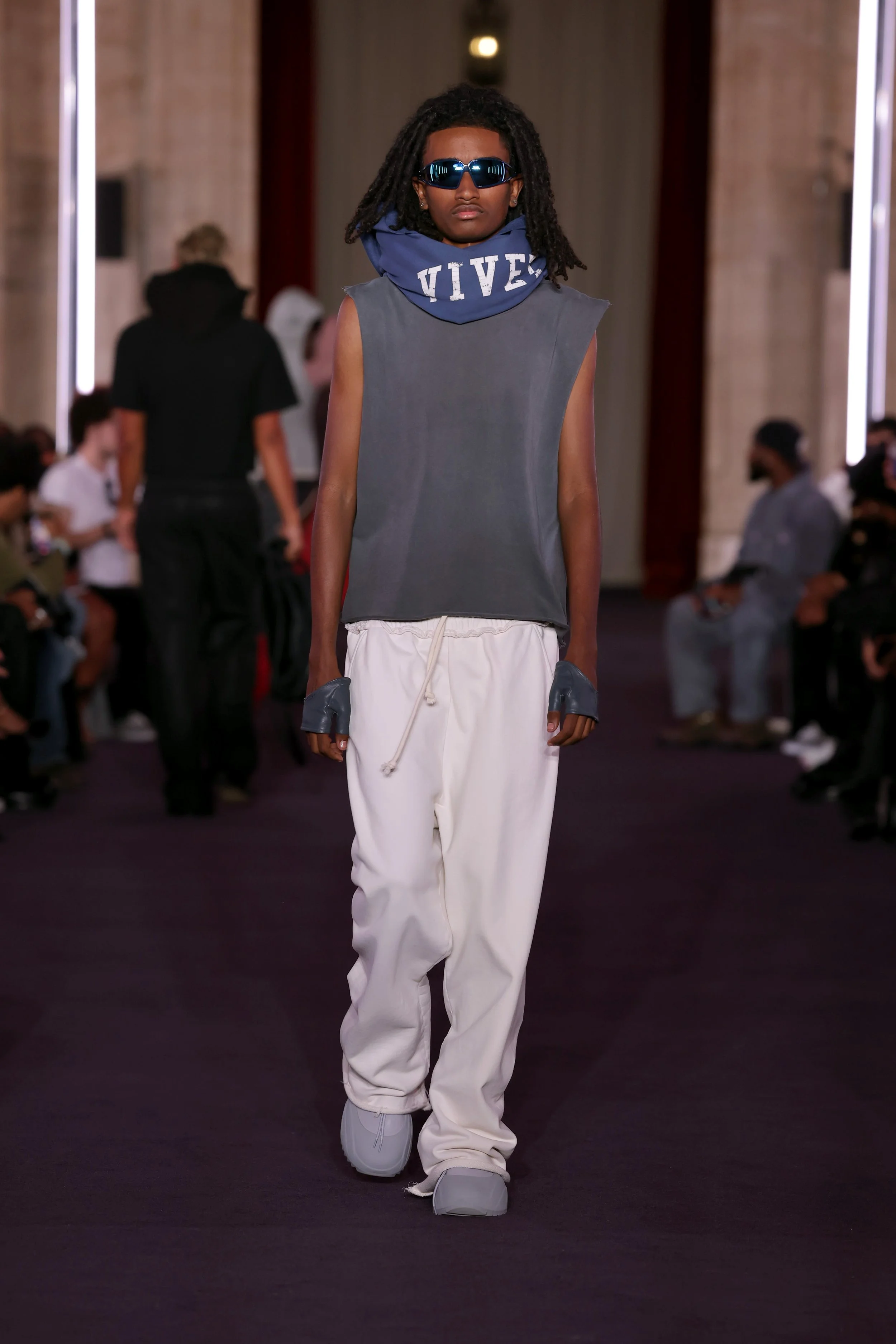
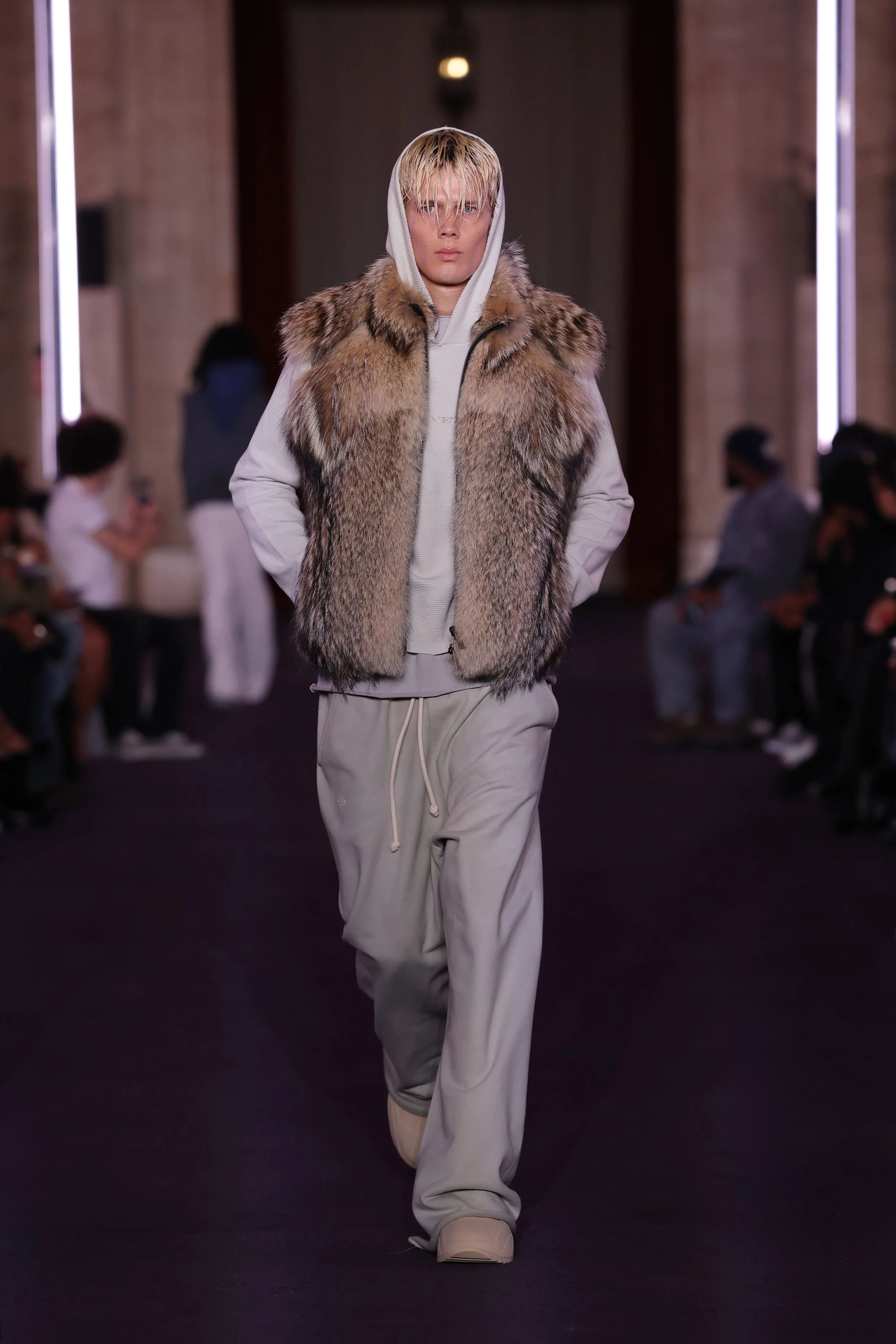
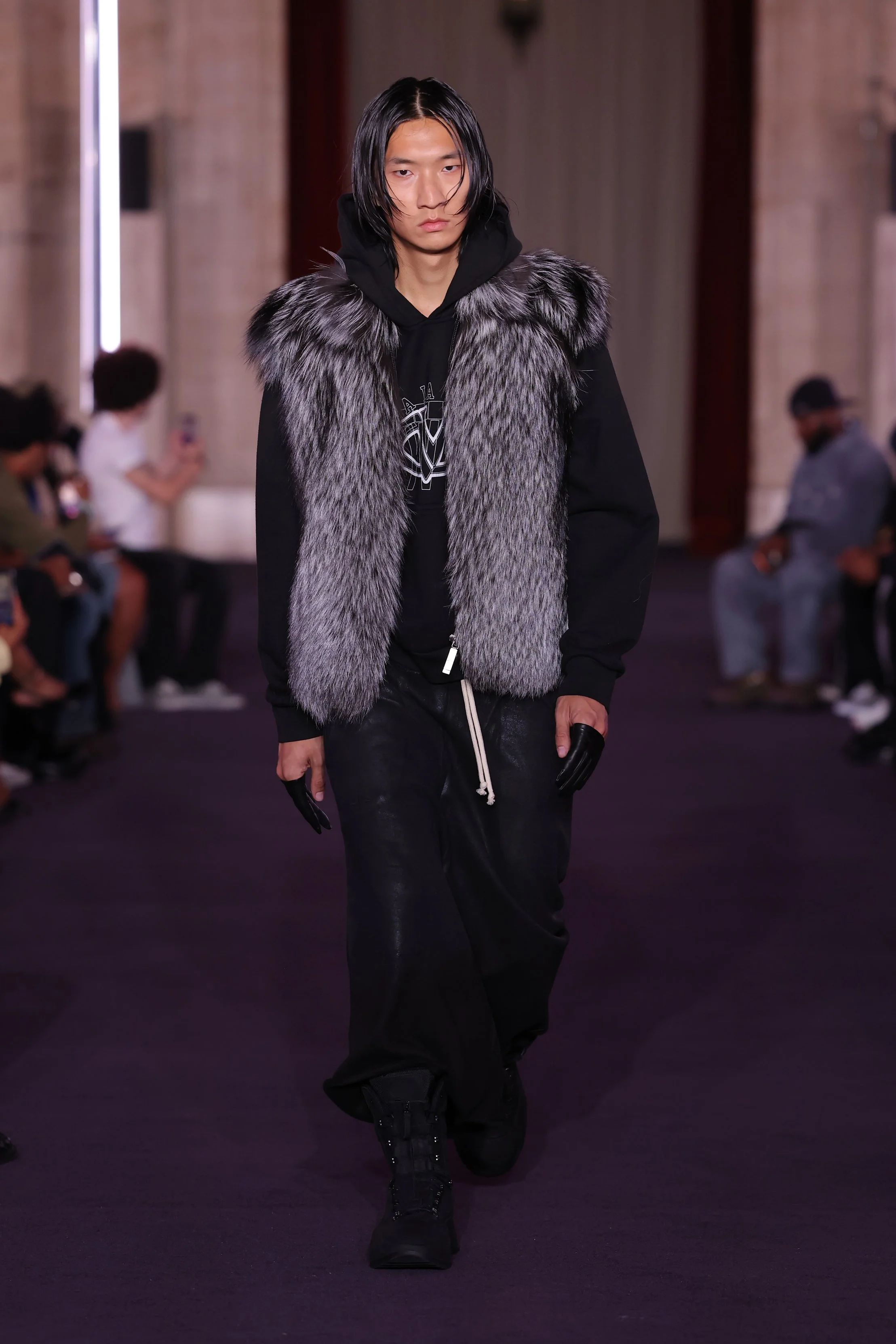
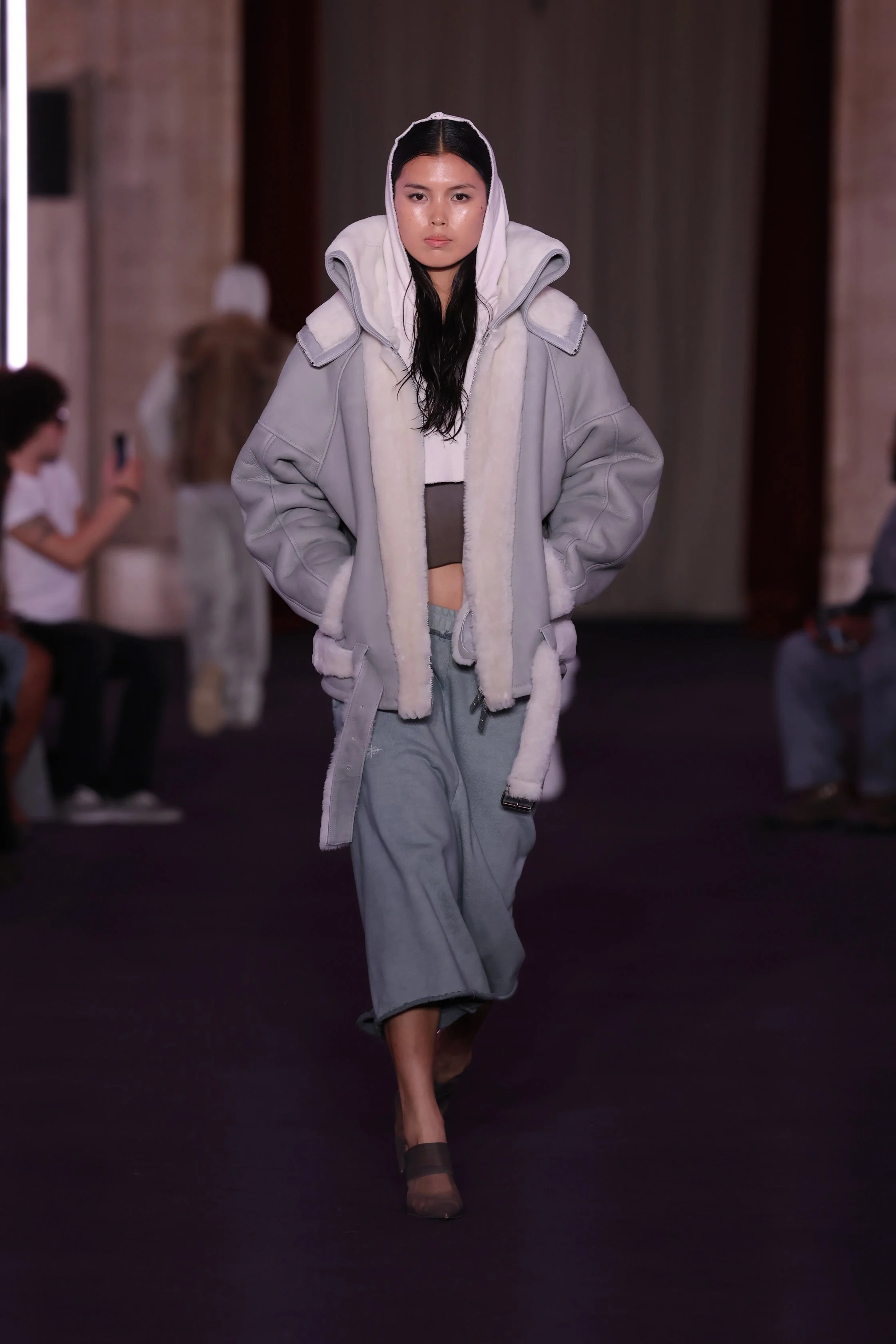
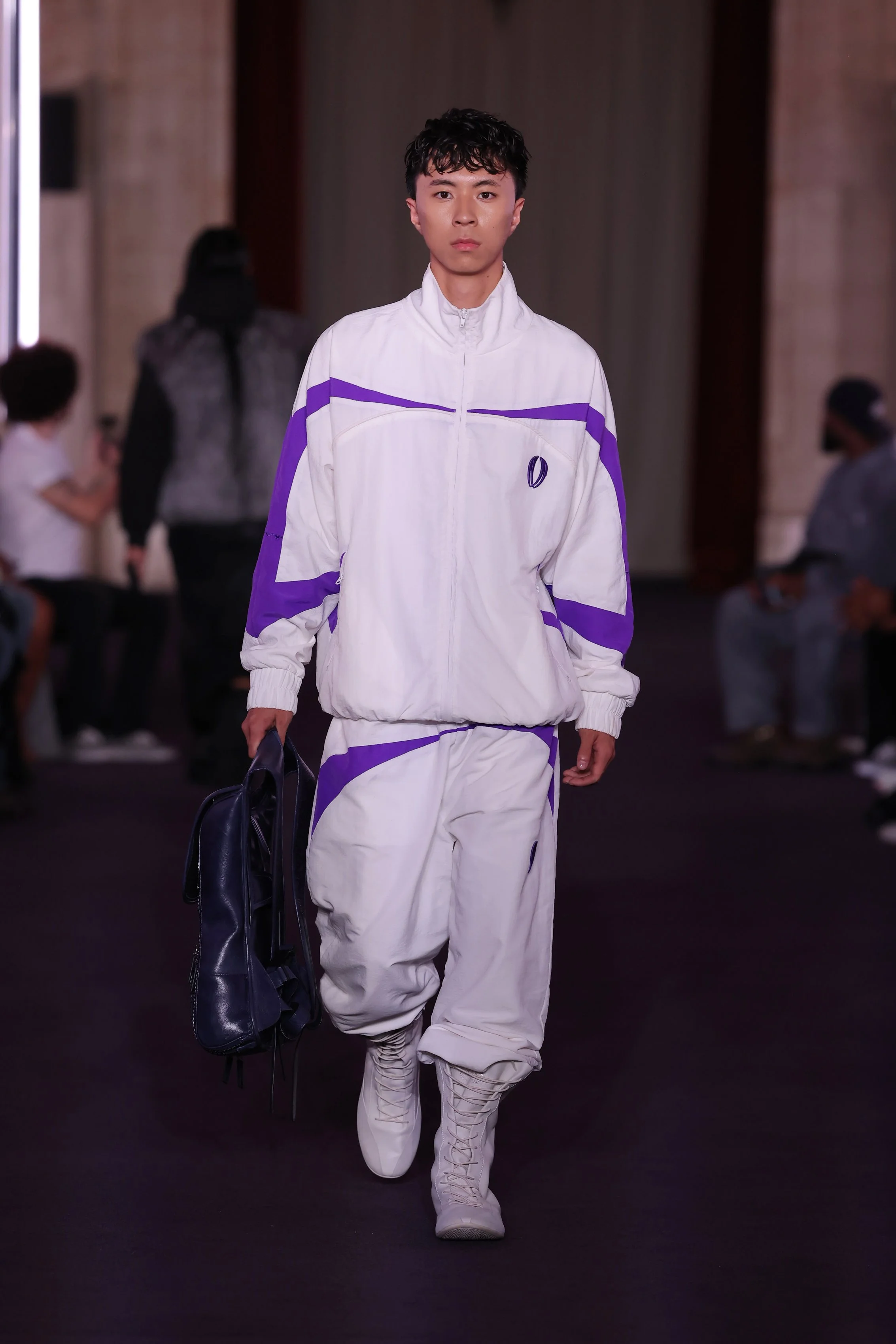
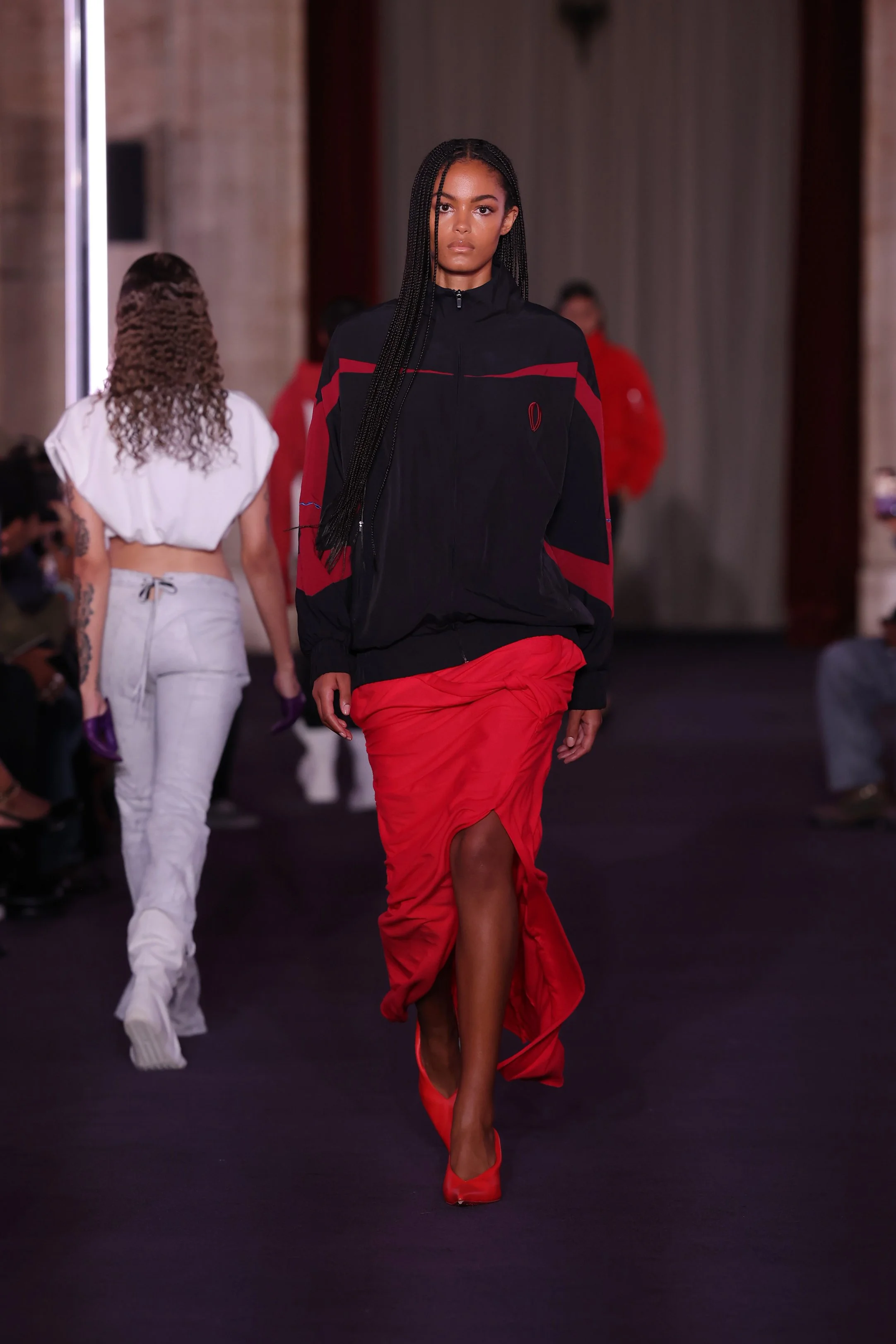
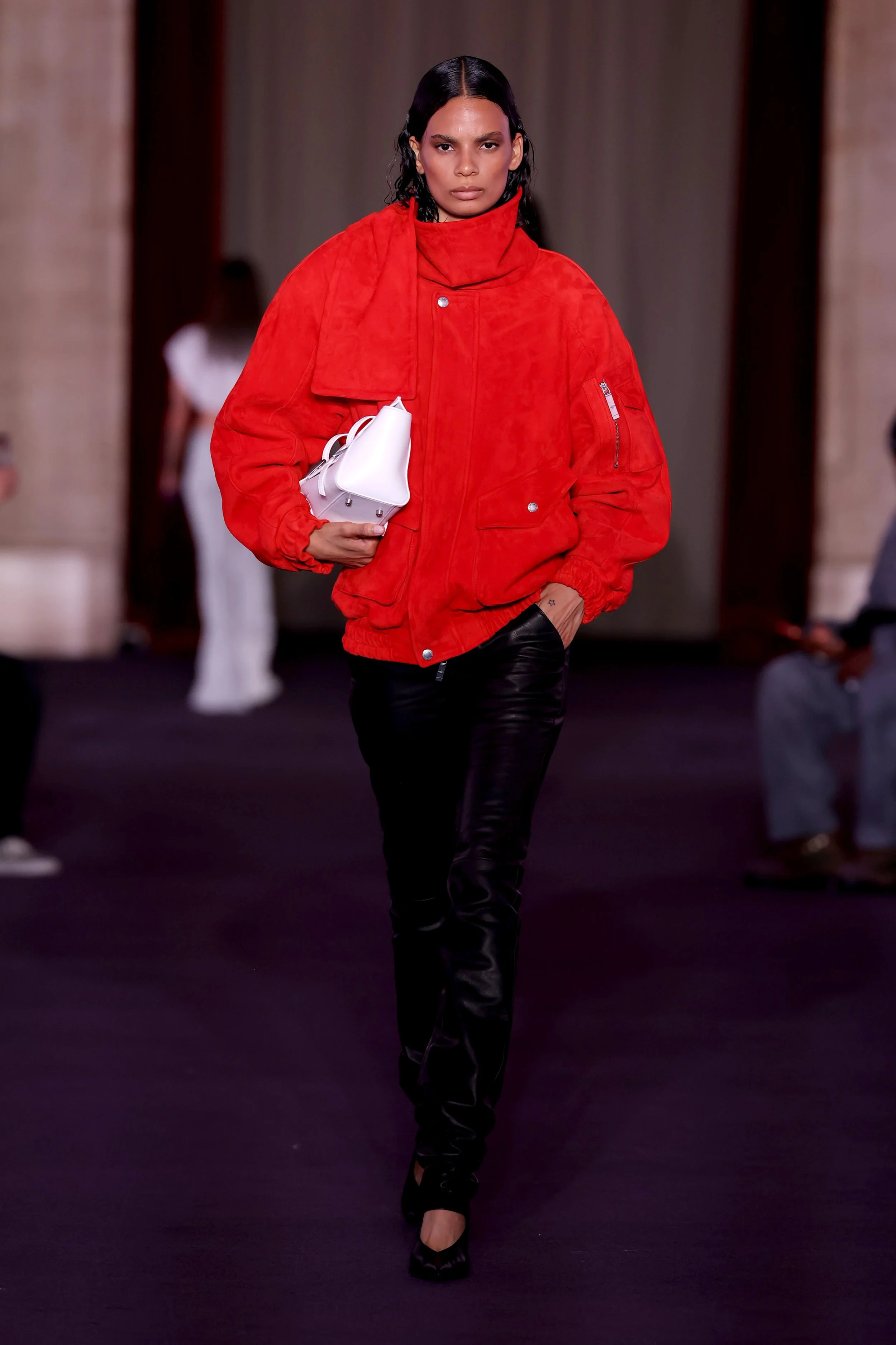
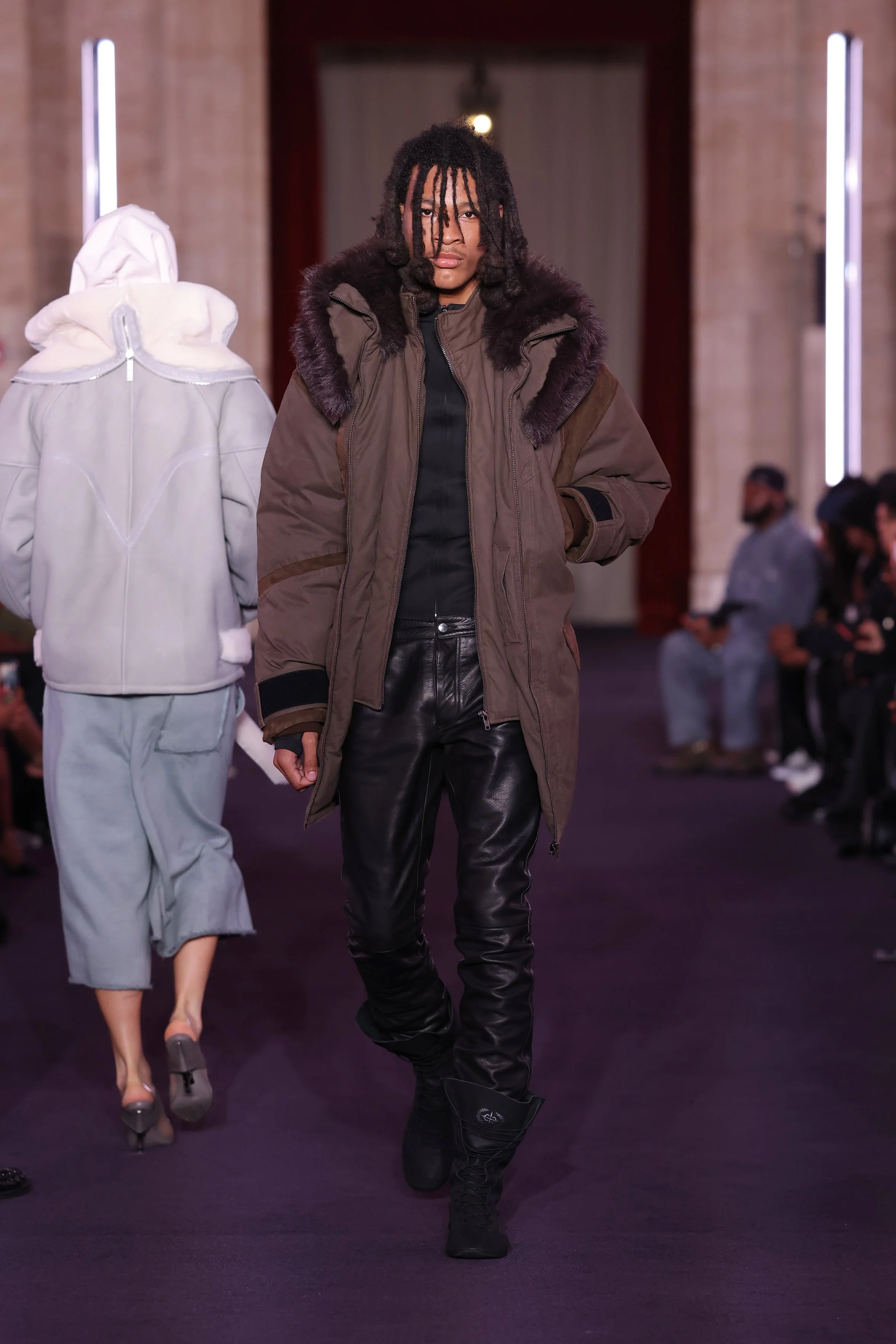
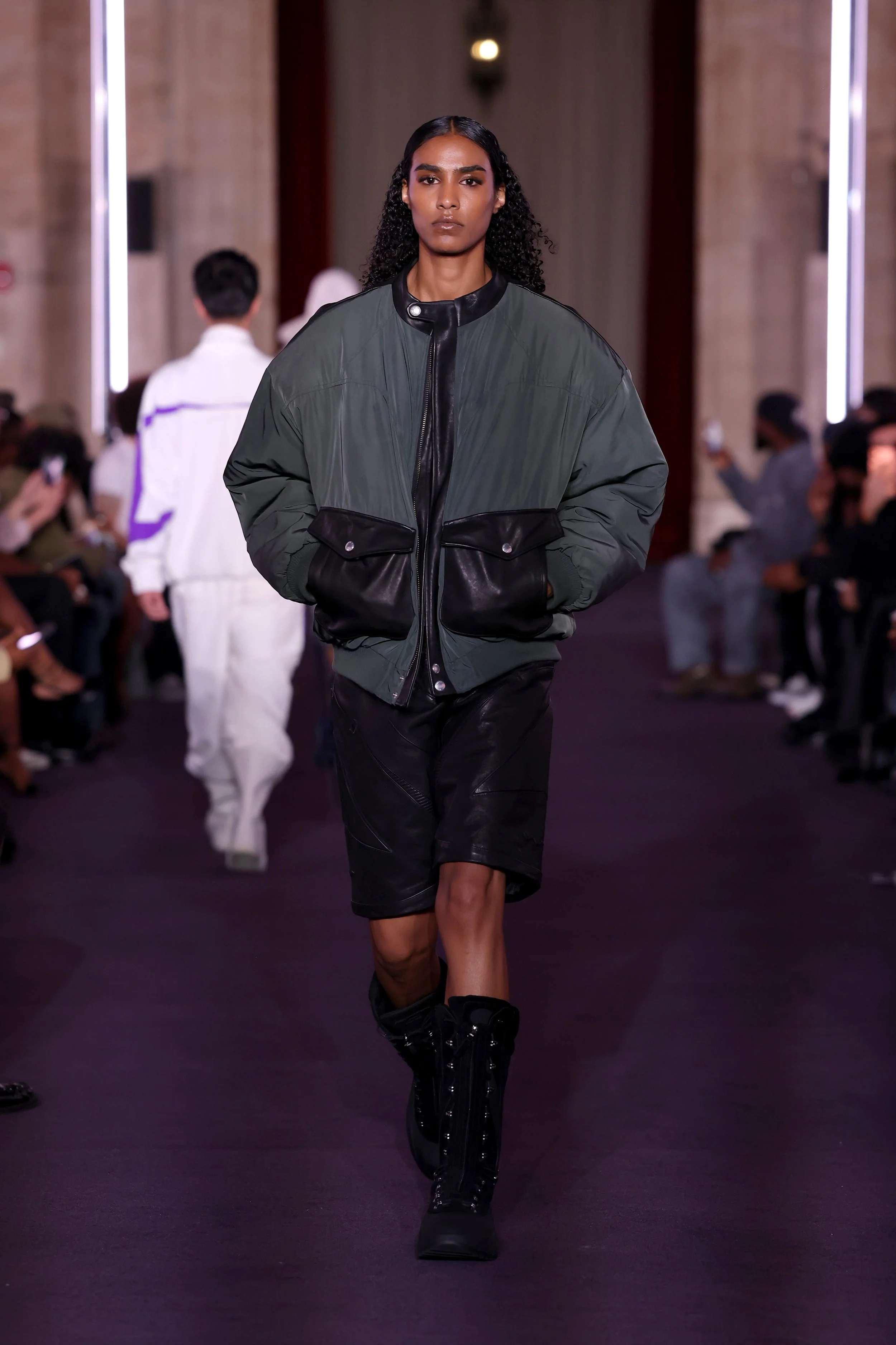
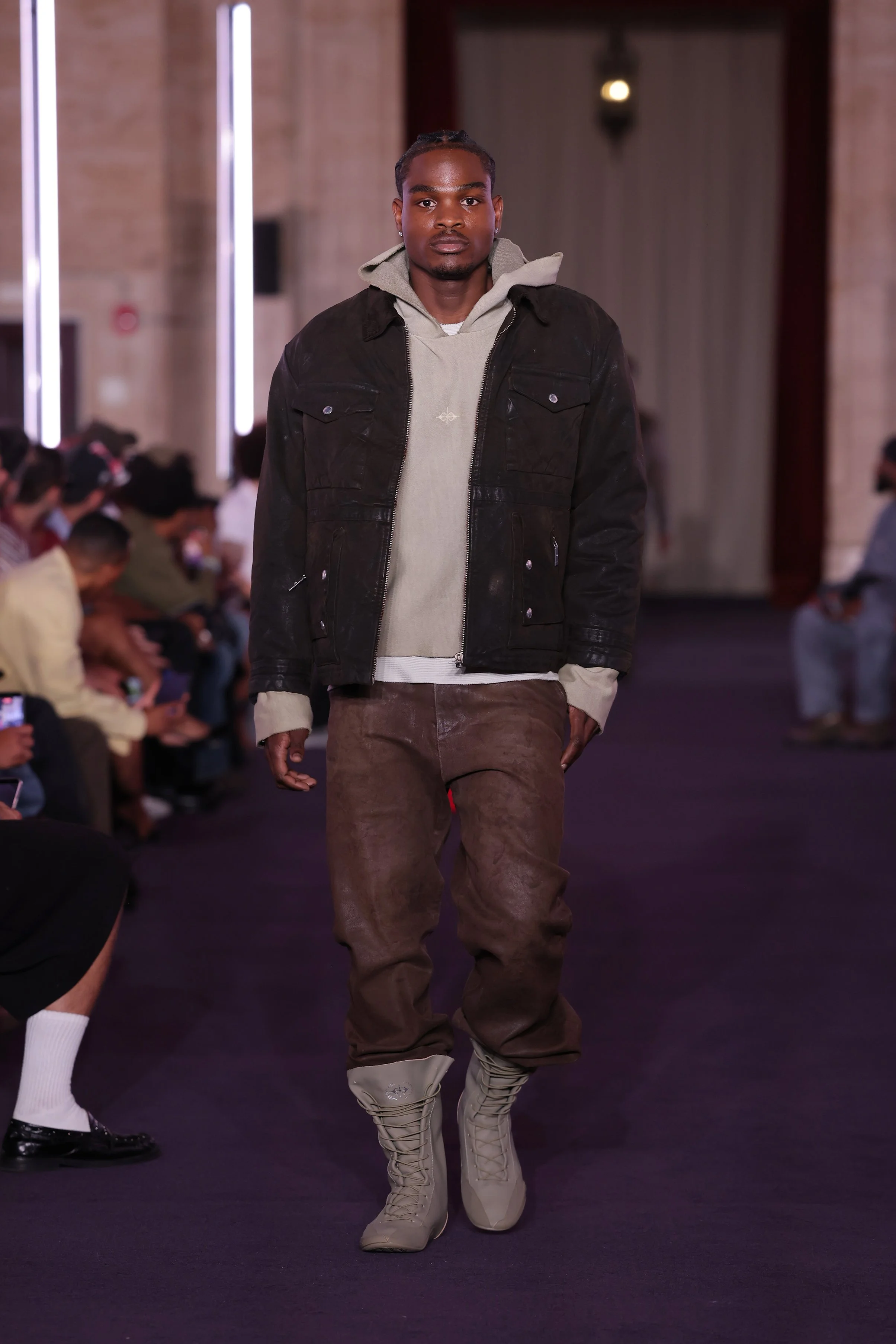
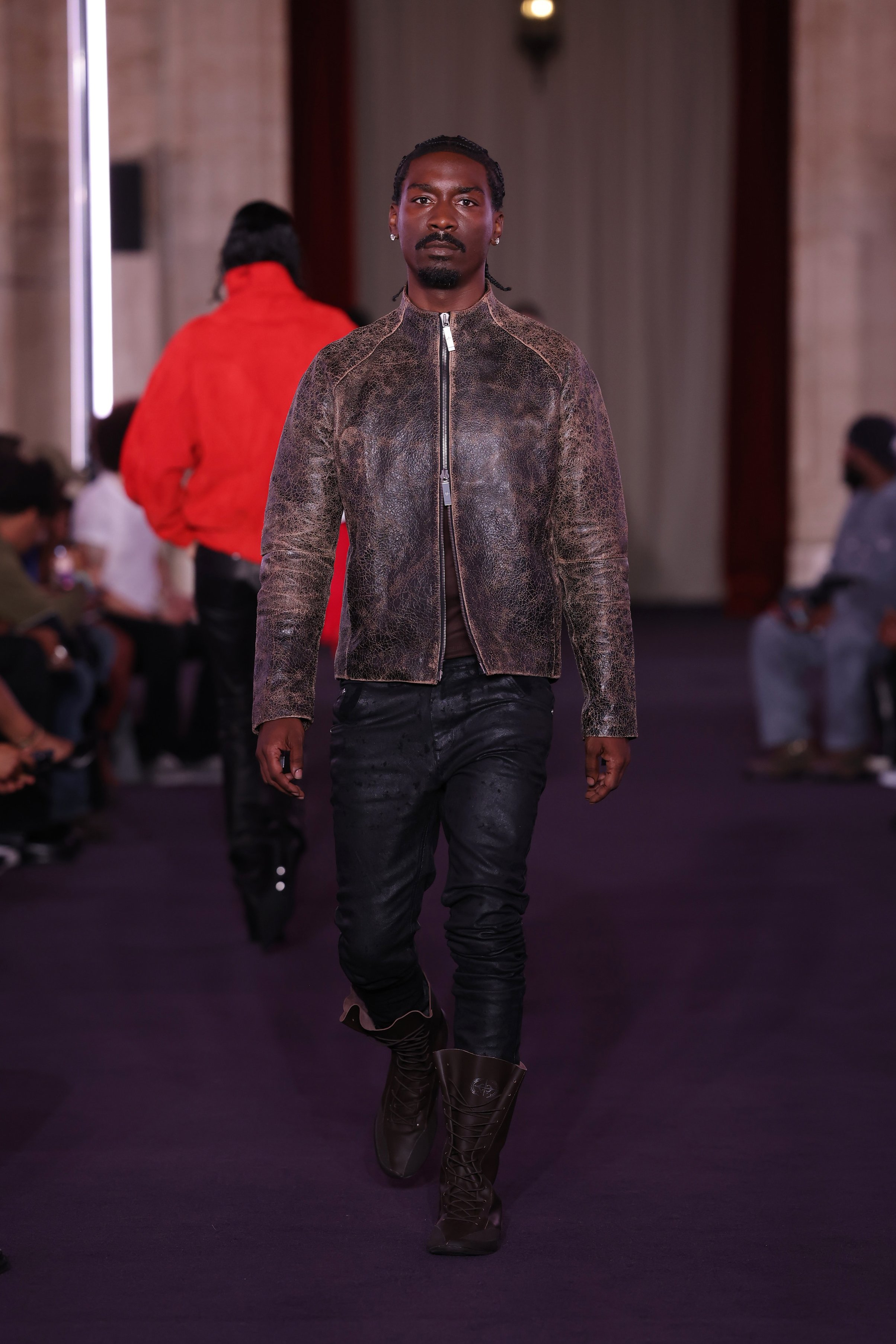
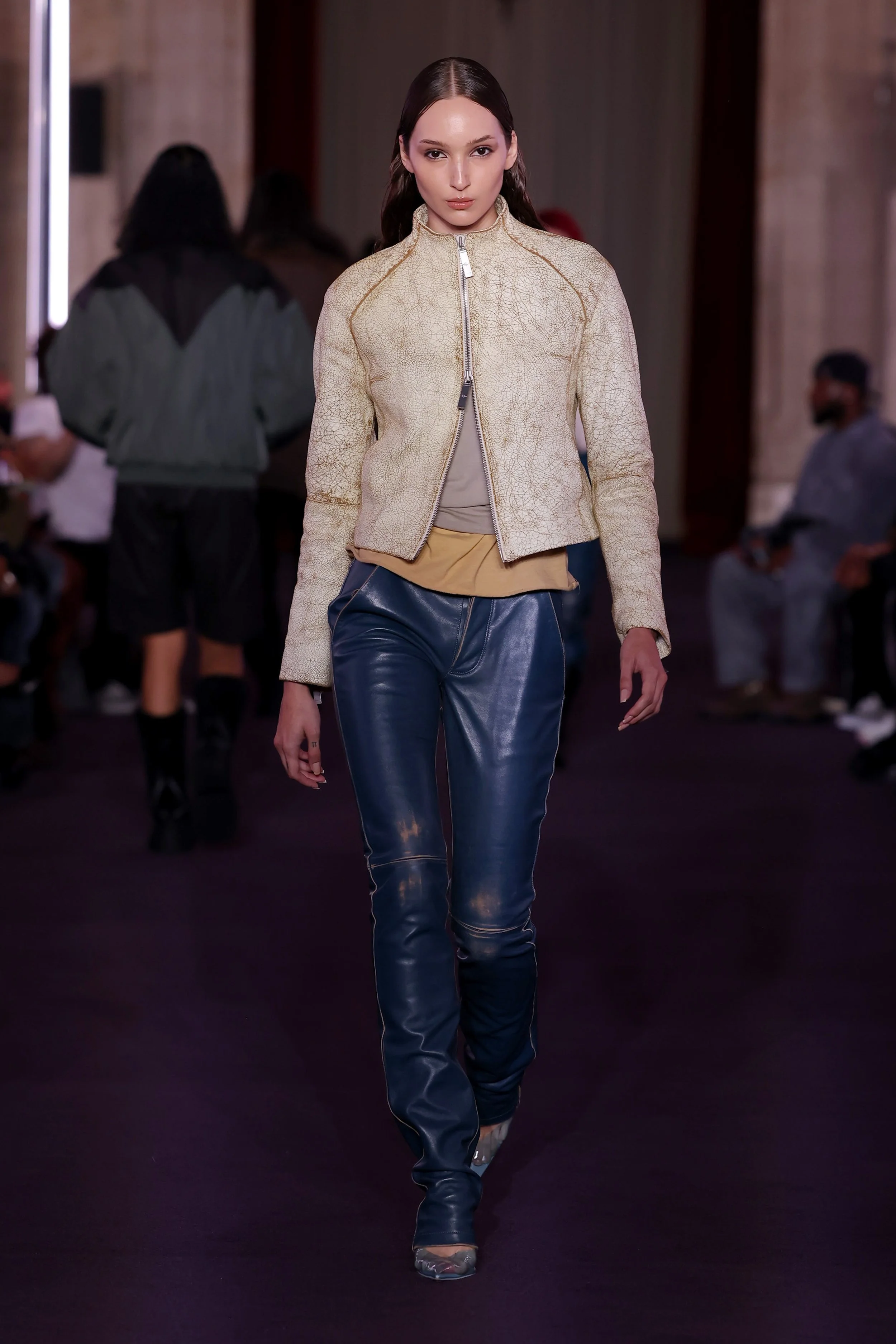
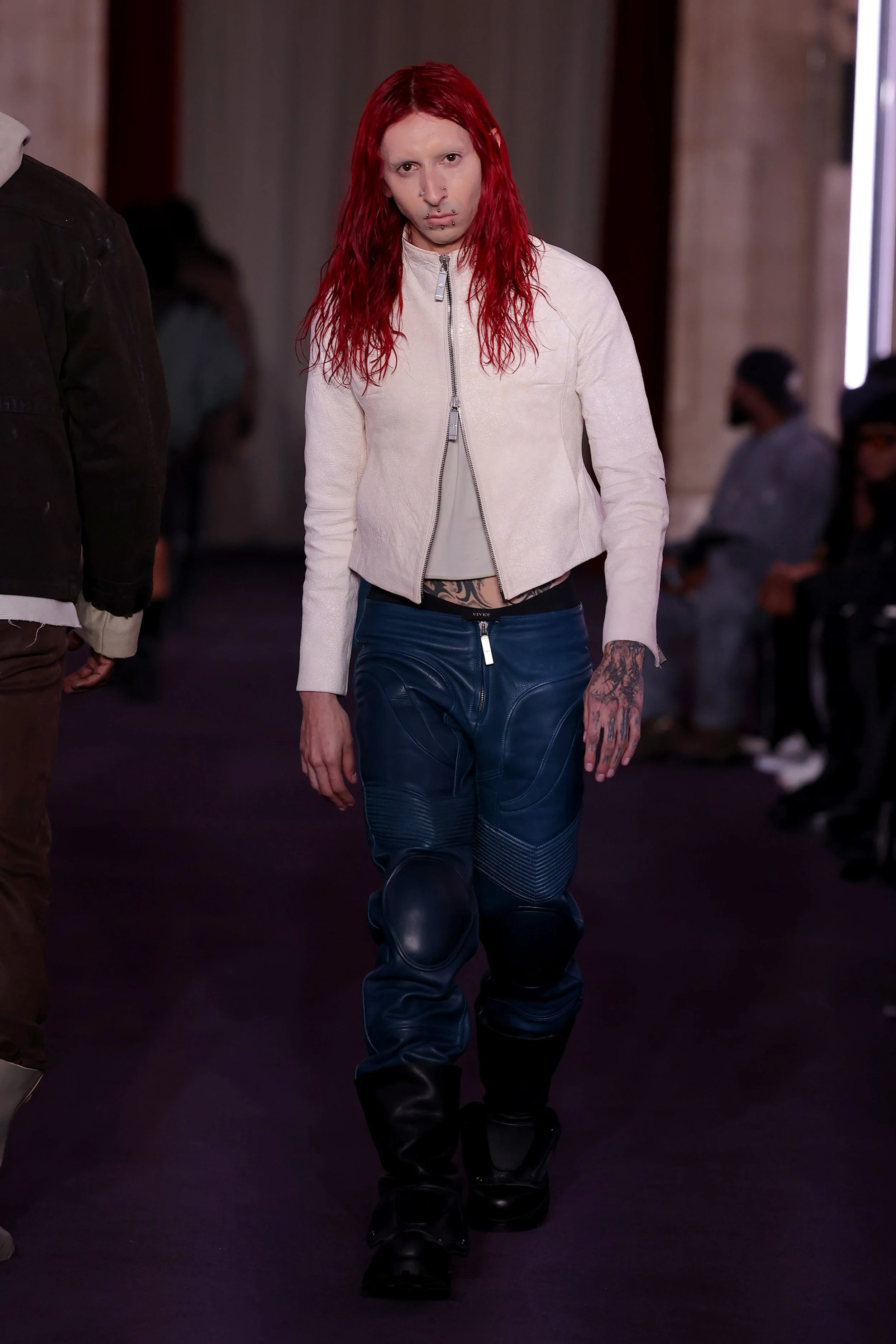
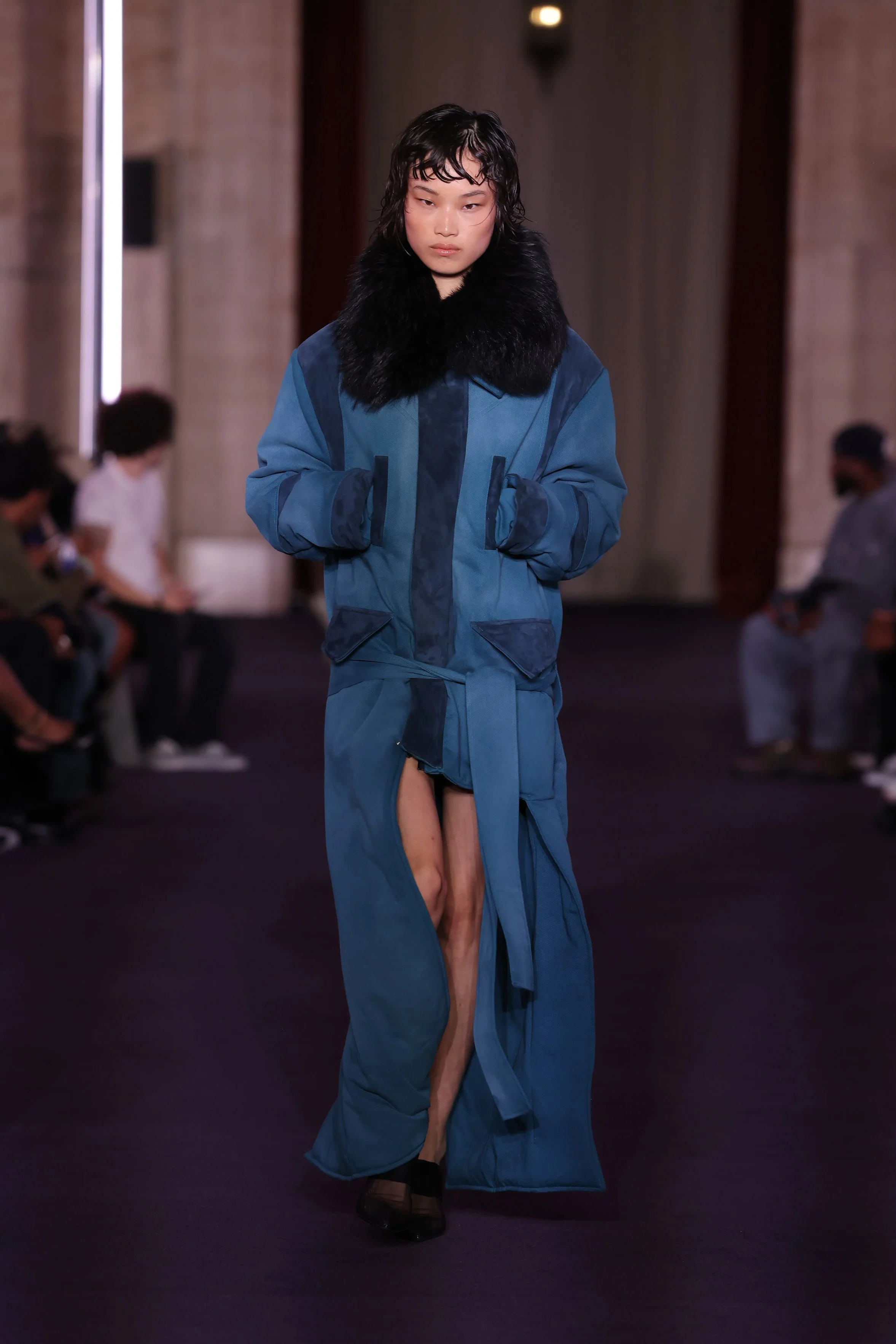
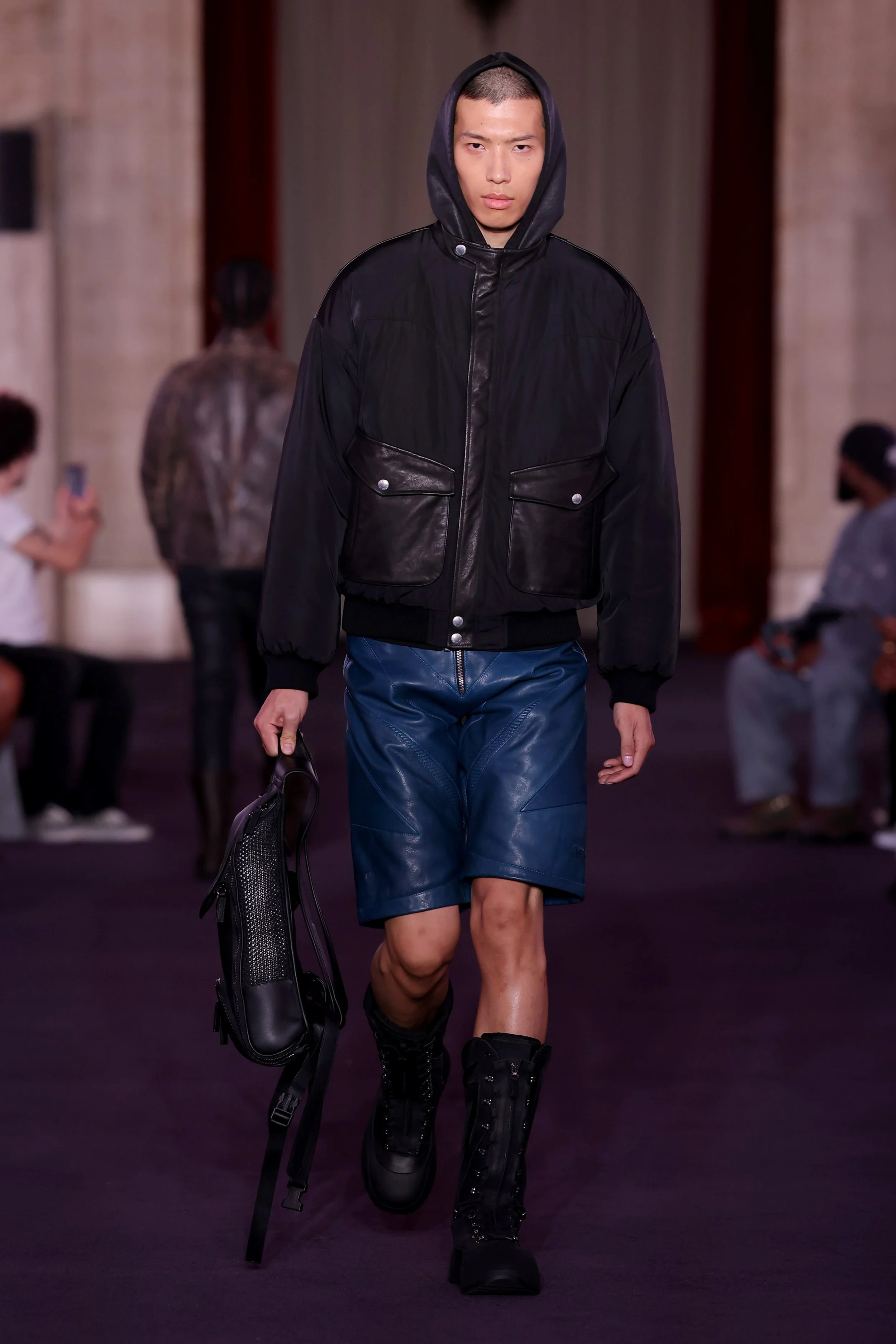
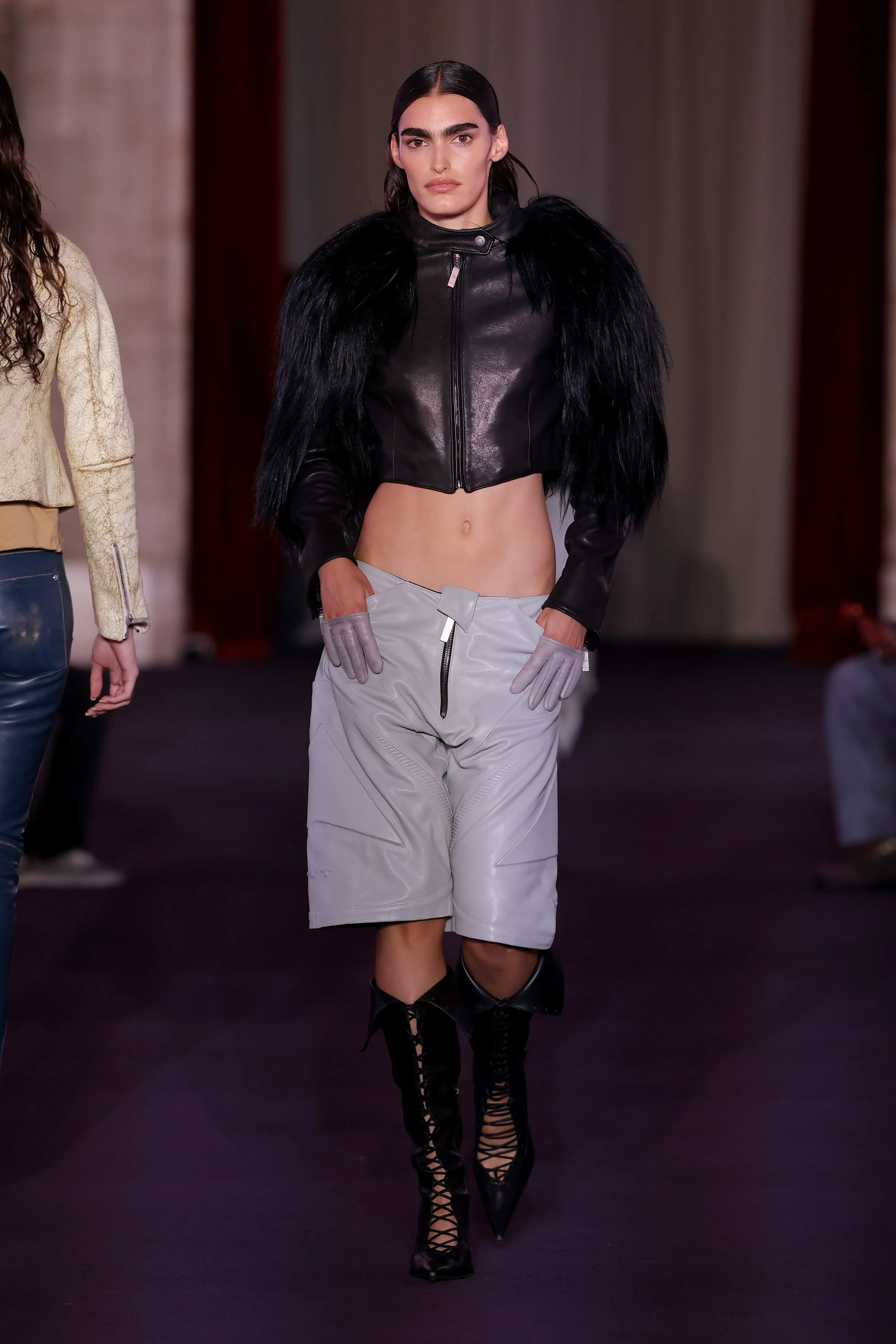
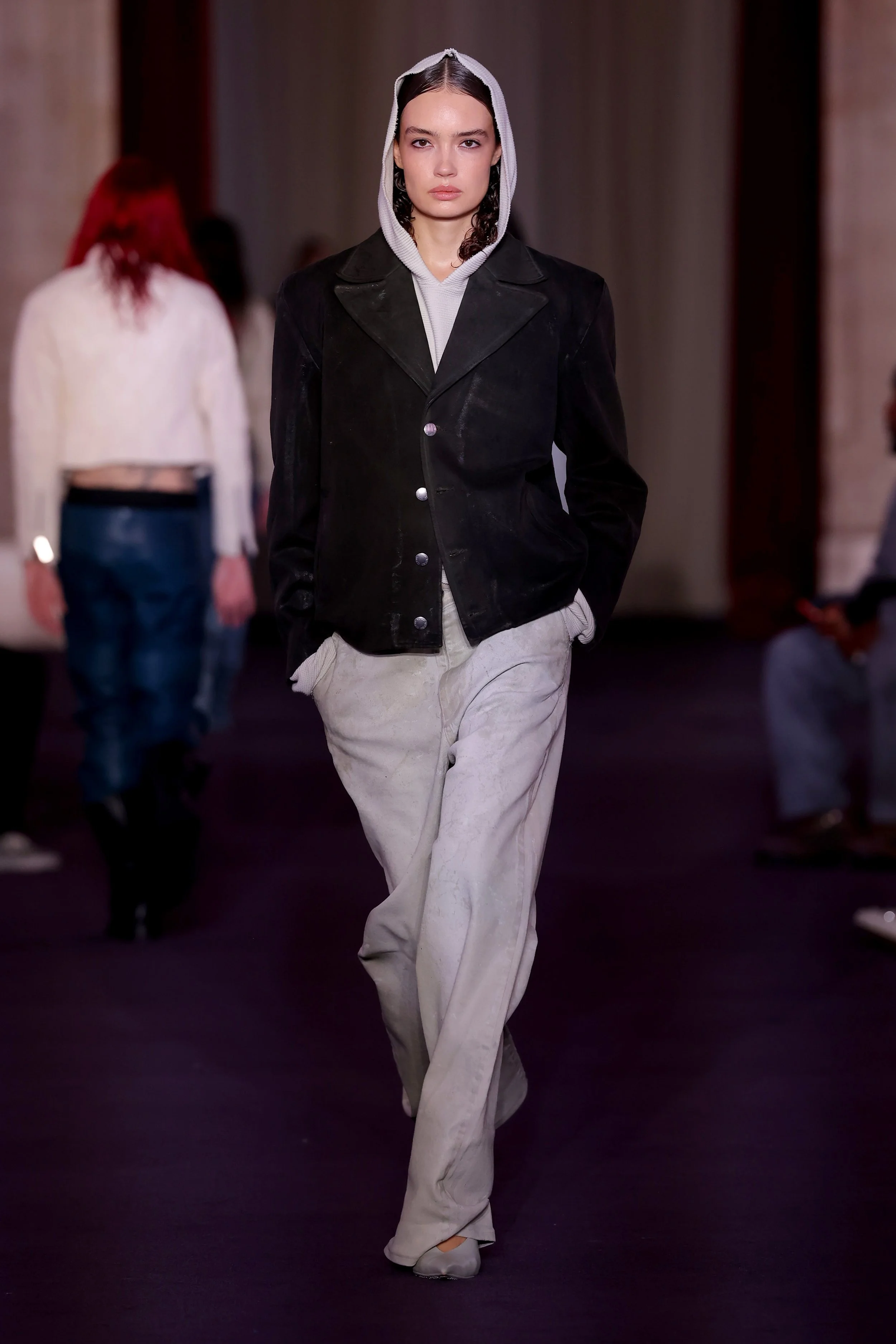
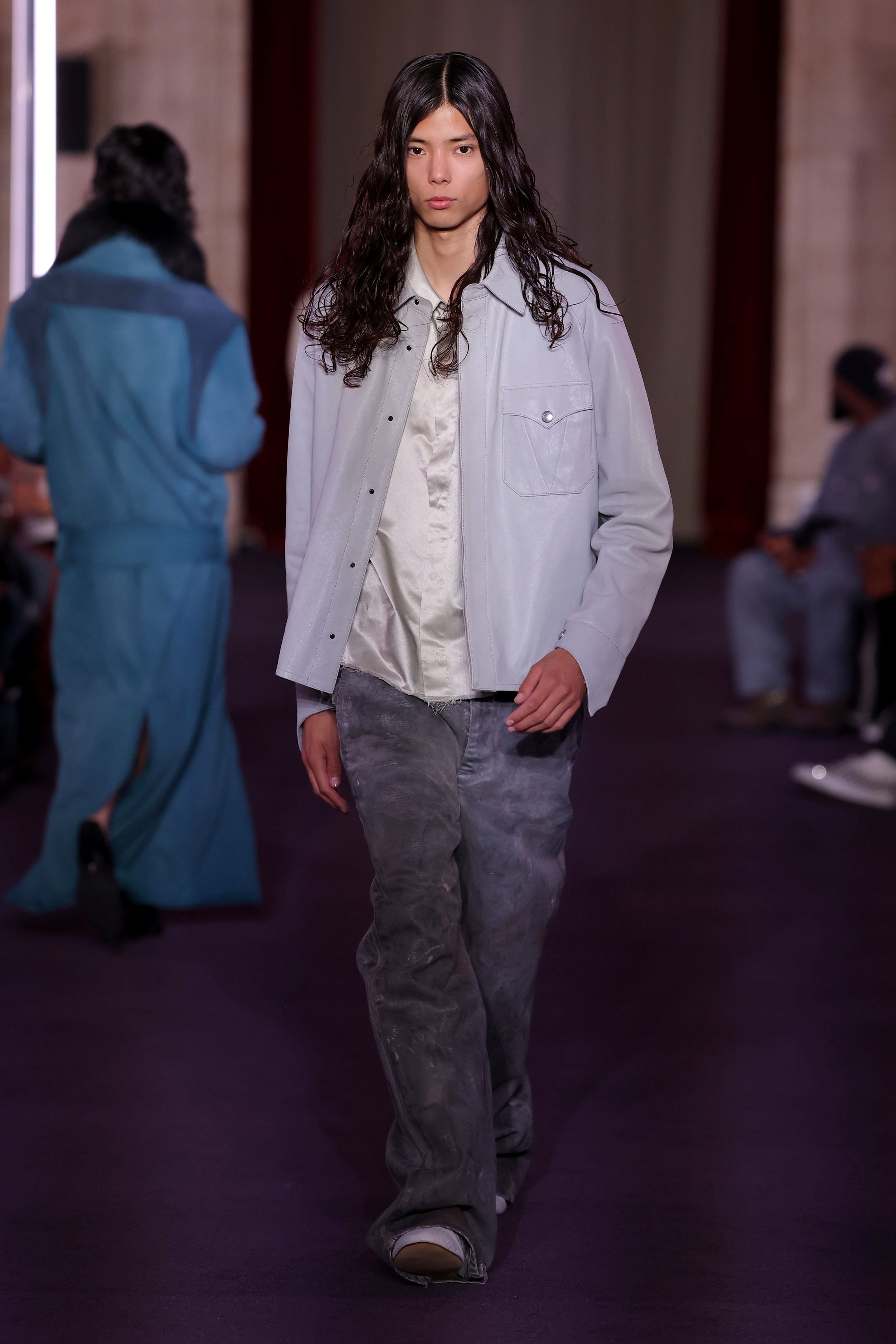
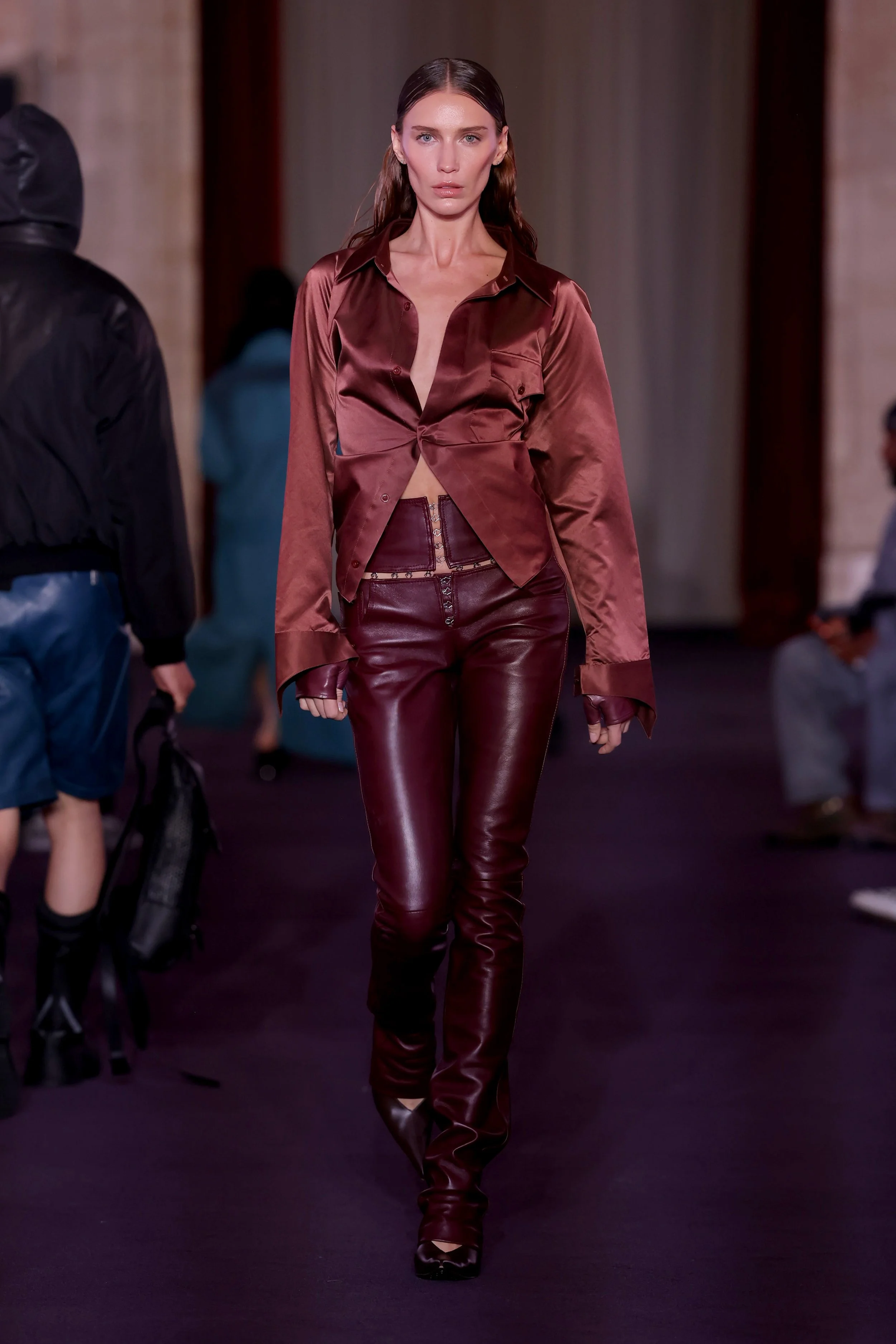
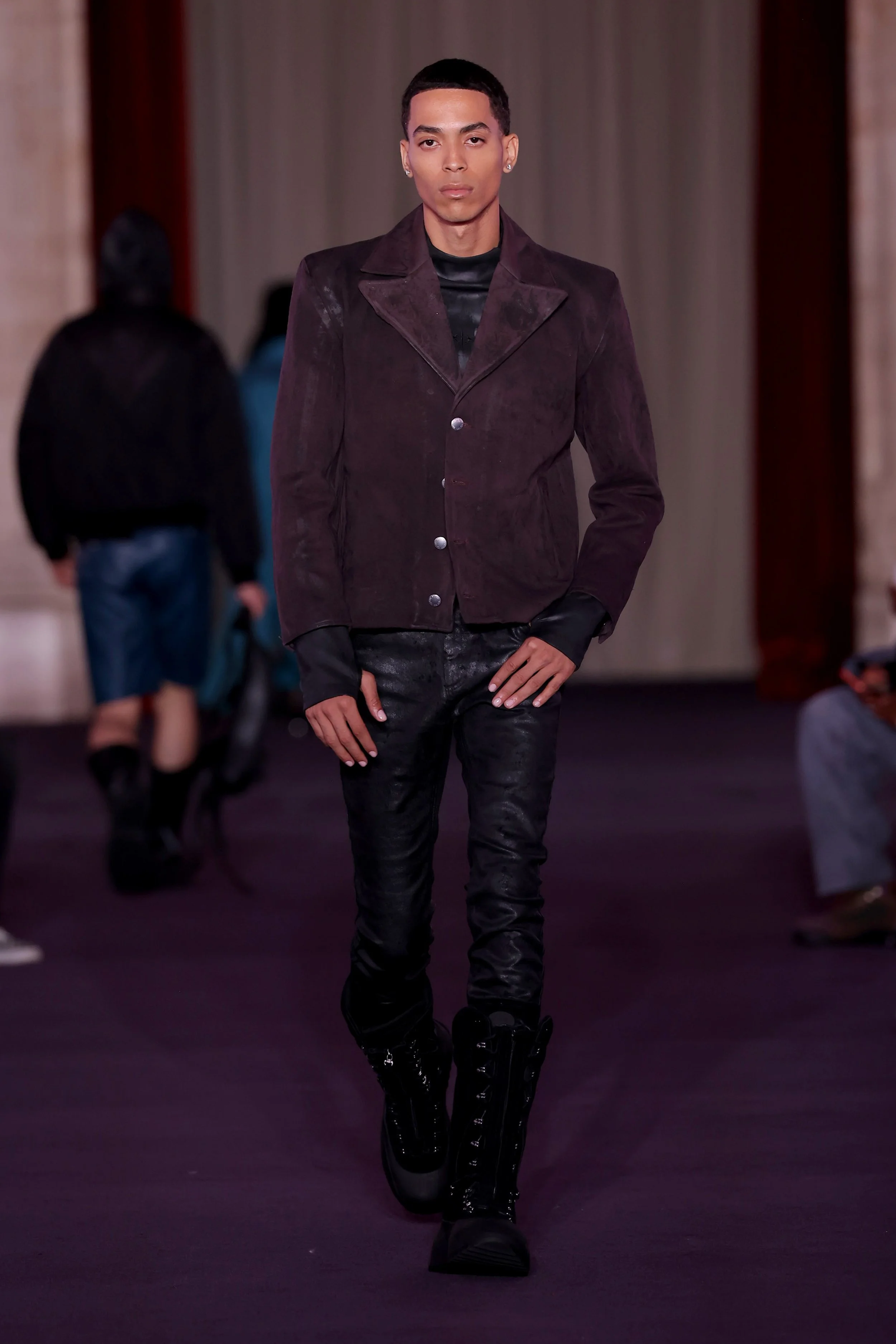
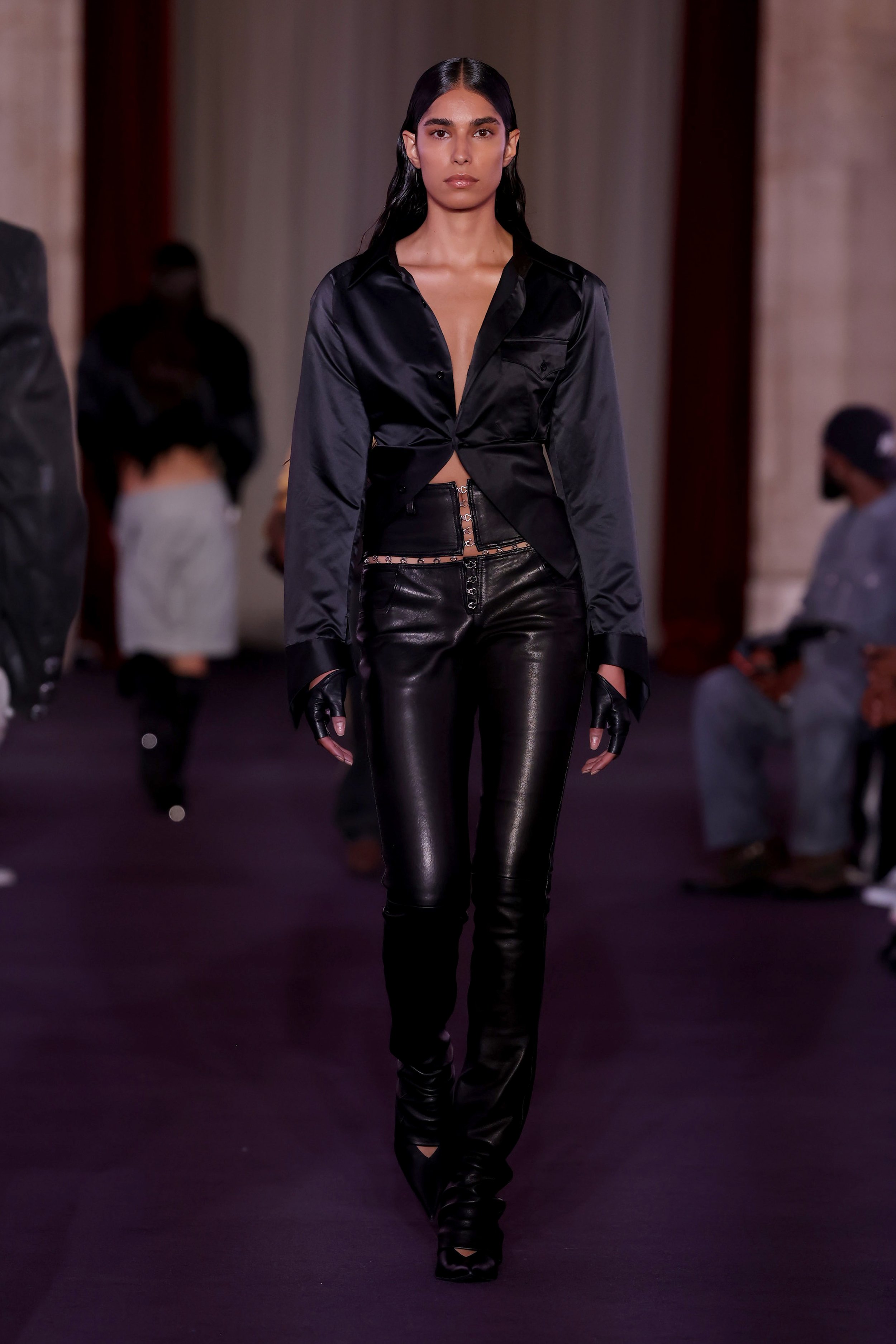
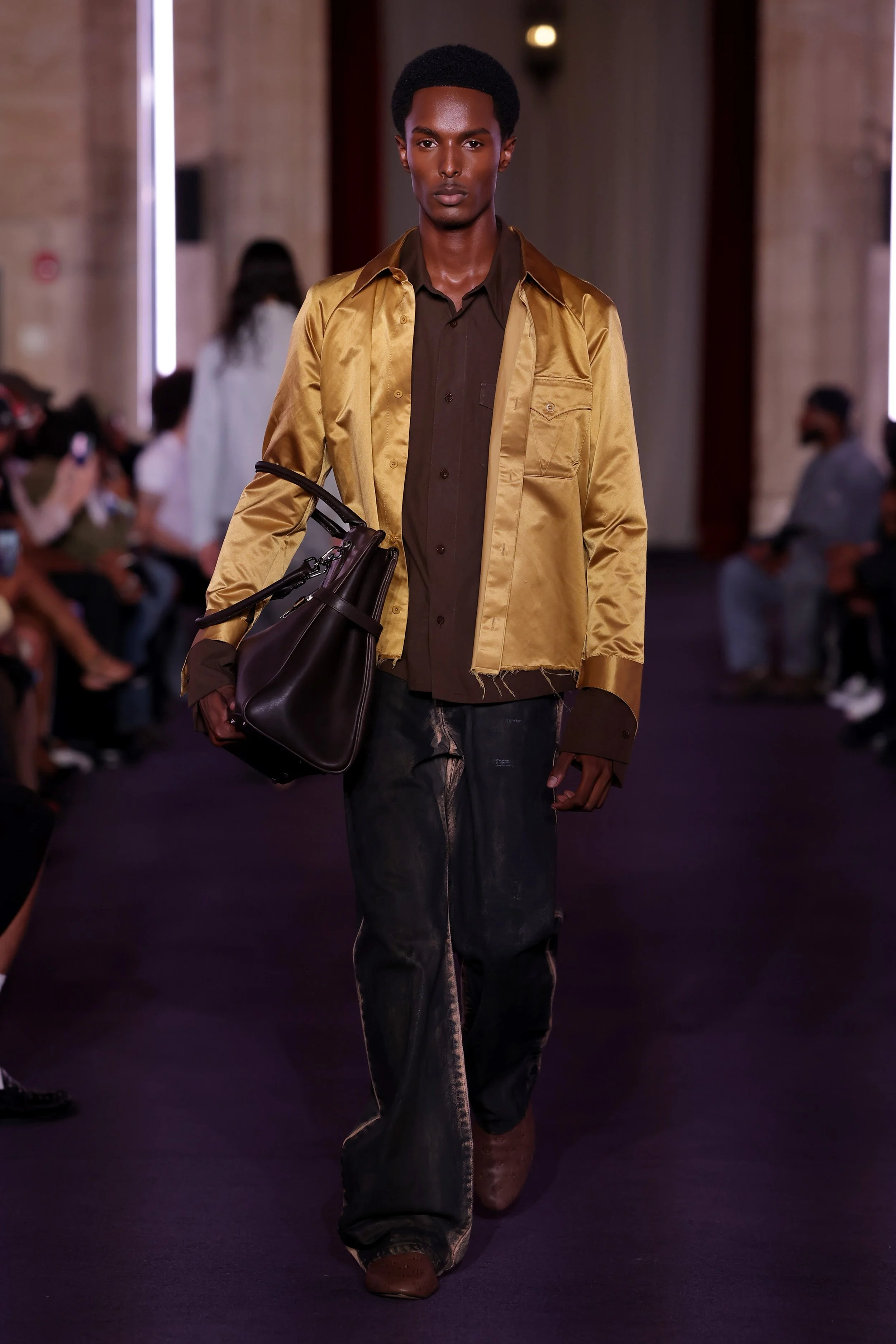
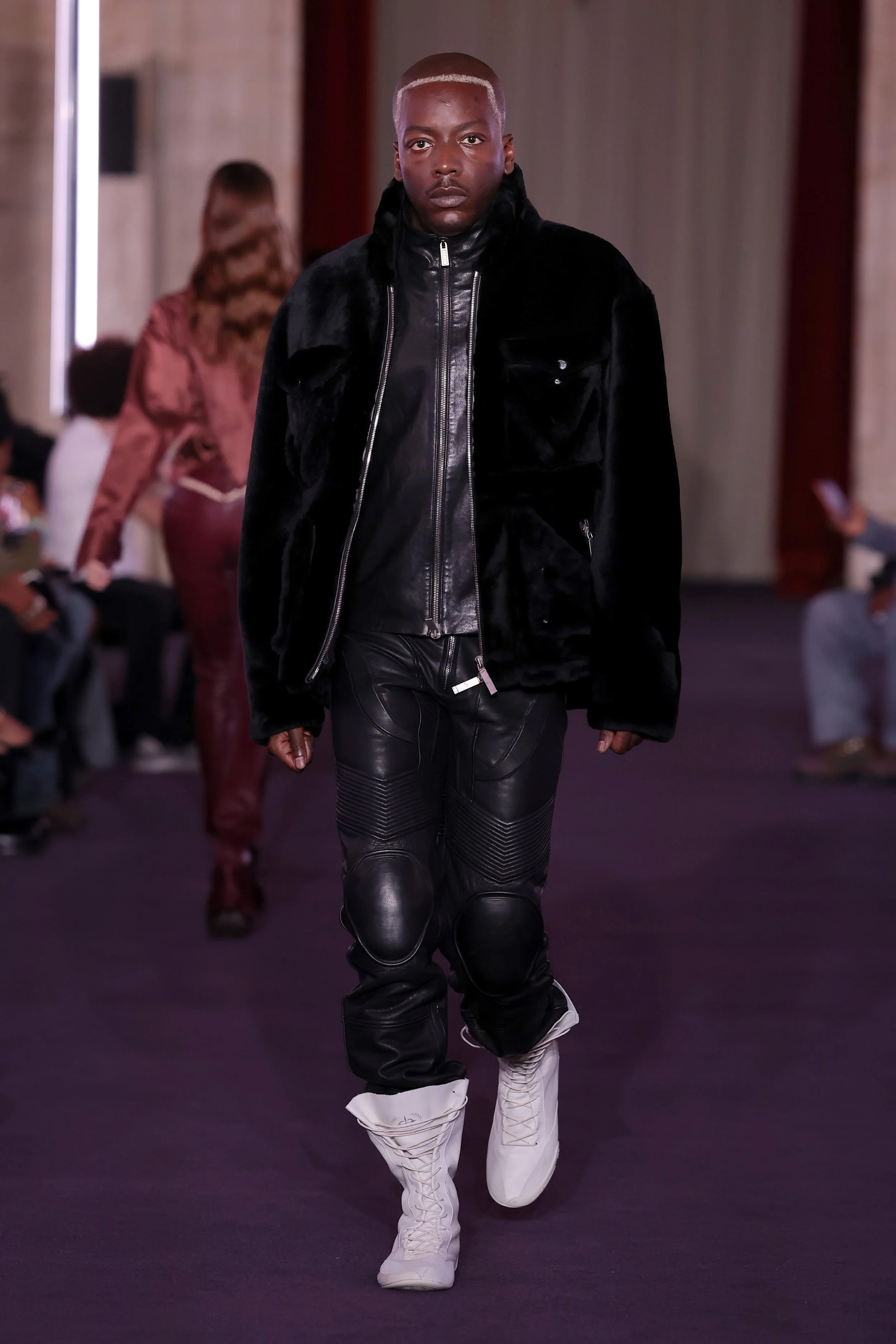
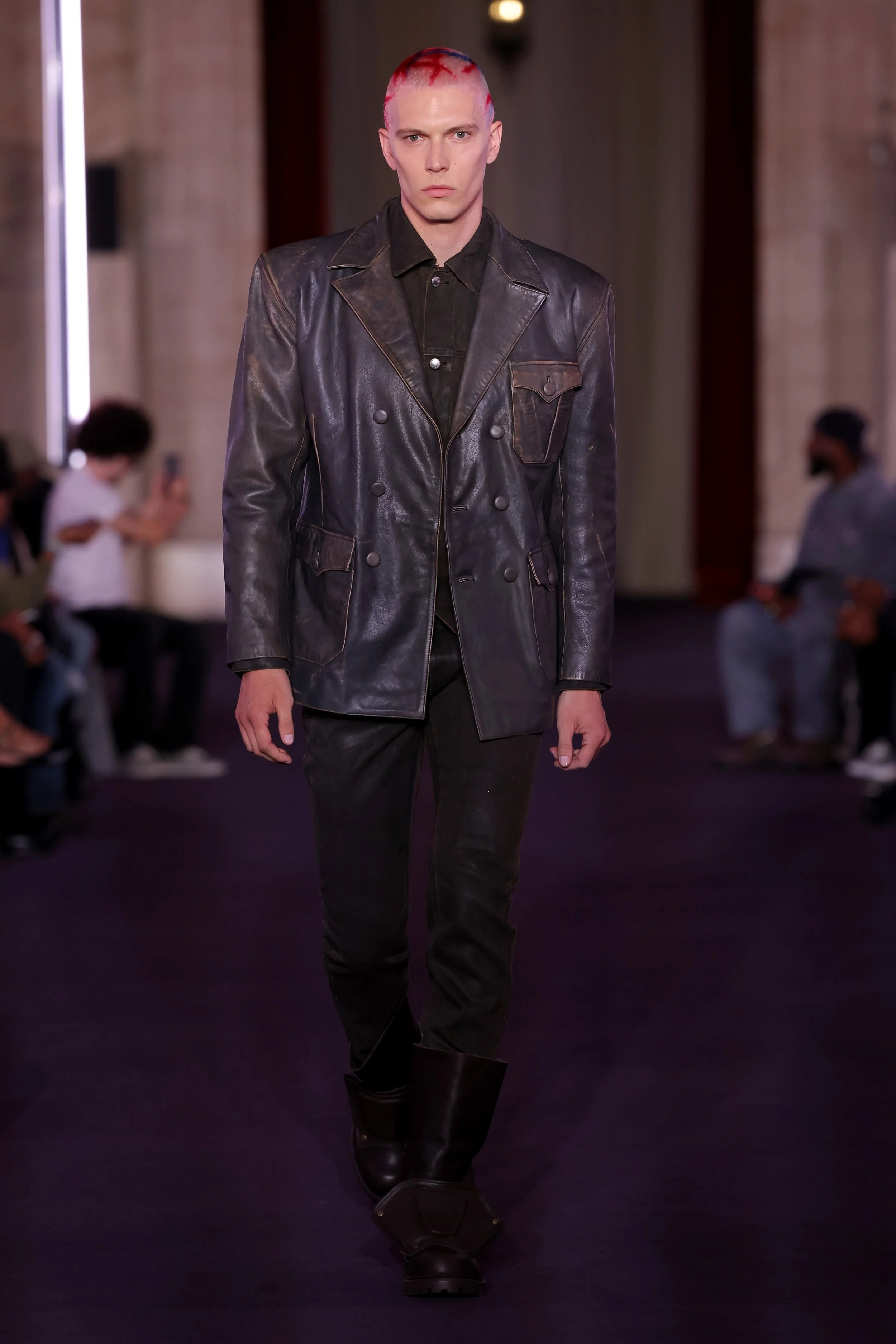
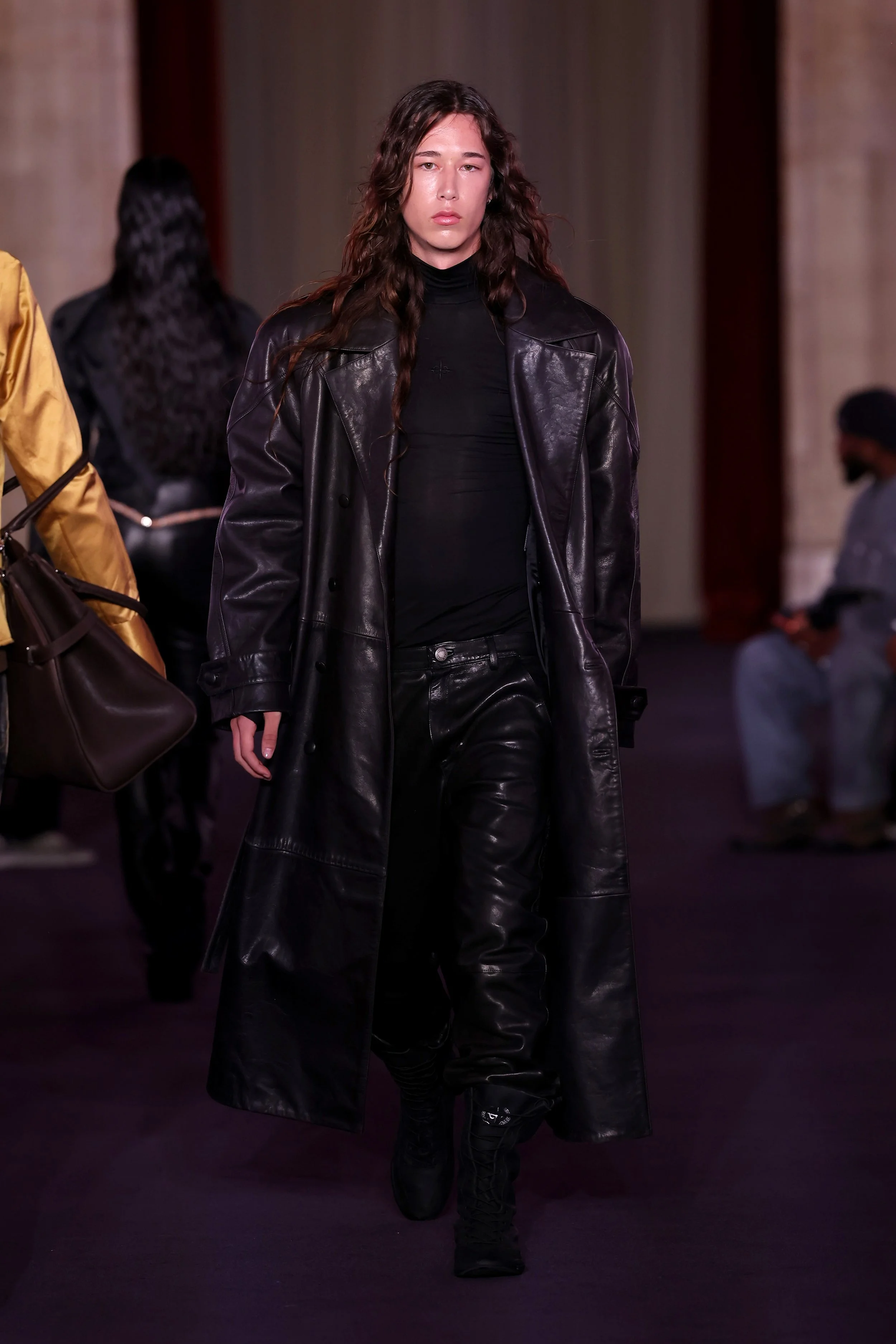
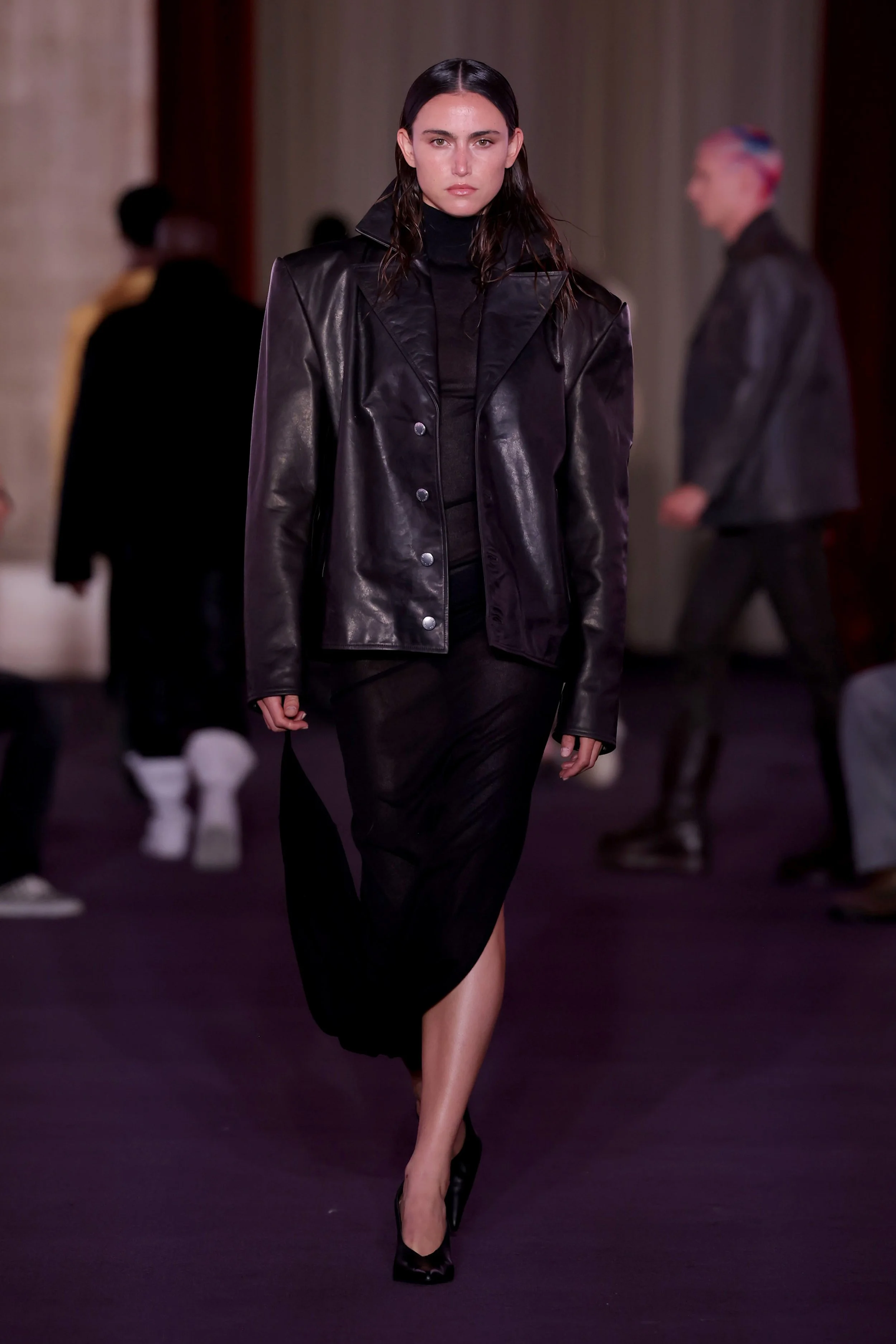
The runway translated that journey into three acts. Act One begins with the Beginner Hoodie, the first VIVET piece Cenat sewed by hand. Deliberately crude and misshapen, it represents the uncertainty of a beginning. Act Two accumulates subcultural references through heavy outerwear, skinny denim, boots and leather. Act Three reaches resolution through tailored suiting, fine silk and structured leather.
The progression is significant. VIVET does not conceal its origins in street culture or attempt to present a fully formed identity from the outset. Instead, the collection allows its development to remain visible. Its five guiding principles—Evidence of the Hand, Consider Humanity, History as Data, Intellectual Contrast and Begun Not Finished—make that philosophy explicit.

“Begun Not Finished” may be the most revealing. It frames the collection as a chapter in an ongoing story rather than a definitive arrival. That mirrors Cenat’s approach to streaming, where growth happens publicly and the audience is invited to witness the process rather than simply consume the result.
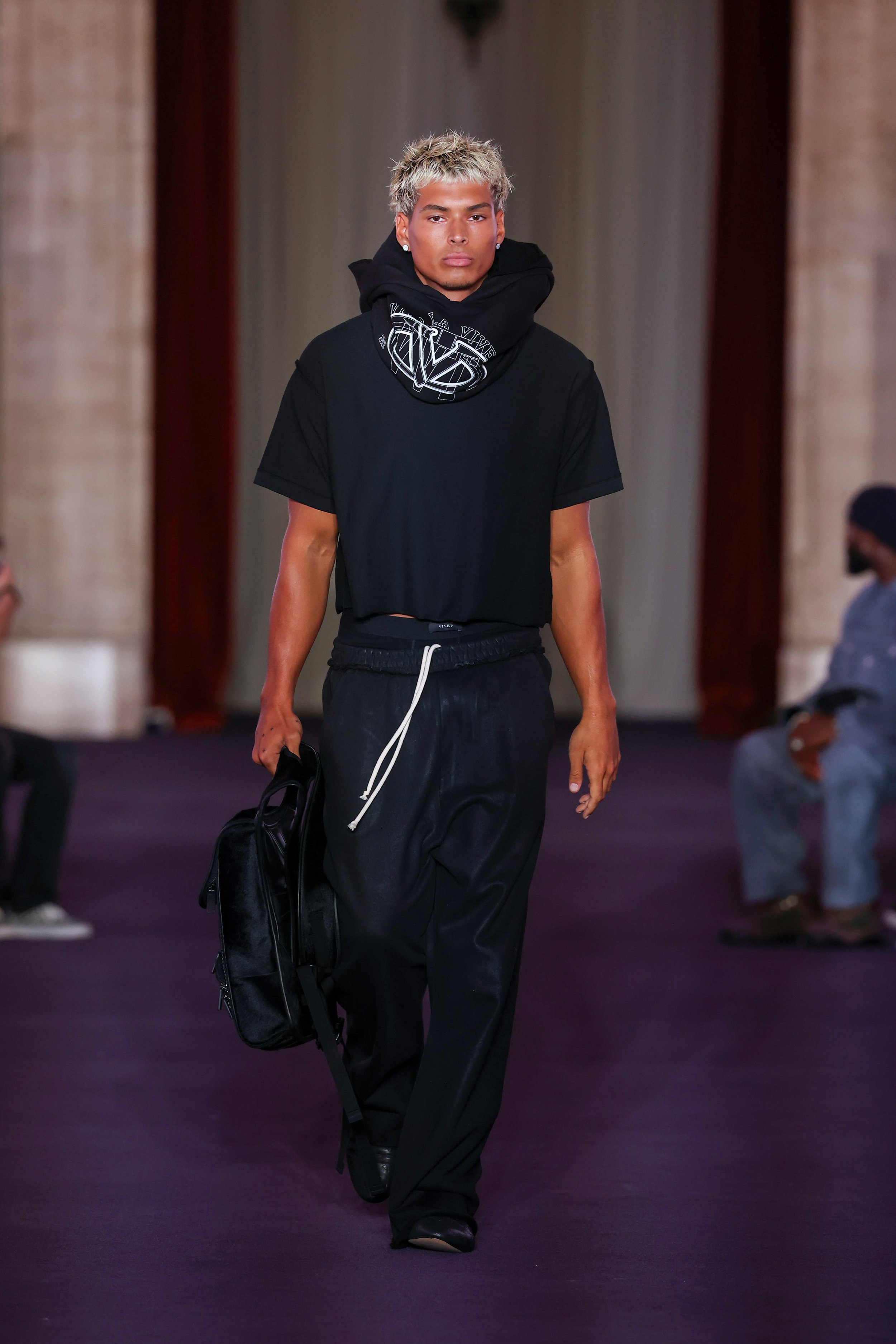
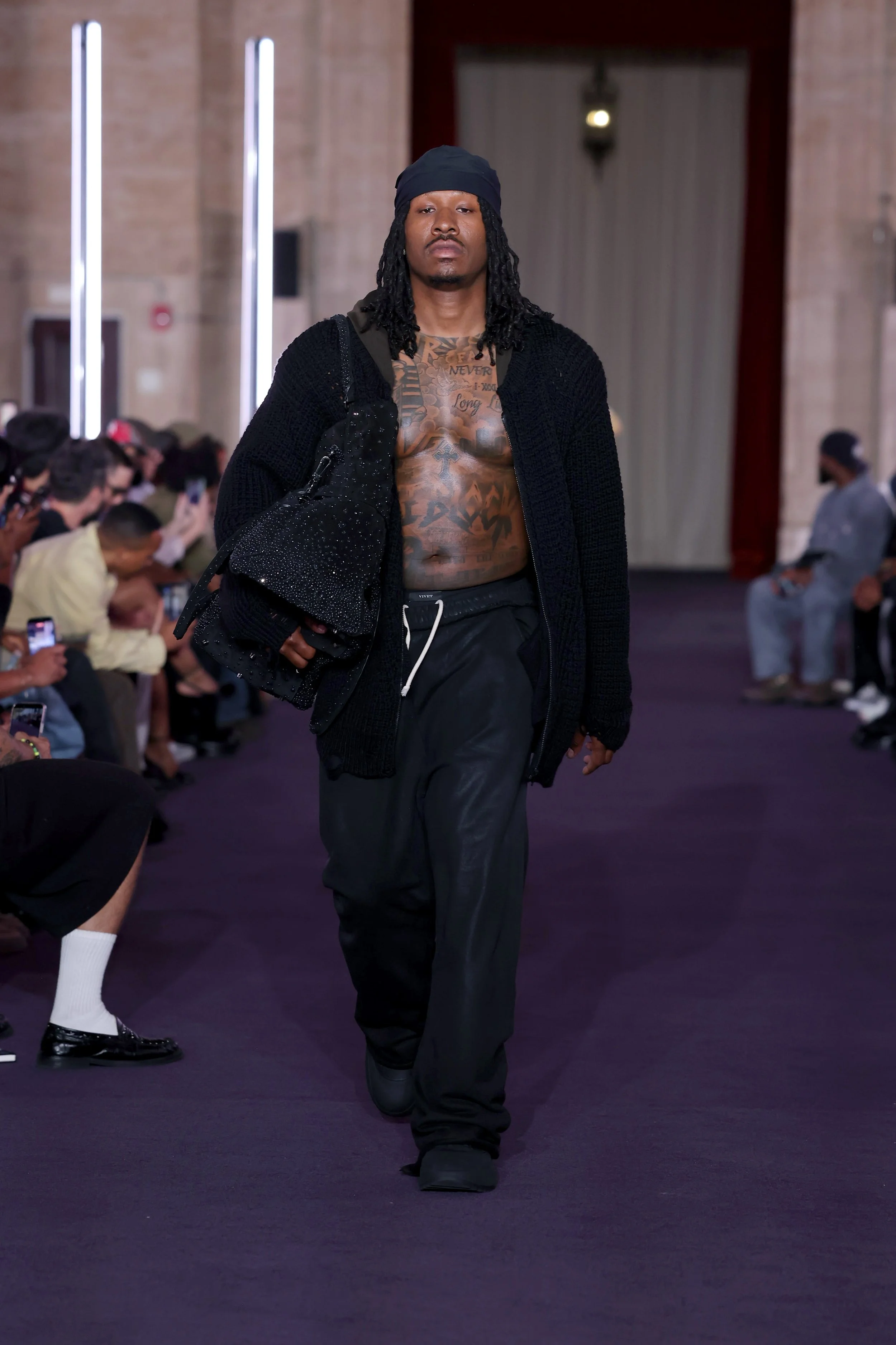
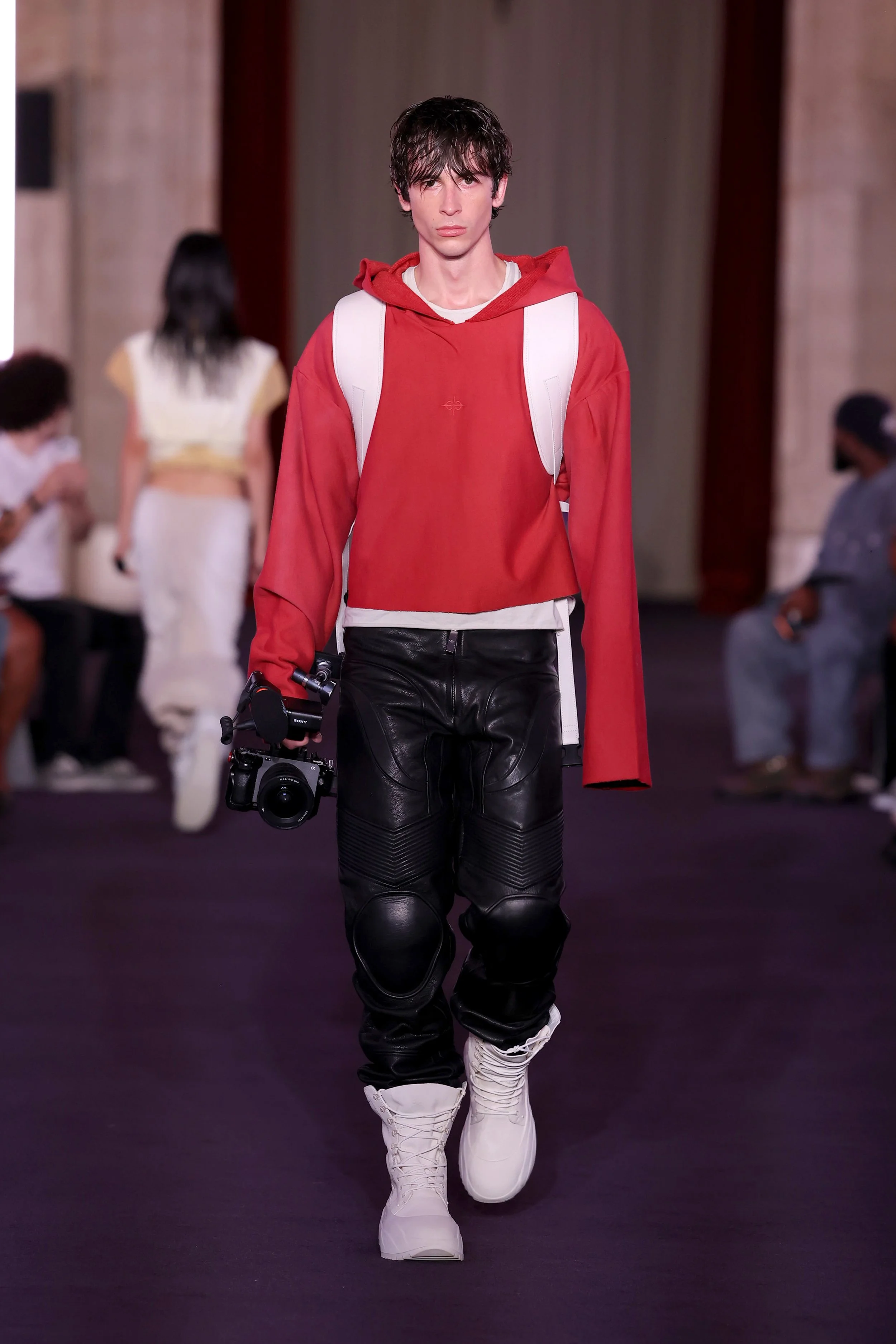
Leather anchors the collection, from the hero Cenova bag to the Streamer bag, which translates the language of digital broadcasting into a handcrafted luxury object. Visible hand-finishing reinforces the emphasis on process.
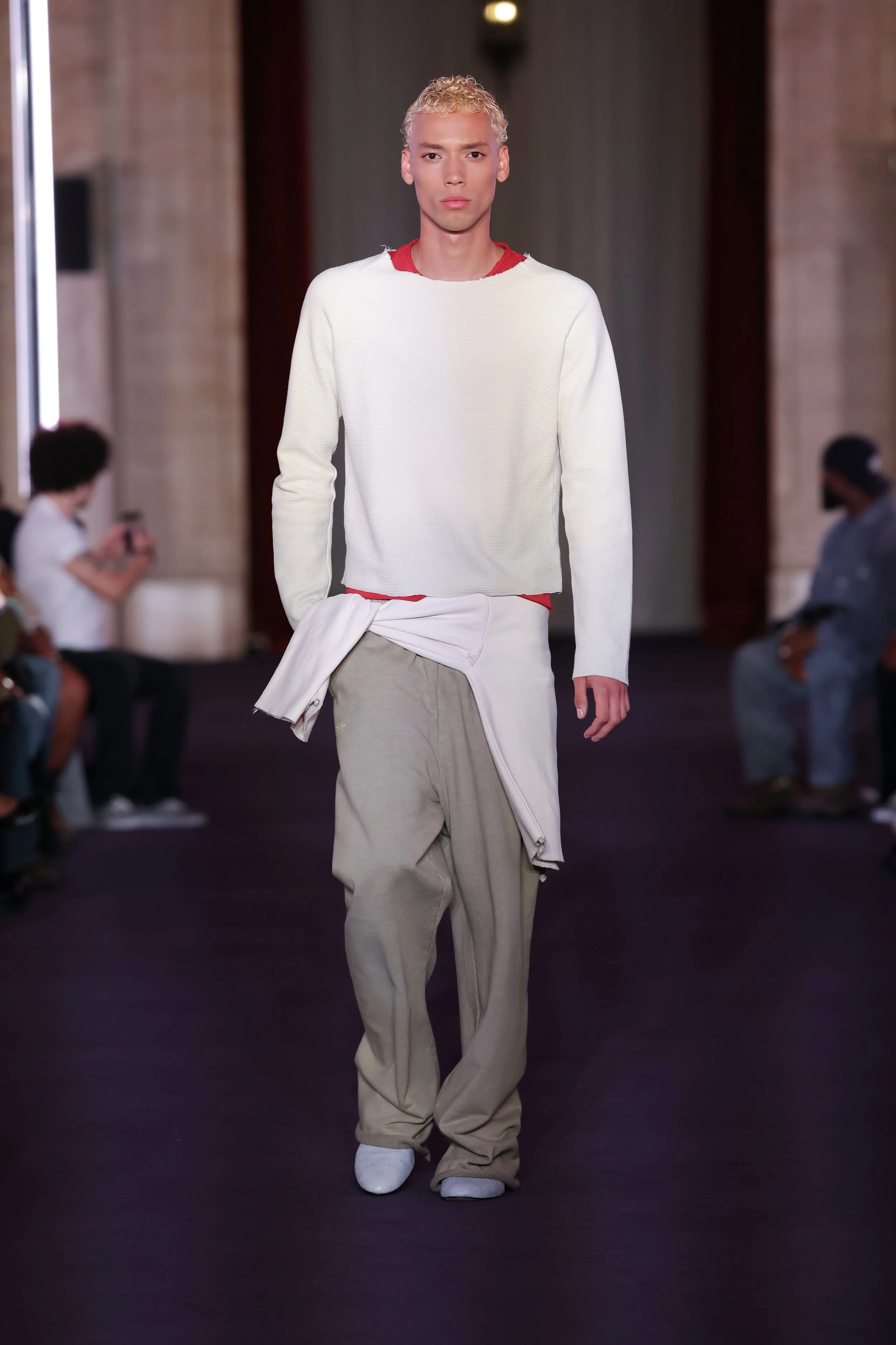
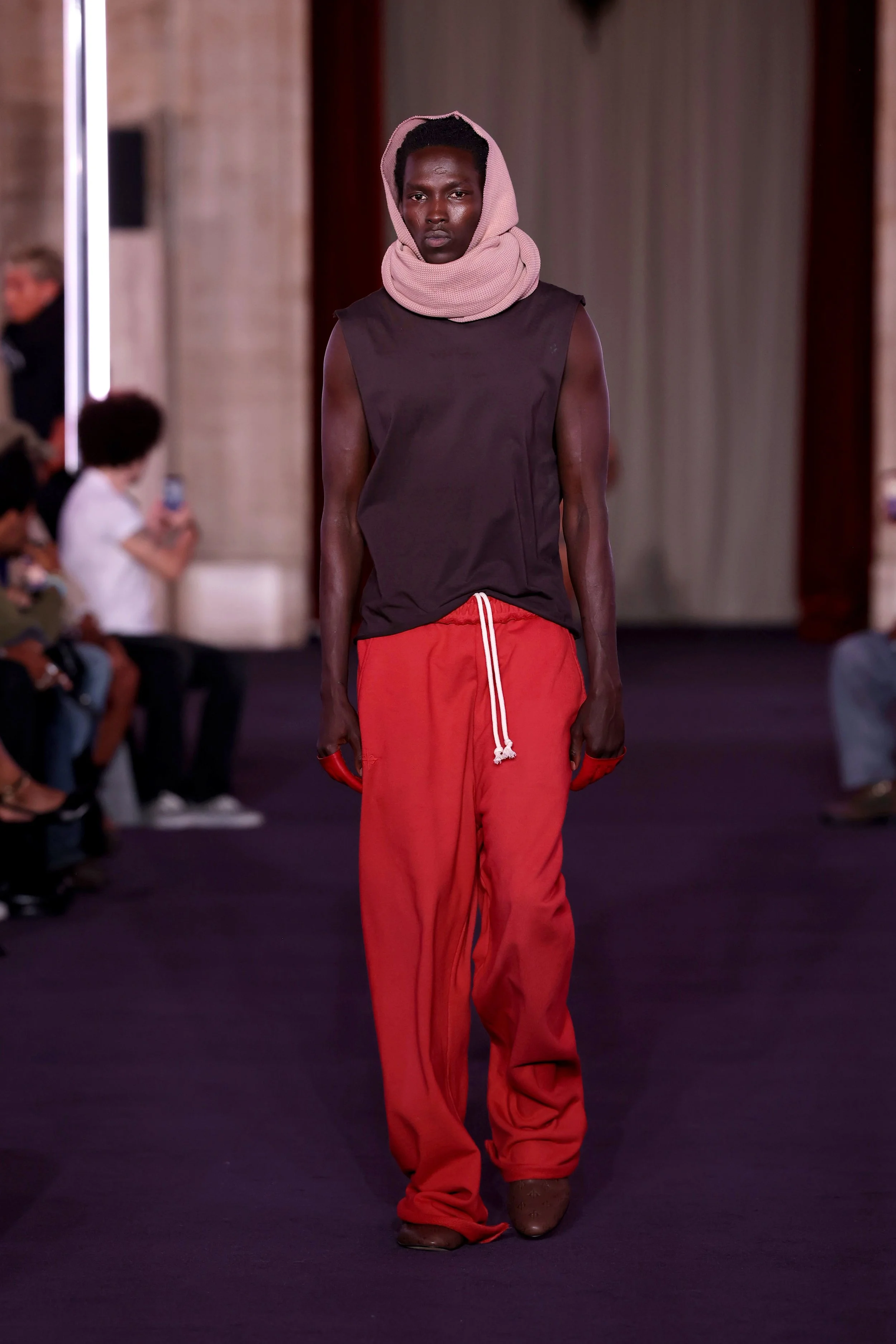
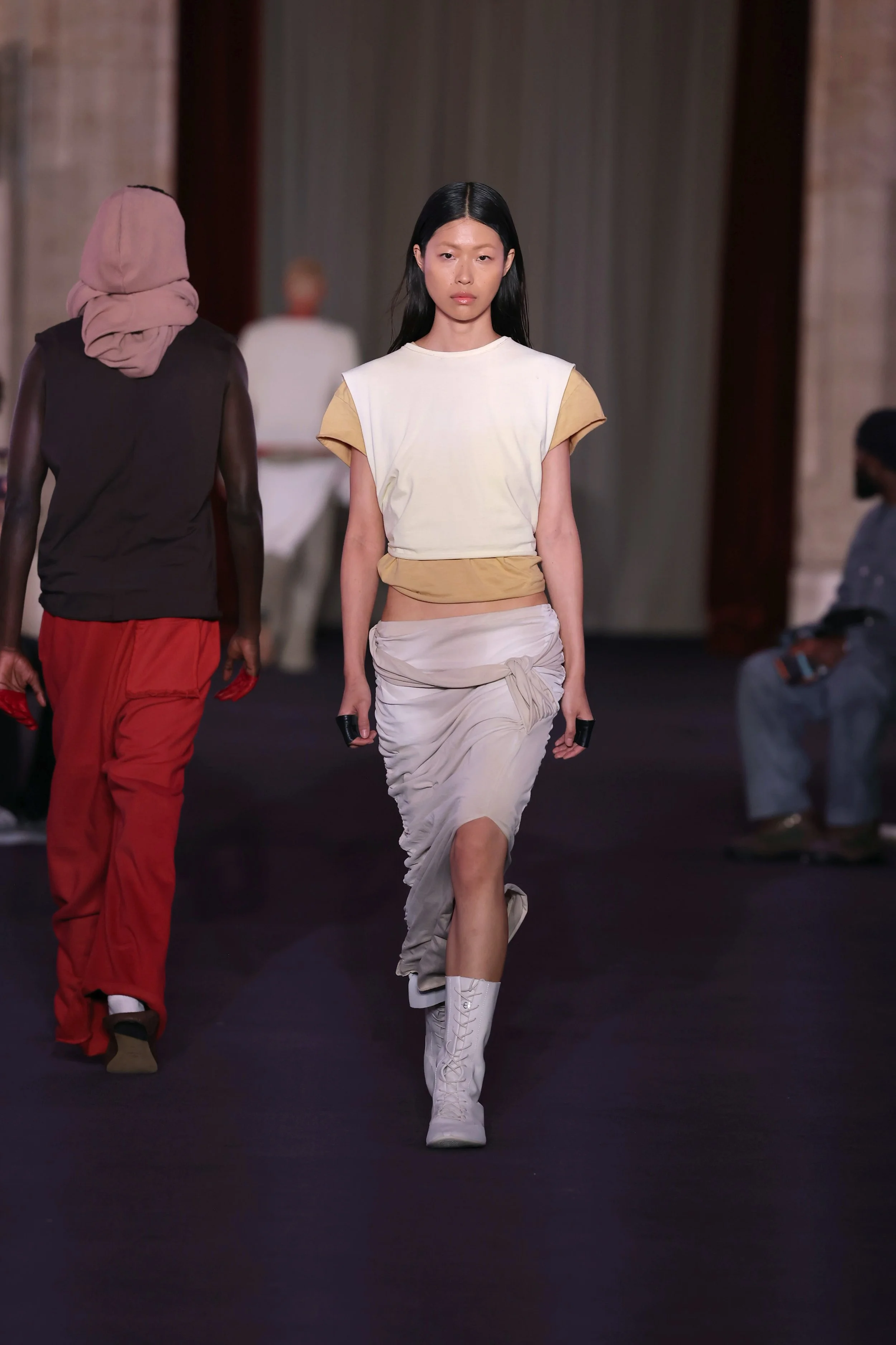
Cotton canvas and denim establish a workwear foundation, neoprene adds technical structure, and leather carries much of the collection’s visual weight. Gusseted elbows, diagonal pleats and exposed seams keep construction visible, while hand-applied waxes and varnishes give surfaces a hardened, patinated quality.
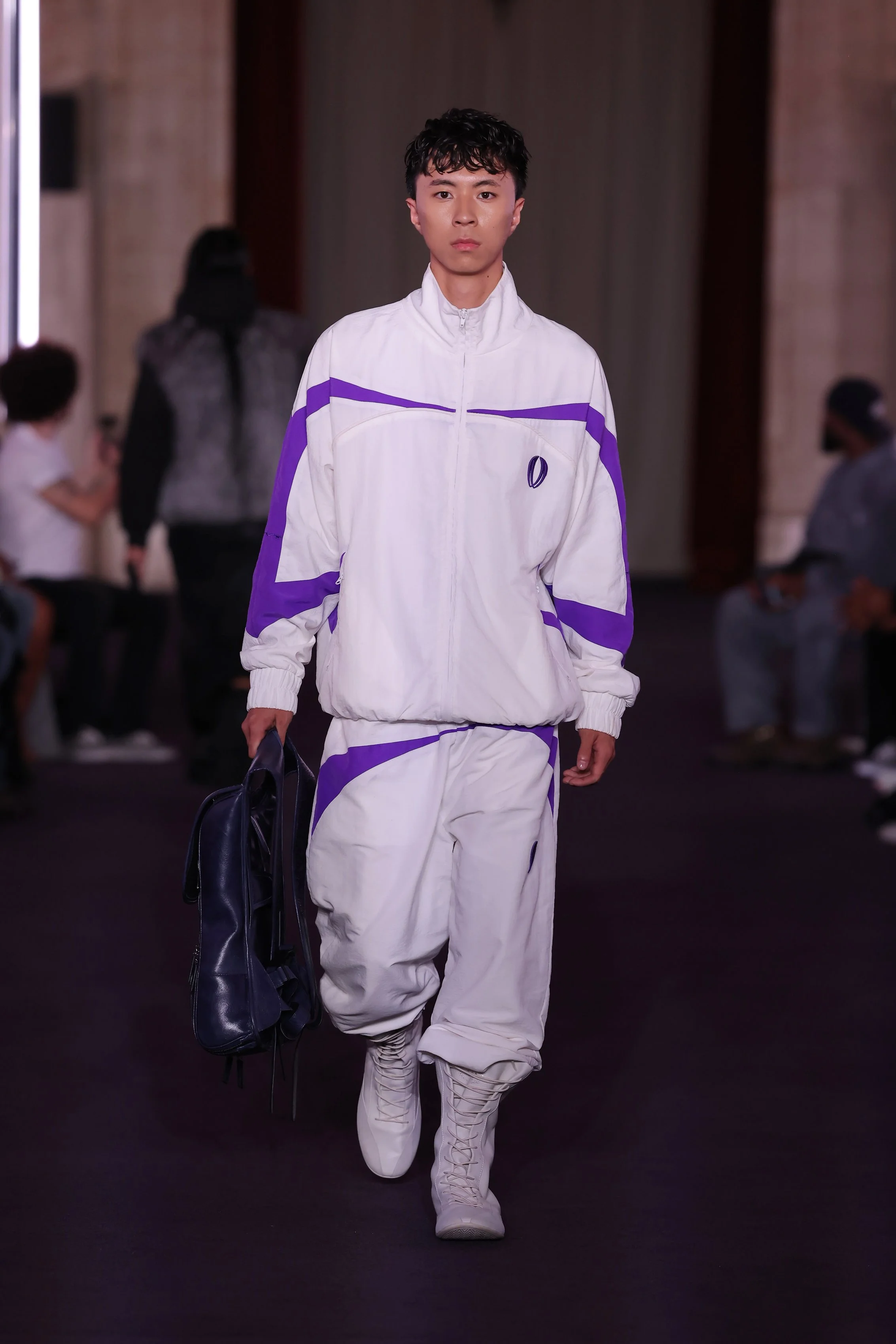
Personal references surface throughout. The scuba moto shirt, varnished jeans and cargo work jacket draw from Cenat’s Haitian heritage and carnival tradition, while warm ground tones are punctuated by white, silver, mustard and blue.
Ultimately, VIVET is less about a creator entering fashion than about Cenat extending the way he has always communicated. Streaming gave audiences access to the journey; VIVET gives that journey an object, a silhouette and an archive.
The notebooks handed to guests perhaps capture the idea best. They began as souvenirs and became documentation. The same transformation occurs across VIVET: experience becomes material, personal growth becomes design, and an unfinished story becomes something that can be held onto.


HOW DO YOU FEEL ABOUT FASHION?
COMMENT OR TAKE OUR PAGE READER SURVEY
Featured


Wale joins CapSole as Chief Creative Officer and equity partner, bringing his influence in sneaker culture to a business focused on preservation, sustainability, and extending the life of collectible footwear.