
Why Leather Bags Are the Perfect Travel Companion
PAGE
By PAGE Editor
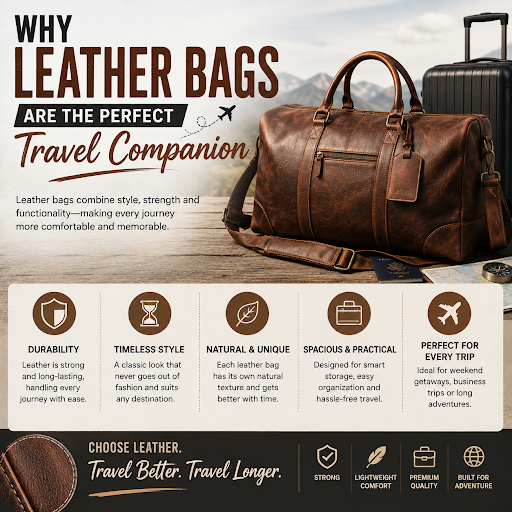
Travel demands a bag that performs reliably across varying conditions. No material is as severely tested as temperature changes, exposure to humidity, constant handling or the overall wear of being carried at airports and train stations. When travelers purchase a high-quality suitcase and carry-on bags, they will require something that will safeguard their items, yet is handy as well as looks great. Over the centuries leather has been the best material to use for this purpose. Once you know the benefits of leather over its alternatives, you'll be better equipped to determine your travel gear investment.
Durability Matters More When You're Constantly Mobile
Quality leather can endure the stress of travel which is too much for synthetic materials. All trips cause damage to bags. All that rough handling by airport staff, being shoved into overhead bins, rubbing between bodies, and changes of climate take their toll. Leather takes this punishment better than he could have imagined! The material gets stronger when you use it! The creases and marks that are just like damage at the beginning eventually turn into character and patina that make the bag look more distinguished with time.
Synthetic alternatives do not perform as well. Seams split. Zippers jam permanently. The material is cracked and blistered. Synthetic bags come across as worn after only a few years of frequent use. It's worth noting that quality leather bags from companies such as Alaskan Leather Company have telltale signs of use that actually add to the look of the bag. The bag begins to tell its own tale of travels and what it has carried.
What Is Vegan Leather and Should You Consider It?
This is a term used for synthetic materials that imitate the look and feel of leather, but without animal skins. Vegan leather is typically composed of polyurethane or PVC, or it may be plant-based, such as pineapple leaves or cork. The appeal is simple from a consumer standpoint who is concerned about animal products. The actual situation is more complex.
In short, it's a plastic substitute that's designed to appear and feel like the real article.
People are curious about one thing, i.e is vegan leather real leather? No, it isn't. This distinction matters fundamentally for travelers. Vegan leather lacks genuine leather's durability properties. The material typically lasts two to four years before showing significant degradation. The texture, while initially similar to leather, remains static instead of developing character. Vegan leather can crack, peel, and discolor from sun exposure in ways that genuine leather resists.
Weight and Portability Matter on Extended Trips
Travel bags need to be tough yet still easy to carry. Leather is extremely effective in this field. A good leather is strong without being too thick. The leather travel backpack is lighter than you think it is. This is efficient due to leather's natural qualities. It's thick enough to shield contents from damage and flexible enough to fit comfortably on the wrist and be carried for many hours.
Synthetic alternatives that are trying to be as durable as leather are generally bulkier, heavier, or require some sort of extra reinforcement. The synthetic alternatives aren't necessarily more weight-saving. You're getting fat and losing strength. Leather is practical as it is more comfortable and safe to travel long distances with, and it is less of a burden for people who are concerned about carrying capacity.
Weather Protection Requires Material That Responds to Conditions
Travel exposes bags to unpredictable weather. Rain, snow, humidity, and dry heat all affect bag materials differently. The materials of bags react in various ways to dry heat, humidity, snow, and rain. These are ideal conditions for leather to blossom. Leather that is treated is waterproof yet can breathe. This prevents the growth of mold & mildew, which can ruin contents and cause odors. In dry climates, material does not break or become brittle. Leather is flexible and maintains its form and strength in moist conditions.
Synthetic substitutes tend to retain moisture, which leads to mold. Brittle when cold. They break down when exposed to strong sunlight. Material does not adjust to the environment like leather. Good leather won't need much care to survive in any kind of weather. Occasional conditioning maintains its flexibility and prevents damage, but synthetic conditioners may have to be replaced.
Organization Features Should Enhance, Not Complicate Travel
When it comes to travel bags, they must be well-organized for use. High-quality leather messenger bags are filled with other compartments, document pockets, and organizational features that will stay useful for years of use. The building is not based on low-cost plastics that crack or snaps that break. Professional leather manufacturers create storage units that are sensible to travelers.
Synthetic bags may have more recognizable organizational components, but these are usually not effective when travelling. Velcro deteriorates. Plastic dividers crack. Dirty and inexpensive zippers become jammed irretrievably. A well-built, simple structure is more durable than a complex structure with many points of failure.
Aesthetics Matter for Business Travel and Cultural Navigation
Appearance influences how you're treated when traveling. A professional leather bag presents differently than a synthetic alternative. This isn't vanity. When you're navigating unfamiliar cities or conducting business in different countries, appearing professional and put-together influences interactions. Leather conveys maturity and competence. This perception isn't accidental. Quality materials genuinely look different from synthetics.
Leather also maintains professional appearance across years of travel. A ten-year-old leather bag often looks impressive and intentional. A ten-year-old synthetic bag looks worn out and careless. This longevity of appearance matters for anyone whose travel includes professional engagement.
Cost Per Year of Use Reveals True Value
The initial cost of quality leather bags seems high compared to synthetic alternatives. The lifetime value tells a completely different story. If you're a regular traveler, you might go through three or four synthetic bags in the time a quality leather bag delivers reliable service. Spreading the leather bag's cost across ten years of travel yields a yearly expense far lower than replacing synthetic bags every few years.
This calculation improves further if you consider resale value. Quality leather bags from established makers retain substantial value. If you need to upgrade after years of travel, selling your used leather bag recovers a significant portion of your original investment. Synthetic bags have virtually no resale value.
Ultimately, leather bags represent the intelligent choice for travelers seeking reliability, durability, and genuine value. They protect your belongings, require minimal maintenance, look professional across years of use, and actually improve through travel. Whether you're a casual vacationer or constant traveler, quality leather delivers performance that synthetic alternatives simply cannot match.
HOW DO YOU FEEL ABOUT FASHION?
COMMENT OR TAKE OUR PAGE READER SURVEY
Featured



Having a friends with benefits relationship is a great idea, if you find the right person for it.