
Zellerfeld's New Platform Signals That The Future Of Footwear Is No Longer About Shoes—It's About Software
PAGE
By PAGE Editor
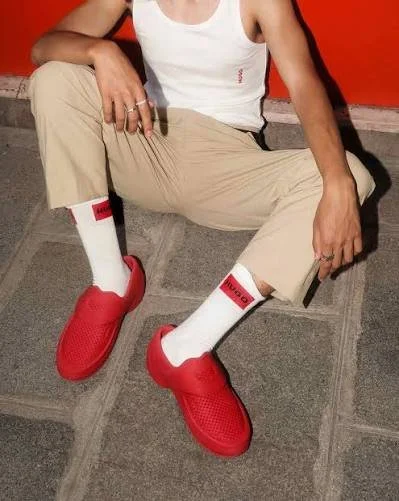
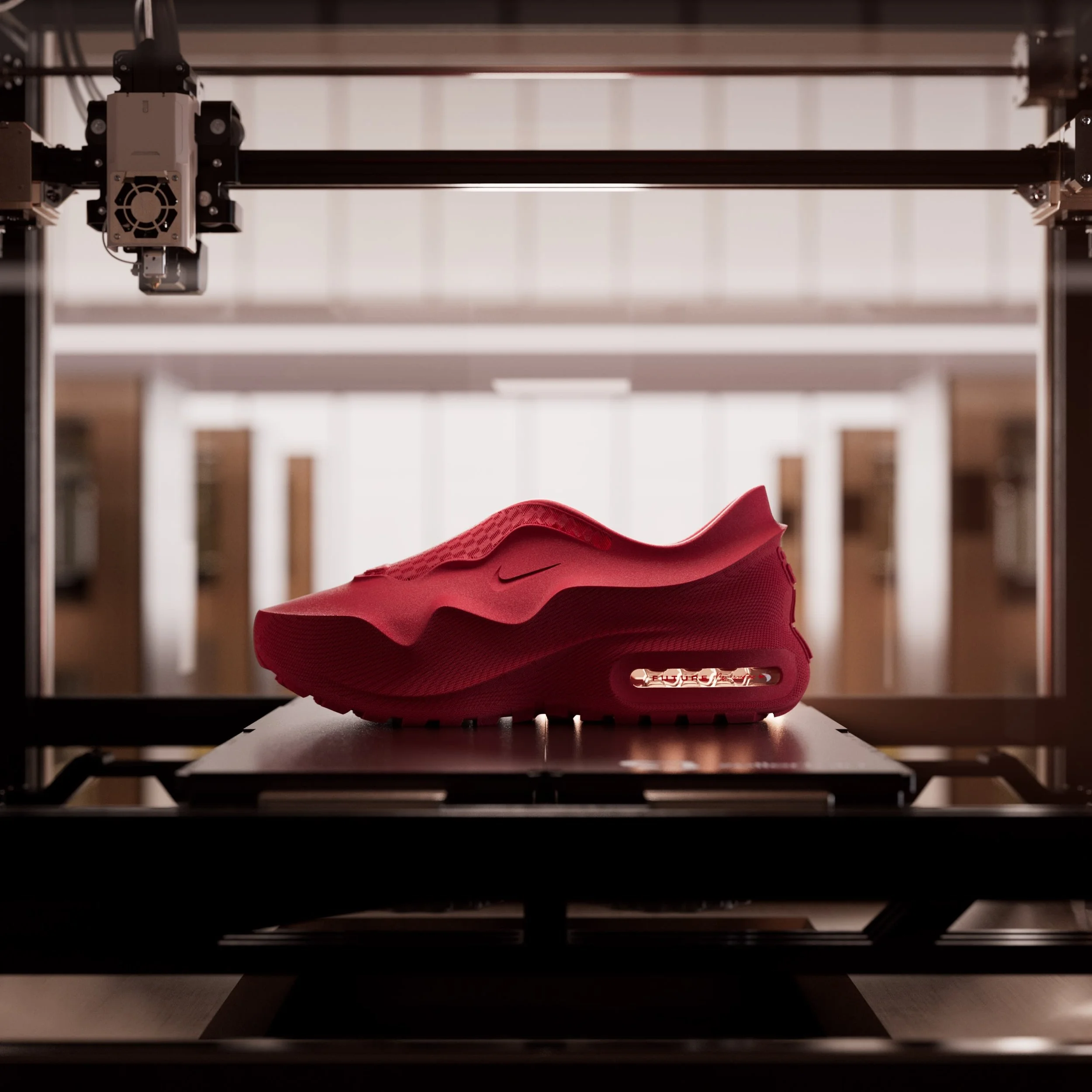
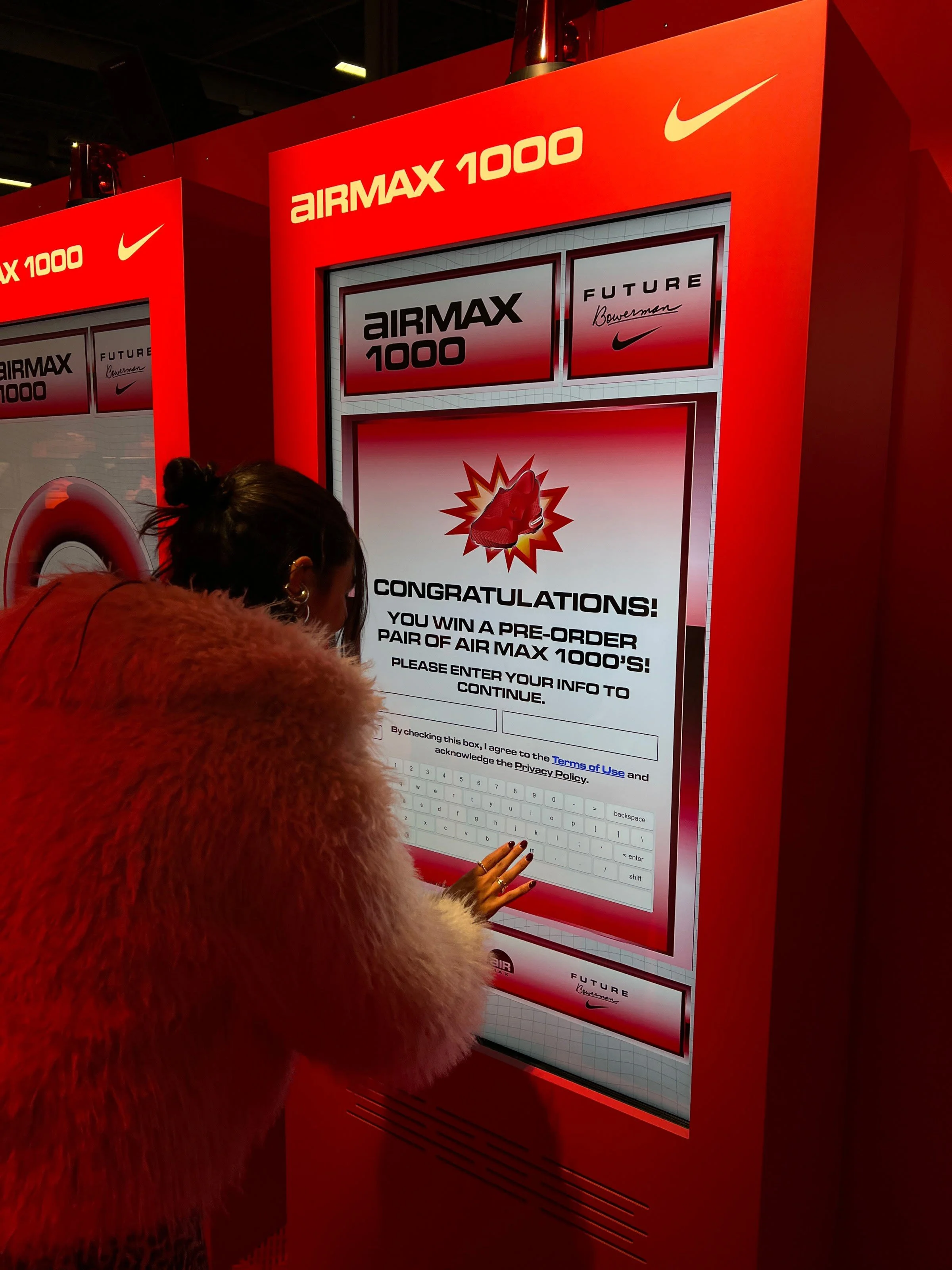
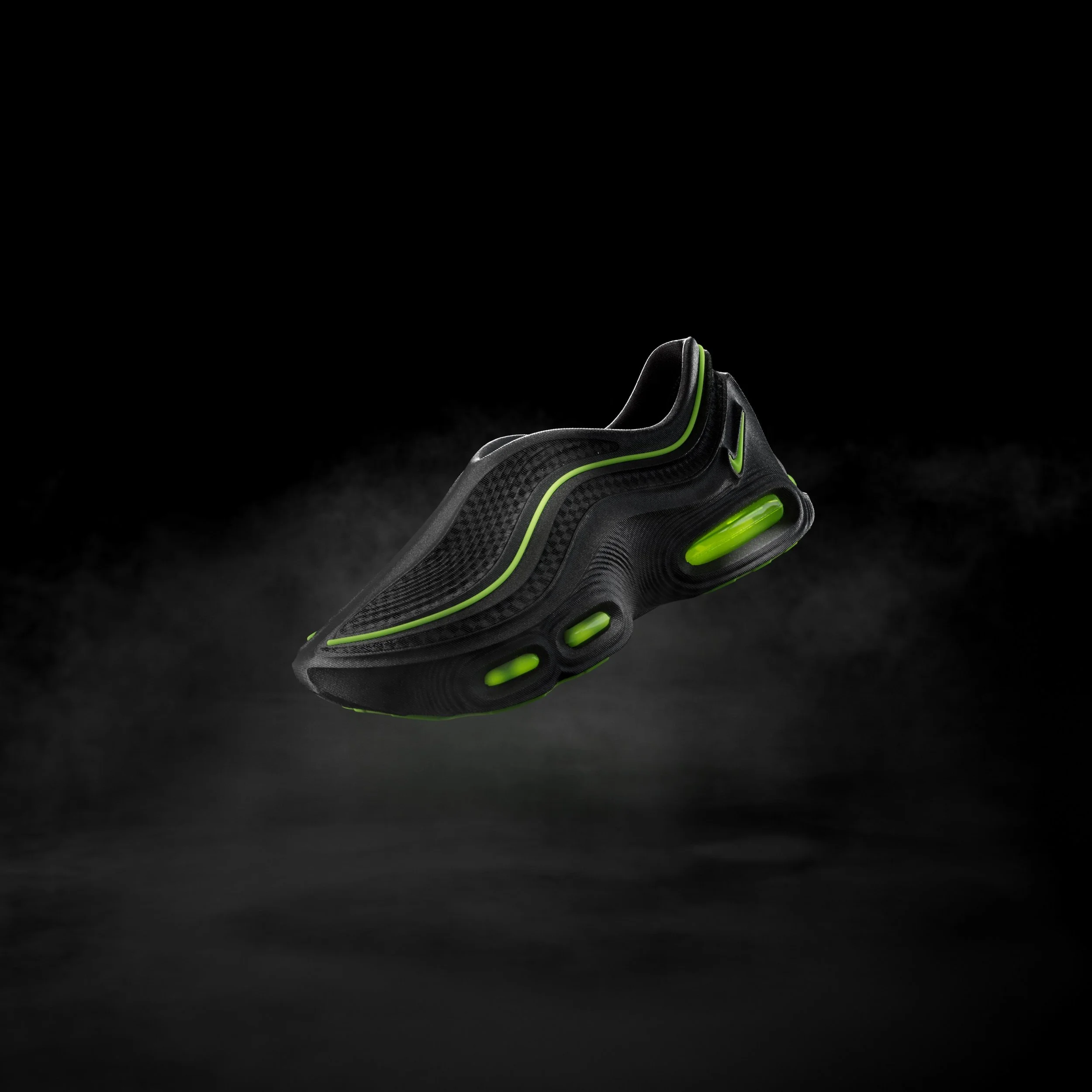
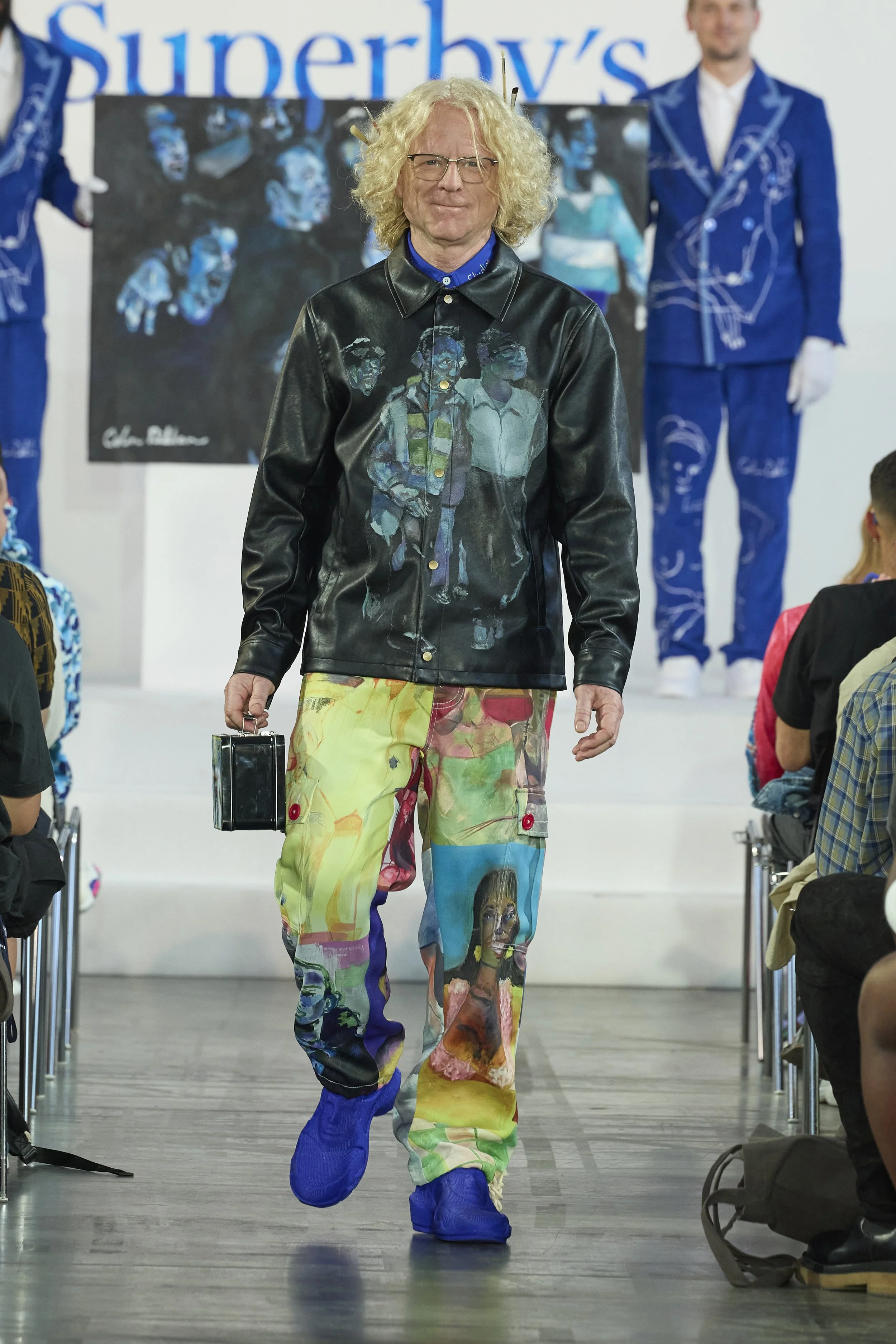
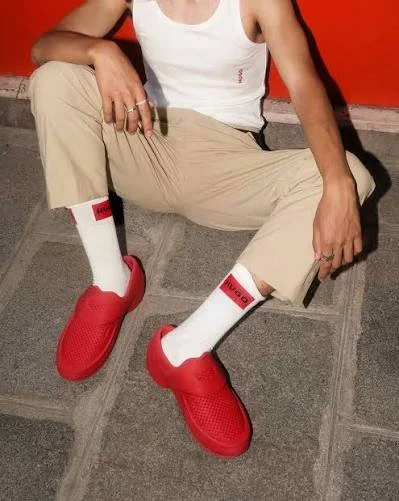
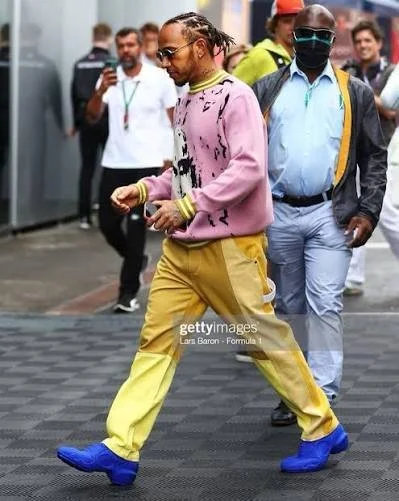
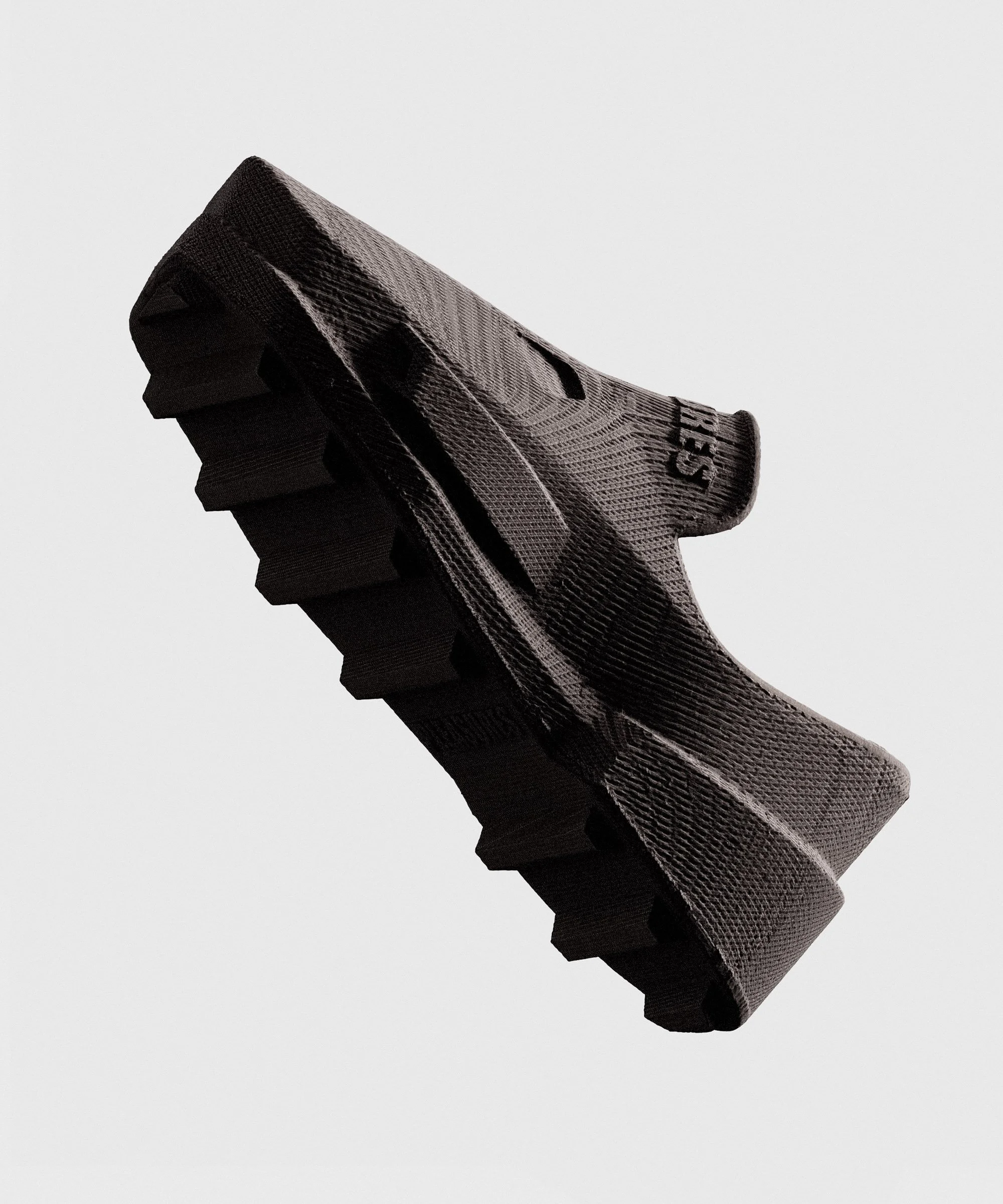
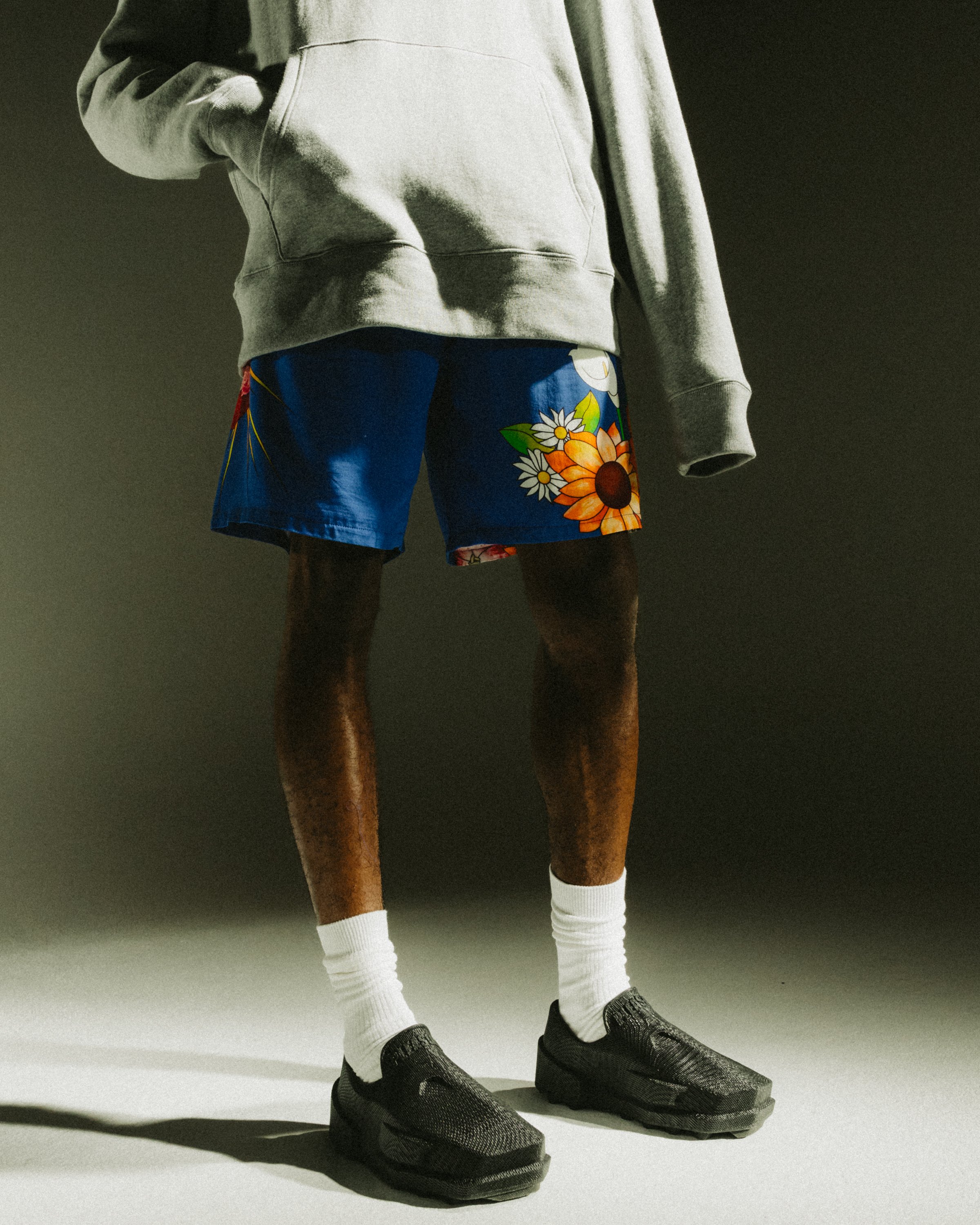
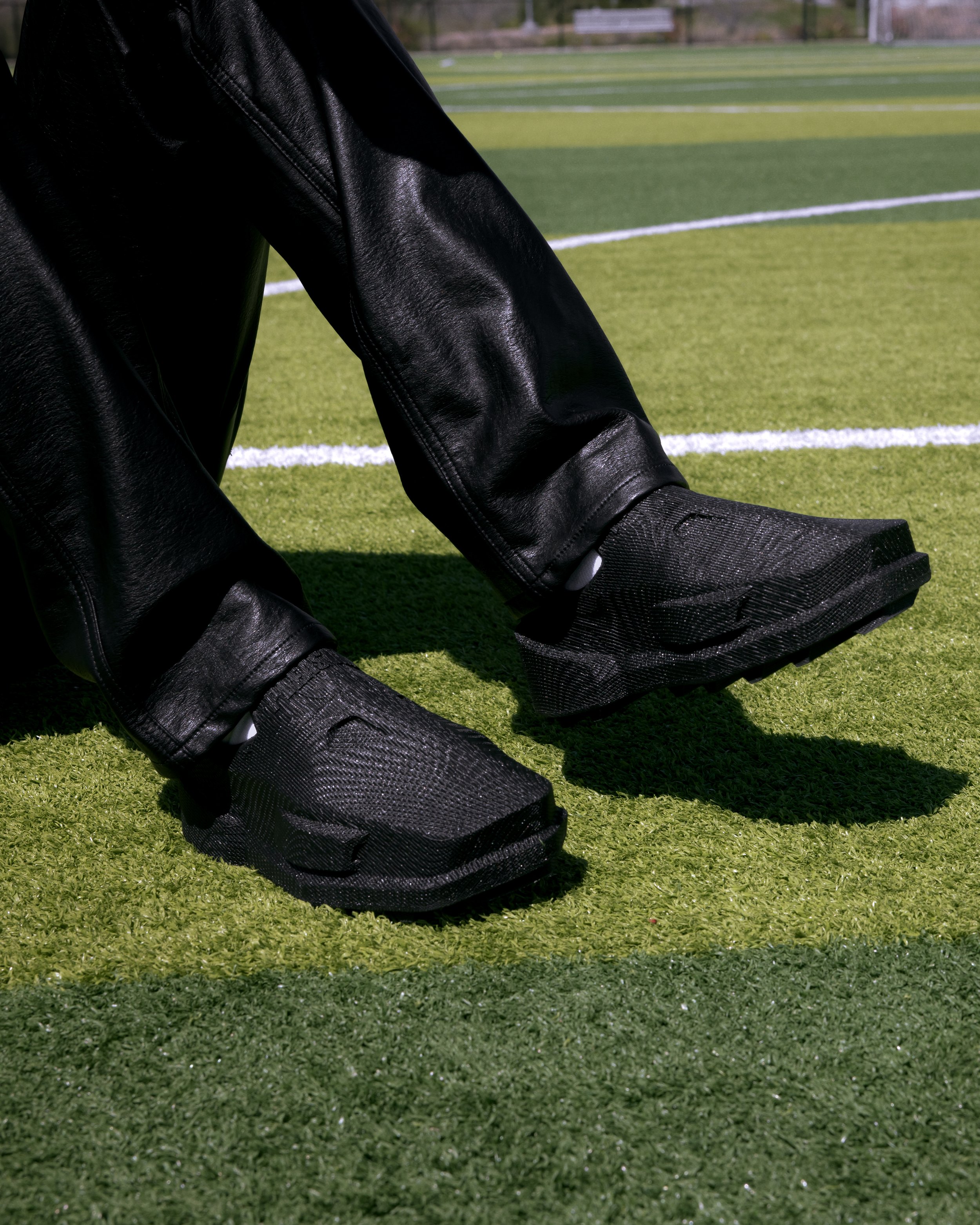
For nearly a decade, Zellerfeld has been proving that footwear can be manufactured without molds, stitching or traditional assembly. Through collaborations spanning Nike, HUGO, Sean Wotherspoon, Justin Bieber, Jaylen Brown's 741 Performance, Baron Davis, André Drummond, Havaianas and the forthcoming Christian Louboutin x Jaden Smith project, the Austin-based technology company demonstrated that 3D-printed footwear could exist far beyond the realm of concept design.
Its latest announcement, however, is arguably more consequential than any individual collaboration.
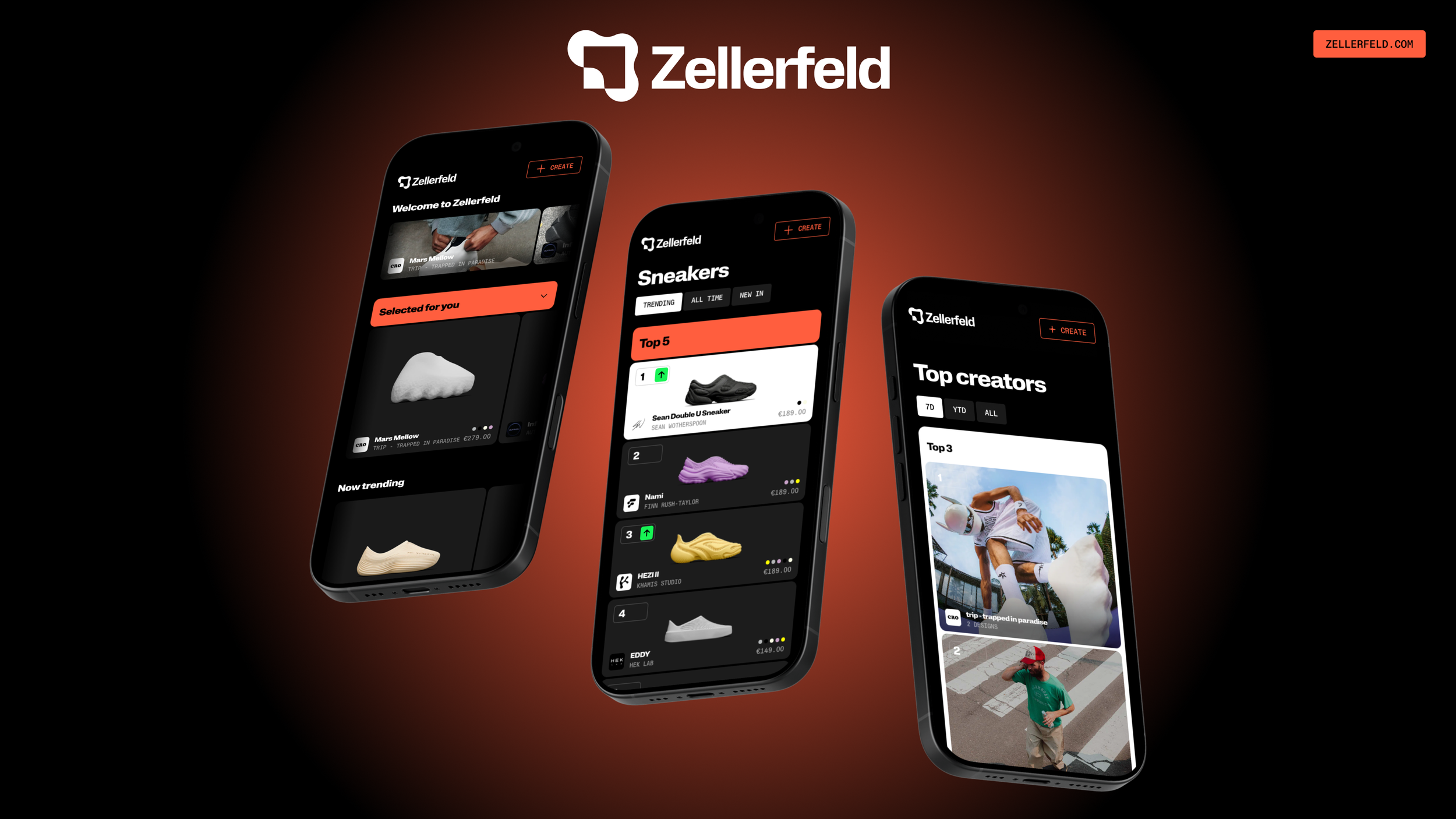
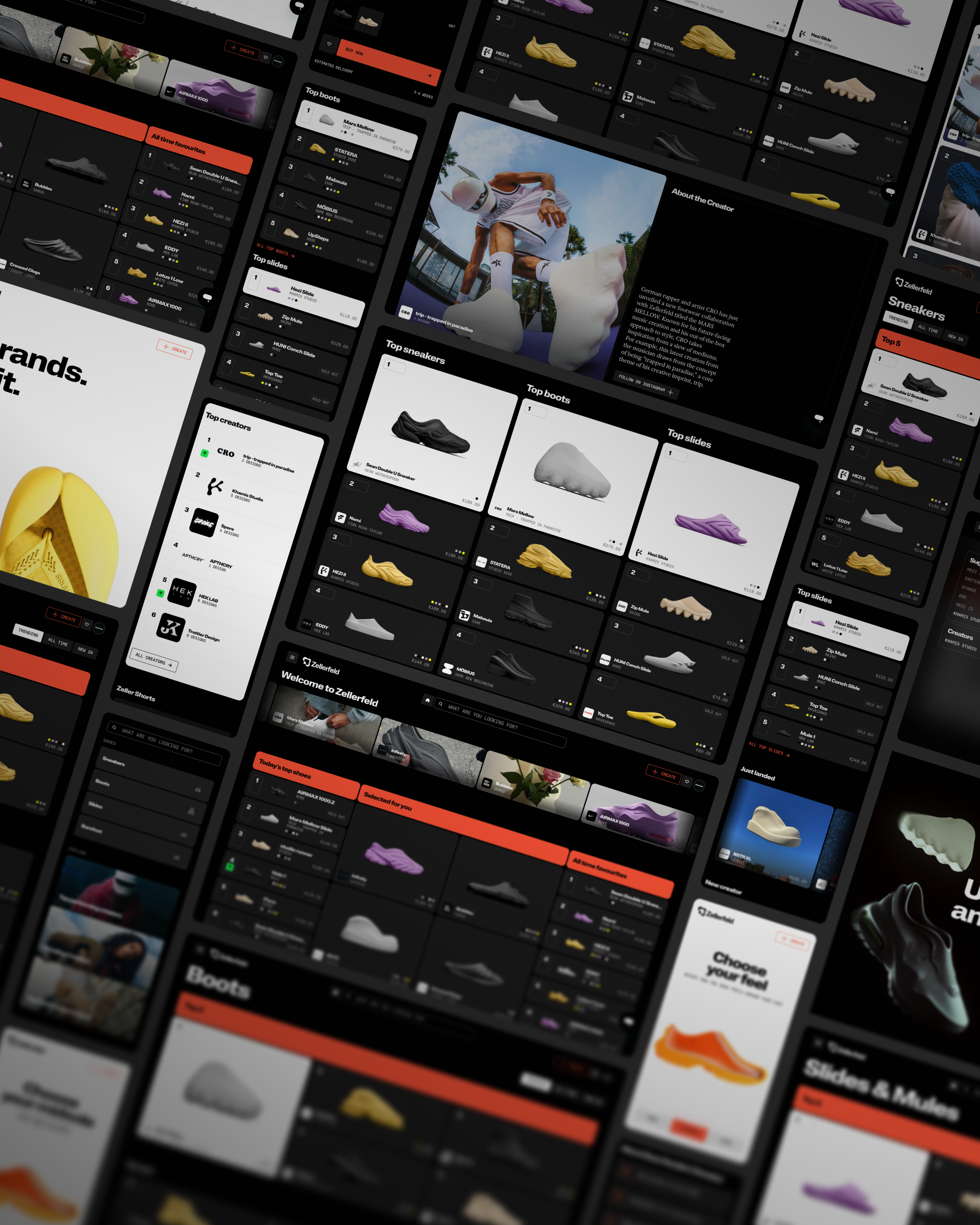
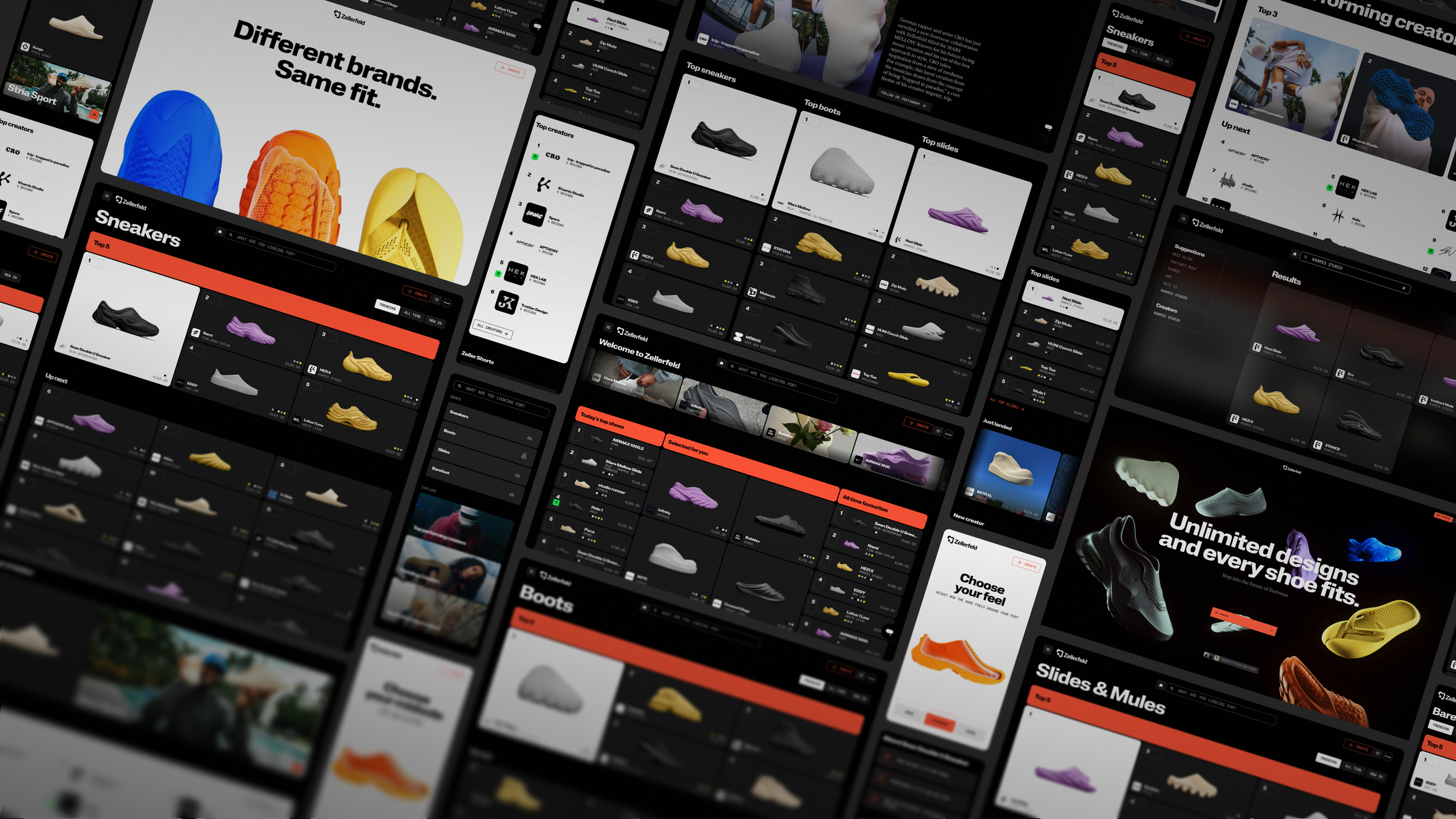
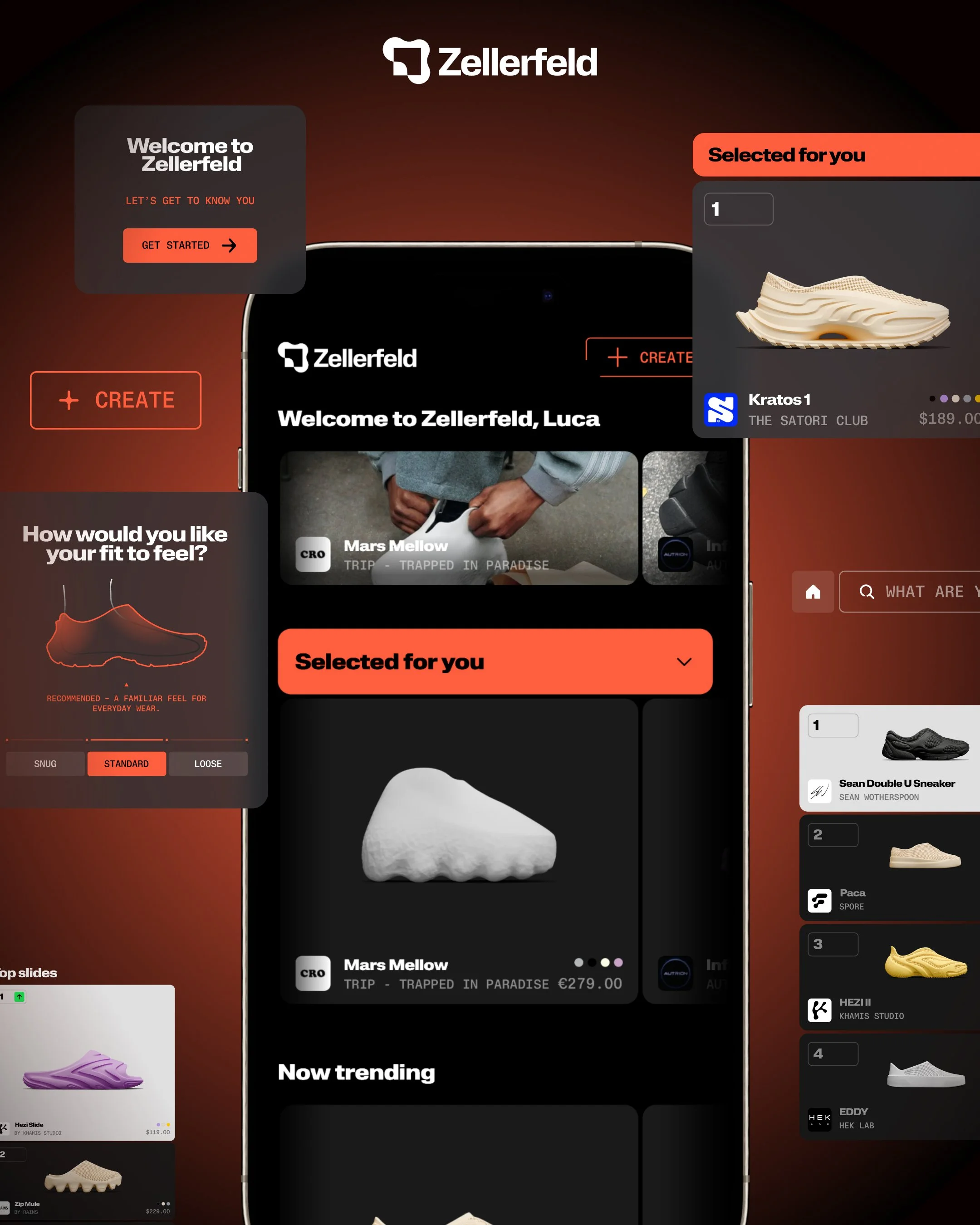
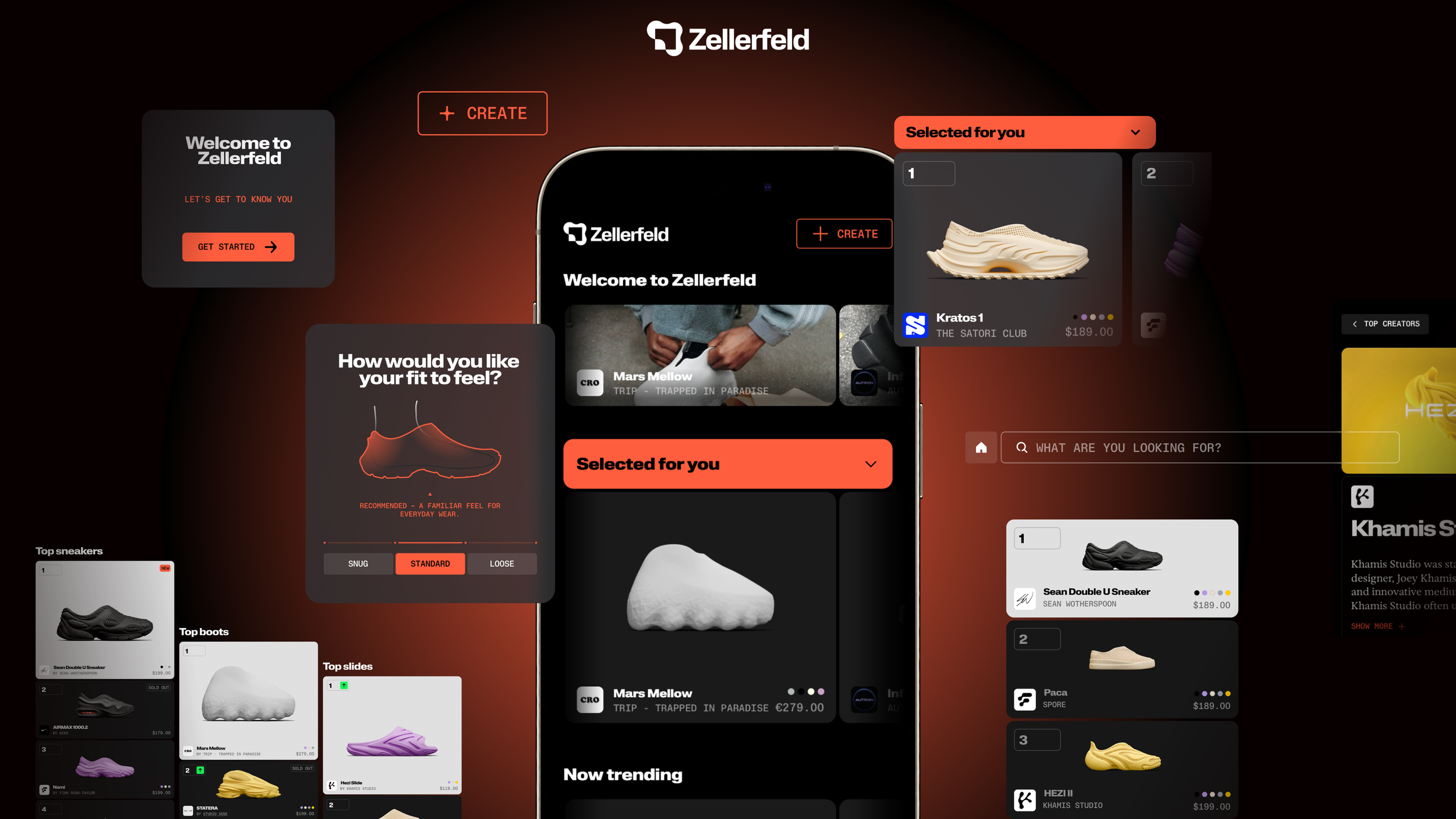
Rather than introducing another headline-grabbing shoe, Zellerfeld has unveiled an entirely redesigned digital platform that reframes footwear as a software ecosystem—one where products are searchable, personalized, continuously discoverable and manufactured only after purchase. The shift moves the company from being viewed primarily as a manufacturer of futuristic footwear to becoming the infrastructure powering a new retail model.
The update arrives as fashion increasingly embraces digital-first product development while consumers demand greater personalization and less inventory waste. Zellerfeld's platform attempts to solve both challenges simultaneously.
At the center of the experience is ZellerFIT, a persistent Fit Profile created through a digital foot scan and individual preference settings. Instead of selecting a standardized shoe size for every purchase, users establish a personalized fit profile that follows them across every creator, collaboration and future release on the platform. The concept transforms sizing from a transactional decision into a portable digital identity.
That seemingly simple change addresses one of fashion's oldest inefficiencies. Conventional footwear still relies on standardized sizing despite dramatic differences between brands, lasts and consumer foot shapes. Zellerfeld's model replaces approximation with stored biometric data, creating consistency regardless of designer or silhouette.
Unlike traditional sneaker launches that depend on limited releases and marketing cycles, the redesigned marketplace introduces personalized recommendations, intelligent search functionality and live creator rankings that evolve with real-time demand. Products no longer disappear after launch day. Instead, digital footwear behaves more like streaming content—continuously searchable, surfaced algorithmically and ranked according to consumer engagement.
"We always said we wanted to digitize footwear in the same way music and video were digitized," said Cornelius Schmitt, CEO and Co-Founder of Zellerfeld. "The last years were spent building the fulfillment infrastructure to make that possible. We never had time to give our users or creators the platform they deserved."
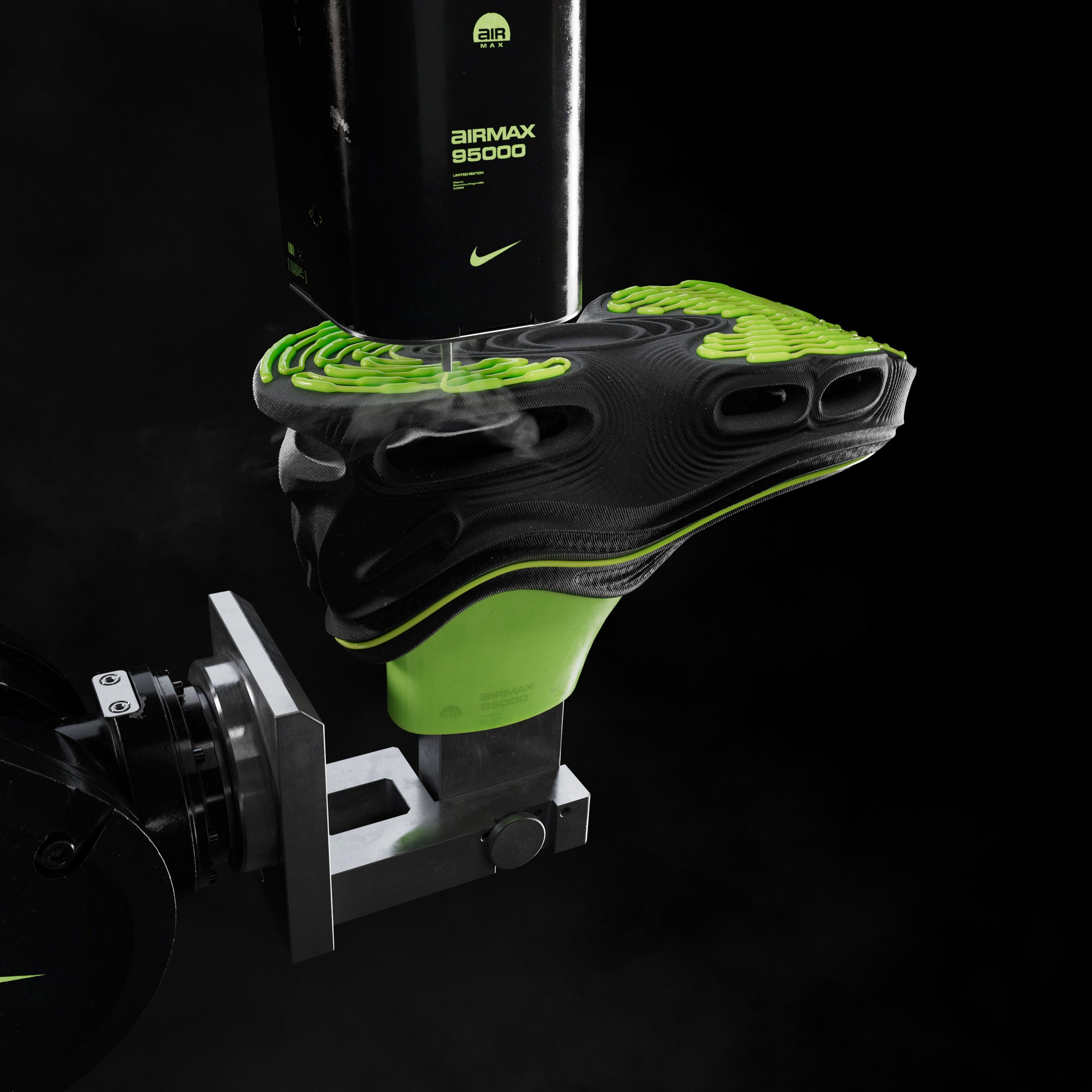
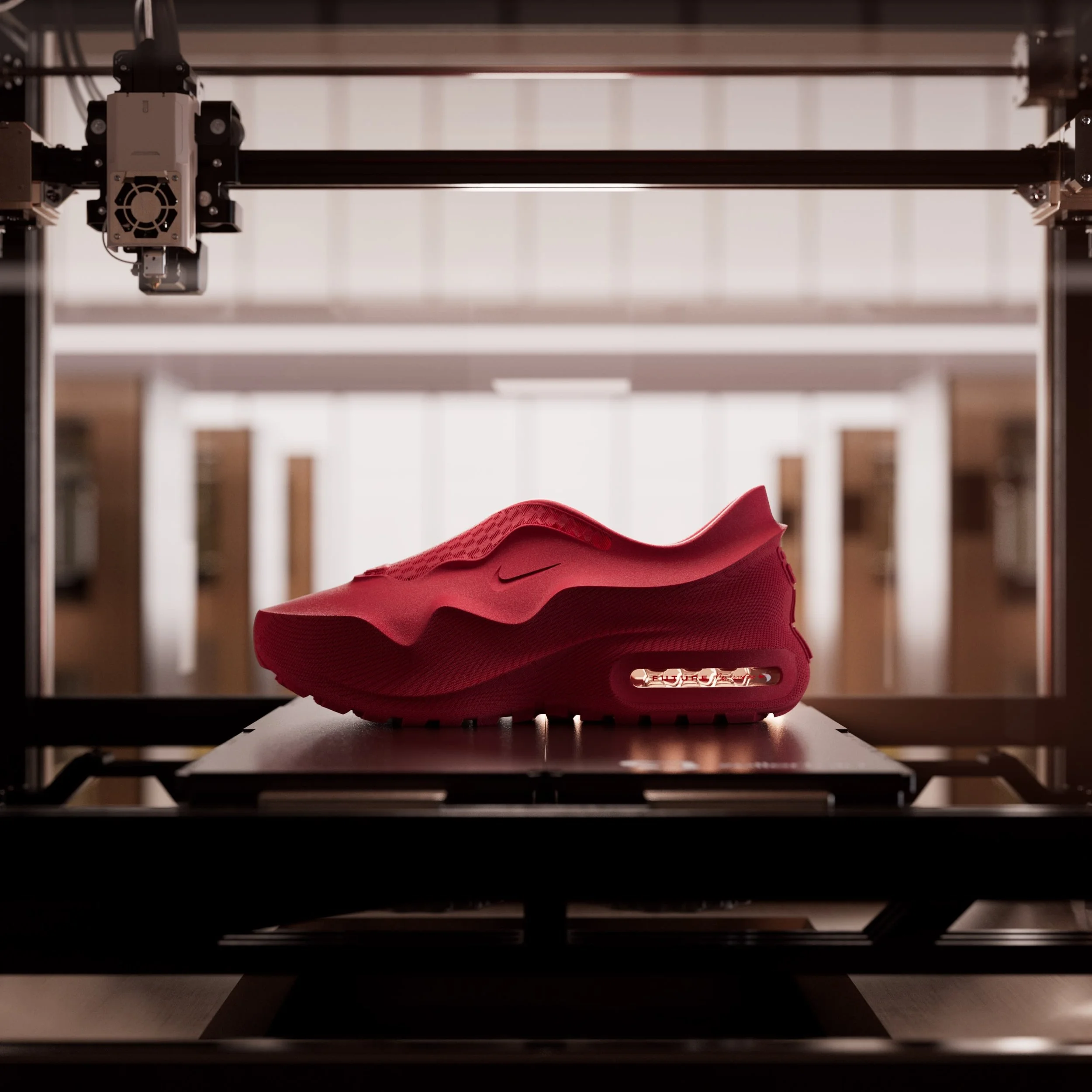
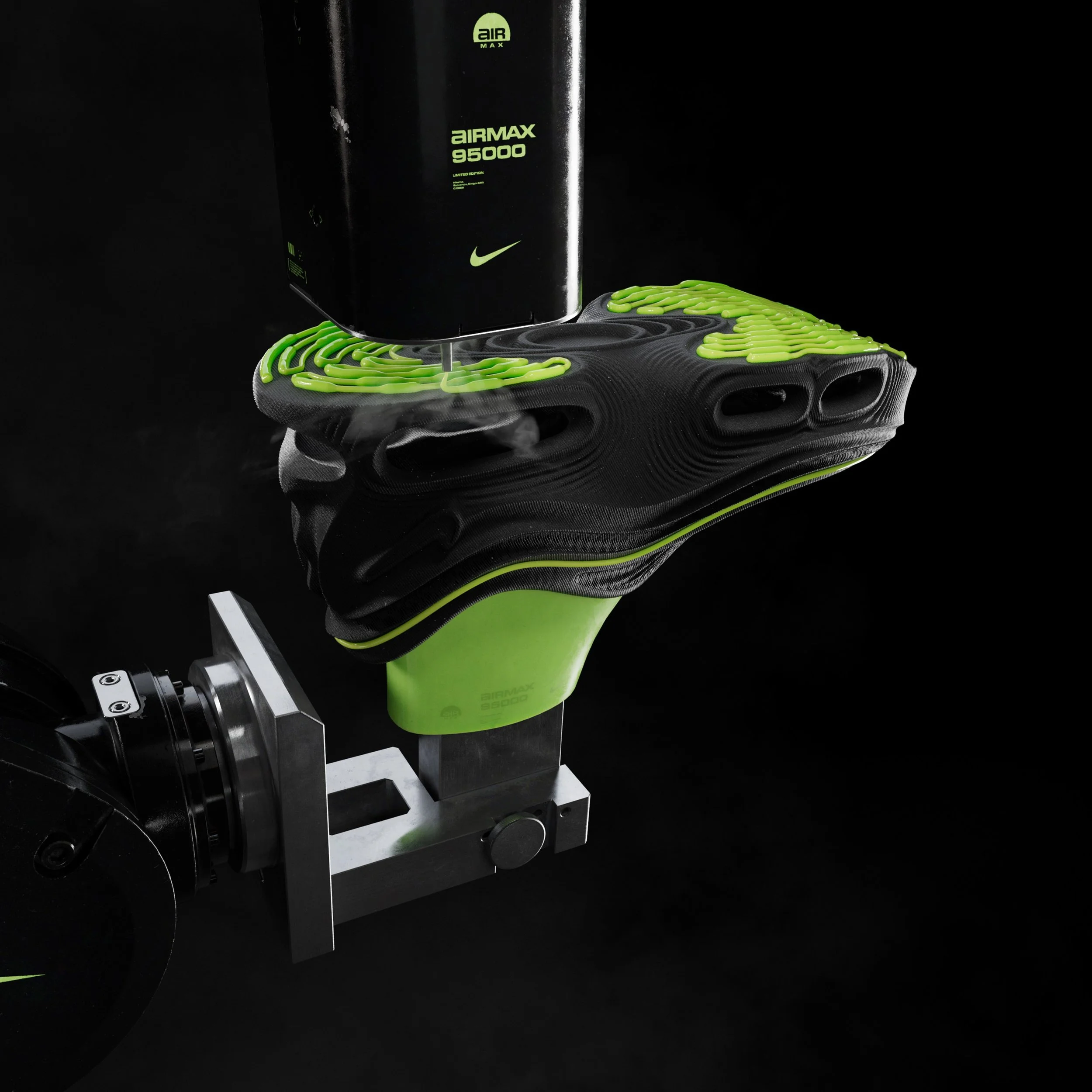
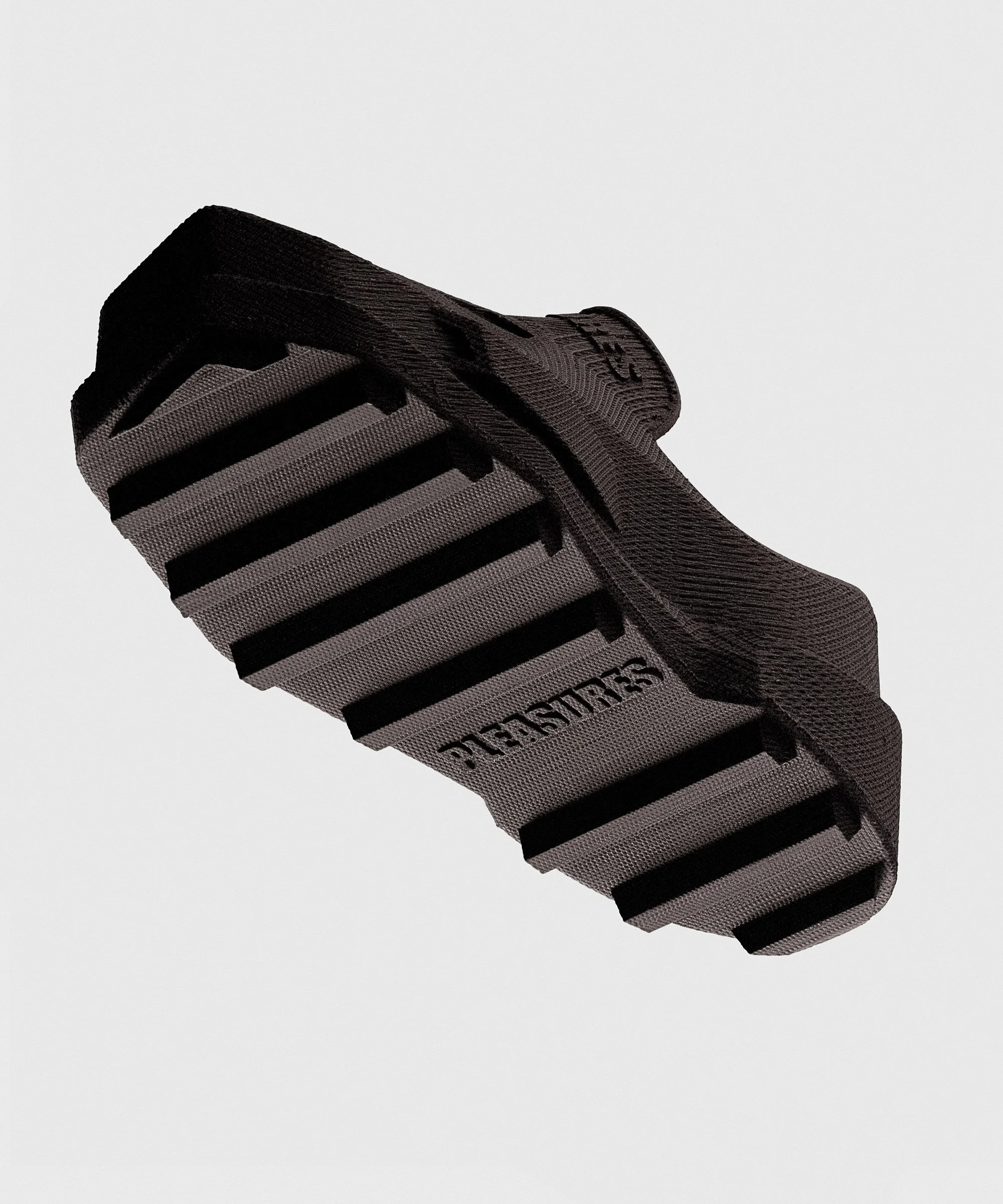
Behind the interface is an industrial-scale production network operating between Austin, Texas, and Hamburg, Germany. Thousands of industrial printers manufacture footwear directly from digital files, eliminating molds, adhesives and traditional assembly lines. Every pair is produced on demand only after an order is placed, reducing inventory while allowing creators to release products without the capital constraints of conventional manufacturing.
As fashion brands continue searching for sustainable manufacturing models, additive manufacturing offers a compelling alternative to overproduction, excess inventory and lengthy supply chains. Digital production also expands creative freedom, allowing designers to iterate rapidly without tooling costs that traditionally limit experimentation.
The platform's forthcoming subscription model further challenges conventional footwear retail. Rather than offering loyalty rewards layered onto existing purchasing behavior, Zellerfeld envisions a membership providing four custom-fit pairs annually from an expanding catalog of creator-led designs. If successful, the model shifts footwear consumption away from seasonal purchasing toward continuous access.
Whether subscriptions become mainstream remains to be seen, but the infrastructure now exists in a way previous attempts across the industry could not support.
Perhaps most importantly, Zellerfeld's evolution reflects a broader transformation taking place across fashion technology. Increasingly, competitive advantage is no longer determined solely by product design, but by the digital ecosystems surrounding those products. Companies that own the platform—not simply the product—are increasingly defining the future of commerce.
Music had Spotify. Video had YouTube. Zellerfeld believes footwear is approaching a similar inflection point.
After years of proving that printed shoes were technically possible, the company is making a larger argument: the future of footwear may not be defined by what consumers wear, but by the digital platforms that determine how those products are discovered, personalized and produced.


HOW DO YOU FEEL ABOUT FASHION?
COMMENT OR TAKE OUR PAGE READER SURVEY
Featured

Mia Rose McGrath’s Frugal Chic reframes wealth-building as an extension of personal style, arguing that financial freedom comes not from deprivation but from developing the taste, discipline and confidence to spend intentionally.