
A Complete Guide to Identifying and Preventing Hidden Indoor Mold Problems
PAGE
By PAGE Editor
Understanding the Importance of Indoor Environmental Safety
Indoor environmental quality plays a major role in maintaining health, comfort, and long-term property value in both residential and commercial buildings. One of the most common issues that can silently affect indoor spaces is mold growth, which often develops in hidden areas where moisture and poor ventilation exist. Mold can spread behind walls, under flooring, and inside ceilings without being immediately visible, making it difficult to detect in its early stages. Over time, it can impact air quality, damage building materials, and create serious maintenance challenges if not addressed properly. This is why early identification and professional evaluation are essential for maintaining a safe environment. A proper mold inspection helps uncover hidden growth and identifies underlying moisture issues that contribute to contamination. By understanding the importance of indoor safety, property owners can take proactive steps to prevent long-term damage. Awareness and timely action are key factors in maintaining a healthy living or working environment.
How Mold Develops in Indoor Environments
Mold develops when moisture, organic material, and limited airflow combine to create ideal conditions for fungal growth. Common sources of moisture include leaking pipes, roof damage, condensation buildup, flooding, and high humidity levels inside enclosed spaces. Once mold spores land on damp surfaces, they begin to multiply rapidly and spread across affected areas. Over time, this growth can extend into hidden sections of a building, making it difficult to detect without specialized tools. Poor ventilation further accelerates the spread by trapping moisture and allowing spores to circulate through the air. Regular monitoring is essential to prevent mold from becoming a widespread problem. Mold inspection plays an important role in identifying early-stage growth and detecting moisture sources that are not visible during routine cleaning or maintenance. Early detection helps reduce damage and prevents contamination from spreading to other parts of the building.
Health Risks Associated with Mold Exposure
Exposure to mold can lead to a variety of health issues, particularly for individuals with respiratory conditions, allergies, or weakened immune systems. Common symptoms include coughing, sneezing, throat irritation, headaches, skin rashes, and breathing difficulties. In some cases, prolonged exposure may result in more severe respiratory problems and long-term health complications. Children and elderly individuals are especially vulnerable to poor indoor air quality caused by mold contamination. Even small amounts of mold can trigger allergic reactions in sensitive individuals, making early identification extremely important. This is why mold inspection is recommended whenever there are signs of moisture damage or unexplained health symptoms in indoor environments. Identifying mold early helps reduce exposure risks and ensures that proper remediation measures can be taken quickly. Maintaining clean and safe indoor air is essential for protecting overall health and well-being.
Importance of Professional Assessment and Detection
Detecting mold accurately requires specialized equipment and professional expertise because it often grows in hidden or difficult-to-access areas. Professionals use advanced tools such as moisture meters, thermal imaging devices, and air sampling equipment to locate contamination. These tools help identify mold growth even when it is not visible on surfaces. A detailed evaluation can determine the type of mold present, the severity of contamination, and the source of moisture feeding the growth. Mold inspection provides a structured and scientific approach to identifying indoor environmental risks. Without professional assessment, hidden mold may continue to spread unnoticed, leading to more extensive damage over time. Accurate detection ensures that remediation efforts are properly targeted and effective. Professional inspection is a critical step in maintaining a safe and healthy indoor environment.
Common Signs That Indicate Mold Presence
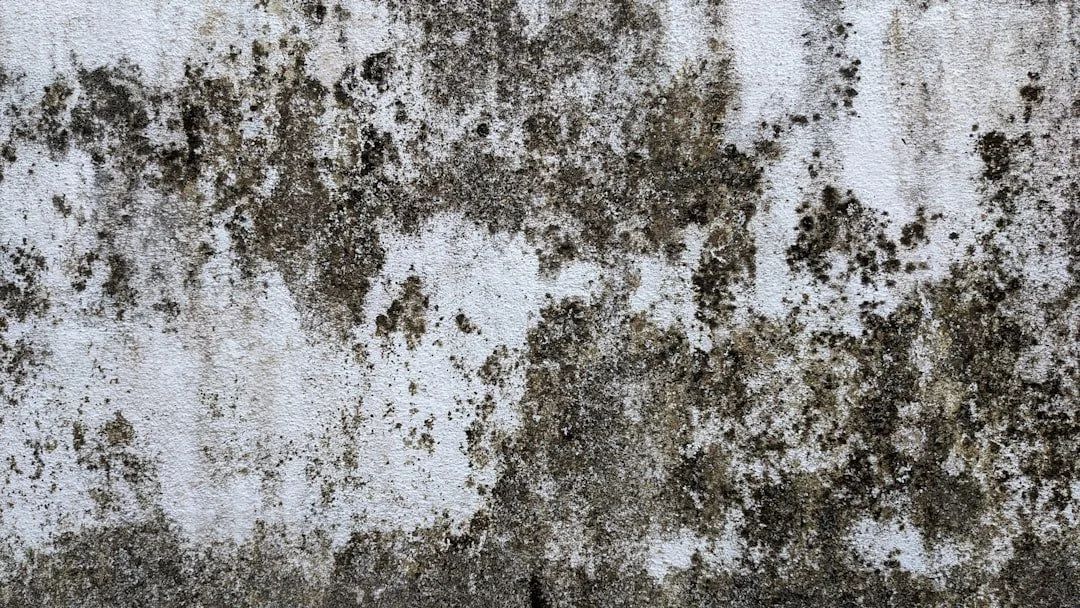
There are several warning signs that may suggest the presence of mold inside a building, even if it is not immediately visible. Persistent musty odors are often one of the first indicators of hidden contamination. Discoloration on walls, ceilings, or flooring, as well as peeling paint or wallpaper, can also signal moisture-related issues. Increased allergy symptoms among occupants may indicate poor indoor air quality caused by mold spores. Damp areas in bathrooms, kitchens, basements, and around plumbing systems are particularly vulnerable to mold growth. In some cases, visible black, green, or white patches may appear on surfaces, confirming active contamination. When these signs are present, mold inspection helps determine the extent of the problem and identifies areas requiring attention. Early recognition of these symptoms can prevent costly repairs and long-term damage.
The Role of Moisture Control in Prevention
Moisture control is one of the most effective strategies for preventing mold growth in indoor environments. Without moisture, mold cannot survive or spread, making humidity management a critical preventive measure. Proper ventilation in kitchens, bathrooms, and laundry areas helps reduce excess moisture buildup. Fixing leaks in plumbing systems, roofs, and walls is equally important to eliminate hidden water sources. Dehumidifiers can also help maintain balanced humidity levels in damp environments. Regular cleaning and maintenance of HVAC systems contribute to improved air circulation and reduced moisture retention. Even well-maintained spaces can develop mold if moisture issues are ignored over time. Mold inspection can help identify areas where hidden moisture is contributing to potential growth. Effective moisture control significantly reduces the risk of mold-related problems.
Benefits of Early Detection and Prevention
Early detection of mold provides significant advantages in terms of health protection, cost savings, and property preservation. Identifying the issue at an early stage allows for quicker and more affordable remediation solutions. It also prevents the spread of contamination to other areas of the building, reducing overall damage. Early intervention helps maintain better indoor air quality and minimizes health risks associated with prolonged exposure. Mold inspection is a valuable tool in early detection because it provides accurate and detailed information about contamination levels. Addressing mold problems promptly helps avoid extensive repairs and structural damage. Property owners who act early benefit from lower maintenance costs and improved safety conditions. Timely detection is essential for long-term building protection.
Advanced Techniques Used in Modern Detection
Modern mold detection methods have greatly improved the accuracy and efficiency of identifying contamination in indoor environments. Air sampling tests measure the concentration of mold spores present in the air, helping assess overall air quality. Surface sampling identifies the type and severity of mold growth on affected materials. Thermal imaging technology is used to detect hidden moisture behind walls, ceilings, and floors without causing damage. These advanced techniques allow professionals to locate mold sources with precision and accuracy. Mold inspection integrates these technologies to provide a comprehensive assessment of indoor conditions. This scientific approach ensures reliable results and effective remediation planning. Advanced detection tools have significantly improved the ability to manage mold-related issues in modern buildings.
Long-Term Maintenance and Property Protection
Maintaining a mold-free environment requires ongoing attention, regular inspections, and proper maintenance practices. Property owners should ensure that roofing, plumbing, and ventilation systems are regularly checked and maintained to prevent water damage. Routine cleaning and monitoring of indoor humidity levels also play an important role in preventing mold growth. Even small leaks or condensation issues should be addressed immediately to avoid long-term problems. Mold inspection can be incorporated into regular maintenance schedules to ensure continuous safety and air quality. Preventive care helps protect both the structure of the building and the health of its occupants. Long-term maintenance reduces the risk of recurring mold issues and improves overall property value. Consistent care and monitoring are essential for lasting protection.
Conclusion
Mold is a hidden but serious issue that can affect both indoor air quality and structural integrity if not properly managed. It often grows in concealed areas, making early detection and prevention extremely important for maintaining a safe environment. Professional evaluation methods provide accurate identification of contamination and help guide effective treatment strategies. Mold inspection plays a crucial role in detecting hidden mold growth and ensuring that problems are addressed at their source. By controlling moisture, maintaining ventilation, and conducting regular inspections, property owners can significantly reduce the risk of mold development. Early intervention helps prevent costly repairs and protects the health of occupants. A proactive approach to mold management ensures long-term safety, comfort, and property preservation. Maintaining awareness and taking timely action is essential for creating a clean and healthy indoor environment.
HOW DO YOU FEEL ABOUT FASHION?
COMMENT OR TAKE OUR PAGE READER SURVEY
Featured





Video is no longer optional for marketing teams, e-commerce brands, and solo creators.