
A Different Kind of German City Break: Exploring by E-Bike
PAGE
By PAGE Editor
A good city break leaves room for the unplanned: a bakery that looks inviting, a quiet square, a riverside path that carries you a little farther than expected. Walking reveals the details of a neighbourhood, while public transport can connect places that sit farther apart. An e-bike offers another pace, especially for visitors who want to move between a city centre and its surrounding green spaces without turning the day into a series of transfers.
Begin with the shape of the day you want. A broad E-bike collection can help you see the kinds of rides available, and a city ebike may suit an itinerary that stays mostly on paved streets and cycle paths. The model matters, but so does the rhythm: where you start, how long you want to ride, and how easily you can stop and explore on foot.
Let the city set the pace
A weekend route does not need to cover every landmark. Choose a starting point, one or two places you are keen to see, and a loose direction between them. That leaves time for detours without making the day feel like a race against a checklist. An e-bike can make a longer loop feel approachable, while the option to walk a market street or pause at a café keeps the day varied.
Build in stops, not just kilometres
A map is useful for seeing connections, but it cannot tell you which corner will hold your attention. Look for routes that allow you to leave the main road, lock the bike and spend time on foot. A museum visit, lunch reservation or ferry departure may need a firm arrival time; the rest of the day can remain flexible.
Plan a shorter first ride if you are unfamiliar with the bicycle or the local streets. It gives you time to learn the controls, understand the assistance settings and settle into the traffic around you. Once the ride feels predictable, add a second section or an unplanned stop. The most enjoyable itinerary is often the one that still has room to change at midday.
Travel companions may have different ideas about distance and pace. Agree on a realistic route together, and build in places where the group can pause. One person may want to browse a shop or take photographs while another prefers to continue toward the next stop. A flexible loop is easier to share than a route that depends on everyone moving at the same speed.
Choose streets that make the ride comfortable
A route can look short on a screen and feel demanding on the ground. Busy junctions, rough paving, tram lines, roadworks and steep sections all change the experience. Check the route before setting out, then stay open to a calmer parallel street if conditions feel uncomfortable. Where cycling and pedestrian paths meet, reduce speed and give people room.
For a city-centred outing, consider how often you will stop and start, where you can secure the bicycle and whether the riding position feels comfortable after an hour. A test ride before the trip can help with fit and controls. If you are renting, take a few minutes with the provider to confirm the brakes, lights, lock and battery level before leaving.
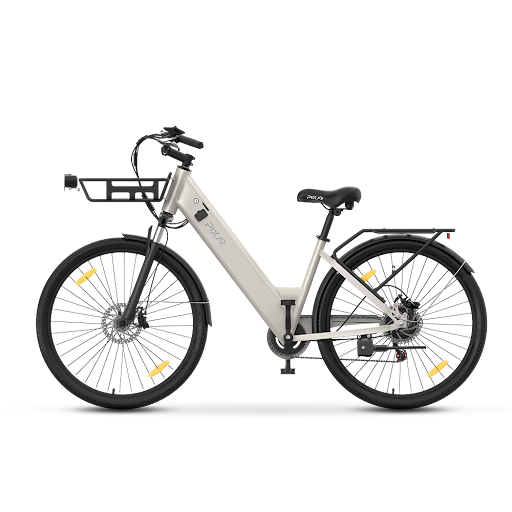
City models vary in their fit, weight and included equipment. Check the exact version you plan to ride: baskets, racks and mudguards shown in product images may be optional. For a day out, a small bag that stays secure and does not interfere with steering is usually easier to manage than loose items on the handlebar.
Pack for a day that can change
A light layer, water, a compact lock and a charged phone can make a day ride easier to adjust. If you expect to be out for several hours, consider the return journey when planning battery use. Assistance level, hills, stops, temperature and the weight carried can all influence how far a charge lasts. A maximum range figure is a test result under particular conditions, so use the manufacturer’s guidance and leave a sensible margin.
Check where you can pause or charge if the route is longer than your usual ride. The battery may be removable on some bicycles, but charging and storage instructions differ by model. If you are staying overnight, ask the accommodation whether there is a secure place for the bike and whether charging is allowed there. Confirm this in advance rather than assuming a hallway socket is suitable.
A small repair kit is useful only if you know how to use it. For visitors who are not comfortable making roadside adjustments, identify a local bicycle shop along the route or ask the rental provider what support is available. Save the rental company’s contact details and the address of your accommodation before setting off; mobile coverage and battery life are easier to manage when essential information is already accessible.
Leave the centre when the route invites it
Some of the most satisfying rides begin after the busy streets thin out. A riverside path, a park or a signed route toward a nearby town can change the feel of the day. Keep the transition gradual: check how the surface changes, whether the route is open to bicycles and how much daylight remains. A touring-style e-bike may be relevant for longer rides or varied surfaces, while a city setup can suit many paved paths. The specific model and the route should guide the decision.
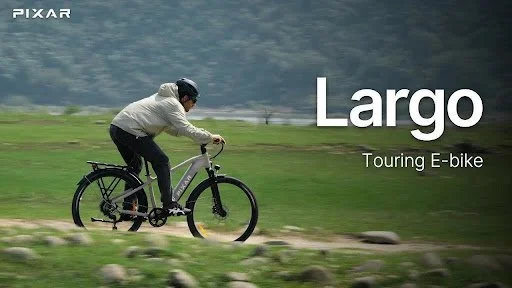
A simple loop can be more rewarding than a long out-and-back ride if it gives you several ways to pause or return. Check the surface and route options before following a path away from the city. If conditions change, turn back early or choose a safer alternative. The point of a day outside is to enjoy the landscape, not to finish a distance that no longer feels comfortable.
Make room for the places you pass through
A bicycle makes it easy to cover ground, so it is worth being deliberate about where you slow down and where you stop. Use designated places to park, keep entrances and sidewalks clear, and take valuables with you when leaving the bicycle. Near pedestrians, children or dogs, give extra space and be ready to stop. If a path is crowded, walking the bicycle for a short stretch may be the more considerate choice.
Travel can be lighter on a destination when visitors support local cafés, repair shops and small businesses along the way. It can also create pressure if riders crowd narrow paths or leave bikes in the wrong places. Follow posted signs and local guidance, carry rubbish until you find a bin, and keep noise low in residential streets. Small choices shape whether cycling feels welcome to the people who live there.
An e-bike can also be one part of a lower-car weekend, particularly when it replaces a short car journey or connects with public transport. It is not necessary to claim that every ride has the same environmental effect. The useful question is what mode it replaces and whether the bicycle makes a practical alternative for this particular outing.
Keep the plan open
The best city break has a little structure and enough slack. Pick a few destinations, make sure the bicycle fits the route and the rider, and leave time to stop. Check the weather, charging plan, parking and return options before setting out. If the day becomes windy or a street feels too busy, shorten the ride and continue on foot or by transit.
An e-bike can bring different parts of a city into reach while keeping the day personal. It works best when movement supports the experience: a ride to a neighbourhood, a quiet stretch along the water, a long lunch, then an easy way back.
HOW DO YOU FEEL ABOUT FASHION?
COMMENT OR TAKE OUR PAGE READER SURVEY
Featured




Online shopping is supposed to save time, but sometimes it does the opposite.