
Albert Kriemler and Martha Jungwirth Turn Emotion Into Clothing
PAGE
By PAGE Editor
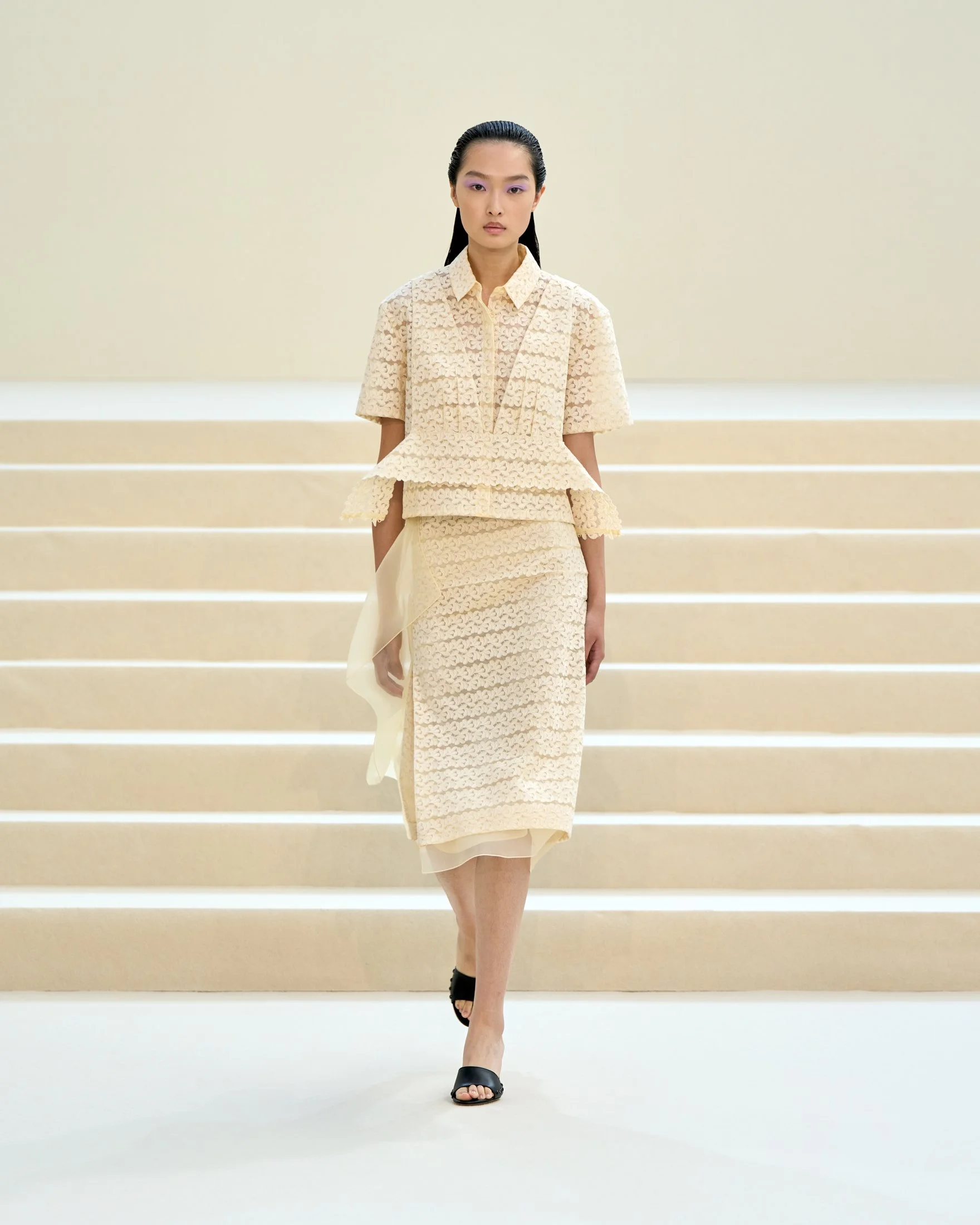
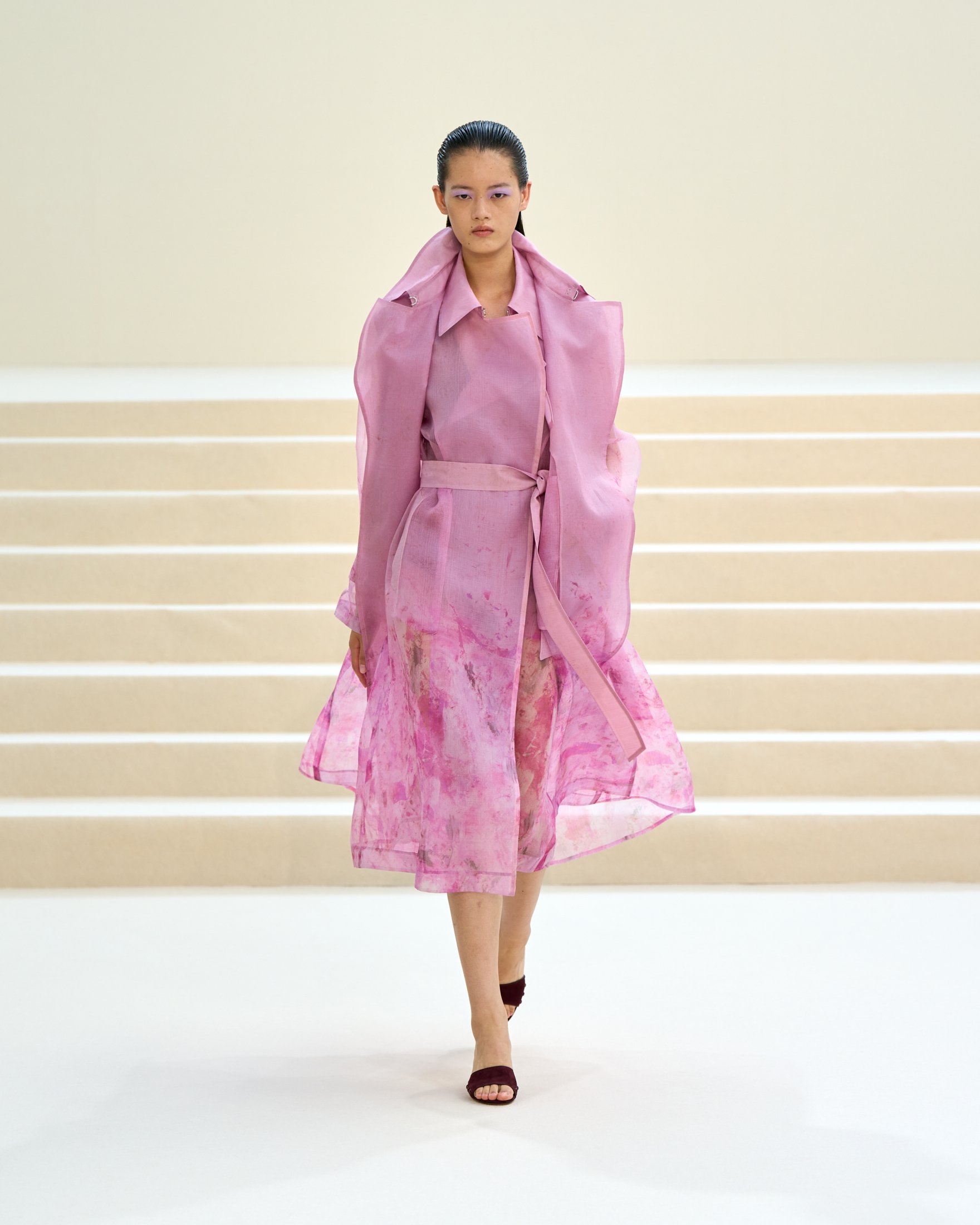
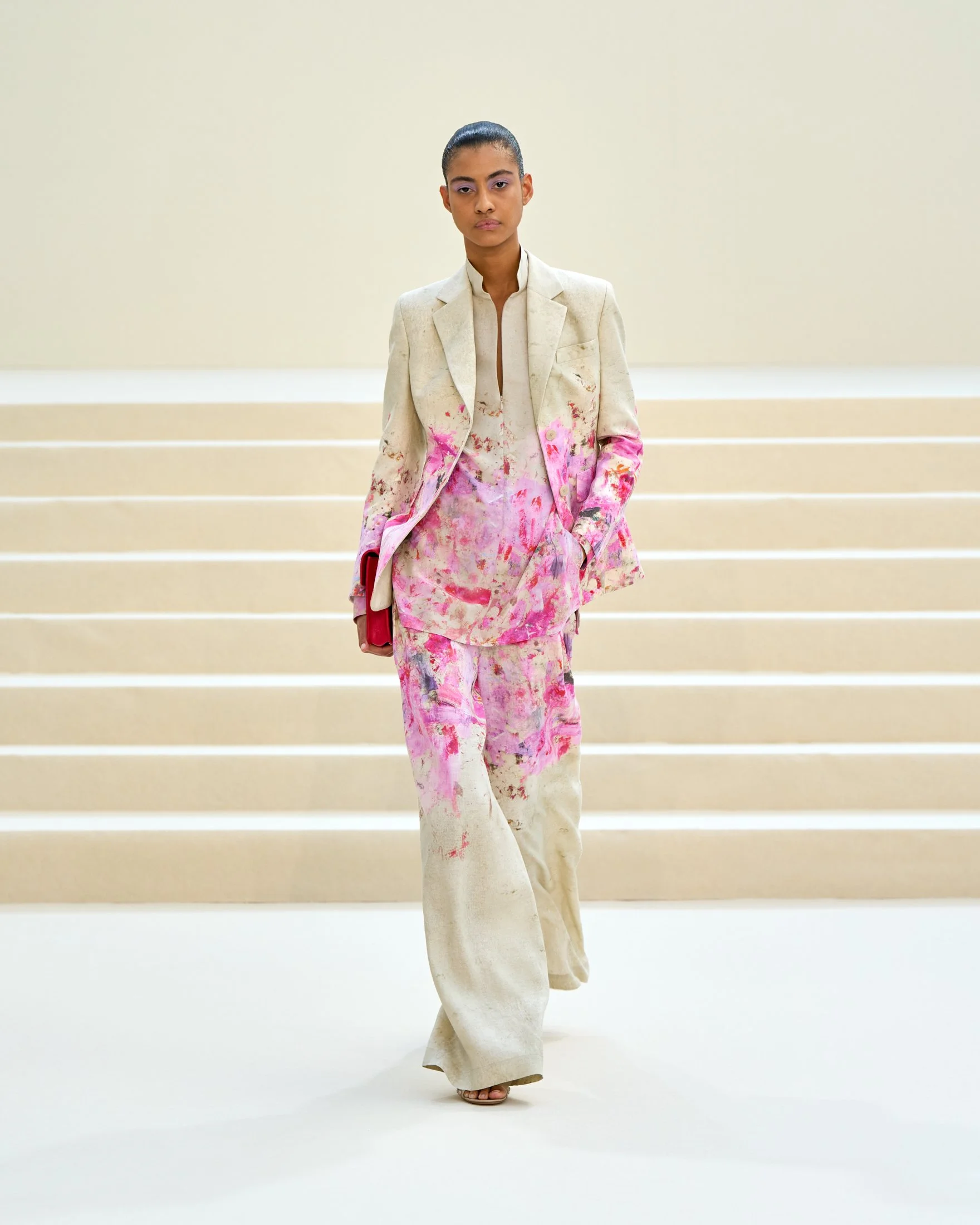
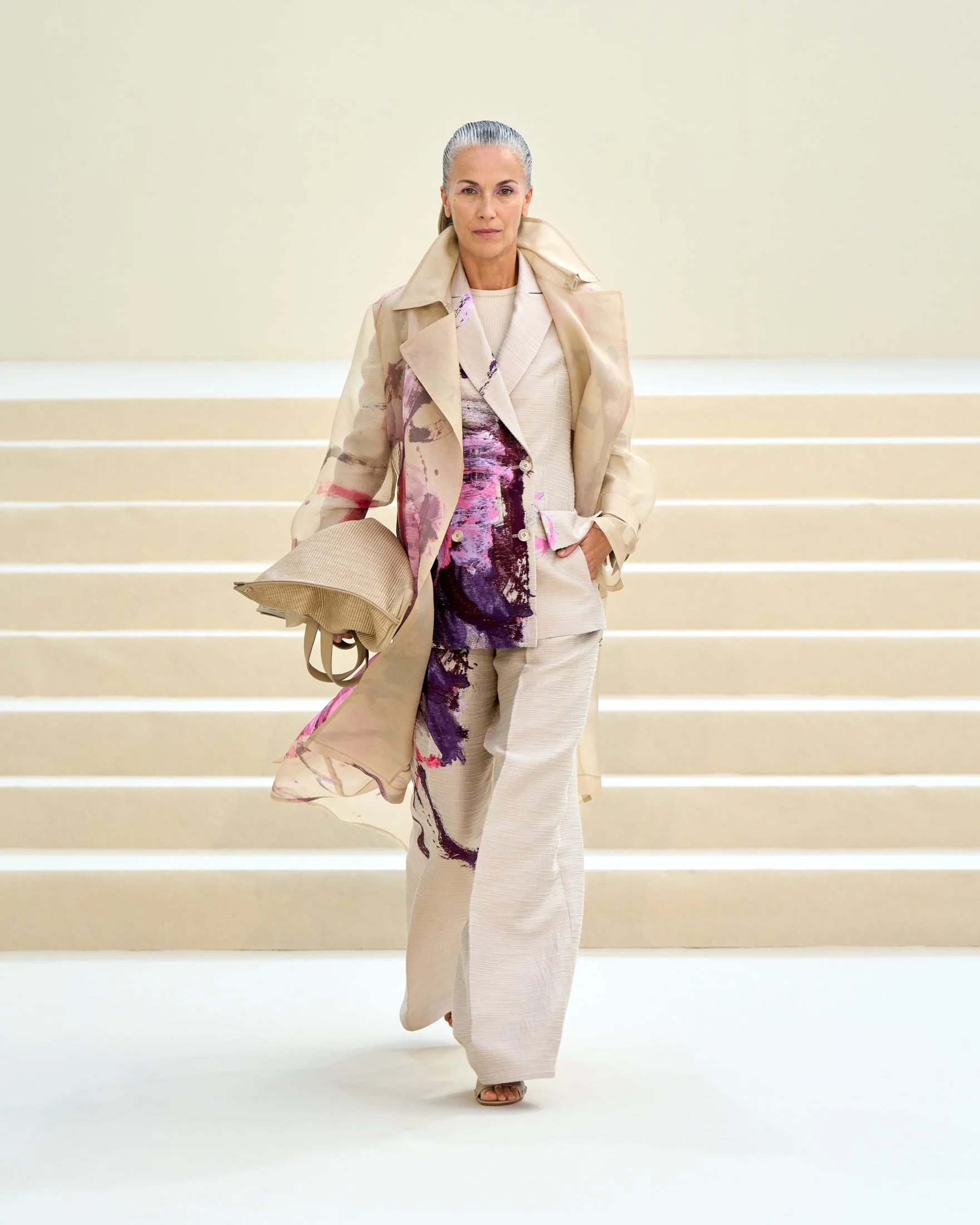
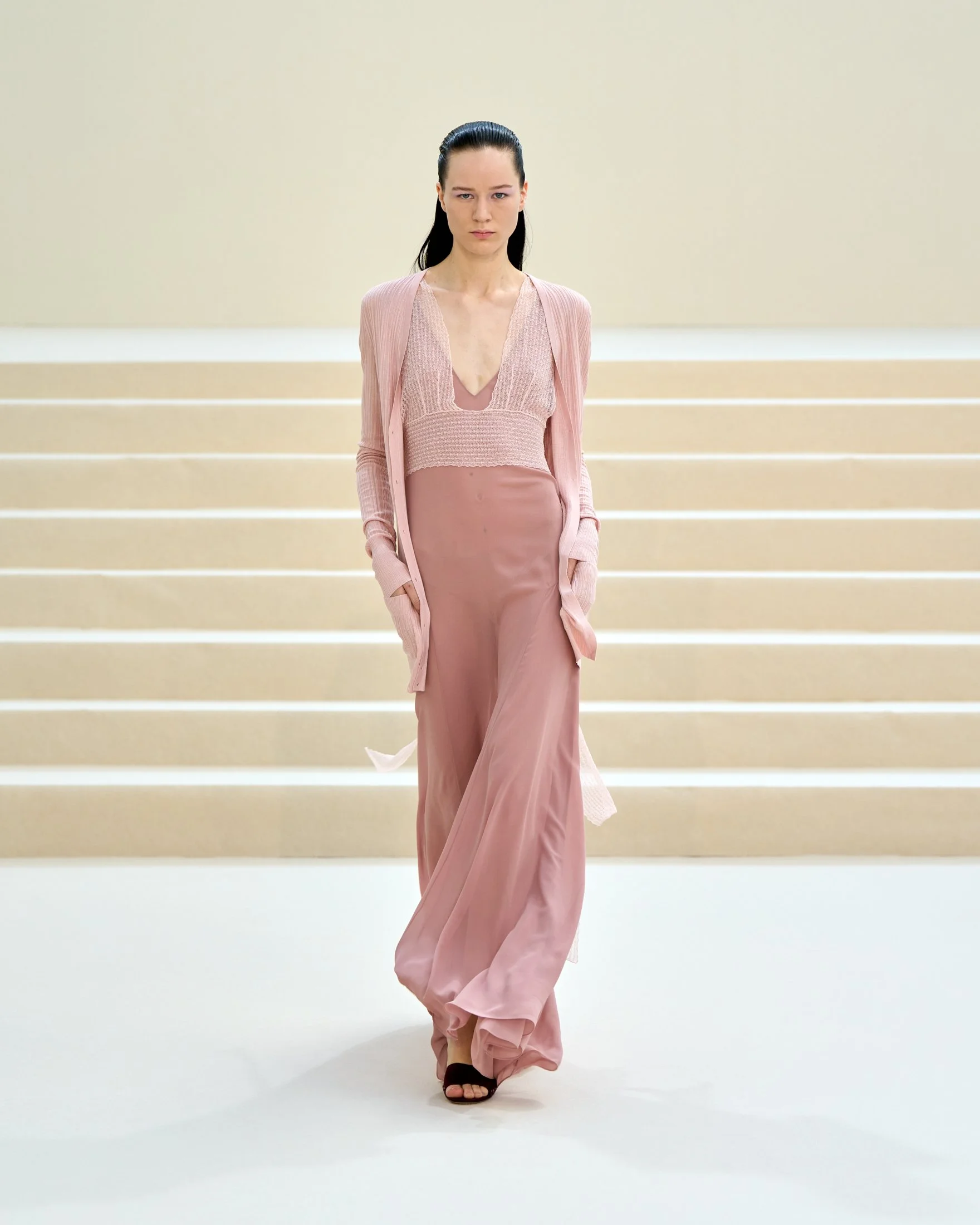
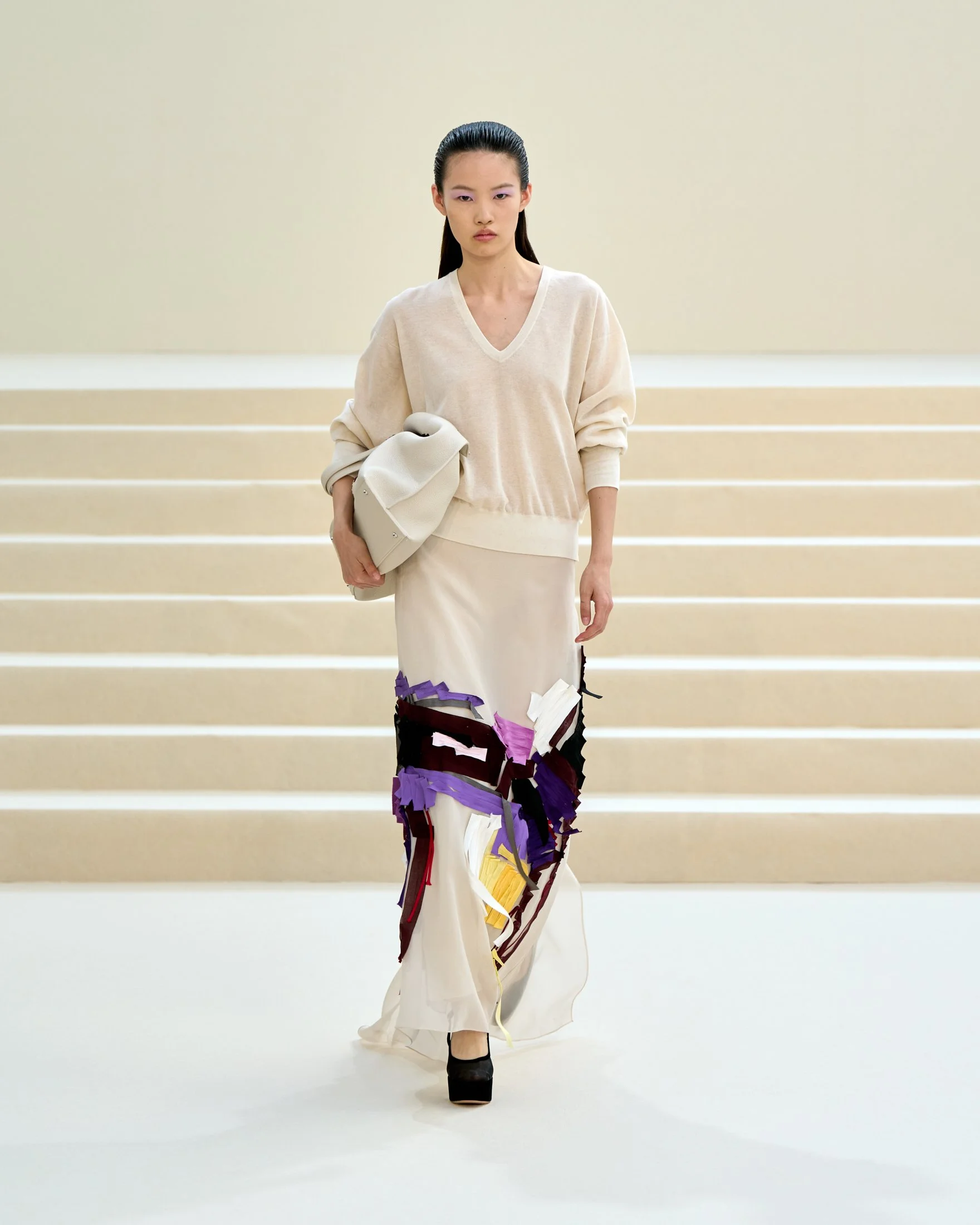
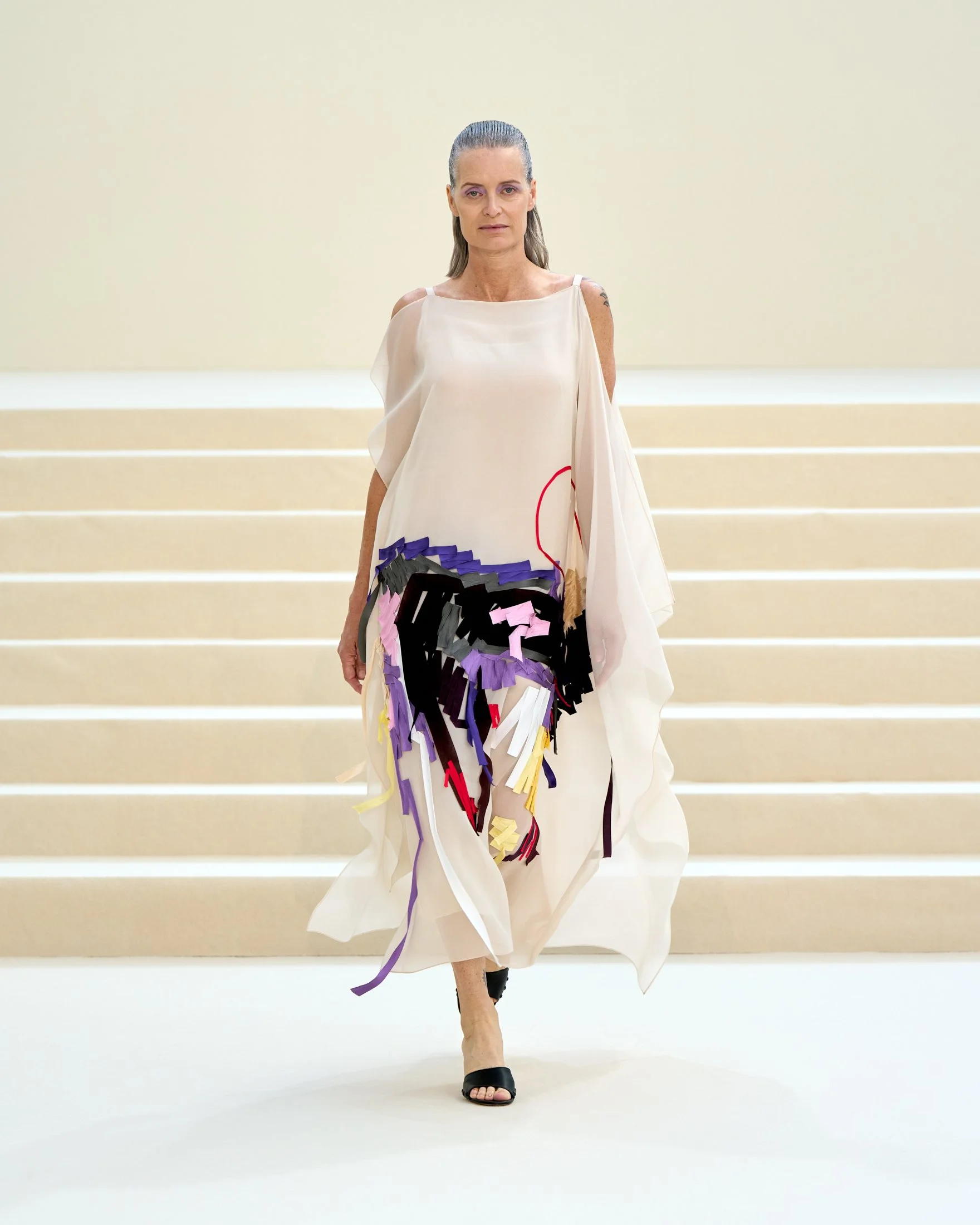
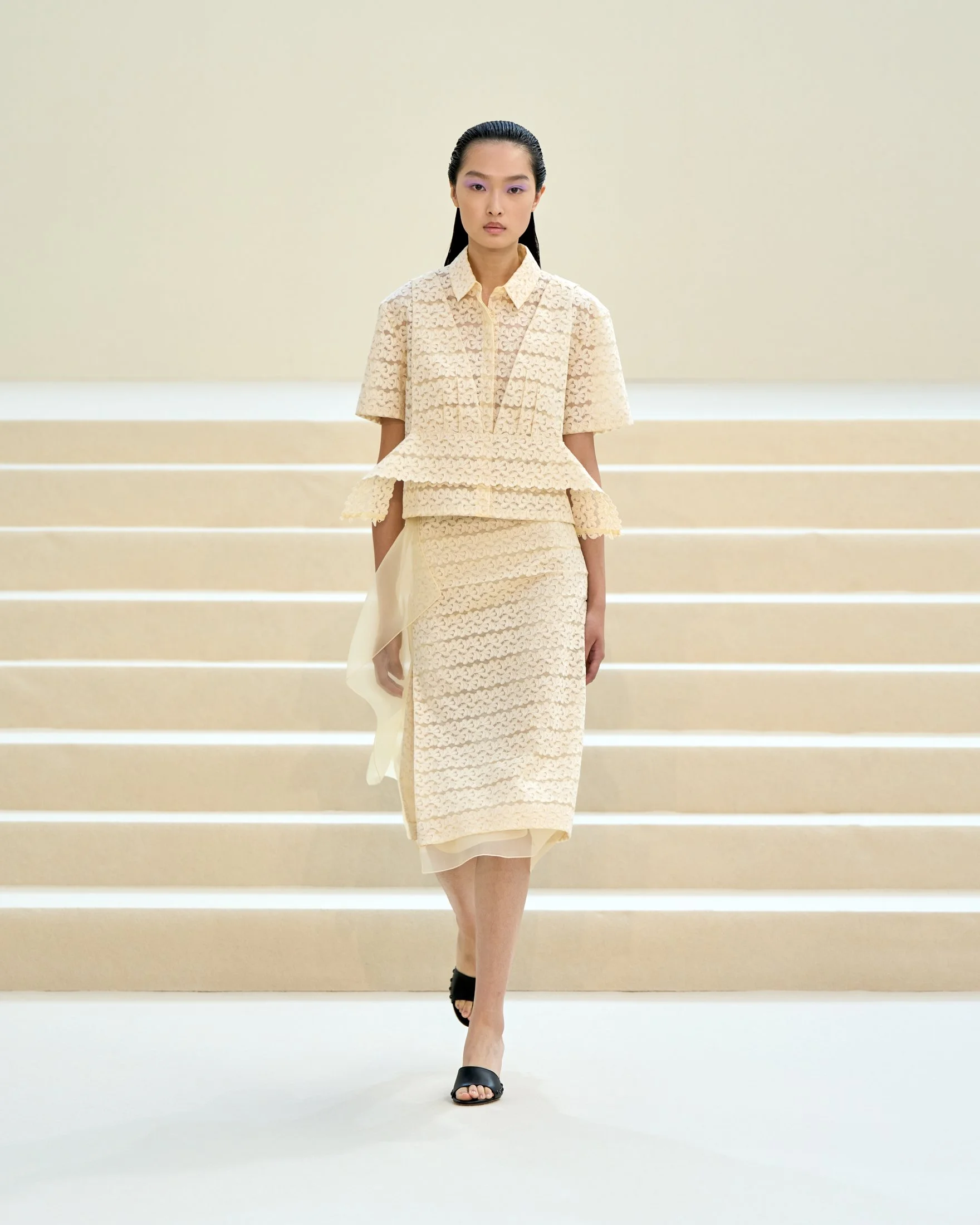
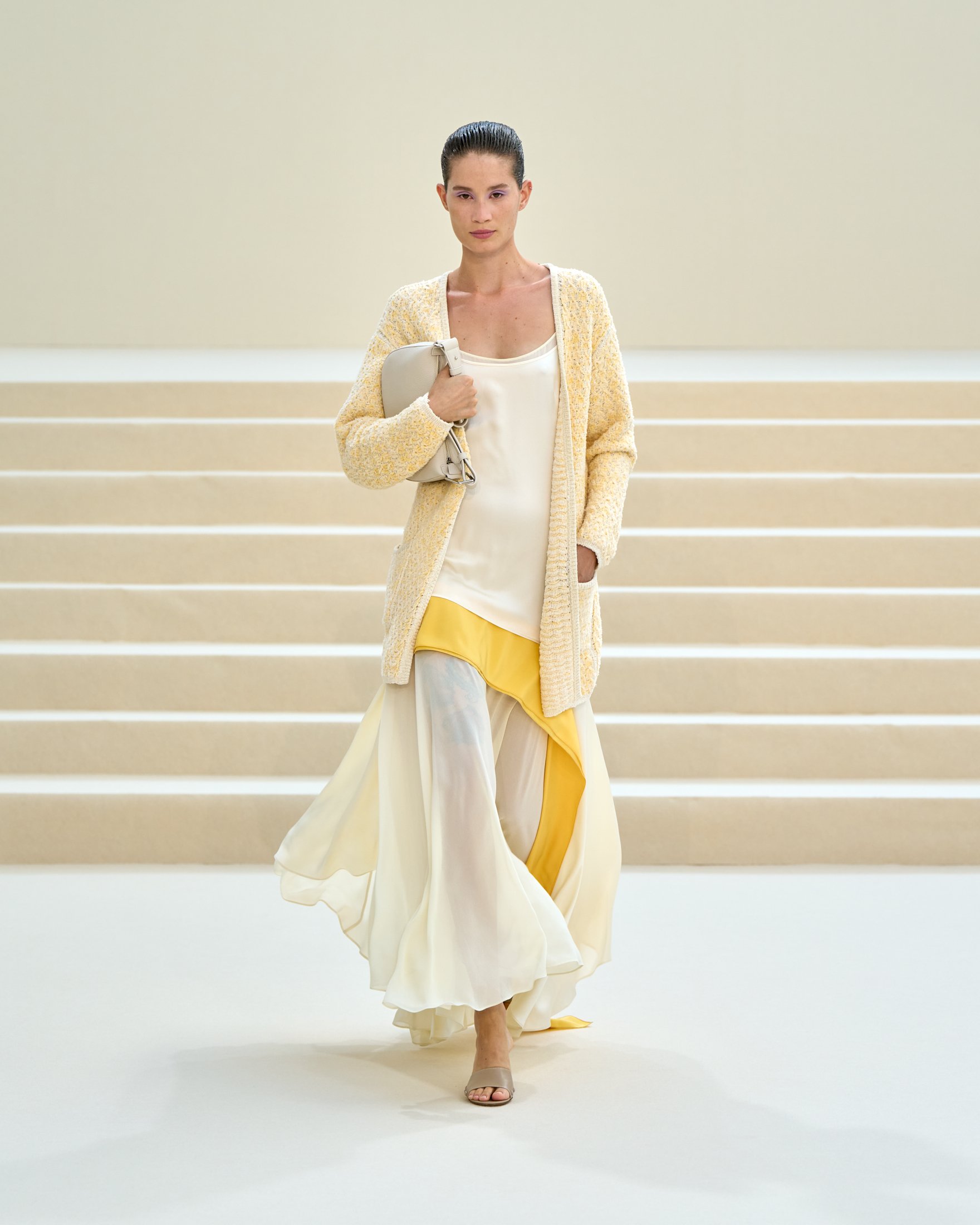
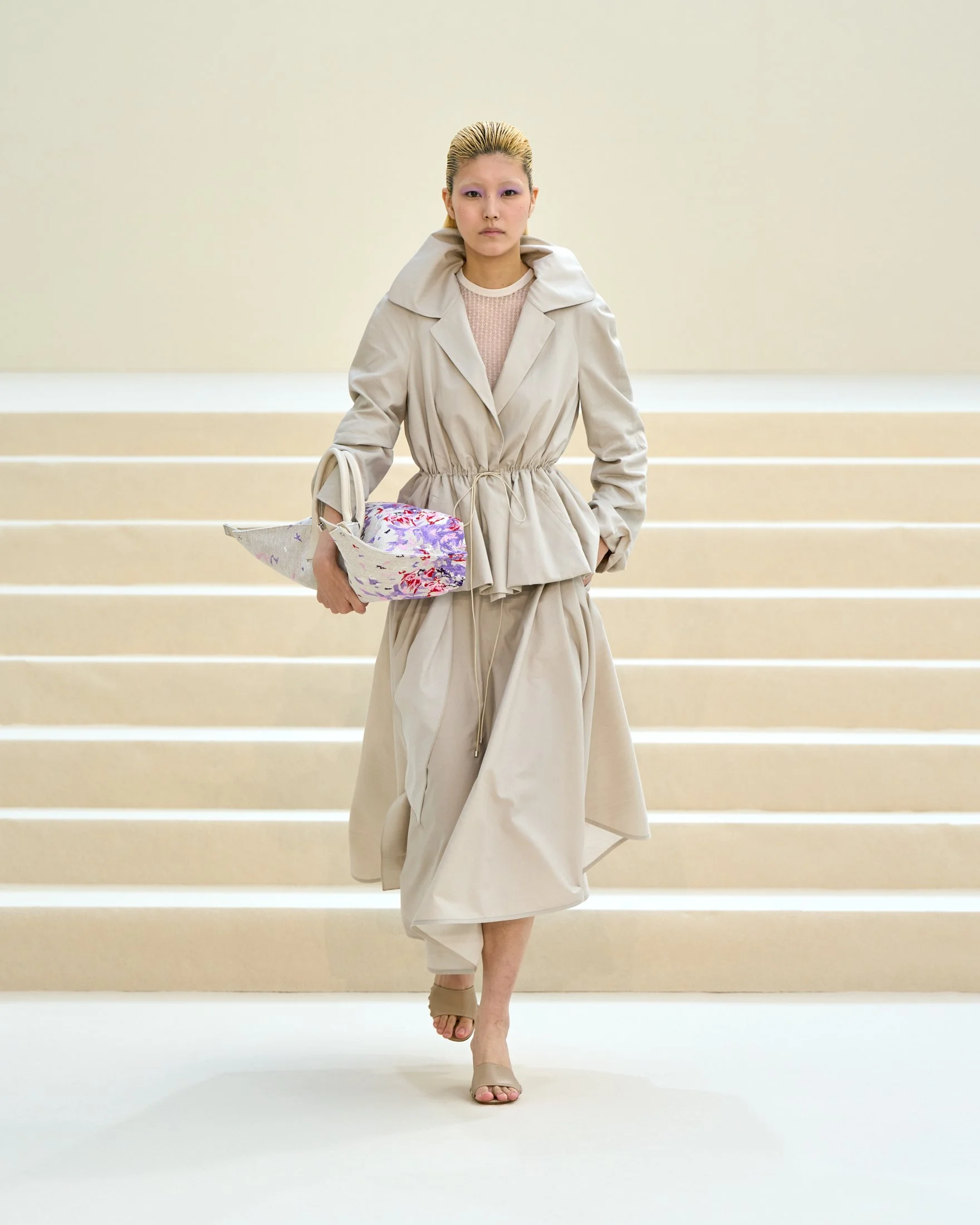
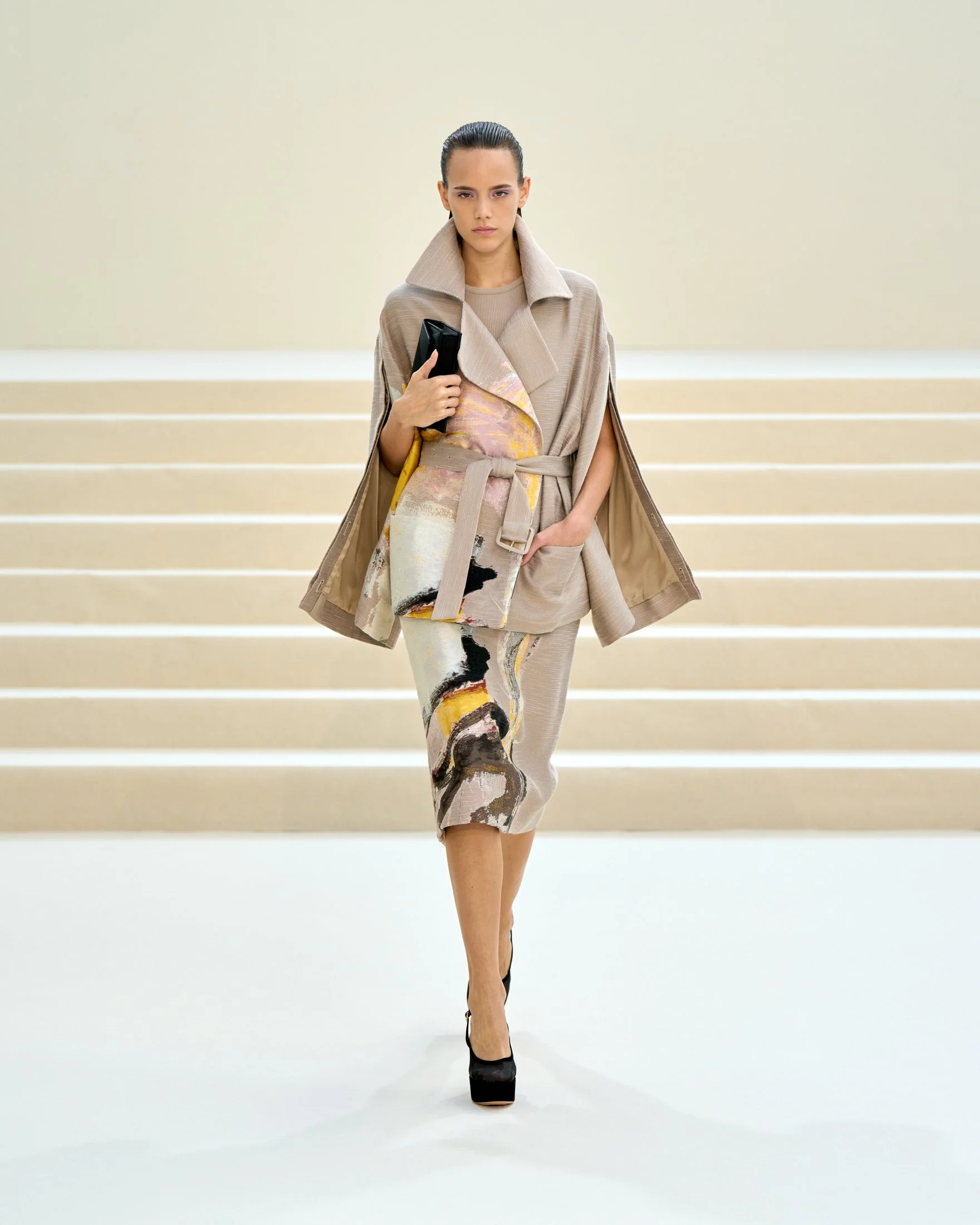
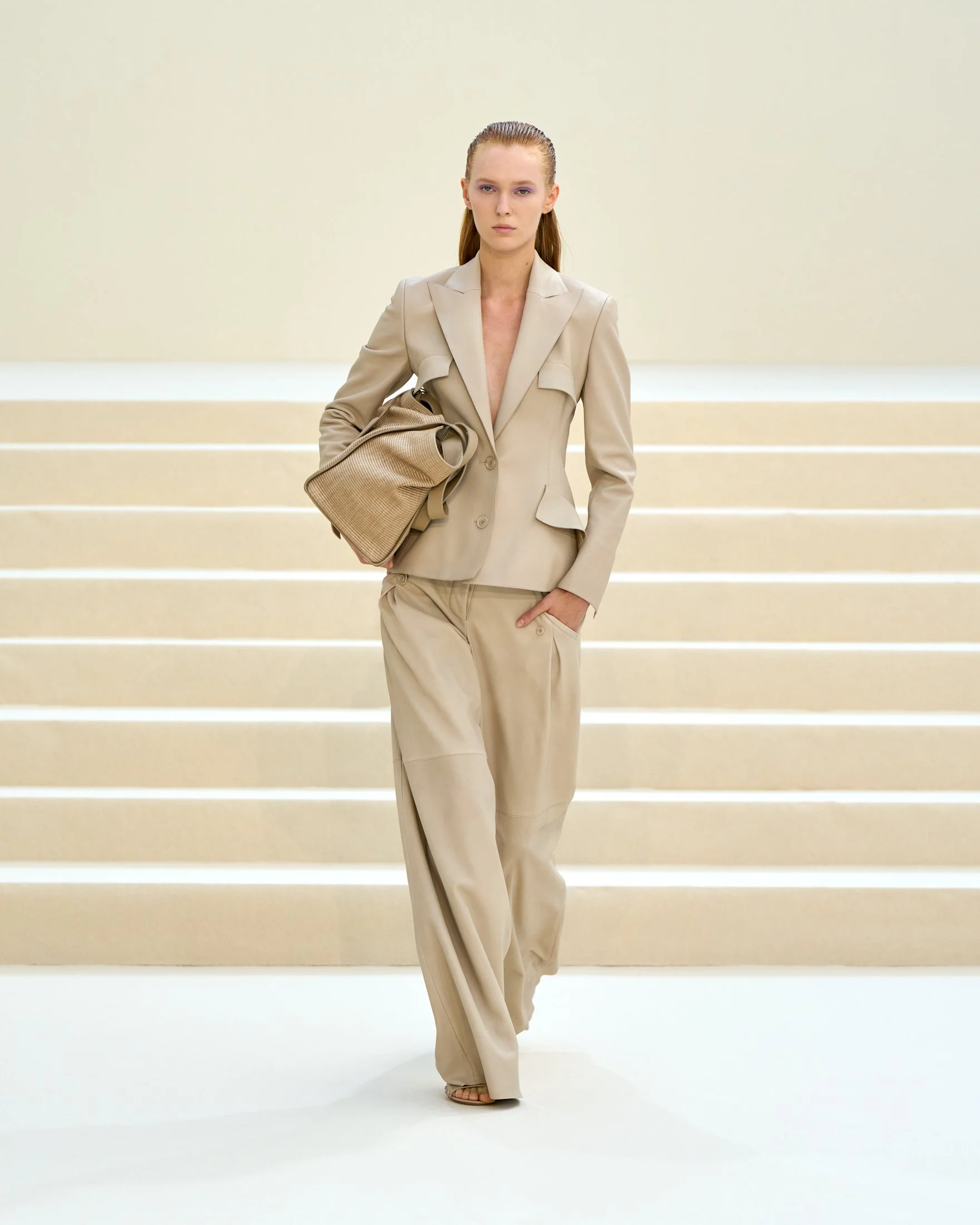
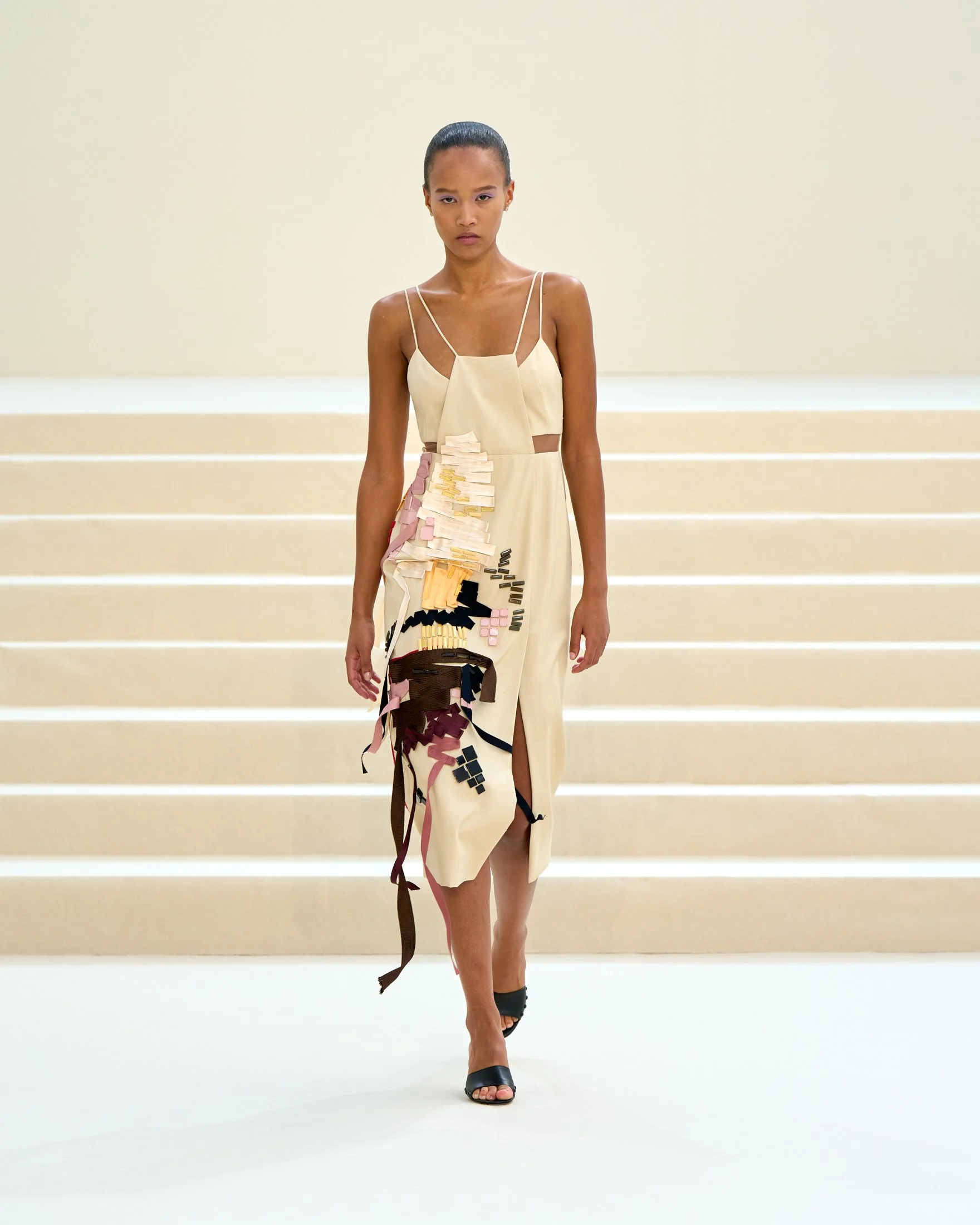
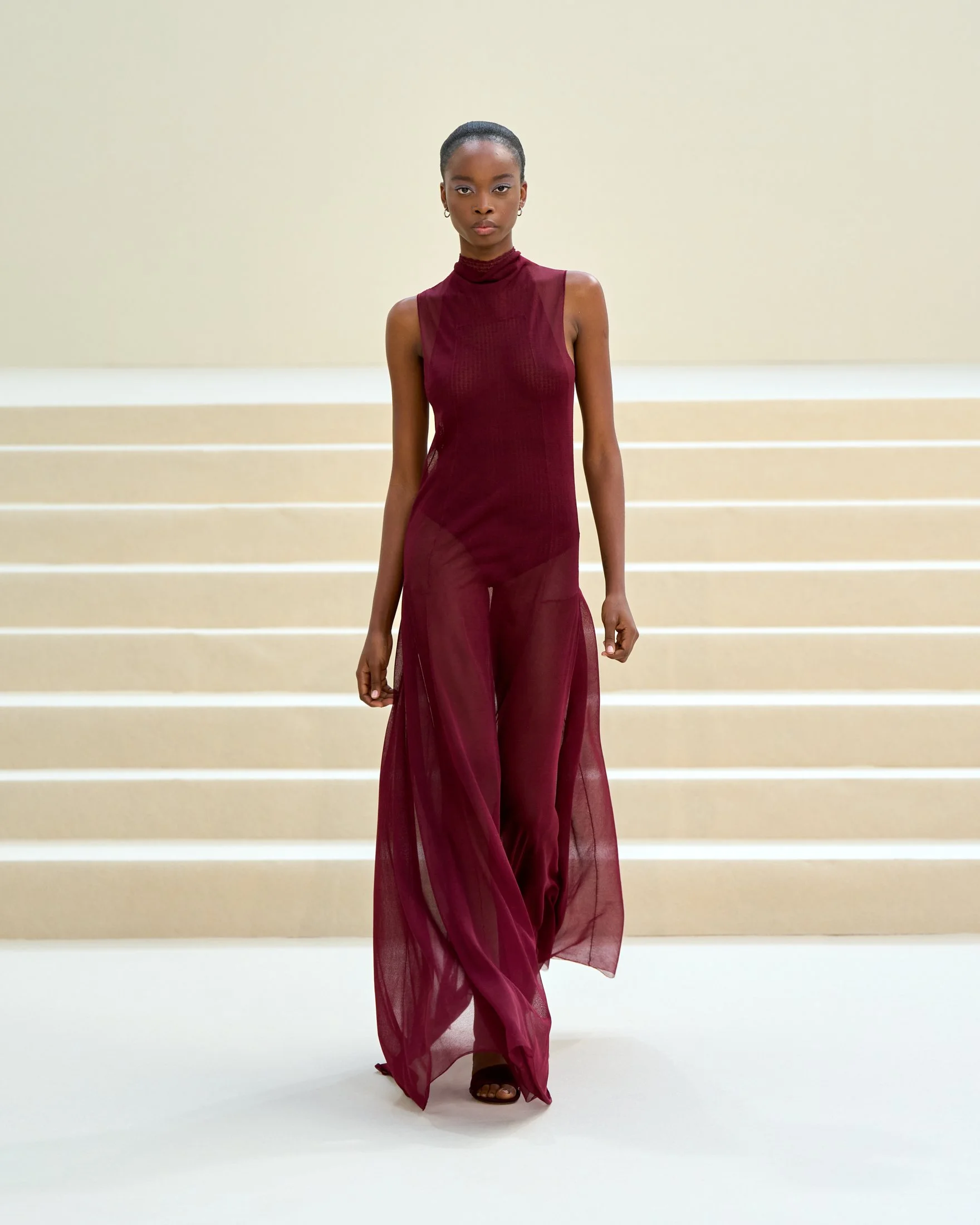
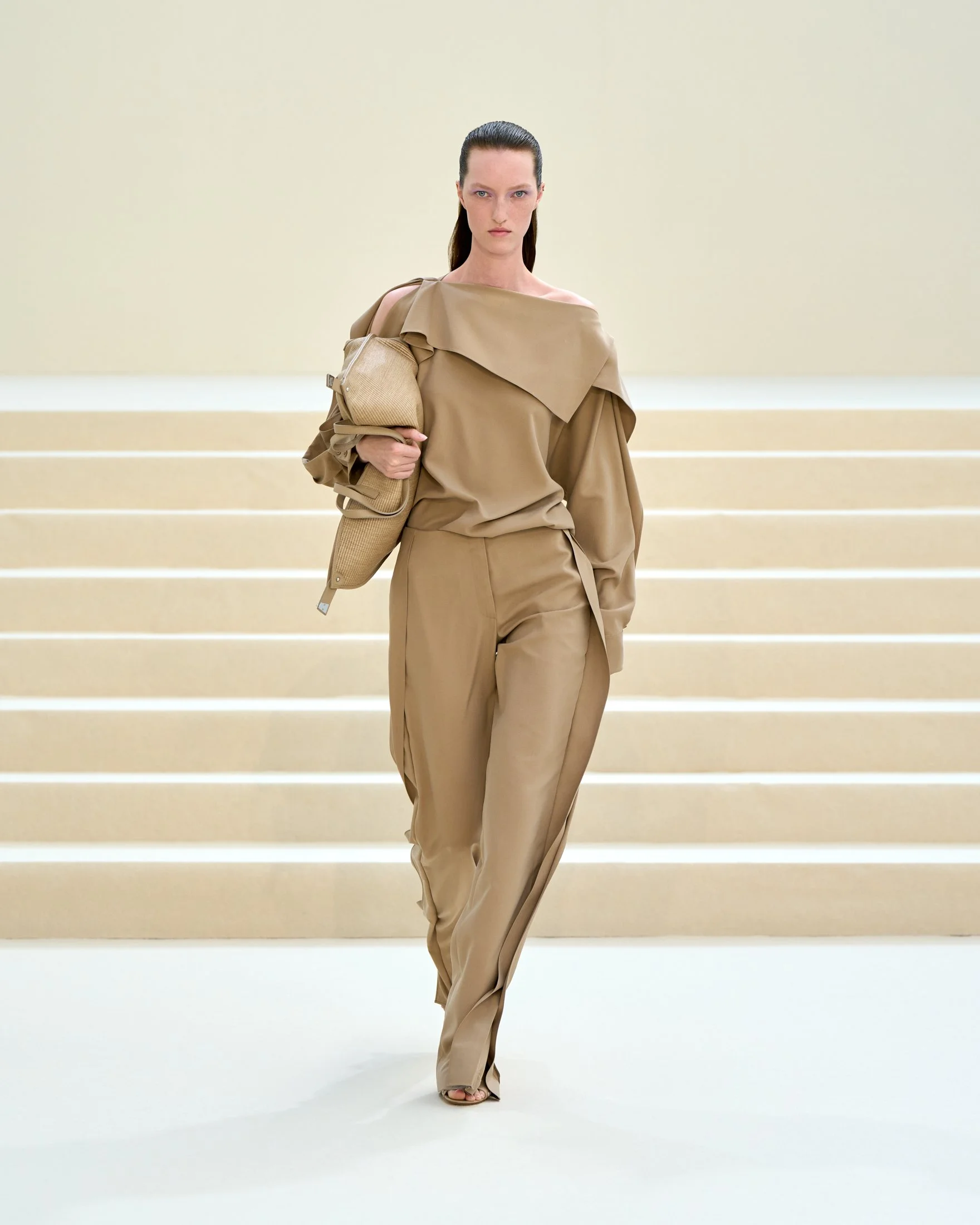
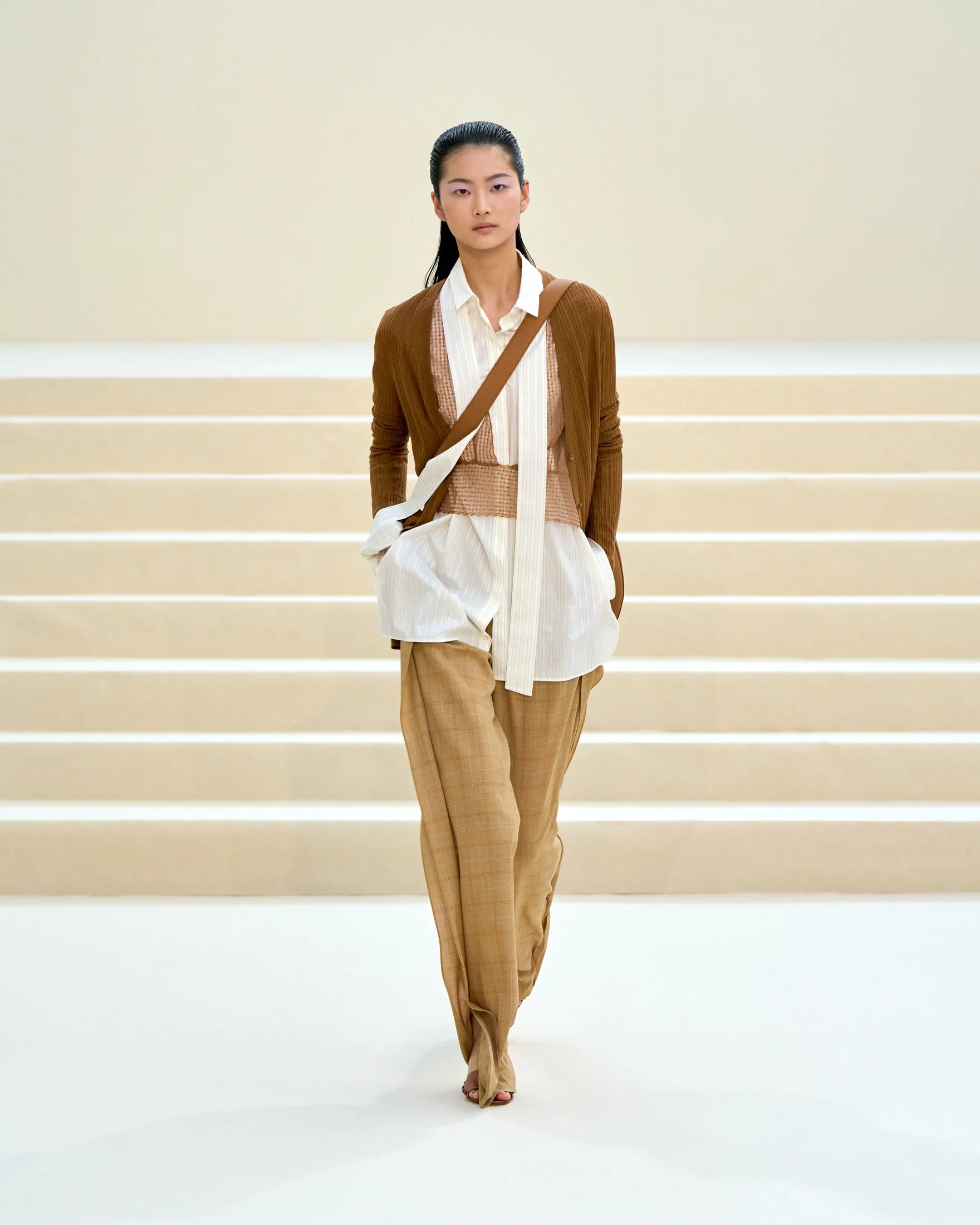
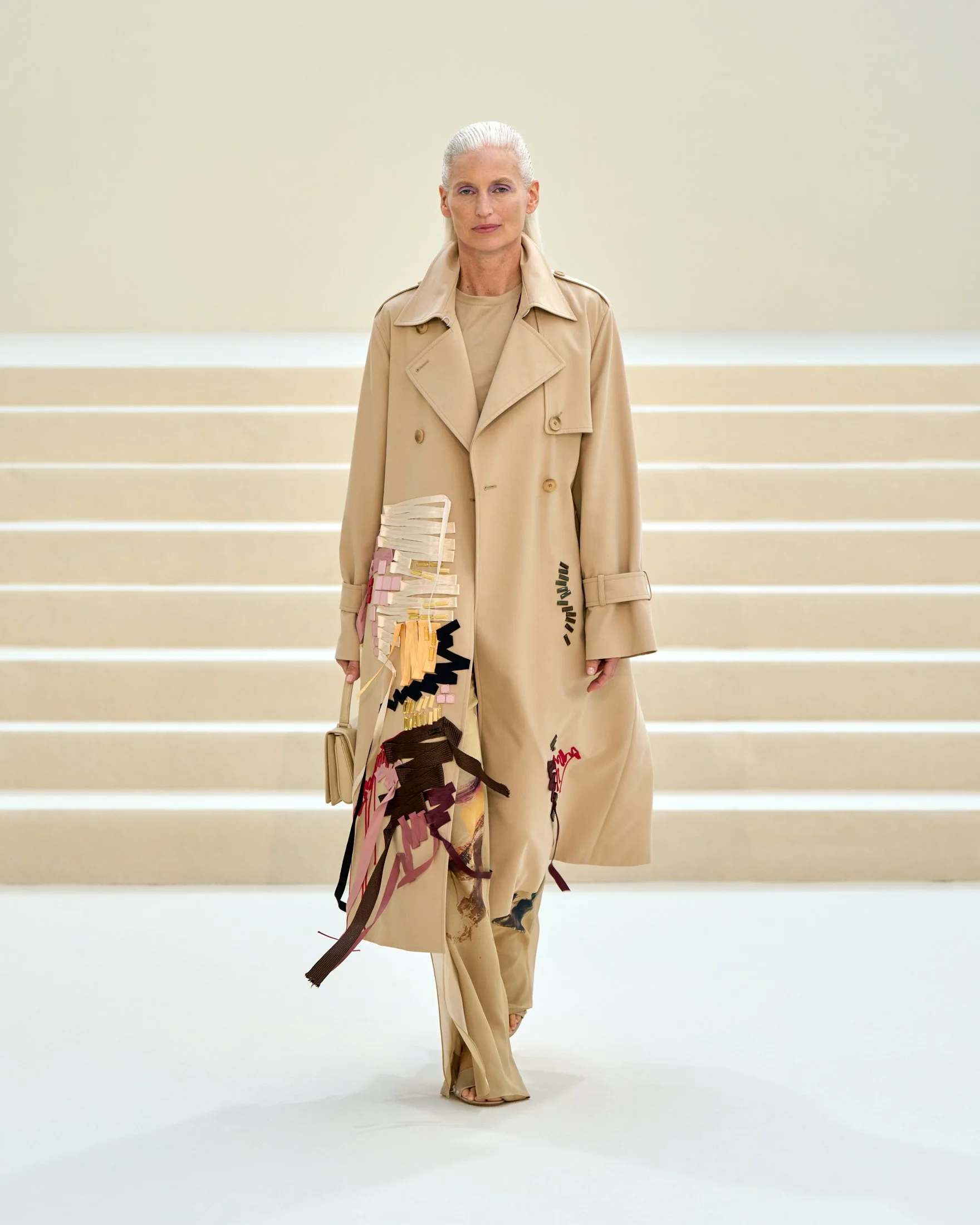
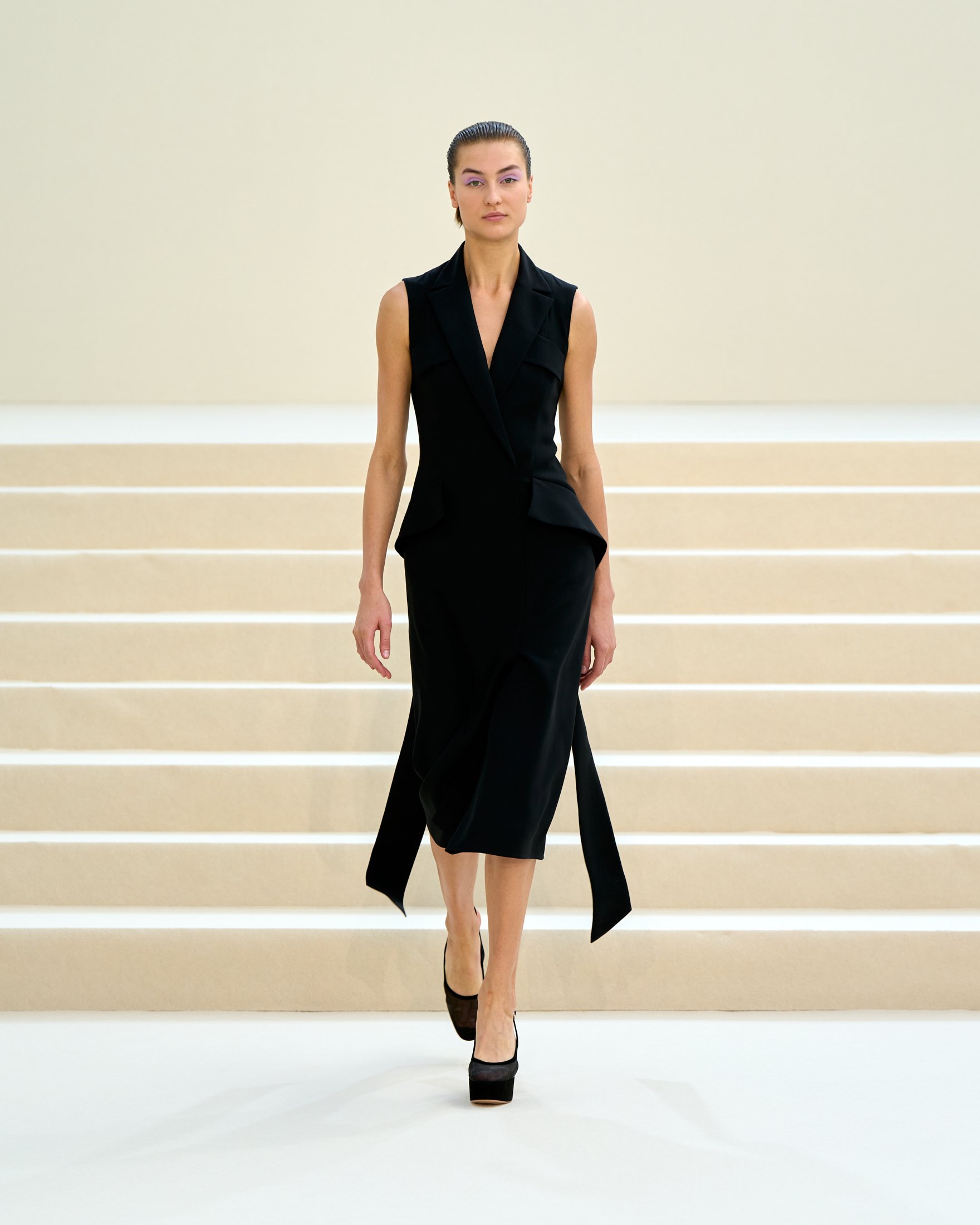
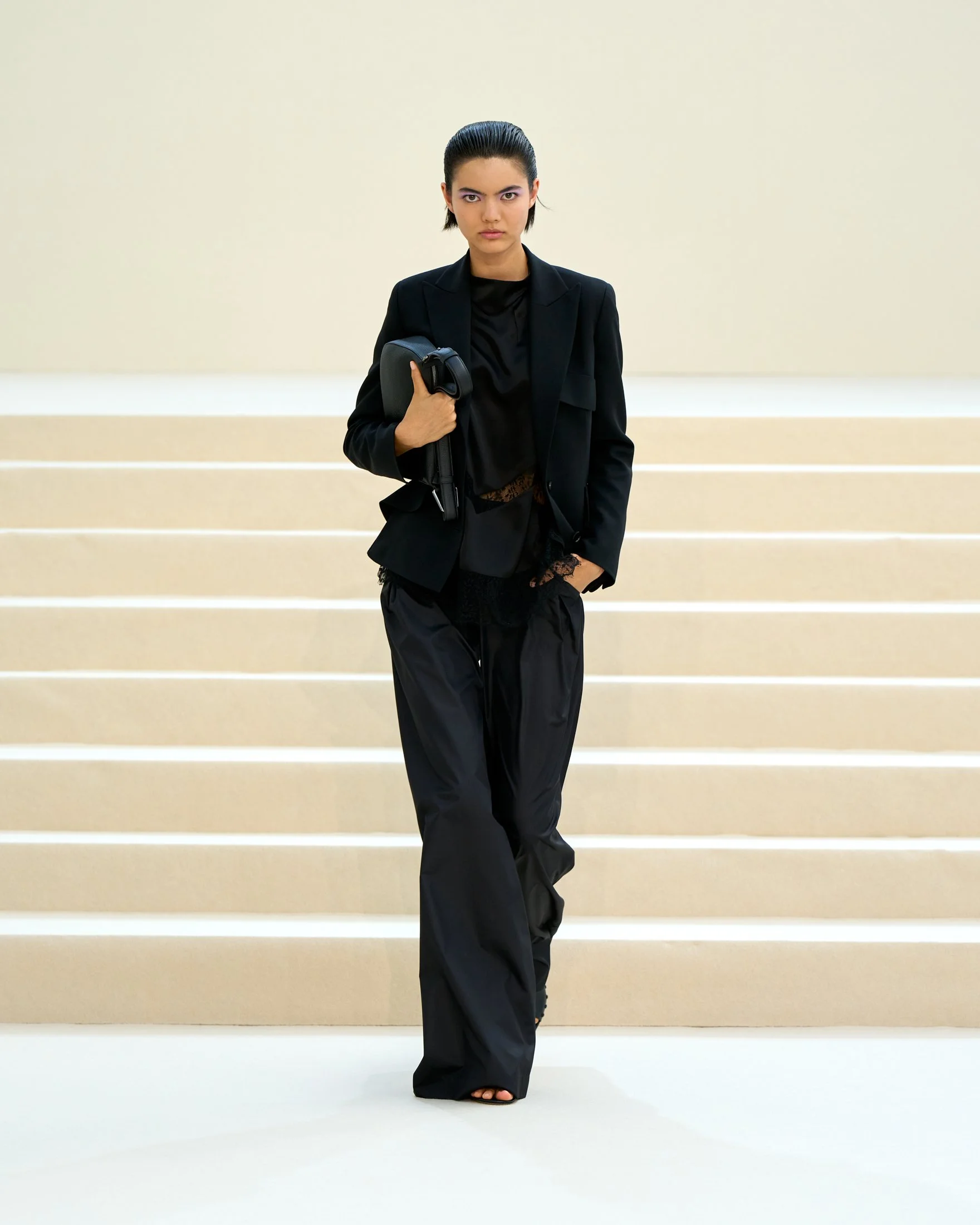
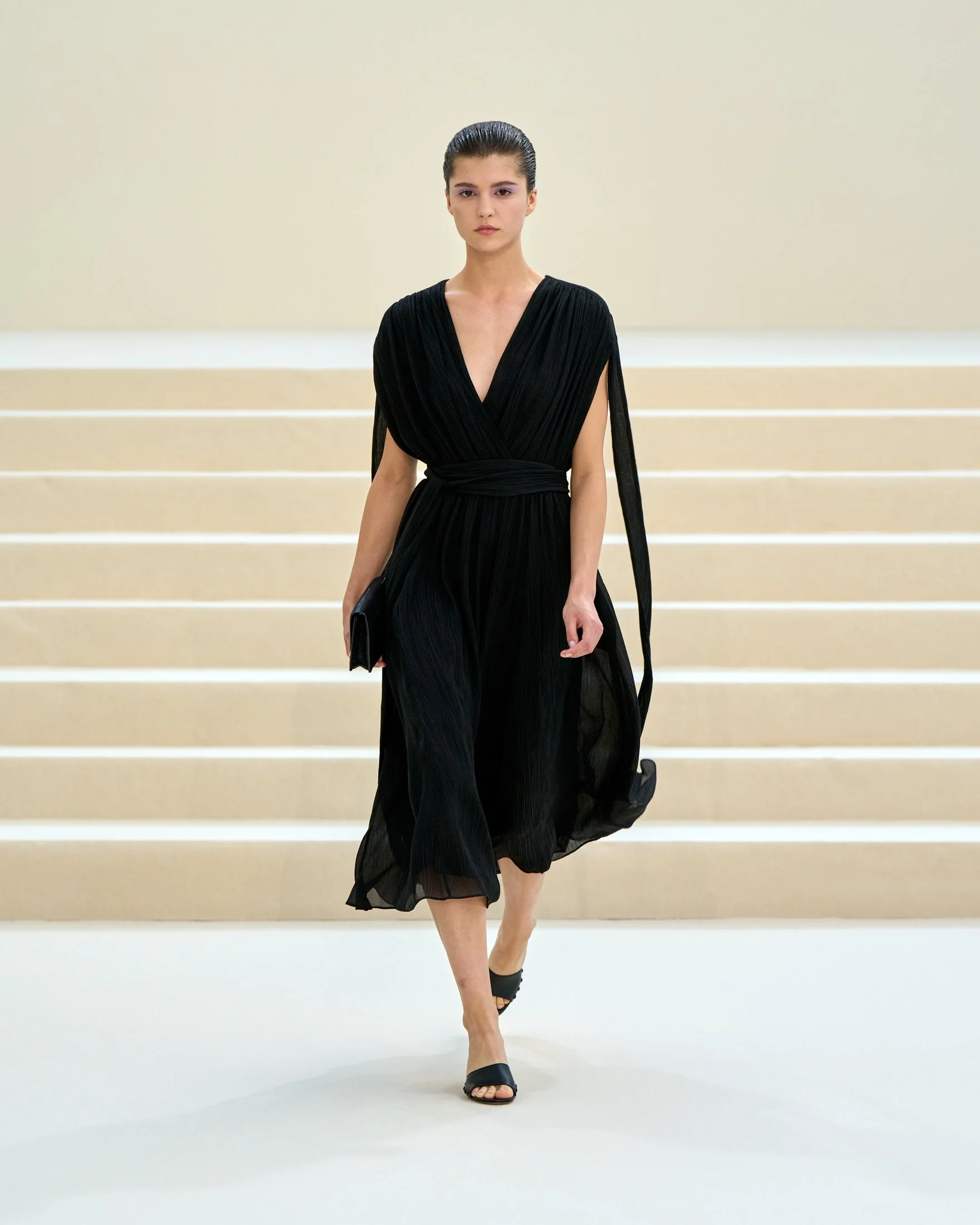
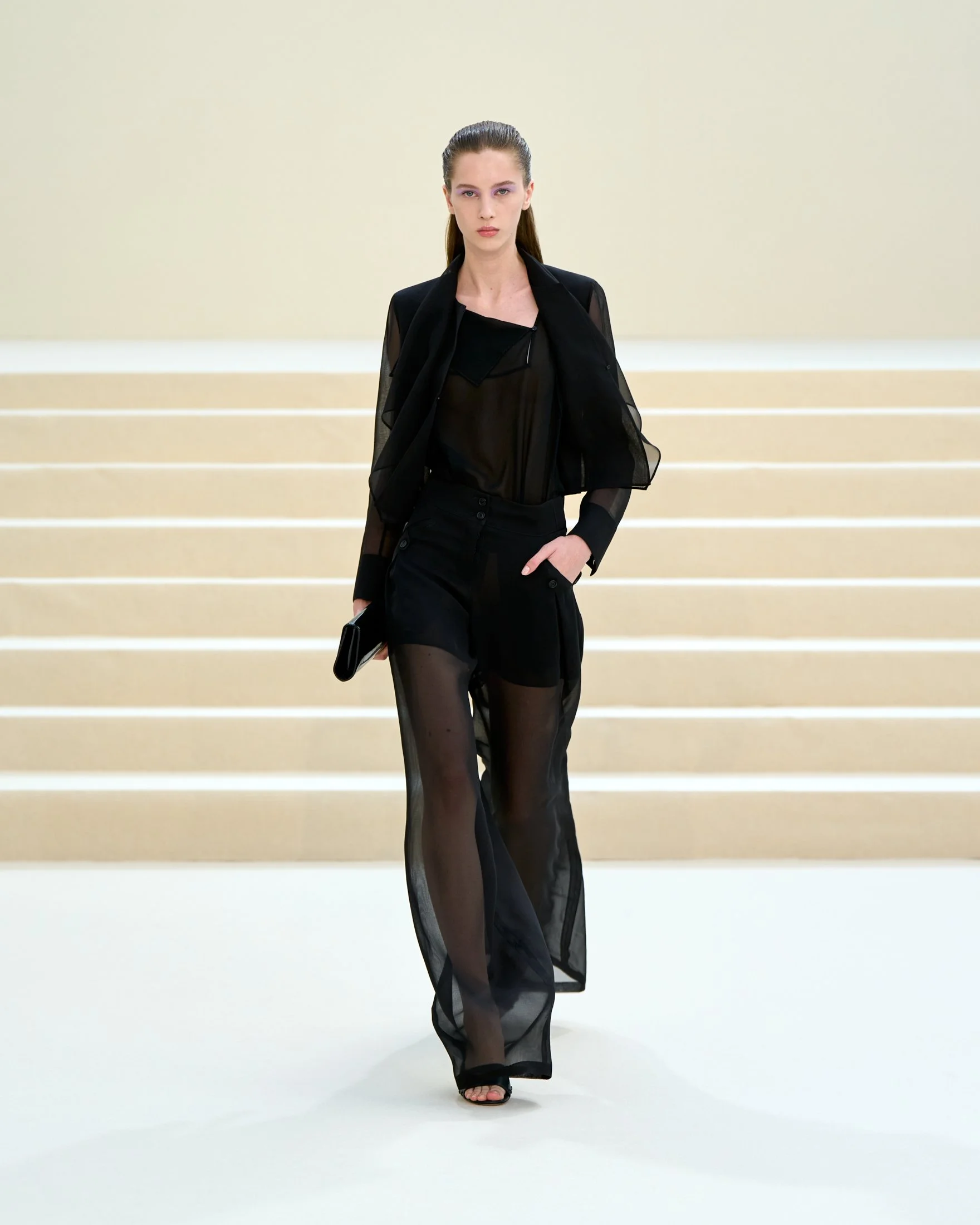
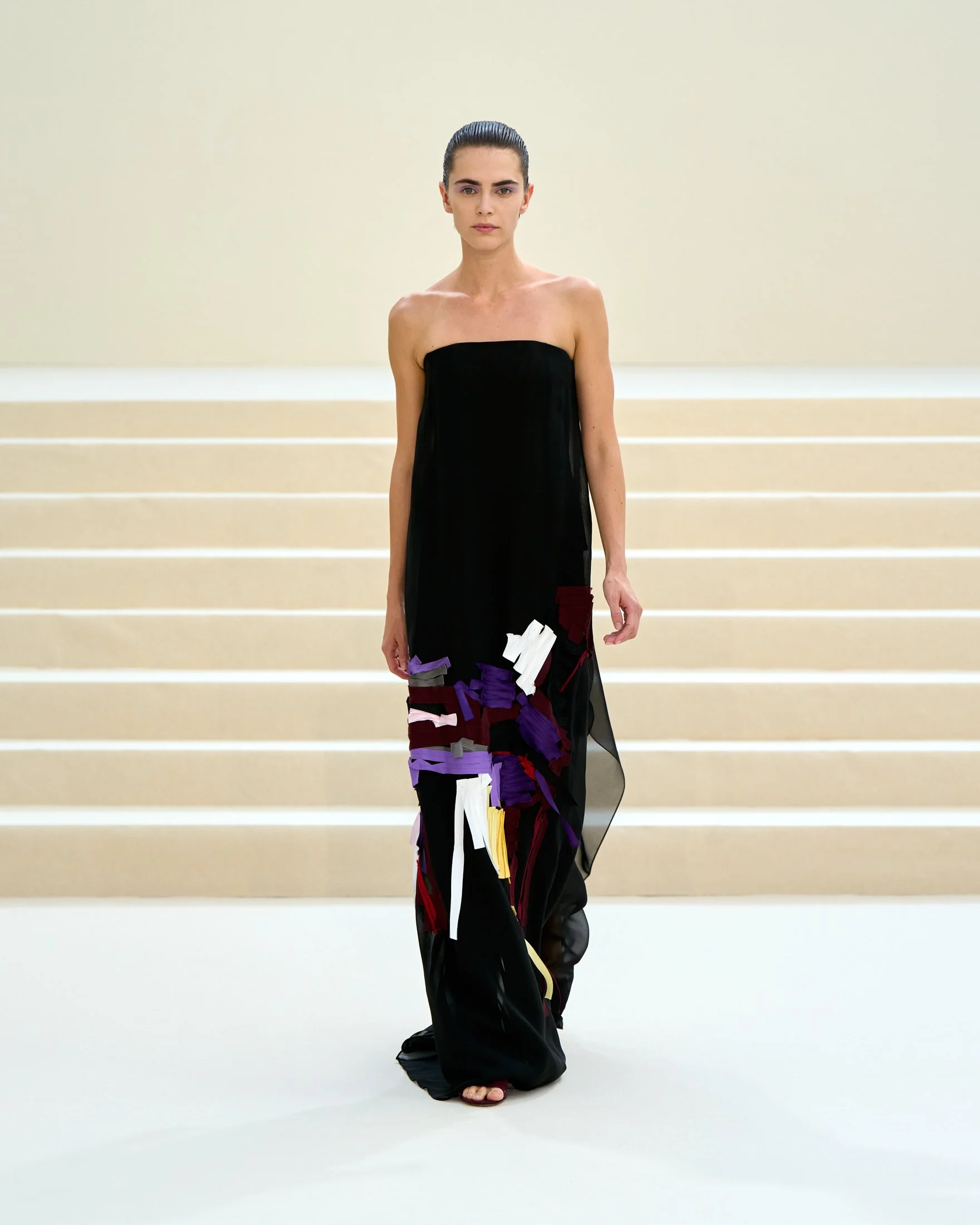
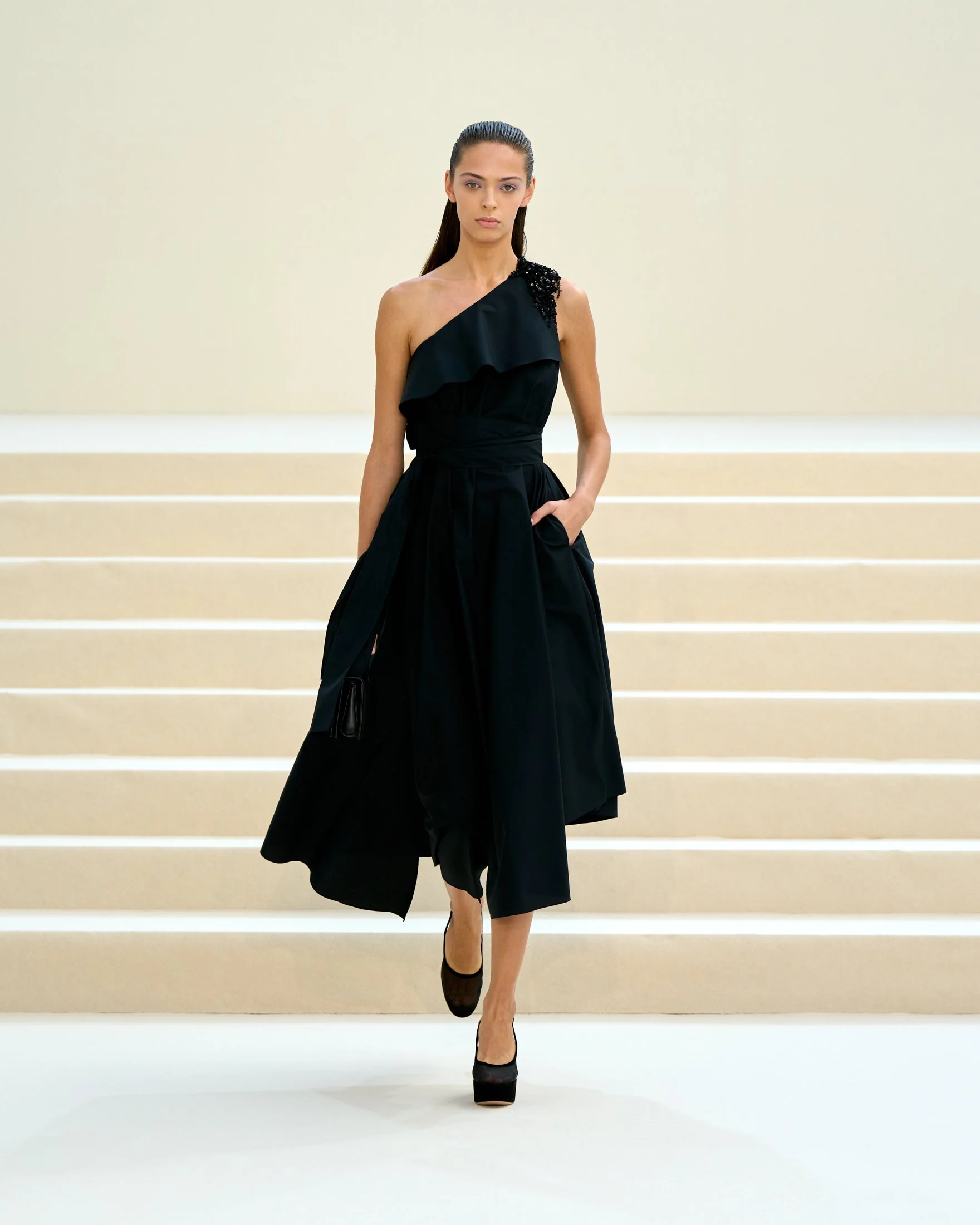
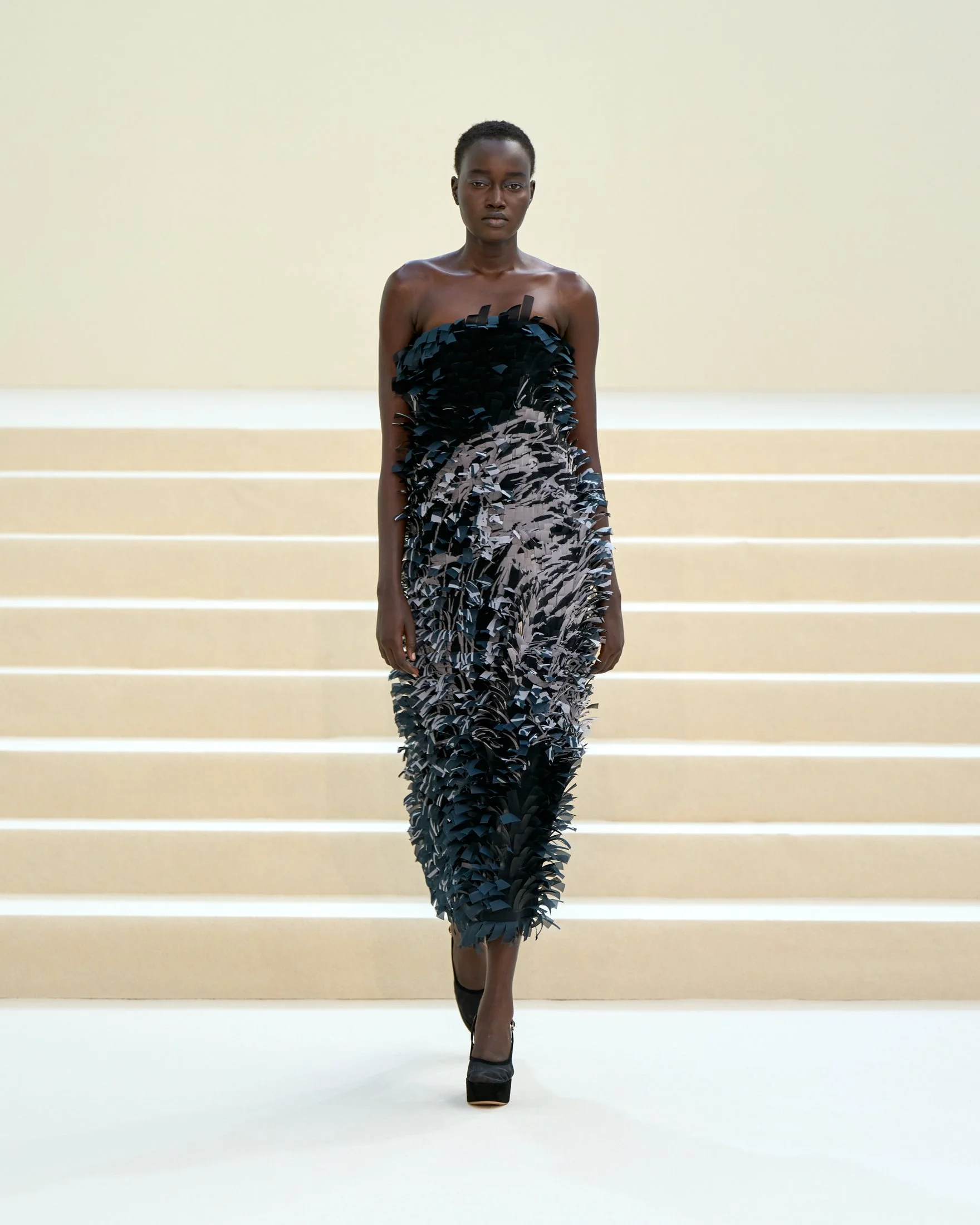
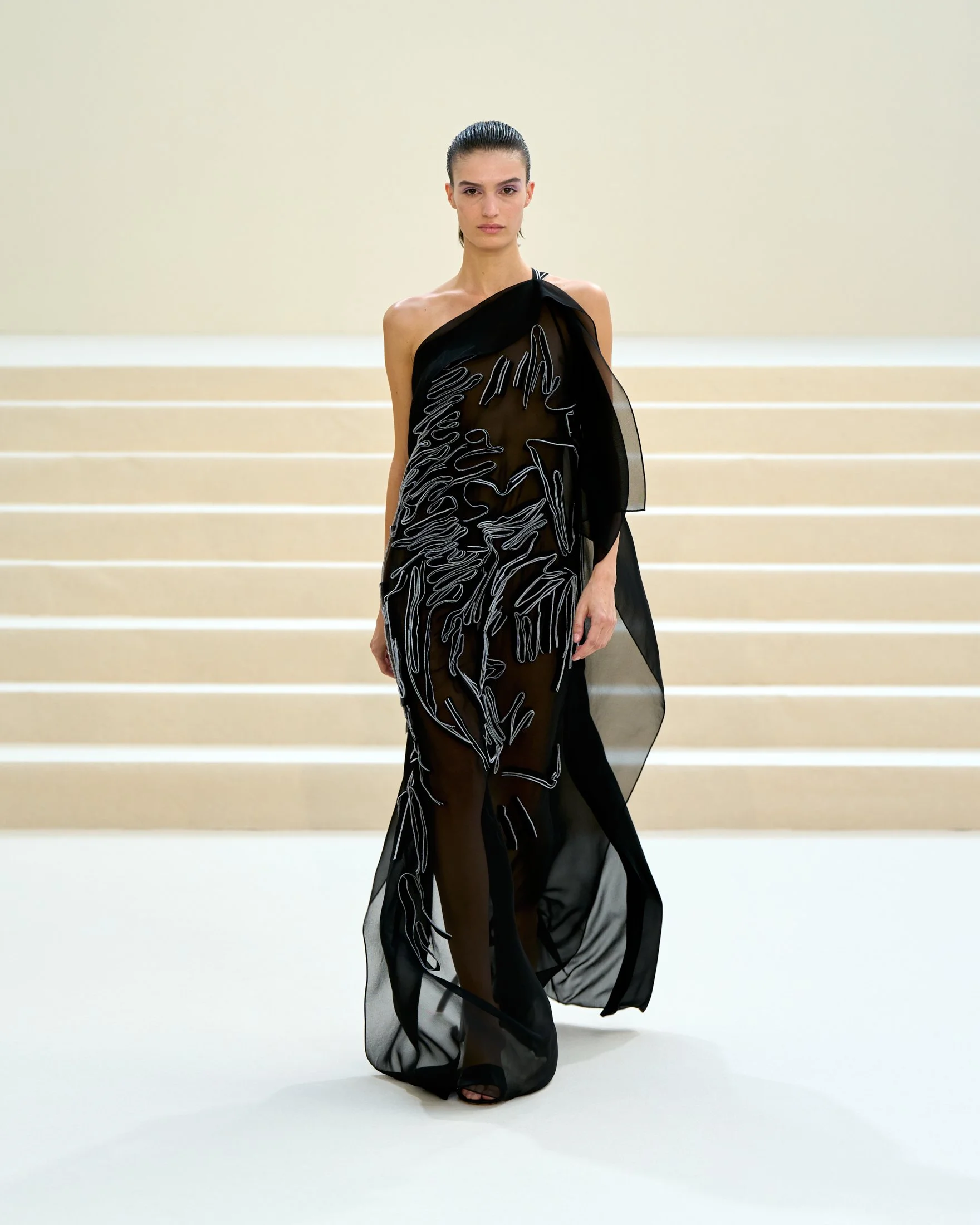
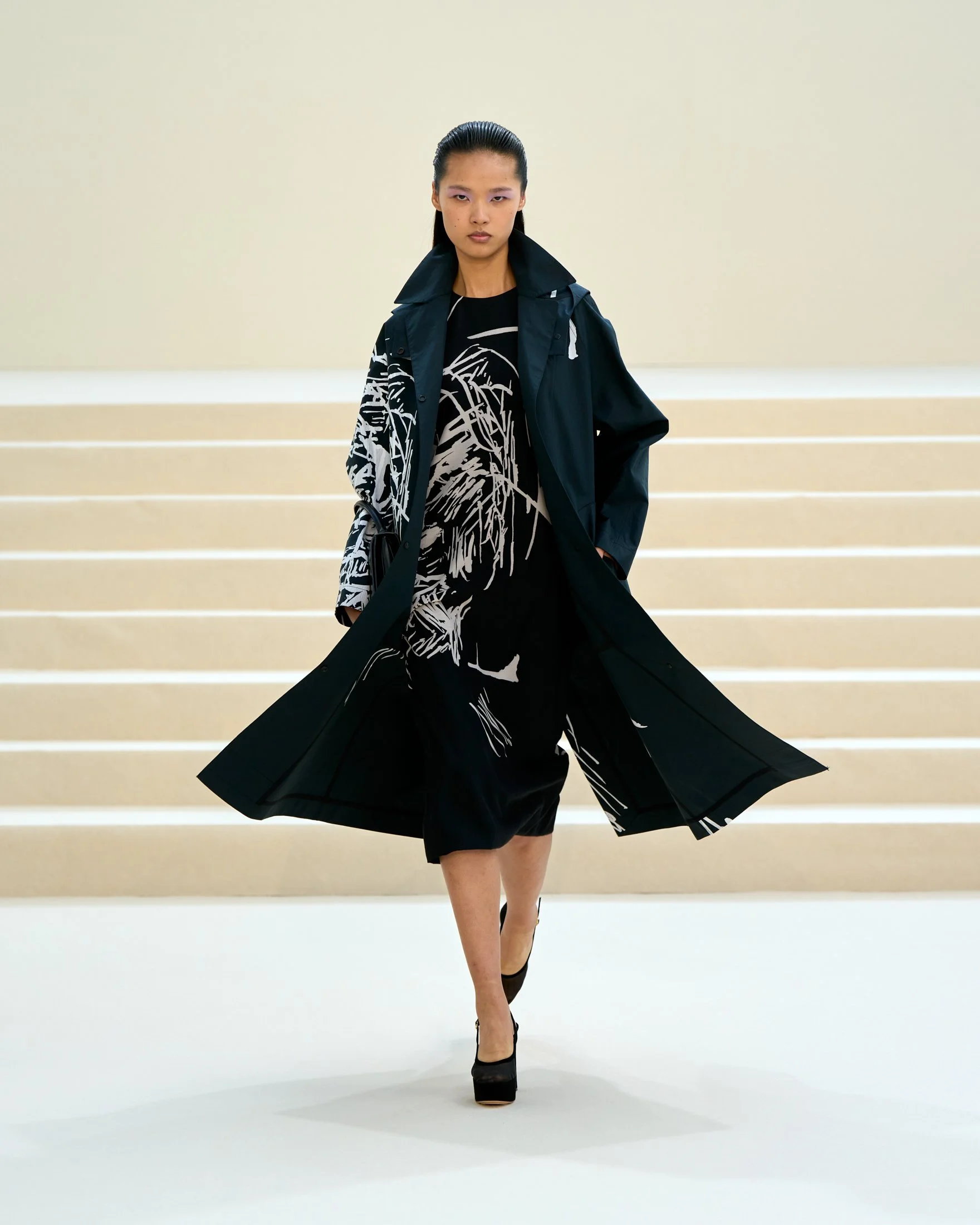
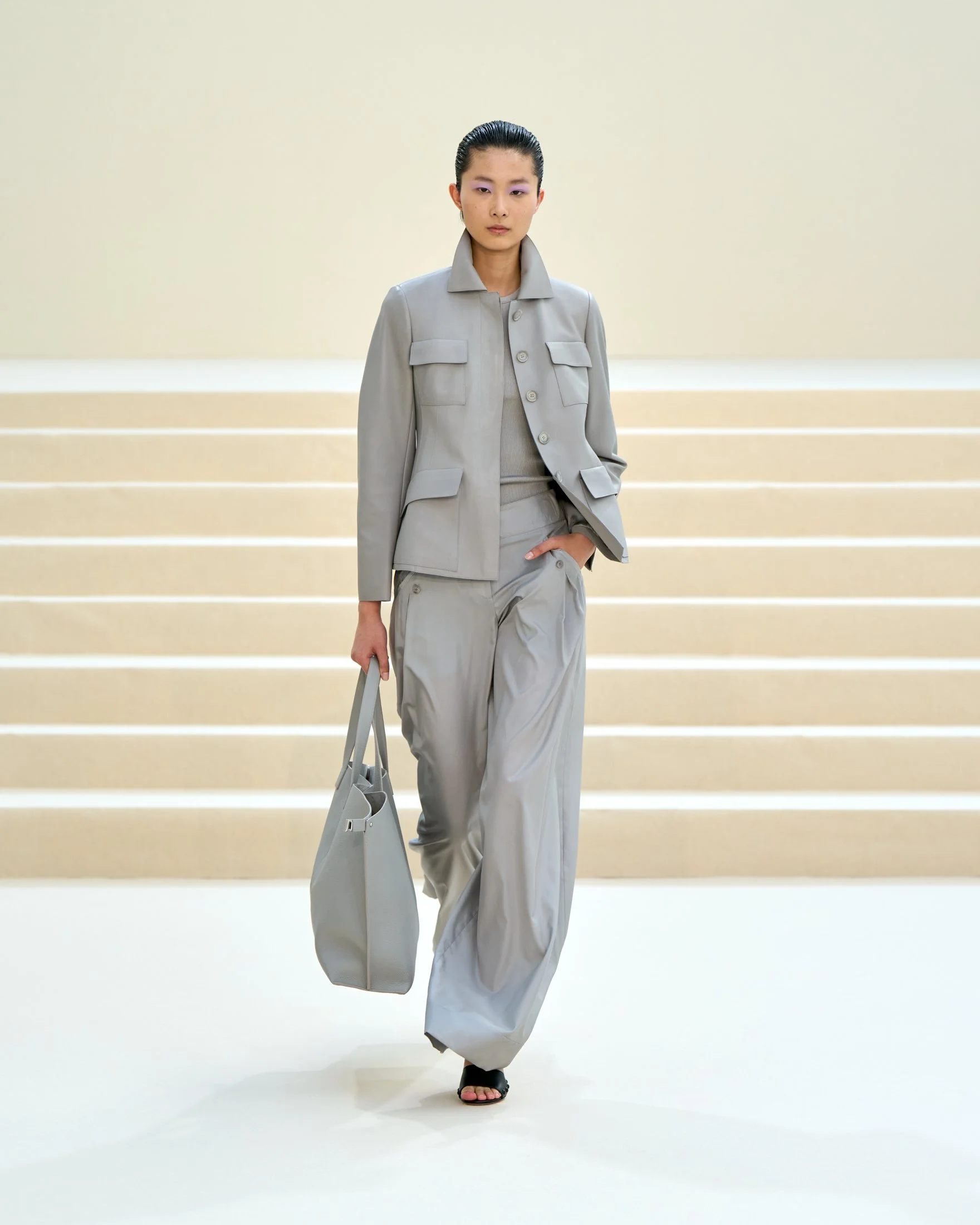
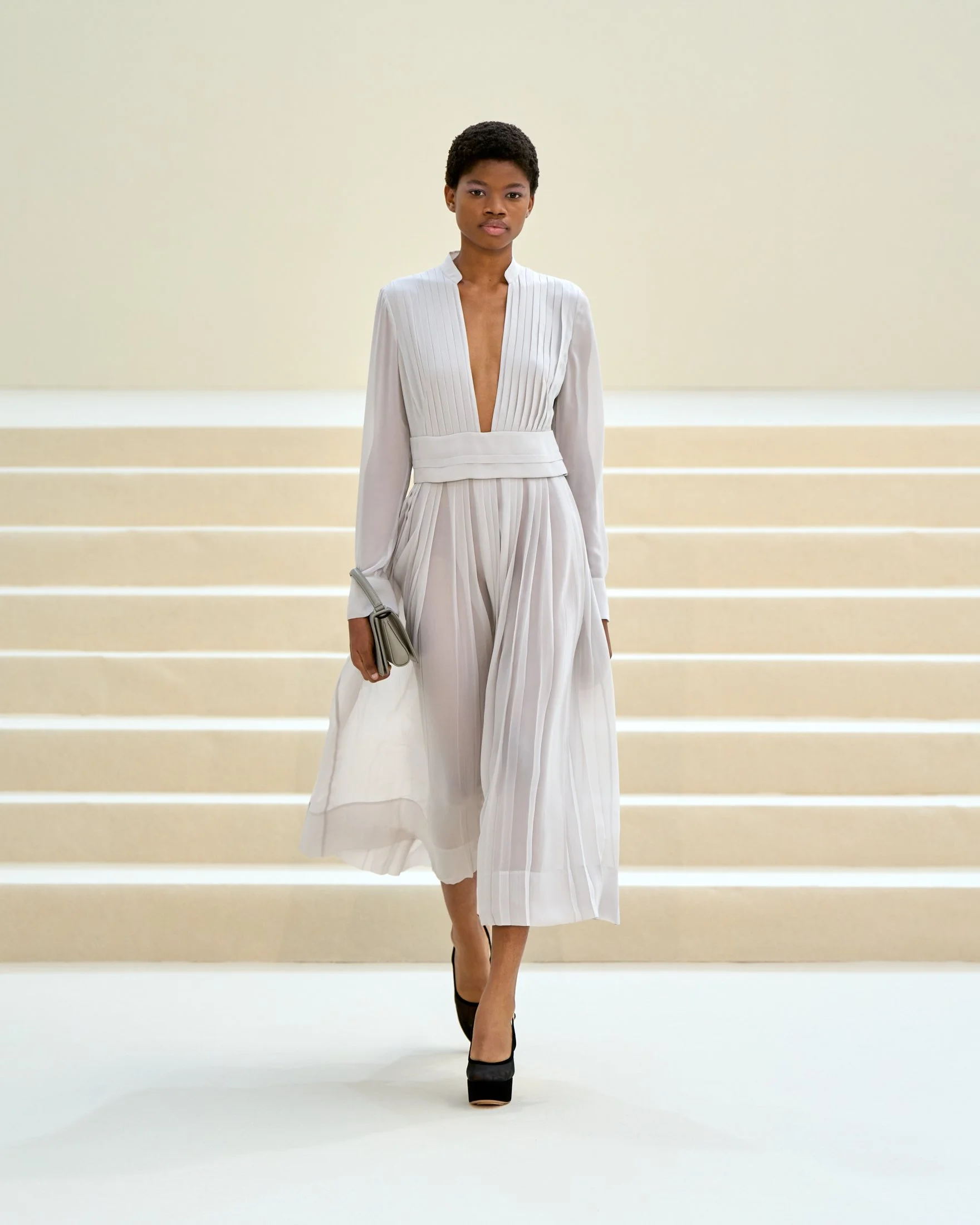
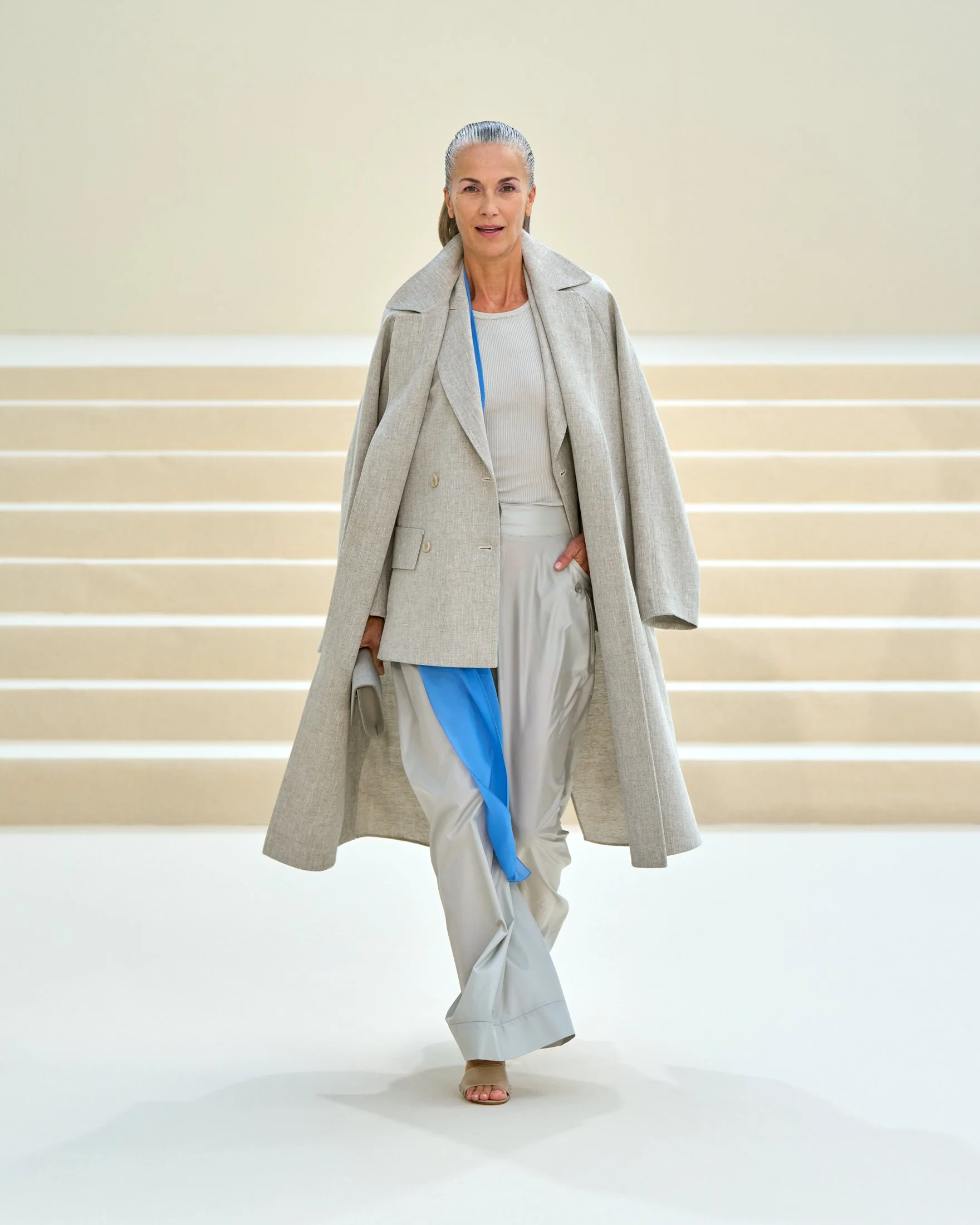
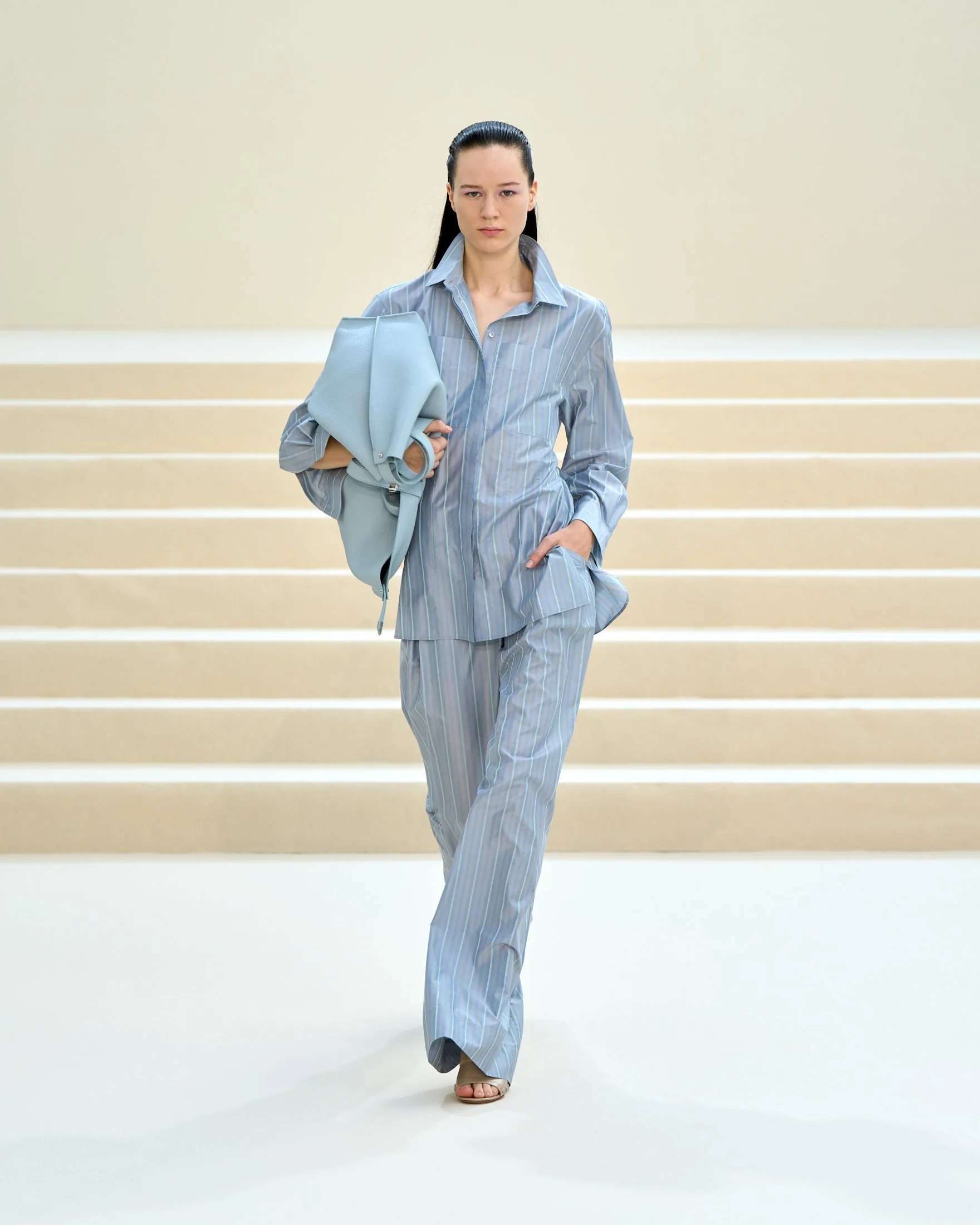
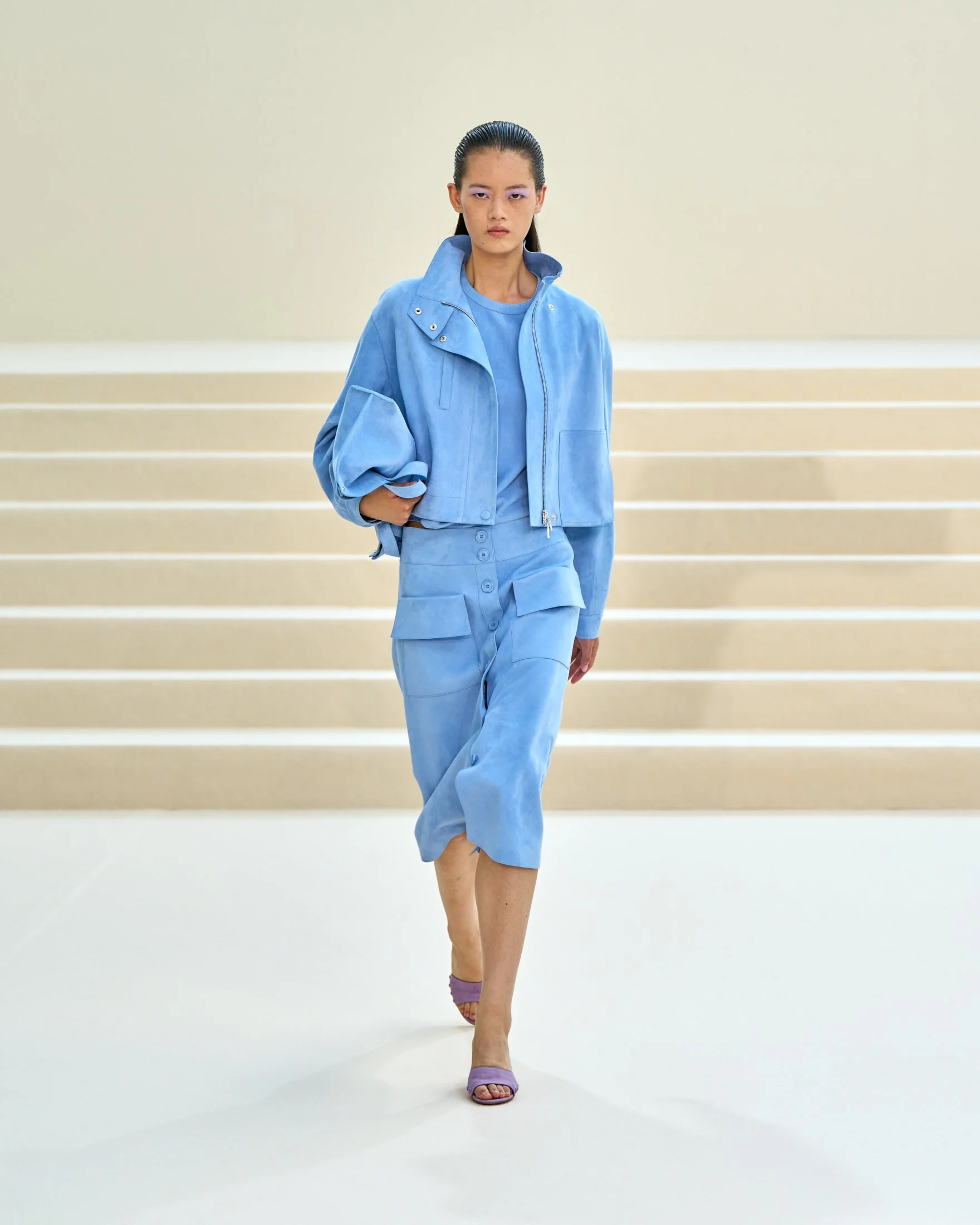
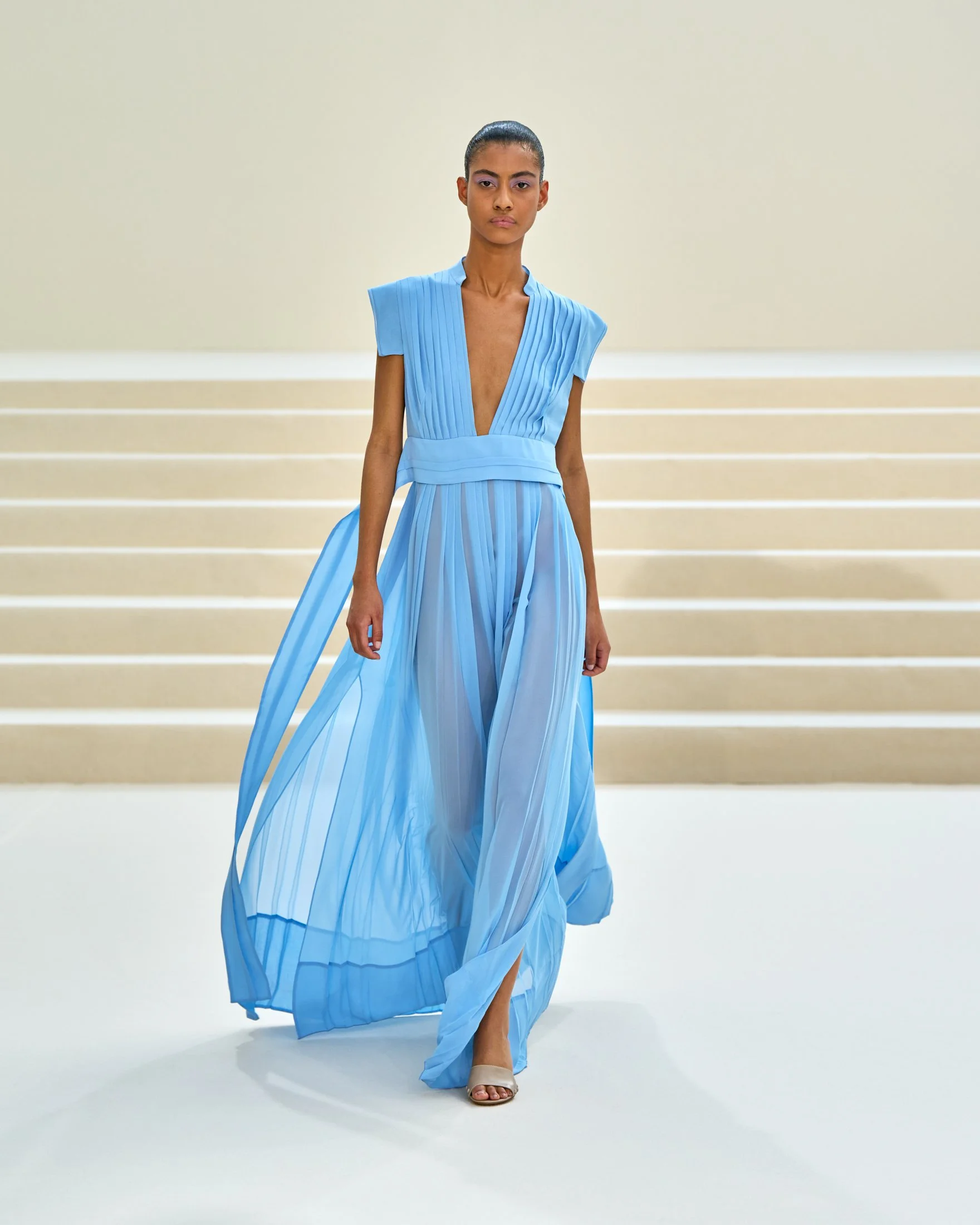
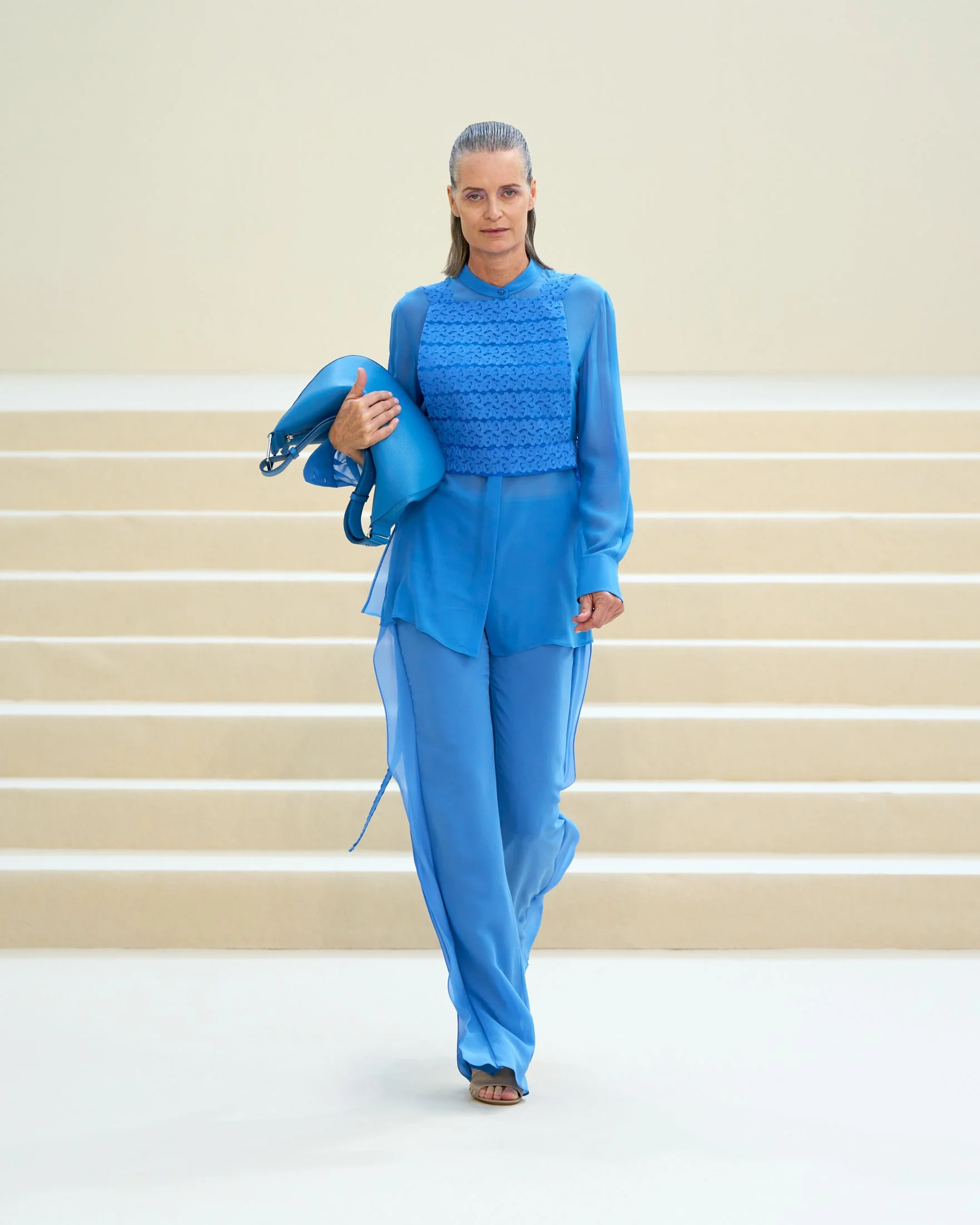
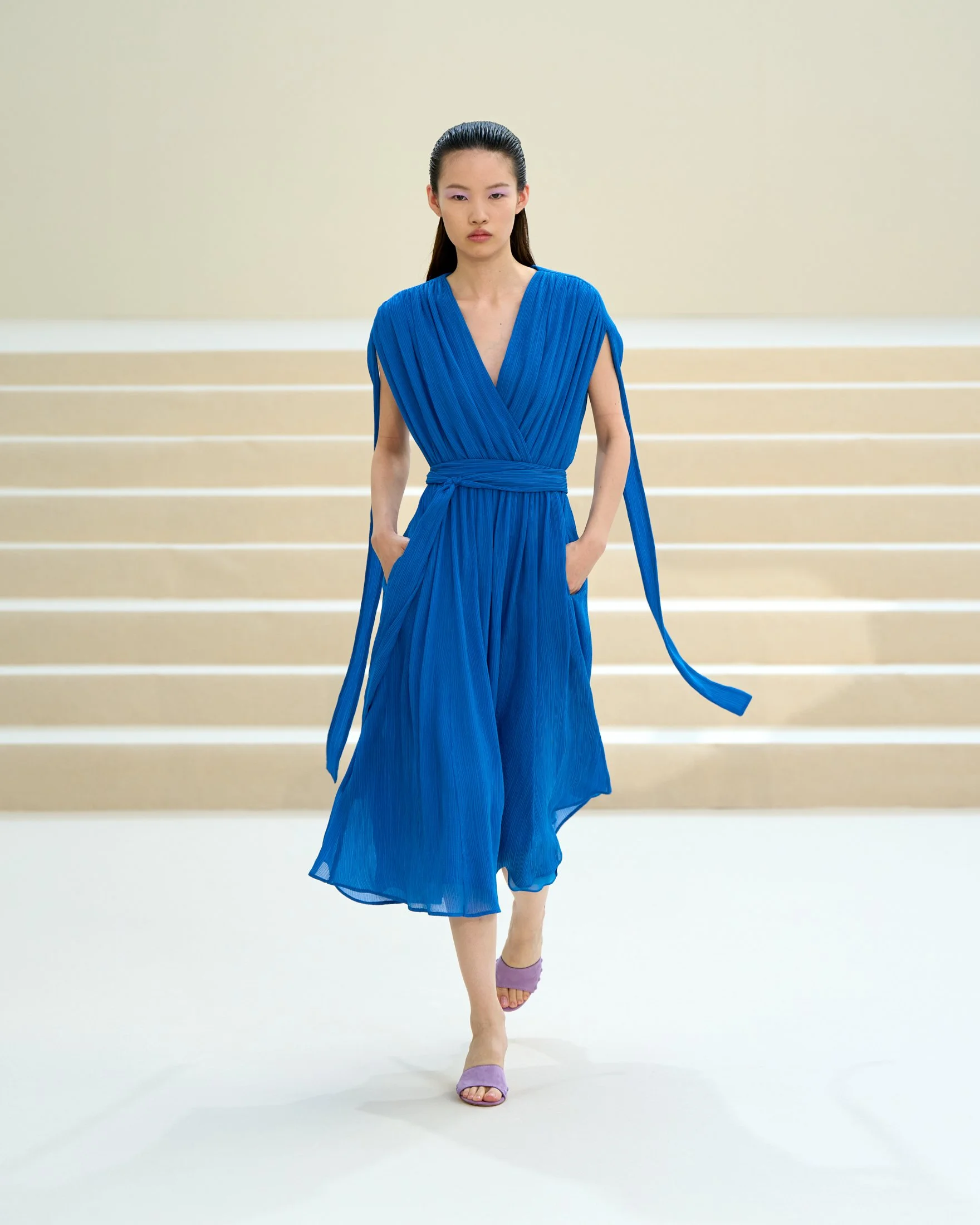
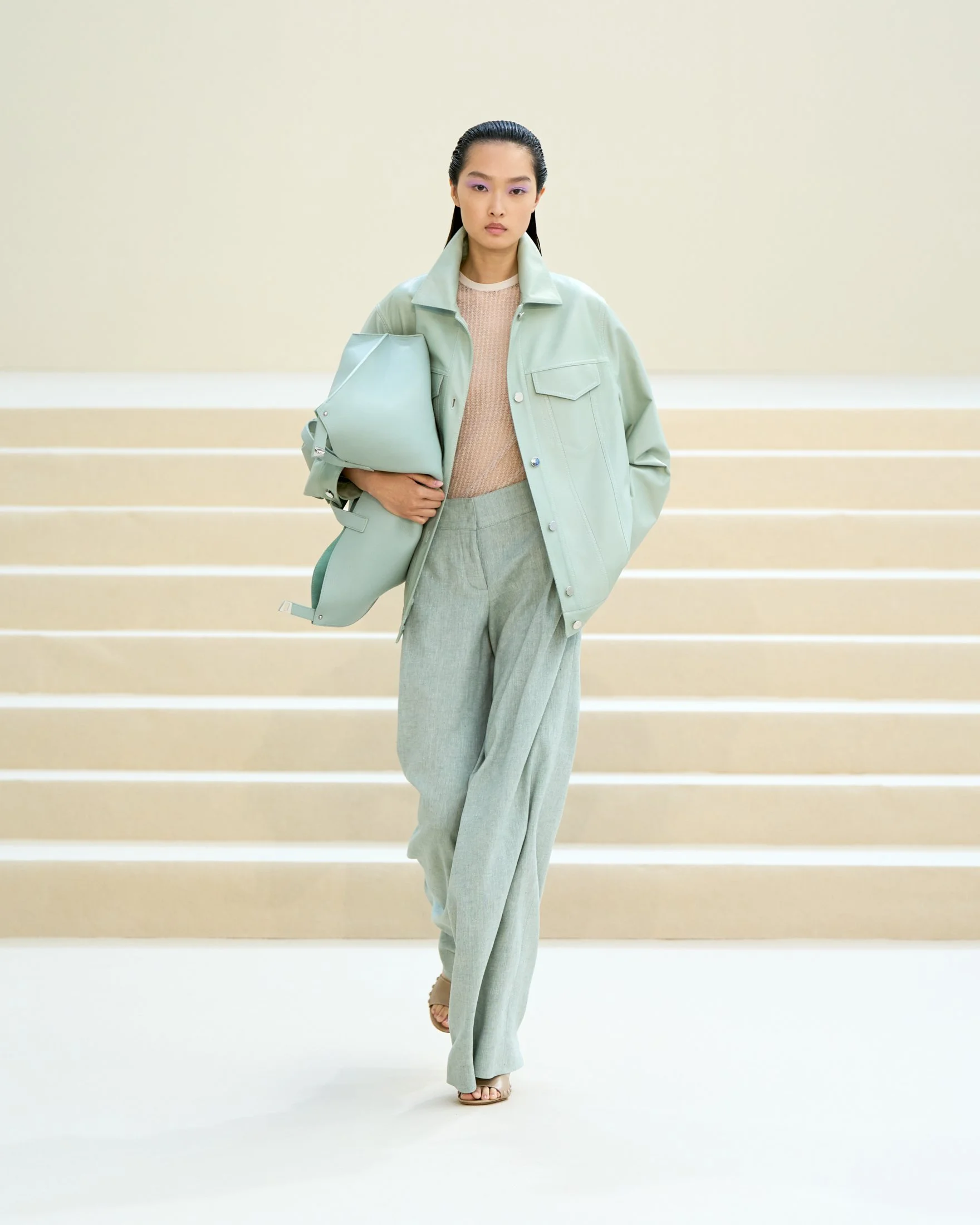
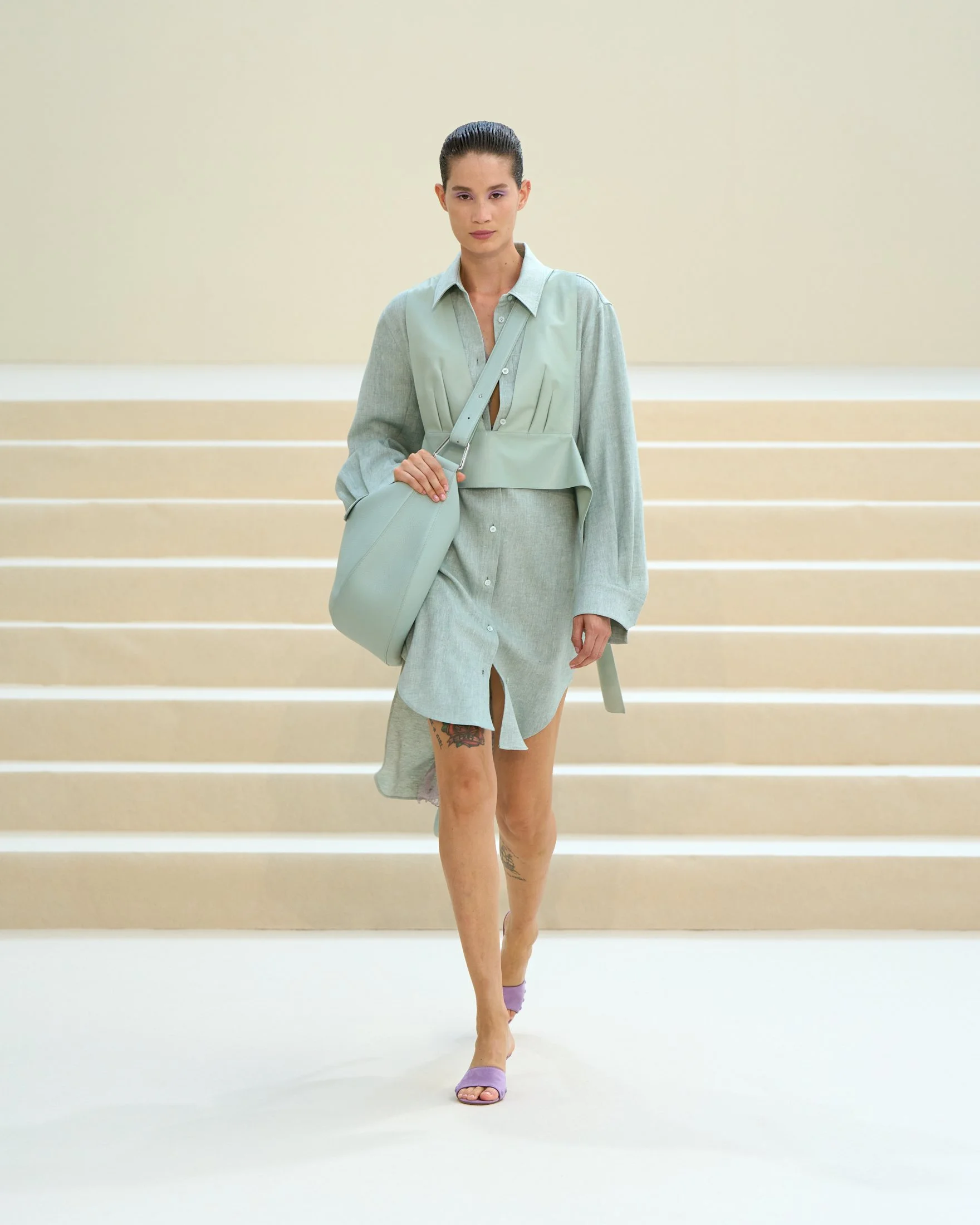
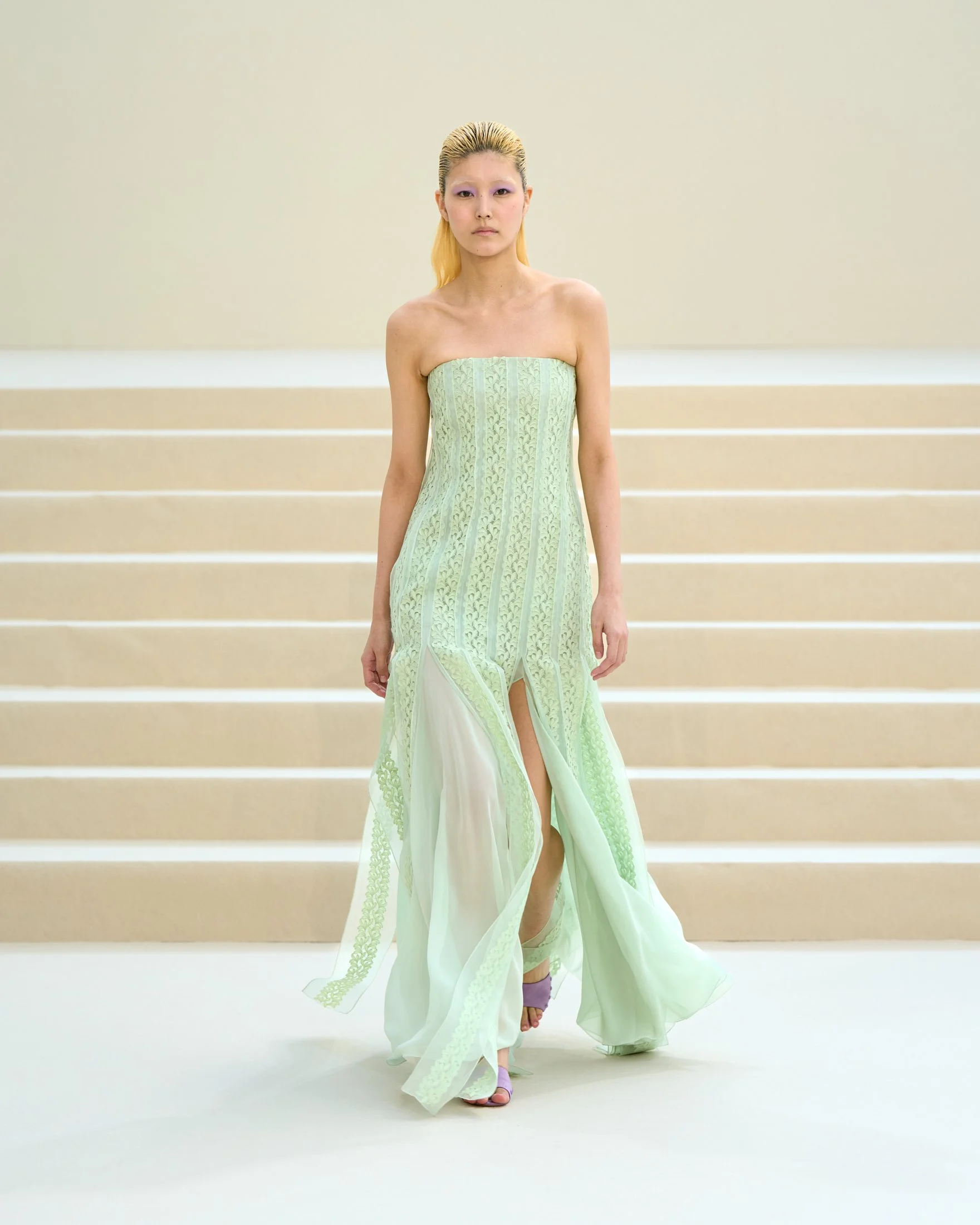
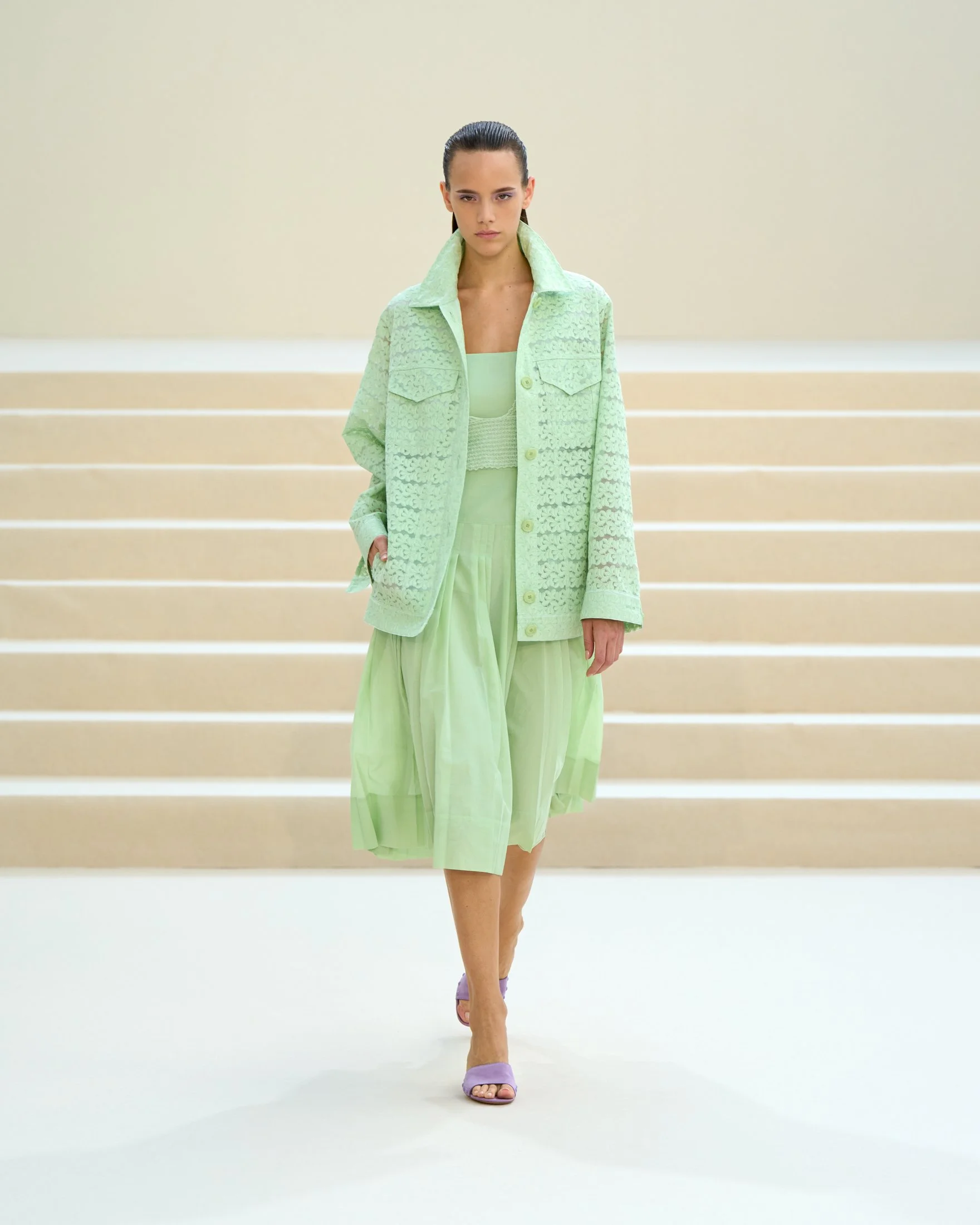
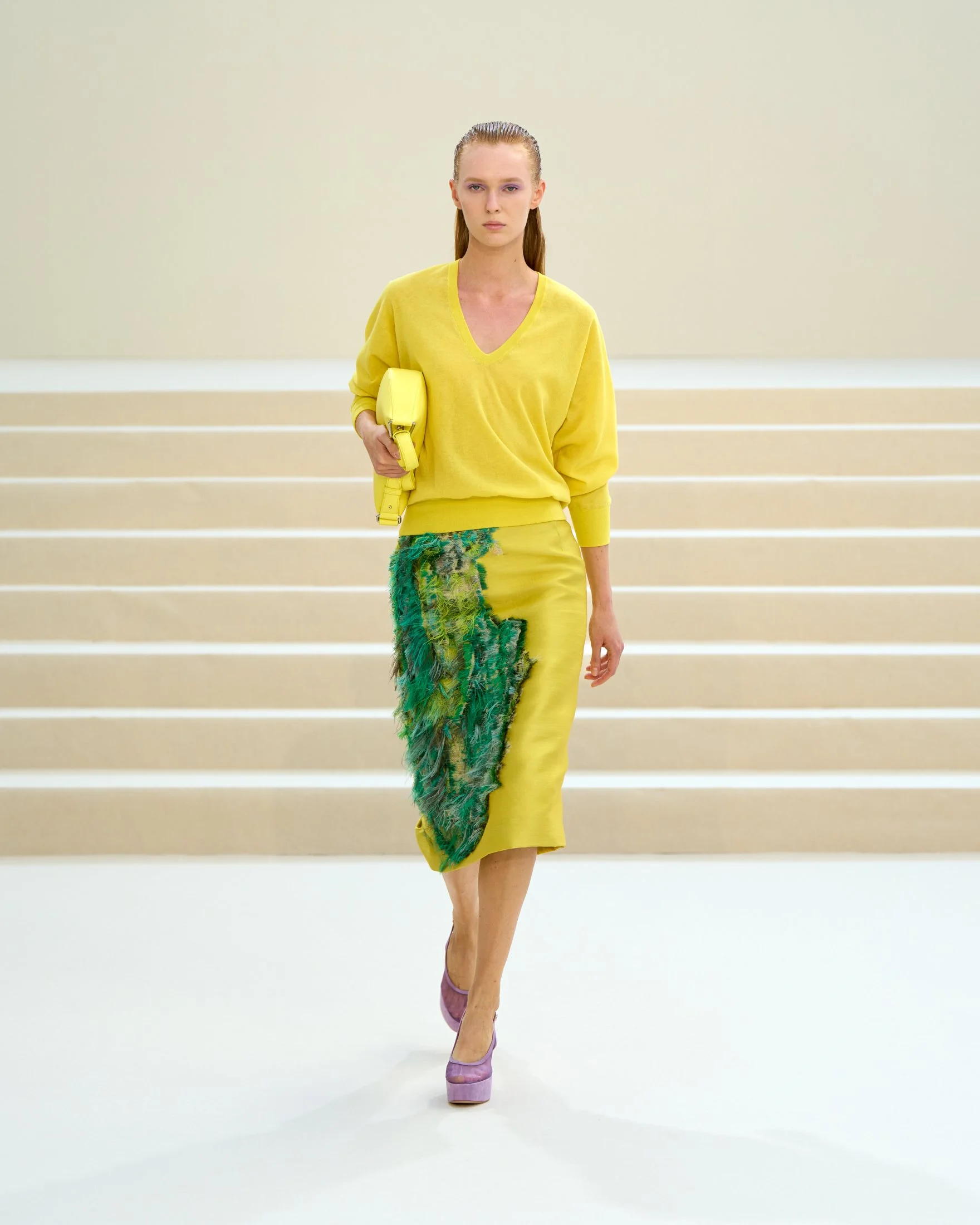
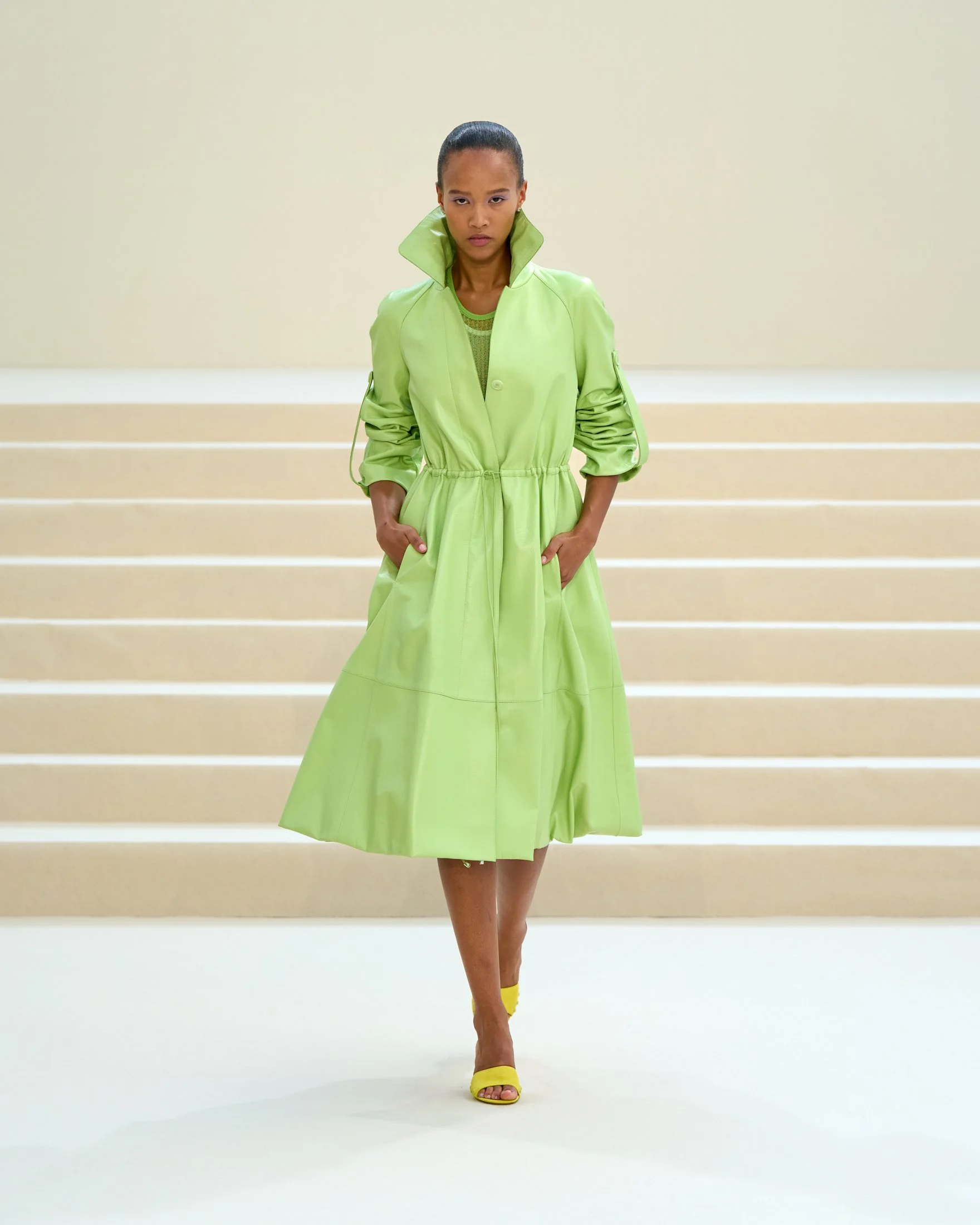
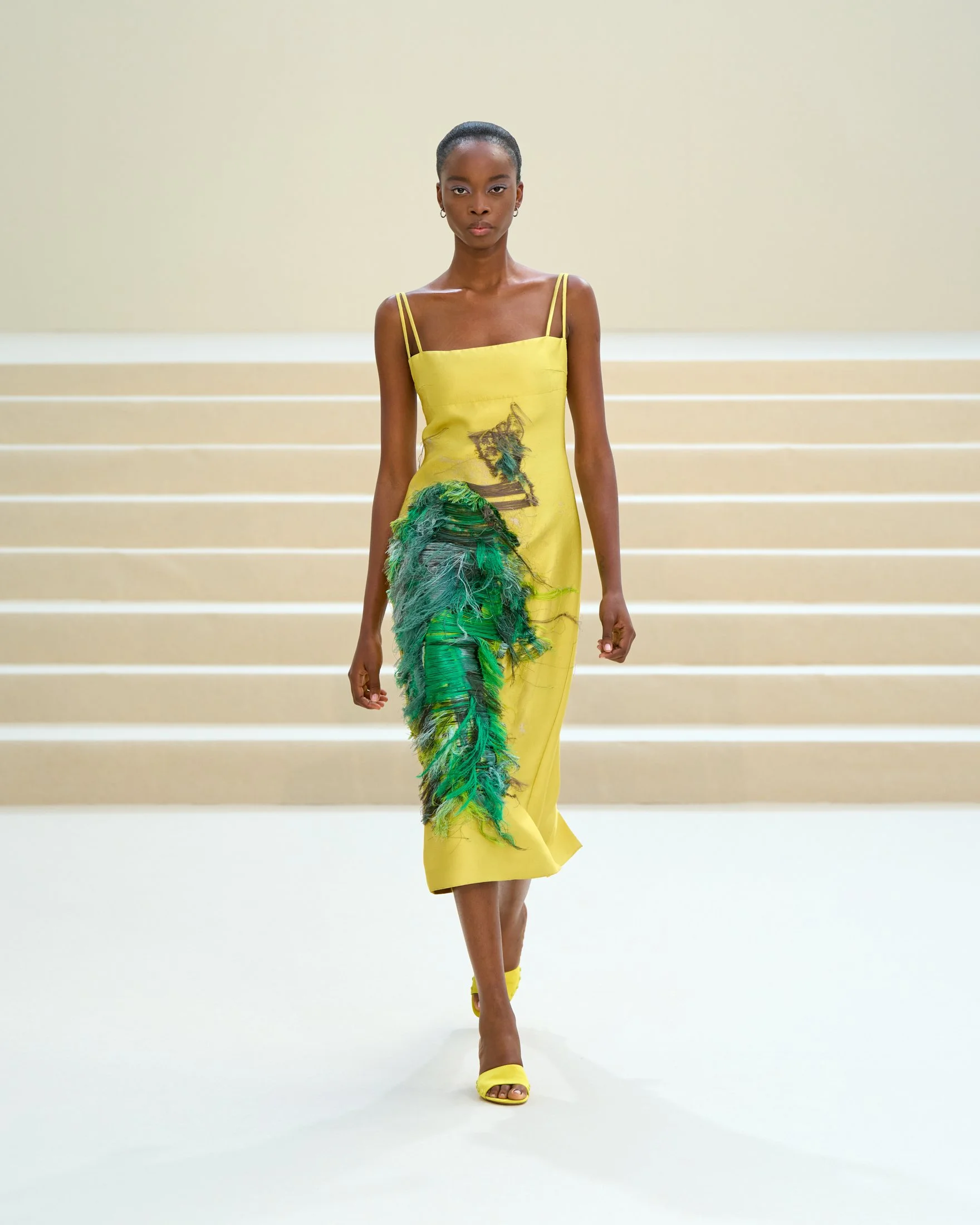
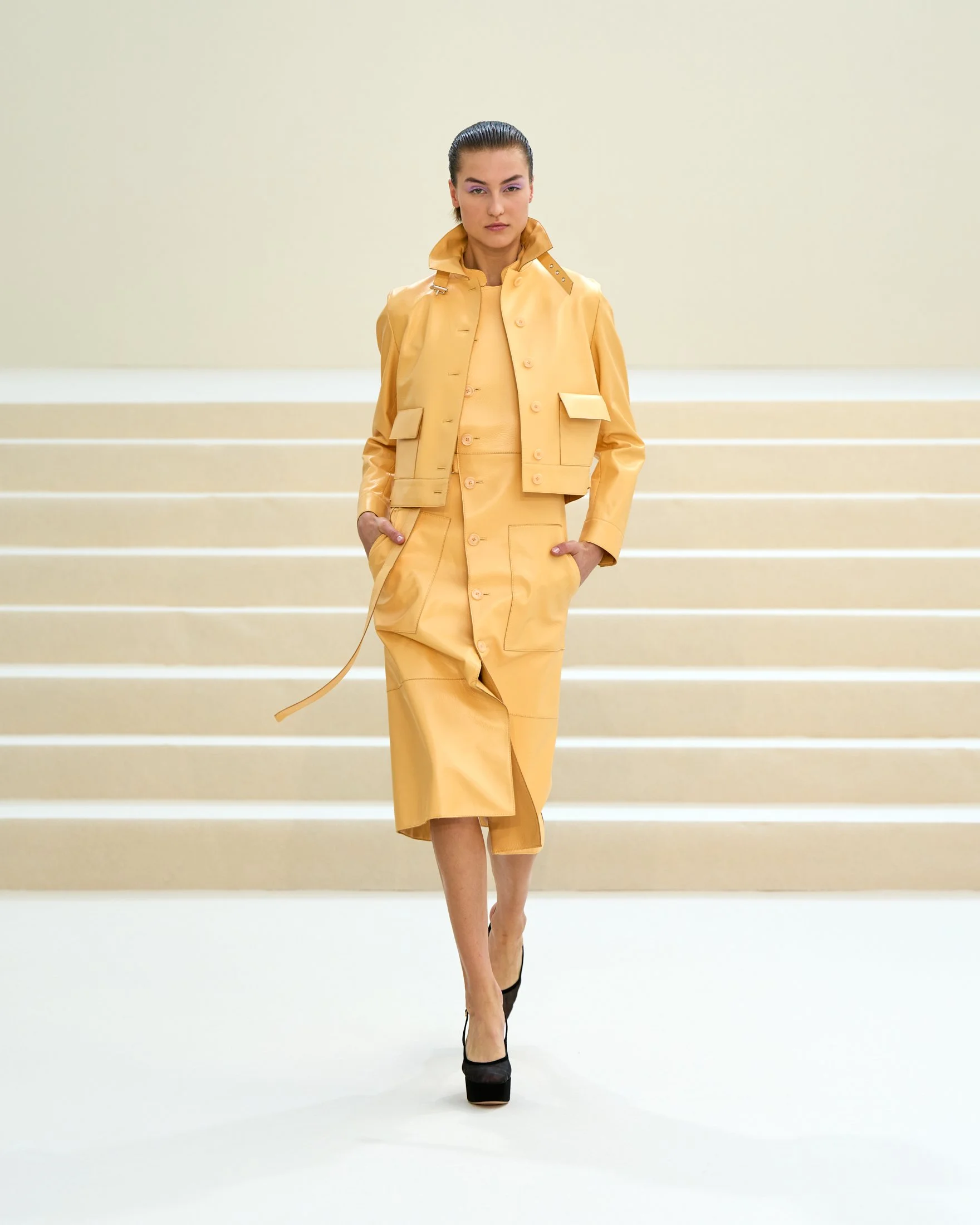
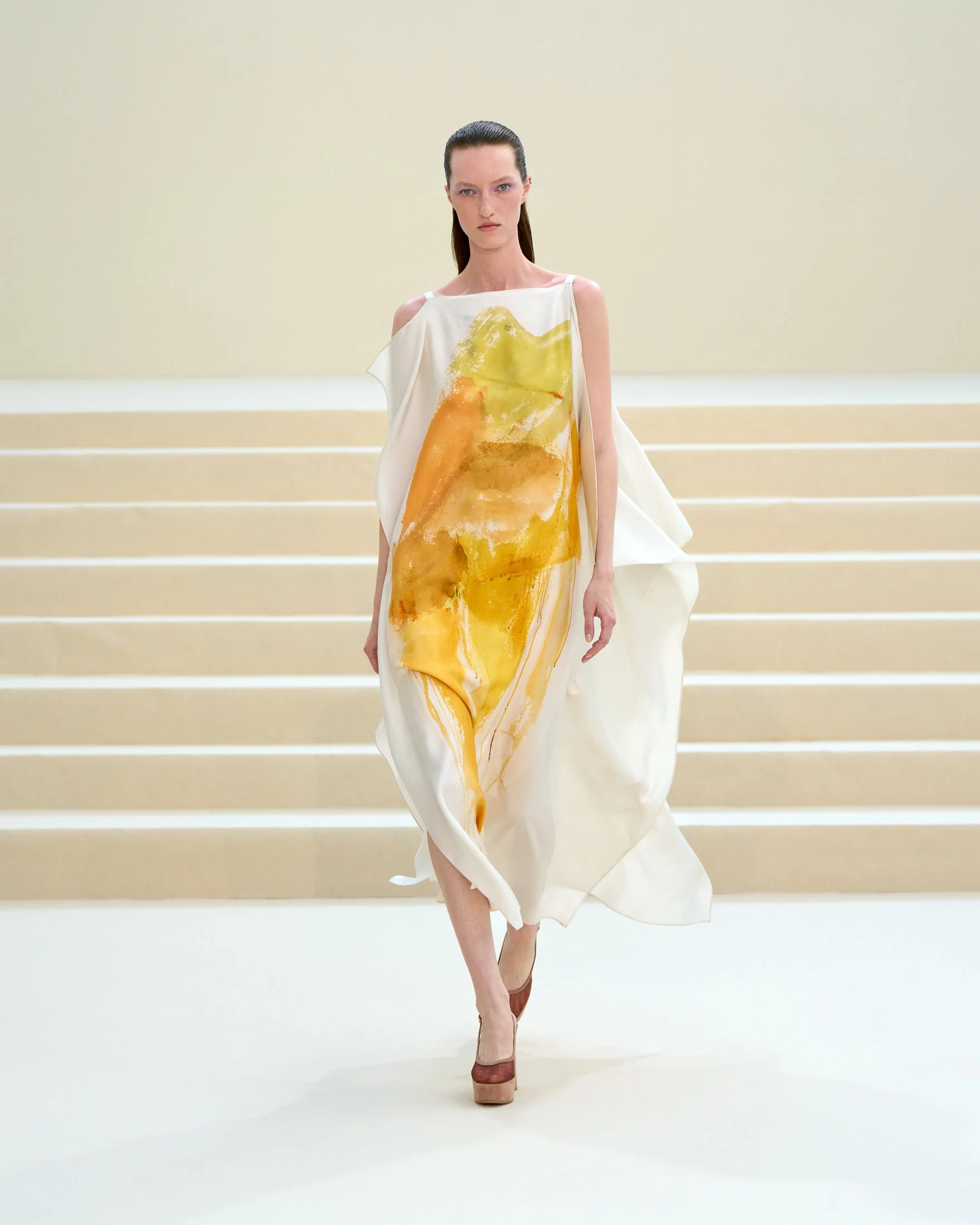
For Akris Spring/Summer 2027, Albert Kriemler looks to Austrian artist Martha Jungwirth’s paintings as a study in instinct, movement and memory—translating her expressive language into clothes that feel less constructed than discovered.
There is a certain freedom in clothing that does not attempt to explain itself. It reveals something gradually, asking the wearer—and the viewer—to keep looking. That sensibility sits at the center of Kriemler’s latest work with Jungwirth, whose paintings become the starting point for a collection that considers fashion as a living, intuitive form.
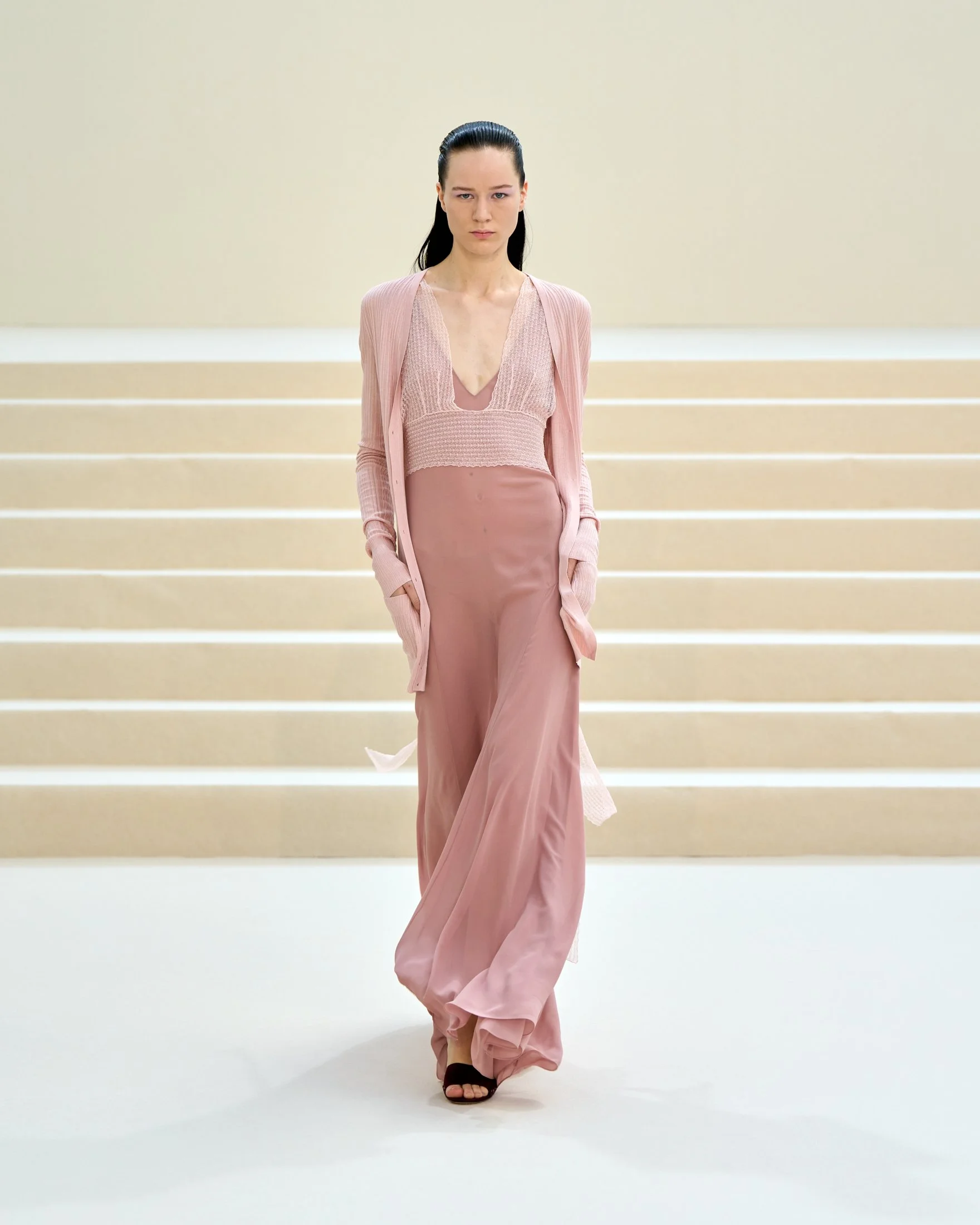
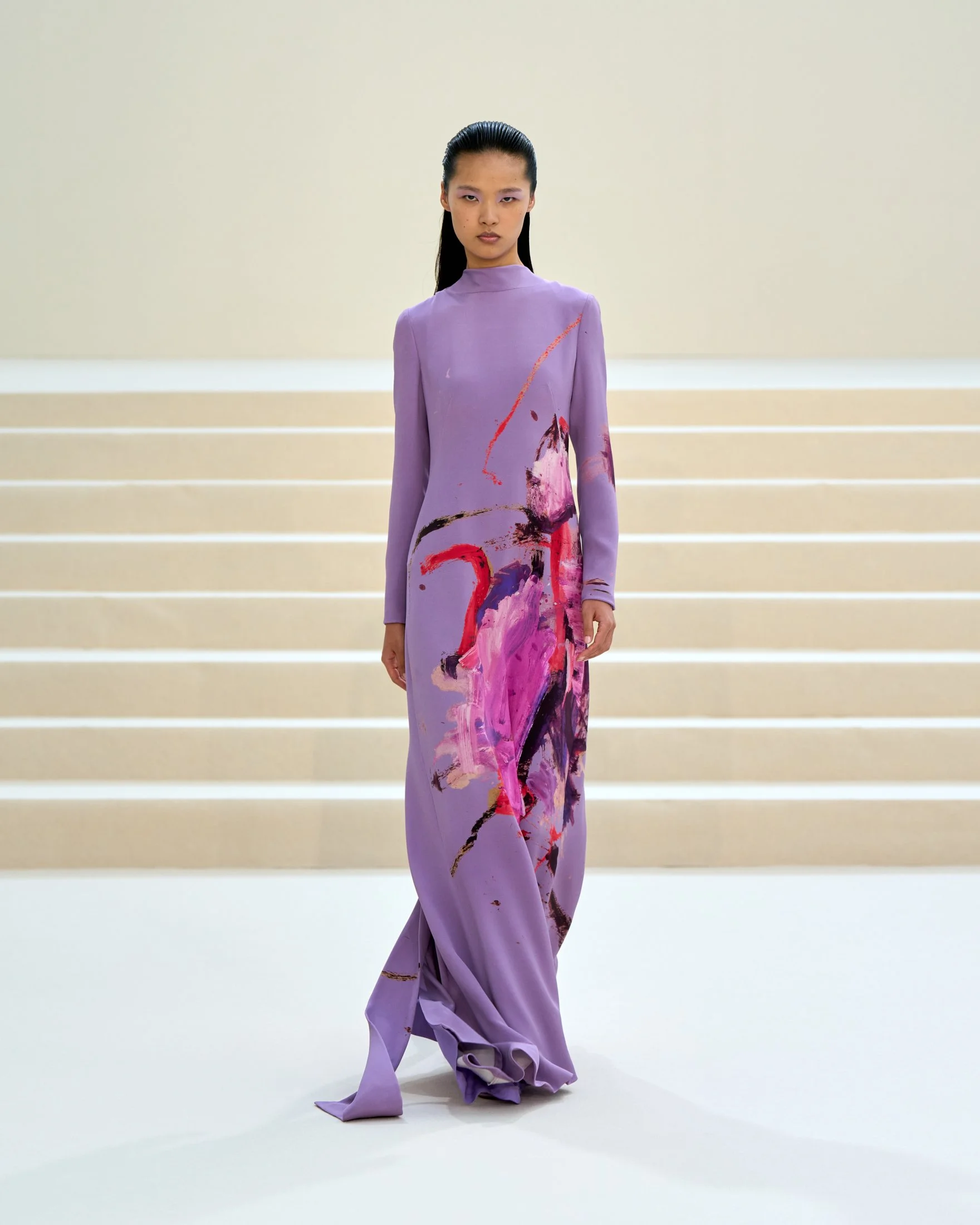
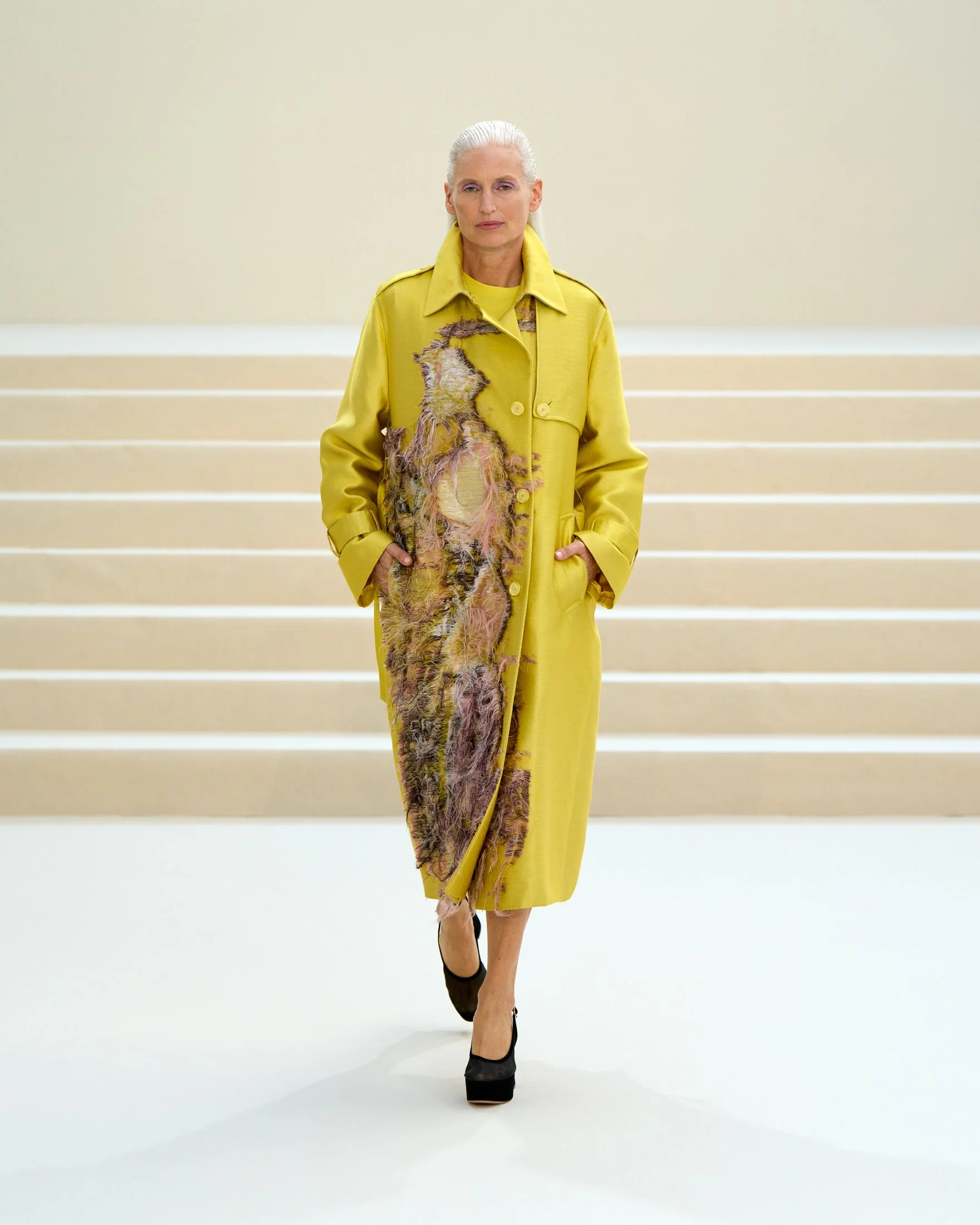
Jungwirth’s paintings are seismographic records of emotion. Colors overlap, forms blur and marks remain visible, creating compositions that feel simultaneously deliberate and spontaneous. Kriemler translates that tension into garments where precision gives way to movement without sacrificing the architectural discipline that has long defined Akris.
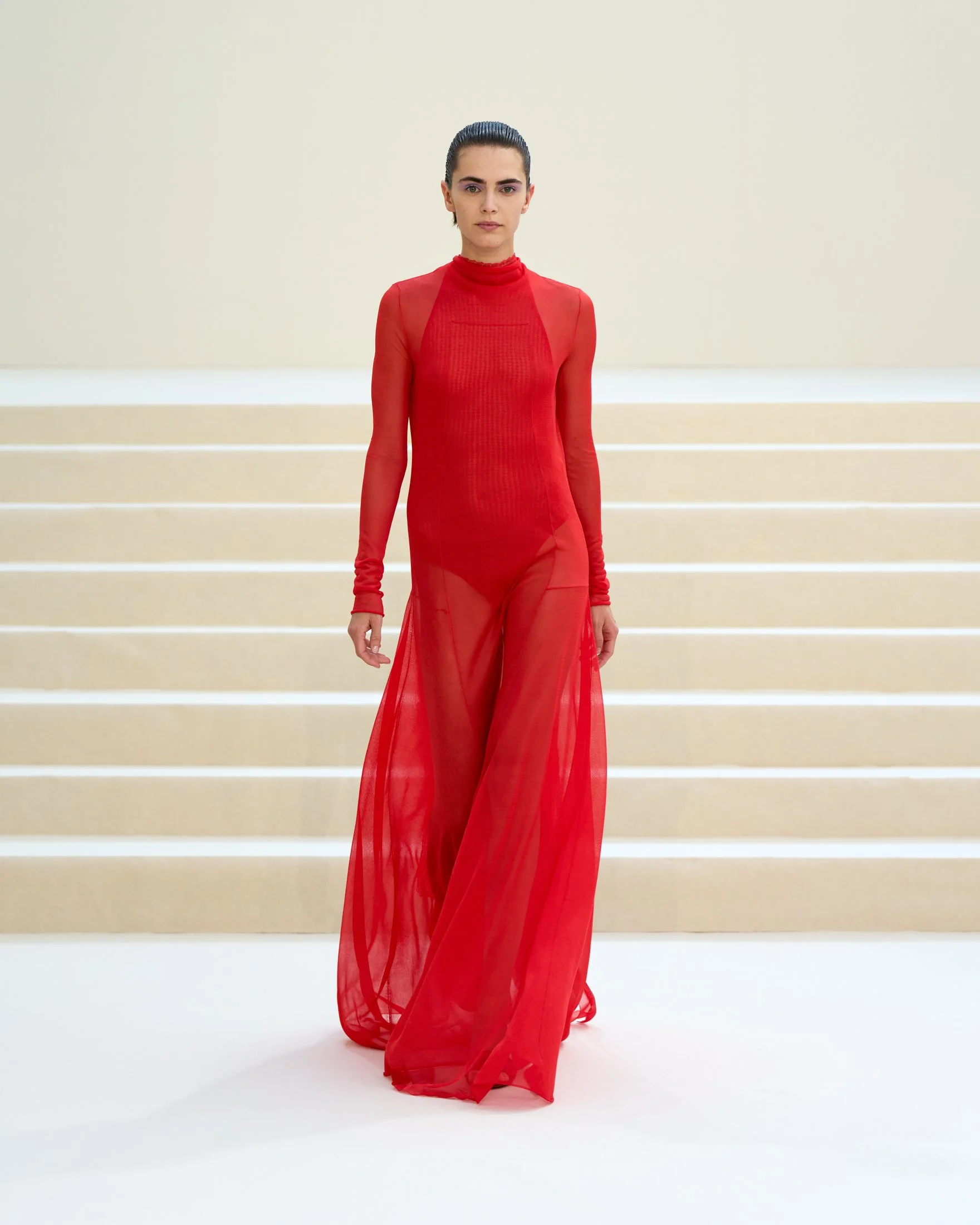
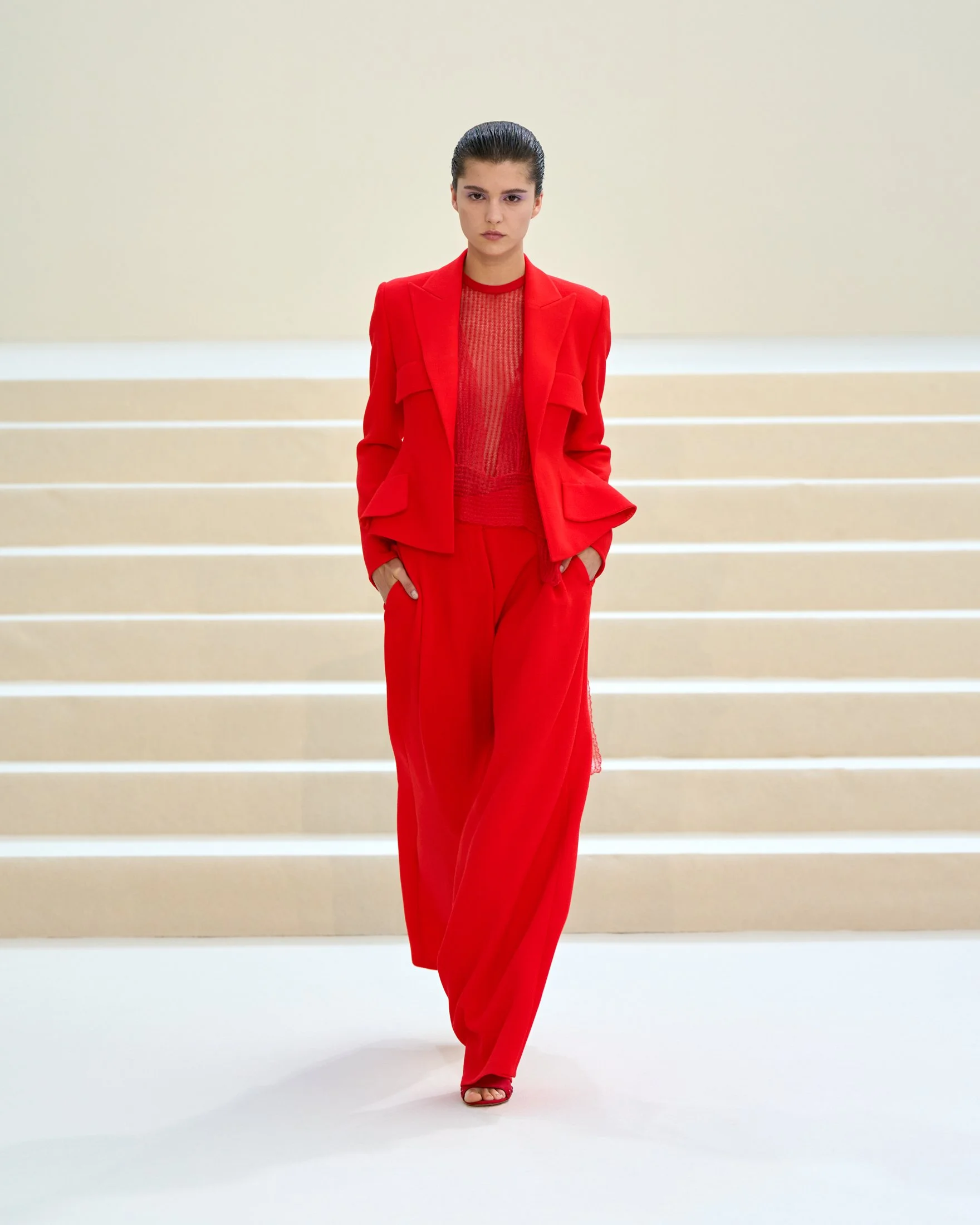
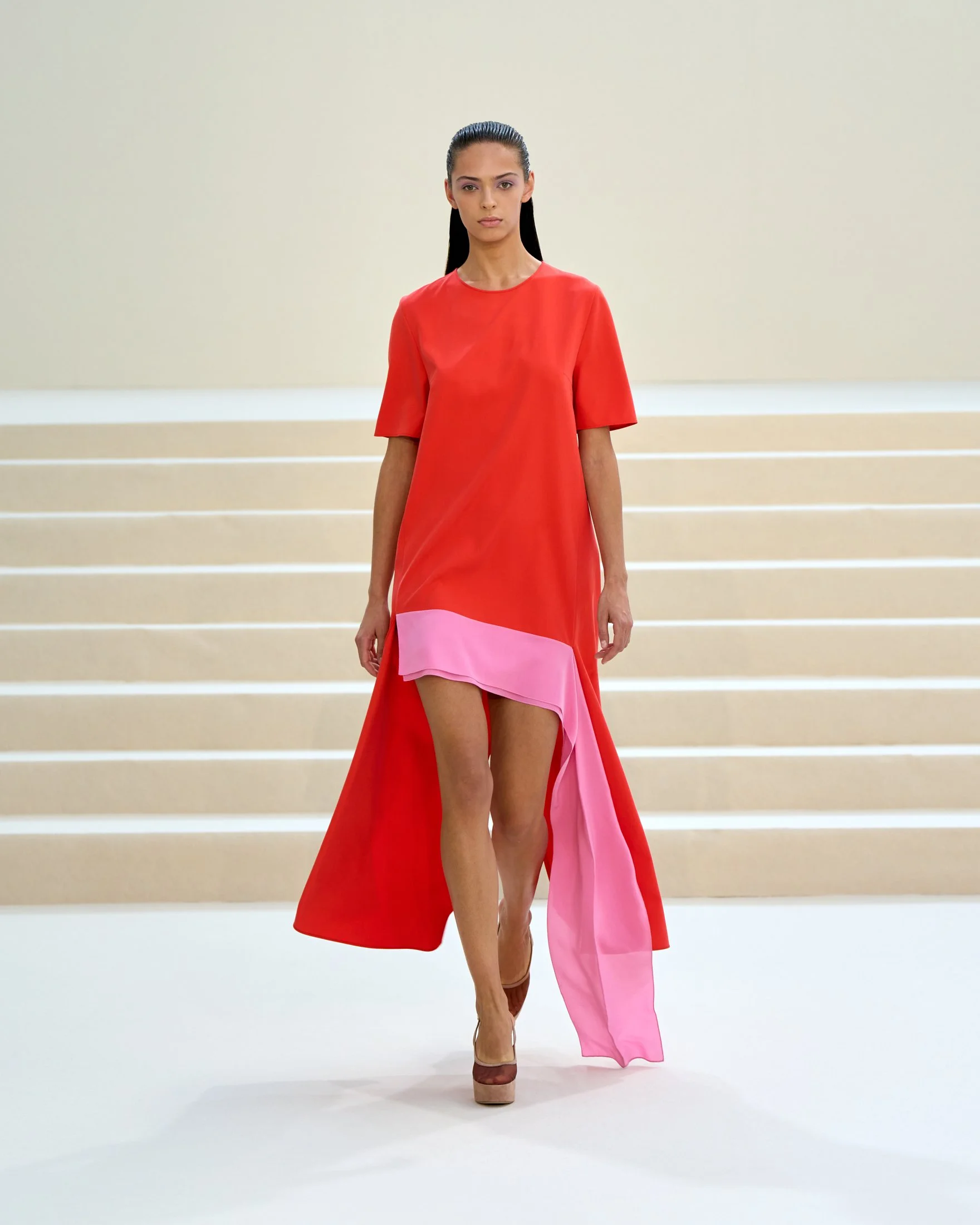
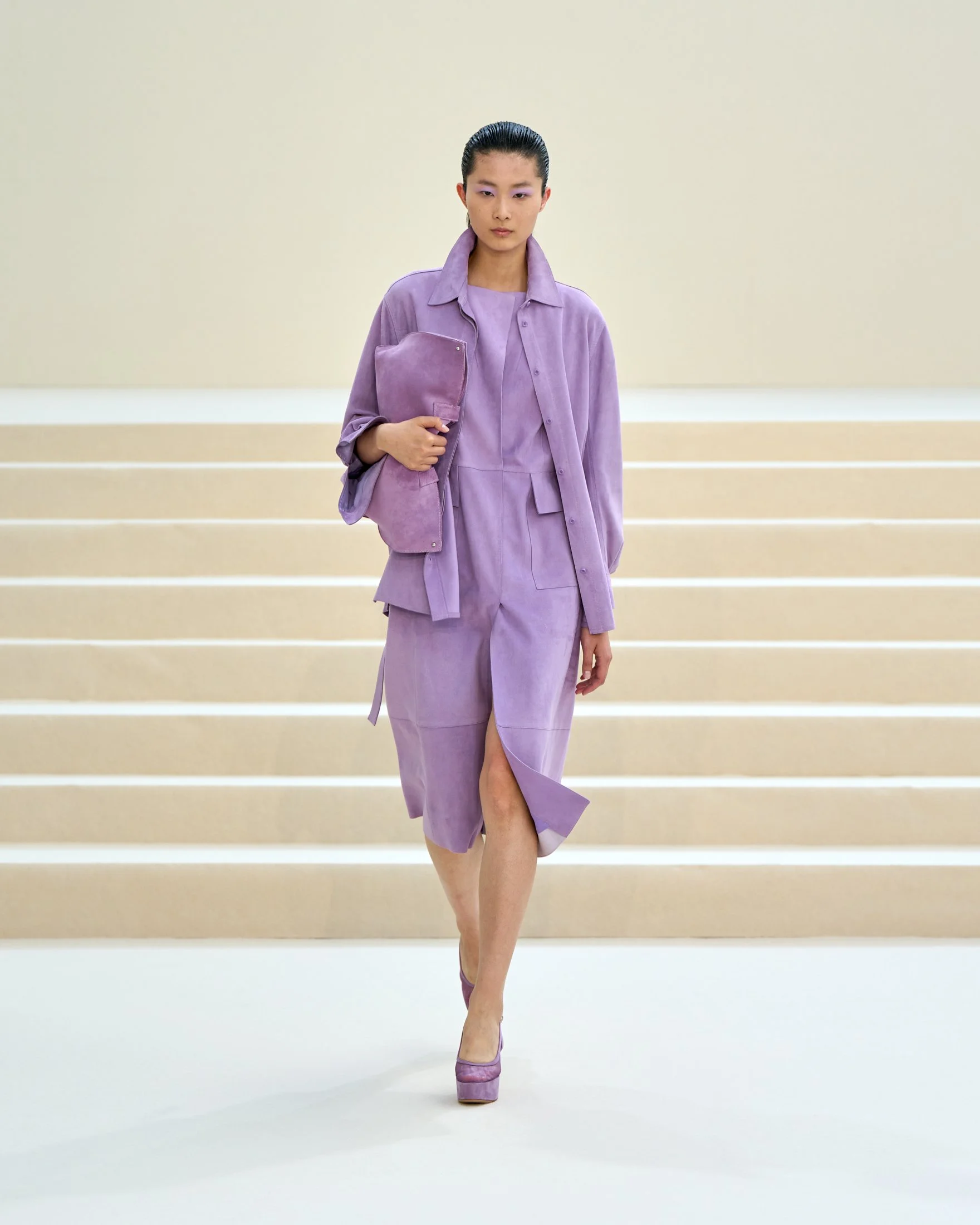
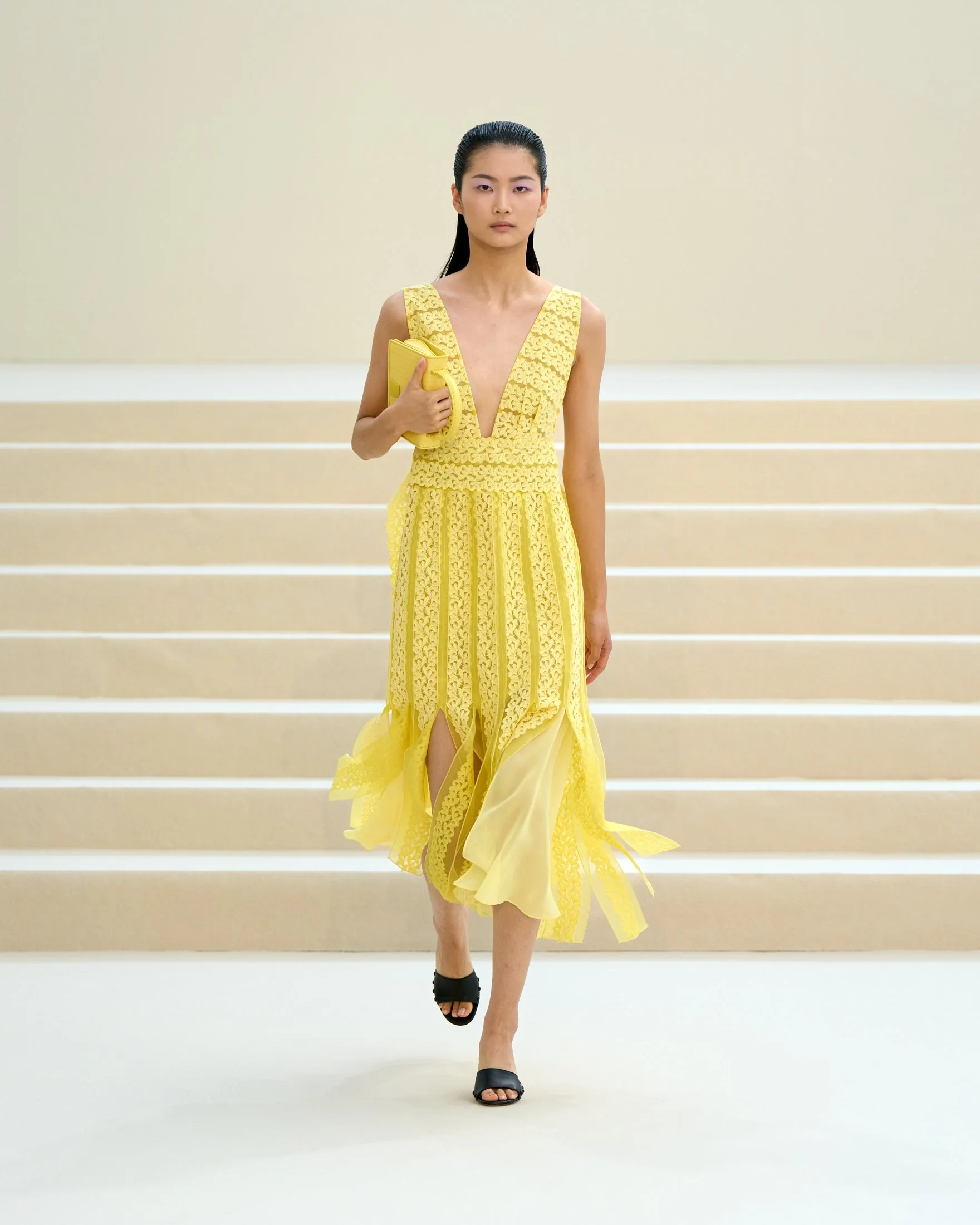
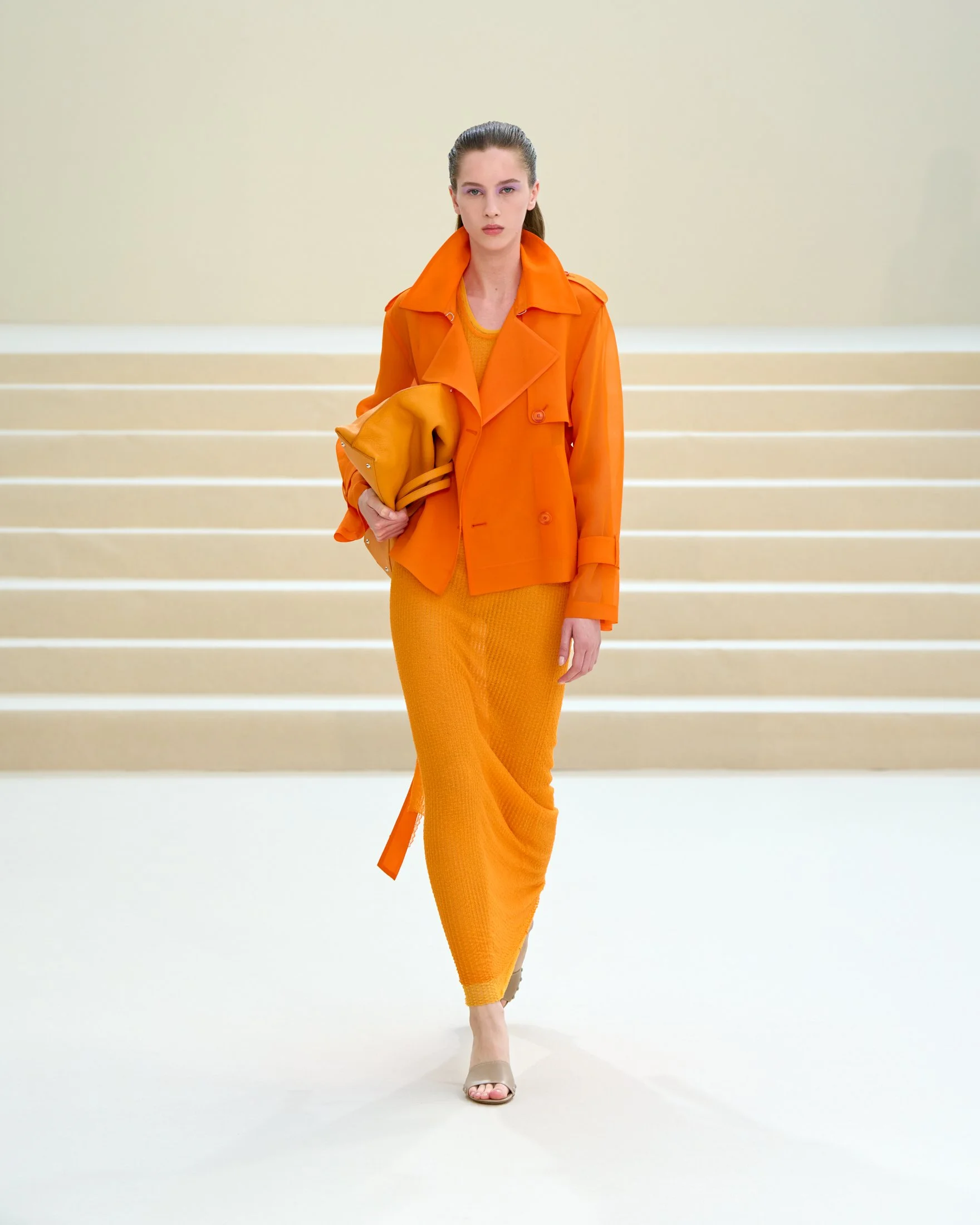
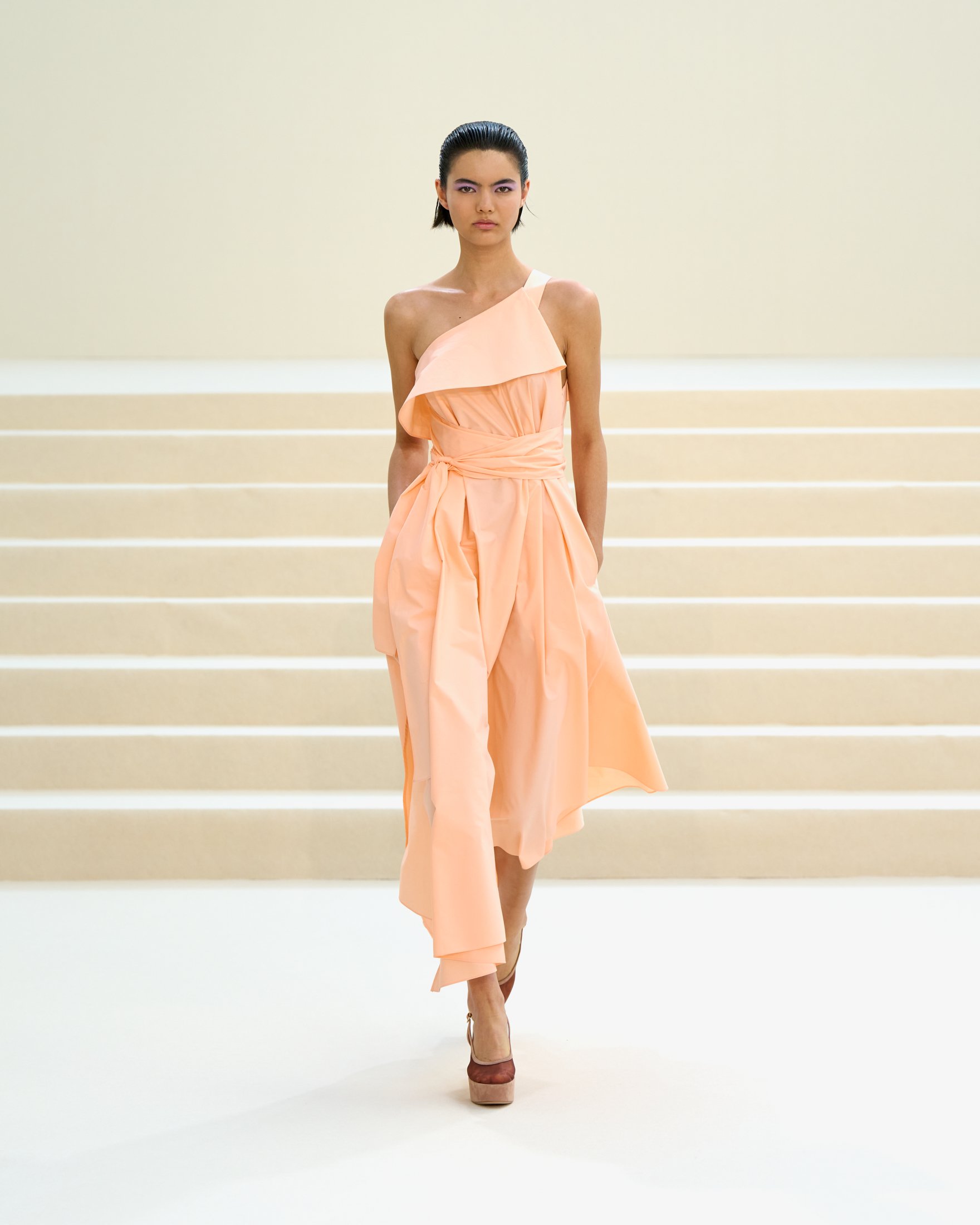
Tailoring loosens around the body. Knitwear becomes almost weightless. Straps fall away from the garment, while silhouettes shift and settle with movement. Nothing feels overly resolved. Instead, the collection embraces the beauty of something in process.
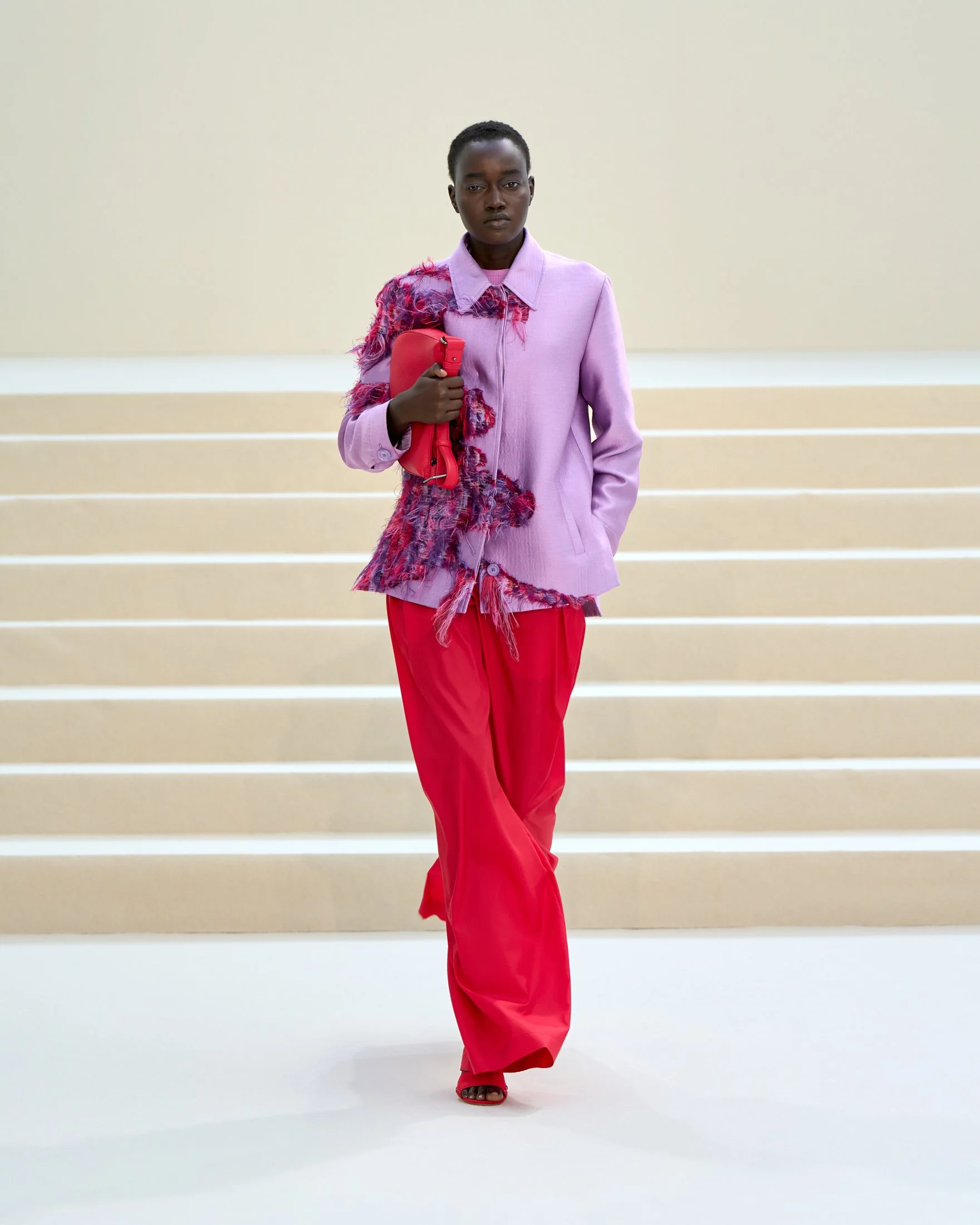
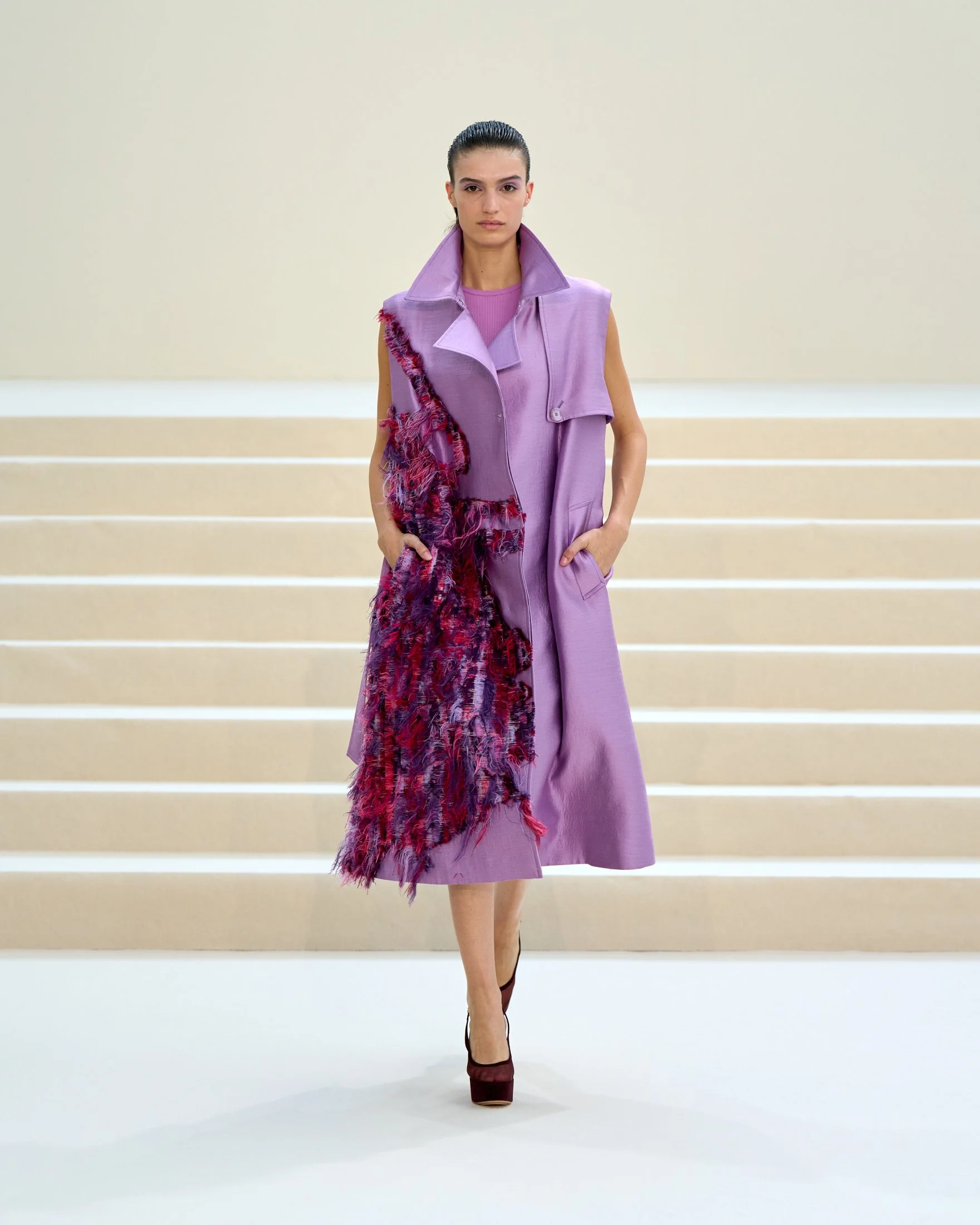
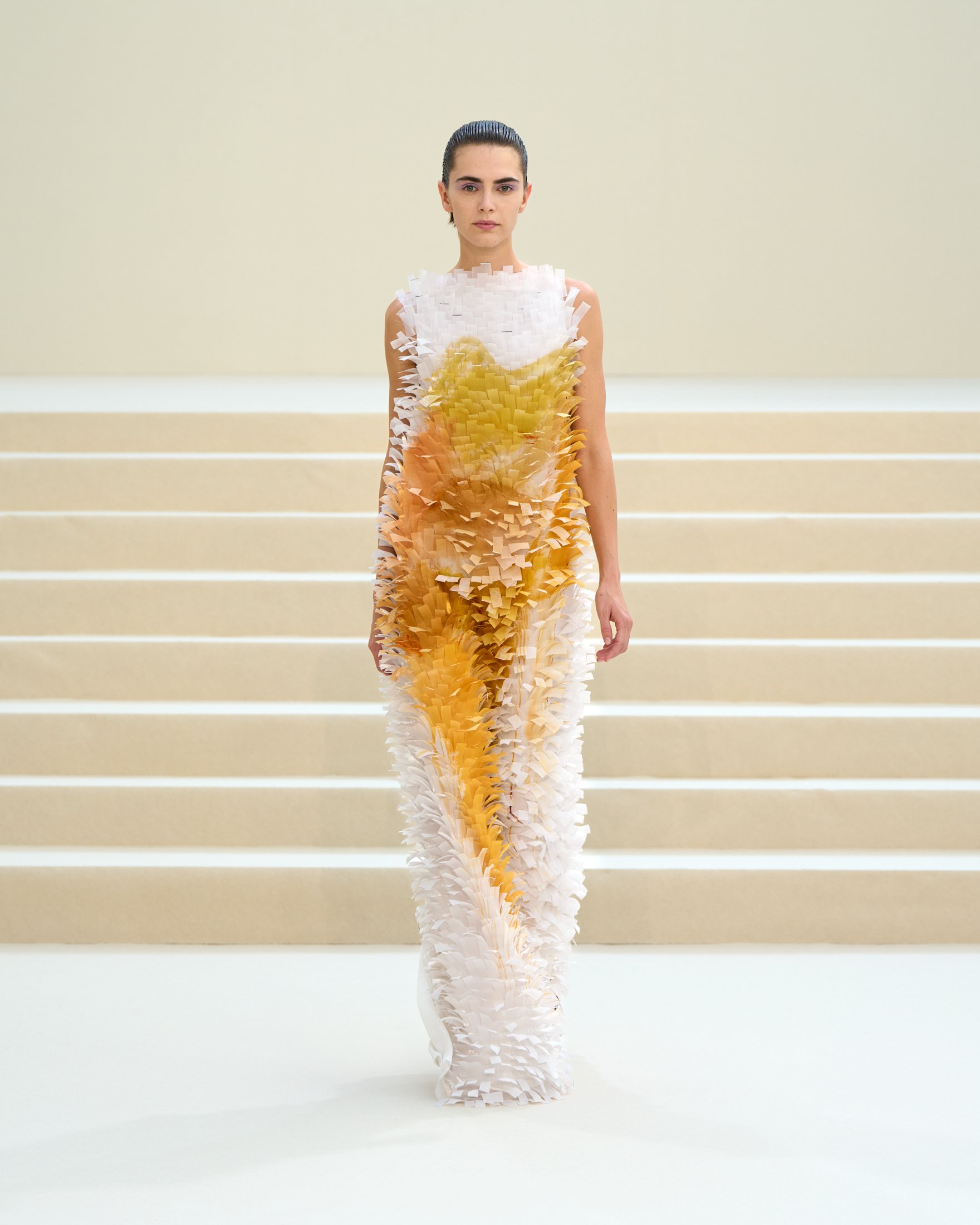
That idea is particularly evident in the treatment of textiles. Hand-applied ribbons echo the zigzagging gestures of Jungwirth’s brushwork, their loose ends trailing behind the body. Laser-cut fringe is inverted, redirecting its movement. Reversed jacquards expose their construction, while frayed threads and open structures allow the process of making to remain visible.
It is a distinctly human approach to craftsmanship. Rather than concealing the hand behind perfection, Kriemler allows evidence of the gesture to become part of the design. Imperfection is not a flaw but a record—a trace of the person who made it.
The collection’s apron is perhaps its most intimate expression of that idea. Appearing in petite iterations, it becomes a layer rather than a uniform, recalling Jungwirth’s own working wardrobe while connecting directly to Akris’ history. The garment also carries a family memory: its embroidery references a design created by Kriemler’s grandmother, Alice, in the 1950s. Past and present exist together on the body.
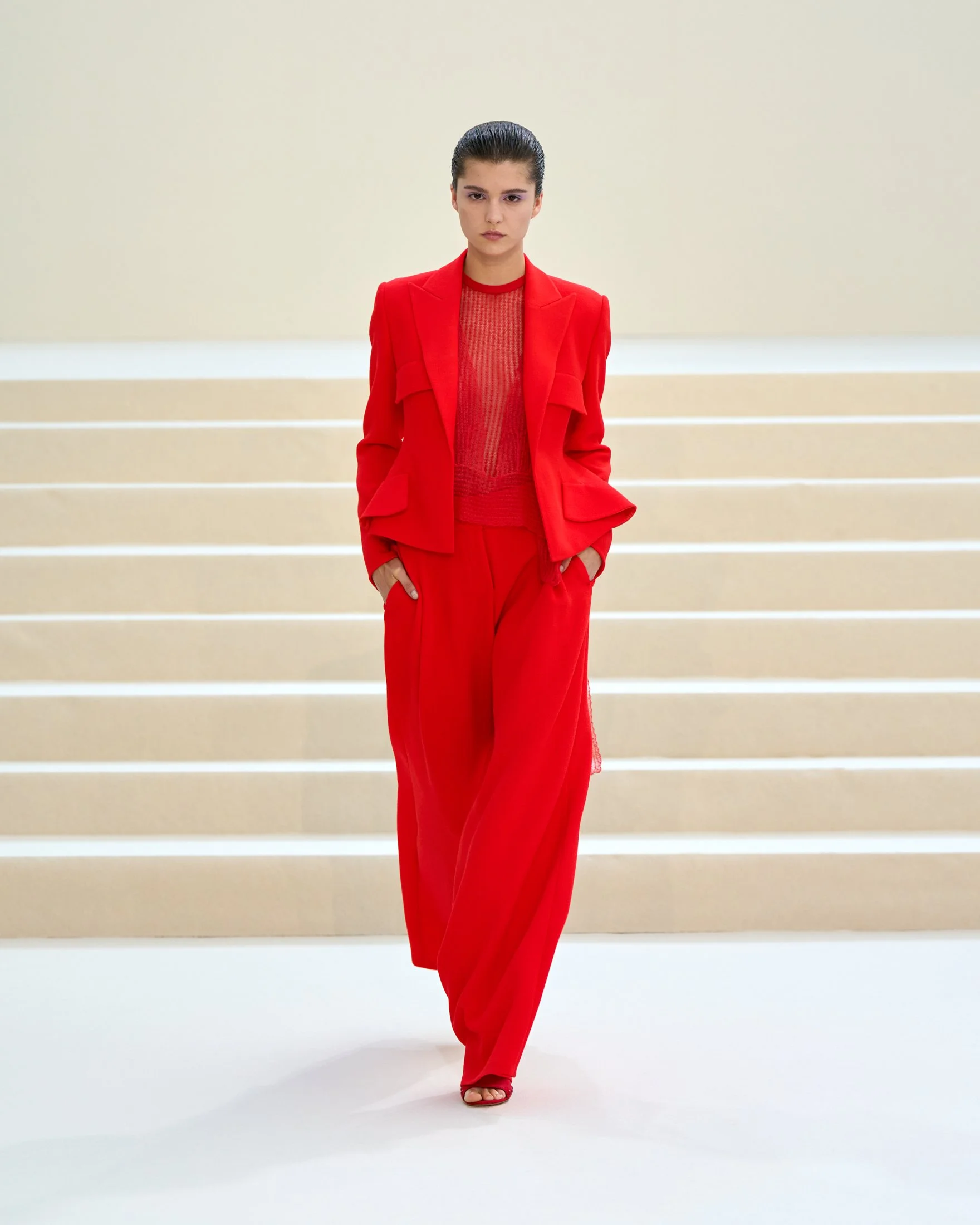
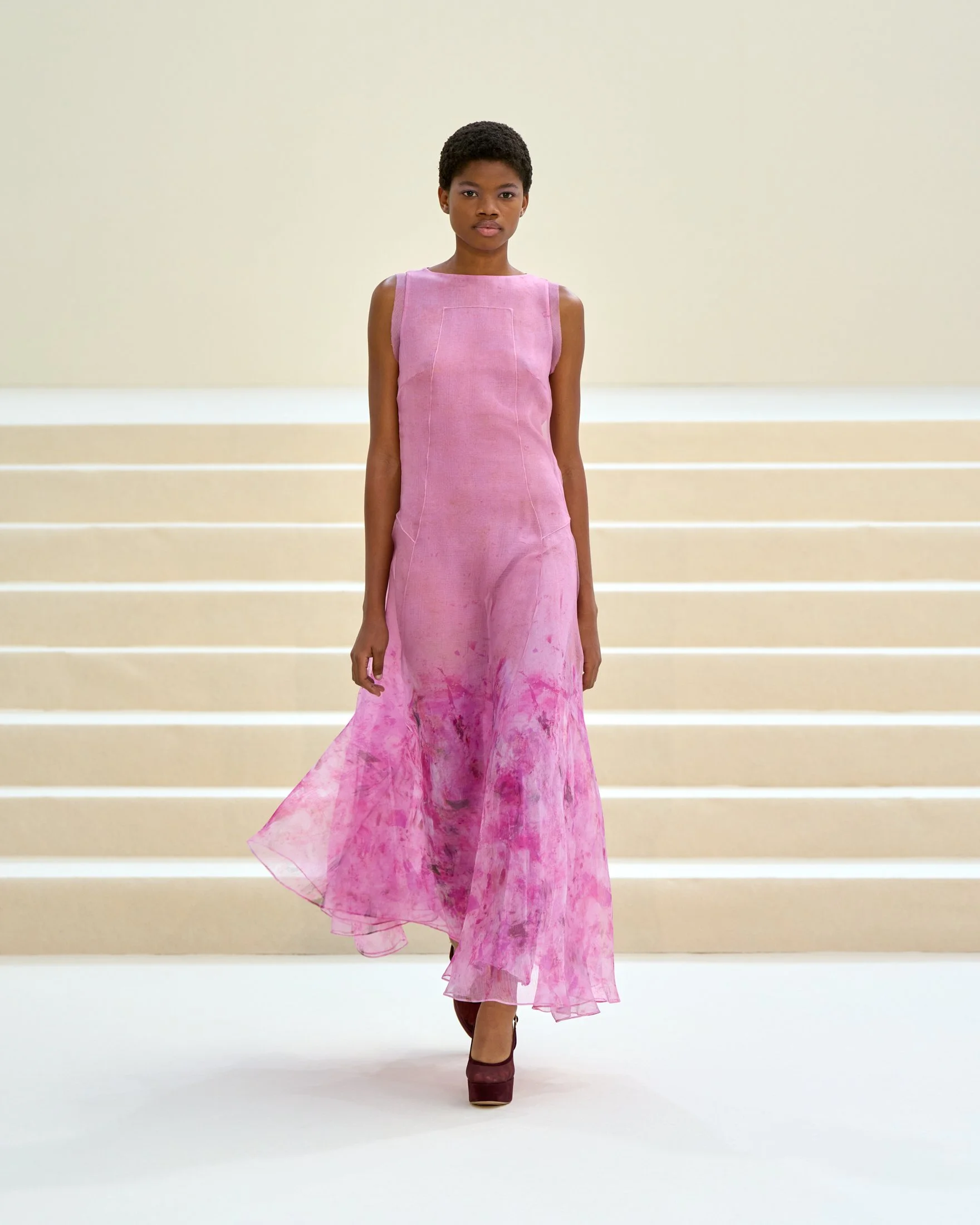
Color provides another point of connection. Kriemler recalls being struck by the audacity of Jungwirth’s palette when he first encountered her work. Reds, pinks and violets appear not simply as visual choices, but as emotional ones. Jungwirth describes these as “Gefühlsfarben”—colors that are felt as much as they are seen.
That distinction becomes important to understanding the collection. This is not fashion attempting to reproduce painting. It is fashion responding to the way painting makes us feel.
Getting dressed becomes an intuitive act: a negotiation between instinct, habit, desire, memory and fantasy. Clothes are not presented as objects separate from the person wearing them, but as things that accumulate meaning through use and movement. The garment changes with the body, and the body gives the garment another life.
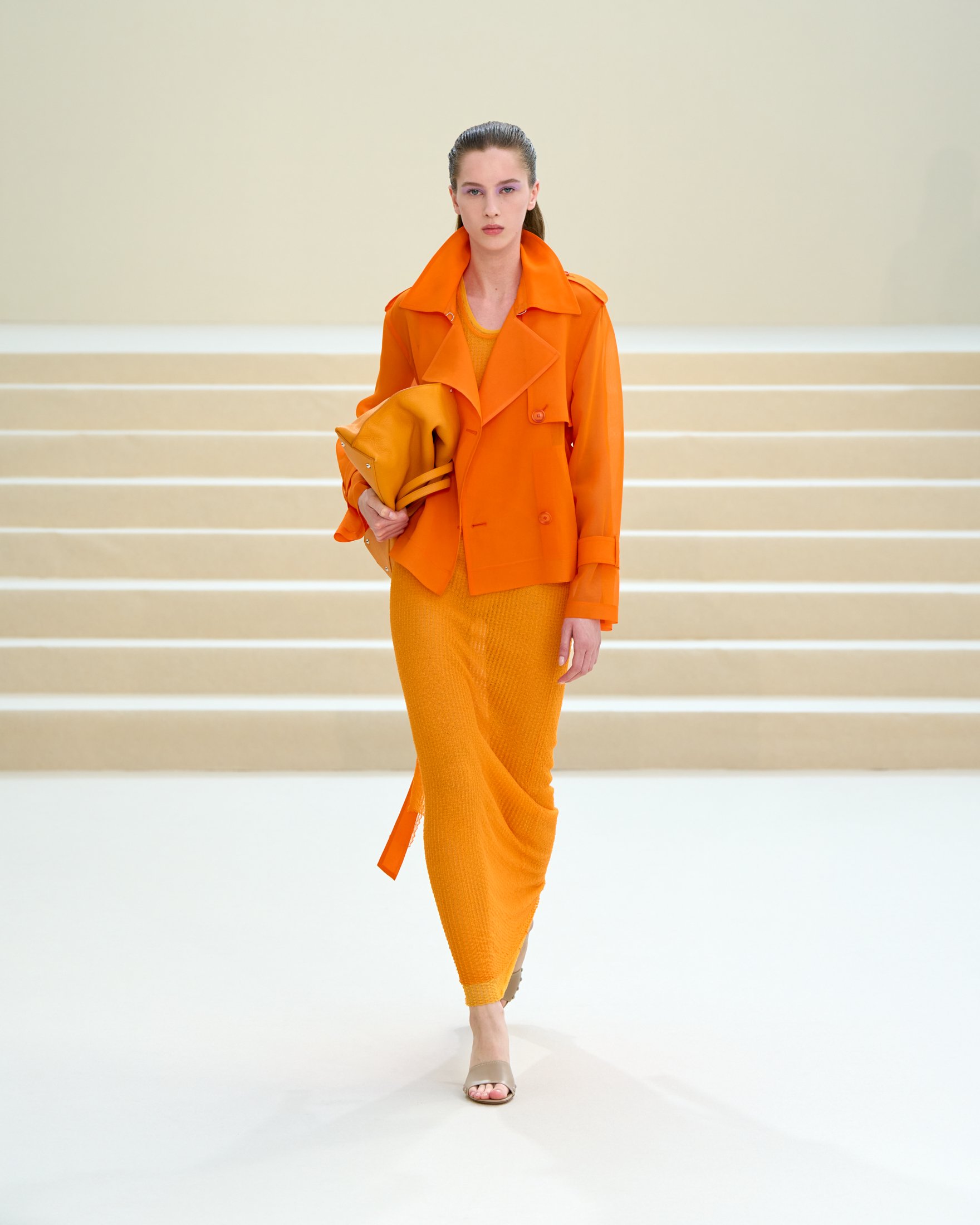
For Akris, a house built on refinement, the collaboration introduces something deliberately less polished. There is looseness, chance and emotional immediacy, but the sophistication remains. Kriemler understands that the most compelling form of luxury does not always announce its precision. Sometimes it is found in what has been left unresolved.
Jungwirth’s paintings resist a single reading. So does this collection. Marks overlap. Colors drift. Fabrics expose their interiors. Memories surface through embroidery and silhouette. What emerges is a conversation between two disciplines that share a belief in the intelligence of the hand.
Ultimately, Kriemler and Jungwirth make a case for clothing as lived experience. Fashion becomes less about the image we project and more about what we carry with us—the gestures, memories and emotions that remain invisible until they find a form.
HOW DO YOU FEEL ABOUT FASHION?
COMMENT OR TAKE OUR PAGE READER SURVEY
Featured
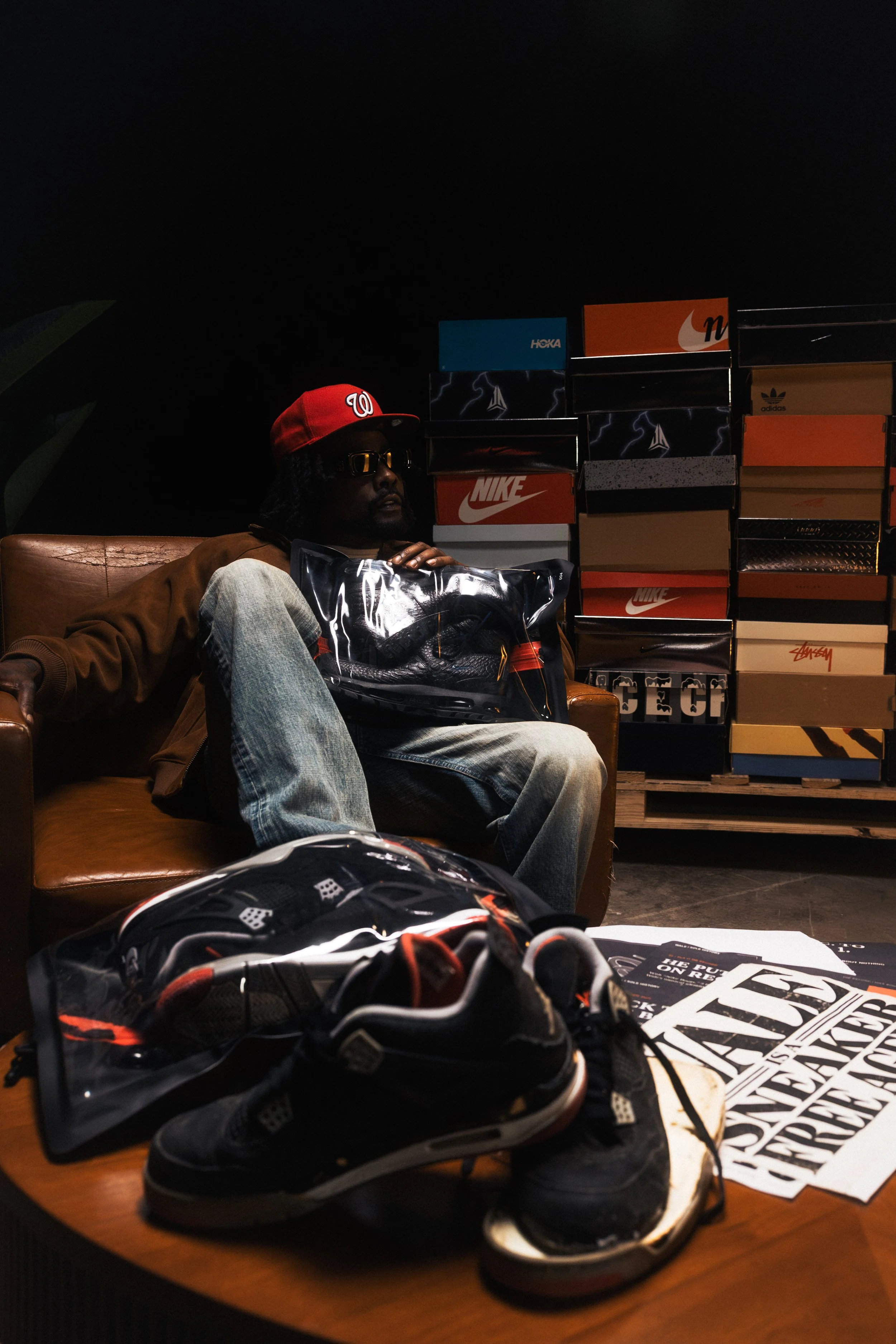

BAPE® brings its streetwear legacy into the ring with UNDEFEATED’s wrestling-inspired Fall/Winter 2026 collection while expanding its design vocabulary through the TYPE 10 BAPEX®, an automatic timepiece that translates the brand’s signature camouflage into contemporary watchmaking.