
Are Vintage Watches in Style?
PAGE
By PAGE Editor
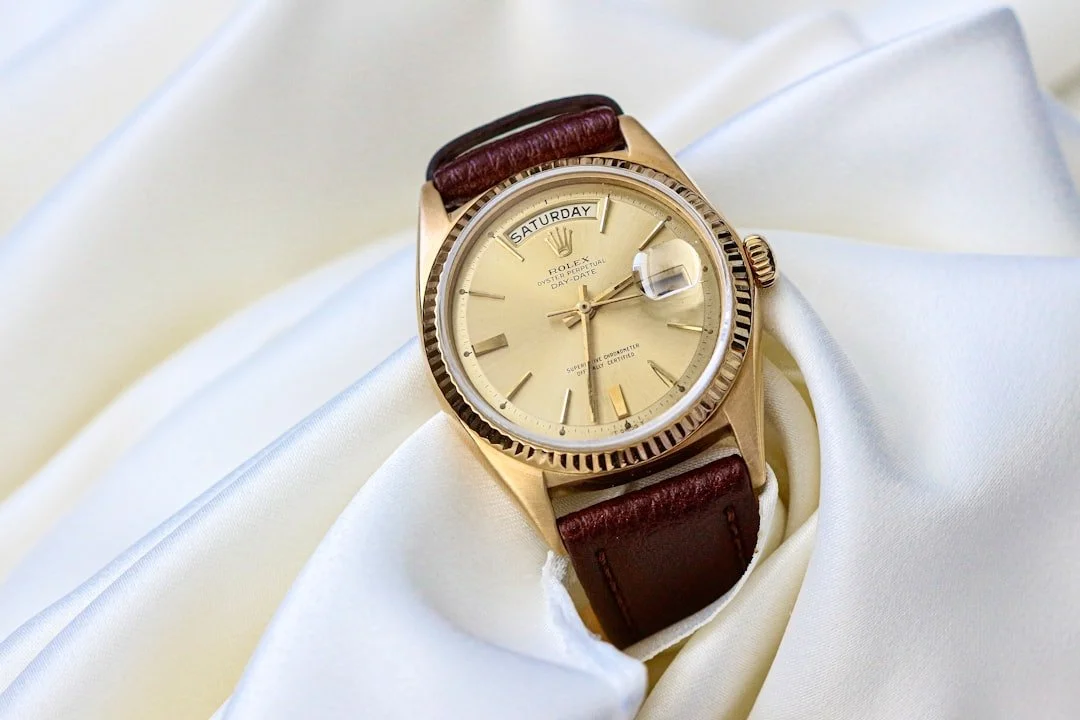
Absolutely. Vintage watches are having one of the biggest cultural revivals the fashion and luxury world has seen in decades. What used to be a hobby reserved for hardcore collectors has evolved into a global movement involving celebrities, young professionals, fashion enthusiasts, and even first-time luxury buyers. Walk into a trendy café in London, New York, Warsaw, or Tokyo, and you will probably spot someone wearing a slim vintage Cartier Tank, an old-school Omega Seamaster, or a faded Rolex Datejust with decades of history behind it. The fascination is no longer limited to wealthy collectors at auctions. Vintage watches have become personal style statements.
The timing of this comeback is fascinating because it arrived during the peak of smartwatch culture. For years, technology companies convinced people that watches needed notifications, fitness tracking, and constant software updates. Yet many consumers started feeling exhausted by digital overload. Wearing a vintage mechanical watch suddenly became refreshing. Instead of another screen competing for attention, it represented craftsmanship, history, and personality. A vintage watch feels alive in a way a modern smartwatch rarely does. Tiny scratches, faded bezels, and warm patina give each piece a story that cannot be mass-produced.
The market numbers reflect this shift clearly. Recent Chrono24 and Fratello reports revealed that Gen Z buyers are rapidly reshaping the luxury watch market, especially through increased interest in dress watches and vintage-inspired designs. Dress watch purchases among Gen Z have risen by 44% since 2018. That statistic alone tells you something important: younger generations are not rejecting watches—they are rejecting disposable trends. They want items with identity and longevity.
There is also a deeper cultural layer to this revival. Vintage watches connect people to eras they admire. Wearing a 1970s Omega feels like carrying a piece of motorsport history on your wrist. A vintage Cartier Tank channels old Hollywood sophistication. A Rolex Submariner from the 1960s feels adventurous and rebellious. These watches are not merely accessories; they are emotional artifacts. That emotional connection explains why vintage timepieces continue gaining momentum even during economic uncertainty.
Why Vintage Watches Are Suddenly Everywhere
The sudden explosion of vintage watch popularity did not happen by accident. Several cultural trends collided at exactly the right moment. Fashion moved away from loud logos and fast fashion toward quieter luxury and individuality. People became more interested in sustainability and buying fewer but better things. Social media accelerated niche communities around collecting and styling vintage pieces. Watches landed right at the center of this cultural shift.
One major reason vintage watches exploded in popularity is their uniqueness. Modern luxury watches are often highly polished and mass-produced in large numbers. Vintage watches, on the other hand, feel personal. No two aging dials look identical. Some develop creamy lume, others gain tropical brown tones from sun exposure, while certain cases soften beautifully over time. Those imperfections are now celebrated rather than avoided. It is similar to the way people appreciate worn leather jackets or vintage denim. The wear tells a story.
Fashion cycles also play a massive role. Oversized watches dominated the early 2000s and 2010s, but style trends always swing like a pendulum. Now the market is embracing elegance again. Smaller cases, thin profiles, and refined proportions feel modern precisely because they contrast with recent trends. Articles published in 2026 highlight the growing popularity of slim and dainty vintage watches, particularly among younger consumers. These designs pair perfectly with contemporary minimalist fashion.
Another factor is accessibility through online platforms. Twenty years ago, buying a vintage watch required insider connections or visits to specialty dealers. Today, marketplaces like Chrono24 and social media communities allow anyone to learn, compare, and purchase watches globally. A teenager watching TikTok videos about vintage Cartier pieces can suddenly become interested in horology overnight. That accessibility transformed vintage watches from an elite collector hobby into a widespread cultural trend.
The Shift Away From Smartwatches
People are growing tired of constant notifications. That simple truth has quietly fueled the vintage watch boom. Smartwatches promised convenience, but they also turned wrists into extensions of smartphones. For many consumers, especially younger professionals, wearing a mechanical watch now feels rebellious. It says, “I do not need another digital distraction.”
Mechanical watches offer something technology cannot replicate: permanence. A smartwatch becomes outdated within a few years. Vintage watches from the 1950s are still ticking today. That longevity creates emotional value. A mechanical watch can be repaired, passed down, and worn for generations. It becomes part of family history rather than electronic waste.
Nostalgia and Emotional Value
Nostalgia is powerful. People are drawn toward objects that feel authentic in an increasingly digital world. Vintage watches capture that perfectly. They carry traces of previous decades—old advertisements, racing culture, aviation history, or elegant mid-century design philosophies. Wearing one feels like connecting with a different era.
There is also the emotional dimension of inheritance. Many people first become interested in vintage watches after discovering a parent’s or grandparent’s timepiece. Suddenly the watch is not just an object; it becomes memory frozen in steel and gold. That emotional connection is almost impossible for new watches to imitate.
How Gen Z Revived Vintage Watch Culture
It surprises many older collectors, but Gen Z became one of the biggest forces behind the modern vintage watch explosion. Instead of chasing only massive luxury status symbols, younger buyers are gravitating toward individuality, understated elegance, and storytelling. Vintage watches fit that mindset perfectly.
According to market reports from Chrono24 and Fratello, Gen Z buyers are dramatically influencing luxury watch trends, particularly through their growing preference for dress watches and heritage designs. That is fascinating because for years the luxury market focused almost entirely on oversized sports watches. Younger consumers disrupted that formula. They started embracing smaller vintage Cartiers, classic Omegas, and understated Jaeger-LeCoultre models.
Social media accelerated the trend at lightning speed. TikTok creators began showcasing affordable vintage watches alongside fashion advice. Instagram pages dedicated to rare dials and vintage styling exploded in popularity. Suddenly watches became fashion content rather than purely collector content. Young audiences realized a vintage watch could transform an outfit in the same way sneakers or jewelry do.
Gen Z also approaches luxury differently from previous generations. Many younger consumers are skeptical of flashy displays of wealth. They prefer subtle luxury that insiders recognize. A vintage Cartier Tank or old Omega Seamaster communicates taste rather than pure spending power. It feels more intellectual and personal. That “quiet luxury” mindset made vintage watches incredibly attractive.
Another reason younger buyers love vintage watches is sustainability. Buying secondhand aligns naturally with modern values around reducing waste and consuming more responsibly. Instead of supporting endless mass production, vintage buyers give old objects new life. That philosophy resonates deeply with younger consumers who care about ethical consumption.
TikTok, Instagram, and Watch Influencers
Social media transformed watches from niche collector items into mainstream fashion accessories. TikTok creators began posting videos comparing vintage watches to modern pieces, styling them with streetwear and tailoring, and explaining the history behind famous references. Suddenly millions of viewers became curious about watches they had never heard of before.
Instagram played an equally important role. Clean wrist shots featuring vintage Rolexes, Cartier Tanks, and Omega Speedmasters created aspirational aesthetics that younger audiences wanted to emulate. Watches became part of the broader fashion conversation rather than existing in a separate luxury niche.
Why Smaller Dress Watches Are Trending
For years, oversized watches dominated the market. Now the pendulum has swung completely in the opposite direction. Smaller watches feel refined, sophisticated, and versatile. Vintage dimensions—typically between 34mm and 38mm—suddenly look modern again.
This trend is strongly tied to fashion’s shift toward elegance and tailoring. Slim vintage watches pair naturally with relaxed luxury clothing, loafers, and classic menswear. They feel intentional rather than flashy.
Celebrities Fueling the Vintage Watch Boom
Celebrities have always influenced watch culture, but today their impact is even bigger because every public appearance spreads instantly across social media. Vintage watches are now regular fixtures on red carpets, magazine covers, and viral Instagram posts. From Hollywood actors to musicians and athletes, influential figures increasingly choose older timepieces over modern hype models.
Cartier’s resurgence offers a perfect example. Recent coverage highlighted how Cartier became one of the defining watch brands of the 2020s through its emphasis on heritage designs and vintage-inspired elegance. Celebrities helped drive that momentum enormously. Actors, musicians, and fashion icons started wearing vintage Cartier Tanks and Santos models, turning understated dress watches into cultural status symbols again.
The fascinating part is that celebrity influence now works differently than it did in the past. Modern audiences care less about flashy diamond-covered watches and more about authenticity. A vintage Omega worn daily by an actor feels cooler than an untouched modern limited edition locked in a safe. People want watches that appear lived-in and personal.
Musicians have also contributed massively to the trend. Hip-hop culture once focused heavily on oversized diamond pieces, but many modern artists now wear vintage Patek Philippe, Cartier, and Rolex references with understated elegance. It reflects a broader maturity in luxury culture. Taste now matters as much as price.
Athletes joined the movement too. Formula 1 drivers, basketball players, and football stars increasingly wear vintage-inspired pieces off the field. Watches became part of personal branding. A carefully chosen vintage watch communicates sophistication in a subtle but powerful way.
Hollywood and Red Carpet Influence
Vintage watches photograph beautifully because they have character. Warm patina, thin profiles, and classic proportions stand out naturally against tailored clothing. Stylists increasingly choose vintage pieces because they feel timeless rather than trendy.
This visibility matters enormously. When audiences repeatedly see celebrities wearing vintage watches, the watches become associated with confidence, taste, and authenticity.
Athletes and Musicians Wearing Vintage Pieces
Modern athletes and musicians treat watches almost like wearable art. Vintage pieces signal individuality because they are harder to replicate. Two people may own the same new Rolex, but vintage watches age differently, making each one unique.
That uniqueness resonates strongly in celebrity culture where personal branding is everything.
The Most Popular Vintage Watch Brands Right Now
Not every vintage watch brand benefits equally from the current trend. Certain names dominate because they combine strong heritage, recognizable design, and emotional appeal. Rolex, Cartier, Omega, and Patek Philippe remain the undisputed leaders of the market. Rolex continues leading the market because its vintage pieces combine status with practicality. Vintage Submariners and GMT-Masters feel rugged yet luxurious. Older Datejust models have become especially popular among younger buyers because they offer vintage character at more accessible prices.
This same appetite for accessible heritage has also increased interest in watches under $2000, especially among buyers who want vintage appeal without entering the Rolex price range
Cartier’s rise may be even more fascinating. The brand mastered elegant simplicity decades ago, and modern fashion trends finally caught up again. Reports show Cartier gaining major traction among Gen Z buyers. Vintage Tanks and Santos models now appear everywhere from fashion editorials to TikTok styling videos.
Omega remains beloved because of its strong storytelling. Vintage Speedmasters connect directly to NASA and space exploration. Seamaster models carry James Bond associations and dive-watch heritage. Omega also offers incredible value compared to some competitors.
Patek Philippe sits at the top of the prestige pyramid. Vintage Patek watches combine craftsmanship, rarity, and understated elegance in ways few brands can match. Even simple Calatrava dress watches command immense respect among collectors.
Are Vintage Watches Better Than Modern Watches?
That question sparks endless debate among collectors, but the answer depends on what you value most. Modern watches offer advanced materials, water resistance, and precision manufacturing. Vintage watches offer personality, history, and emotional connection. Many enthusiasts believe those qualities matter far more.
Vintage watches often feel more human. Modern luxury pieces can appear too perfect, almost sterile. Vintage watches show aging naturally. Dials fade, lume changes color, and cases soften slightly over decades of wear. Those imperfections create warmth and individuality. It is similar to the difference between brand-new leather boots and beautifully worn vintage boots. One feels manufactured; the other feels experienced.
Craftsmanship also plays a huge role. Many vintage watches were produced during eras when mechanical watchmaking represented cutting-edge technology. Brands focused intensely on finishing and durability because watches were essential daily tools rather than luxury accessories. That practical heritage gives vintage pieces authenticity modern marketing campaigns sometimes struggle to recreate.
Investment potential matters too. Certain vintage watches appreciate significantly over time, especially rare references with strong provenance. Unlike fast-changing technology products, vintage mechanical watches can maintain or increase value for decades. That does not mean every old watch is a great investment, but the possibility certainly attracts buyers.
Modern watches still have advantages, especially reliability and durability. Vintage watches may require servicing and careful maintenance. Yet many collectors actually enjoy that relationship. Owning a vintage watch feels interactive. It demands attention and care in ways disposable consumer electronics never do.
Craftsmanship and Character
Character is impossible to mass-produce. Vintage watches develop personality naturally through decades of wear. Tiny scratches and faded details create individuality modern factory perfection cannot imitate.
Collectors often describe vintage watches as soulful. That may sound dramatic, but anyone who has handled a beautifully aged vintage watch understands the feeling instantly.
Investment Potential
The vintage watch market continues attracting investors because rare watches often outperform expectations over long periods. Market reports indicate ongoing demand growth, particularly among younger buyers.
Still, passion should come first. The best vintage watch purchases happen when someone genuinely loves the watch rather than purely chasing profits.
Vintage Watch Trends Dominating 2026
The vintage watch market evolves constantly, but several major trends define 2026 specifically. Smaller watches dominate. Integrated bracelet sports models remain incredibly desirable. Warm patina and tropical dials are celebrated more than ever. Vintage-inspired aesthetics influence even brand-new releases.
One particularly interesting trend is the return of elegant jewelry-style watches. Articles published recently highlighted growing demand for vintage-inspired women’s watches with smaller proportions and Art Deco influences. That movement reflects broader fashion shifts toward refinement and subtle luxury.
Another major trend is appreciation for aging itself. Collectors increasingly value watches that show natural wear rather than restored perfection. A tropical dial that faded beautifully under sunlight can dramatically increase desirability. Patina has become part of the art form.
Integrated bracelet sports watches also remain hugely popular thanks to the ongoing influence of iconic models like the Audemars Piguet Royal Oak. Recent collaborations between Swatch and Audemars Piguet generated enormous hype and resale demand. Even playful reinterpretations of classic designs reveal how influential vintage aesthetics remain in contemporary watch culture.
Vintage-inspired reissues from major brands continue flooding the market too. Brands understand consumers crave heritage and authenticity. Many modern releases intentionally mimic vintage proportions, fonts, and dial layouts because those details resonate emotionally with buyers.
Smaller Case Sizes
Large watches now feel outdated to many style-conscious buyers. Vintage dimensions look elegant, balanced, and timeless. Watches between 34mm and 38mm dominate fashion-forward conversations.
This shift also makes vintage watches feel surprisingly contemporary.
Patina and Tropical Dials
Collectors once viewed faded dials as defects. Today they are treasured. Tropical dials with rich brown tones can dramatically increase a watch’s appeal and value.
Natural aging transformed from flaw into beauty.
Integrated Bracelet Sports Watches
Integrated bracelet watches remain cultural icons because they combine sportiness with elegance. The Royal Oak and similar designs continue influencing both vintage collecting and modern releases.
The popularity of these designs proves how deeply vintage aesthetics shape current trends.
Should You Buy a Vintage Watch Today?
If you appreciate craftsmanship, individuality, and timeless style, buying a vintage watch today makes enormous sense. The market remains exciting, diverse, and filled with fascinating options across different price ranges. You do not need six figures to participate. Plenty of beautiful vintage watches remain surprisingly affordable.
Beginners should focus on condition, authenticity, and wearability rather than chasing hype immediately. A simple vintage Omega or Longines can offer incredible charm without overwhelming complexity. Research matters tremendously because the vintage market contains both treasures and traps. Learning reference numbers, service history, and originality becomes part of the fun.
Patience is also important. Vintage collecting rewards curiosity rather than impulsive buying. The right watch often appears unexpectedly. Experienced collectors frequently describe the process as treasure hunting because each discovery feels personal and memorable.
Avoid chasing trends too aggressively. Buy watches you genuinely connect with emotionally. The most satisfying vintage watches are the ones that feel meaningful every time you wear them. A vintage watch should make you smile when you glance at your wrist—not merely impress strangers online.
The beautiful thing about vintage watches is that they exist at the intersection of fashion, engineering, history, and art. Few objects combine those elements so naturally. That complexity explains why vintage watches continue attracting new enthusiasts every year.
What Beginners Should Look For
Start with trusted brands and classic references. Focus on originality and overall condition rather than perfect cosmetic appearance. Honest wear often looks better than over-restoration.
Always buy from reputable sellers whenever possible.
Common Mistakes to Avoid
One of the biggest mistakes beginners make is buying purely for investment potential. Hype changes quickly. Personal taste lasts longer.
Another common mistake is ignoring servicing costs. Vintage watches may require maintenance, and that should always factor into budgeting.
Conclusion
Vintage watches are not merely fashionable—they represent a larger cultural shift toward authenticity, craftsmanship, and meaningful ownership. In an era dominated by disposable technology and fast-moving trends, mechanical watches from past decades feel refreshingly permanent. They carry history on the wrist. They age alongside their owners. They tell stories through every scratch, faded dial, and ticking movement.
The numbers clearly support the trend. Younger buyers are driving unprecedented interest in vintage-inspired designs, particularly elegant dress watches and heritage models. Celebrities, social media creators, and fashion trends continue amplifying that momentum. Vintage watches are now central to conversations about luxury, style, and identity.
What makes the revival so powerful is that it goes beyond hype. Vintage watches satisfy emotional desires modern products often fail to fulfill. They feel personal instead of algorithmically designed. They connect people to history, family memories, and timeless aesthetics. Whether someone buys a humble vintage Omega or a rare Patek Philippe, the experience feels deeply human.
That is why vintage watches are not disappearing anytime soon. They are not just in style—they are becoming cultural icons again.
HOW DO YOU FEEL ABOUT FASHION?
COMMENT OR TAKE OUR PAGE READER SURVEY
Featured




Preparing a home for overnight guests creates different priorities from ordinary weekly upkeep.