
Audio to Text Converter: Turning Voice Recordings Into Useful Text
PAGE
By PAGE Editor
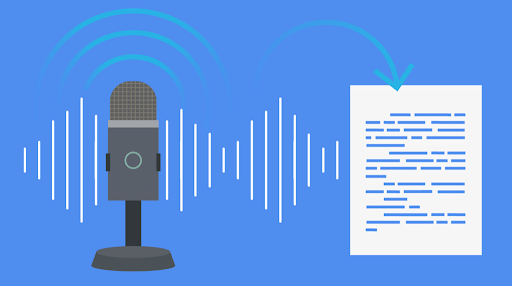
Audio content has become an important part of everyday communication. People record meetings, interviews, lectures, podcasts, conversations, and personal notes for different purposes. However, listening to a long recording repeatedly can take a significant amount of time when someone needs to find specific information. An audio to text converter can simplify this process by transforming spoken words into written text.
Instead of manually typing everything that is said in a recording, users can upload or process an audio file and convert the spoken content into a text format. This can make information easier to read, search, edit, organize, and share.
What Is an Audio to Text Converter?
An audio to text converter is a digital tool that uses speech recognition technology to turn spoken language into written words. Depending on the tool, users may be able to upload audio recordings in different formats and receive a text transcript.
These tools can be useful for students, content creators, journalists, researchers, businesses, and anyone who regularly works with recorded audio. The exact features and accuracy can vary depending on the software, audio quality, language, and speaker.
Why Convert Audio Into Text?
One of the biggest benefits of transcription is convenience. Listening to a recording can be useful, but written text provides another way to access the same information.
For example, a student may record a lecture and later convert it into text for easier review. A journalist can use transcription to organize an interview before writing an article. Businesses can turn meeting recordings into notes that can be shared with team members.
Written content can also be searched much faster than an audio file. Instead of manually moving through an hour-long recording, users can search the transcript for a particular word or phrase.
Helpful for Students and Researchers
Students often have to process large amounts of information during classes, lectures, interviews, and research activities. An audio recording can preserve the original discussion, while a transcript can make reviewing important points more convenient.
Researchers may also benefit when conducting interviews or collecting spoken responses. Converting recordings into text allows them to organize information, highlight important statements, and compare responses more efficiently.
However, users should always review automatically generated transcripts before relying on them for important academic or research work. Background noise, accents, overlapping speakers, and unclear recordings can affect transcription accuracy.
Useful for Content Creators
Podcasters, YouTubers, and other content creators can also benefit from transcription tools. A recorded episode or video can contain valuable information that can be reused in other forms of content.
For example, a podcast transcript can be edited into a blog article, social media post, newsletter, or set of short quotes. This allows creators to get more value from content they have already produced.
Transcripts can also make video and audio content more accessible to people who prefer reading instead of listening.
Business and Professional Uses
Businesses regularly conduct meetings, interviews, presentations, and training sessions. Keeping track of everything discussed during these activities can be difficult when relying only on memory or handwritten notes.
An audio to text converter can help create a written record of conversations and meetings. Team members can then review important points, identify tasks, and refer back to specific information when necessary.
For customer interviews and market research, transcription can also make it easier to identify recurring comments, questions, and feedback.
Choosing the Right Tool
There are many transcription solutions available, so users should consider their specific requirements before choosing one. Audio format support, language availability, transcription speed, accuracy, editing options, privacy policies, and pricing can all be important factors.
Audio quality is another major consideration. Clear recordings with limited background noise generally provide better results than recordings with heavy noise or multiple people speaking at the same time.
Users should also check whether the service supports the language and dialect used in their recordings. Some tools perform better with certain languages than others.
Tips for Better Transcription Results
Good preparation can improve the quality of an automated transcript. Whenever possible, record audio in a quiet environment and keep the microphone close enough to capture voices clearly.
For interviews or meetings, speakers should avoid talking over one another. Clear speech and good recording equipment can make it easier for transcription software to recognize individual words.
After conversion, always review the text for spelling mistakes, missing words, names, numbers, and technical terms. This final editing step is particularly important when the transcript will be published or used for professional purposes.
Making Information Easier to Access
Converting audio into text is more than simply changing one file format into another. It creates a searchable and editable version of spoken information that can be used in many different ways.
From students reviewing lectures to businesses organizing meetings and creators repurposing podcasts, transcription technology can save time and improve workflows. An audio to text converter can be a practical solution for anyone who frequently works with recorded speech and wants a faster way to turn audio into usable written content.
As speech recognition technology continues to develop, transcription tools are becoming increasingly accessible. With the right tool, clear recordings, and a final review for accuracy, users can transform lengthy audio files into organized text that is easier to read, search, edit, and share.
HOW DO YOU FEEL ABOUT FASHION?
COMMENT OR TAKE OUR PAGE READER SURVEY
Featured





Wale joins CapSole as Chief Creative Officer and equity partner, bringing his influence in sneaker culture to a business focused on preservation, sustainability, and extending the life of collectible footwear.