
Berlin Fashion Week SS27 Finds Its Strength In Community, Cultural Identity And Material Experimentation

PAGE
By PAGE Editor
Berlin Fashion Week continues to distinguish itself not by competing with Paris or Milan on heritage luxury, but by amplifying a generation of designers using fashion as a vehicle for cultural dialogue, experimentation and community building. The Spring/Summer 2027 season reinforced that positioning, with collections and presentations that explored identity, craftsmanship and collaboration as essential components of contemporary fashion's future.
Rather than centering spectacle alone, many of the week's strongest moments demonstrated how independent brands are redefining value—through material innovation, neighborhood engagement and narratives that extend well beyond the runway.
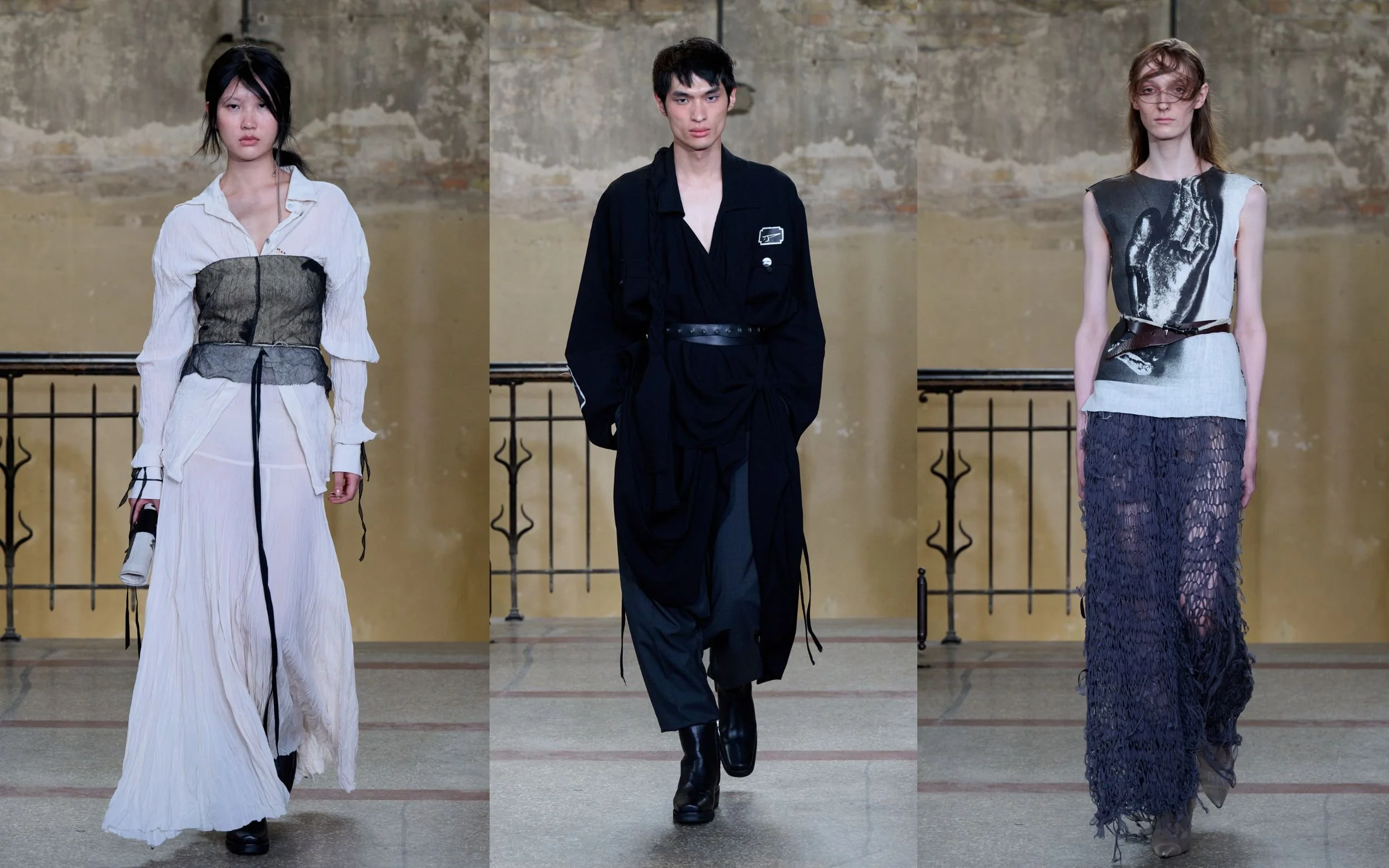
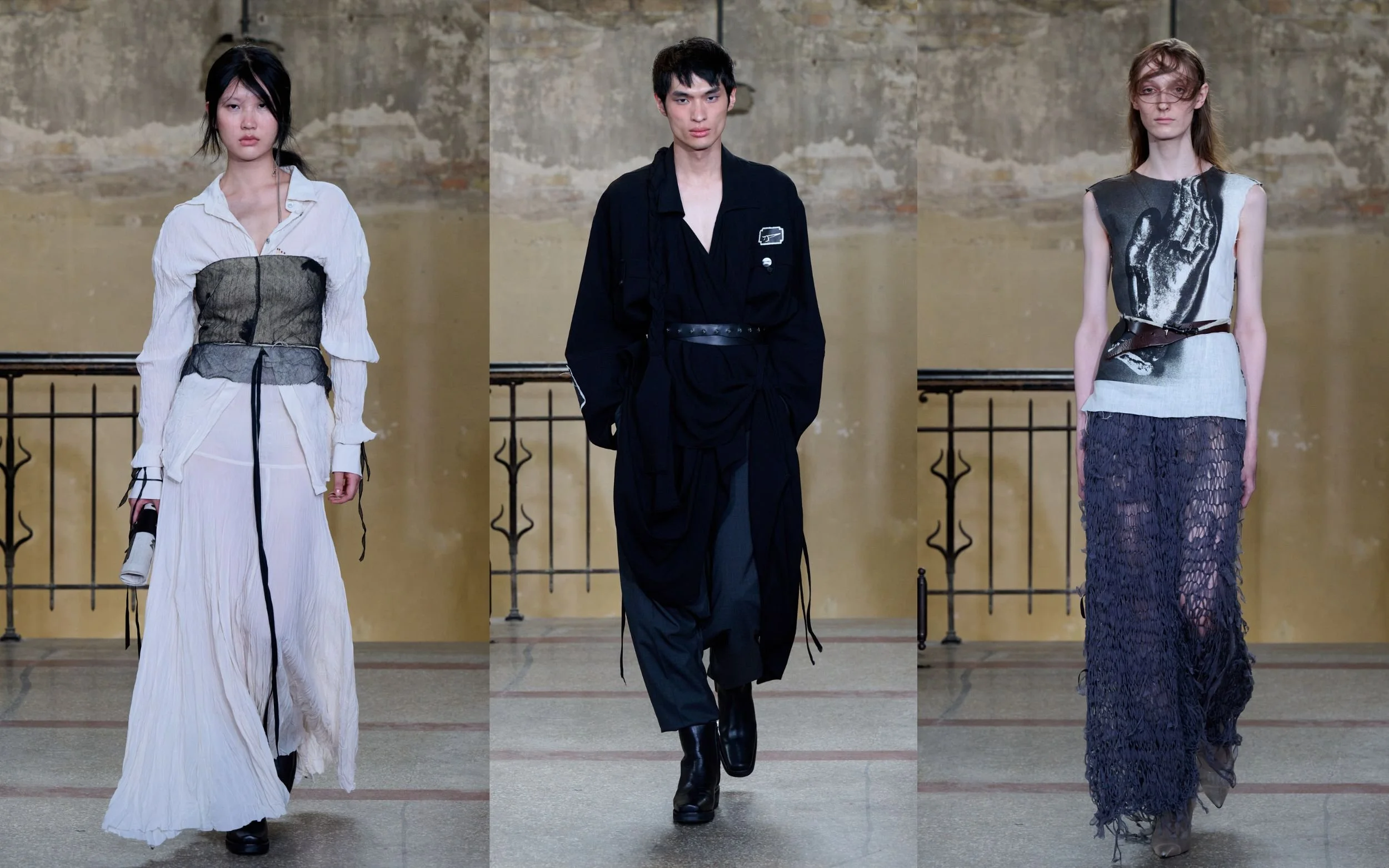
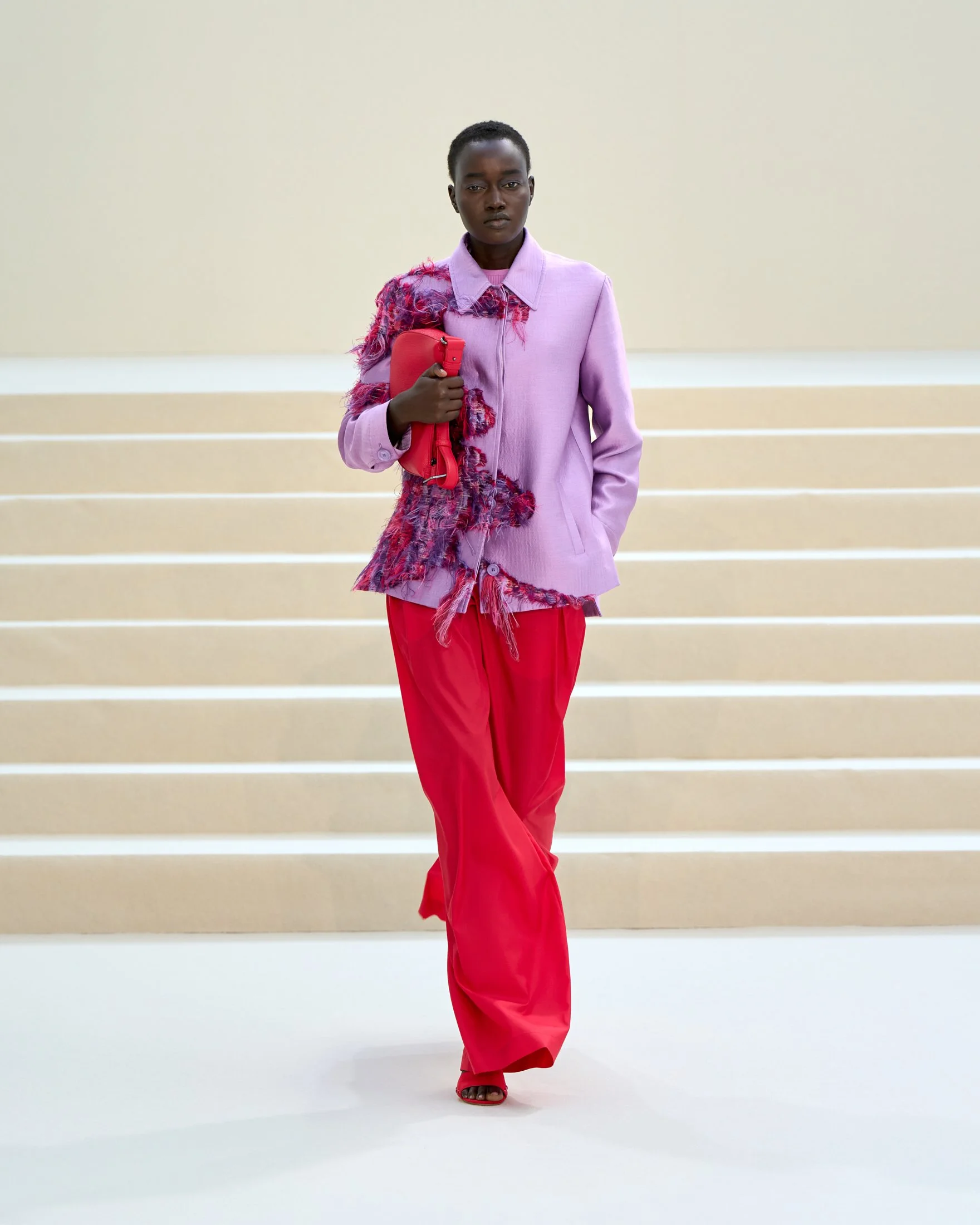
Among the season's standout collections was German-Belgian label Milk of Lime, whose fourth collection, Ashes, examined duality through both concept and construction. The title referenced opposing ideas of destruction and renewal, invoking the symbolism of the phoenix while translating those themes into garments that balanced fragility with resilience. Draped tailoring, reconstructed knitwear crafted from torn silk, crinkled surfaces and graphic cotton prints created a visual tension between romance and decay. The collection reflected the brand's continued commitment to layered storytelling, encouraging audiences to engage beyond first impressions.
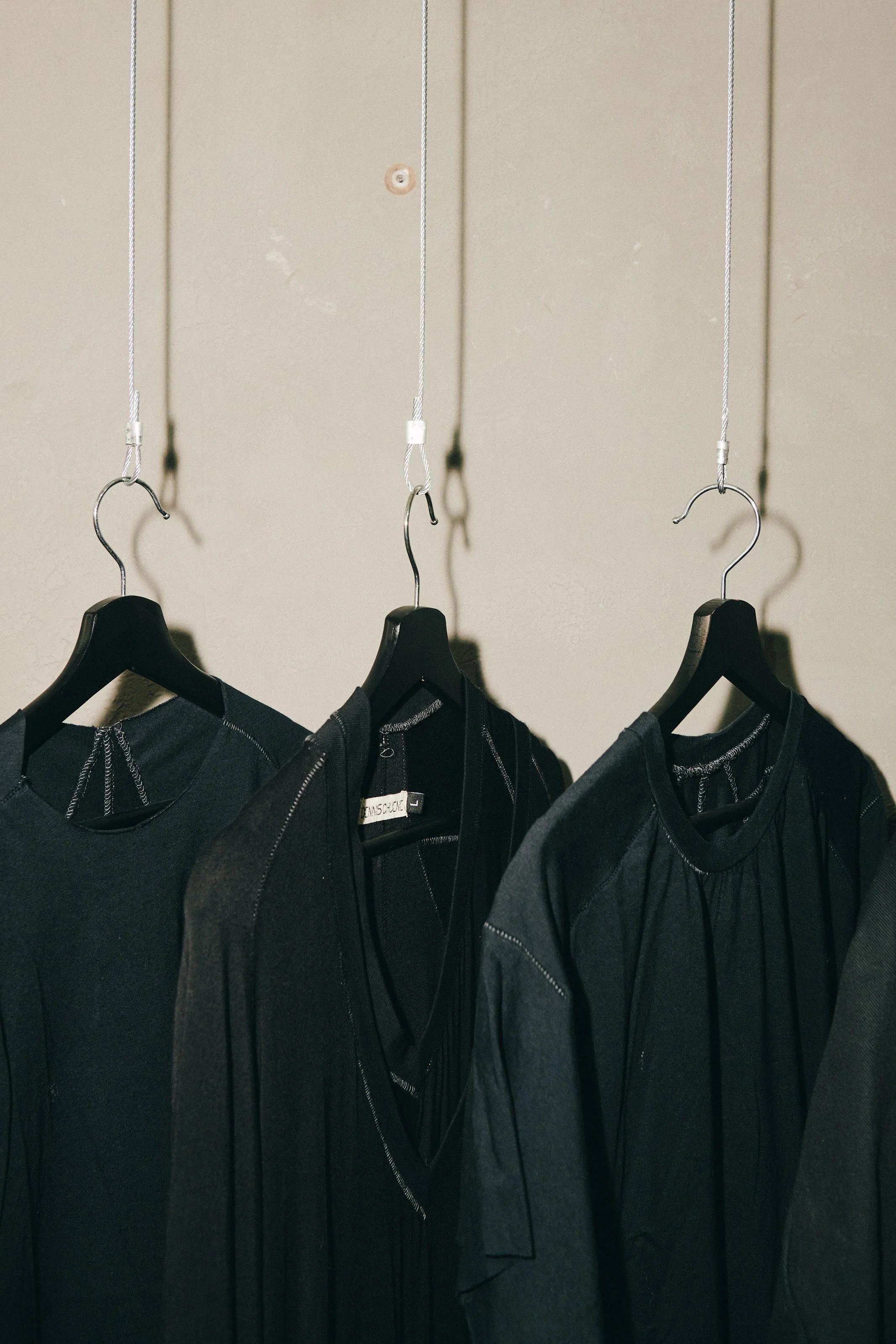
That emphasis on community extended into the city itself through designer Dennis Chuene's Studio2Retail activation, Nothing Great Is Built Alone. Transforming a 350-meter stretch of Hagelberger Straße in Kreuzberg into a collaborative cultural corridor, Chuene partnered with eight neighboring businesses and creatives to produce a series of interdisciplinary projects. Rather than viewing local retailers as competitors, the initiative positioned them as collaborators whose shared investment could generate greater cultural and economic value. At a time when independent retail continues to navigate shifting consumer habits, the project offered a compelling blueprint for localized creative ecosystems.
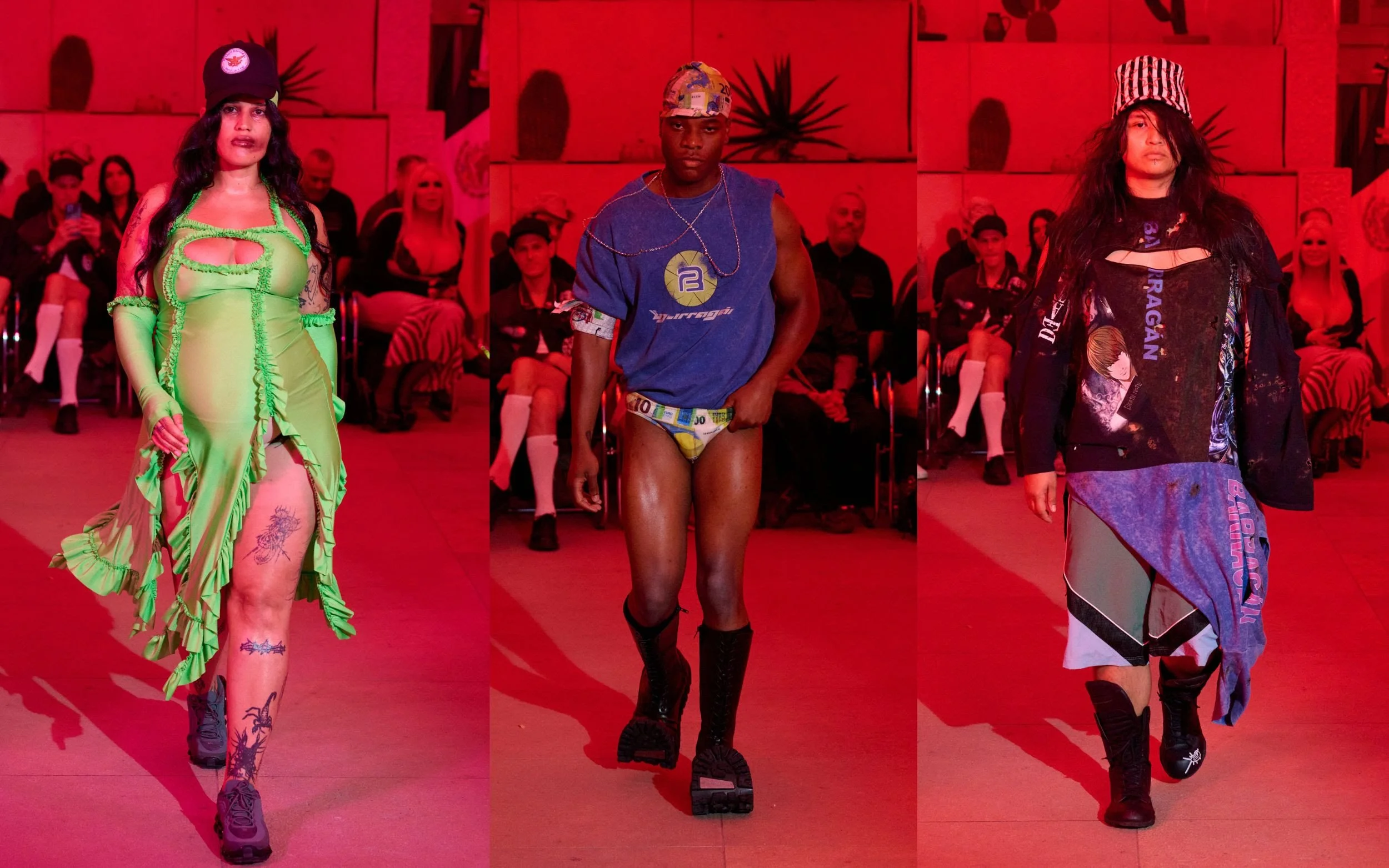
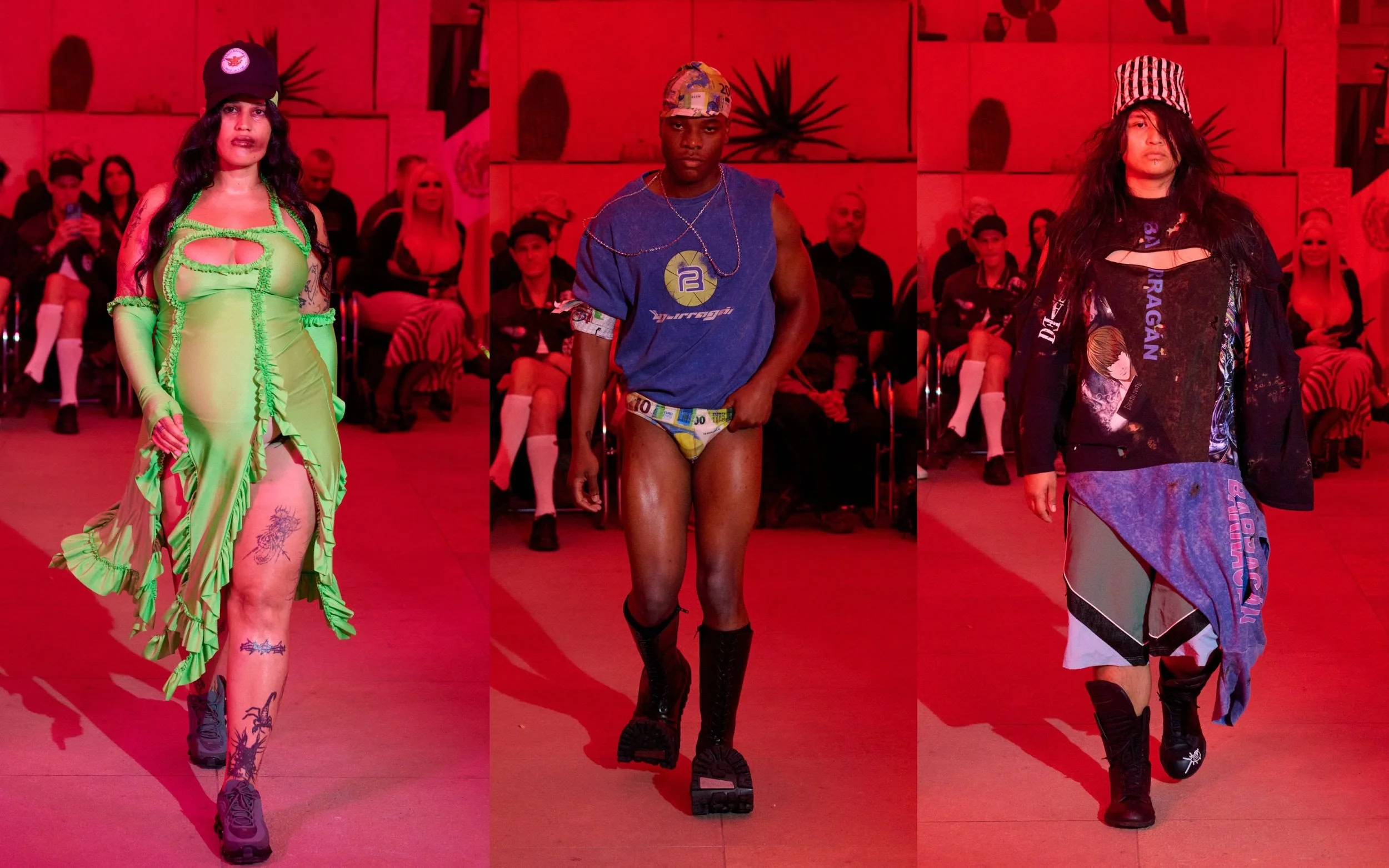
Questions surrounding migration, belonging and representation also emerged as defining themes throughout the week. Mexican label Barragán made its Berlin Fashion Week debut with a presentation at the Mexican Embassy that challenged conventional narratives surrounding identity. While the collection carried the title SS30—a speculative reference to a political future beyond the current American administration—designer Victor Barragán focused on the lived experiences of migration rather than electoral commentary. Models moved rapidly through the presentation bearing visible scars, dirt-stained garments and restrained hands, while graphic slogans confronting anti-immigrant rhetoric underscored the collection's message. Rather than presenting a singular vision of Mexican identity, Barragán argued for its complexity and resistance to external definition.
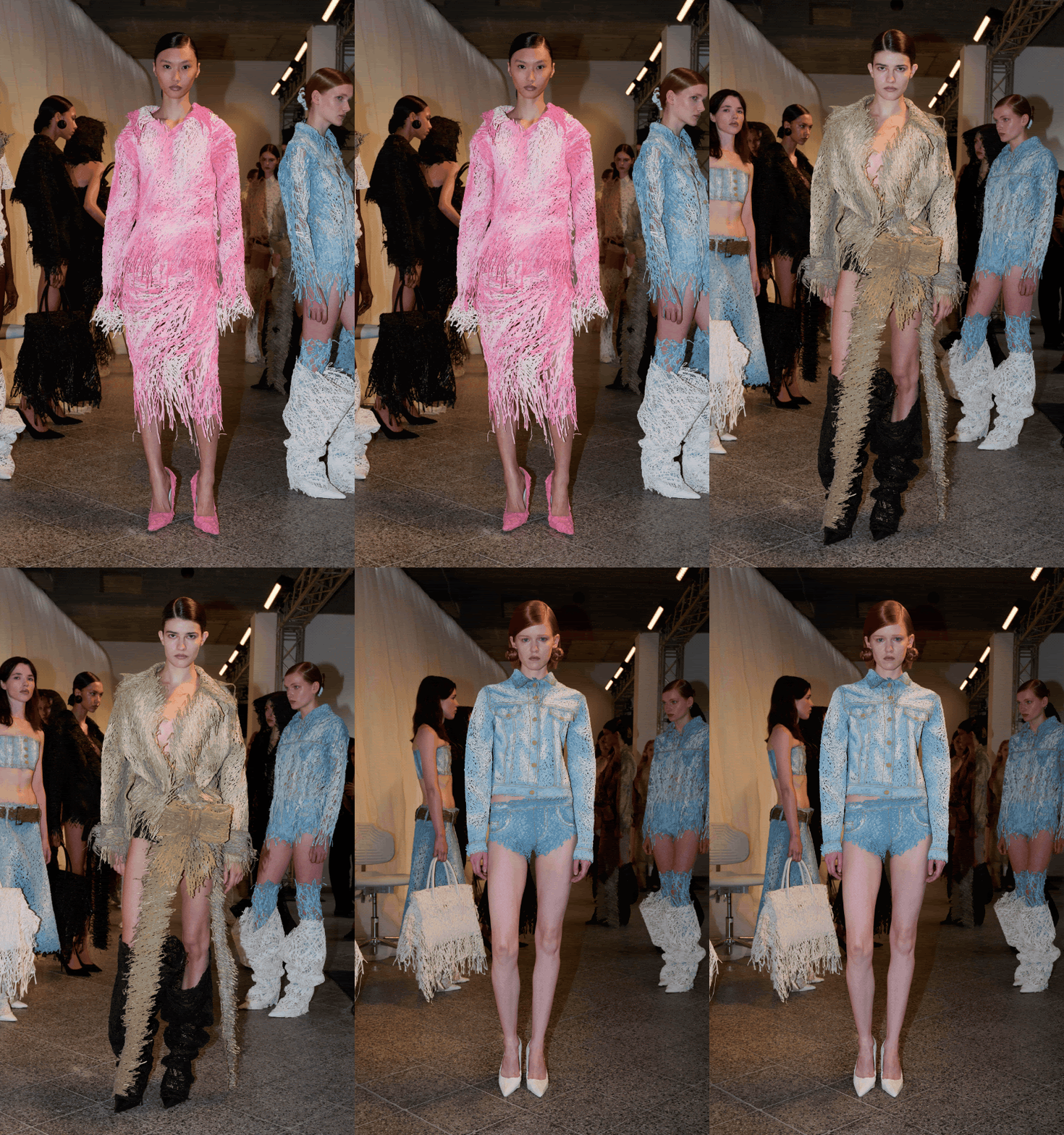
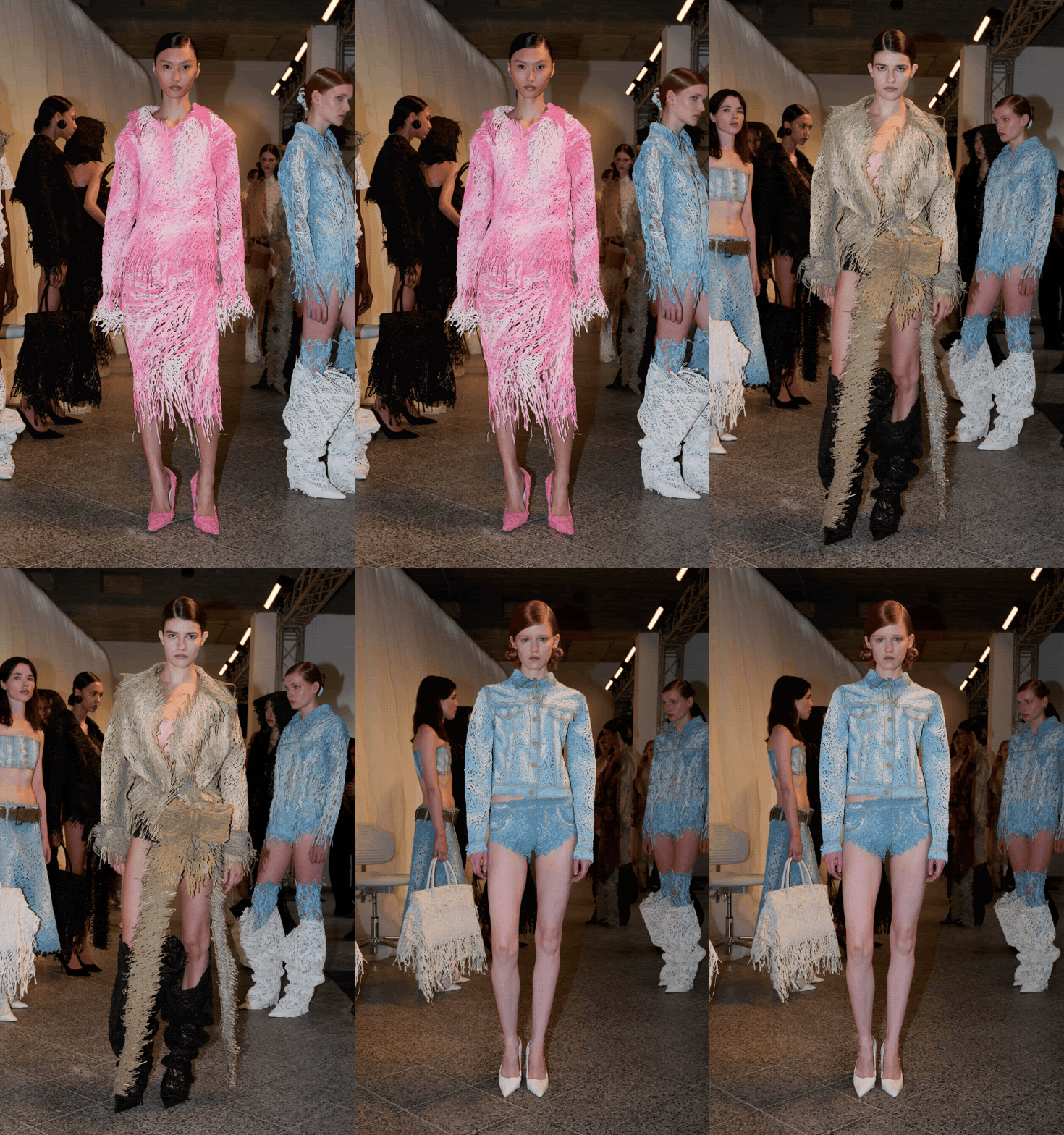
Material innovation remained another hallmark of Berlin's creative landscape. Kasia Kucharska returned exclusively to the latex casting technique that has become synonymous with her practice, reimagining familiar wardrobe staples—including denim, trench coats and knitwear—through cast latex construction. The result blurred distinctions between sculpture, fashion and performance, while an immersive installation created in collaboration with AAS:set expanded the collection into a multidimensional experience. By revisiting her signature methodology rather than pursuing novelty for its own sake, Kucharska reinforced the commercial and artistic value of mastering a distinctive design language.
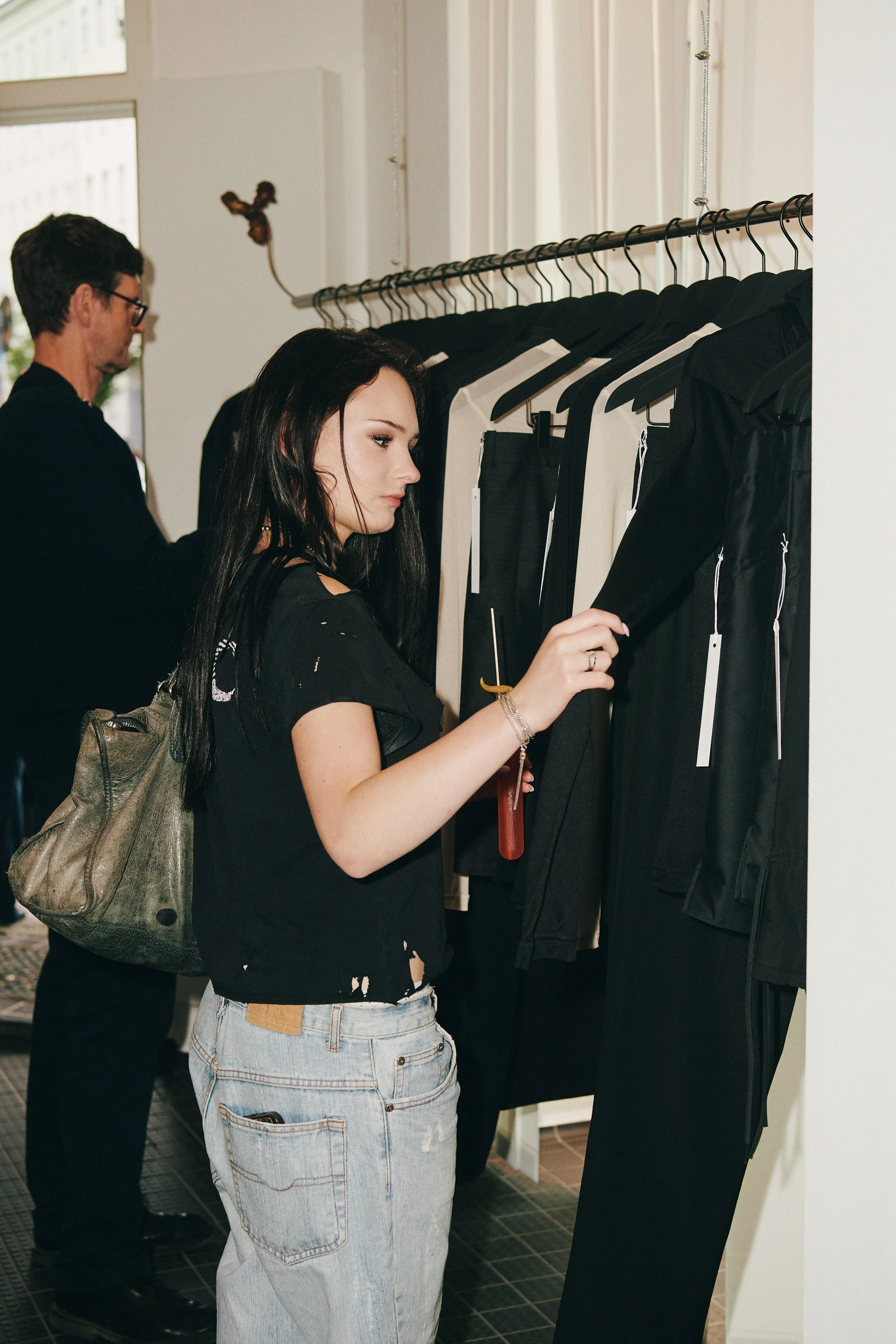
Retail itself also became part of the creative narrative. Berlin-based label Richert Beil used Studio2Retail to inaugurate its new Kreuzberg flagship with an unconventional auction format, inviting guests to bid on ten handmade one-of-one garments produced in the brand's atelier. The activation reframed fashion purchasing as participatory experience rather than transactional exchange, reflecting a broader industry movement toward exclusivity rooted in craftsmanship instead of mass scarcity.
Nature served as the emotional foundation for Rebekka Ruétz's Petrichor collection, inspired by the distinctive scent that follows rainfall on dry earth. The collection translated the anticipation of an approaching storm into layered silhouettes and atmospheric textures that reflected transformation through natural cycles. Rather than treating sustainability solely as a technical challenge, the collection positioned environmental awareness as an emotional and sensory experience, reinforcing fashion's capacity to communicate through mood as much as material.
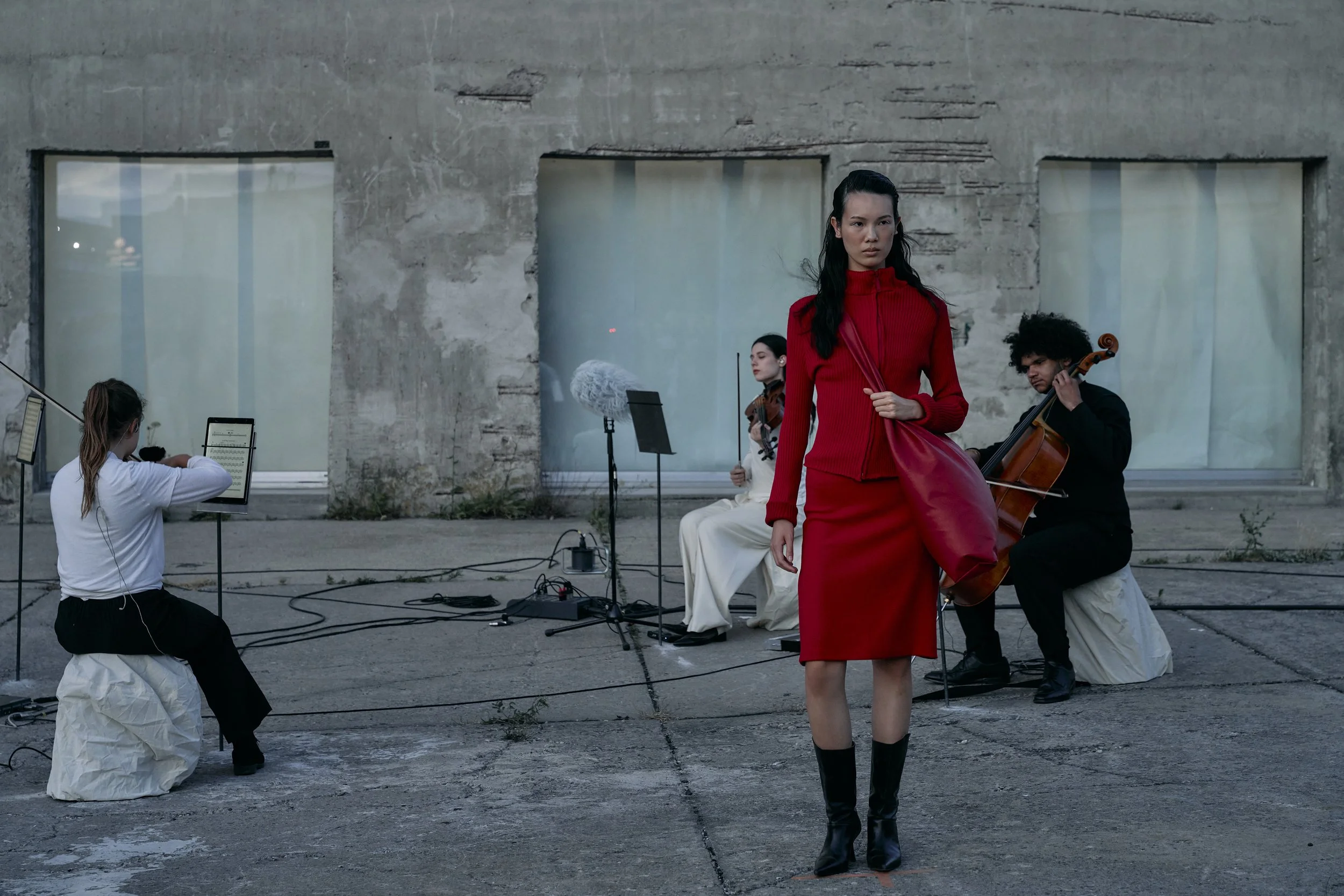
Meanwhile, Berlin label netzwerk demonstrated the city's increasingly interdisciplinary creative identity by pairing its sophomore collection with a live string quartet composed by VMS before transitioning directly into an outdoor after-party. Presented once again at San Gimignano Lichtenberg, the event reflected Berlin's unique ability to dissolve boundaries between fashion, music and nightlife, creating experiences that extend beyond traditional runway formats.
Collectively, these presentations underscored why Berlin Fashion Week occupies a distinct position within the global fashion calendar. Rather than pursuing luxury through scale or legacy, its designers continue to build influence through experimentation, cultural specificity and collaborative thinking. In an industry increasingly shaped by questions of authenticity and purpose, Berlin's greatest strength may be its willingness to prioritize conversation over convention—offering a model for how emerging fashion capitals can create impact without imitating established ones.

HOW DO YOU FEEL ABOUT FASHION?
COMMENT OR TAKE OUR PAGE READER SURVEY
Featured

Mia Rose McGrath’s Frugal Chic reframes wealth-building as an extension of personal style, arguing that financial freedom comes not from deprivation but from developing the taste, discipline and confidence to spend intentionally.