
A Complete Guide to Streetwear T-Shirts: Fits, Fabrics, and Prints
PAGE
By PAGE Editor
Why the T-Shirt Deserves More Thought Than You Give It
The t-shirt seems like the simplest piece you own, so most people barely think about it. That's a mistake. A great tee is the quiet foundation of streetwear, worn solo in summer and layered under everything else the rest of the year. So it works harder than almost any piece in your wardrobe. I've come to care more about my t-shirts than my flashier pieces, because I wear them far more often. The trouble is, tees vary hugely despite looking similar. Fabric weight, fit, and print quality all separate a tee that lasts years from one that turns thin and shapeless in a month. So the "simple" t-shirt actually rewards careful choosing. A cheap one sags at the collar, fades fast, and loses shape, while a quality one holds firm through countless washes. So knowing what to look for really pays off here. This guide breaks down every part of the streetwear t-shirt, from the cut to the cloth to the print. By the end, you'll spot a quality tee instantly and know exactly which fit and fabric suit you. So let's start with the fits, because how a t-shirt sits on your body changes everything about how it looks. Get the tee right, and the rest of your wardrobe has a solid base to build on.
The Main T-Shirt Fits in Streetwear
Fit is the first thing that shapes how a tee looks, so understanding the main cuts matters. The regular fit sits close to the body without clinging, giving a classic, versatile look that suits most people. So it's the safe all-rounder. The oversized fit runs deliberately large and boxy, with dropped shoulders and extra room, delivering that relaxed streetwear drape people love. So it's the go-to for a modern, laid-back look. A good trapstar tee usually comes in a range of fits, so you can pick the one that matches your style. Beyond those, you'll find more options. The boxy fit is shorter and wider, sitting square on the body for a bold, cropped-ish silhouette. The slim fit hugs closer all over, which works well layered under jackets or for a sharper look. Then there's the longline tee, cut longer in the body for extra length and a layered feel. So each fit creates a different vibe. I lean toward a relaxed or slightly oversized fit, because it drapes well without looking sloppy. Don't just grab your usual size blindly, since fits vary so much between styles. So check the cut before you buy. An oversized tee in your normal size will swim on you, while a slim one might feel tight. Match the fit to how you like your clothes to sit, and the tee looks intentional instead of accidental.
How to Get the Right T-Shirt Fit
Nailing the fit takes a few checks, so run through these before you buy any tee.
Shoulder seam. On a regular fit, the seam should sit near your shoulder edge. Dropped seams mean an oversized cut.
Body width. Check the chest measurement flat and compare it to a tee you already love wearing.
Length. The hem should sit around your hip. Too long looks sloppy, too short rides up when you move.
Sleeve length. Sleeves should end around mid-bicep for most fits, neither cutting in nor hanging past the elbow.
Collar. A dense, well-sewn collar holds shape, while a thin one stretches out and sags within weeks.
Run these five checks and you'll pick a tee that fits properly instead of guessing. The collar matters more than people think, since it's the first thing to sag on a cheap tee. So pay close attention there. Remember that fit and fabric interact too. A heavyweight tee in an oversized cut feels substantial, while the same cut in thin cotton drapes more loosely. So consider both together when you choose.
Understanding T-Shirt Fabrics and Weight
Fabric is what separates a tee that lasts from one that turns see-through in a month, so it deserves real attention. Cotton is the standard, prized for its softness and breathability. Many quality tees use combed or ring-spun cotton, which is smoother and stronger than basic cotton. So the type of cotton matters, not just the fact that it's cotton. Some tees add a little elastane for stretch, or polyester for durability and shape retention. So a blend can wear better than pure cotton in some cases. Weight is the biggest quality signal, often listed as GSM, meaning grams per square metre. Higher GSM means a denser, more durable tee that holds shape and doesn't go see-through. A quality heavyweight t-shirt often sits around 200 GSM or more, while thin, cheap ones drop well below. A well-made cole buxton tee leans on that heavyweight cotton, which is exactly what gives it structure and a premium feel. Here's a hands-on detail worth knowing: hold a tee up to the light, since a quality heavyweight one blocks it while a cheap thin one lets it through.
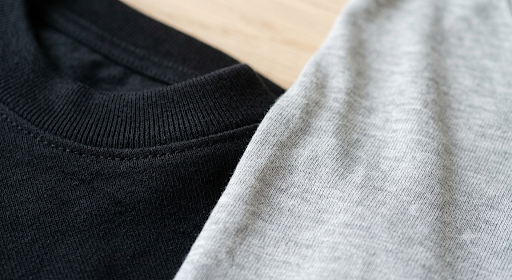
So the light test tells you a lot instantly. A heavyweight tee also keeps its shape after washing, while thin ones stretch and thin out fast. So check the weight and cotton type before you buy. Get the fabric right, and your tee stays sharp and opaque for years.
Understanding Prints and Graphics
The print is often what draws you to a streetwear tee, so knowing how to judge print quality matters. There are a few main printing methods, each with different durability. Screen printing lays ink thickly onto the fabric, giving bold, long-lasting graphics that hold up well over time. So it's the standard for quality streetwear prints. Direct-to-garment printing, or DTG, prints detailed designs straight onto the cotton, allowing complex artwork but sometimes fading faster. So DTG suits intricate designs but needs careful washing. Embroidery stitches the design into the fabric instead of printing it, giving a premium, textured, highly durable finish. So embroidered logos last longest of all. Here's what separates a quality print from a cheap one: a good print feels slightly integrated into the fabric and flexes with it, while a cheap one sits stiff on top and cracks when bent. So flex the print area in close-up photos or check reviews for cracking complaints. A quality print stays crisp through washing, while a cheap one fades, cracks, or peels within weeks. So look for crisp edges, even ink coverage, and no blurriness. One honest limitation: even a good print needs care to last, since no printing method survives hot washes and tumble drying forever. So how you wash a printed tee matters as much as the print quality itself. Check the print method and quality before buying, then care for it properly to keep it looking sharp.
Colours and Styling Your T-Shirt
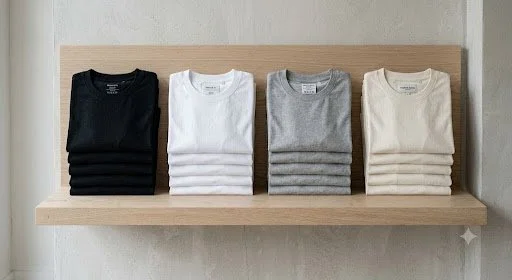
A tee's colour decides how easily it fits your wardrobe, so choose it with versatility in mind. Neutral shades like black, white, grey, and cream are the smartest core picks, because they pair with almost anything and layer cleanly. So they give you the most outfits from the fewest pieces. White especially is a streetwear staple, working solo or as a clean base layer under hoodies and jackets. So a few good white and black tees form the backbone of most wardrobes. Once neutrals are covered, add a bolder colour or a graphic tee for variety. Styling a tee is simple once you know the basics. Wear it solo with shorts or jeans in warm weather for an easy look. Layer it under an open hoodie or jacket, letting the collar and hem peek out, for depth in cooler months. So one tee works across the whole year. A neutral noneofus tee slots easily into layered looks, sitting cleanly under a matching hoodie without clashing. So neutral tees make layering effortless. Balance an oversized tee with slimmer bottoms to keep the proportions clean. I keep a stack of plain neutral tees and a few graphic ones, because that mix covers nearly every outfit. So build your tee collection around neutrals first, then add prints and colours. Get the colours right, and your tees work everywhere, solo or layered.
Caring for Your T-Shirts So They Last
A quality tee only stays quality with good care, so treat even your simplest pieces well. Start at the first wash. Wash cold, always, because hot water fades colours and prints while shrinking and thinning the cotton. Turn tees inside out first, which protects any print from rubbing against the drum and other clothes. So the print stays crisp far longer. Skip the tumble dryer where you can, since high heat shrinks tees and cracks prints fast. So air dry them instead, hanging or laying flat to hold their shape. Reshape the collar while damp, since that's where tees lose their form first. I've kept plain tees looking sharp for years doing exactly this, far longer than friends who hot-wash and tumble everything. So gentle care effectively adds years to each tee. Don't iron directly over prints either. Flip the tee or lay a cloth between the iron and the design, or the print will crack. Avoid overloading the wash too, since cramming tees in stretches and misshapes them. So wash them with a little room. Fold tees rather than hanging them long-term, because hangers stretch the shoulders and collar. These small habits cost nothing but keep your tees crisp, opaque, and well-shaped for years. So wash cold, dry gently, and protect the print. Do that, and your favourite tee outlasts several cheap ones easily.
Final Words
A great streetwear t-shirt comes down to fit, fabric, and print. Choose the cut that suits your body and style, pick heavyweight cotton that won't go see-through, and check the print method for durability. Go neutral for versatility, layer it across seasons, and care for each tee like it matters, because it does. Do all that, and the humble t-shirt becomes the hardest-working, longest-lasting foundation in your whole wardrobe.
FAQs
What GSM is good for a streetwear t-shirt?
A quality heavyweight tee often sits around 200 GSM or more. Higher GSM means denser fabric that holds shape and won't go see-through. Thin cheap tees drop well below.
What t-shirt fit should I choose?
A regular or relaxed fit suits most people and styles. Oversized gives a bold streetwear drape, while slim works under jackets. Check the cut, since fits vary a lot.
Which print method lasts longest?
Embroidery is the most durable, followed by quality screen printing. DTG allows detailed designs but can fade faster. A good print flexes with the fabric instead of cracking.
What colour t-shirts should I buy first?
Start with neutrals like white, black, grey, and cream. They pair with everything and layer cleanly. White is a staple that works solo or under hoodies and jackets.
How do I stop my t-shirt prints from cracking?
Wash cold, turn tees inside out, and skip the tumble dryer. Never iron directly over a print, and air dry instead to keep the graphic crisp and intact.
HOW DO YOU FEEL ABOUT FASHION?
COMMENT OR TAKE OUR PAGE READER SURVEY
Featured





Deep clean, seal, and protect your tile & grout in Oceanside, CA. Bring the original shine back to your floors. Request a quote today!