
Breaking the Plateau: Why the Scale Lies and How to Measure True Fat Loss
PAGE
By Finixio Digital
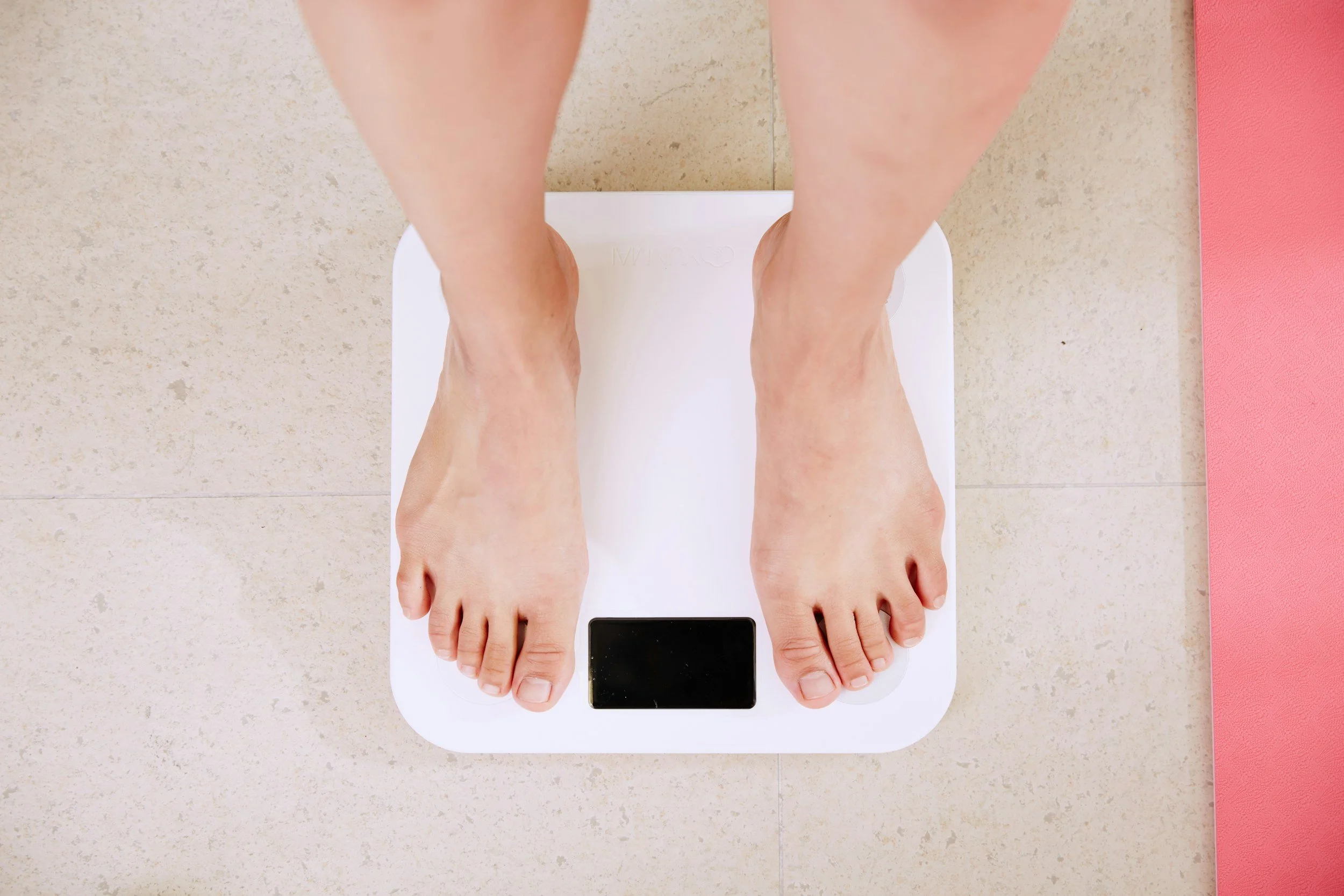
You step on the bathroom scale first thing in the morning. You hold your breath. The digital numbers blink and settle on the exact same weight as last week.
It is incredibly frustrating to stick to a strict nutrition plan, train consistently, and see absolutely zero movement on the scale. This stagnant number often makes health-conscious people want to throw their entire fitness routine out the window. The immediate assumption is that the diet is failing.
However, a stalled scale does not necessarily mean your body has stopped changing. Relying solely on a basic bathroom scale can mask true progress because it cannot differentiate between fat loss and muscle gain. You might be making incredible strides in your physical health, but you are tracking the wrong metrics.
To fix what feels like a plateau, you need to understand the mechanics of body recomposition. It is time to step away from chaotic daily scale fluctuations. By shifting your focus to true clinical data, you can reveal exactly what is happening inside your body and get your progress back on track.
Weight Loss Plateau vs. Fat Loss Plateau: What’s Actually Happening?
A weight loss plateau happens when the total number on the scale stops moving. A true fat loss plateau means your body has actually stopped burning stored adipose tissue for energy.
These two scenarios sound identical, but they are physiologically very different. Total body weight is a remarkably chaotic metric to track daily. Your total weight includes your bones, organs, muscle mass, fat mass, water volume, and even the undigested food currently sitting in your stomach.
Daily factors cause this total weight number to fluctuate wildly. If you eat a meal high in carbohydrates, your body stores that energy as glycogen in your muscle cells. Every gram of stored glycogen holds onto roughly three grams of water. This simple, healthy biological process can easily add two or three pounds to the scale overnight.
High sodium intake, physical stress from a hard workout, and poor sleep also trigger heavy water retention. This sudden water weight easily masks a pound or two of actual fat loss. Your total body weight stays completely static, yet your body composition is improving significantly right beneath the surface.
Body Recomposition: When the Scale Lies About Your Progress
This disconnect between your actual progress and the scale number is usually due to a process called body recomposition. Body recomposition is the act of losing body fat while simultaneously adding dense muscle tissue.
Muscle is significantly denser than body fat. One pound of muscle takes up much less physical space in your body than one pound of fat. If you lose three pounds of fat and gain three pounds of muscle, your scale weight stays exactly the same.
This explains why your clothes start fitting better and you look leaner in the mirror, despite the scale refusing to budge. Your waistline shrinks because the physical volume of your body is decreasing. Adding muscle also boosts your resting metabolism, making it easier to burn fat in the long run.
If you are training consistently but the scale will not move, you are likely experiencing this exact phenomenon. You need clinical-grade data to see exactly how your tissue ratios are changing. Professional medical testing allows you to read more into and accurately measure your body composition without the guesswork.
Beyond the Scale: Why Tracking Visceral Fat Saves Lives
Moving away from the bathroom scale shifts your focus from pure aesthetics to vital metabolic health. Total body weight tells you absolutely nothing about where your body stores its fat.
There is a critical difference between subcutaneous fat and visceral adipose tissue. Subcutaneous fat is the soft, pinchable tissue located right under your skin. Visceral fat is the hard, hidden fat that wraps deeply around your internal organs like your liver and intestines.
This hidden organ fat is highly dangerous. Visceral adipose tissue accumulation generates low-grade systemic inflammation, which has a high prognostic impact on all-cause mortality and cardiovascular disease. It actively releases inflammatory cytokines directly into your bloodstream, disrupting your normal metabolic functions.
You can easily sit at a completely "normal" scale weight while carrying dangerous levels of hidden visceral fat. This condition is often referred to as being "skinny fat" in the fitness community. The only way to identify and track this hidden health risk is through precise medical imaging.
How to Stop Guessing and Get Clinical-Grade Data
The ultimate solution for measuring true fat loss and metabolic health accurately is a DEXA body composition scan. DEXA stands for Dual-Energy X-ray Absorptiometry.
It is considered the clinical gold standard for measuring tissue density. A low-radiation DEXA scan offers a precise one to two percent margin of accuracy. It maps your exact bone mass, lean muscle tissue, and fat distribution in just a few minutes while you lie comfortably on a scanning bed.
Unlike a basic scale, a DEXA scan provides regional segmental analysis. This means it breaks down your body composition by specific areas like your arms, legs, and trunk. This detailed breakdown uncovers muscular imbalances and localized risk factors that a home scale could never detect. It tells you exactly how many pounds of dangerous visceral fat sit inside your abdomen.
For the absolute best results, you should pair a DEXA scan with Resting Metabolic Rate (RMR) testing. An RMR test measures the exact number of calories your body burns at rest by analyzing the oxygen you consume and the carbon dioxide you produce.
Combining these two clinical tests provides the exact daily caloric burn numbers you need. You can use this concrete, personalized data to create a foolproof, tailored nutrition plan designed specifically to break through any stubborn plateau.
Conclusion
A stagnant bathroom scale does not automatically mean your fitness plan has stopped working. Total body weight is simply too chaotic to reflect the hard work you put in at the gym or in the kitchen.
Consumer smart scales provide deeply flawed data that can easily mislead your health decisions. Clinical methods are the only true way to reveal the facts about your muscle gain, water retention, and dangerous visceral fat levels.
HOW DO YOU FEEL ABOUT FASHION?
COMMENT OR TAKE OUR PAGE READER SURVEY
Featured





Finding the right job in human resources or recruitment can take time, especially when you're searching online.