
Building a Bedroom Around a King Size Memory Foam Mattress Without Losing Its Style
PAGE
By PAGE Editor
A king-size bed can become the natural centre of a bedroom, offering generous sleeping space while setting the tone for the rest of the room. Yet its size also creates a design challenge. If the bed dominates the floor plan, there may be less room for bedside tables, comfortable walking paths, decorative pieces, and the small details that make a bedroom feel inviting rather than crowded.
Choosing a king size memory foam mattress is therefore about more than upgrading sleeping space. The mattress needs to work with the room's proportions, the bed frame, the colour palette, and the everyday routines of the people using it. With a little planning, a spacious bed can feel like an intentional design feature instead of an obstacle around which everything else must fit.
Start With the Room, Not the Furniture Catalogue
Before choosing a headboard, bedside tables, or decorative lighting, measure the bedroom and identify how people move through it. A standard king mattress measures 76 inches wide and 80 inches long, although the complete bed frame will usually occupy more space. Headboards, footboards, and projecting legs can add several inches to the overall dimensions.
Marking out the proposed bed footprint with painter's tape can help you understand how much floor space will remain. Open the wardrobe doors, account for drawers that pull outward, and consider the route between the bedroom door and the bed. These practical details are easy to overlook when looking at furniture online, but they determine whether the finished room feels comfortable to use.
Give the bed enough visual breathing room
A large bed does not need to fill every available part of the room to look impressive. Leaving visible floor space around it helps the furniture feel balanced and makes the bedroom easier to navigate. If the room is relatively narrow, a simple frame with clean lines may work better than a bulky design with an oversized footboard.
Where possible, position the bed so it has a clear relationship with the room's main architectural features. A central wall, a window arrangement, or a balanced pair of bedside tables can create a natural focal point. However, avoid blocking windows, heating equipment, or important walking routes simply to achieve perfect symmetry.
Build a Colour Palette That Makes a Large Bed Feel Inviting
Colour can help a king-size bed blend into the room or stand out as its main feature. Light neutrals, warm whites, soft beige, and muted grey can create a calm foundation. Darker colours, such as forest green, navy, or charcoal, can add depth when balanced with lighter bedding, natural textures, or well-placed lighting.
There is no need to make every item match exactly. In fact, a bedroom often feels more considered when several related shades work together rather than when the sheets, curtains, rug, and furniture all have identical colours. A cream duvet, a textured taupe throw, and wooden furniture, for example, can create variety while maintaining a cohesive appearance.
Choose Bedding That Fits the Mattress and the Design
Bedding has a practical role as well as a decorative one. A king mattress needs sheets designed for its dimensions and depth, and the fitted sheet must accommodate the mattress thickness. A sheet that is too small may pull loose at the corners, while one that is too large can bunch beneath the sleeper.
Measure the mattress, including its depth, before buying fitted sheets or mattress protectors. If the mattress has a pillow-top surface or a substantial comfort layer, check the product dimensions rather than assuming that every king-size sheet will fit in the same way. Bedding that fits properly creates a smoother appearance and makes daily bed-making easier.
A duvet or comforter should also be large enough to cover the bed attractively. Some people prefer a generous overhang on both sides, while others like a neater finish that reveals more of the frame. Either approach can work, provided the bedding is proportionate to the mattress and does not drag excessively on the floor.
Make Mattress Construction Part of the Comfort Plan
The visual appeal of a bedroom matters, but the mattress still needs to suit the people sleeping on it. Memory foam is known for contouring to the body, which can create a close, cushioned feel. Different foam formulations and layer arrangements produce different levels of firmness, pressure relief, and responsiveness, so the overall construction deserves attention alongside appearance.
For a large bed shared by two people, movement is another consideration. Some memory foam designs absorb movement well, which may reduce how much one sleeper notices when the other changes position. However, comfort remains personal, and a mattress that feels supportive to one person may feel too soft or too firm to someone else.
How Mattress Construction Influences Bedroom Comfort
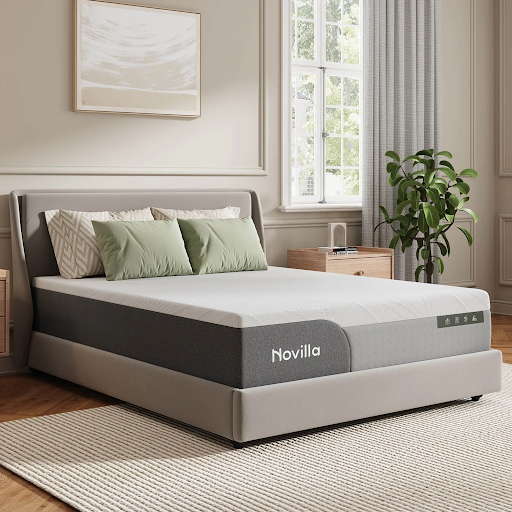
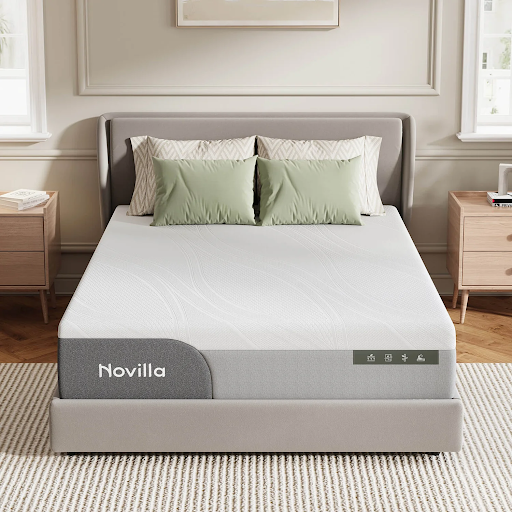
The Novilla ErgoChill Memory Foam Mattress is one option for a bedroom where a streamlined bed design and everyday comfort are both priorities. Its product page describes breathable memory foam, pressure-relieving comfort, adaptive support, and motion isolation. It is available in 10-, 12-, and 14-inch thicknesses and includes a king-size option measuring 76 by 80 inches. These choices make it possible to consider how mattress height will work with the frame and headboard rather than treating the mattress as a separate purchase. Before choosing a thickness, check the frame's compatibility requirements and consider the finished bed height, particularly if you want the mattress and headboard to look proportionate together.
Keep Storage and Everyday Movement in Mind
A bedroom can look beautiful in photographs but feel inconvenient when daily routines begin. A king bed may leave less room for dressers, laundry baskets, reading chairs, or storage cabinets, especially in a modest-sized room. The most effective design decisions account for these everyday needs from the beginning.
If floor space is limited, consider bedside tables with drawers instead of bulky cabinets. Wall-mounted shelves can provide a place for books or small essentials without occupying the floor. Under-bed storage may also be useful, provided the frame design allows access and the stored items do not interfere with ventilation or cleaning.
One practical way to assess the layout is to make a short checklist before buying additional furniture:
Measure the complete bed frame, not only the mattress.
Check that wardrobe doors and room entrances can open fully.
Leave comfortable walking space around the bed where the layout permits.
Choose bedside furniture that fits the available width.
Decide where everyday items, laundry, and spare bedding will be stored.
These simple checks help prevent a common design mistake: buying attractive pieces first and then discovering that there is nowhere convenient to put them.
Pair the Headboard With the Right Wall Treatment
The wall behind a king bed offers an opportunity to create a focal point without adding more furniture. A different paint colour, subtle wallpaper, wood panelling, or a carefully arranged collection of artwork can give the bed a defined place within the room. The best choice depends on the style of the frame and the amount of visual detail already present.
For example, a natural wood headboard can look appealing against a muted green or warm white wall. An upholstered frame may pair well with textured paint or understated artwork. If the headboard already has a strong pattern or distinctive shape, keeping the wall relatively simple can allow its design to stand out.
Lighting helps complete the arrangement. Bedside lamps provide practical light for reading, while wall-mounted fixtures can free up table space. Warm lighting often creates a relaxed atmosphere in the evening, but make sure the placement is useful for both sleepers and does not produce unwanted glare.
Select a Frame That Supports Both Style and Function
Once the mattress dimensions and room layout are clear, choosing the frame becomes easier. A wood bed frame with headboard can suit a range of interiors, from traditional bedrooms with warm finishes to contemporary spaces that rely on natural materials. The right design should complement the mattress size while providing a suitable foundation and a comfortable arrangement for the room.
Wooden frames can bring visible grain and a sense of permanence to a bedroom. Upholstered options introduce softness, while metal designs can create a lighter, more industrial look. Rather than choosing solely by appearance, check the support structure, mattress compatibility, assembly requirements, and available space beneath the bed.
It is also important to confirm that the selected frame is designed for a king mattress. A frame that is too small can leave the mattress unsupported, while an oversized structure may create awkward gaps or make the bed look disconnected from the rest of the furniture. Dimensions and support requirements should guide the decision before colour and decorative details.
Finish the Room With a Few Intentional Details
Accessories can make a bedroom feel personal, but a large bed already provides a substantial visual feature. Instead of filling every surface, choose a few items that serve a purpose or contribute something meaningful to the design. A textured throw, a small plant, a favourite artwork, or a comfortable reading lamp may be enough to make the space feel complete.
Rugs can help anchor the bed and soften the area around it. In a larger bedroom, a rug extending beyond the sides and foot of the bed can connect the furniture visually. In a smaller room, a narrower rug or runners beside the bed may provide a similar effect without taking up too much floor space.
Keep maintenance in mind as well. Surfaces that are easy to clean, bedding that can be washed regularly, and accessible areas beneath the furniture make the room easier to maintain. A bedroom should support daily life rather than require constant rearranging to remain attractive.
A Spacious Bed Can Still Create a Balanced Bedroom
Designing around a king-size memory foam mattress does not mean sacrificing style or usable space. The key is to treat the bed as part of a complete room rather than an isolated purchase. Measuring carefully, selecting a proportionate frame, coordinating colours and textures, and choosing practical storage can help create a bedroom that feels both spacious and comfortable.
The most successful arrangement balances appearance with everyday use. A well-matched headboard, properly fitted bedding, thoughtful lighting, and clear walking paths can make even a large bed feel integrated into its surroundings. With these details considered before buying furniture, a king-size mattress can become the foundation of a bedroom that looks intentional, functions well, and feels welcoming at the end of the day.
HOW DO YOU FEEL ABOUT FASHION?
COMMENT OR TAKE OUR PAGE READER SURVEY
Featured





Discover why time, privacy, and control now define luxury travel, and how private aviation creates a calmer, more intentional journey for people today.