
Can You File a Car Accident Claim If the Crash Happened in a Parking Garage in Boynton Beach?
PAGE
By PAGE Editor
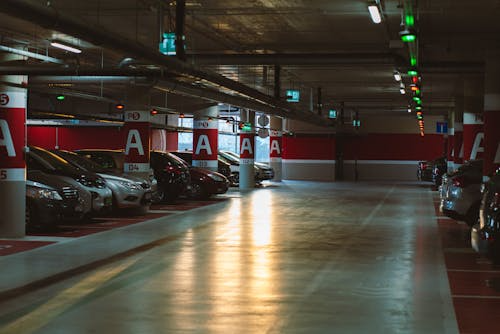
A parking garage crash can feel odd because the setting looks controlled. Cars move slowly. Drivers are usually looking for spaces, not expecting a hard impact. Then a vehicle backs out without warning, a driver cuts across a lane, or a pedestrian appears from between parked cars.
That confusion can follow you long after the noise stops. Who had the right of way? Was the other driver going too fast? Did poor lighting or a blind corner play a role? These questions matter because personal injury lawyers in Florida often need to study the facts before fault becomes clear.
The short answer is yes, a claim may be possible after a crash in a Boynton Beach parking garage. The key is proving how it happened, who acted carelessly, and what losses came from the collision.
Why Garage Crashes Are Harder to Read
Parking garages are tight by design. Drivers deal with ramps, concrete columns, sharp turns, narrow lanes, parked vehicles, and people walking to and from elevators. A small mistake can become serious because there is little space to correct it.
A parking garage accident claim may involve issues that do not appear in a normal road crash. Someone may have ignored a stop sign, backed out too quickly, turned the wrong way, or failed to yield near a ramp. In other cases, the garage itself may have poor lighting, faded arrows, or blocked mirrors.
Fault depends on the details. A slow speed does not mean no one was hurt, and a confined space does not remove a driver’s duty to be careful.
The Small Facts That Point to Fault
A Boynton Beach car accident inside a garage often turns on what each person could see and what each person should have done. A driver backing out of a parking space should check carefully. A driver moving through a lane should travel slowly enough to stop if someone steps out or another car appears.
Investigators may look at vehicle damage, skid marks, final positions, traffic arrows, signs, and witness accounts. If one driver was going against the posted flow of traffic, that may matter. If another driver failed to pause before reversing, that may matter too.
Fault is not always placed on one person. Florida uses a modified comparative fault rule in many negligence cases. If responsibility is shared, the percentage assigned to each party can affect the amount recoverable.
When the Garage Condition Becomes Part of the Case
Sometimes the problem is not limited to the drivers. Parking garage liability may arise when property conditions contributed to the crash.
Poor lighting can make it hard for pedestrians to see. A broken convex mirror can hide traffic around a corner. Missing signs can create confusion about direction. A slick surface, faulty gate, or blocked lane can push drivers into unsafe movements.
A claim against a property owner usually requires proof that the condition existed and contributed to the crash. It may also require showing that the owner or operator knew about the hazard, or should have known about it, and failed to address it in a reasonable time.
Video Can Change the Conversation
Parking garages often have cameras, but that does not mean the footage will be saved forever. Some systems overwrite recordings within days. Others may not cover the exact angle of the crash.
Surveillance footage can show speed, direction, braking, pedestrians, traffic flow, and whether a driver stopped before moving. It can also support or challenge what people say happened.
This is why early action matters. Asking about cameras soon after the accident may help preserve evidence before it disappears. Photos from your phone can also help if the video is limited or unavailable.
Evidence Worth Saving Right Away
The minutes after a crash can be stressful, but a few simple steps may help later if you can take them safely.
Useful accident evidence may include photos of the vehicles, parking lines, signs, ramps, lights, mirrors, nearby cameras, and visible injuries. It can also include witness names, medical records, repair estimates, insurance letters, and any incident report created by garage security or property management.
Medical Care Still Matters After a Low Speed Impact
People sometimes delay care because the crash happened in a garage and seemed minor. That can be a mistake. Neck pain, back pain, shoulder injuries, headaches, knee injuries, and injuries from pedestrian falls may become clearer hours or days later.
Florida’s personal injury protection law includes timing rules for medical care after a motor vehicle accident. Getting checked soon after the crash can protect your health and create a record that connects the injury to the accident.
What to Do Before the Scene Changes
Garages change quickly. Vehicles move. Witnesses leave. Security staff may clean the area. Lighting may look different later in the day.
If it is safe, take photos before anything changes. Write down the level, row, nearby signs, and direction each vehicle was moving. Ask for the property manager’s contact information. Report the crash to the police when appropriate and notify your insurer.
Avoid guessing when speaking about fault. Say what you know, not what you assume. Clear facts are more useful than rushed explanations.
Conclusion
A parking garage crash in Boynton Beach may lead to a claim, but it may require a close review of visibility, traffic flow, right-of-way, property conditions, video, witnesses, and medical records. These cases often depend on evidence that can disappear quickly.
If you were injured and need help understanding what may come next, speaking with personal injury lawyers in Florida can help you review the facts. FK Legal can listen to what happened and explain what options may be available.
HOW DO YOU FEEL ABOUT FASHION?
COMMENT OR TAKE OUR PAGE READER SURVEY
Featured




Having a friends with benefits relationship is a great idea, if you find the right person for it.