
Complete Guide to Lawn Care for a Healthy, Green, and Well-Maintained Outdoor Space
PAGE
By PAGE Editor
Introduction to Modern Lawn Maintenance Practices
Maintaining a healthy and visually appealing outdoor space requires consistent effort proper techniques and an understanding of how grass soil water and seasonal changes interact to influence growth and overall appearance and a well maintained lawn is not only important for aesthetic value but also contributes to environmental balance improved air quality and a more comfortable outdoor living experience and in today’s world where outdoor spaces are increasingly used for relaxation recreation and social activities structured lawn care has become an essential part of property maintenance for homeowners businesses and public spaces alike and it involves a combination of mowing watering fertilizing aeration and pest control practices that work together to ensure the grass remains healthy strong and visually attractive throughout the year while also preventing common issues such as weed growth patchiness and soil degradation
Understanding the Importance of Healthy Turf Management
Healthy grass does not happen by chance but is the result of consistent attention and proper management practices that support root development nutrient absorption and moisture retention and lawn care plays a central role in achieving this balance by ensuring that the soil remains fertile and well aerated while also receiving the right amount of water and nutrients at the correct intervals and when these factors are properly managed the grass develops deeper roots stronger blades and improved resistance to environmental stress such as heat drought or heavy foot traffic and this makes the lawn more durable and visually appealing while reducing the need for excessive corrective maintenance over time
Mowing Techniques and Grass Health
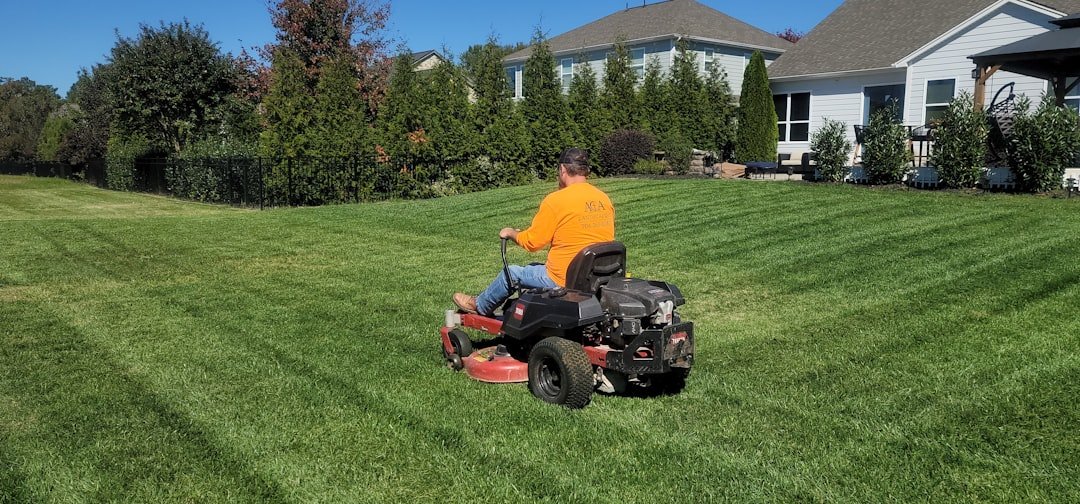
One of the most important aspects of maintaining a healthy lawn is regular mowing which helps control grass height encourages even growth and prevents weeds from spreading and however mowing is not just about cutting grass but about cutting it at the correct height and frequency because cutting too short can weaken the grass and expose soil to sunlight leading to weed growth and moisture loss while cutting too infrequently can result in uneven growth and a messy appearance and proper lawn care includes following mowing practices that support healthy growth cycles and ensure that the grass remains dense and resilient throughout changing seasons
Watering Practices for Sustainable Growth
Water is essential for all plant life and grass is no exception but improper watering techniques can do more harm than good and overwatering can lead to shallow root systems fungal growth and soil compaction while underwatering can cause dryness browning and weakened grass structure and effective lawn care requires a balanced watering schedule that delivers moisture deeply and consistently allowing roots to grow stronger and reach deeper into the soil and this not only improves drought resistance but also enhances overall lawn durability and appearance over time
Soil Health and Nutrient Management
The foundation of any healthy lawn lies in the quality of the soil which provides essential nutrients that support grass growth and development and soil that is lacking in nutrients or poorly structured can lead to weak patchy grass that struggles to thrive and maintaining proper soil health involves regular fertilization organic matter enrichment and soil testing to ensure that nutrient levels remain balanced and suitable for healthy growth and lawn care practices often include applying fertilizers at specific times of the year to replenish lost nutrients and support consistent growth patterns that keep the lawn lush and green
Weed Control and Prevention Strategies
Weeds are one of the most common challenges in maintaining a healthy lawn because they compete with grass for nutrients water and sunlight and if left unmanaged they can quickly spread and disrupt the uniform appearance of the lawn and effective lawn care involves both preventive and corrective measures including proper mowing fertilization and the use of safe weed control methods that target unwanted plants without damaging the surrounding grass and maintaining a thick healthy lawn is one of the best natural defenses against weed growth because dense grass leaves little room for weeds to establish themselves
Pest and Disease Management in Lawns
Lawns can also be affected by various pests and diseases that damage grass blades roots and soil structure leading to discoloration thinning and uneven growth and common issues include insect infestations fungal infections and bacterial diseases that can spread quickly if not addressed and effective lawn care includes regular monitoring of grass health early detection of problems and timely treatment using appropriate methods to prevent further damage and maintaining proper soil drainage and avoiding overwatering can also help reduce the risk of disease development
Seasonal Maintenance and Adaptation
Different seasons bring different challenges for lawn maintenance and understanding how grass responds to temperature changes rainfall and sunlight variations is essential for effective long term care and during warmer months lawns may require more frequent watering and mowing while cooler seasons may focus more on nutrient replenishment and preparation for dormancy and lawn care strategies must be adapted throughout the year to ensure that the grass remains healthy and resilient regardless of environmental conditions and seasonal adjustments play a key role in maintaining consistent lawn quality over time
Aeration and Soil Improvement Techniques
Soil compaction is a common issue that can restrict root growth limit water absorption and reduce nutrient availability and aeration is a process that helps alleviate this problem by creating small openings in the soil that allow air water and nutrients to penetrate more effectively and this improves root development and overall grass health and incorporating aeration into regular lawn care practices ensures that the soil remains loose fertile and capable of supporting strong and healthy turf growth especially in high traffic areas where soil compaction is more likely to occur
Importance of Regular Lawn Maintenance
Consistency is one of the most important factors in achieving a healthy and attractive lawn because irregular maintenance can lead to uneven growth increased weed presence and overall decline in grass quality and regular lawn care ensures that all essential practices including mowing watering fertilizing and pest control are performed at appropriate intervals to maintain balance and promote continuous healthy growth and this ongoing attention helps prevent major issues from developing and keeps the lawn looking vibrant and well maintained throughout the year
Residential and Commercial Applications
Lawn maintenance is important in both residential and commercial settings where outdoor appearance plays a significant role in property value aesthetics and user experience and in residential spaces a well maintained lawn provides a comfortable environment for relaxation and recreation while in commercial spaces it contributes to a professional and welcoming appearance that enhances customer perception and overall brand image and in both cases structured lawn care practices ensure that outdoor spaces remain clean attractive and functional throughout the year
Environmental Benefits of Healthy Lawns
Well maintained lawns offer several environmental benefits including improved air quality reduced soil erosion better water absorption and natural cooling effects that help reduce surrounding temperatures and healthy grass also supports biodiversity by providing habitats for small organisms and contributing to ecological balance and effective lawn care ensures that these environmental benefits are maximized by maintaining strong healthy grass that can perform these functions efficiently while also enhancing the beauty of outdoor spaces
Cost Efficiency and Long Term Value
Investing time and effort into regular lawn maintenance can lead to significant long term savings by preventing costly repairs replacements or intensive restoration work that may be required if the lawn becomes neglected and proactive lawn care helps maintain consistent quality and reduces the need for expensive corrective treatments while also increasing property value and improving overall curb appeal making it a worthwhile investment for both homeowners and property managers
Planning and Maintenance Strategies
Successful lawn maintenance requires careful planning and a clear understanding of the specific needs of the grass type soil conditions and environmental factors affecting the area and by developing a structured maintenance plan that includes scheduled mowing watering fertilization and seasonal adjustments lawn care becomes more efficient and effective and this planned approach ensures that all aspects of lawn health are addressed consistently resulting in a stronger more resilient and visually appealing outdoor space
Conclusion
In conclusion maintaining a healthy and attractive lawn requires a combination of proper techniques consistent effort and a clear understanding of how different factors influence grass growth and development and structured lawn care practices provide the foundation for achieving long lasting results by ensuring that soil water nutrients and maintenance activities are properly balanced and when applied consistently these practices not only enhance the visual appeal of outdoor spaces but also improve environmental quality increase property value and create more enjoyable and functional living environments making lawn maintenance an essential part of responsible property management and sustainable outdoor living practices
HOW DO YOU FEEL ABOUT FASHION?
COMMENT OR TAKE OUR PAGE READER SURVEY
Featured




BAPE® brings its streetwear legacy into the ring with UNDEFEATED’s wrestling-inspired Fall/Winter 2026 collection while expanding its design vocabulary through the TYPE 10 BAPEX®, an automatic timepiece that translates the brand’s signature camouflage into contemporary watchmaking.