
Complete Guide to Professional Asphalt Repair for Long-Lasting Surfaces
PAGE
By PAGE Editor
Asphalt surfaces are widely used for driveways, parking lots, roadways, and walkways because they offer strength, affordability, and long-term performance. However, even the most durable asphalt is exposed to constant pressure from traffic, weather changes, UV rays, water penetration, and natural aging. Over time, these factors lead to cracks, potholes, fading, and surface deterioration. Without timely maintenance, small issues can quickly turn into costly structural damage. This is where professional Asphalt Repair plays a critical role in restoring safety, durability, and appearance.
A well-maintained asphalt surface not only improves functionality but also extends the overall lifespan of the pavement. Understanding how asphalt damage develops, how repairs are carried out, and why professional services matter helps property owners make informed decisions that protect their investment.
Understanding Why Asphalt Surfaces Deteriorate
Asphalt is designed to be strong and flexible, but it is not permanent. Continuous exposure to environmental and mechanical stress gradually weakens its structure.
One of the main causes of damage is water infiltration. When rainwater seeps into small cracks, it can reach the base layers beneath the asphalt. This weakens the foundation and leads to expansion of cracks and formation of potholes over time.
Temperature changes also play a major role. Asphalt expands in hot weather and contracts in cold weather. Repeated cycles of expansion and contraction create stress within the surface, leading to cracking and surface fatigue.
Heavy traffic loads, especially from trucks and commercial vehicles, increase pressure on the pavement. Oil spills, chemical exposure, and poor drainage systems further accelerate deterioration, making regular maintenance essential.
What Is Professional Asphalt Repair?
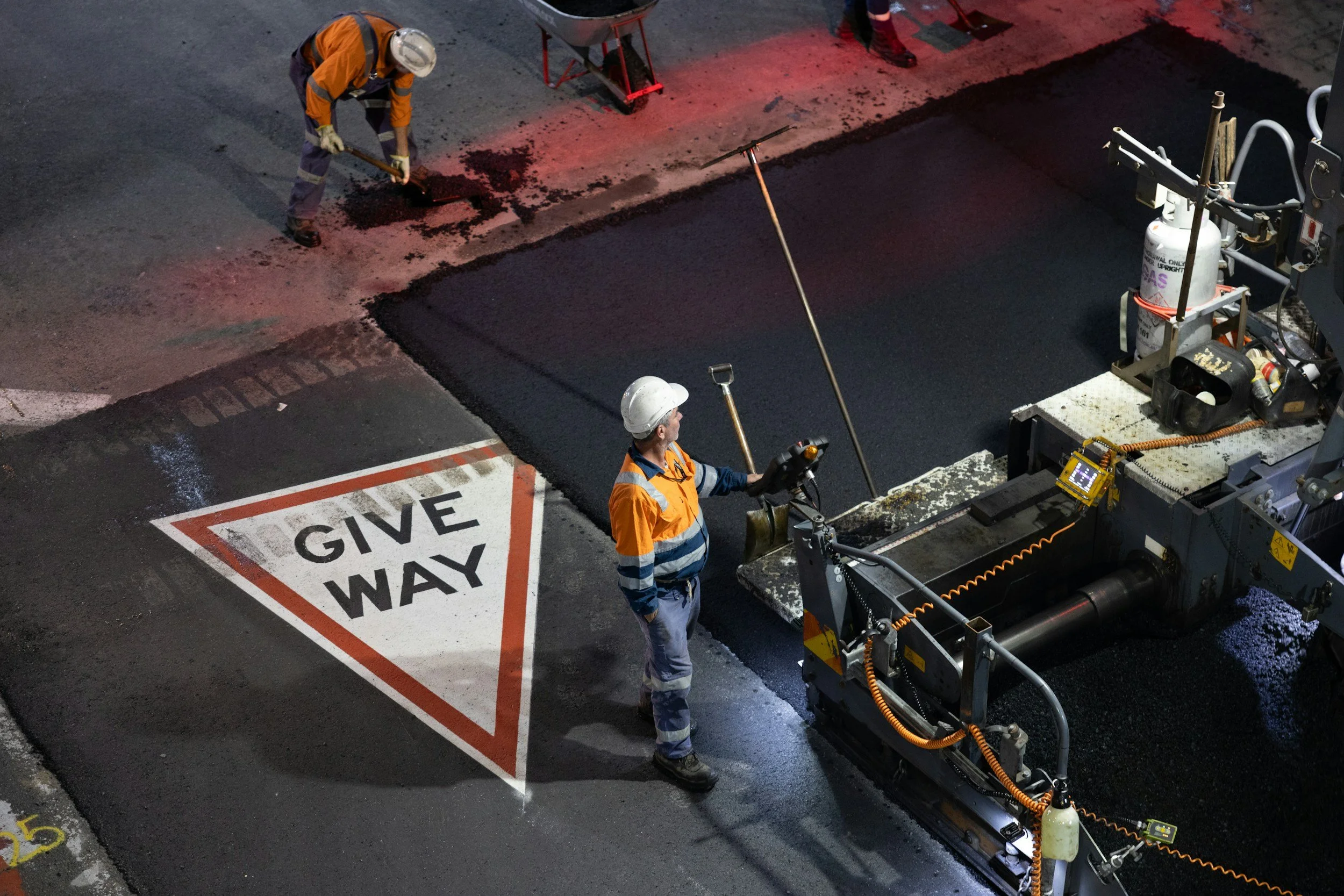
Professional Asphalt Repair refers to a range of techniques used to restore damaged asphalt surfaces and improve their structural integrity. Instead of replacing the entire pavement, repair methods target specific problem areas such as cracks, potholes, and surface failures.
The goal is to restore smoothness, improve safety, and prevent further deterioration. Professional repair services use specialized equipment, high-quality materials, and proven techniques to ensure long-lasting results.
Depending on the severity of damage, asphalt repair may involve crack sealing, pothole patching, resurfacing, or full-depth repair.
Common Types of Asphalt Damage
Before repairs begin, it is important to understand the different types of asphalt damage.
Cracks are one of the earliest signs of deterioration. They may appear as small surface lines or deeper structural breaks. If left untreated, cracks allow water to penetrate and worsen the damage.
Potholes form when water weakens the base layer and traffic pressure causes the surface to collapse. These are among the most serious and hazardous forms of asphalt damage.
Rutting occurs when repeated traffic causes depressions in the surface, often seen in parking lots and busy roads. Alligator cracking, which resembles a network of interconnected cracks, indicates severe structural failure.
Each type of damage requires a specific repair method to ensure effective restoration.
Importance of Timely Asphalt Repair
Delaying asphalt repairs can lead to significant long-term problems. Small cracks can quickly expand, and minor surface issues can turn into major structural failures if ignored.
Timely Asphalt Repair helps prevent water infiltration, protects the base layers, and reduces the risk of costly reconstruction. Early intervention is always more cost-effective than waiting until damage becomes severe.
In addition to saving money, prompt repairs improve safety by reducing hazards such as potholes and uneven surfaces that can damage vehicles or cause accidents.
Crack Sealing for Preventive Maintenance
Crack sealing is one of the most important preventive maintenance techniques in asphalt repair. It involves filling cracks with specialized sealants to prevent water from entering the surface.
This method helps extend the life of asphalt by stopping small issues from developing into larger structural problems. Crack sealing is most effective when performed early, before cracks widen or deepen.
Regular crack sealing is a key part of long-term pavement maintenance strategies for both residential and commercial properties.
Pothole Repair and Restoration
Potholes are one of the most common and damaging forms of asphalt deterioration. They are not only unsightly but also dangerous for vehicles and pedestrians.
Professional pothole repair typically involves removing damaged material, cleaning the area, and filling it with fresh asphalt. The repaired section is then compacted to create a smooth and durable surface.
Proper pothole repair restores safety, prevents further water damage, and improves the overall appearance of the pavement.
Asphalt Patching for Localized Damage
When damage is limited to specific areas, asphalt patching is an effective solution. This method focuses on repairing only the affected sections rather than resurfacing the entire surface.
There are different types of patching methods depending on the severity of the damage, including surface patching and full-depth patching. Full-depth patching is used when damage extends into the base layers, while surface patching is suitable for minor issues.
Asphalt patching is a cost-effective way to restore functionality and prevent further deterioration.
Resurfacing for Worn-Out Asphalt
When the surface layer of asphalt is worn but the base remains structurally sound, resurfacing is often recommended. This process involves applying a new layer of asphalt over the existing surface.
Resurfacing improves appearance, restores smoothness, and extends the life of the pavement without requiring complete reconstruction.
It is commonly used for parking lots, driveways, and roads that show widespread surface wear but are still structurally stable.
Full-Depth Asphalt Repair
In cases of severe structural damage, full-depth repair is necessary. This involves removing the damaged asphalt and rebuilding both the surface and base layers.
This method addresses underlying issues such as poor drainage, soil instability, or long-term water damage. Although it is more extensive than other repair methods, it provides a long-lasting solution for heavily damaged areas.
Full-depth repair ensures that the pavement is restored to a strong and stable condition.
The Role of Proper Drainage in Asphalt Longevity
Water is one of the biggest threats to asphalt surfaces. Poor drainage allows water to collect on the surface or seep into the base layers, accelerating damage.
Professional asphalt repair often includes evaluating and improving drainage systems to prevent future issues. Proper slope design and drainage channels help direct water away from the pavement.
Effective drainage significantly increases the lifespan of asphalt surfaces and reduces maintenance needs.
Benefits of Professional Asphalt Repair
Hiring professional services for asphalt repair offers several important advantages. Experienced contractors use specialized tools and high-quality materials that ensure durable and reliable results.
Professional repair improves safety by eliminating hazards such as potholes and cracks. It also enhances curb appeal by restoring a smooth and uniform surface appearance.
In addition, professional services help extend the lifespan of asphalt surfaces, reducing the need for frequent repairs or full replacement.
Cost Savings Through Preventive Maintenance
One of the biggest advantages of asphalt repair is cost savings. Addressing minor issues early prevents more expensive repairs in the future.
Routine maintenance such as crack sealing, patching, and resurfacing helps avoid major structural failures. This proactive approach reduces long-term expenses and maximizes the value of the pavement.
Investing in timely repairs is always more economical than waiting for complete deterioration.
Enhancing Safety and Accessibility
Damaged asphalt surfaces can create serious safety risks for vehicles and pedestrians. Uneven pavement, potholes, and cracks increase the likelihood of accidents and injuries.
Professional asphalt repair restores smooth and even surfaces, improving safety and accessibility. This is especially important for commercial properties, parking lots, and public spaces where high traffic is expected.
Safe and well-maintained surfaces also create a better experience for users and visitors.
Long-Term Maintenance Strategies
After repairs are completed, ongoing maintenance is essential to preserve the condition of asphalt surfaces. Regular inspections help identify early signs of damage before they become serious problems.
Sealcoating is another important maintenance practice that protects asphalt from UV rays, water, and chemicals. Combined with proper cleaning and drainage management, sealcoating helps extend surface life.
A consistent maintenance plan ensures long-term durability and performance.
Conclusion
Professional Asphalt Repair is essential for maintaining strong, safe, and long-lasting pavement surfaces. By addressing cracks, potholes, and structural damage early, property owners can prevent costly reconstruction and extend the life of their asphalt.
From crack sealing and patching to resurfacing and full-depth repair, each method plays a vital role in restoring functionality and appearance. Proper drainage, regular maintenance, and timely repairs further enhance durability and performance.
Investing in professional asphalt repair ensures smoother surfaces, improved safety, and long-term cost savings, making it a valuable solution for both residential and commercial properties.
HOW DO YOU FEEL ABOUT FASHION?
COMMENT OR TAKE OUR PAGE READER SURVEY
Featured





For many people, the end of the workday does not always mean the beginning of recovery.