
Comprehensive Guide to Efficient Junk Removal and Waste Management Practices
PAGE
By PAGE Editor
Introduction
Junk accumulation has become a common challenge in modern households, workplaces, construction sites, and commercial environments as consumption increases and materials are frequently replaced rather than reused, creating a growing need for structured systems that manage unwanted items responsibly and efficiently. The process of handling unwanted clutter, broken furniture, old appliances, renovation debris, packaging waste, and miscellaneous discarded materials requires not only physical effort but also planning, categorization, environmental awareness, and sometimes professional assistance to ensure that disposal is done safely and sustainably. In many situations, people underestimate how quickly waste builds up until it starts affecting living space, productivity, hygiene, and even mental well-being, making structured removal processes essential. Effective waste handling begins with identifying what is actually needed, what can be reused, what can be recycled, and what must be disposed of completely, and this decision-making process often determines how efficient the entire cleanup operation will be.
One of the most important aspects of managing clutter is understanding that not everything classified as waste is truly useless, as many materials can be donated, refurbished, or repurposed, which reduces environmental impact while also benefiting others. The growing awareness of sustainability has encouraged individuals and organizations to adopt better sorting practices that minimize landfill contributions and promote circular use of resources. In this context, junk removal becomes an essential service and practice that bridges the gap between waste generation and responsible disposal, ensuring that unwanted materials are handled in a systematic and environmentally conscious way.
Understanding the Importance of Junk Removal
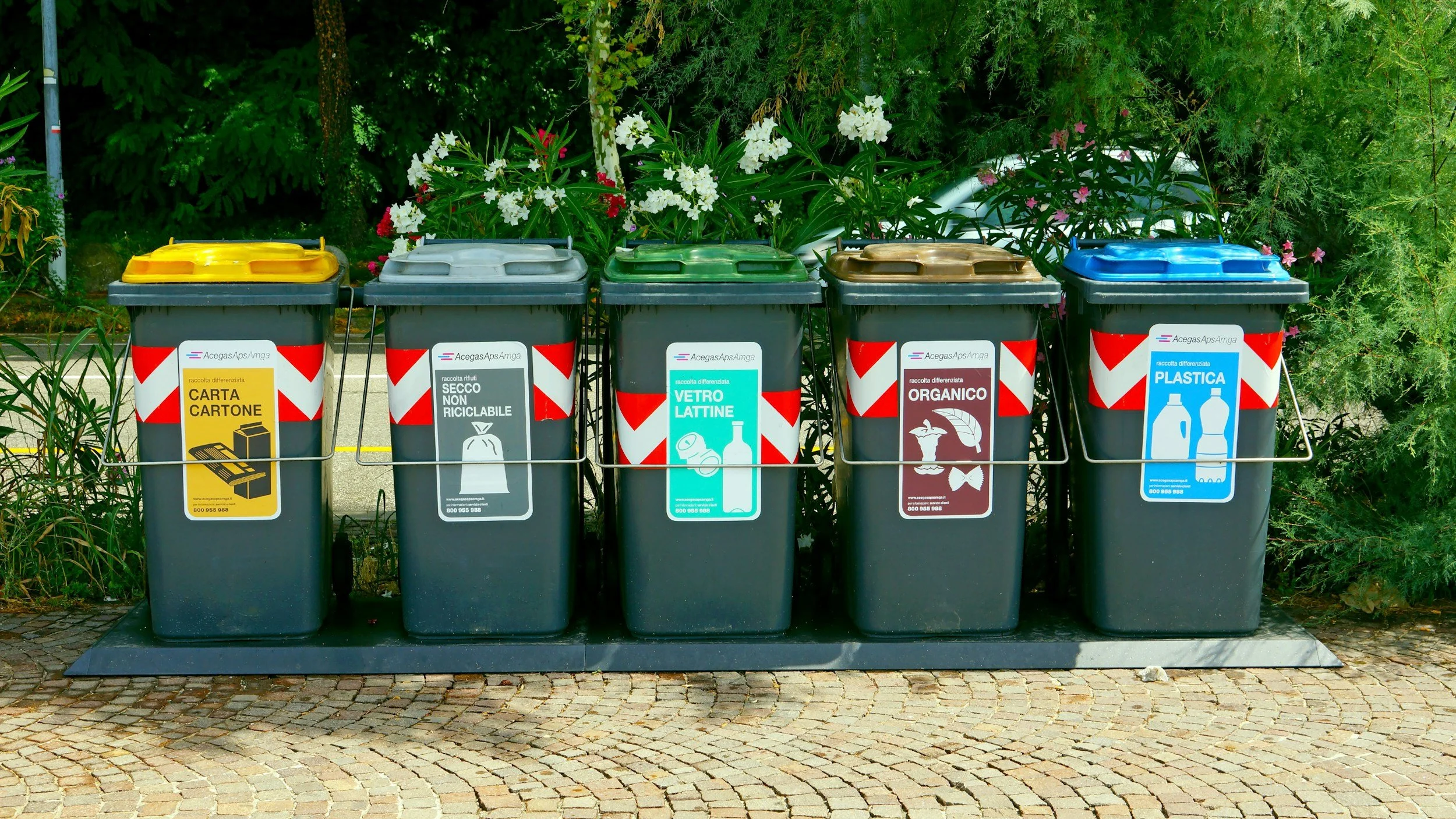
When people engage in junk removal activities, they often discover that the process is not just about clearing space but also about reorganizing their environment to improve functionality, reduce stress, and enhance overall quality of life, as clutter-free spaces are associated with improved focus and mental clarity. Efficient planning is crucial in such processes because without a structured approach, waste management can become overwhelming, time-consuming, and physically exhausting. Sorting items into categories such as reusable goods, recyclable materials, hazardous waste, and general trash allows for smoother handling and ensures compliance with environmental guidelines and local disposal regulations.
In residential settings, old furniture, broken electronics, unused clothing, and accumulated household items are often the primary contributors to clutter, while in commercial environments, outdated equipment, packaging waste, and office supplies dominate waste streams. Construction and renovation projects generate even larger volumes of debris, including wood, metal, concrete, and packaging materials, which require specialized handling methods.
Role of Junk Removal in Different Environments
In all these scenarios, junk removal plays a critical role in ensuring that waste is not only taken away but also processed correctly, reducing environmental harm and promoting responsible consumption patterns. Professional services in this field typically offer sorting, hauling, recycling coordination, and disposal solutions that save time and effort for individuals and businesses while ensuring compliance with environmental standards. The efficiency of such services lies in their ability to handle large volumes of waste quickly and safely using proper equipment, trained personnel, and established disposal networks.
However, even without professional help, individuals can adopt effective strategies by planning ahead, using proper storage containers, labeling waste categories, and scheduling regular cleanup sessions to prevent accumulation. Another important consideration in waste management is safety, as improper handling of heavy objects, sharp materials, or hazardous substances can lead to injuries or environmental contamination, making protective gear and correct lifting techniques essential.
Environmental and Social Benefits of Proper Junk Management
Additionally, awareness of recycling programs and donation centers can significantly reduce the amount of waste that ends up in landfills, contributing to more sustainable community practices. The psychological benefits of maintaining a clean environment should not be underestimated, as clutter-free spaces often lead to reduced anxiety, improved mood, and greater productivity in both personal and professional life.
As society continues to produce increasing amounts of waste, the importance of organized systems for disposal and recycling becomes more critical than ever, requiring both individual responsibility and collective action. Another dimension of this topic involves cost efficiency, as proper waste management can actually save money in the long term by reducing storage needs, preventing damage to property, and minimizing the frequency of emergency cleanups.
Challenges in Waste Accumulation and Management
Many people delay cleanup tasks due to lack of time or motivation, which leads to larger accumulation problems that eventually require more effort and resources to resolve, highlighting the importance of consistent maintenance habits. In addition, technological advancements have improved the efficiency of waste processing systems, making it easier to track, sort, and recycle materials using automated and semi-automated systems in modern facilities.
Communities that prioritize organized waste management often experience cleaner public spaces, improved health outcomes, and better environmental quality overall. Education also plays a vital role in shaping responsible habits from an early age, teaching individuals the importance of reducing waste generation, reusing materials, and recycling whenever possible.
Long-Term Impact of Responsible Junk Removal
Governments and organizations increasingly promote awareness campaigns that encourage responsible consumption and proper disposal practices, reinforcing the idea that waste management is a shared responsibility. In practical terms, implementing a structured cleanup routine can involve setting monthly or seasonal goals, identifying storage inefficiencies, and regularly reviewing possessions to avoid unnecessary accumulation.
Many households and businesses also adopt minimalism-inspired approaches that focus on reducing excess belongings and prioritizing essential items, which naturally reduces waste production over time. In the broader economic context, waste management and recycling industries contribute significantly to job creation and resource recovery, transforming discarded materials into valuable inputs for new production cycles.
Junk Removal as Part of the Circular Economy
This circular economy model highlights the importance of treating waste as a resource rather than a burden, aligning environmental sustainability with economic growth. Within this framework, junk removal plays a critical role in ensuring that materials are efficiently collected, sorted, and directed toward appropriate processing channels, reducing environmental strain and promoting responsible resource use. As environmental challenges continue to grow globally, the role of structured cleanup systems becomes even more important, encouraging individuals and organizations to rethink how they handle discarded materials. Proper planning, awareness, and consistent effort can significantly improve outcomes, making waste management more effective and less stressful.
Conclusion
Ultimately, maintaining clean and organized environments is not just a matter of aesthetics but also of health, efficiency, and sustainability, and adopting responsible practices ensures long-term benefits for both individuals and communities. In conclusion, junk removal remains an essential practice in modern life, supporting cleaner environments, healthier living conditions, and more sustainable resource management while helping people reclaim their spaces and improve overall quality of life.
HOW DO YOU FEEL ABOUT FASHION?
COMMENT OR TAKE OUR PAGE READER SURVEY
Featured




Depop and Burton are celebrating 50 years of snowboard culture with a 50-piece archival resale drop priced at $50.50 and below, bringing vintage outerwear and apparel to a new generation while launching Depop’s Brand Shop Drop series.