
Connection Between Stress, Mental Health, and Substance Use

PAGE
By PAGE Editor
Life often presents challenges that test our emotional limits. For many individuals, chronic stress acts as a direct gateway to mental health struggles and subsequent substance use. When daily pressures become overwhelming, people frequently look for coping mechanisms, sometimes turning to substances to numb their pain. This cycle is particularly pronounced among female demographic groups, who face unique biological and social stressors. Finding specialized support, such as dedicated alcohol treatment for women, is a critical step in addressing these intersecting challenges. Understanding how stress impacts our brains and behaviours helps demystify addiction and opens the door to healthier, long-term recovery strategies.
How Chronic Stress Alters Brain Chemistry
To understand the link between mental health and substance use, we must first look at how chronic stress affects the physical brain. When you experience a stressful event, your body releases cortisol and adrenaline, preparing you for a fight-or-flight response. While this mechanism is helpful for short-term survival, prolonged exposure to stress keeps these hormone levels permanently elevated. Over time, this constant chemical bath alters the brain's reward pathways, making it harder to experience pleasure from normal daily activities.
Consequently, individuals often attempt to self-medicate to artificially restore balance to their nervous system. Alcohol and other substances temporarily boost dopamine levels, providing brief relief from anxiety and tension. However, this artificial relief is short-lived. As the substance wears off, the brain experiences a rebound effect, causing stress levels to spike even higher than before. This creates a destructive loop where a person drinks or uses substances to escape the very anxiety that the substance itself is worsening. Recognizing this biological trap is essential for anyone trying to break free from dependency, as it shifts the perspective from a personal moral failure to a physiological challenge that requires structured medical and psychological intervention.
The Intersect of Mental Health Disorders and Substance Use
Mental health disorders and substance use issues rarely exist in isolation. In the medical community, when these conditions occur together, it is known as a co-occurring disorder or a dual diagnosis. Conditions like clinical depression, generalized anxiety disorder, and post-traumatic stress disorder (PTSD) frequently serve as precursors to substance abuse. When a mental health condition remains undiagnosed or untreated, individuals often use substances as an informal way to manage their debilitating symptoms.
Conversely, heavy substance use can also trigger underlying mental health vulnerabilities, bringing on depressive episodes or severe panic attacks that might not have otherwise surfaced. For instance, chronic alcohol consumption alters serotonin and gamma-aminobutyric acid (GABA) levels, directly contributing to long-term mood instability. Because these two issues feed into one another, treating one while ignoring the other is rarely successful. Effective recovery programmes must address both the psychological disorder and the chemical dependency simultaneously. By focusing on integrated treatment models, healthcare providers can help patients build healthier coping mechanisms, ensuring they do not rely on substances to manage their mental health symptoms. This holistic approach reduces relapse rates and supports sustainable, healthy lifestyle changes.
Why Gender-Specific Care Matters in Recovery
Men and women experience stress, mental health challenges, and substance use in fundamentally different ways. Women often face unique societal pressures, including caregiving responsibilities, domestic expectations, and higher rates of trauma related to interpersonal violence. These distinct stressors require tailored therapeutic approaches rather than a one-size-fits-all recovery model. This is why specialized alcohol treatment for women has proven so effective in modern addiction medicine.
Gender-specific programmes create a safe, supportive environment where women can discuss issues like trauma, motherhood, body image, and relationship dynamics without fear of judgment. In mixed-gender settings, women may feel hesitant to share experiences of abuse or domestic trauma, which are often the root causes of their substance use. By removing these barriers, female-focused treatment centres foster deep peer connections and mutual understanding. Furthermore, women metabolize substances differently than men, meaning the physical health consequences of addiction can escalate more rapidly. Addressing these physiological differences alongside emotional support ensures that women receive the precise medical care they need. Through targeted therapies, women learn to dismantle the shame often associated with addiction, replacing it with self-compassion and practical tools for managing stress.
Accessing Local Support and Resources
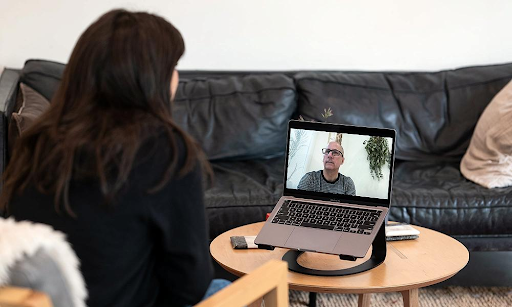
Overcoming the combined challenges of stress, mental health disorders, and substance use requires professional guidance and a strong local support network. Many individuals struggle to take the first step simply because they do not know where to look for help in their communities. For residents of Saskatchewan, accessing professional addiction services in Saskatoon can make a life-changing difference. Local clinics and support networks offer a range of services designed to meet diverse community needs.
These local facilities provide everything from medically supervised detoxification to outpatient counselling and long-term aftercare planning. Utilizing local resources allows individuals to maintain connection with their families and jobs while receiving the professional care they require. Community-based programmes also offer the advantage of local support groups, helping people build a sober network of peers who understand the specific challenges of living and recovering in the same geographic area. Whether you require intensive residential treatment or flexible weekly counselling sessions, reaching out to local professionals ensures that you receive culturally sensitive and relevant care. Taking advantage of these nearby services removes the logistical barriers to recovery, making it easier to commit to a healthier, substance-free lifestyle.
Practical Strategies for Stress Management and Prevention
While professional treatment is vital, maintaining long-term recovery also depends on developing daily practices to manage stress before it becomes overwhelming. Implementing healthy lifestyle changes helps rebuild the brain's natural resilience and reduces the urge to self-medicate. Regular physical activity, such as walking, cycling, or yoga, naturally boosts endorphins and lowers cortisol levels, acting as a powerful counterweight to daily anxiety. Additionally, mindfulness practices like meditation and deep-breathing exercises help ground the nervous system during moments of acute stress.
For those who have completed formal programmes, such as alcohol treatment for women, continuing to practice these coping mechanisms is essential for preventing relapse. It is also beneficial to maintain regular contact with outpatient counsellors or peer support groups. For instance, continuing to engage with addiction services in Saskatoon ensures that individuals have ongoing accountability and professional guidance as they navigate life's inevitable ups and downs. Building a structured daily routine that prioritizes sleep, balanced nutrition, and positive social connections creates a stable foundation. When you actively manage your stress levels through these healthy avenues, the temptation to rely on substances diminishes, allowing you to maintain control over your mental health and well-being.
Conclusion
The relationship between stress, mental health, and substance use is complex but entirely manageable with the right support and resources. Recognizing how chronic stress alters brain chemistry and leads to self-medication is the first step toward healing. Whether through specialized gender-specific care or local community resources, finding targeted help is crucial for long-term success. By addressing these interconnected issues simultaneously, individuals can break the cycle of dependency and reclaim their lives. Remember that recovery is a continuous journey of building resilience, practicing healthy stress-management techniques, and leaning on professional networks. With the proper tools and a dedicated support system, achieving a balanced, healthy, and substance-free life is fully within reach.
HOW DO YOU FEEL ABOUT FASHION?
COMMENT OR TAKE OUR PAGE READER SURVEY
Featured





BAPE® brings its streetwear legacy into the ring with UNDEFEATED’s wrestling-inspired Fall/Winter 2026 collection while expanding its design vocabulary through the TYPE 10 BAPEX®, an automatic timepiece that translates the brand’s signature camouflage into contemporary watchmaking.