
Dental Crowns: A Simple Guide to Protecting and Restoring Your Teeth
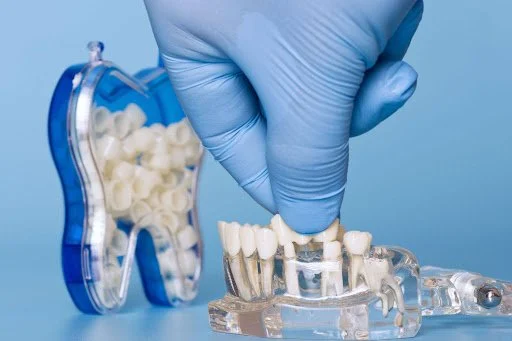
PAGE
By PAGE Editor
Picture biting into a crunchy piece of toast and hearing a small crack. You run your tongue over your back tooth and feel a sharp edge that wasn't there before. Moments like this are more common than you might think, especially with teeth that already have large fillings or have been weakened by decay.
When a tooth is damaged but still worth saving, a dental crown is often one of the options a dentist will suggest. A crown covers the tooth like a protective cap, helping it look and work more like it used to.
In this guide, you'll learn what dental crowns are, why you might need one, the different materials available, what happens during treatment, and how to care for a crown so it lasts.
What Is a Dental Crown?
A dental crown is a tooth-shaped cap that fits over the entire visible part of a tooth. It's cemented in place and covers the tooth all the way down to the gum line.
Think of it like a helmet for your tooth. A helmet protects your head from bumps and knocks, and a crown protects a weak or damaged tooth from breaking further. It also restores the tooth's shape, size, and appearance.
Crowns vs. Fillings
A filling repairs a small area of a tooth by filling in a hole. A crown is used when the damage is too large for a filling to hold up well. If a tooth has lost a lot of its structure, a large filling may crack or fall out over time. A crown wraps around the whole tooth, which spreads out the pressure from biting and chewing.
Why You Might Need a Dental Crown
Dentists recommend crowns for many different reasons. Some are about protecting the tooth, while others are about improving how it looks.
Common Reasons for a Crown
You may need a crown if you have:
A cracked or broken tooth that needs to be held together
A large cavity that's too big for a filling
A tooth with an old, large filling that is wearing down or breaking
A tooth that has had root canal treatment, especially a back tooth
A badly worn tooth, often from grinding or clenching
A misshapen or very discoloured tooth that other treatments can't improve
A dental implant that needs a tooth on top
A dental bridge, which uses crowns on neighbouring teeth to hold a replacement tooth
Why Root-Canal-Treated Teeth Often Need Crowns
After a root canal, the inside of the tooth has been cleaned out and filled. Back teeth that have had this treatment can become more brittle over time, since they do most of the heavy chewing. A crown helps protect them from cracking. Your dentist will look at how much natural tooth is left before deciding whether a crown is the best choice.
Types of Dental Crowns
Crowns can be made from several materials. Each one has its own strengths, and the right choice depends on the tooth's position, how much force it takes, and how important appearance is.
Porcelain or Ceramic Crowns
These crowns are made from tooth-coloured materials that reflect light much like natural enamel. They're often chosen for front teeth because they can blend in closely with nearby teeth. Modern ceramics are much stronger than older versions, though very heavy biting forces can still chip them.
Zirconia Crowns
Zirconia is a very strong type of ceramic. It's tooth-coloured but tough enough for back teeth, which handle the most chewing pressure. Some zirconia crowns are layered with porcelain on the outside to improve how natural they look.
Porcelain-Fused-to-Metal Crowns
These crowns have a metal base covered with a layer of porcelain. They combine strength with a tooth-coloured outside. One drawback is that a thin dark line may show at the gum line over time, especially if gums recede.
Gold and Metal Crowns
Gold and other metal alloys are very durable and rarely chip or break. They also need less of the natural tooth to be removed. Because of their colour, they're usually placed on back teeth where they're less visible.
Temporary Crowns
A temporary crown is usually made from acrylic or a similar material. It protects your tooth while the final crown is being made. Temporary crowns aren't as strong, so they need a bit of extra care.
What Happens When You Get a Crown?
Getting a crown usually takes two visits, although some clinics can make crowns in a single day using digital scanning and milling equipment.
Step 1: Examining the Tooth
Your dentist checks the tooth and may take X-rays to look at the roots and surrounding bone. If there's deep decay or infection, it may need to be treated first.
People who search for a dental clinic Lower Hutt before treatment often use this first appointment to ask which crown materials are available and how long each type usually lasts. It's also a good chance to talk through whether a crown is truly needed or whether a smaller repair might work.
Step 2: Preparing the Tooth
The dentist numbs the area with local anaesthetic. They then gently reshape the tooth by removing a thin outer layer, so the crown can fit over it without looking bulky. If a lot of the tooth is missing, they may build it up first with filling material.
Step 3: Taking an Impression or Scan
Next, the dentist takes a mould or digital scan of the prepared tooth. This is sent to a dental lab, where a technician creates a crown to fit your tooth and match the shade of your other teeth. A temporary crown is placed in the meantime.
Step 4: Fitting the Final Crown
At your second visit, the temporary crown is removed. The dentist checks how the new crown fits, how it looks, and how your teeth meet when you bite. Once everything feels right, the crown is cemented in place.
What Does It Feel Like After Treatment?
Most people find a new crown feels normal within a few days. Some mild sensitivity to hot or cold is common at first, and the gum around the tooth may feel a little tender.
If your bite feels "high" or uneven, let your dentist know. A small adjustment can usually fix it quickly. Leaving an uneven bite can make the tooth sore over time.
Here's a typical example. Someone gets a crown on a lower molar and notices that the tooth hits first when they bite down. A quick follow-up visit to polish the surface solves the problem, and chewing feels comfortable again within a day.
How to Care for Your Dental Crown
A crown can't get a cavity, but the natural tooth underneath still can, especially along the edge near the gum. Good daily habits help protect both.
Brush twice a day with fluoride toothpaste, paying attention to the gum line.
Floss daily or use interdental brushes to clean between teeth.
Avoid chewing ice, hard lollies, or pens, which can chip crowns.
Wear a night guard if you grind or clench your teeth.
Keep up with regular check-ups so your dentist can check the edges of the crown.
With good care, many crowns last 10 to 15 years, and some last even longer. How long yours lasts will depend on the material, your bite, and your daily habits.
How Much Does a Dental Crown Cost?
The cost of a crown depends on the material used, the tooth involved, and whether extra treatment is needed first, such as a root canal or build-up filling. Same-day crowns and lab-made crowns may also be priced differently.
If you're comparing fees after looking up a dental clinic Lower Hutt, ask for a written estimate that includes the temporary crown, the final crown, and any follow-up visits. It's also worth checking whether your health insurance covers part of the cost and whether payment options are available.
Final Thoughts
Dental crowns are a common way to protect and restore teeth that are cracked, weakened, heavily filled, or treated with a root canal. They come in several materials, each with its own balance of strength and appearance. Treatment usually takes one or two visits, and good daily care can help your crown last for many years.
If you have a tooth that's cracked, sensitive, or has a large old filling, book a check-up with your dentist. They can examine the tooth, explain your options, and help you decide whether a crown is the right choice for you.
HOW DO YOU FEEL ABOUT FASHION?
COMMENT OR TAKE OUR PAGE READER SURVEY
Featured





The IT infrastructure of the business plays a crucial part in performing various activities within the organization like communication, storage, cloud computing, and collaboration.