
Enhancing Land Productivity Through Advanced Forestry Mulching Methods
PAGE
By PAGE Editor
Introduction
Modern land management requires efficient, sustainable, and cost-effective methods to maintain and improve large areas of vegetation-covered land. One of the most effective solutions in this field is forestry mulching, a process that has gained significant popularity due to its ability to clear vegetation while improving soil health and reducing environmental impact. Unlike traditional clearing methods that involve multiple steps such as cutting, hauling, and burning, forestry mulching combines all these processes into a single operation. This not only saves time and resources but also ensures that the land remains fertile and stable after clearing. As demand for sustainable development continues to grow, forestry mulching has become an essential practice for agriculture, construction, conservation, and land restoration projects.
Understanding Modern Vegetation Management
Vegetation management plays a crucial role in maintaining productive land for agriculture, infrastructure development, and ecological balance. Overgrown vegetation can block sunlight, reduce soil quality, and limit land usability. Traditional clearing methods often leave the soil exposed, increasing the risk of erosion and nutrient loss. In contrast, forestry mulching offers a more balanced approach by converting unwanted vegetation into natural mulch that remains on the ground. This mulch layer helps protect soil from erosion, retains moisture, and gradually enriches the land with organic material. By improving soil structure and reducing surface runoff, forestry mulching contributes to healthier and more productive land over time.
How Advanced Forestry Mulching Works
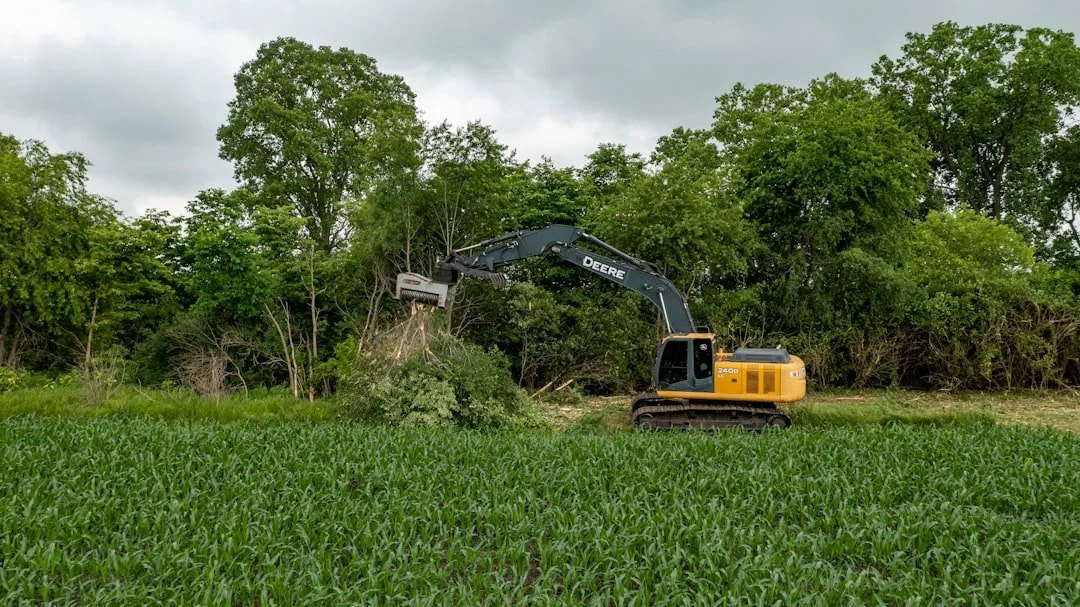
The process of forestry mulching involves specialized machinery equipped with rotating drums or cutting heads designed to shred trees, brush, and vegetation into fine mulch. Instead of removing debris from the site, the material is processed on the spot and spread evenly across the land. This eliminates the need for hauling and disposal, making the process more efficient and environmentally friendly. The mulch created during this process acts as a natural protective layer that supports soil regeneration and reduces weed growth. Advanced machinery allows operators to handle different types of terrain, from light brush to dense vegetation, with precision and minimal disturbance to the soil structure. This efficiency has made forestry mulching a preferred method for modern land clearing projects.
Environmental Advantages of Sustainable Clearing
One of the most significant benefits of forestry mulching is its positive impact on the environment. Traditional land clearing methods often disturb ecosystems, destroy topsoil, and generate large amounts of waste. Forestry mulching, on the other hand, minimizes environmental disruption by recycling vegetation directly on-site. The mulch layer helps prevent soil erosion, improves water retention, and supports the natural decomposition process that enriches the soil. It also reduces the need for burning vegetation, which helps lower air pollution and minimizes carbon emissions. By preserving soil integrity and supporting natural regeneration, forestry mulching contributes to long-term ecological balance and sustainable land use practices.
Improving Soil Quality and Land Productivity
Healthy soil is the foundation of productive land, and proper vegetation management plays a key role in maintaining soil quality. Forestry mulching enhances soil conditions by adding organic matter directly back into the ground. As the mulch decomposes, it releases nutrients that improve soil fertility and promote healthy plant growth. It also helps regulate soil temperature and moisture levels, creating an environment that supports vegetation recovery and agricultural productivity. In areas where soil degradation is a concern, forestry mulching provides a natural solution that restores land health without the need for chemical treatments or intensive soil replacement methods.
Applications in Agriculture and Land Development
Forestry mulching is widely used in both agricultural and development projects due to its versatility and efficiency. In agriculture, it helps farmers clear overgrown fields, manage invasive species, and prepare land for cultivation. The mulch produced during the process improves soil fertility and reduces water evaporation, which is especially beneficial for crop production. In land development, forestry mulching allows construction teams to clear large areas quickly while maintaining soil stability. This is particularly important for infrastructure projects where erosion control and site preparation are critical. By combining clearing and soil improvement into one process, forestry mulching reduces project timelines and improves overall land usability.
Managing Invasive Vegetation Effectively
Invasive plant species can quickly dominate landscapes, reducing biodiversity and limiting land productivity. Forestry mulching provides an effective method for controlling these species by removing unwanted vegetation at the source and creating conditions that discourage regrowth. The mulch layer reduces sunlight exposure to seeds and young plants, slowing down the spread of invasive species. At the same time, it allows native vegetation to recover more effectively, restoring ecological balance. This makes forestry mulching an important tool for land restoration projects and long-term environmental management strategies.
Fire Risk Reduction and Land Safety
Unmanaged vegetation can significantly increase the risk of wildfires, especially in dry conditions. Dense brush, dead trees, and accumulated organic material can act as fuel, making fires more intense and difficult to control. Forestry mulching helps reduce these risks by removing excess vegetation and creating safer, more manageable landscapes. The mulch left behind decomposes gradually and does not contribute to rapid fire spread in the same way as dry brush. By reducing fuel loads and improving land conditions, forestry mulching plays an important role in fire prevention and land safety management.
Economic Efficiency and Operational Benefits
One of the major advantages of forestry mulching is its cost-effectiveness. Traditional land clearing methods require multiple machines, transportation of debris, and additional labor for cleanup, all of which increase project costs. Forestry mulching eliminates many of these steps by completing vegetation removal and site preparation in a single operation. This reduces fuel consumption, labor requirements, and equipment usage, resulting in significant cost savings. Additionally, faster project completion times allow landowners and developers to move forward with their plans more quickly, improving overall efficiency and profitability.
Supporting Ecosystem Restoration
Forestry mulching also plays an important role in ecosystem restoration and habitat management. By selectively removing unwanted vegetation while preserving beneficial plant life, it helps maintain biodiversity and support wildlife habitats. The mulch layer improves soil conditions, encouraging the growth of native plants and creating a more balanced ecosystem. This approach allows land managers to restore degraded areas without causing unnecessary environmental damage. As environmental conservation becomes increasingly important, forestry mulching provides a practical and sustainable solution for restoring natural landscapes.
Future of Land Management Practices
The future of land management is expected to be shaped by advancements in technology, sustainability practices, and environmental awareness. Modern machinery used in forestry mulching in Shreveport is becoming more efficient, precise, and environmentally friendly. Innovations such as GPS-guided equipment and automated systems are improving accuracy and reducing operational impact. In the coming years, forestry mulching is likely to become even more widely adopted as industries seek sustainable solutions for land development and conservation. Its ability to combine efficiency, cost savings, and environmental benefits makes it a key component of future land management strategies.
Conclusion
Efficient land management is essential for supporting agriculture, development, and environmental sustainability. Forestry mulching offers a modern, effective, and environmentally responsible approach to vegetation control and land preparation. By improving soil health, reducing erosion, managing invasive species, and lowering operational costs, it provides a comprehensive solution for a wide range of land management needs. As demand for sustainable practices continues to grow, forestry mulching will remain an important tool in enhancing land productivity and supporting long-term ecological balance.
HOW DO YOU FEEL ABOUT FASHION?
COMMENT OR TAKE OUR PAGE READER SURVEY
Featured





BAPE® brings its streetwear legacy into the ring with UNDEFEATED’s wrestling-inspired Fall/Winter 2026 collection while expanding its design vocabulary through the TYPE 10 BAPEX®, an automatic timepiece that translates the brand’s signature camouflage into contemporary watchmaking.