
FENDI’s Fall/Winter 2026 Campaign Turns Fashion Into An Intimate Study Of Human Connection
PAGE
By PAGE Editor
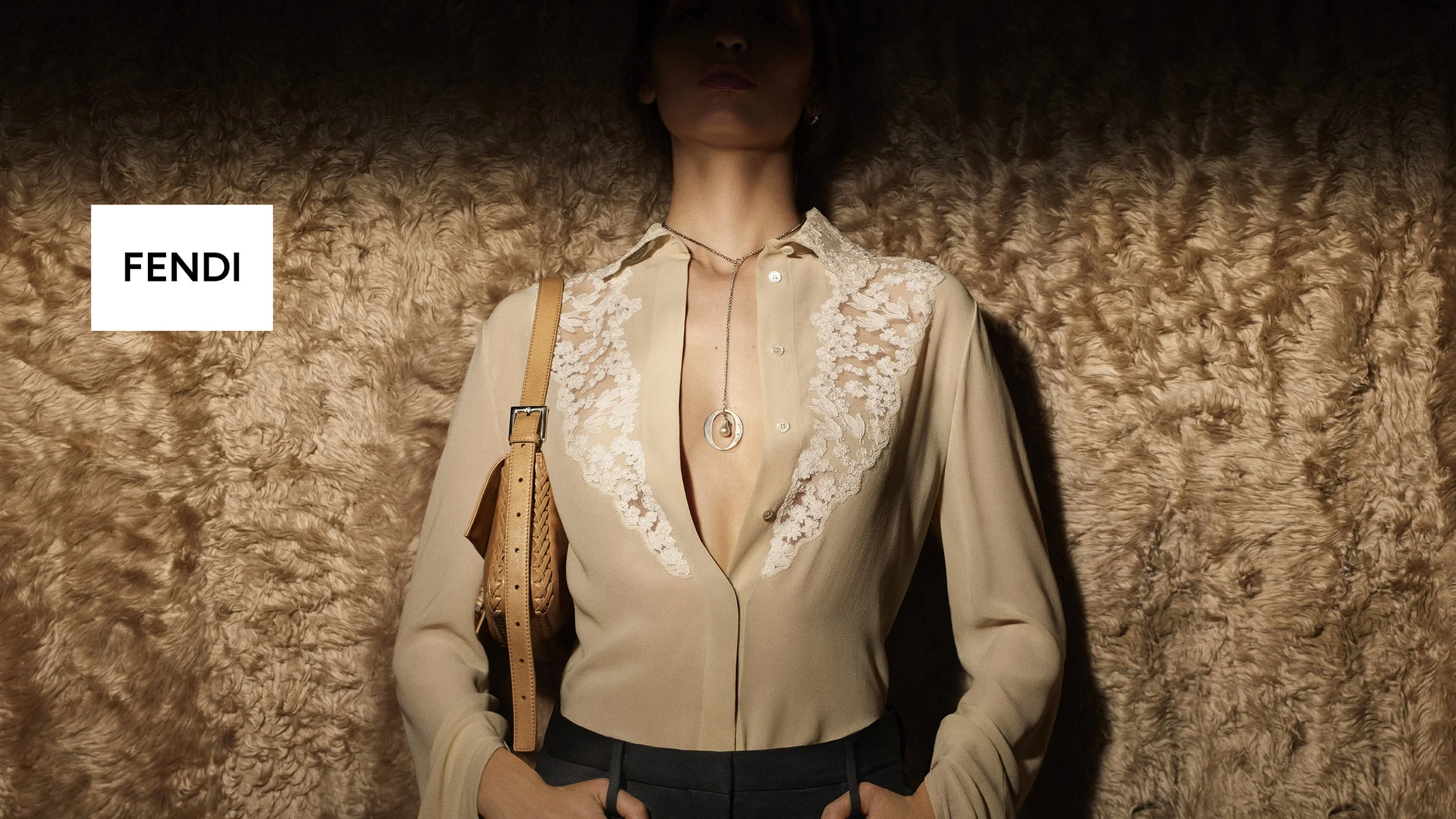
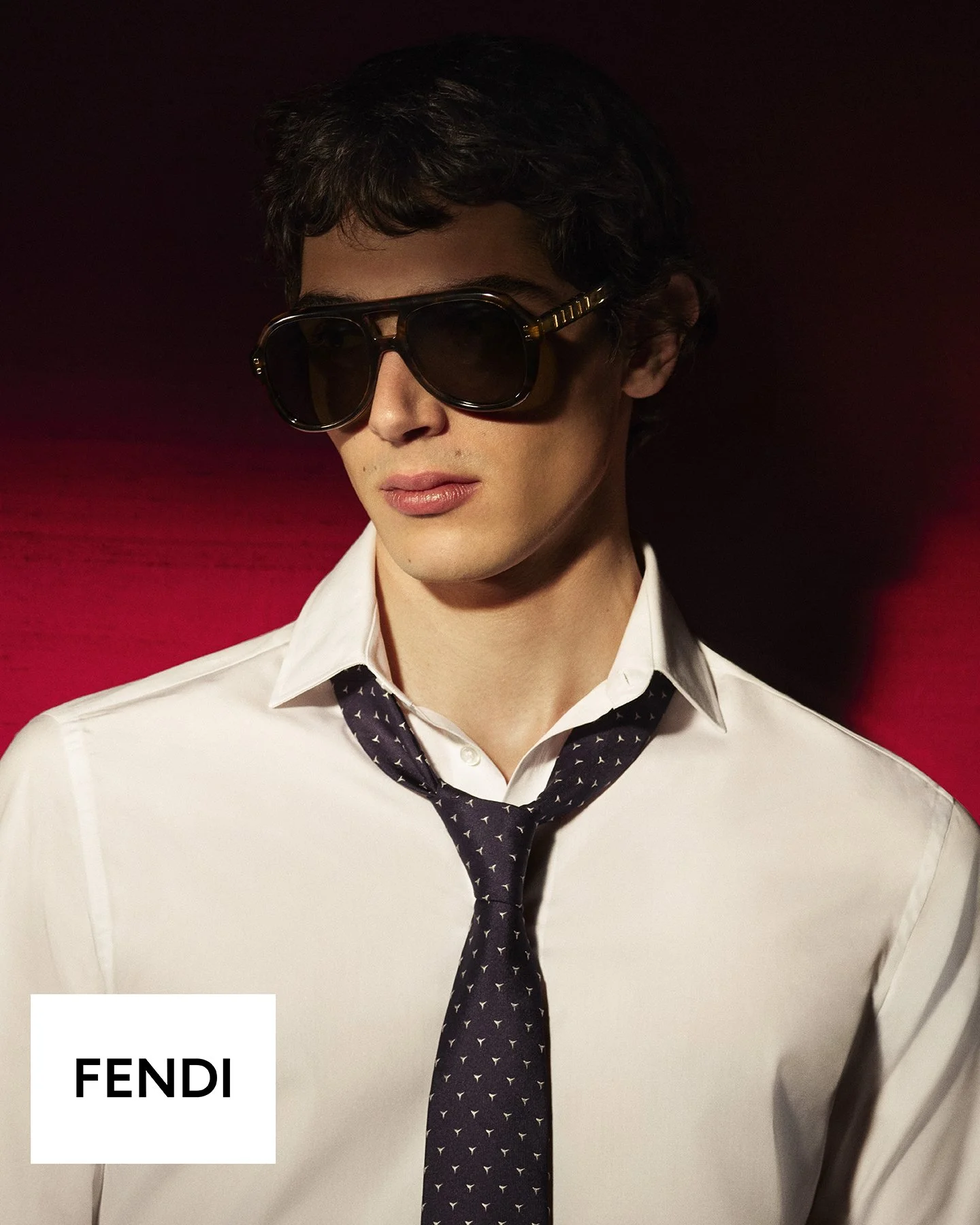
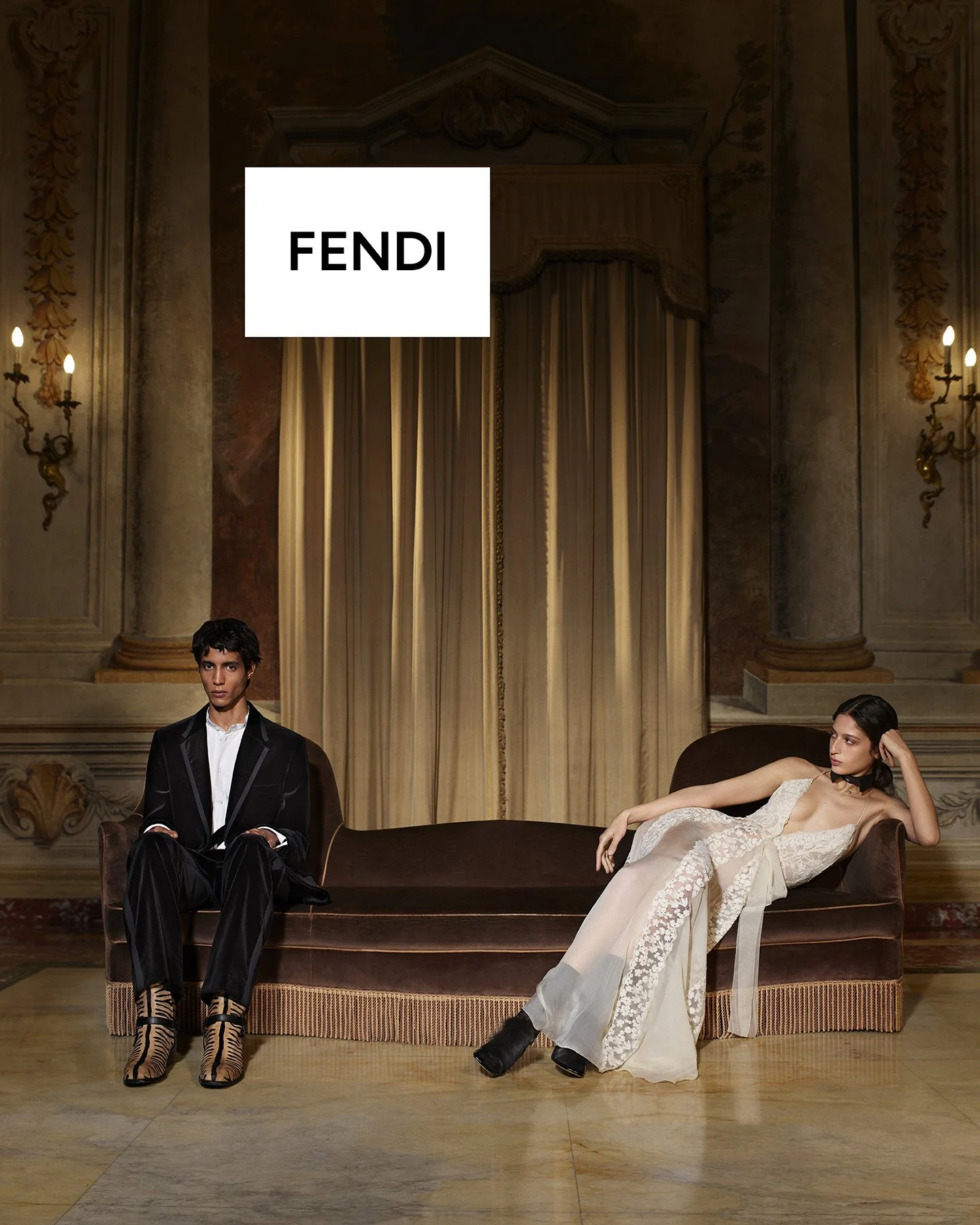
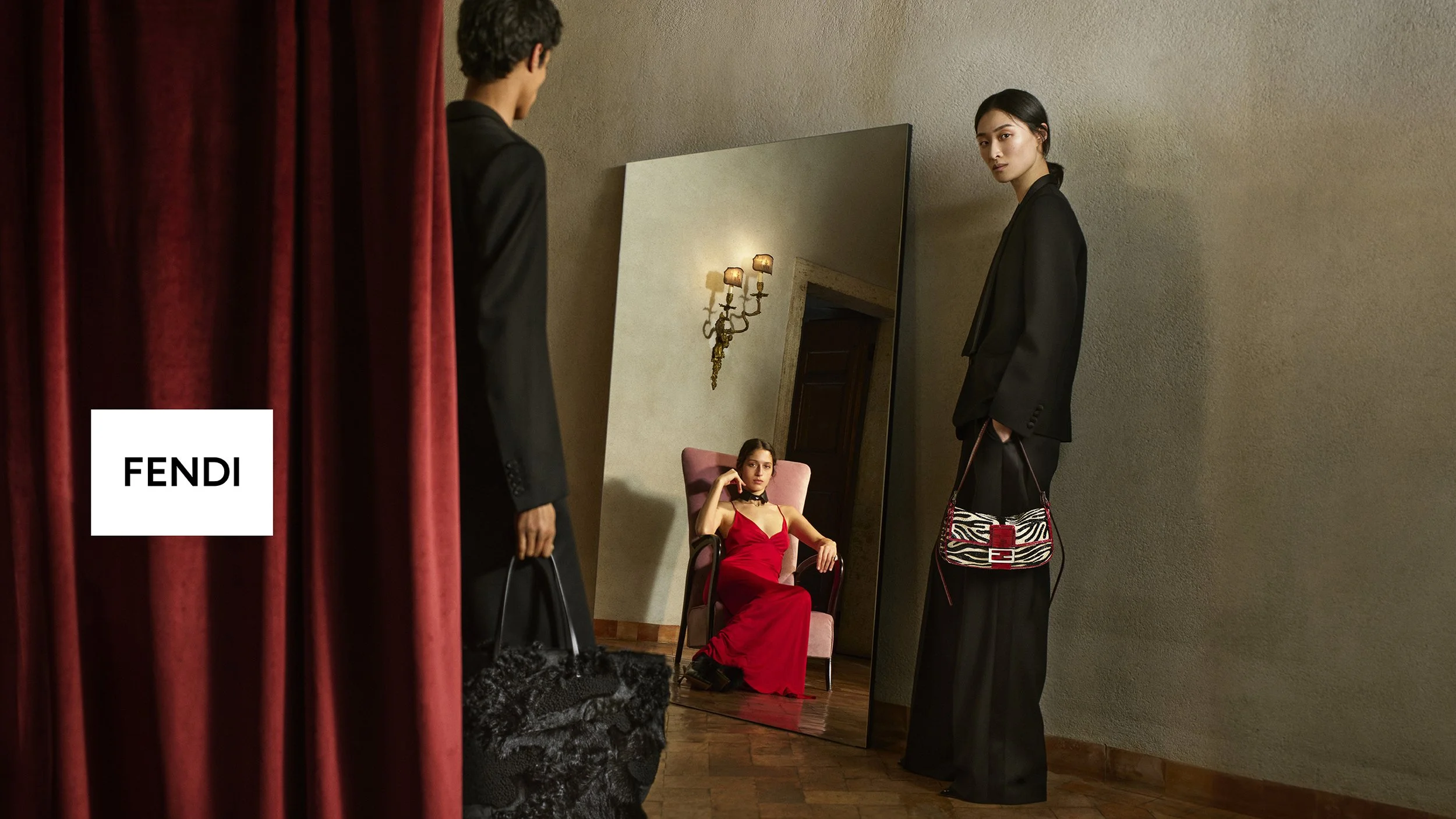
Luxury fashion campaigns often chase spectacle. FENDI's Fall/Winter 2026–2027 campaign, however, chooses something more elusive: emotional distance. Marking Maria Grazia Chiuri's first campaign for the Roman house, the imagery—photographed by acclaimed American artist Jo Ann Callis—trades overt glamour for psychological storytelling, exploring the delicate space between intimacy and individuality.
Rather than presenting clothing as isolated objects of desire, the campaign positions fashion as a language through which relationships unfold. Every frame feels suspended between connection and separation, inviting viewers to consider not only what people wear, but what they reveal—and conceal—through gesture.
It is an ambitious creative direction that reflects a broader shift occurring across luxury fashion. Increasingly, heritage brands are moving beyond product-first campaigns toward narratives that create emotional resonance, cultural relevance, and artistic permanence.
Fashion As Emotional Architecture
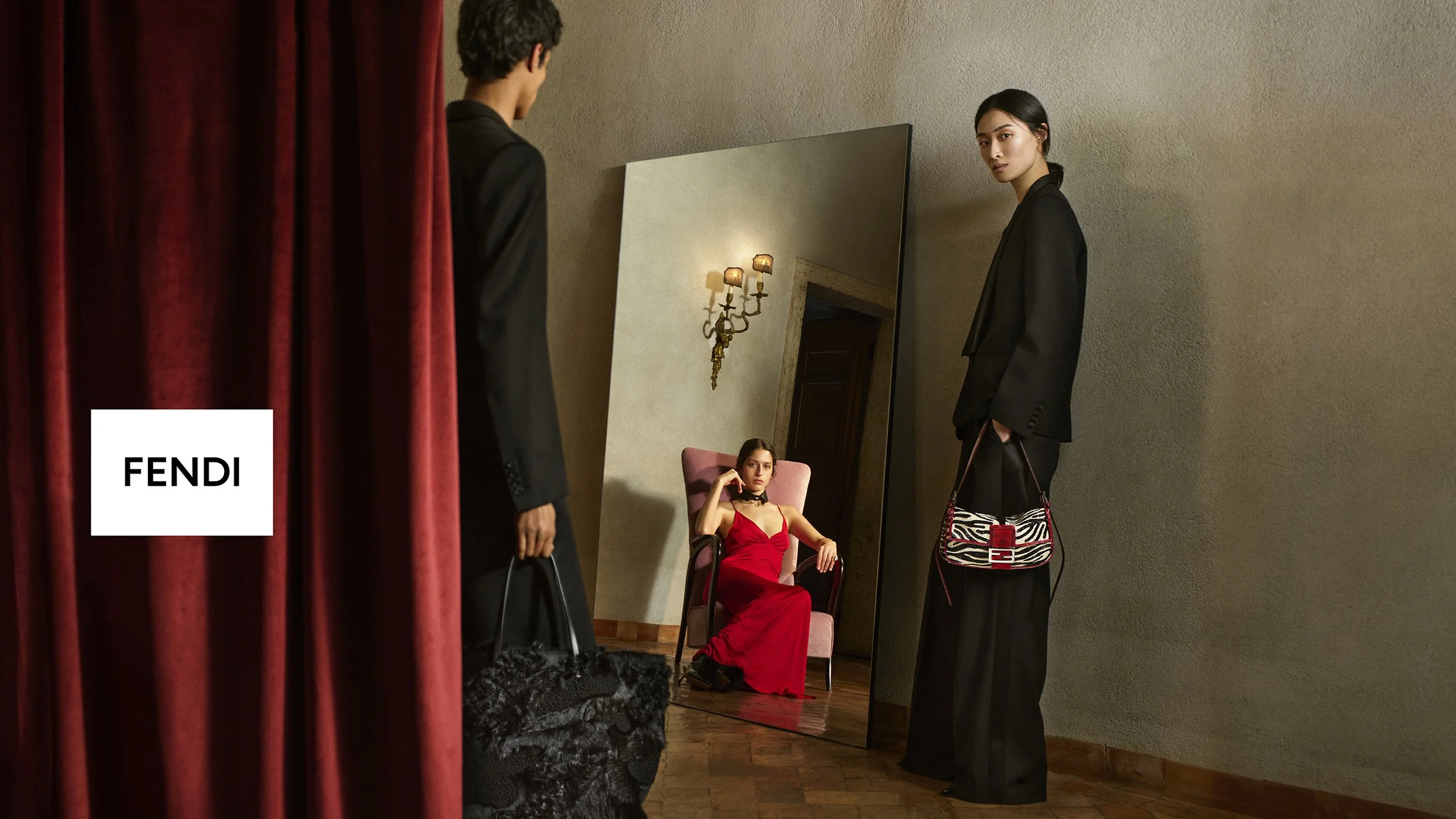
At the center of the campaign is a universal contradiction: people long for closeness while instinctively protecting their own vulnerability. That tension informs every composition photographed by Callis, whose cinematic visual vocabulary has long explored the complexity of domesticity, identity, and interpersonal relationships.
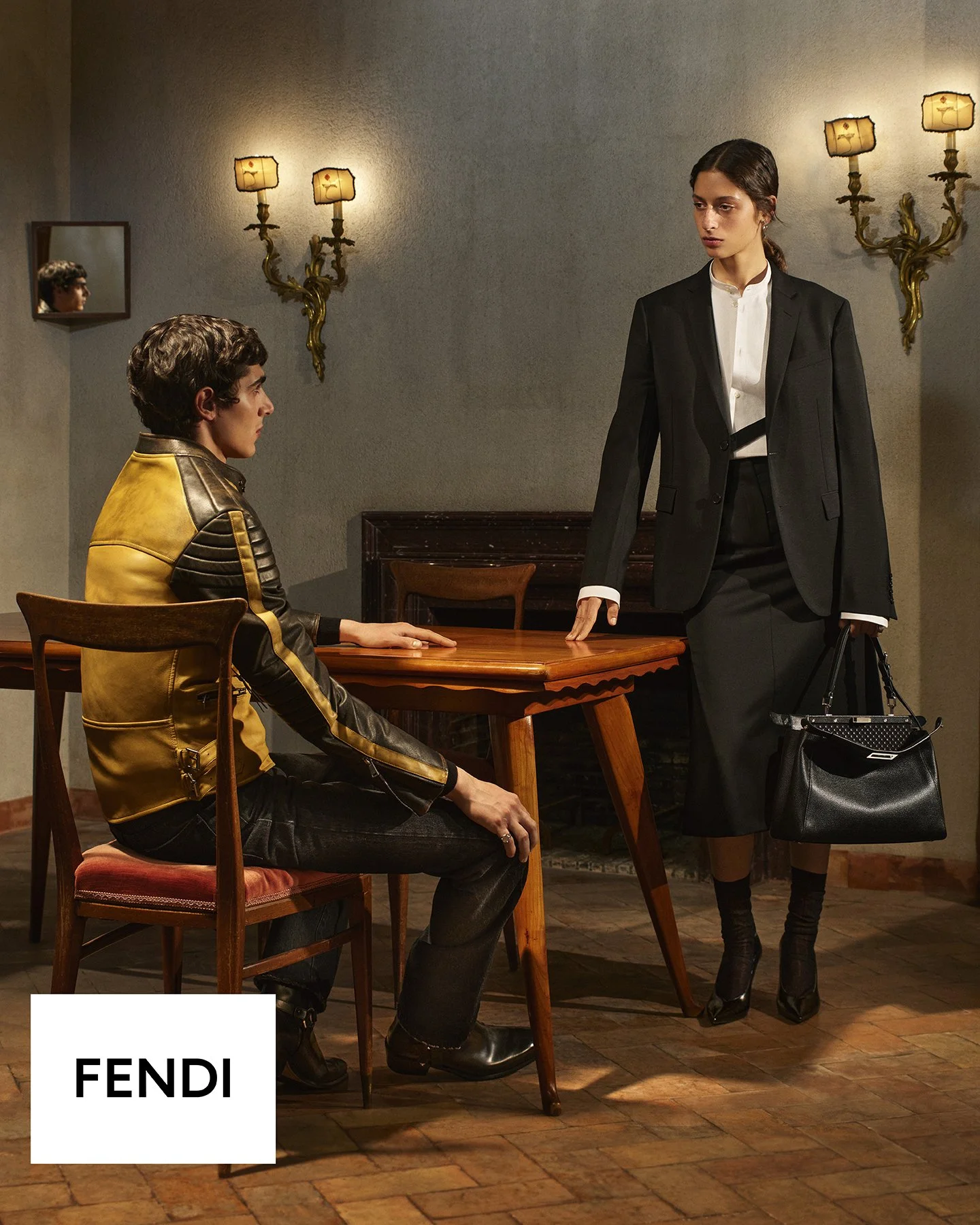
Rather than constructing conventional portraits, Callis approached the campaign almost as a storyboard, beginning with sketches that mapped emotional gestures and interactions before the camera was ever introduced. The resulting images feel less like advertisements than fragments of an unfinished film, each frame suggesting what happened moments before—or what may happen next.
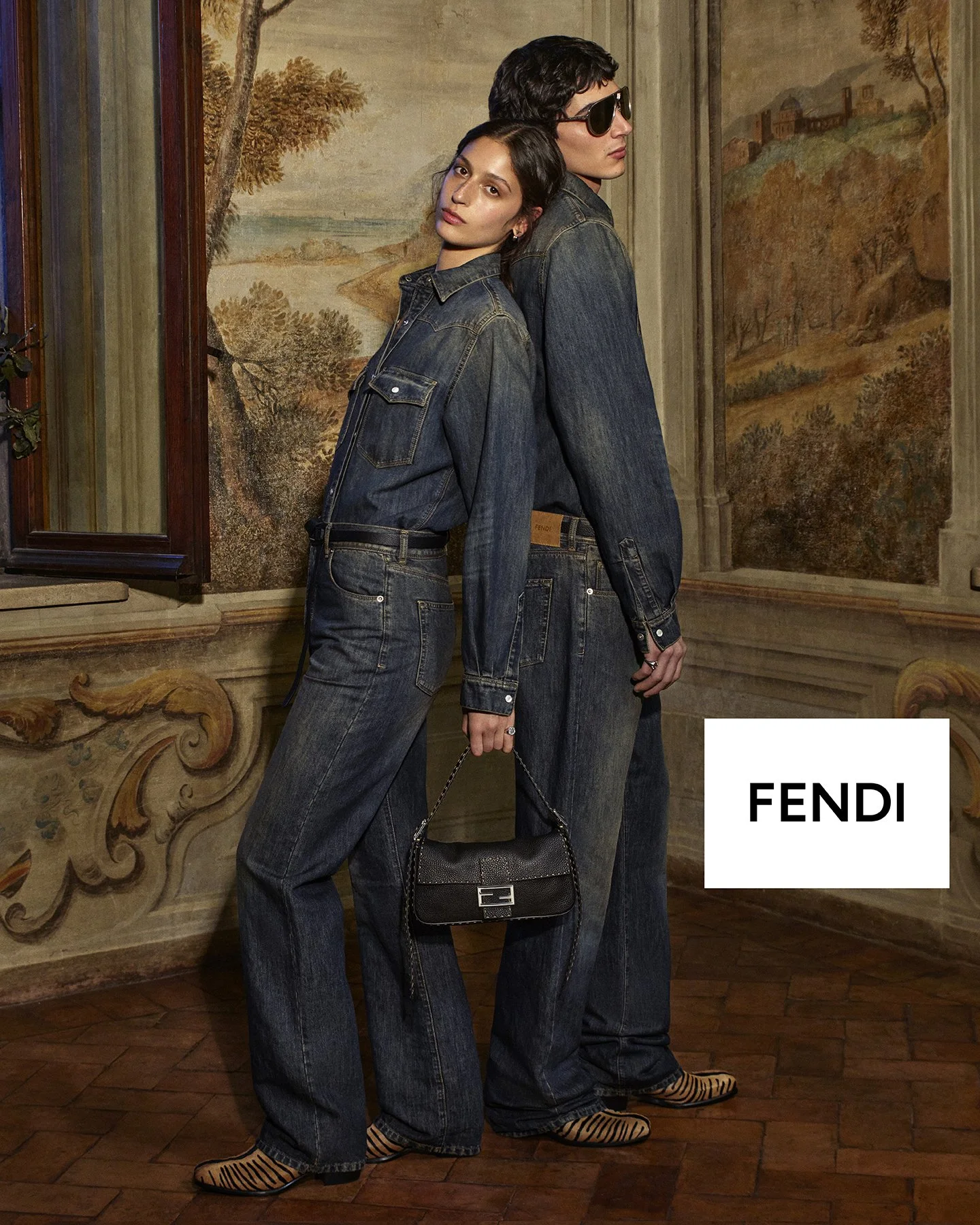
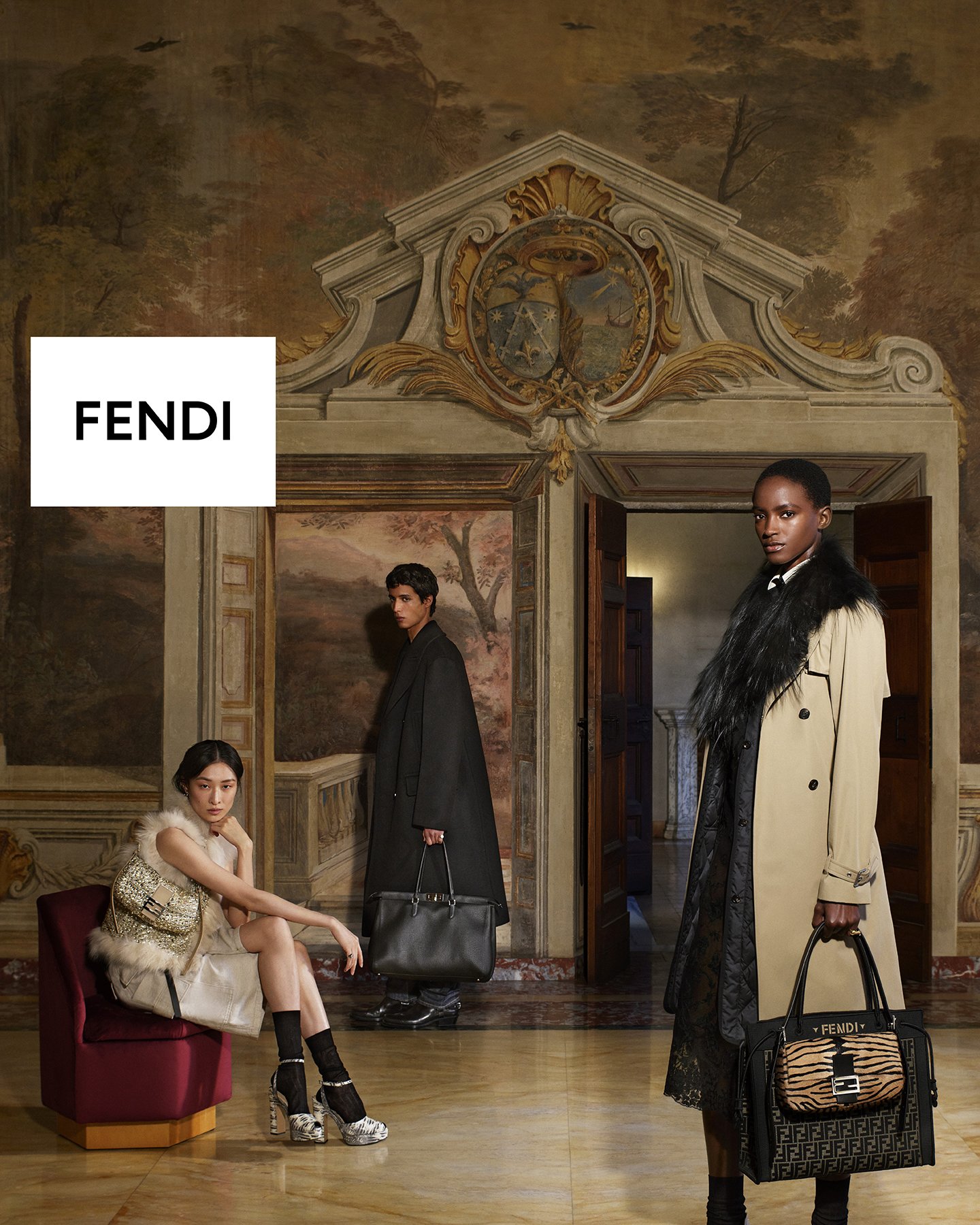
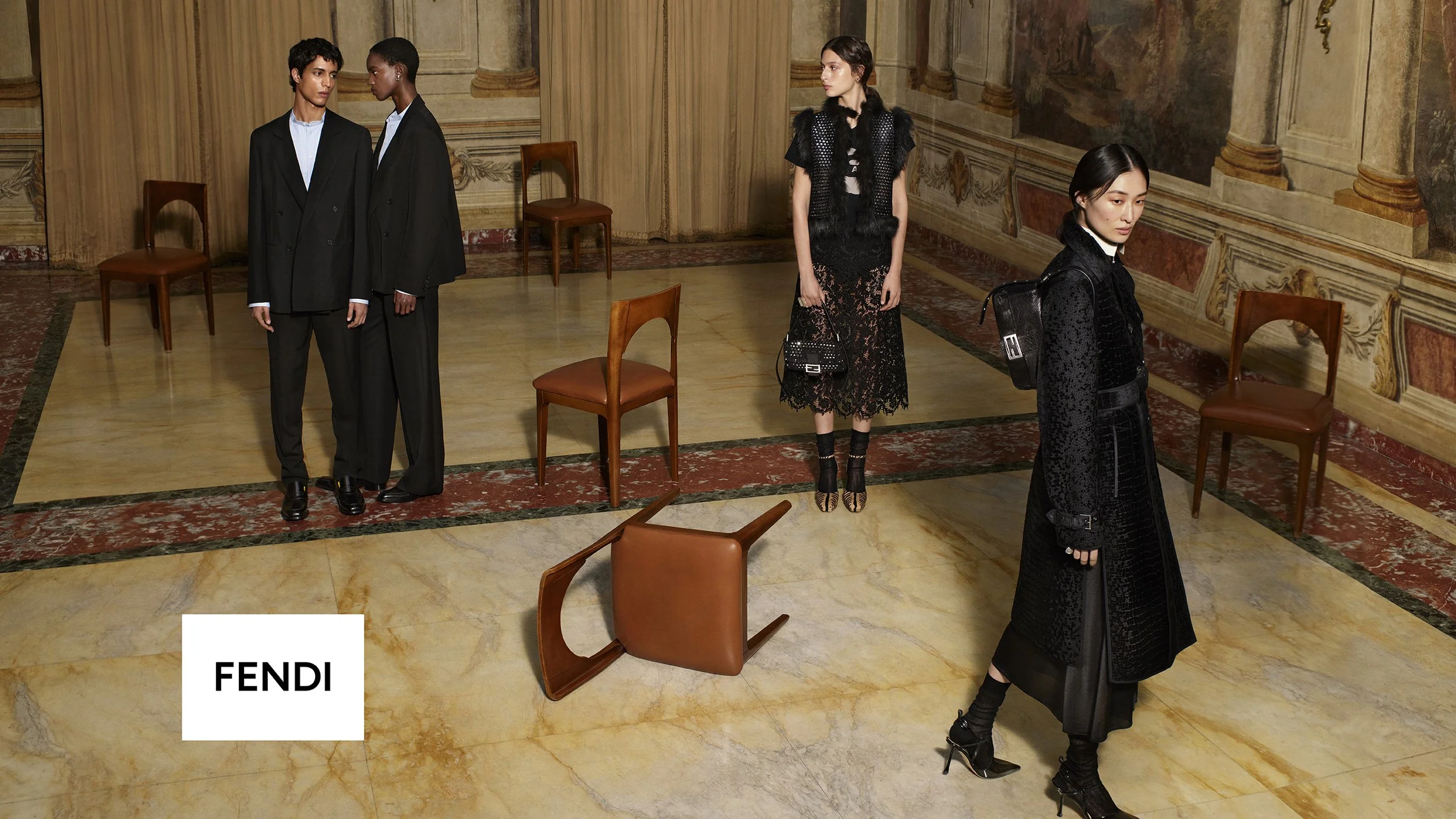
Distance becomes as expressive as proximity. Couples occupy the same physical environments without ever appearing completely accessible to one another. Their gestures communicate affection, uncertainty, hesitation, and restraint simultaneously.
The influence of legendary choreographer Pina Bausch is unmistakable, particularly in the way physical positioning becomes emotional dialogue. Space itself becomes part of the storytelling.
Maria Grazia Chiuri's Shared Wardrobe
The campaign also introduces one of Chiuri's defining ideas for her first FENDI collection: a shared wardrobe.
Rather than reinforcing rigid distinctions between menswear and womenswear, the collection explores how garments can move fluidly between identities while still amplifying individuality. Masculine tailoring heightens femininity; feminine silhouettes soften masculine strength. Similar garments become vehicles for contrasting expressions rather than uniformity.
This dialogue between menswear and womenswear feels particularly relevant as luxury consumers increasingly prioritize versatility, longevity, and emotional attachment over trend-driven consumption. Instead of designing separate worlds, Chiuri imagines one wardrobe inhabited differently by different people.
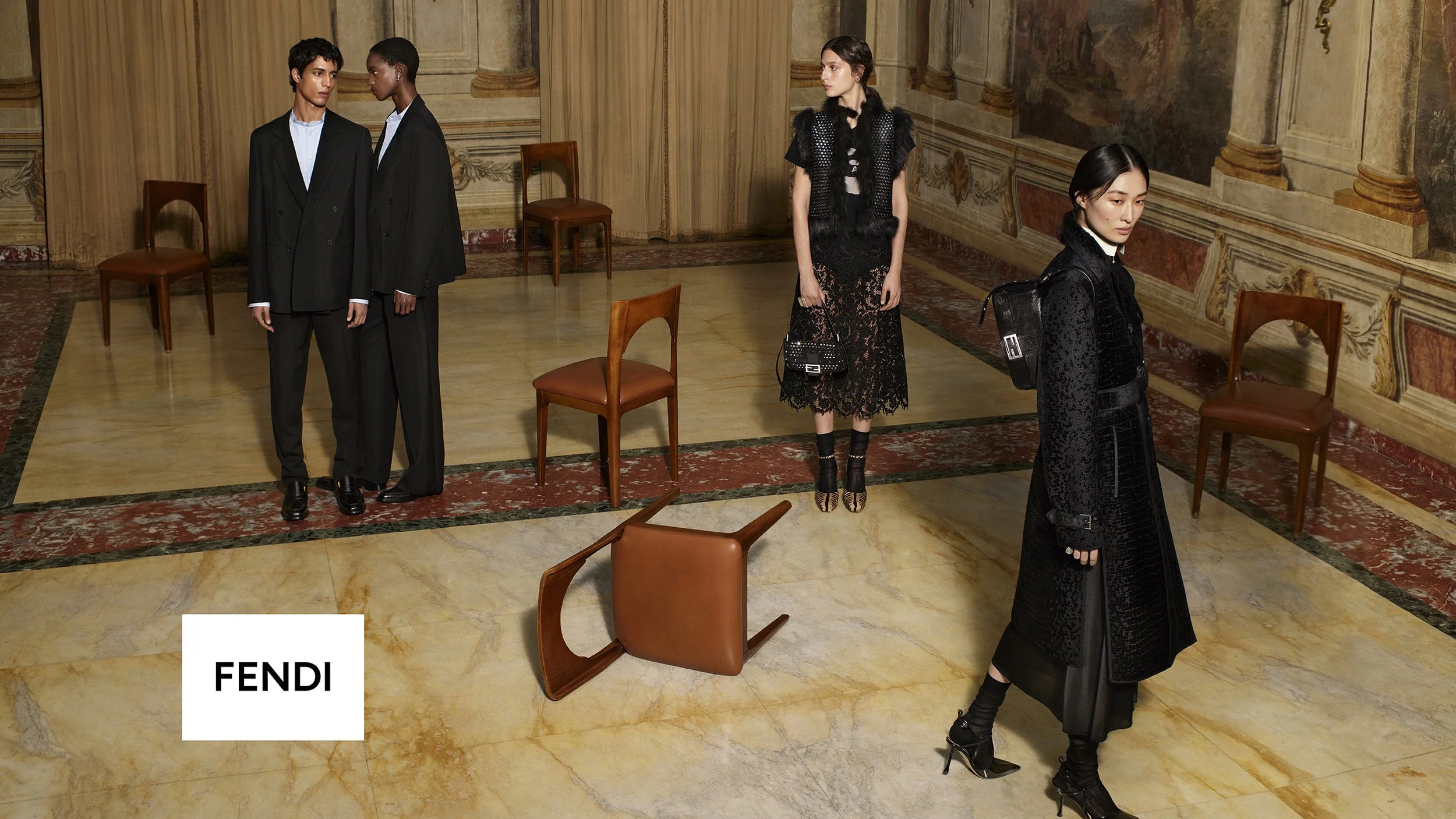
The campaign mirrors that philosophy visually, using pairs of subjects to explore both commonality and contrast without privileging one perspective over another.
Rome As A Character
If the models provide the emotional narrative, Rome supplies its atmosphere.
Rather than functioning as a picturesque backdrop, the Eternal City becomes an active participant in the campaign's storytelling. Historic interiors, textured walls, layered architecture, and softened natural light reinforce themes of memory, permanence, and emotional complexity.
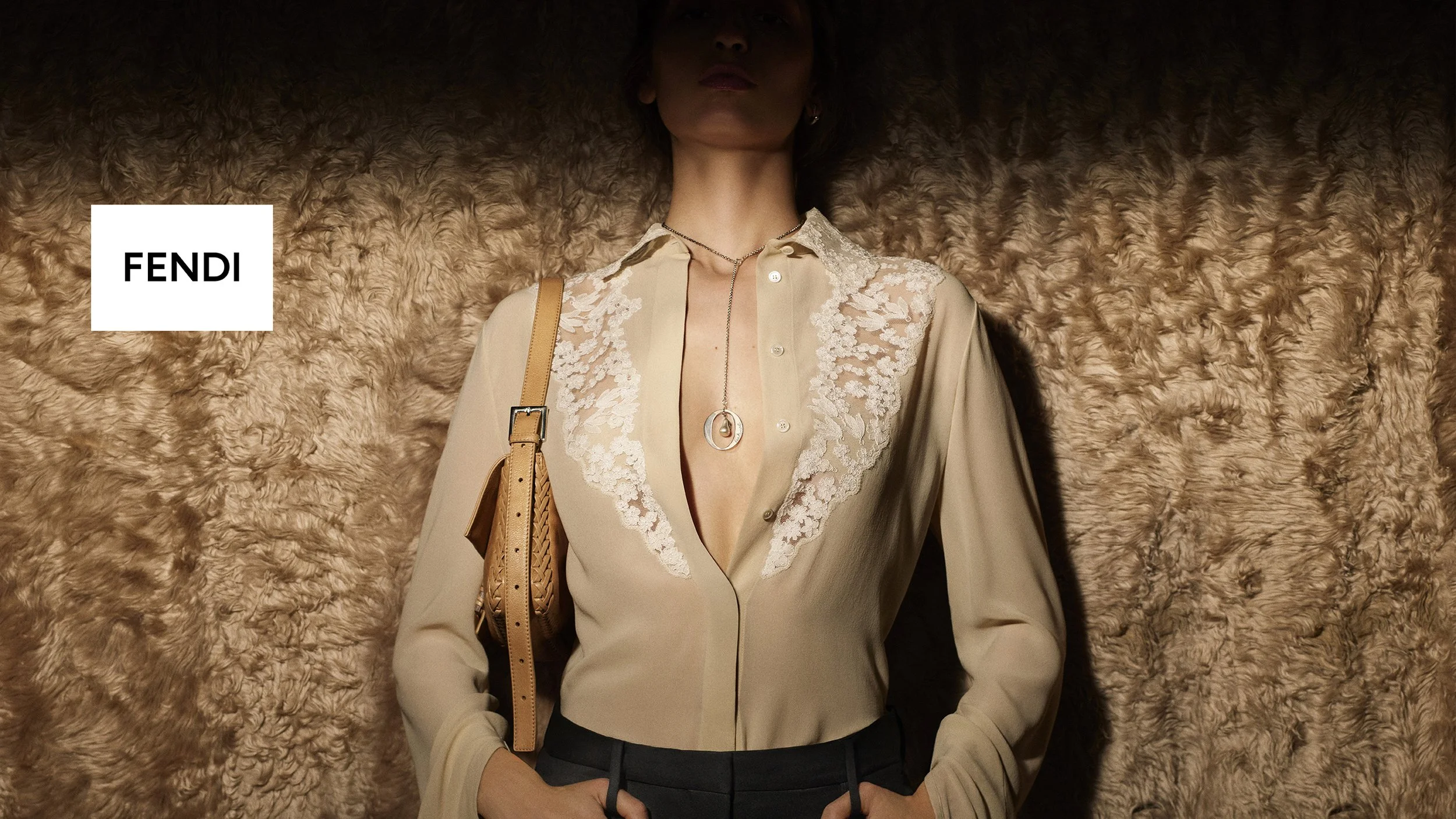
Callis pays particular attention to architectural details—drapery, sconces, shadows, and the way fabric absorbs and reflects light. These environmental elements create an almost dreamlike quality that blurs distinctions between reality and imagination.
The result evokes the cinematic tradition synonymous with Rome while remaining unmistakably contemporary. FENDI's Roman identity is present not through overt landmarks, but through mood, craftsmanship, and spatial richness.
A Campaign That Prioritizes Storytelling Over Spectacle
Luxury fashion has entered an era where campaigns increasingly function as cultural narratives rather than seasonal marketing exercises. Consumers expect more than beautiful photography; they seek ideas, perspective, and emotional authenticity.
FENDI's Fall/Winter 2026–2027 campaign answers that expectation with remarkable restraint.
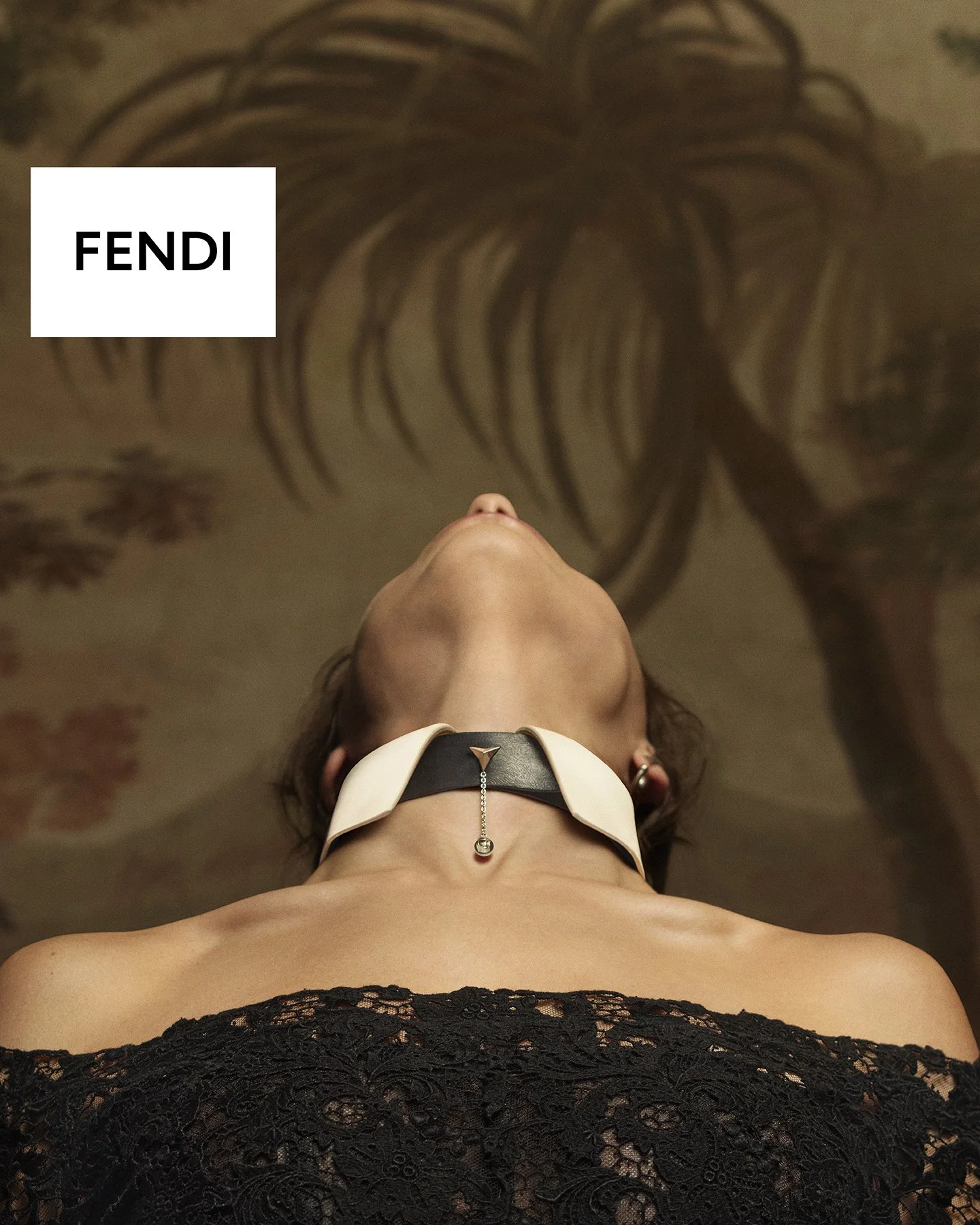
There are no theatrical set pieces or headline-grabbing celebrity distractions. Instead, Chiuri and Callis trust subtle gestures, thoughtful composition, and psychological nuance to communicate the collection's values.
That confidence speaks to a broader evolution within luxury branding. As attention becomes more fragmented, campaigns that invite contemplation often leave a longer-lasting impression than those designed purely for immediate impact.
For FENDI, the campaign establishes a thoughtful introduction to Maria Grazia Chiuri's creative direction—one where heritage, artistry, and human emotion coexist with equal importance. Rather than asking viewers simply to admire the clothes, it invites them to recognize themselves within the quiet complexities of connection, distance, and identity.
HOW DO YOU FEEL ABOUT FASHION?
COMMENT OR TAKE OUR PAGE READER SURVEY
Featured
Better With Age’s FW26 “STOLEN ART” collection expands its circular design philosophy into refined tailoring and limited-edition eyewear, transforming vintage textiles and antique silver flatware into contemporary pieces with a distinct sense of history.