
Growing Up in Style: Kids’ Bedroom Ideas That Adapt
PAGE
By PAGE Editor
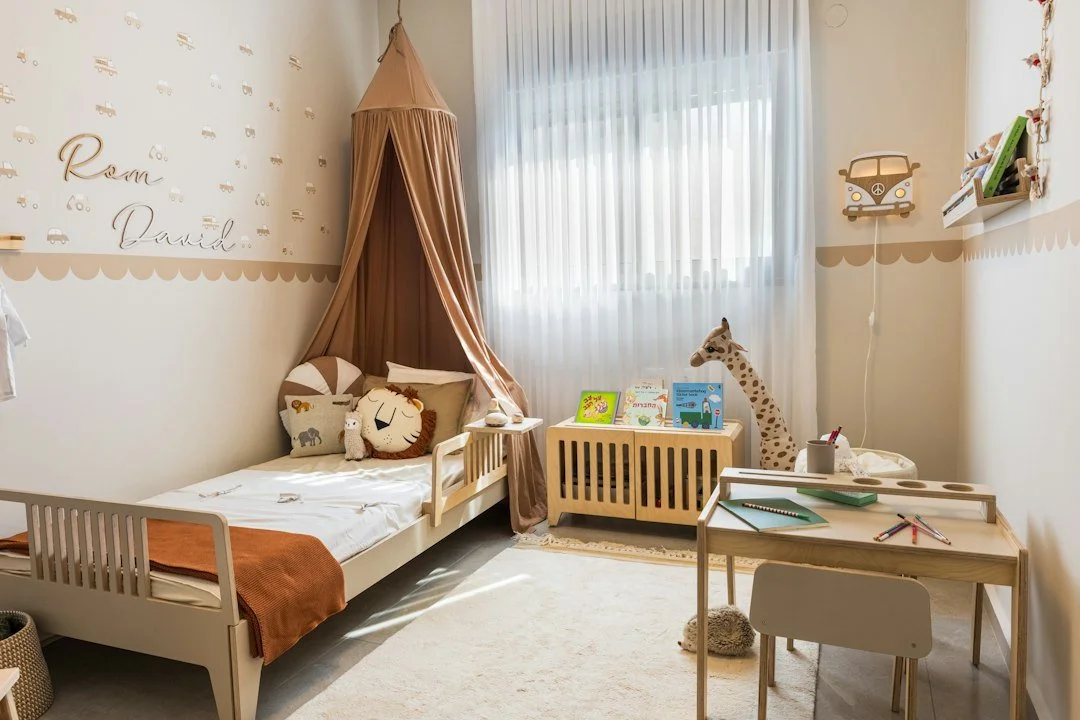
Children seem to grow up in the blink of an eye. One year they are fascinated by space rockets and toy trains, and the next, they are focused on school projects, sports, and expressing their unique sense of personal style. Because a child’s personality, hobbies, and physical needs evolve so rapidly, completely redesigning their bedroom every couple of years can quickly become overwhelming and expensive.
The secret to a successful, long-lasting bedroom design lies in creating a space that effortlessly adapts alongside your child. By choosing flexible furniture, timeless color palettes, and smart functional layouts, you can build a bedroom that transitions seamlessly from early childhood through the teenage years. Here are essential strategies for designing a stylish, adaptable kids' bedroom that stands the test of time.
Start with a Versatile, Neutral Foundation
When laying the groundwork for a bedroom overhaul, resist the urge to paint the walls in hyper-specific themed colors that your child might outgrow in a year. Instead, opt for a soothing base palette of soft neutrals, warm greys, gentle pastels, or muted earthy tones. Neutral backdrop walls allow the room’s aesthetic to shift easily over time without requiring a full repaint.
Infuse energy, color, and personality through easily swappable elements such as bedding, curtains, area rugs, and wall art. If your child is currently captivated by outer space or sports, incorporate these passions through framed posters, decorative throw pillows, or themed lighting. As their interests change, swapping out smaller accessories is far simpler and more budget-friendly than redecorating from scratch.
Invest in Multi-Functional, Space-Saving Furniture
As children mature, their space requirements shift from open floor areas for play to dedicated zones for studying and relaxation. Multi-functional furniture is the key to managing this evolution effectively without overcrowding the room.
Look for durable furniture pieces that serve double duty. Benches with hidden compartments, modular shelving systems, and desks with adjustable heights ensure long-term utility as your child grows. For smaller bedrooms or multi-use spaces, innovative sleeping arrangements can dramatically open up the layout. Integrating a twin size wall bed offers a clever way to fold away the sleeping surface during daytime hours, freeing up essential floor space for homework, gaming, or floor play, while still providing a comfortable and supportive mattress for a restful night.
Establish Distinct Activity Zones
A well-designed kids' bedroom serves multiple purposes throughout the day: sleeping, studying, playing, and unwinding. Dividing the room into defined activity zones keeps the environment organized and helps kids maintain structured routines.
The Sleep Zone: Keep this area calm and uncluttered. Cozy bedding, soft lighting, and minimal distractions foster healthy sleep habits.
The Study Zone: A dedicated nook equipped with a sturdy desk, an ergonomic chair, and focused task lighting encourages concentration as schoolwork demands increase.
The Play & Lounge Zone: Incorporate floor cushions, a small rug, or a cozy reading nook where your child can relax or pursue creative hobbies.
Layer Comfort with Textures and Adjustable Lighting
A cozy environment makes a child feel safe, comfortable, and inspired in their personal sanctuary. Layering various textures—such as plush rugs, knitted throw blankets, and soft curtains—adds visual warmth and depth to the room. Choosing high-quality, breathable bedding materials like cotton or linen ensures year-round comfort.
Lighting also plays a critical role in how adaptable a bedroom feels across different age stages. Rather than relying solely on a single overhead fixture, layer your light sources. Combine general ambient lighting with adjustable desk lamps for homework and warm bedside nightlights or string lights for evening relaxation. Dimmable lighting options allow the ambiance to adjust easily whether it is study time or bedtime.
Encourage Evolving Personal Touches
A truly great kids’ bedroom should reflect the unique individual who lives in it. Provide dedicated spaces where your child can showcase their achievements, artwork, and collectibles without damaging the broader room design. Corkboards, magnetic display strips, floating shelves, or picture wires allow kids to easily update their favorite items—whether display model kits, sports medals, or photos with friends. Involving your child in selecting these interchangeable accents fosters a sense of pride, ownership, and comfort in their evolving room.
Designing an adaptable kids' bedroom is not about avoiding fun—it is about making smart, flexible design choices that allow your child's personality to shine through at every age. By focusing on versatile furniture, smart organization, and layered comfort, you create a stylish retreat that grows alongside them for years to come.
HOW DO YOU FEEL ABOUT FASHION?
COMMENT OR TAKE OUR PAGE READER SURVEY
Featured



Video is no longer optional for marketing teams, e-commerce brands, and solo creators.