
Gym Mirror-6ft x 4ft – Why Size Matters for a Better Workout Space?
PAGE
By PAGE Editor
A well-designed workout space isn't just about equipment. The environment plays a major role in motivation, exercise technique, and overall safety. Among the many elements that improve a fitness area, mirrors consistently rank as one of the most valuable additions. Whether it's a dedicated home gym, garage gym, dance studio, or personal training room, choosing the right mirror dimensions can dramatically influence how the space looks and functions. One size that continues to attract attention among homeowners and fitness enthusiasts is the Gym Mirror 6ft x 4ft. This proportion offers an excellent balance between visibility and practicality, making it suitable for many workout environments without overwhelming the room. From strength training to yoga sessions, the right mirror helps users observe posture, maintain proper alignment, and build confidence throughout every workout.
Why Mirrors Are Essential in Fitness Spaces
Mirrors have long been a standard feature in commercial gyms, and for good reason. Their purpose extends well beyond aesthetics. Watching your movement in real time provides immediate visual feedback. Instead of guessing whether your squat depth is correct or if your shoulders remain level during overhead presses, a mirror allows instant correction. This visual awareness reduces poor movement patterns that may eventually contribute to discomfort or injury.
Fitness professionals often encourage clients to focus on form before increasing weight or intensity. A properly positioned mirror becomes an educational tool that reinforces proper biomechanics while supporting consistent progress.
For beginners especially, visual confirmation builds confidence. Learning unfamiliar exercises feels less intimidating when every movement can be monitored and adjusted immediately.
The Popularity of the 6ft x 4ft Mirror Size
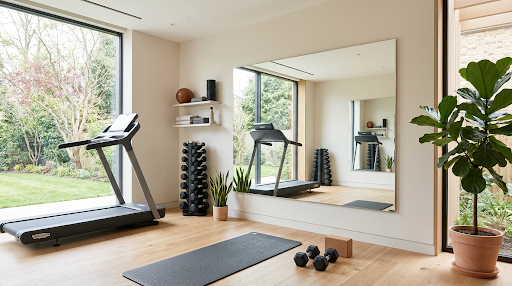
When selecting a workout mirror, dimensions matter almost as much as glass quality. A mirror measuring approximately six feet high by four feet wide offers a viewing area large enough to observe full-body movement for most adults. The height accommodates standing exercises while the width provides enough visibility for lateral movement during bodyweight routines, stretching, resistance training, and mobility work.
Unlike oversized commercial installations that cover entire walls, this dimension fits comfortably inside:
Home gyms
Basement workout rooms
Garage fitness spaces
Personal training studios
Yoga rooms
Dance practice areas
Martial arts studios
Because of its versatile proportions, 6ft x 4ft gym mirror has become one of the preferred sizes for residential fitness spaces seeking professional functionality without requiring an entire mirrored wall.
Choosing the Right Glass for Workout Mirrors
Not all mirrors are manufactured the same way. Understanding the differences helps homeowners select an option that performs well over many years.
Tempered Glass
Tempered glass undergoes specialized heat treatment that significantly increases its strength compared to standard glass.
If breakage occurs, tempered glass shatters into relatively small, blunt fragments instead of dangerous sharp shards. This characteristic makes it an excellent choice for areas where people exercise with weights or perform dynamic movements.
Many fitness professionals recommend tempered mirrors whenever safety is a priority.
Annealed Glass
Annealed mirrors are commonly used throughout residential interiors and offer excellent visual clarity.
While often more economical, they are generally better suited to lower-impact environments where the risk of accidental impact remains minimal.
Safety Backing
Many premium workout mirrors include protective safety backing. This film helps retain broken glass fragments if damage occurs, reducing the chance of scattered pieces across the floor. Safety backing adds another layer of protection without affecting reflection quality.
Reflection Quality Makes a Difference
One overlooked aspect of workout mirrors is optical clarity. High-quality mirrors provide accurate reflections without distortion. Lower-quality products sometimes create slight waves or visual inconsistencies that alter body proportions.
Although these imperfections may seem minor, they can interfere with evaluating posture, exercise technique, and movement symmetry.
Professional fitness studios often prioritize mirrors with polished manufacturing standards because reflection accuracy directly supports effective training.
Best Locations for Installing a Workout Mirror
Placement influences both functionality and room appearance. The mirror should generally face the primary exercise area while minimizing direct glare from windows or overhead lighting. A few common placement options include:
Behind the Main Training Area
This arrangement works particularly well for strength training, allowing users to monitor lifting mechanics.
Adjacent to Cardio Equipment
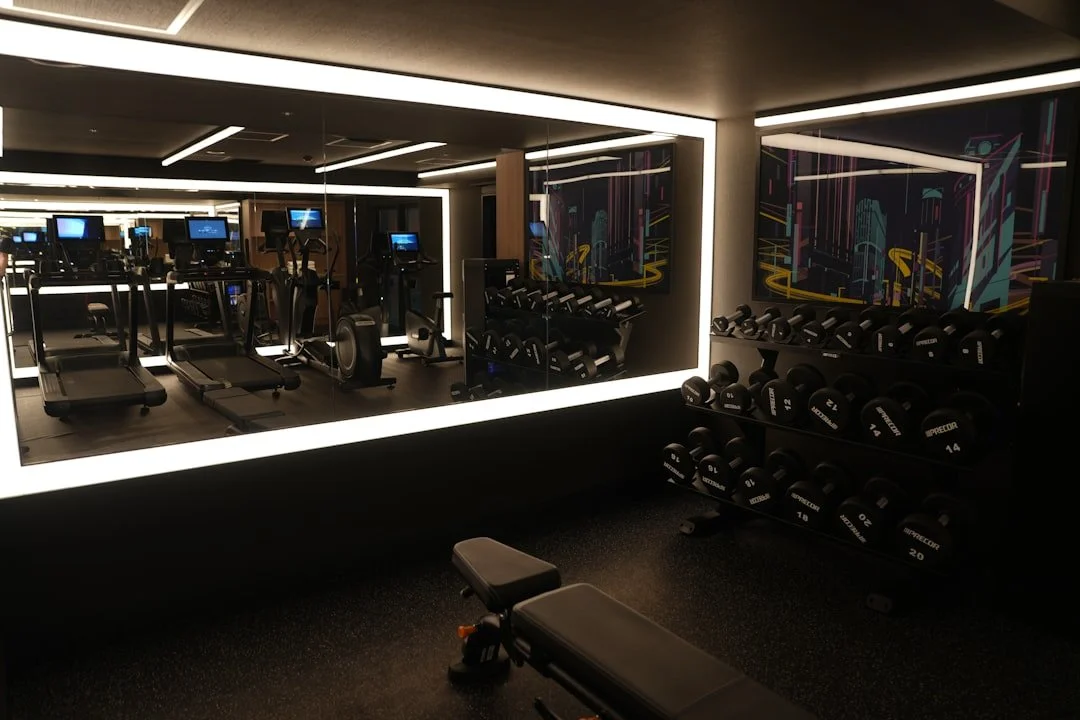
Treadmills, rowing machines, and stationary bikes often benefit from nearby mirrors that create a more open atmosphere and improve visual engagement during longer workouts.
Entire Feature Wall
Larger fitness rooms sometimes combine several matching panels to create a continuous reflective surface that resembles commercial gym installations.
How Mirrors Improve Exercise Technique
Exercise quality depends on controlled movement. Without visual feedback, individuals often develop subtle errors that become habitual over time. A mirror allows users to observe:
Shoulder alignment
Spine positioning
Knee tracking
Squat depth
Hip symmetry
Deadlift posture
Overhead press mechanics
Balance during unilateral exercises
Instead of relying solely on physical sensation, athletes receive immediate confirmation that movements remain consistent throughout each repetition. This combination of visual and physical awareness supports better long-term training habits.
More Than Strength Training
Workout mirrors aren't limited to lifting weights. Many fitness disciplines benefit equally from improved visibility.
Yoga
Alignment is central to yoga practice. Participants can better monitor posture, breathing positions, and balance while gradually improving flexibility.
Pilates
Controlled movements require precision. Mirrors allow practitioners to maintain neutral spine alignment while ensuring symmetrical body positioning.
Dance
Dancers have relied on mirrors for decades to refine technique, improve synchronization, and develop spatial awareness.
Martial Arts
Whether practicing kicks, punches, or defensive movements, visual feedback improves coordination and movement efficiency.
Functional Fitness
Exercises involving mobility, balance, and athletic performance become easier to evaluate through consistent visual observation.
Creating the Illusion of More Space
One of the biggest advantages of installing a large mirror is its ability to transform the appearance of a room. Small workout spaces often feel confined due to equipment occupying valuable floor space. Mirrors reflect natural and artificial light, making interiors appear:
Brighter
Larger
More open
Less cluttered
This psychological effect can significantly improve workout motivation, especially in basement gyms where limited windows may create darker environments.
Lighting and Mirror Performance
Even the highest-quality mirror cannot compensate for poor lighting. Balanced illumination enhances reflection clarity while reducing harsh shadows that obscure body positioning. Many homeowners combine mirrors with:
LED ceiling lighting
Recessed fixtures
Natural daylight
Adjustable wall sconces
Avoid placing bright lights directly opposite the mirror whenever possible, as excessive glare may interfere with visibility.
Wall Preparation Before Installation
Successful installation begins with a suitable wall surface. Drywall should be structurally sound, flat, and capable of supporting the mirror's weight. Professional installers often inspect:
Wall studs
Surface level
Moisture conditions
Existing electrical outlets
Floor alignment
Professional Installation vs. DIY
Some homeowners choose self-installation, while others hire experienced professionals. DIY installation may work well for individuals familiar with handling heavy glass and using specialized mounting hardware. Professional installation, however, offers several advantages including precise leveling, secure anchoring, reduced risk of glass damage and compliance with manufacturer recommendations.
Considering the weight of large mirrors, many homeowners find professional installation worthwhile for both convenience and safety.
Cleaning Without Damaging the Surface
Routine maintenance keeps mirrors looking clear for years. The safest cleaning method includes:
Use a soft microfiber cloth together with a non-abrasive glass cleaner. Spray cleaner onto the cloth rather than directly onto the mirror whenever possible to minimize moisture reaching the edges.
Avoid harsh chemicals, abrasive pads, or ammonia-heavy products that may gradually damage protective coatings or mirror backing.
Regular dust removal also prevents buildup that can reduce reflection clarity over time.
Understanding Mirror Thickness
Thickness affects both durability and reflection quality. Many residential workout mirrors are available in thicknesses ranging from approximately 1/4 inch to 3/8 inch. Thicker mirrors generally provide:
Greater rigidity
Improved durability
Reduced distortion
Enhanced visual consistency
Common Mistakes When Selecting a Gym Mirror
Many buyers focus only on dimensions while overlooking other important considerations. Some common mistakes include choosing mirrors without safety backing, ignoring wall strength, selecting low-quality reflective glass, or installing mirrors where direct sunlight causes excessive glare.
Another frequent oversight involves underestimating installation weight. Large mirrors require secure mounting systems designed specifically for heavy glass. Evaluating these factors before purchase leads to a safer and more satisfying long-term installation.
How Long Quality Workout Mirrors Last
A well-manufactured mirror can remain in excellent condition for decades. Longevity depends on several factors, including:
Manufacturing quality
Protective backing
Indoor humidity
Installation accuracy
Routine maintenance
Edge protection
Keeping moisture away from exposed edges and cleaning with appropriate products helps preserve reflective performance over many years.
Why Mirror Placement Influences Motivation
Workout psychology often receives less attention than physical equipment, yet environment plays a measurable role in consistency. An organized, well-lit exercise area with clear sightlines encourages regular use. Mirrors contribute by making spaces feel more professional while allowing users to observe progress over weeks and months.
Many individuals report greater confidence when they can see improvements in posture, mobility, muscle definition, and exercise execution. This visual reinforcement supports habit formation and long-term fitness adherence.
Final Thoughts
A thoughtfully designed workout environment supports better performance, improved safety, and greater consistency. Mirrors remain one of the most valuable additions because they combine practical functionality with visual enhancement. Whether used for strength training, yoga, dance, or general fitness, the right mirror improves movement awareness while making even modest workout spaces feel brighter and more spacious.
Selecting appropriate glass quality, safe installation methods, proper lighting, and regular maintenance ensures lasting performance. As more homeowners continue investing in dedicated fitness areas, choosing dimensions that balance visibility with room efficiency remains an important decision. For many residential gyms, a well-positioned mirror of this size provides an ideal combination of practicality, comfort, and everyday usability.
HOW DO YOU FEEL ABOUT FASHION?
COMMENT OR TAKE OUR PAGE READER SURVEY
Featured





Preparing a home for overnight guests creates different priorities from ordinary weekly upkeep.