
HILÁ’s ‘Lilith’ Turns Personal Rebirth Into a Study in Armor, Color and Light
PAGE
By PAGE Editor
New York Fashion Week has long been a stage for designers to translate personal narratives into something tangible, and for HILÁ, that narrative begins with a woman who refused to remain where she was expected to. For Spring/Summer 2027, Creative Director and founder Hila Arshadnia looked to Lilith—the mythological figure associated with exile, defiance and self-determination—as the foundation for a collection about dismantling, survival and ultimately returning to oneself.
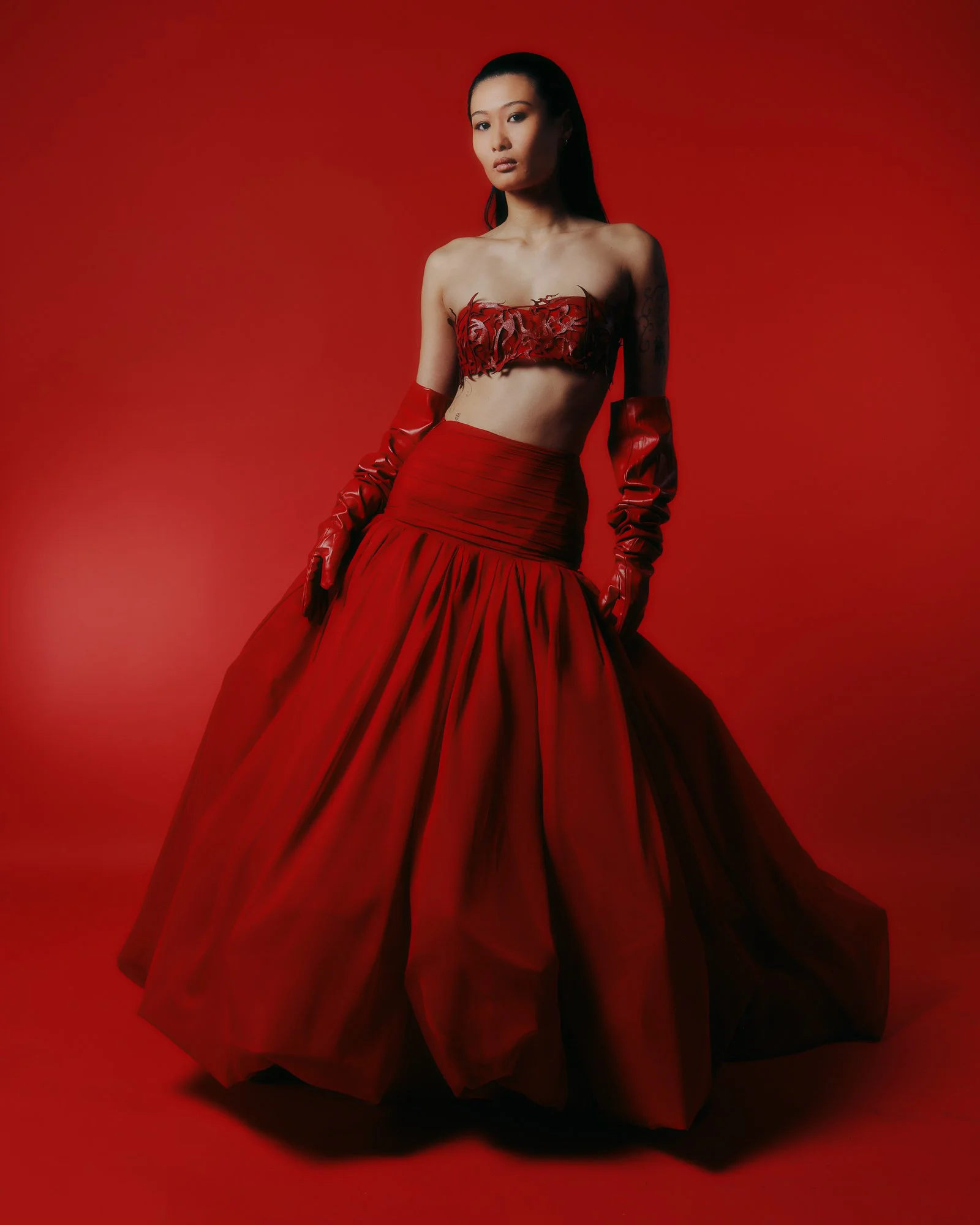
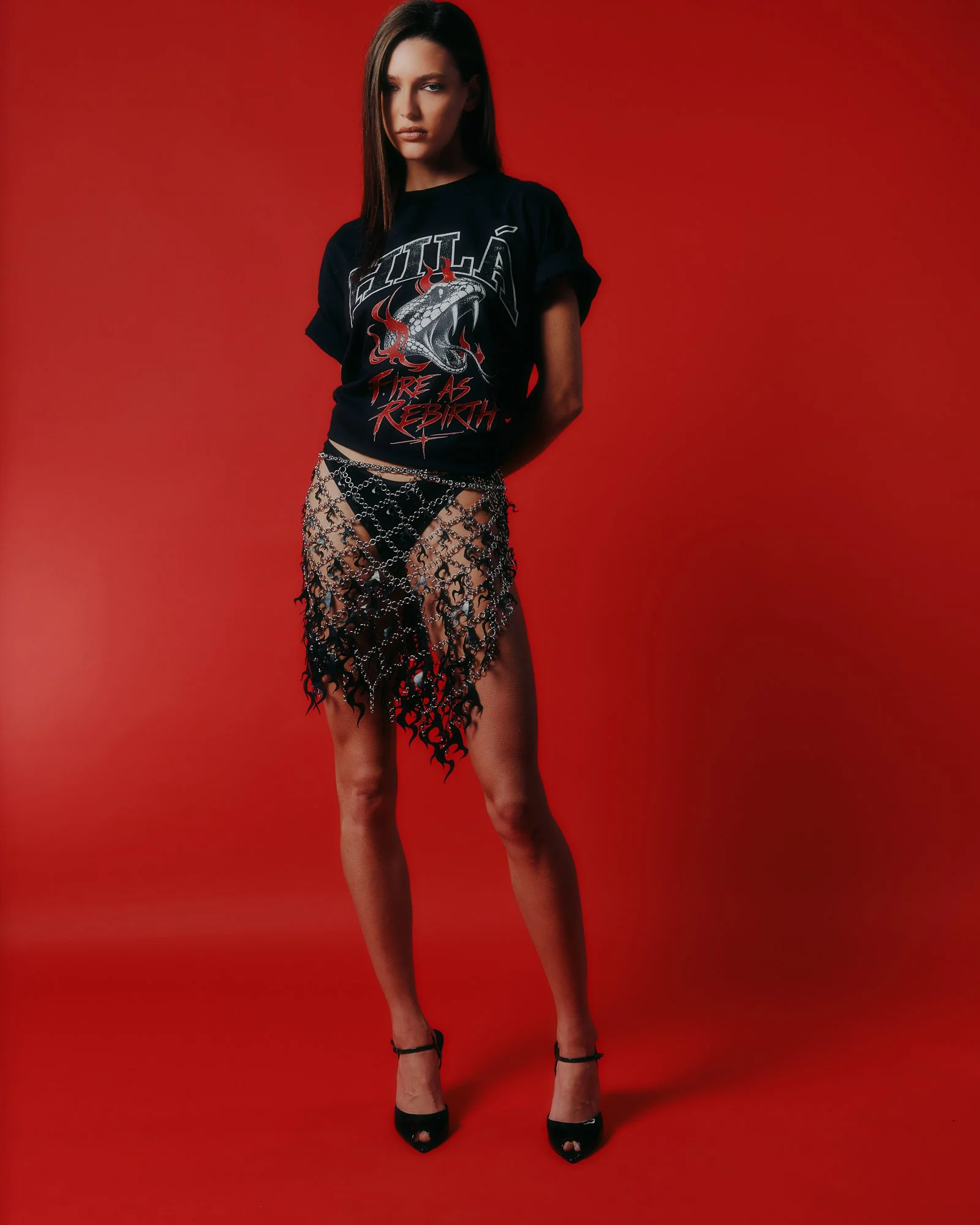
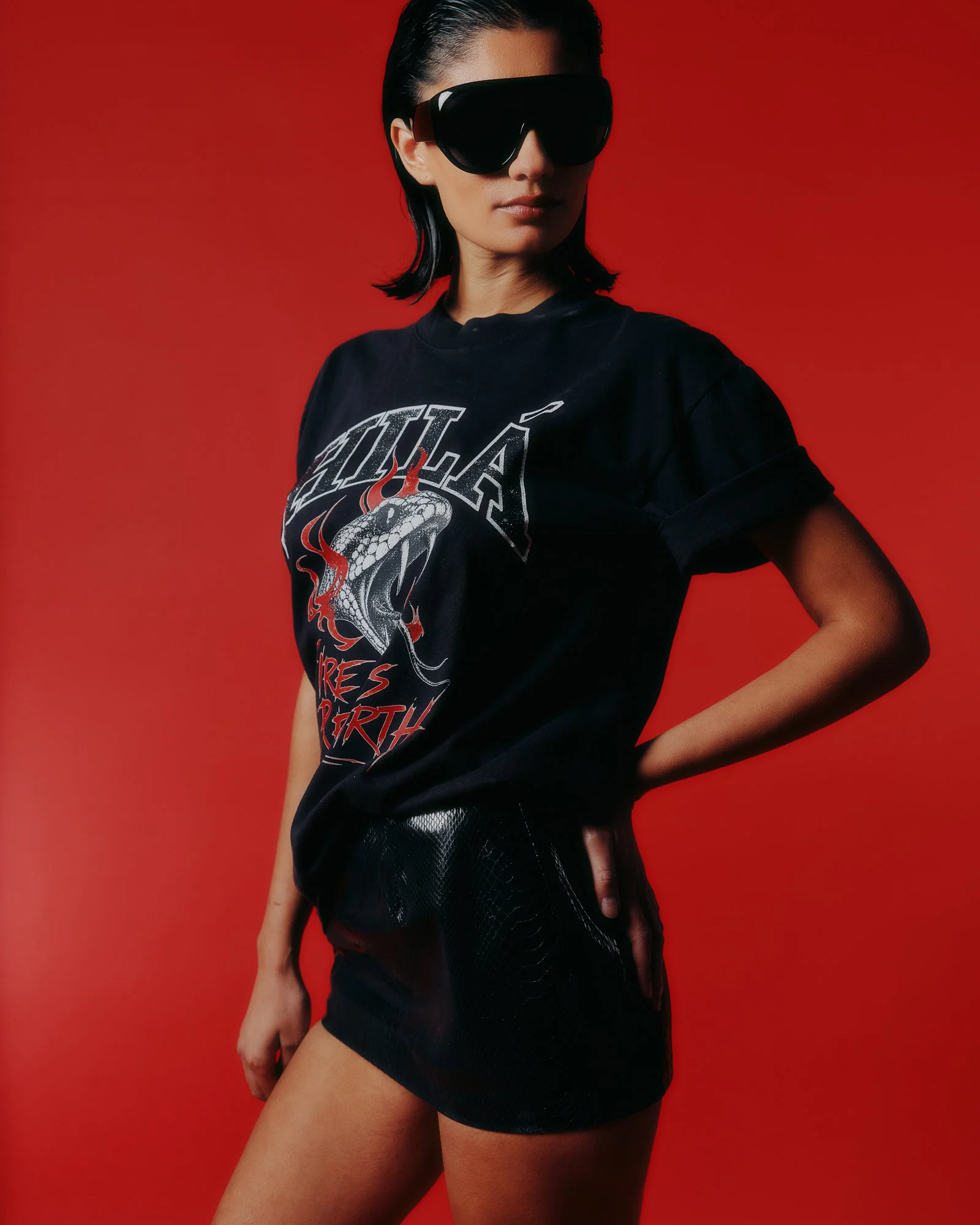
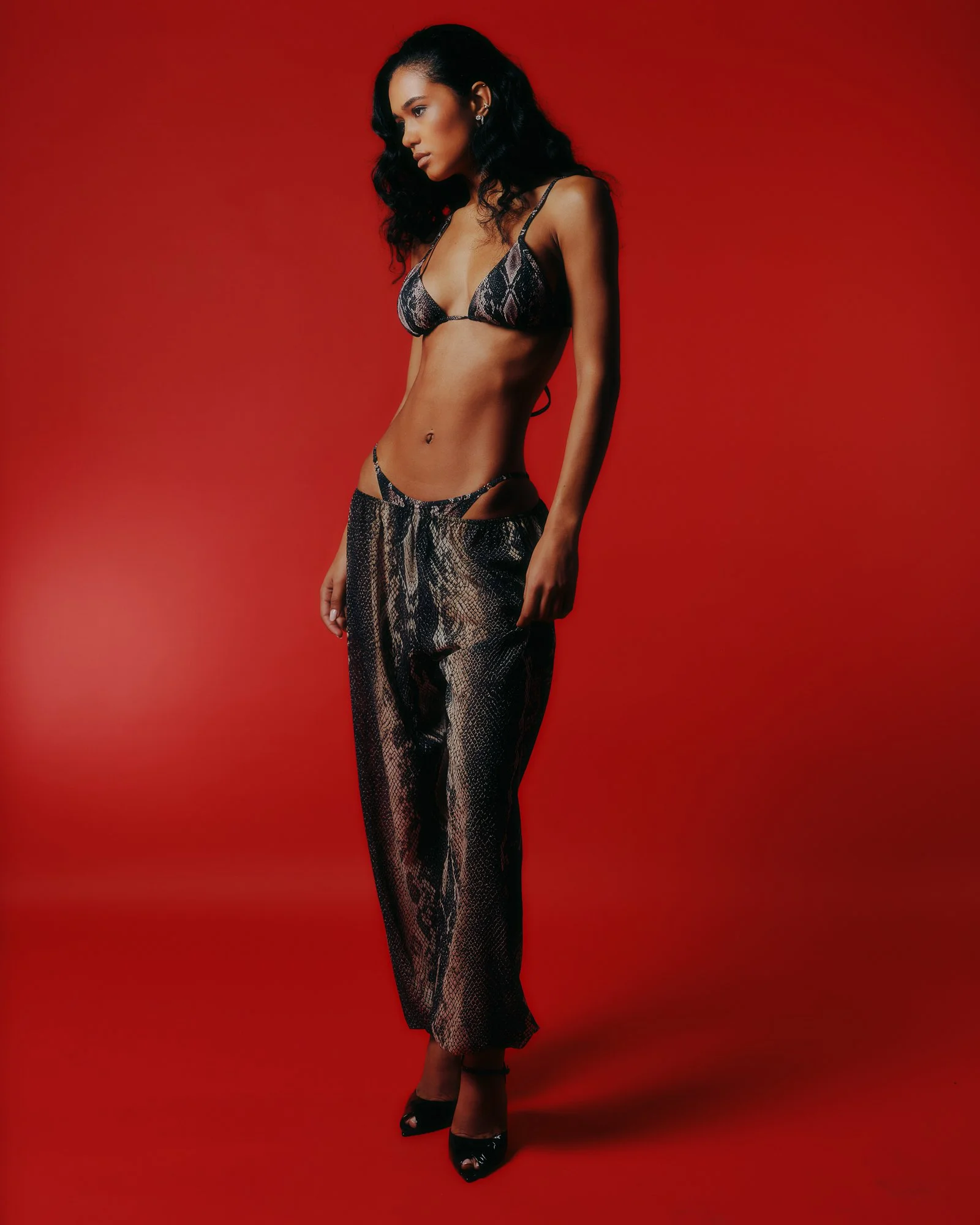
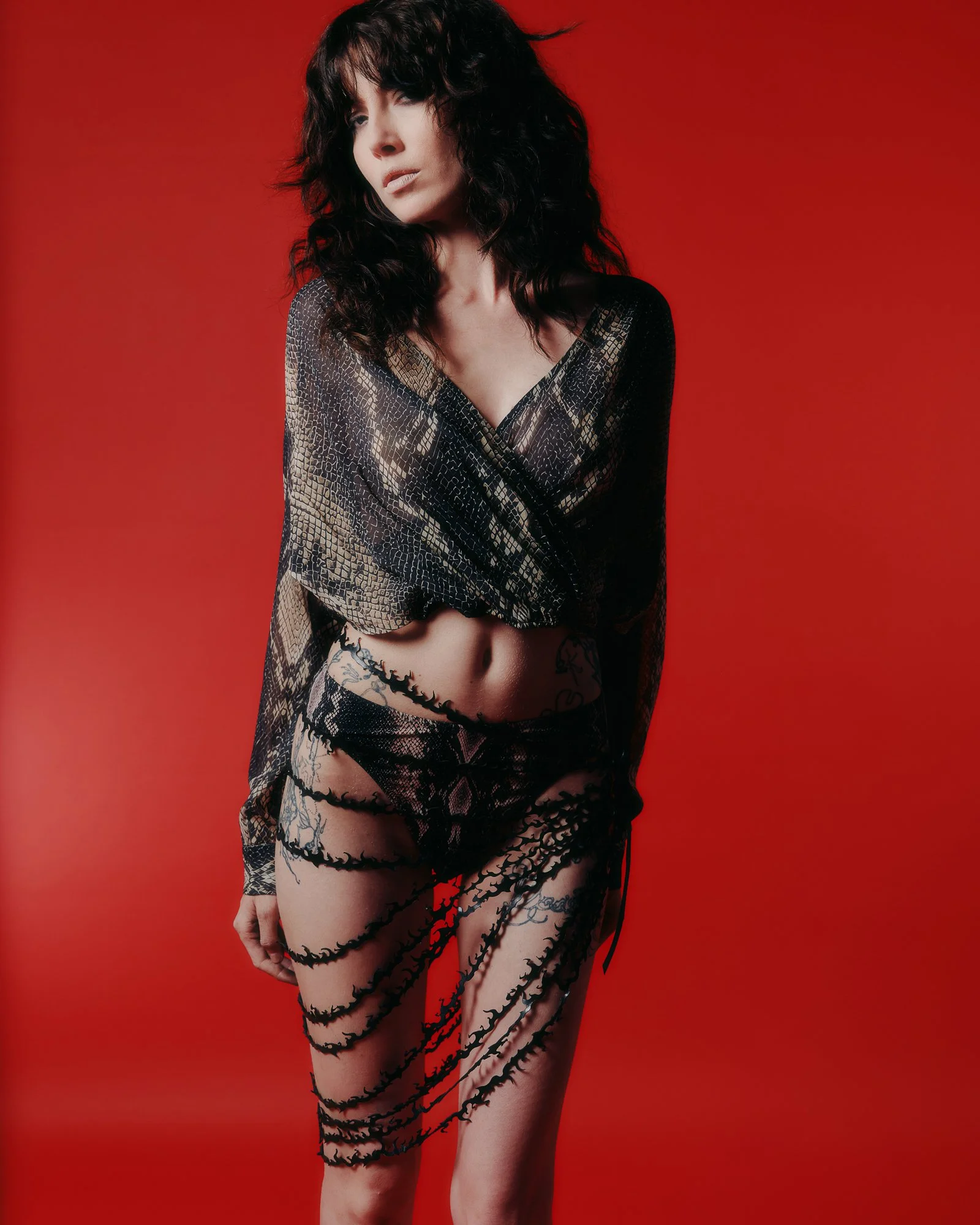
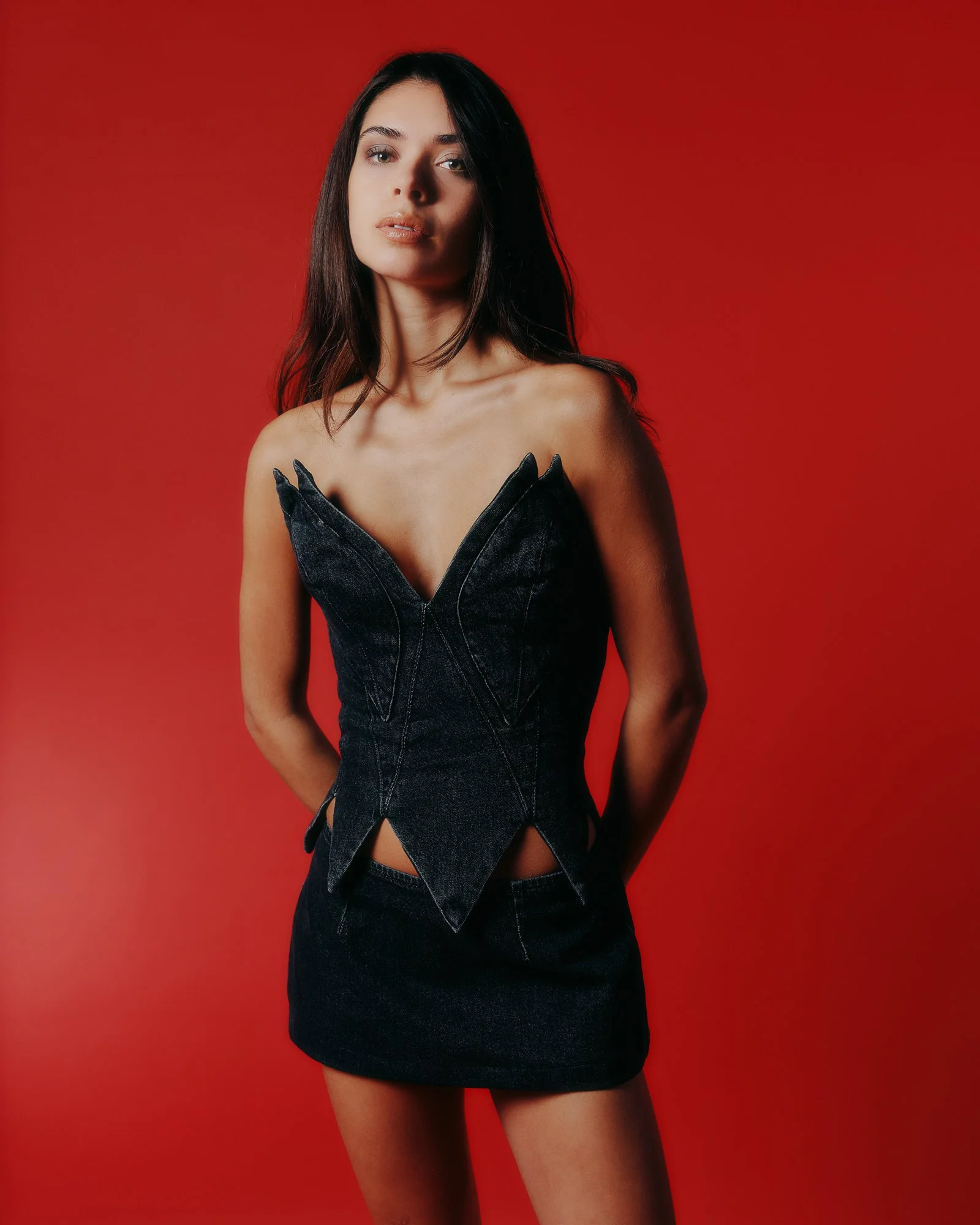
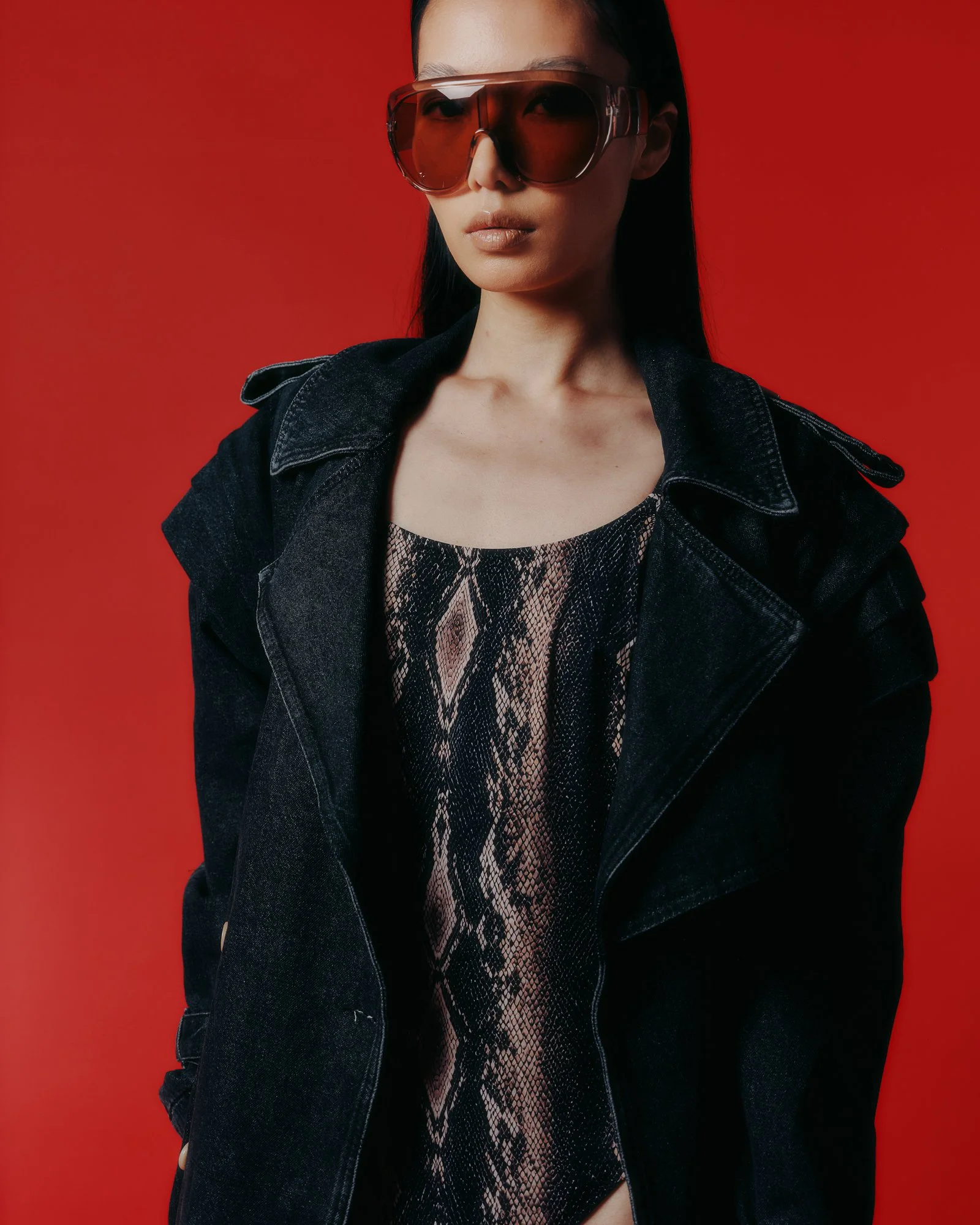
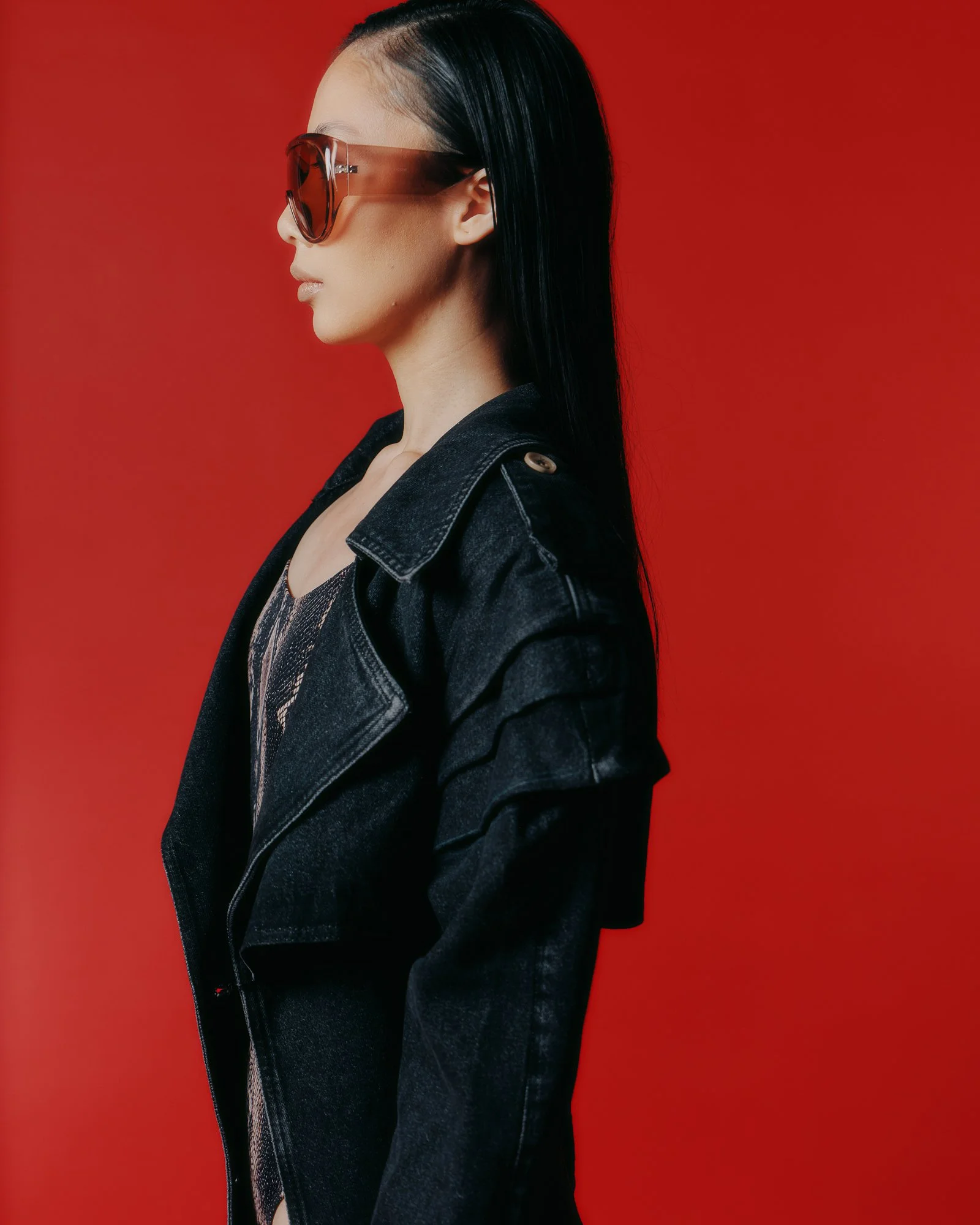
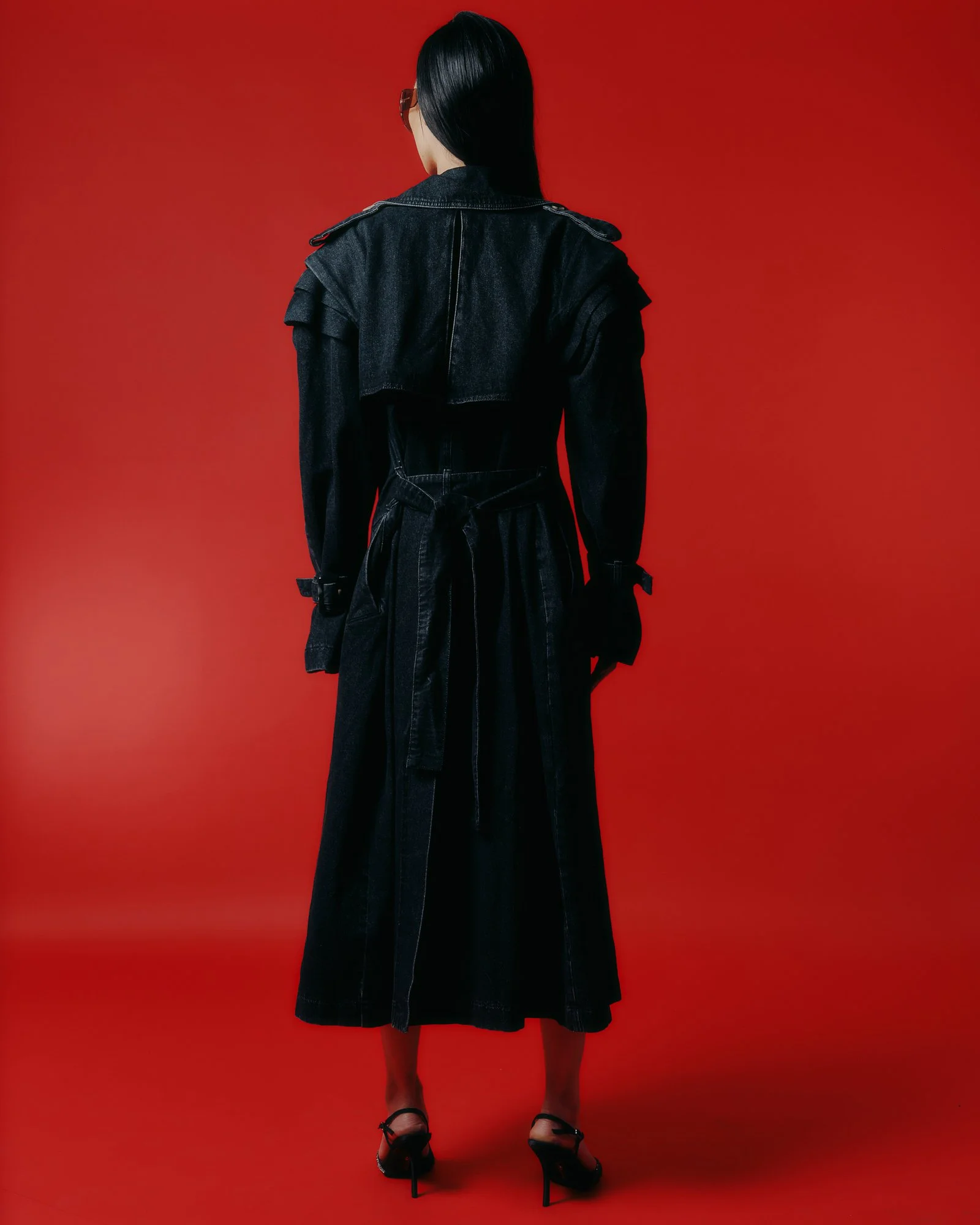
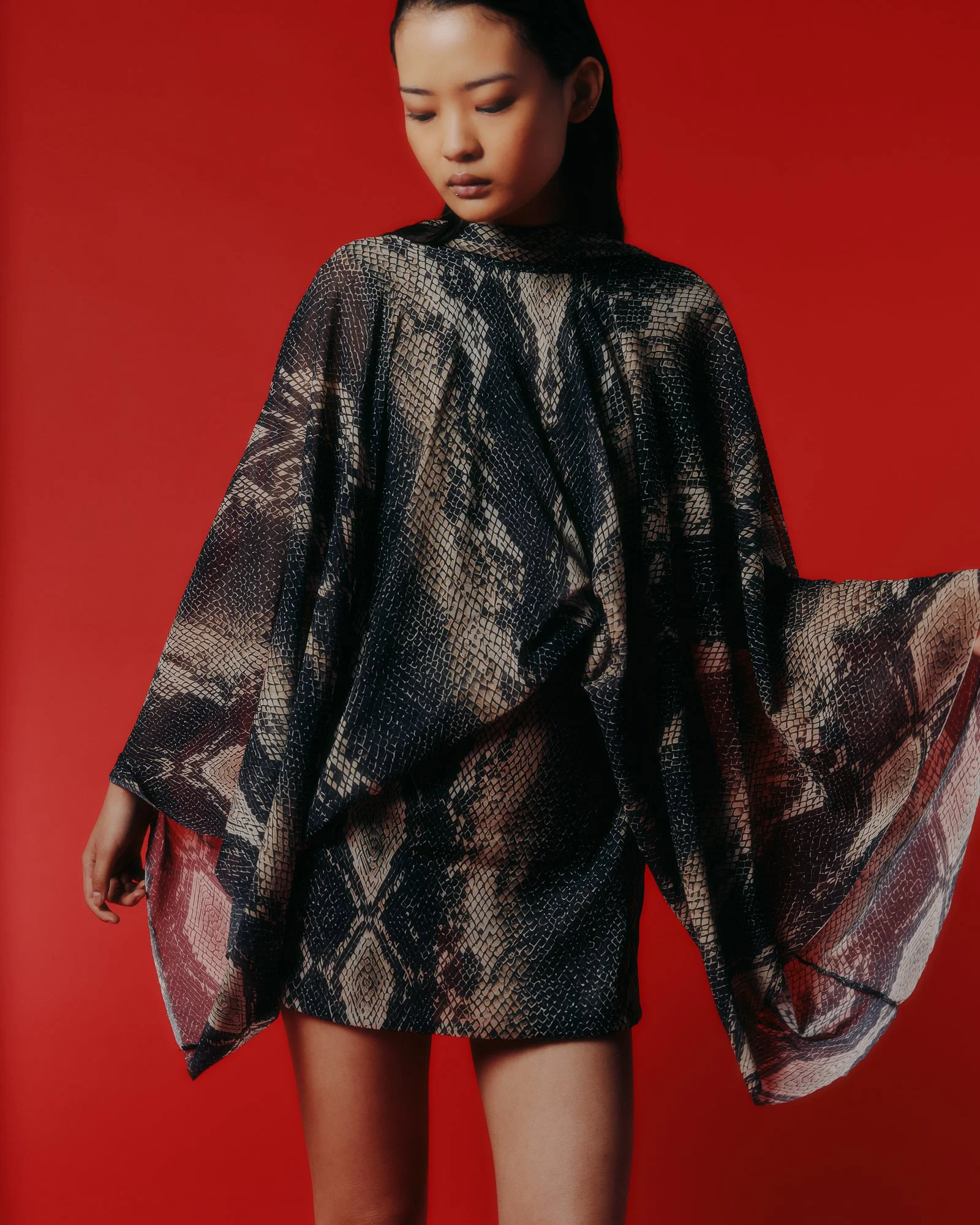
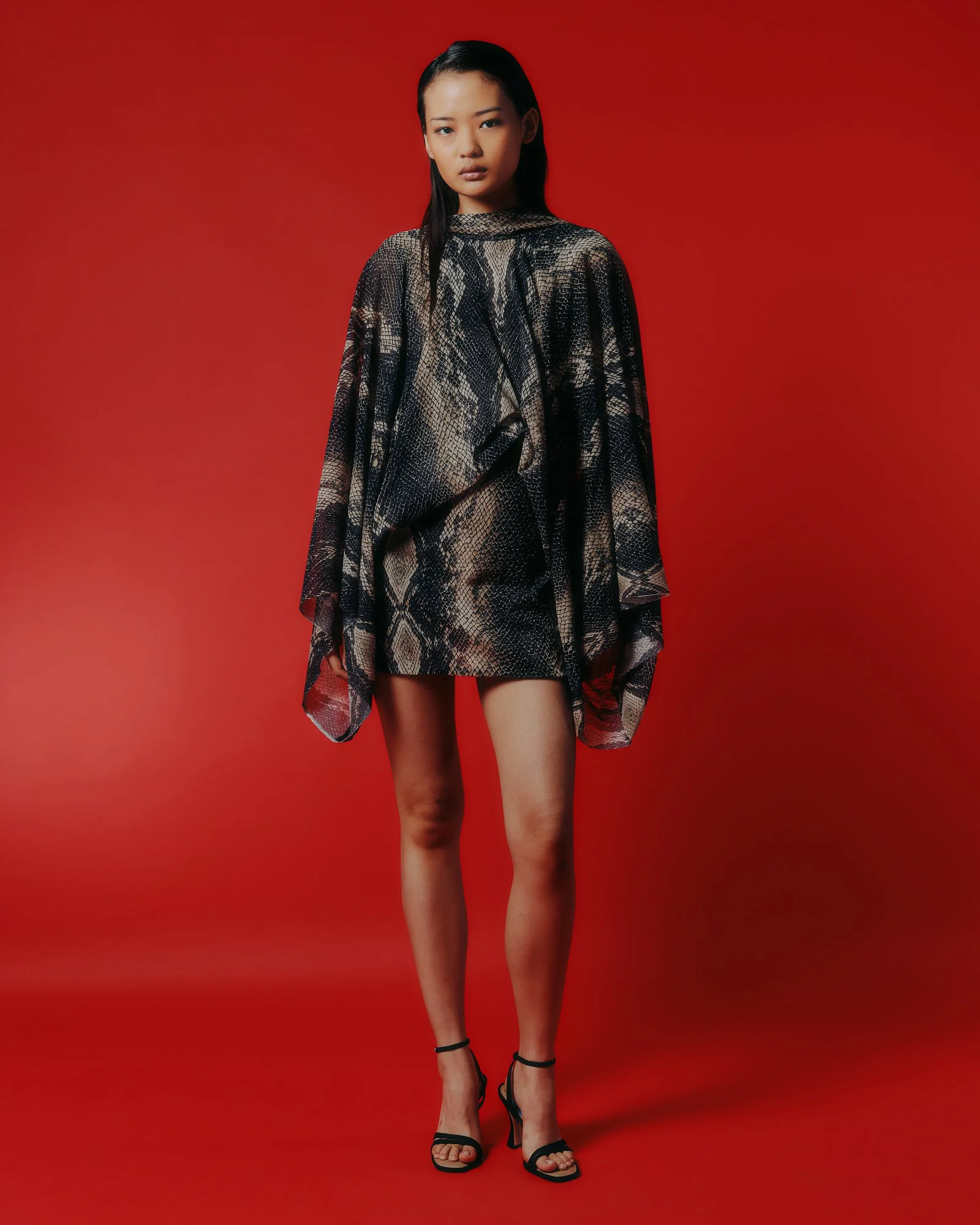
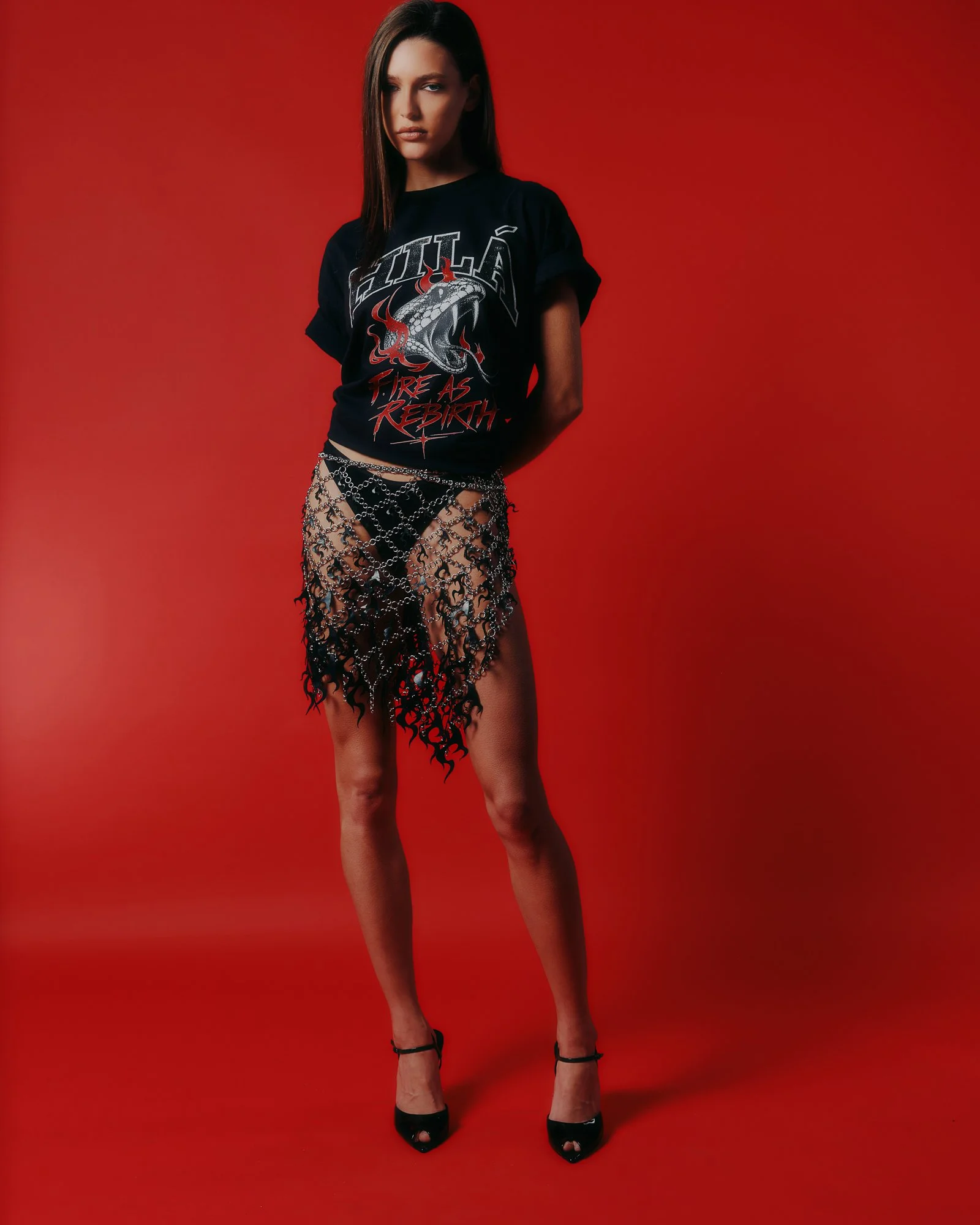
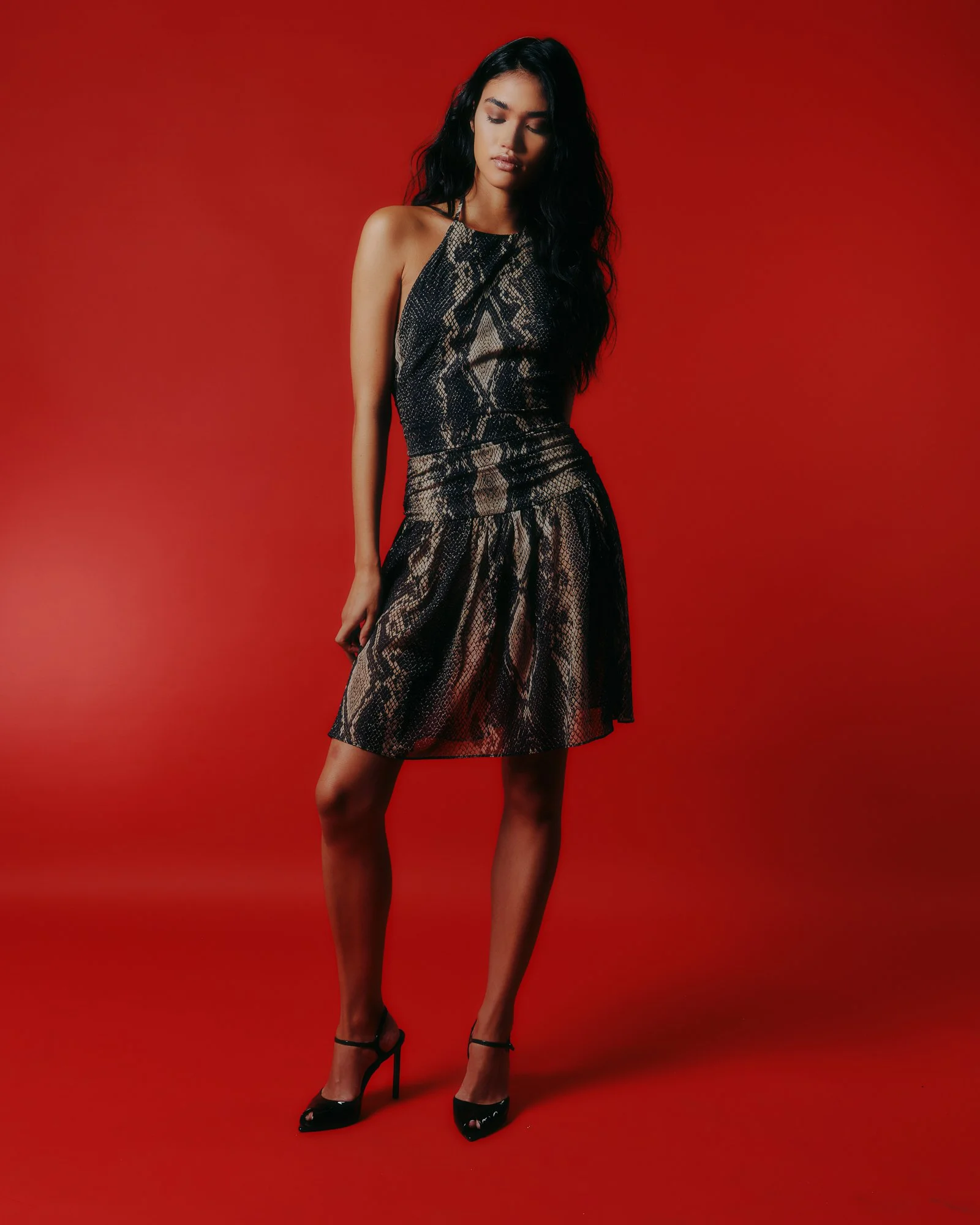
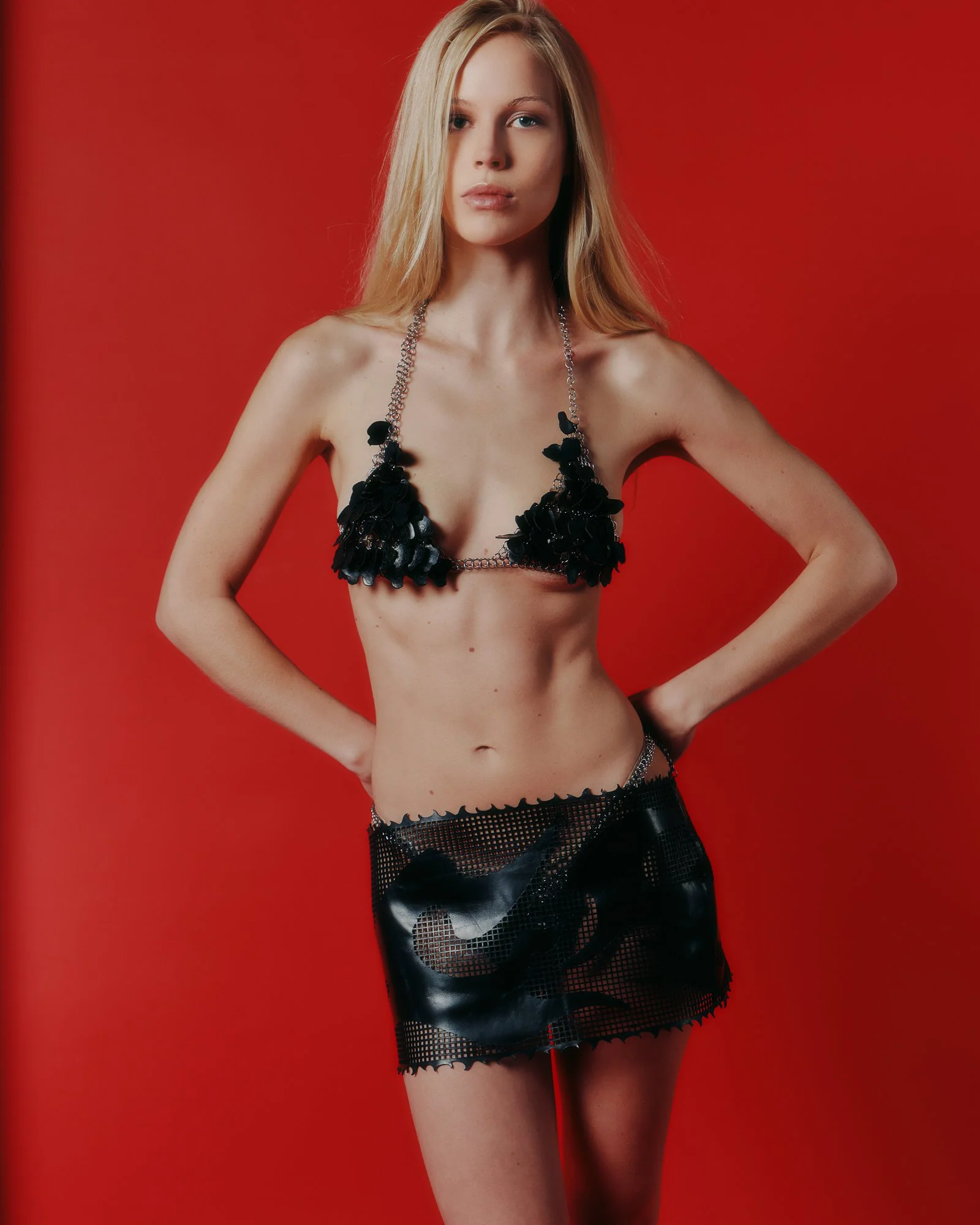
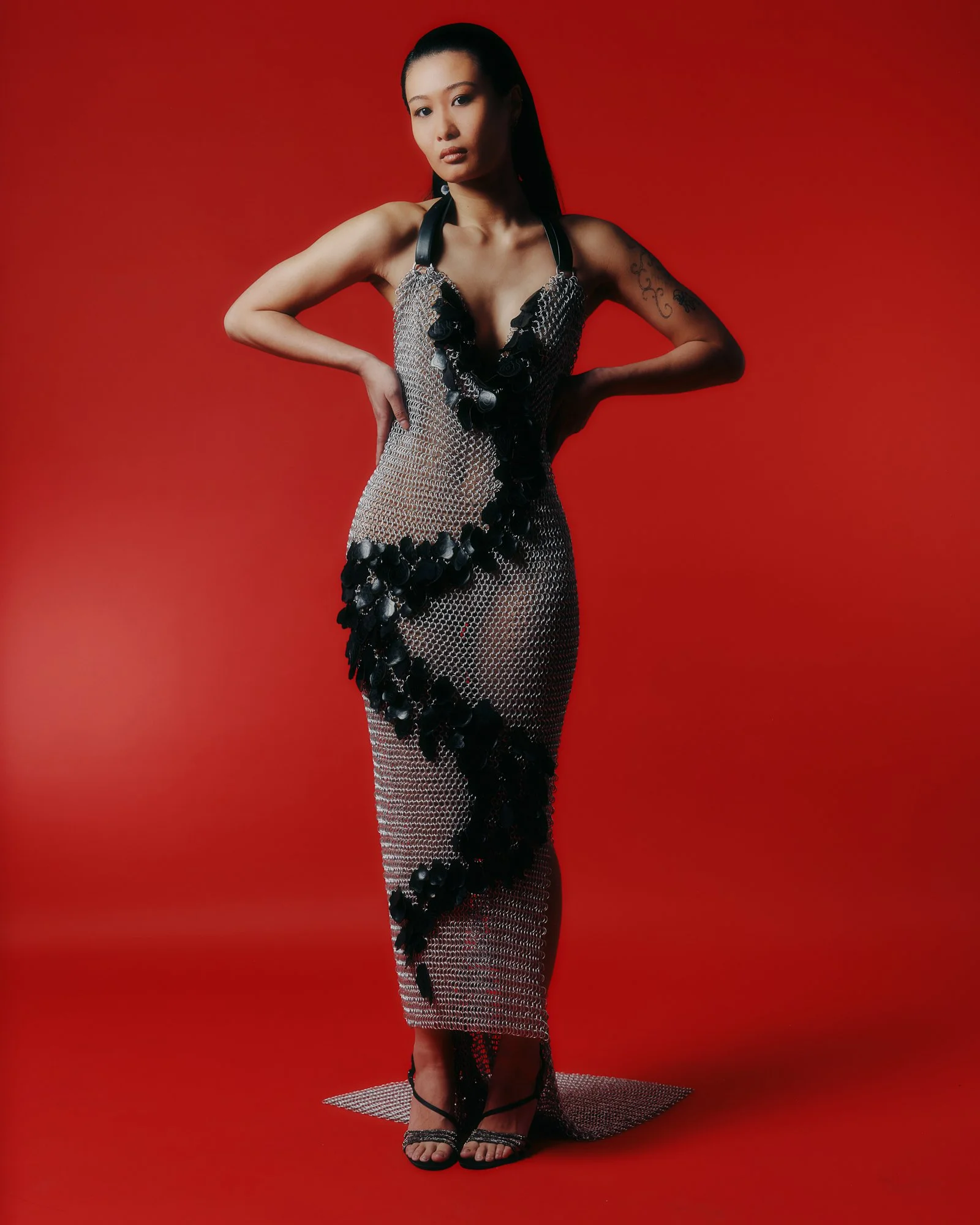
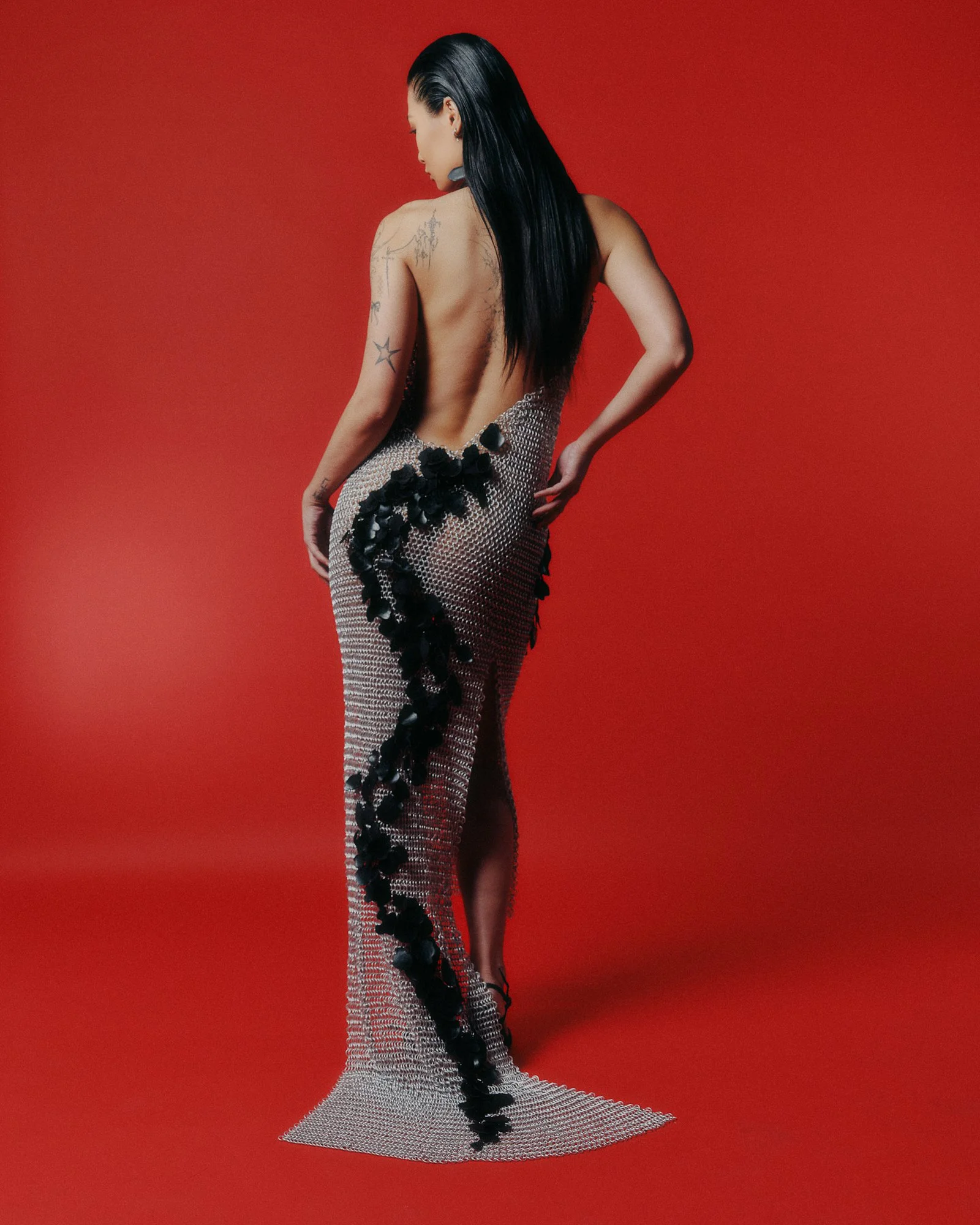
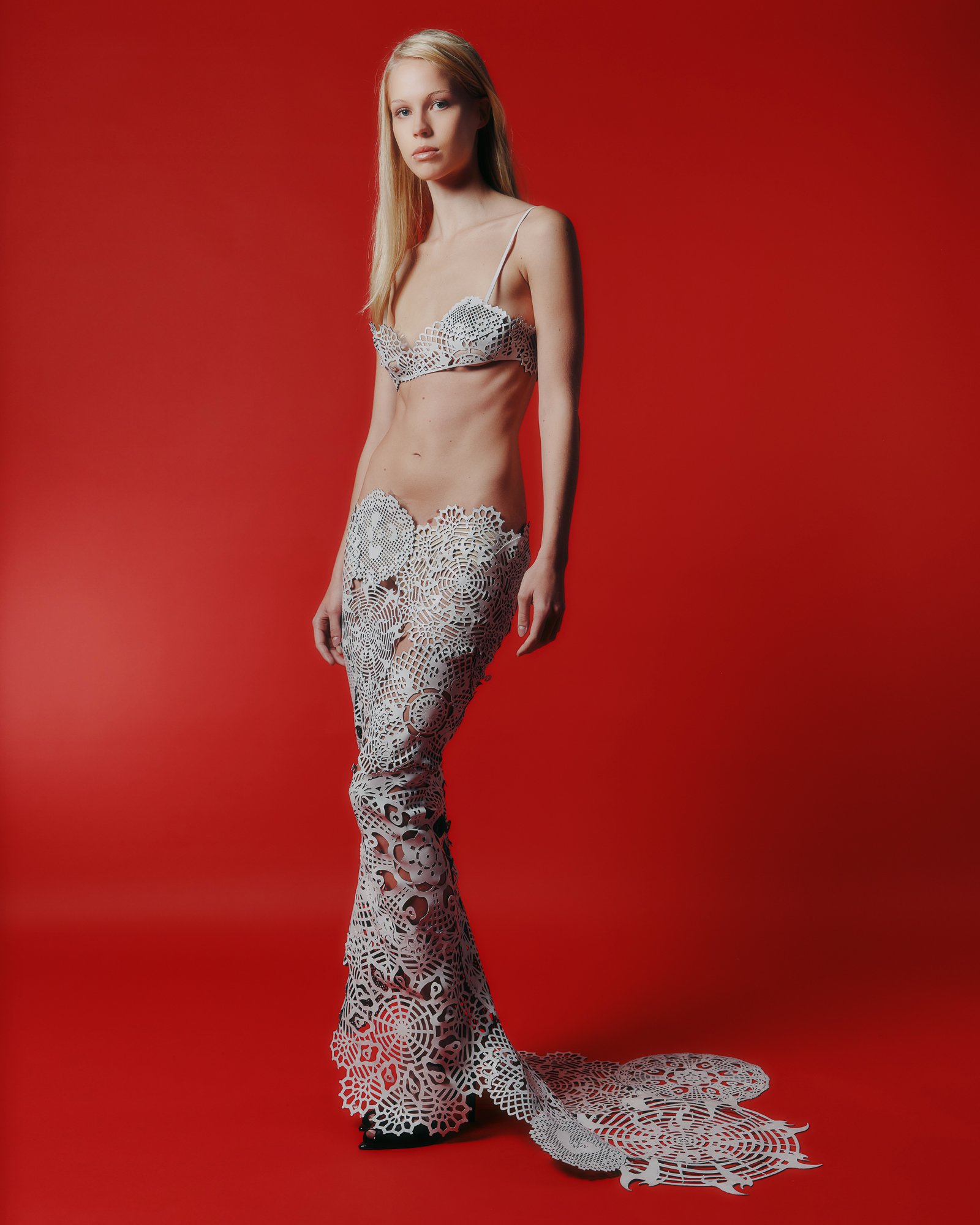
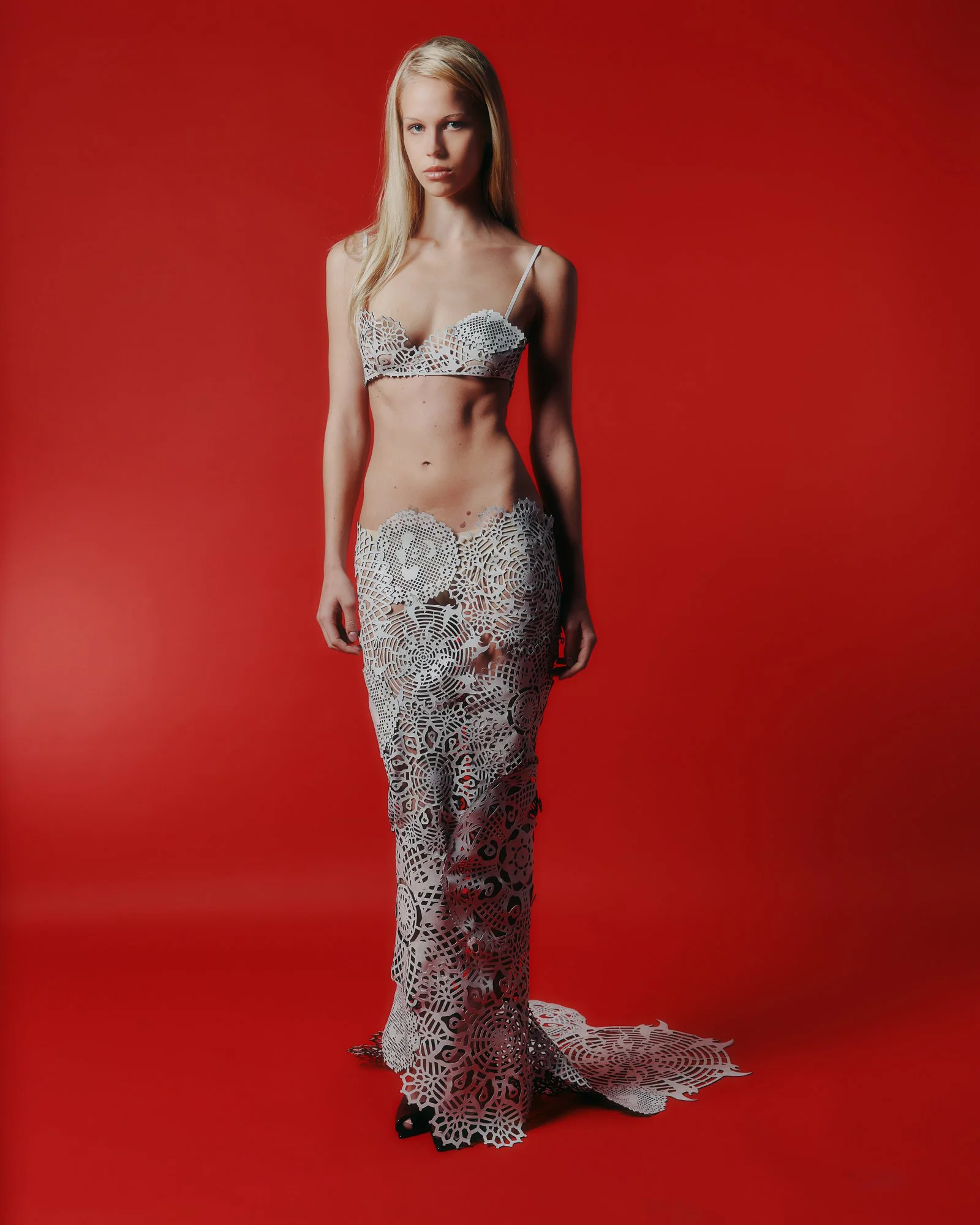
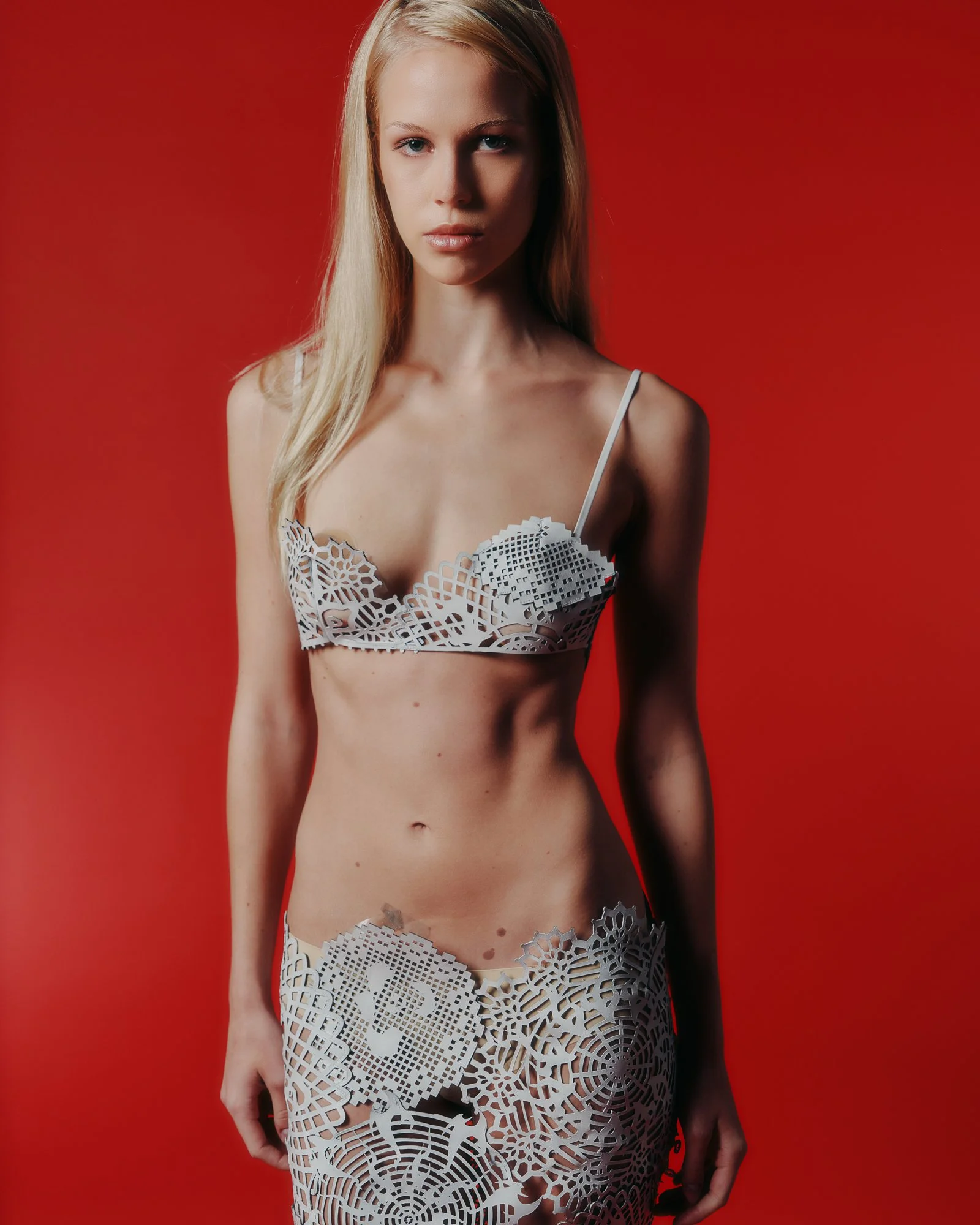
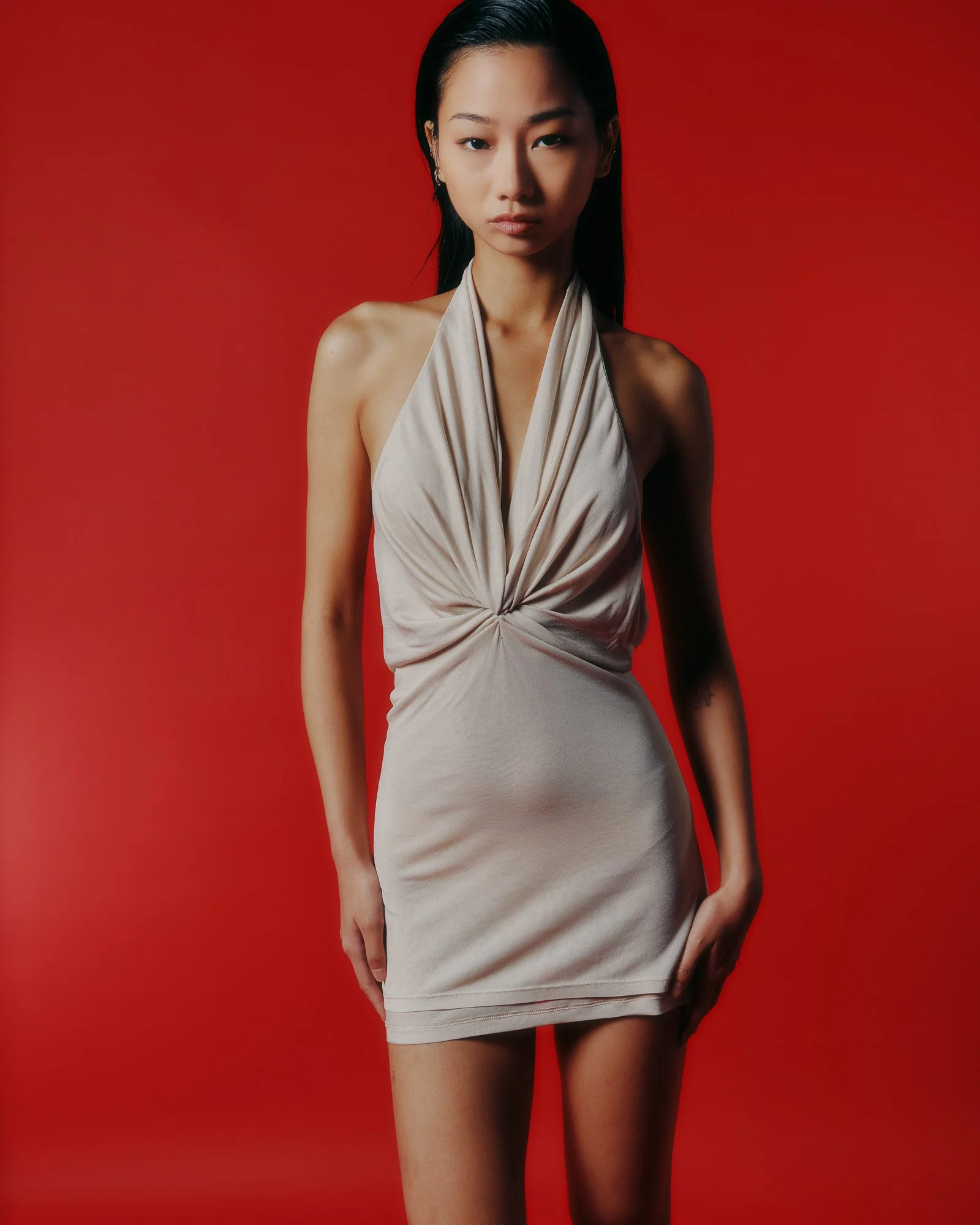
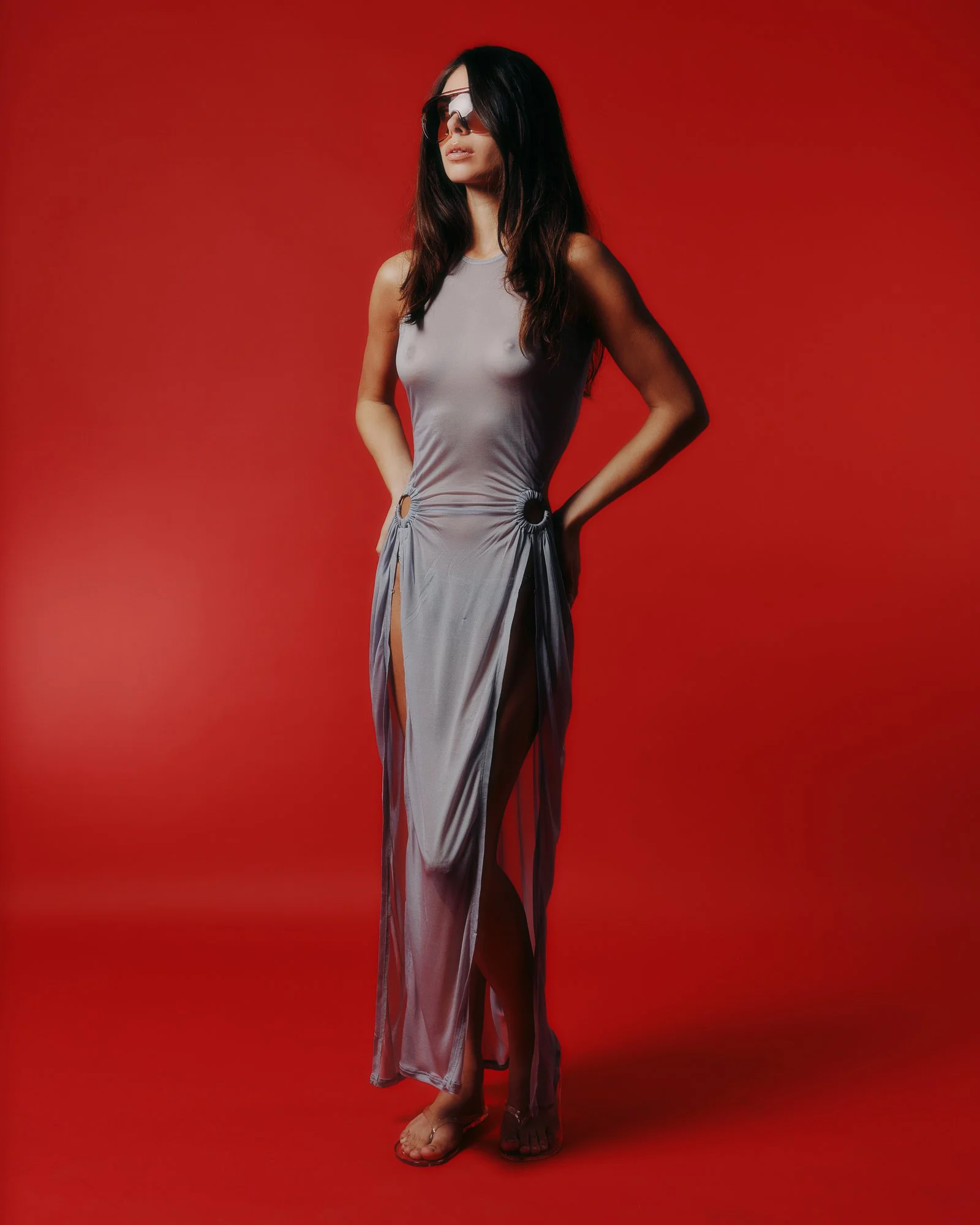
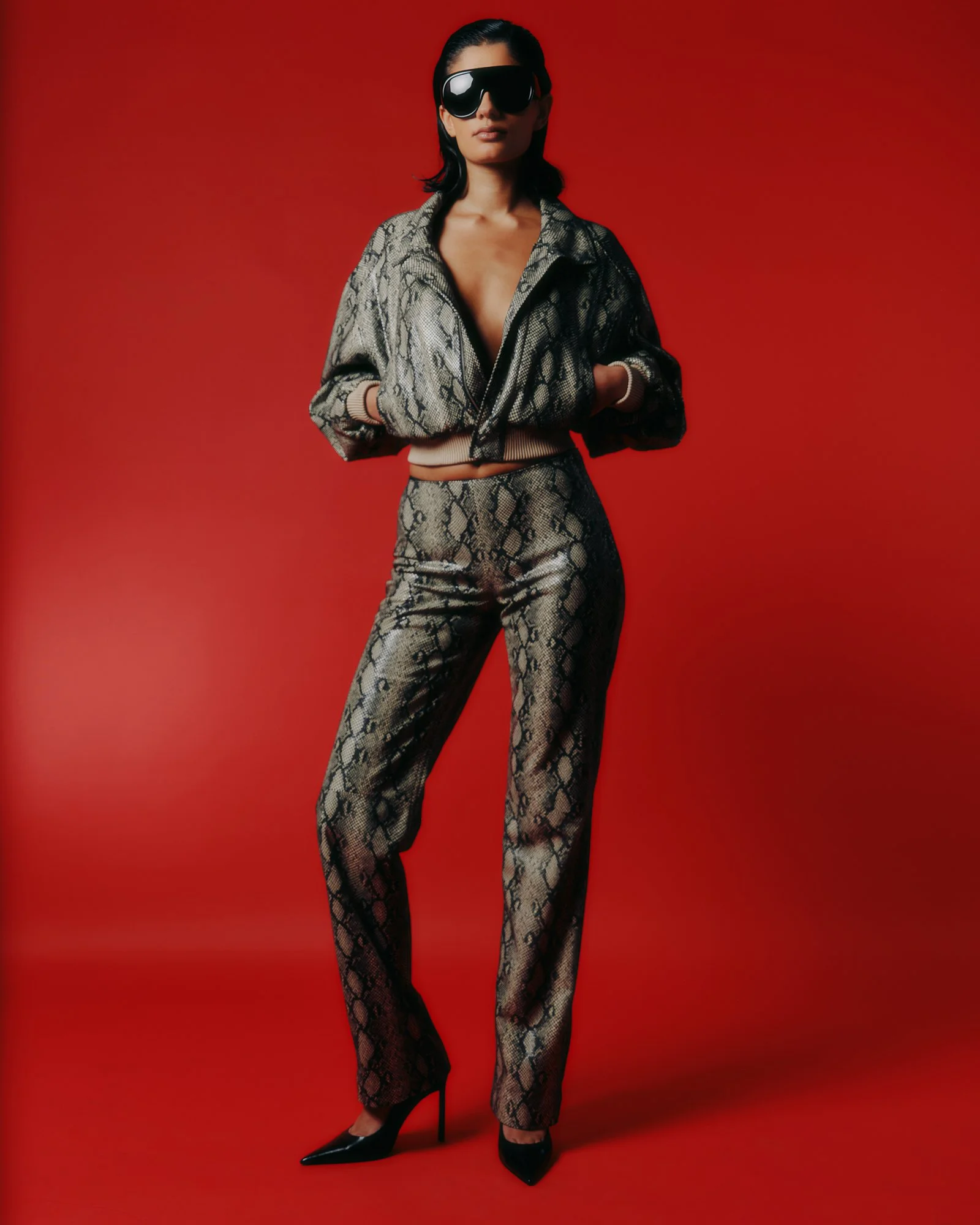
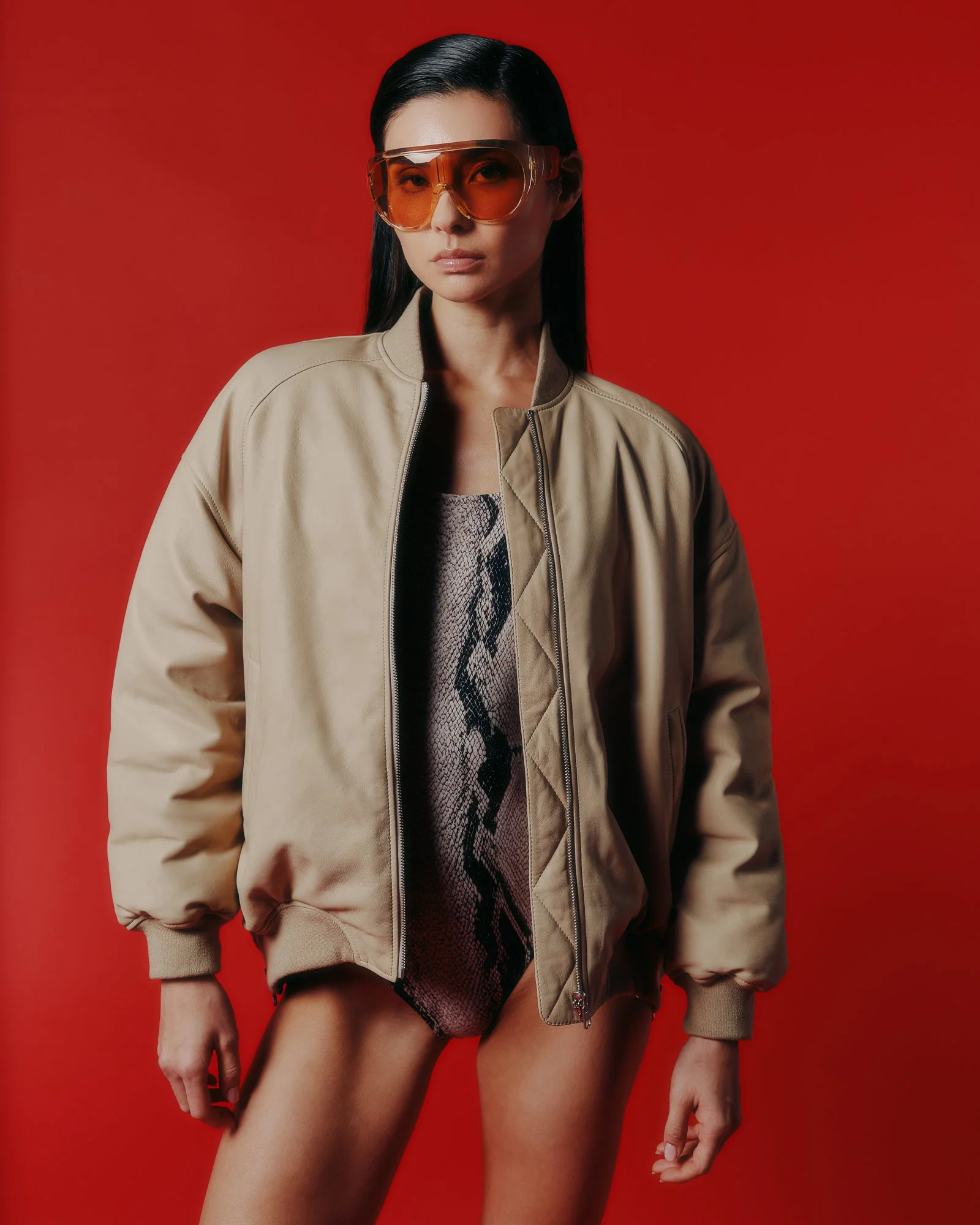
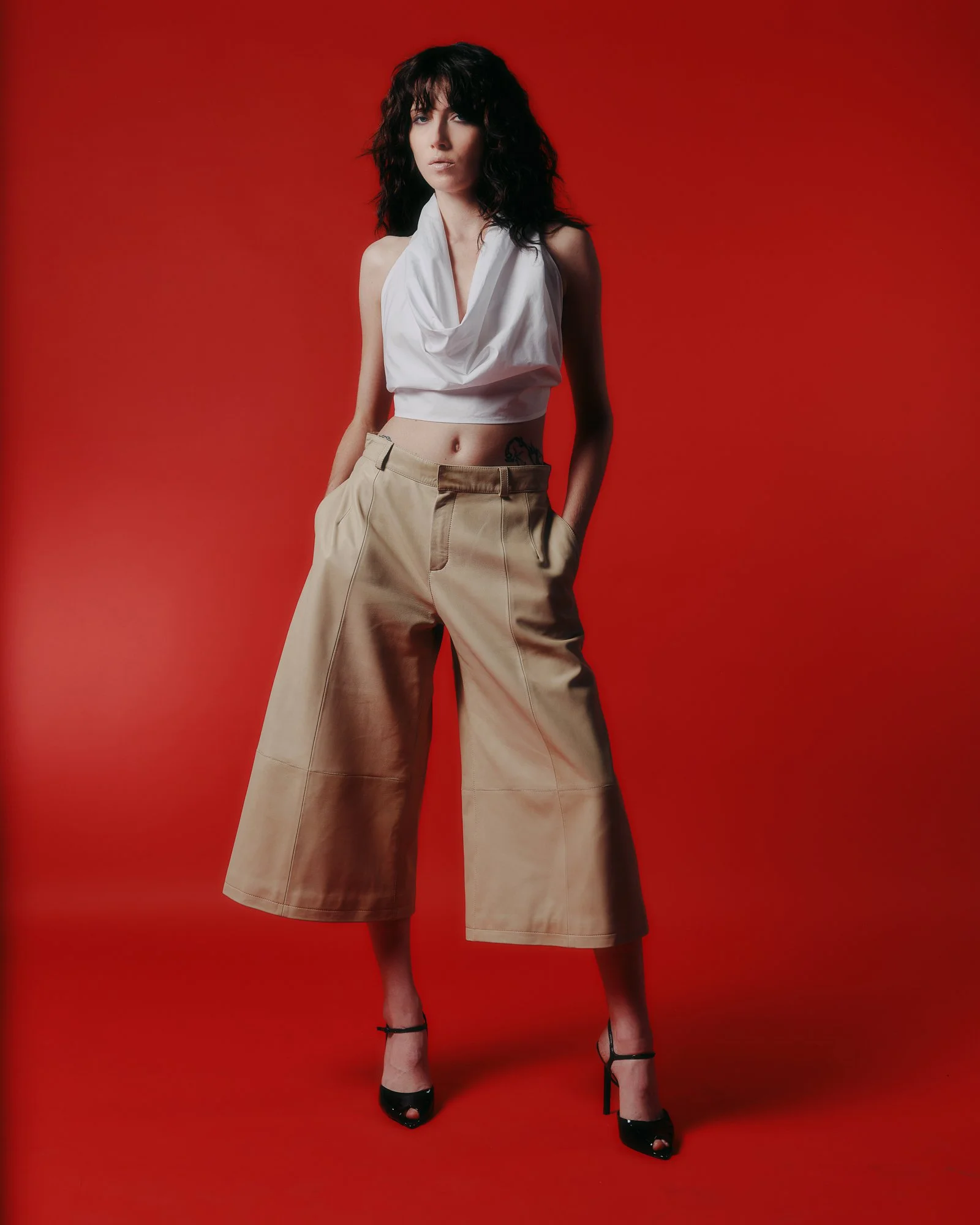
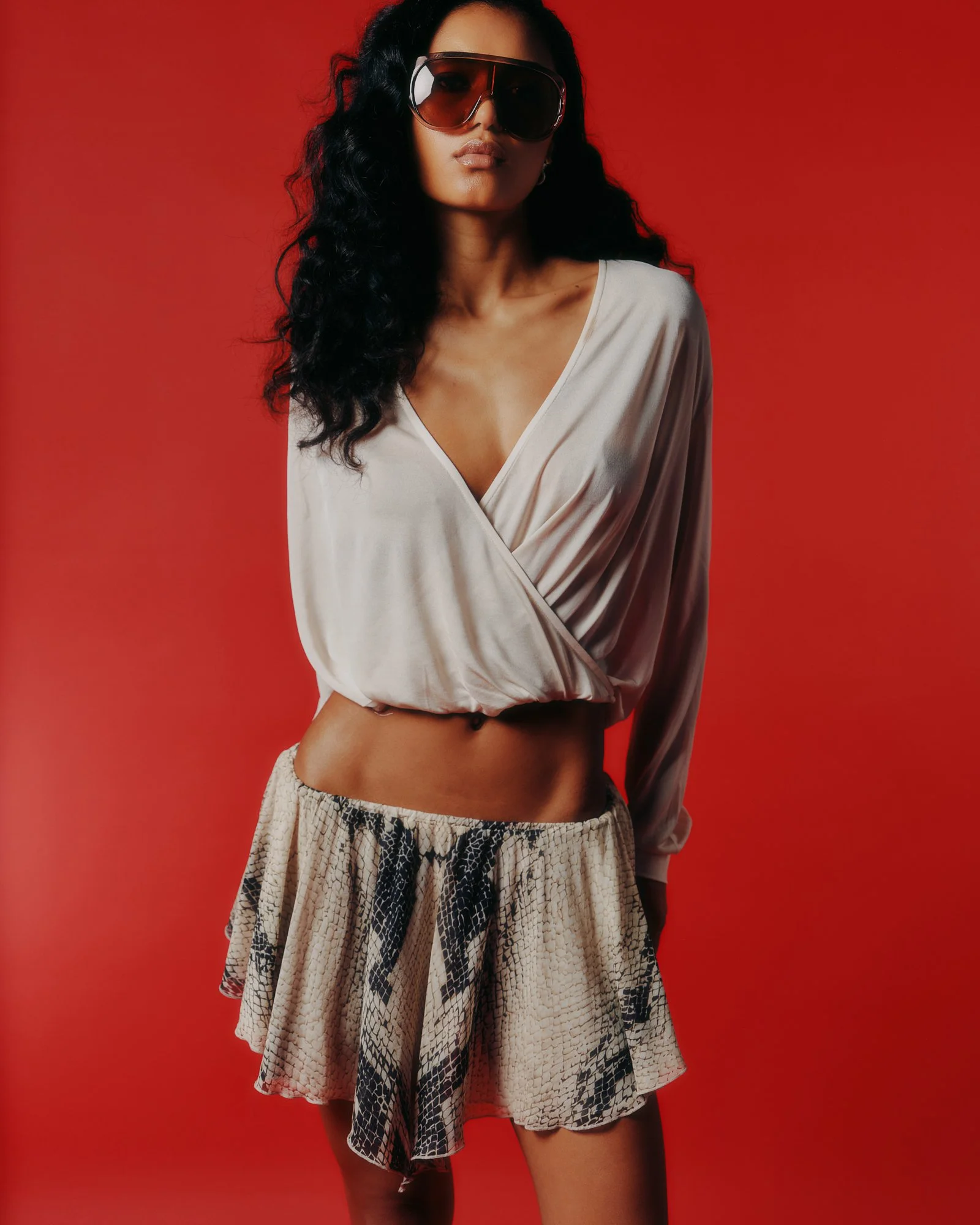
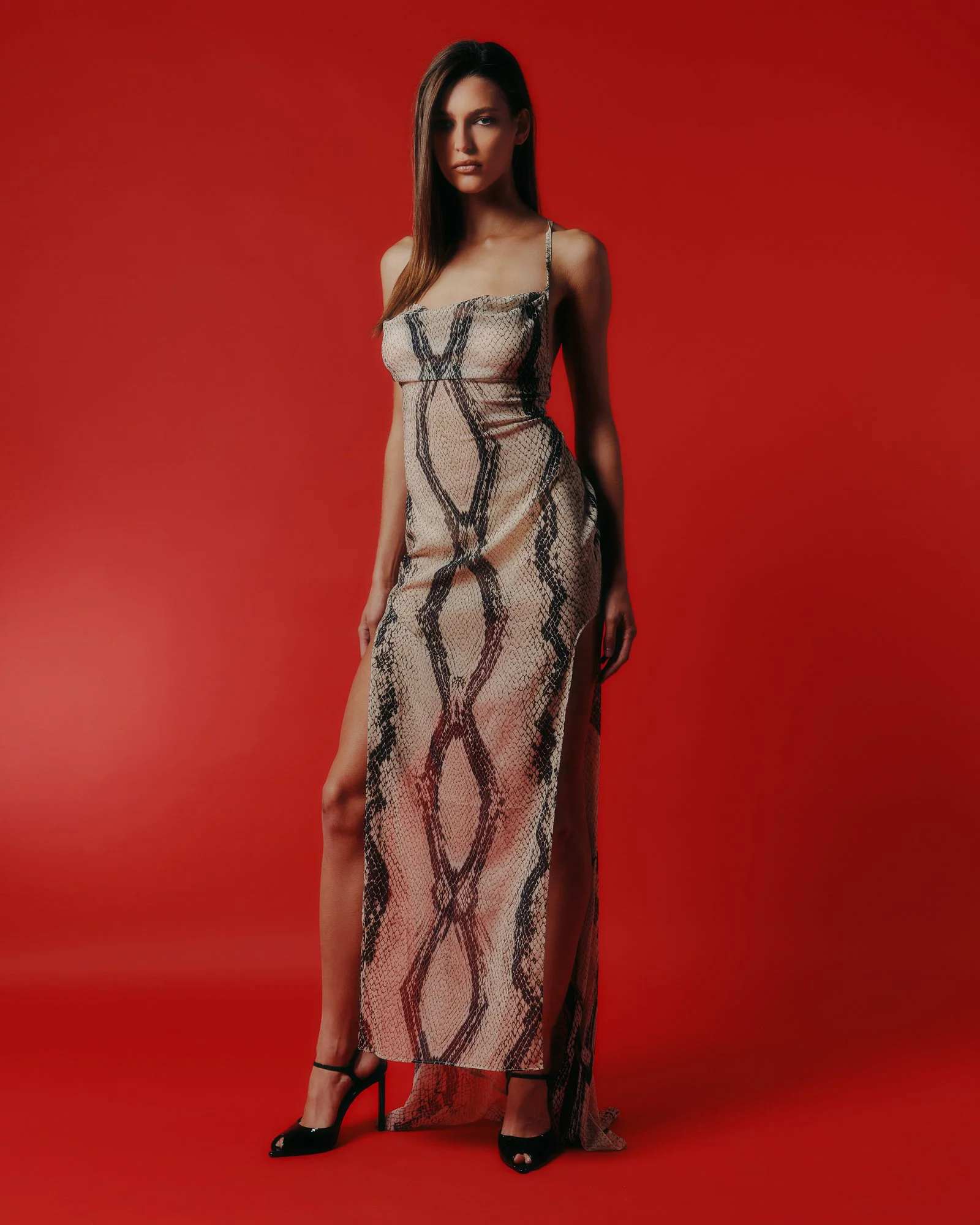
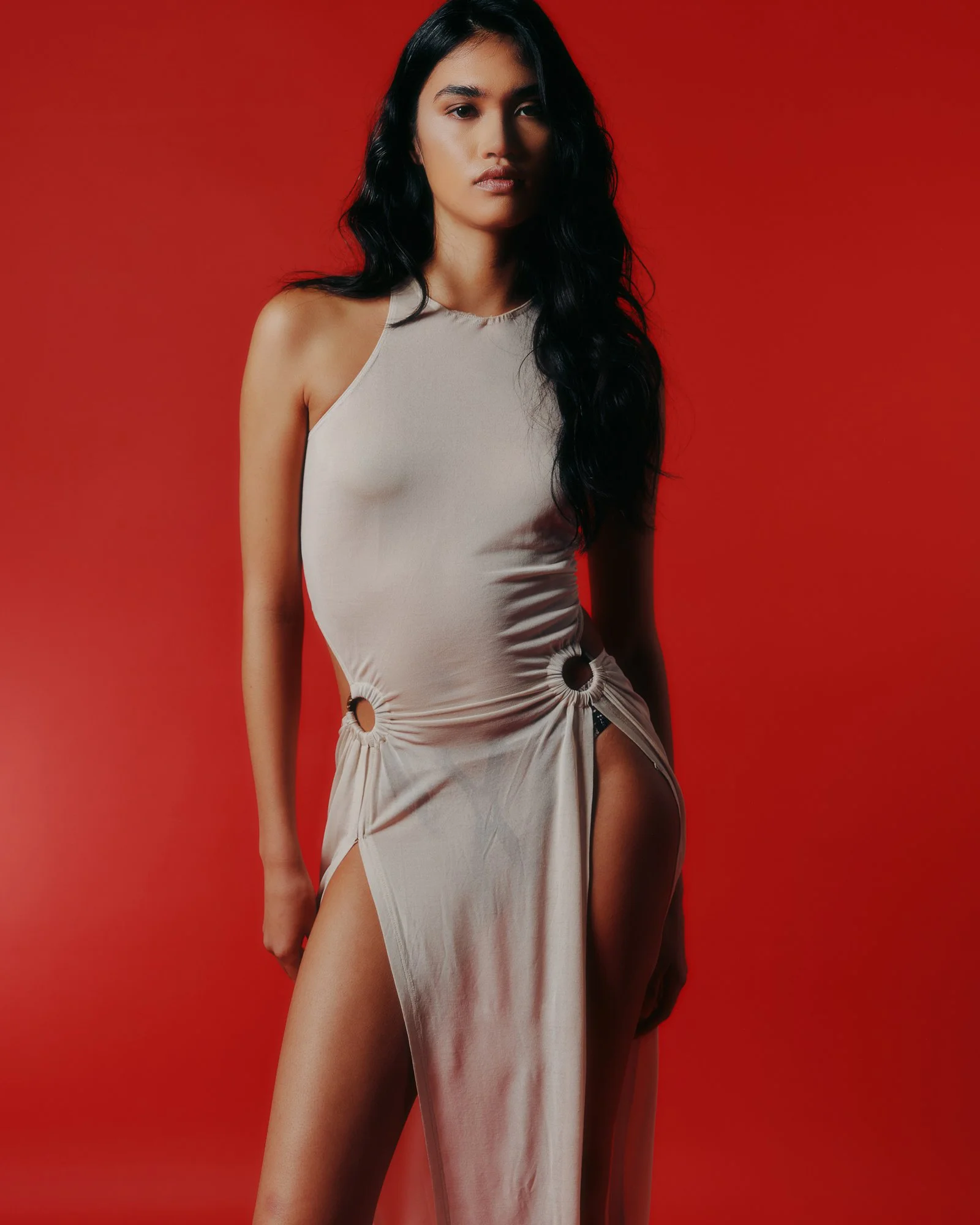
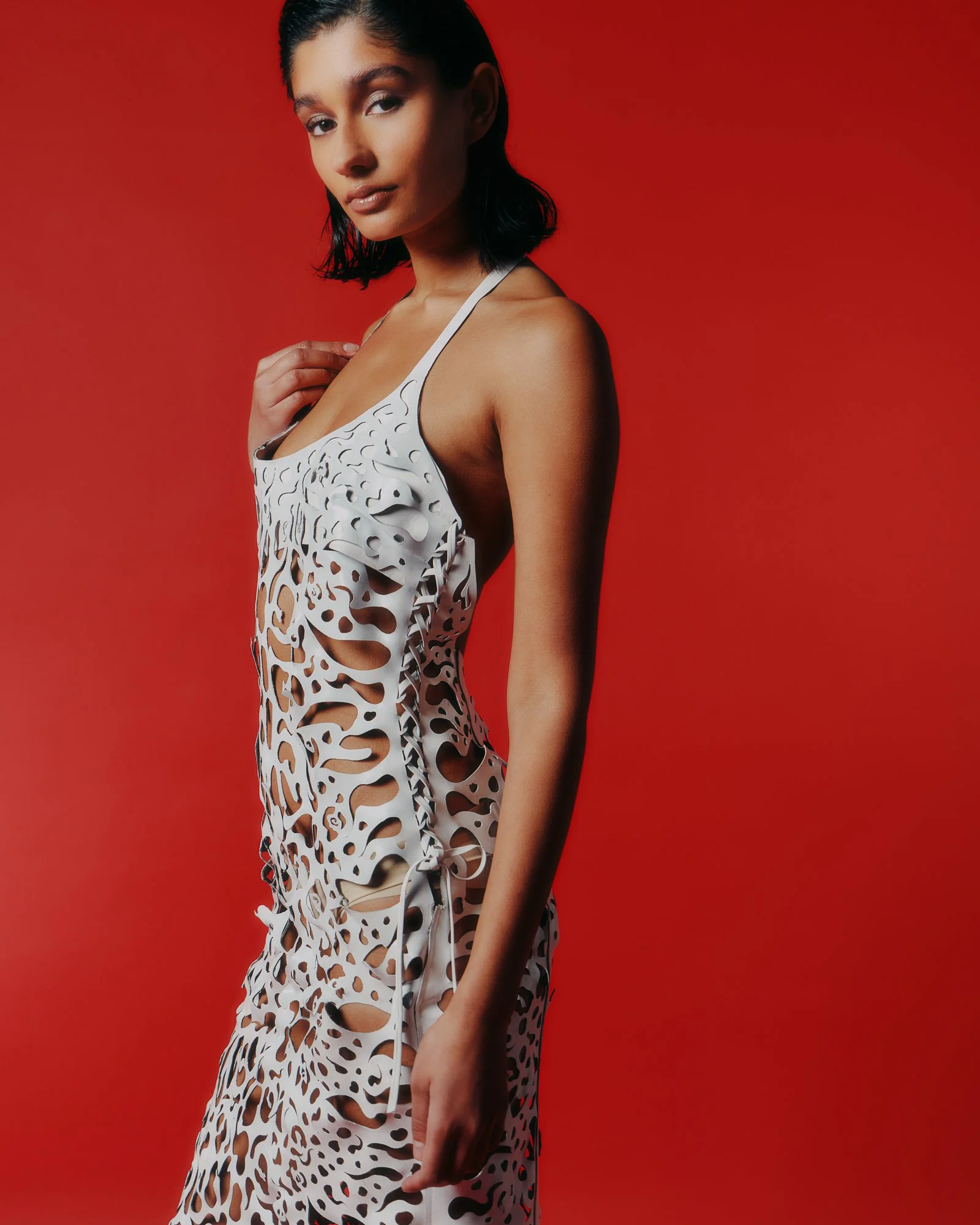
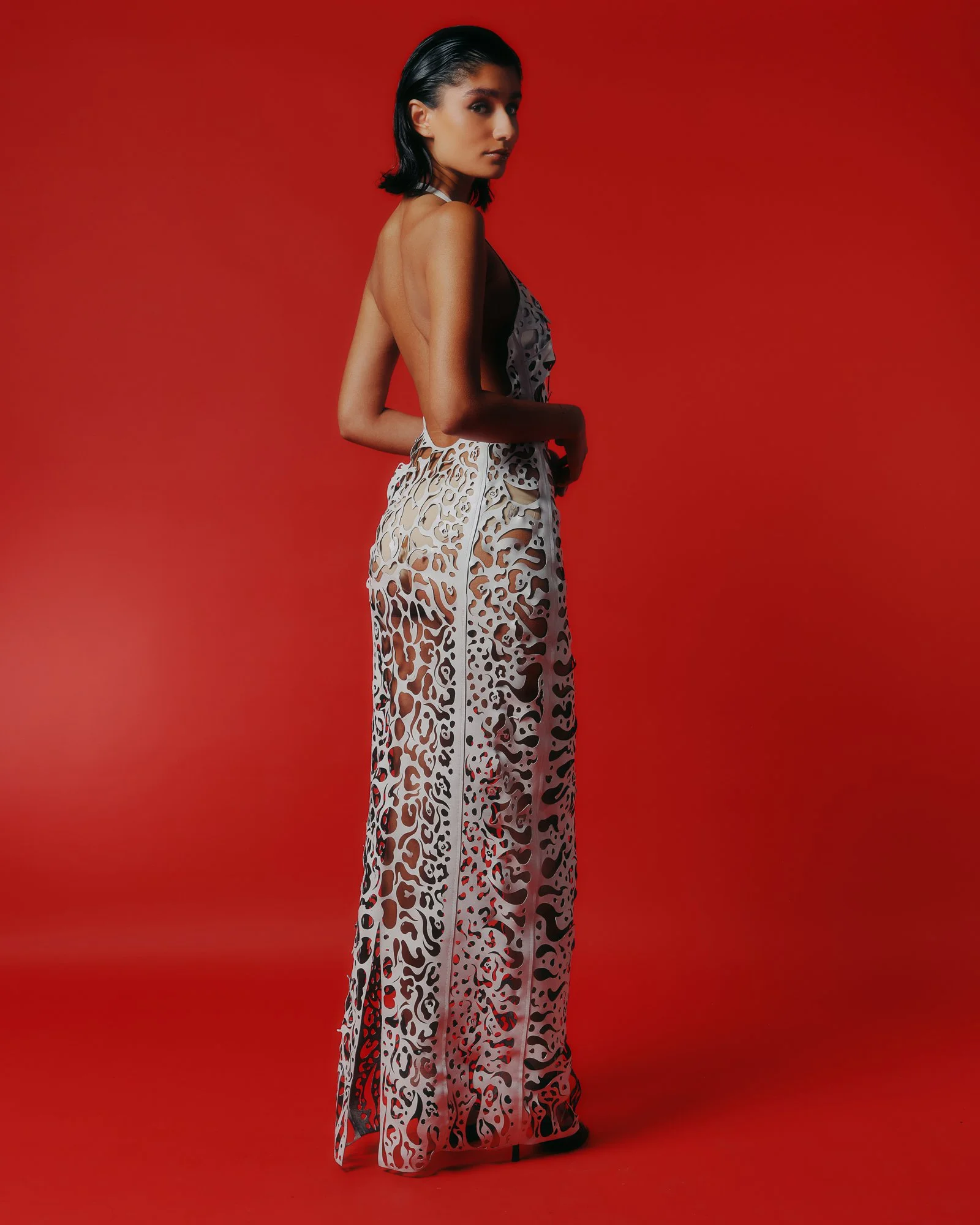
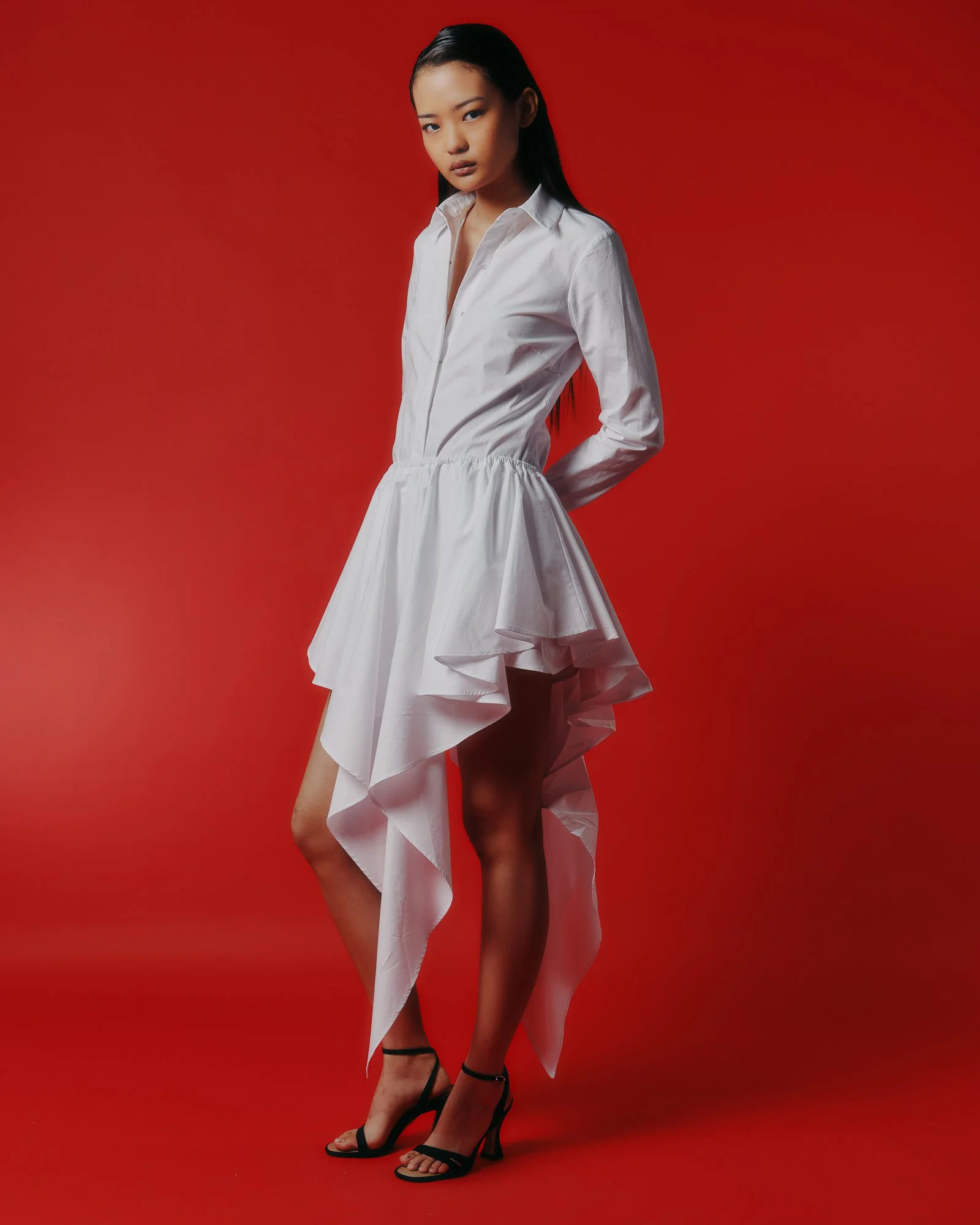
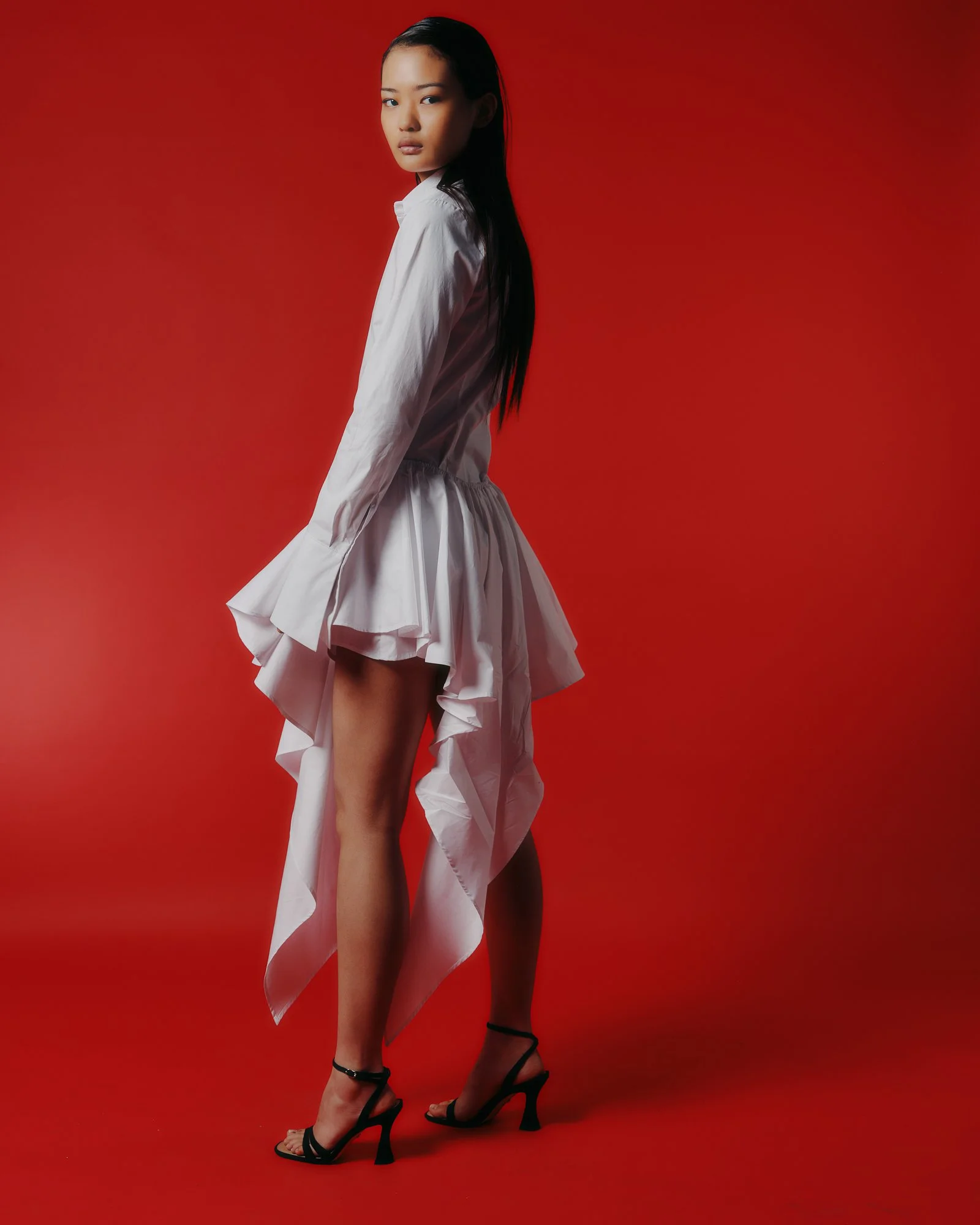
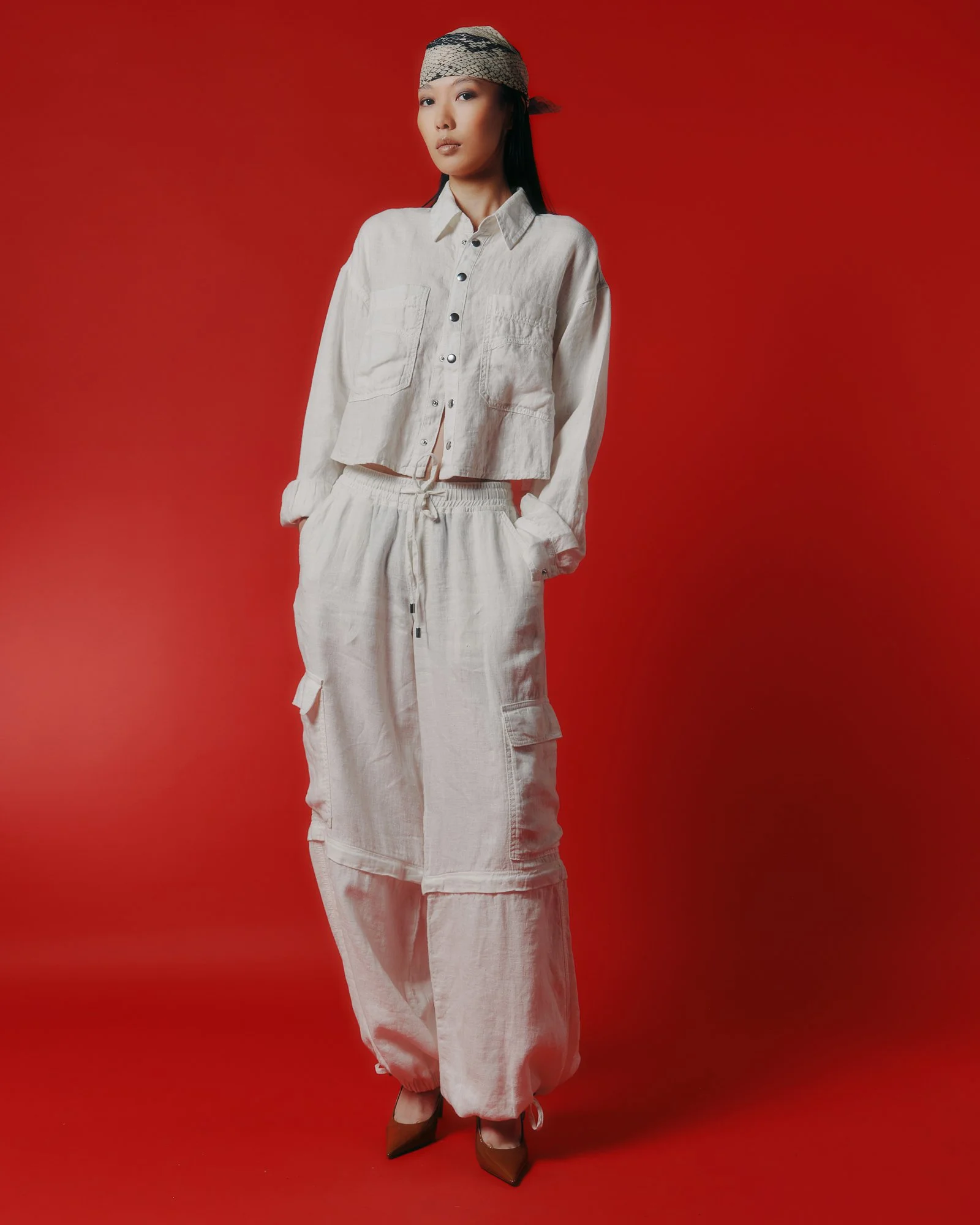
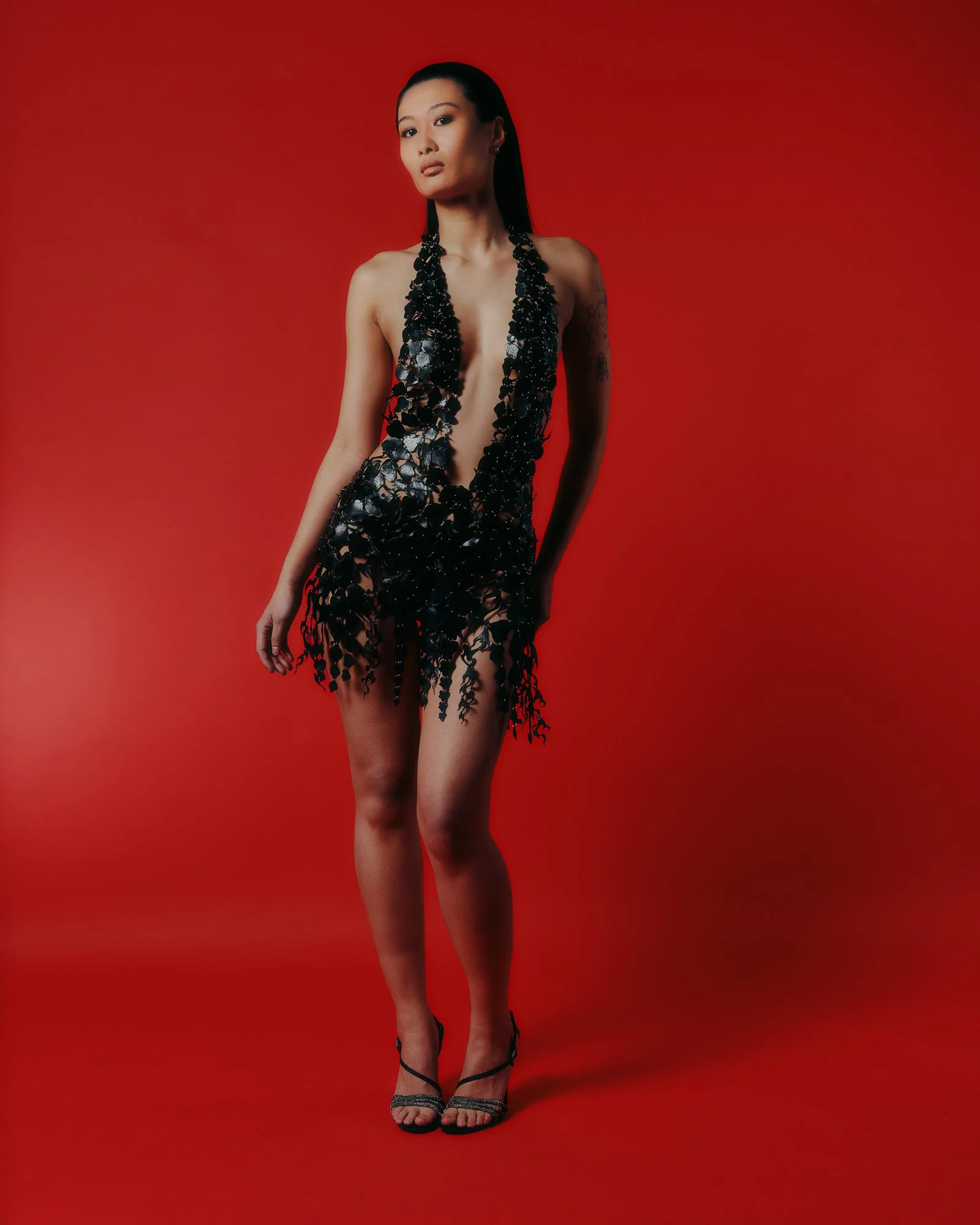
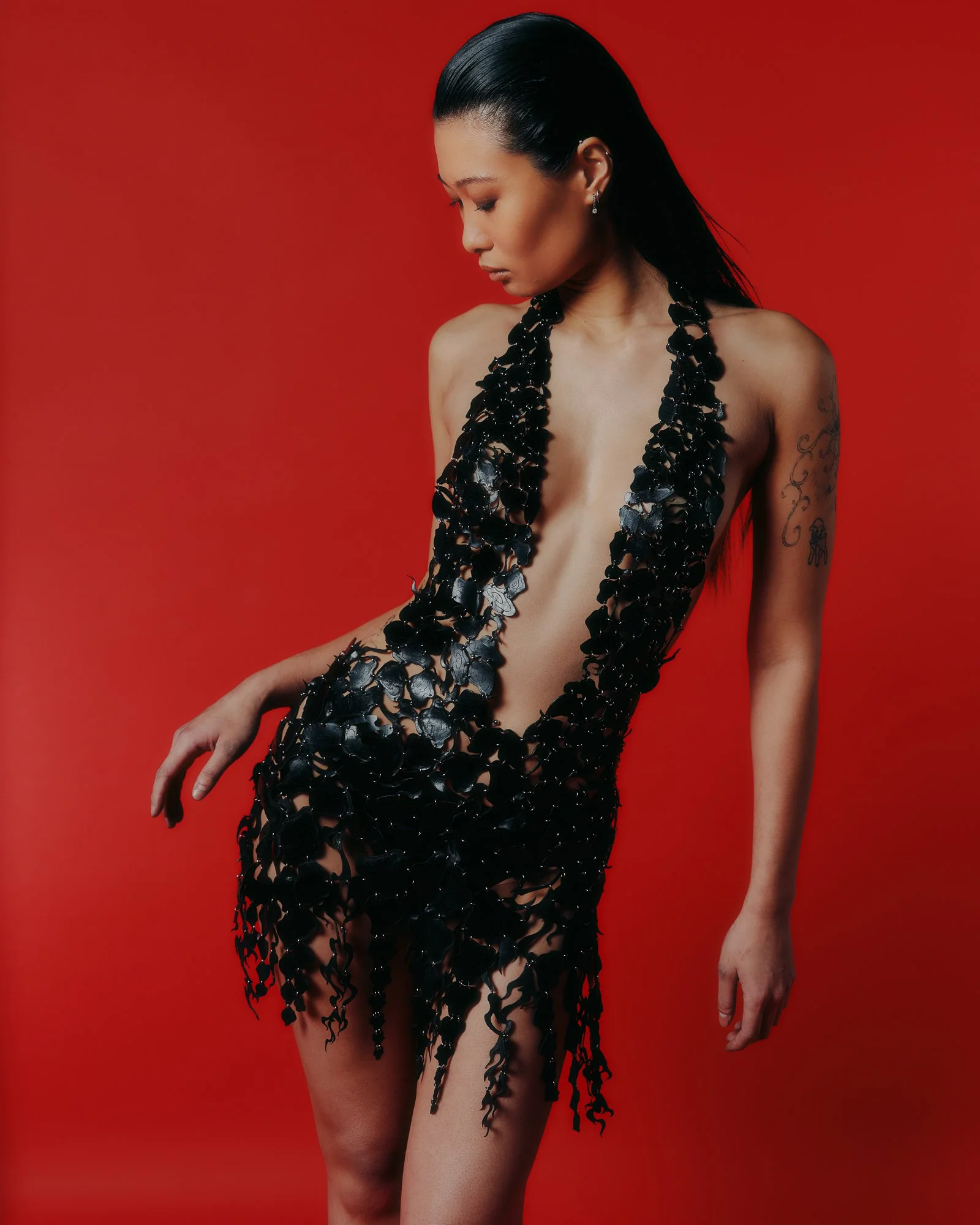
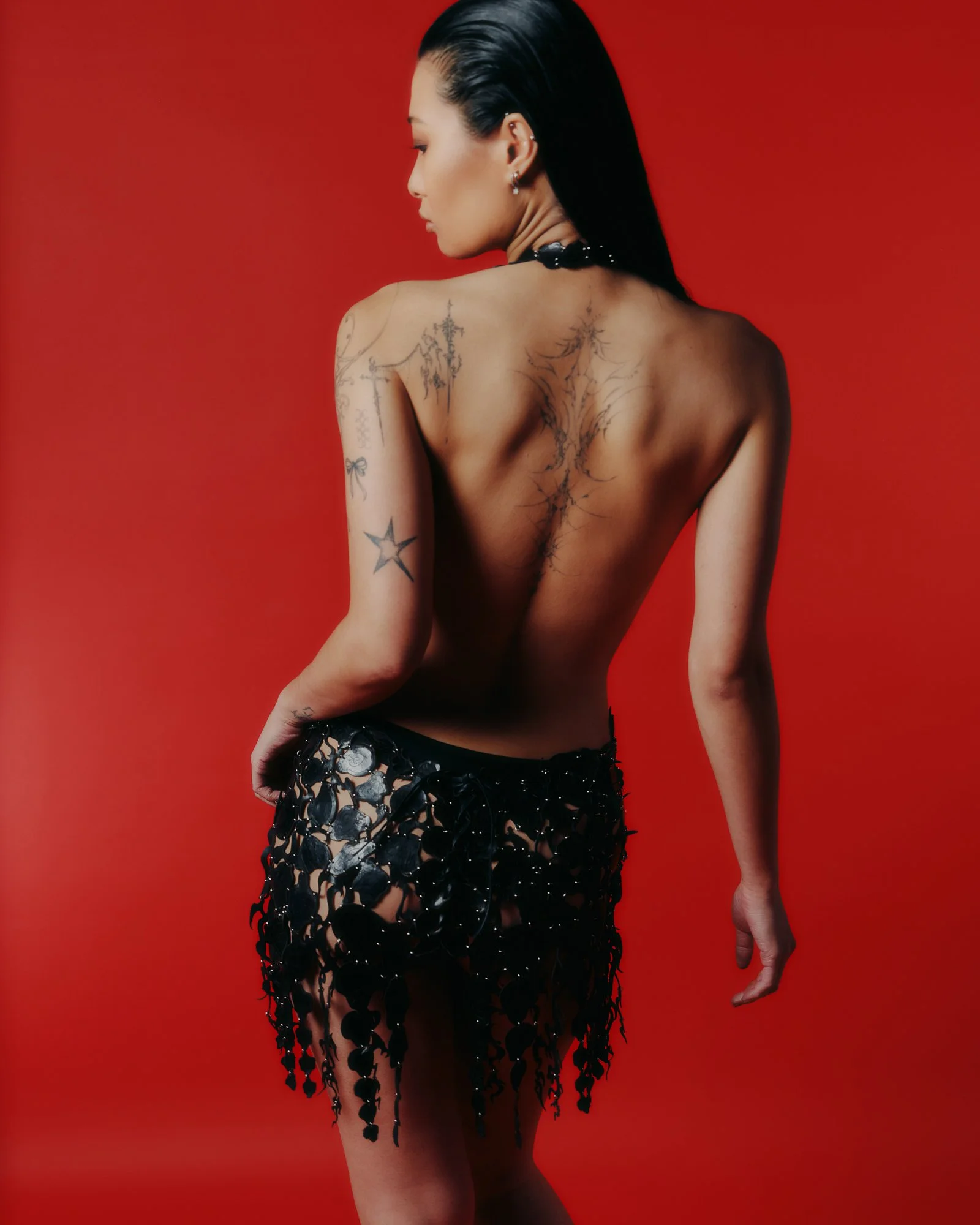
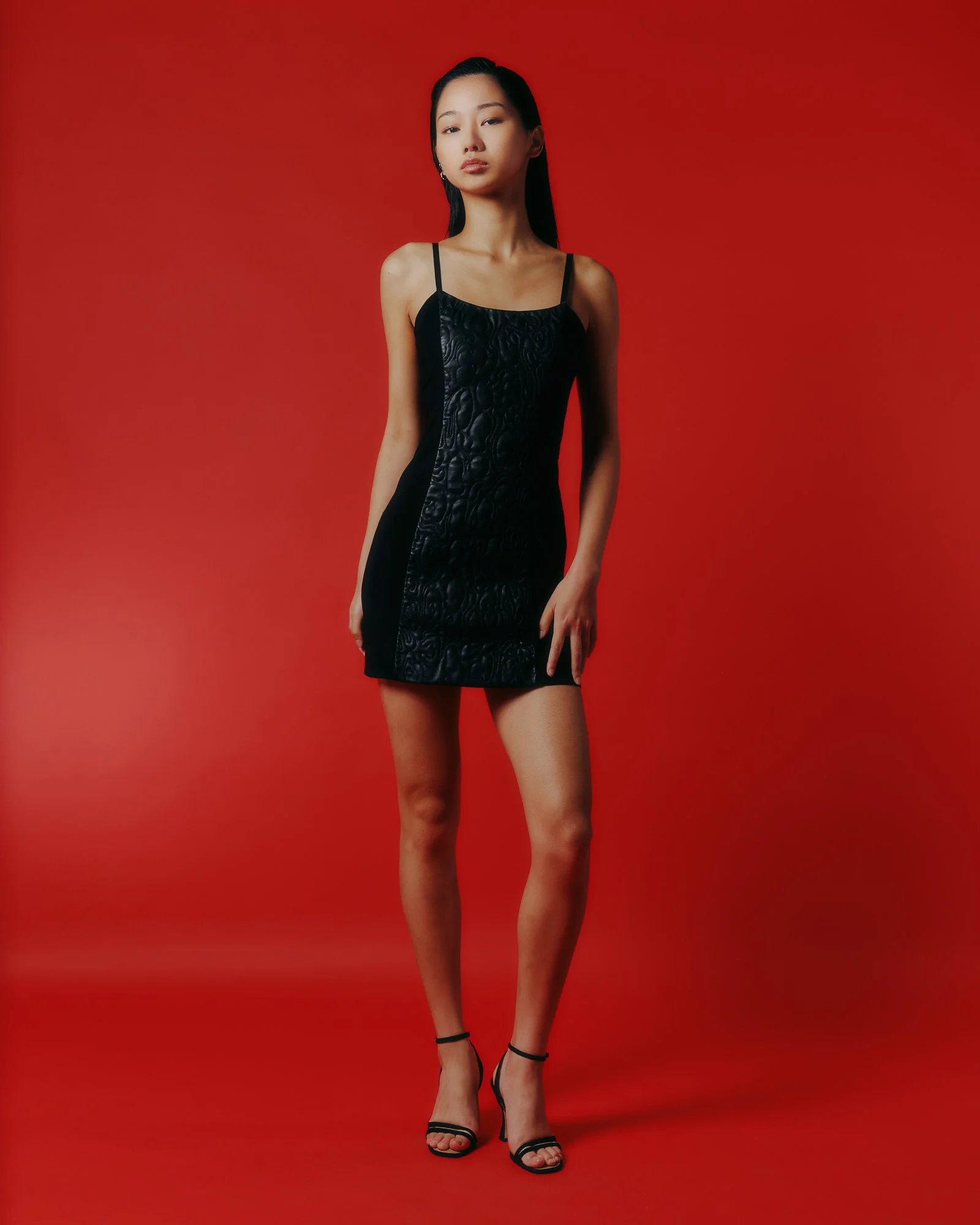
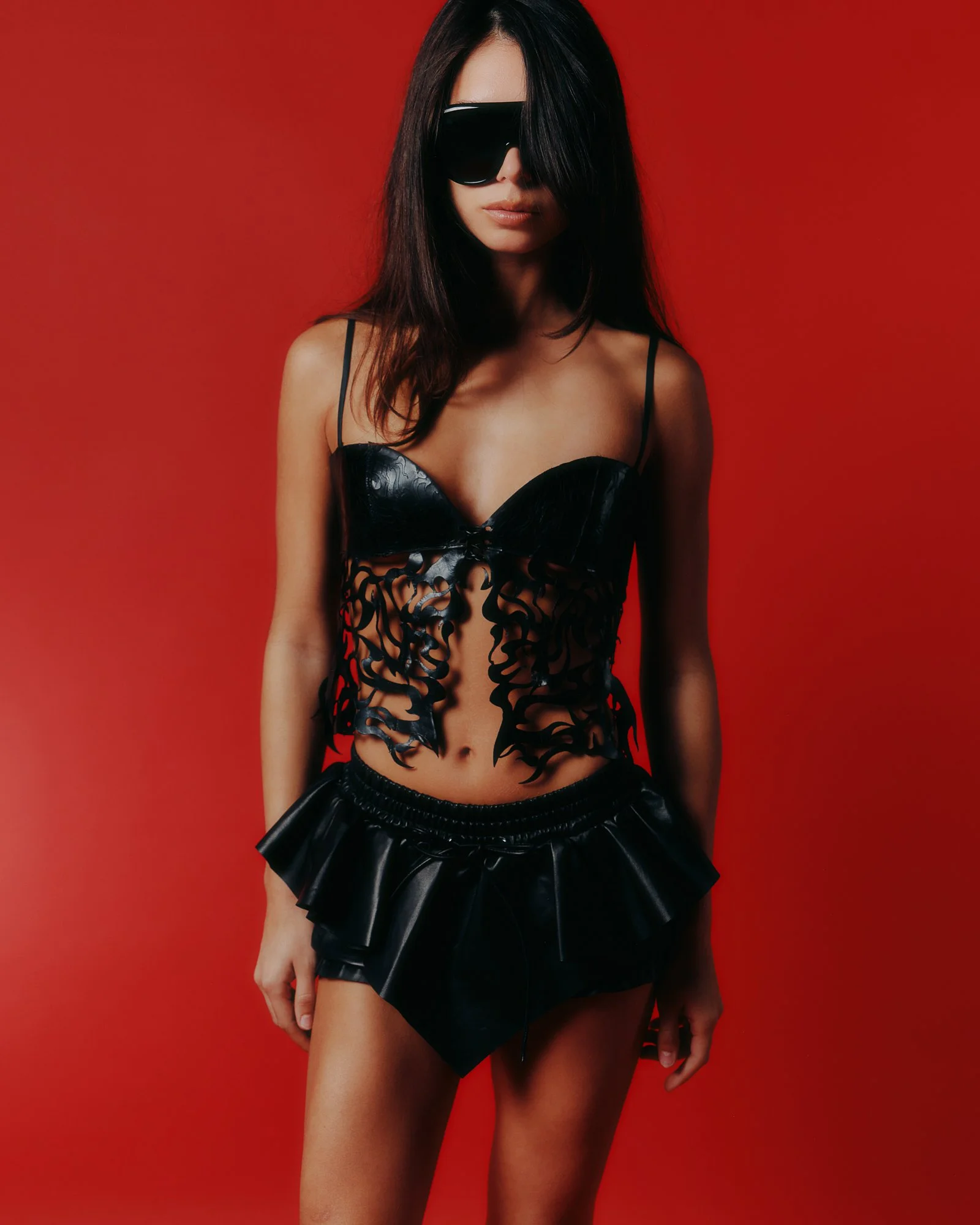
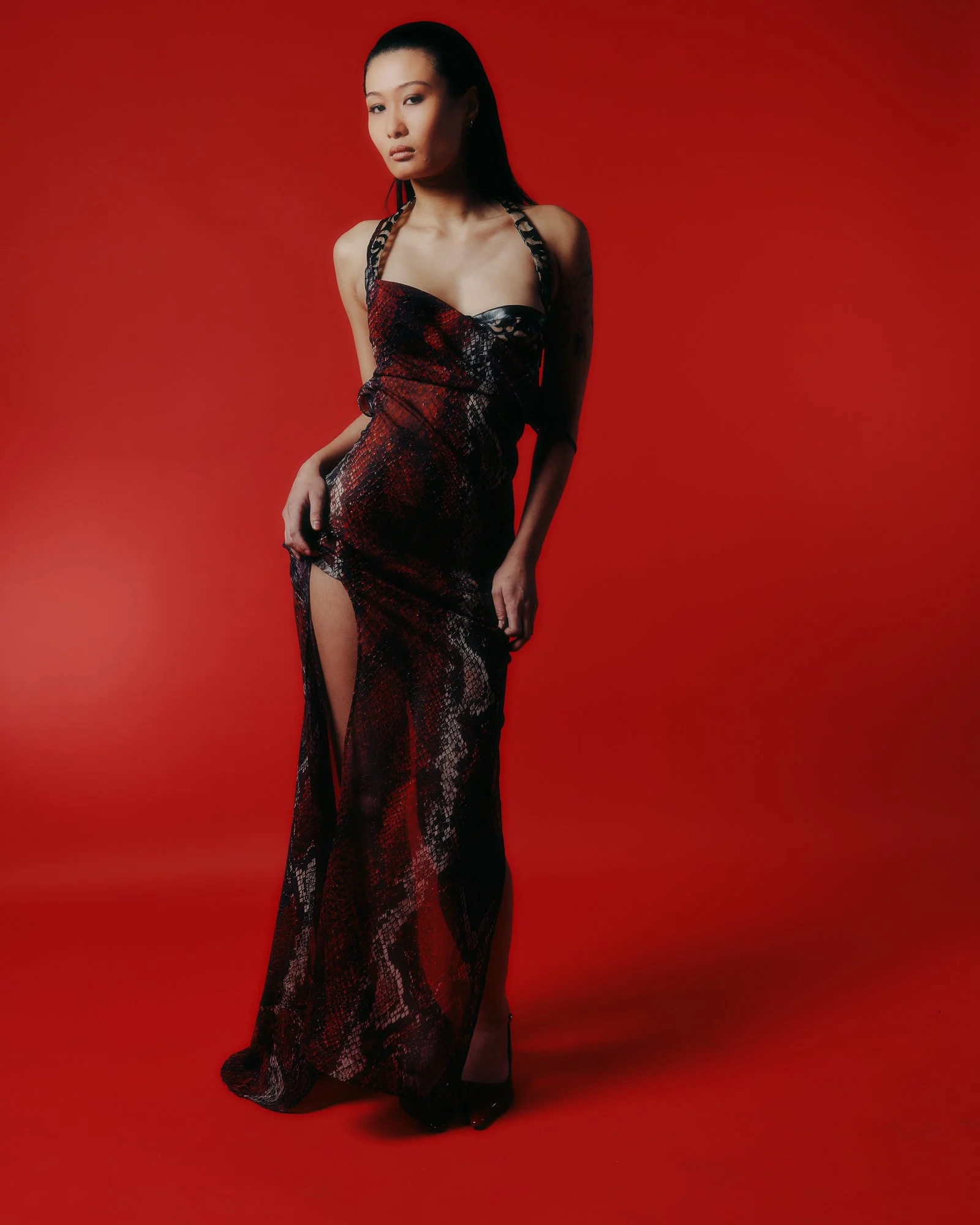
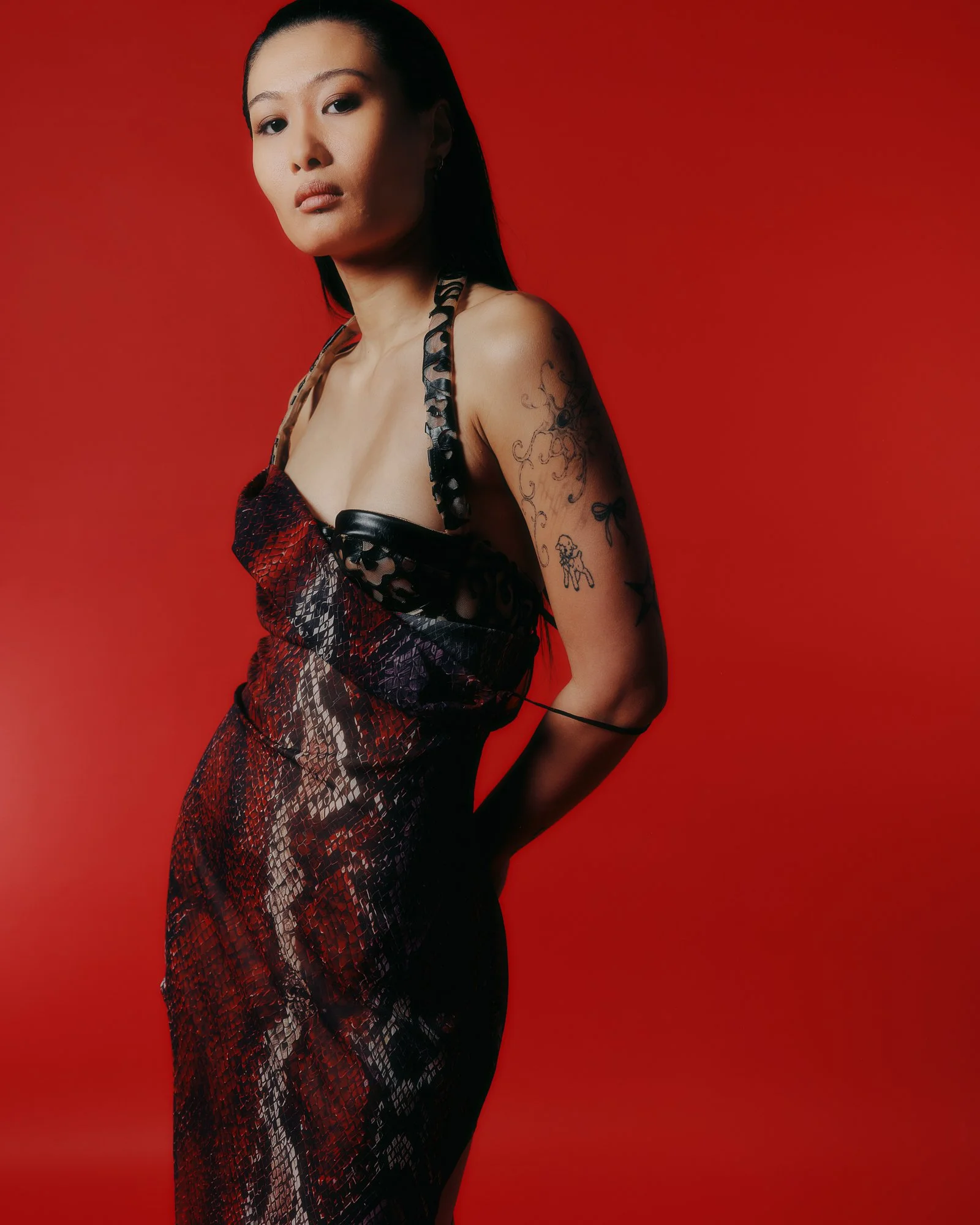
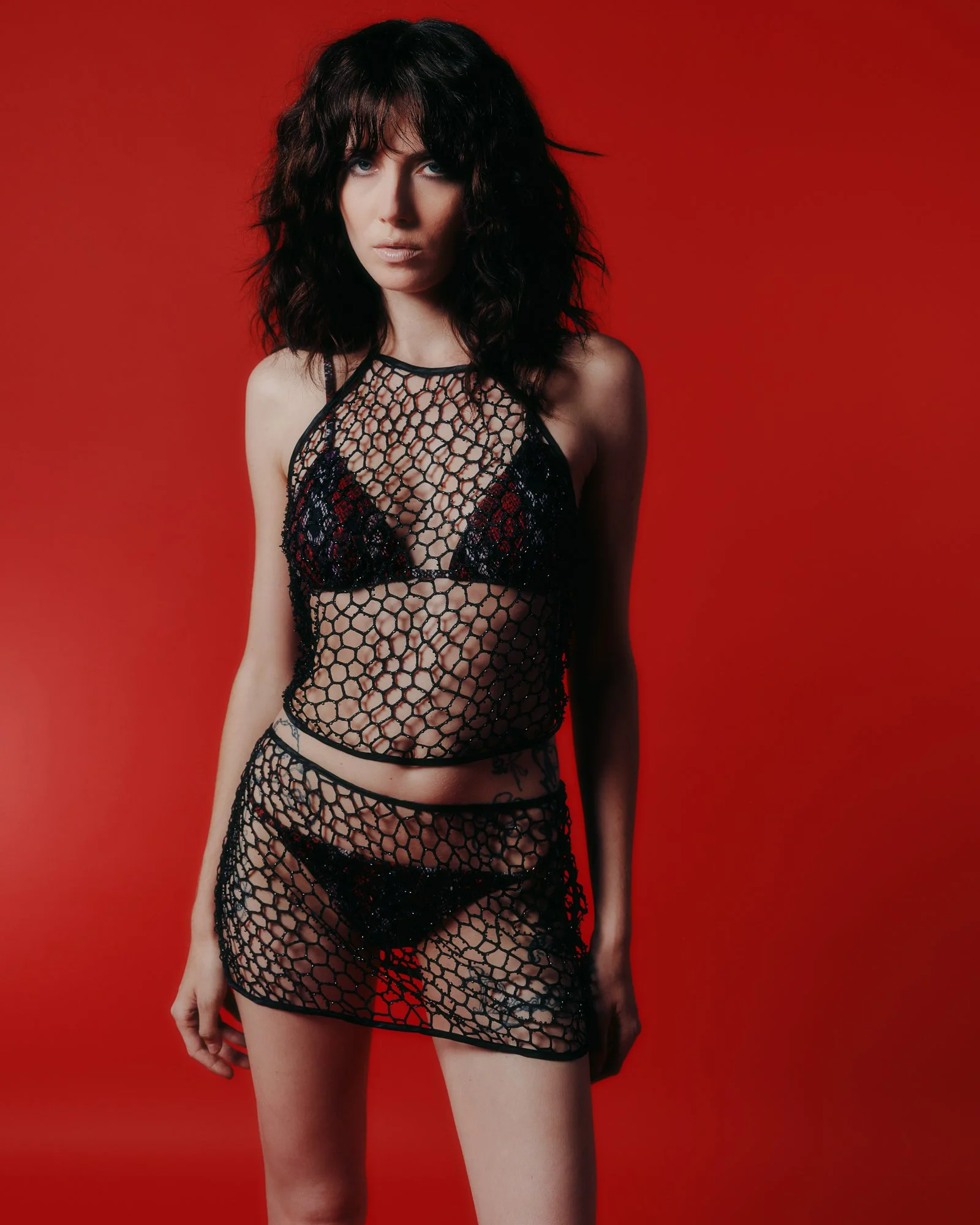
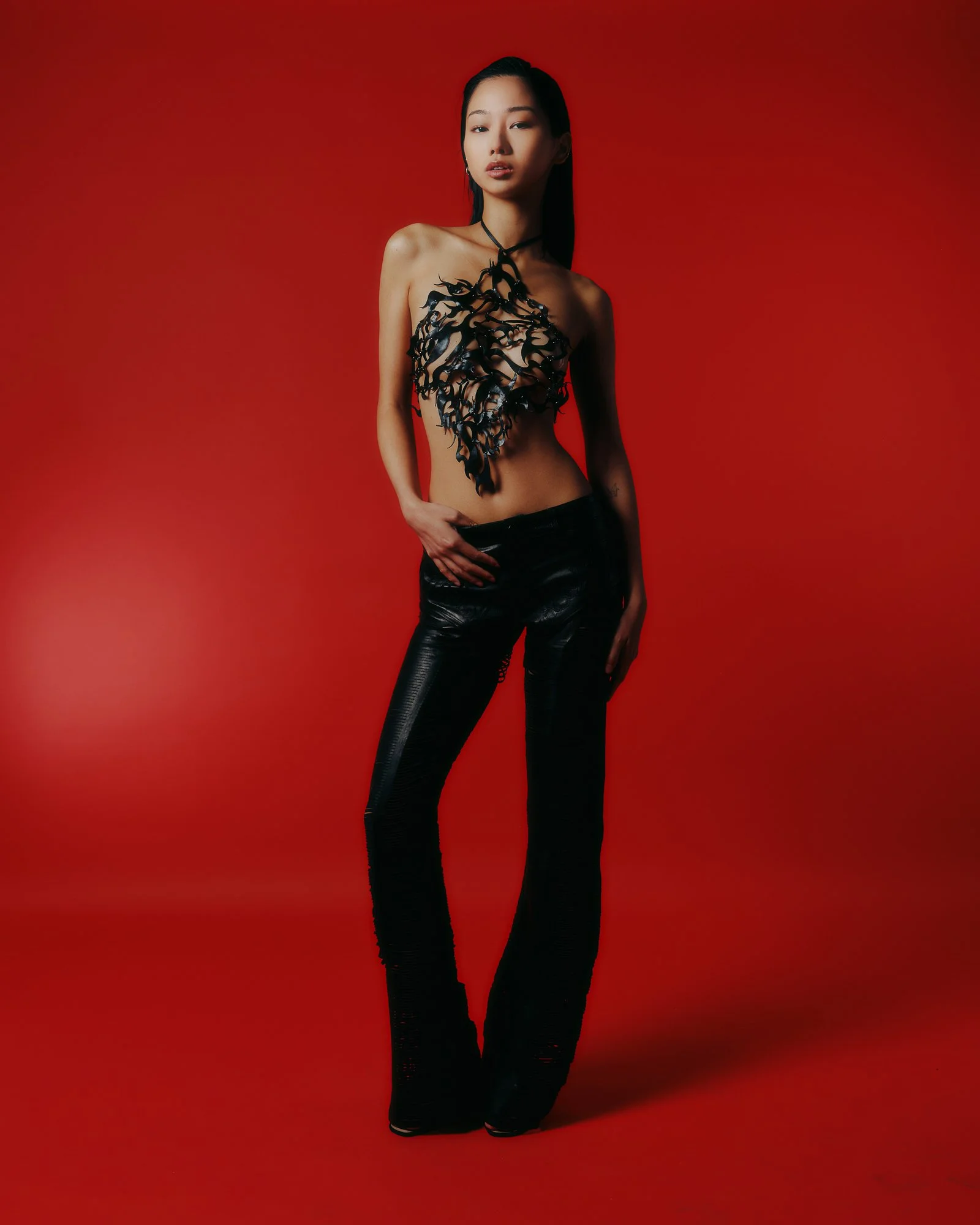
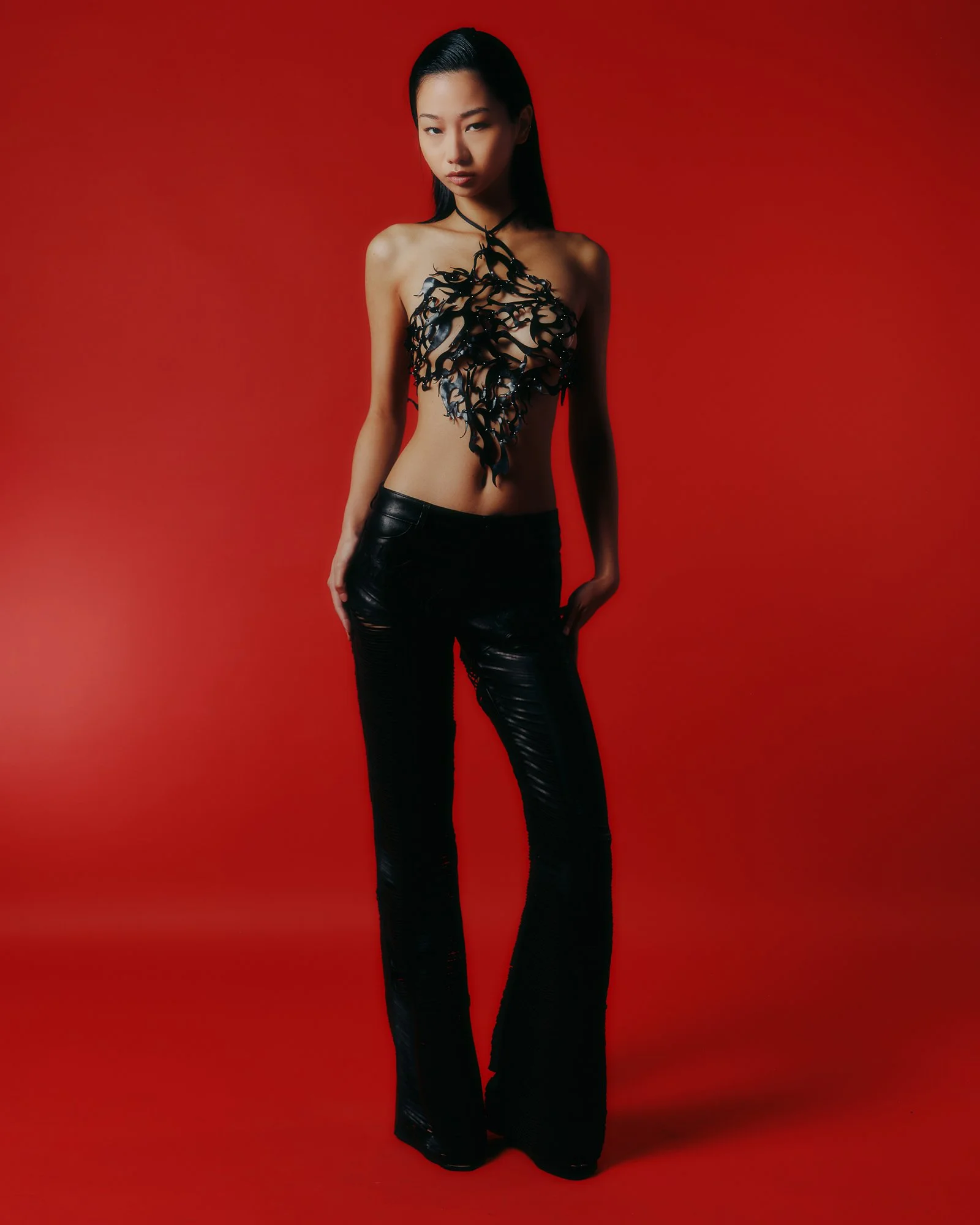
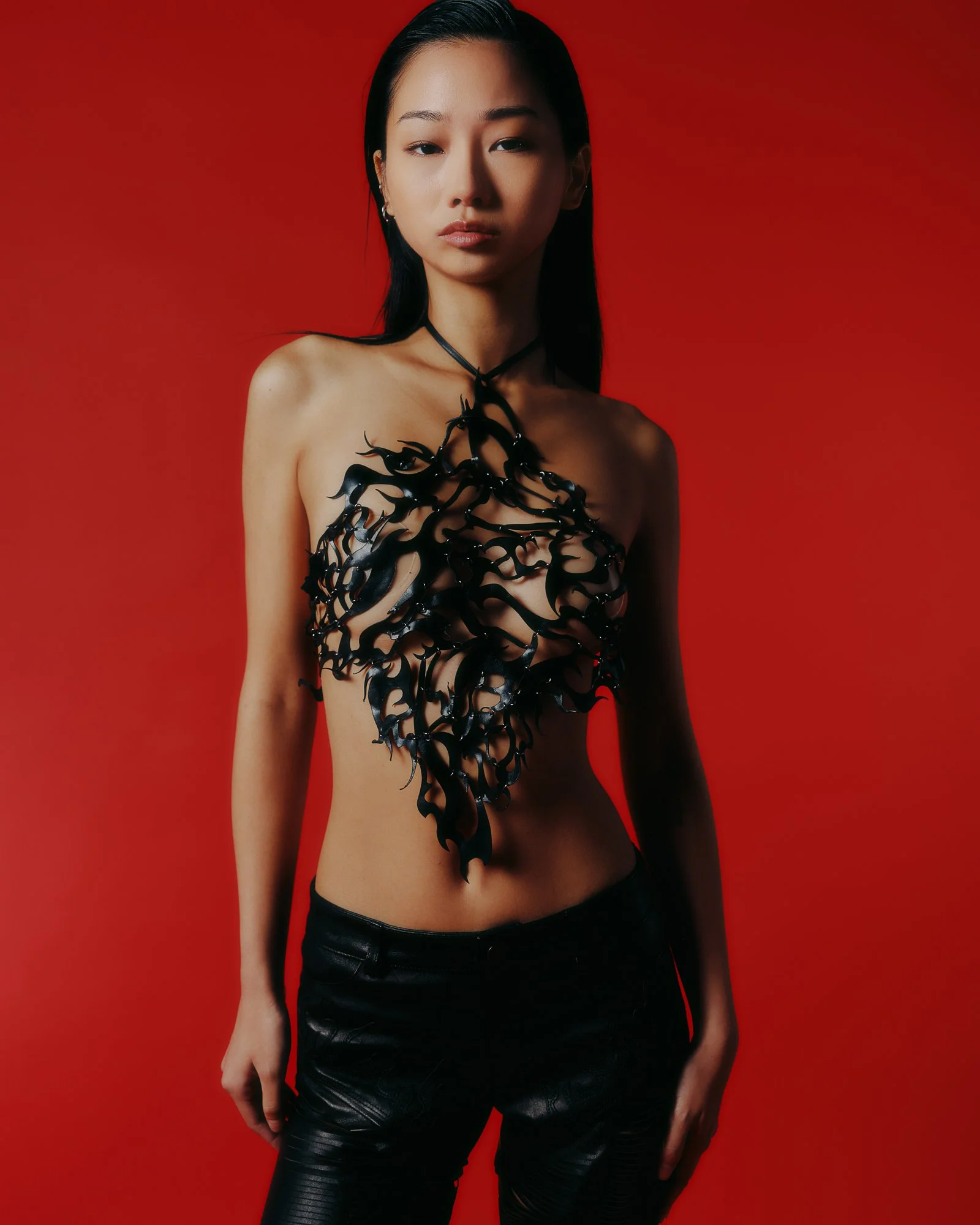
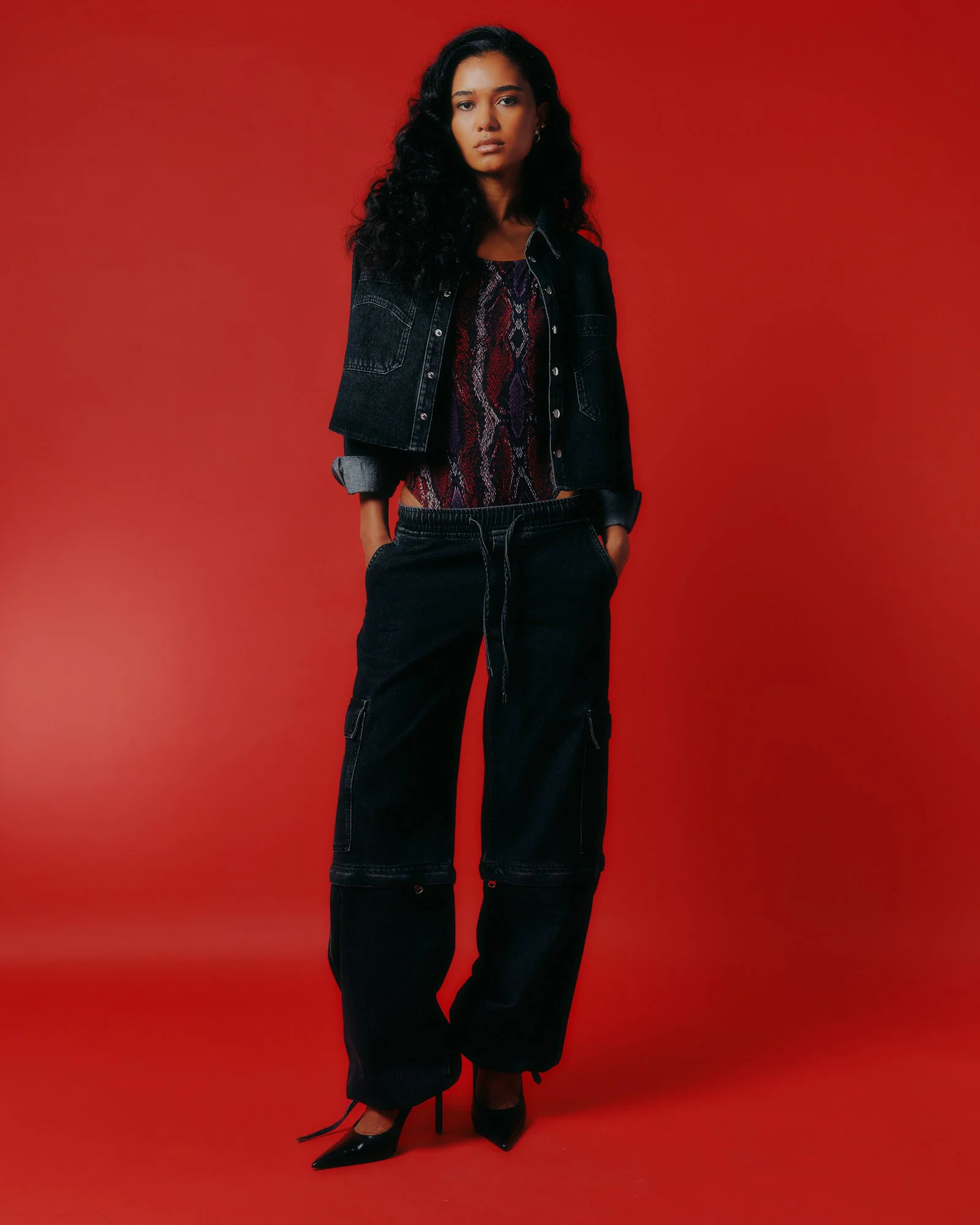
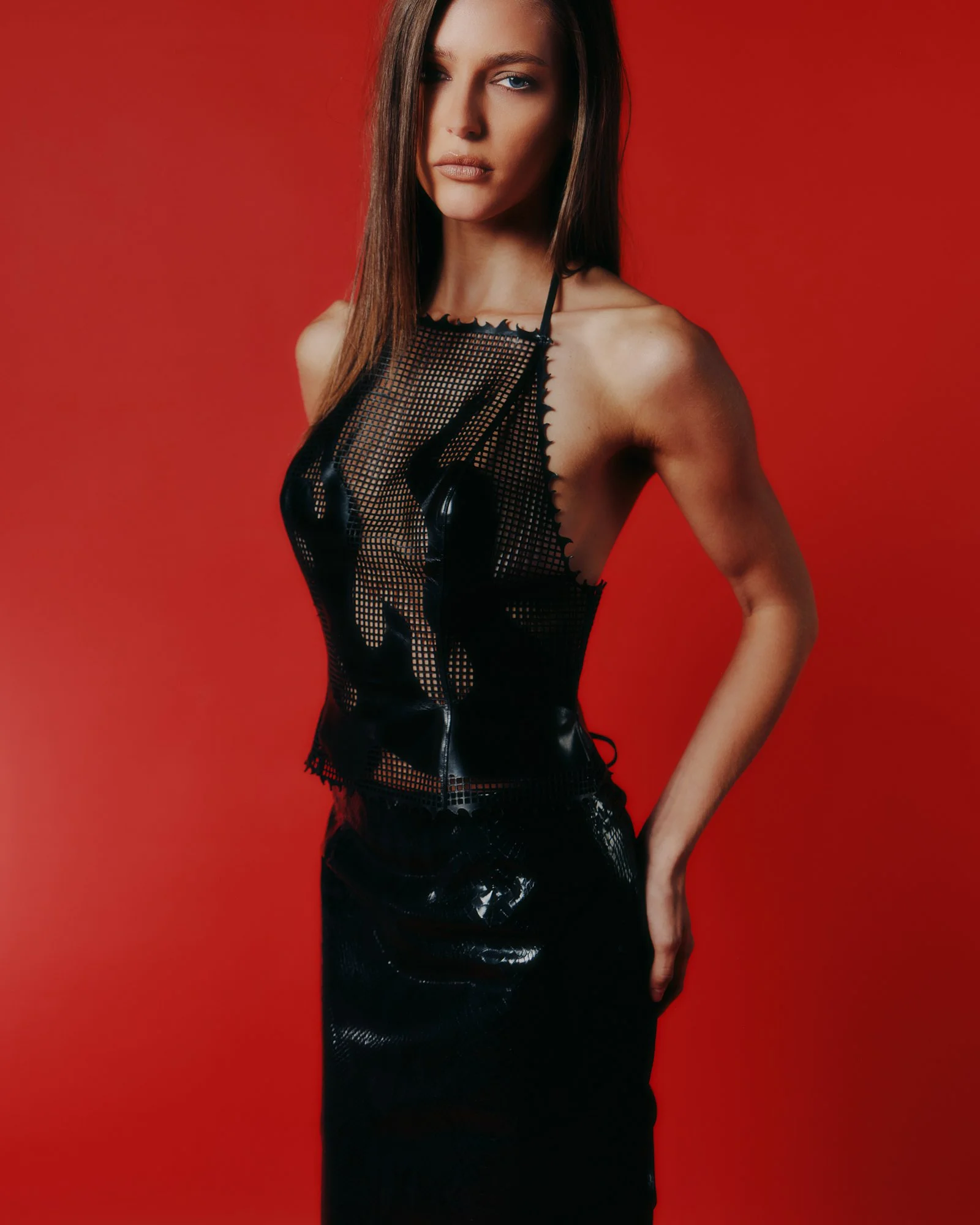
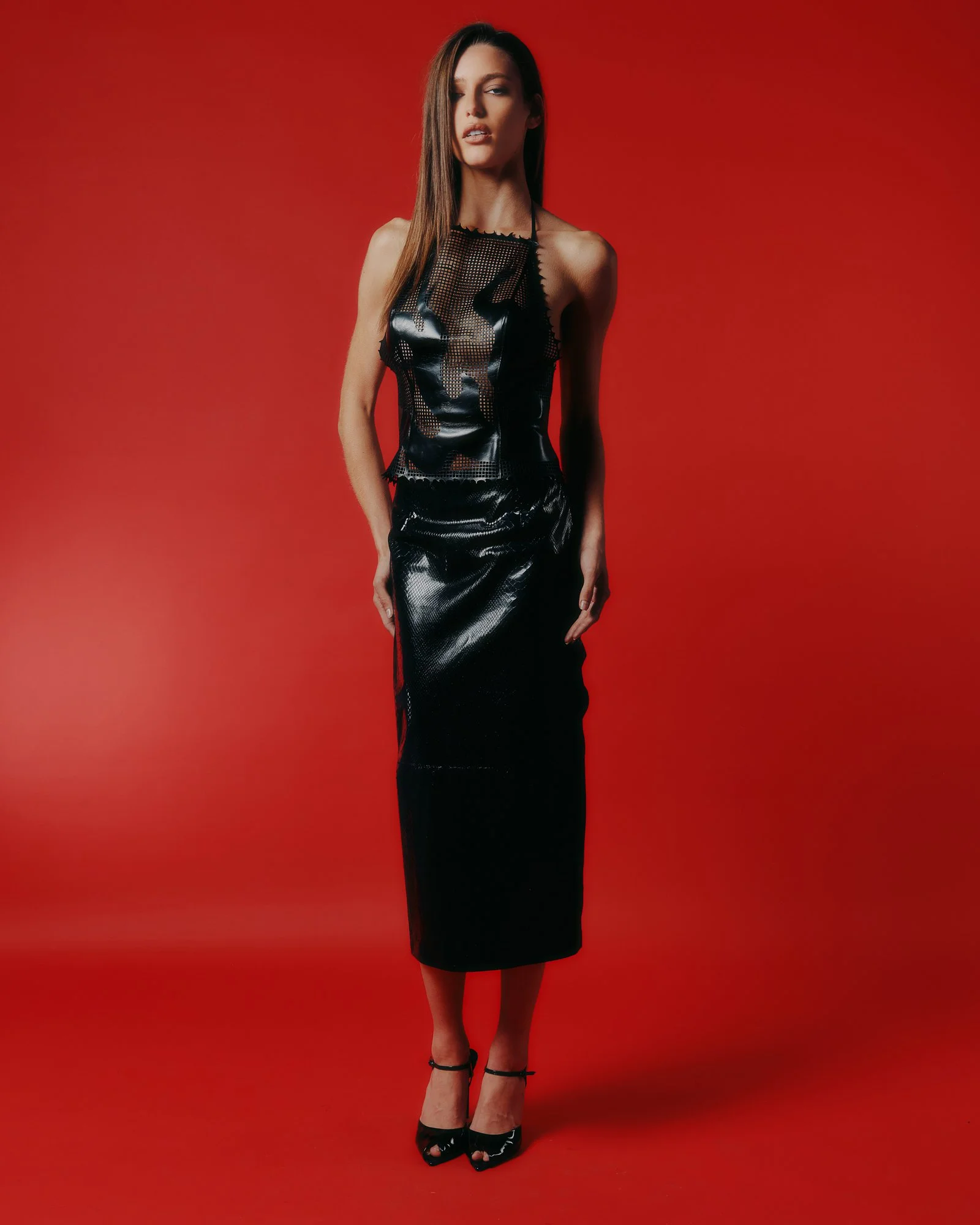
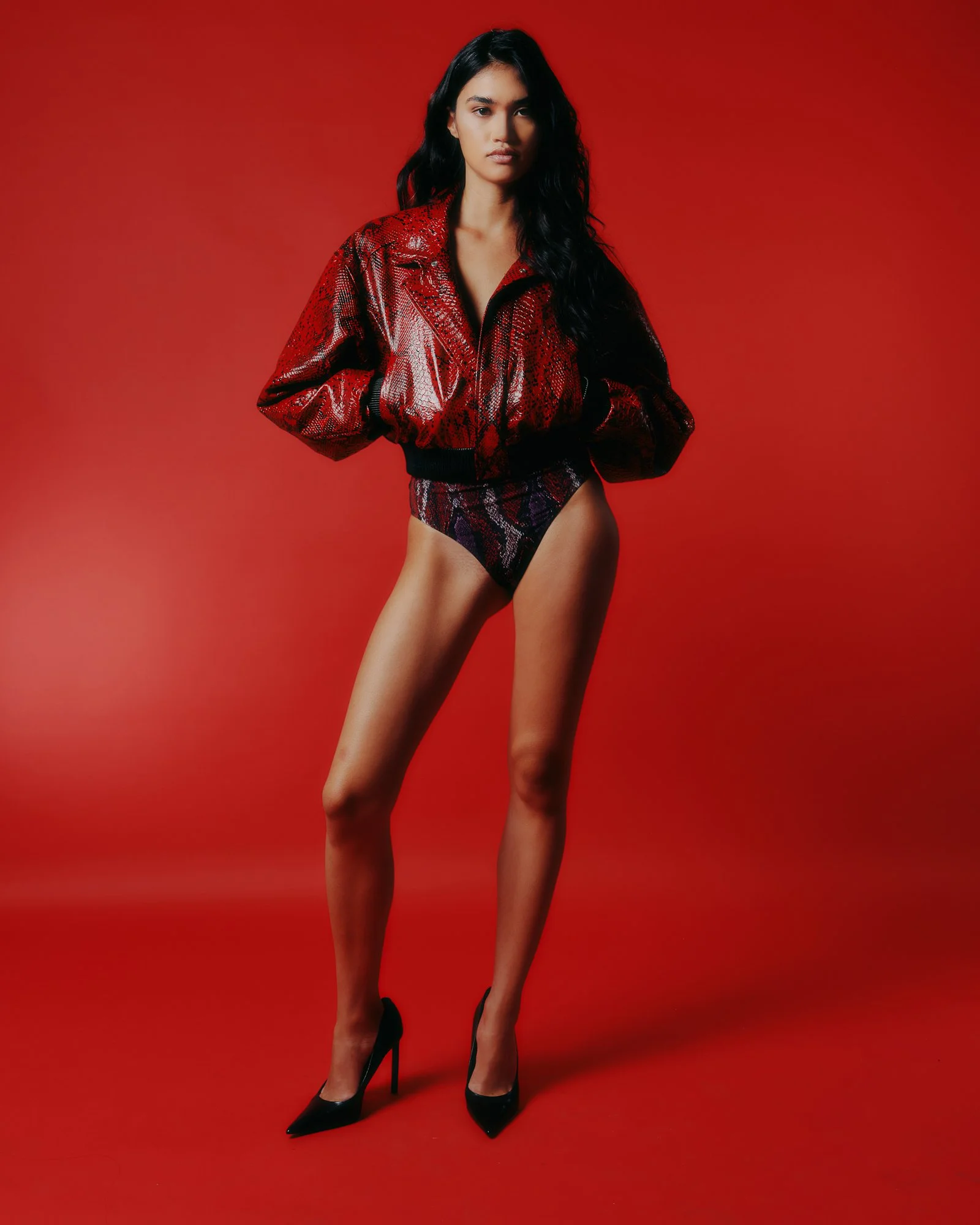
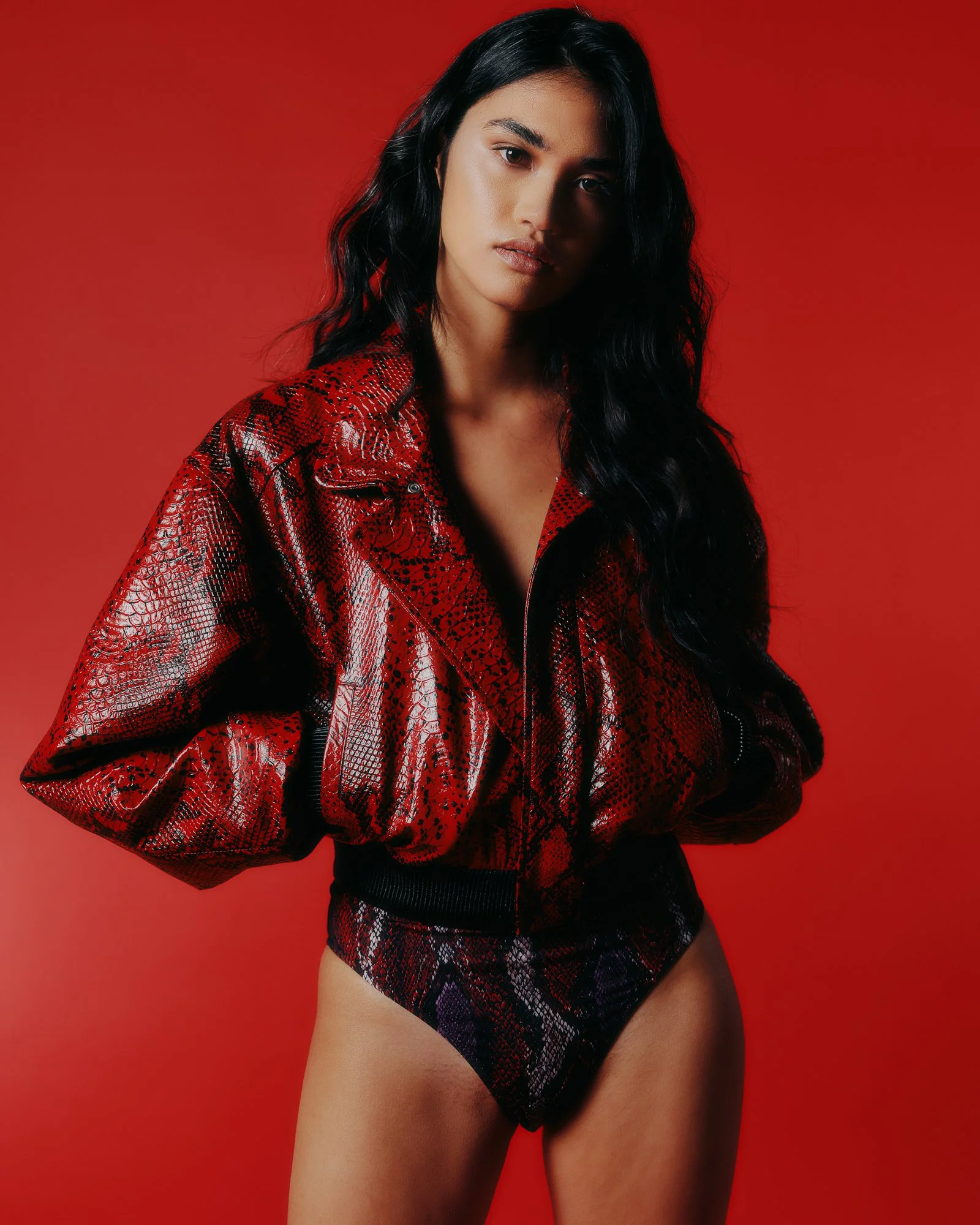
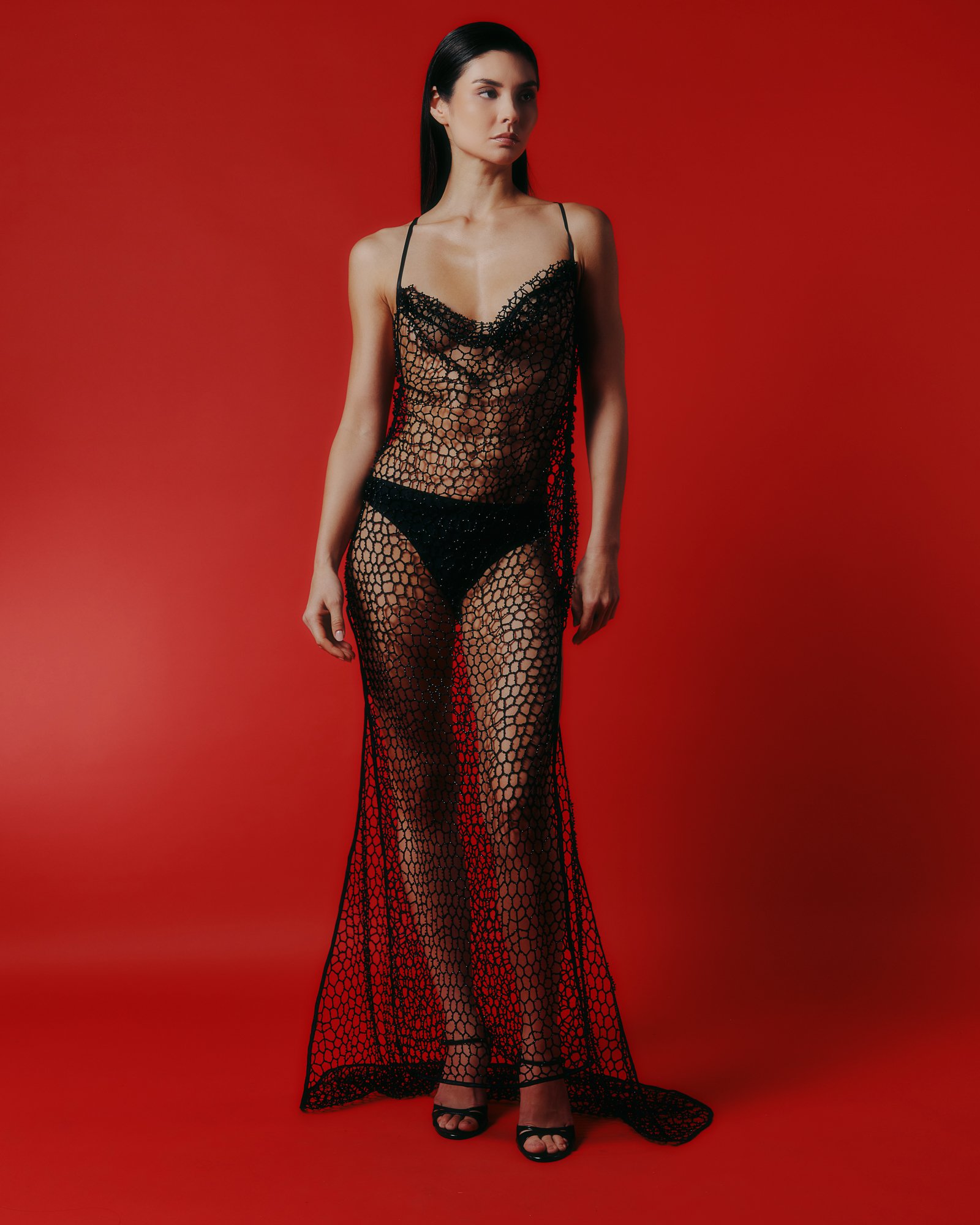
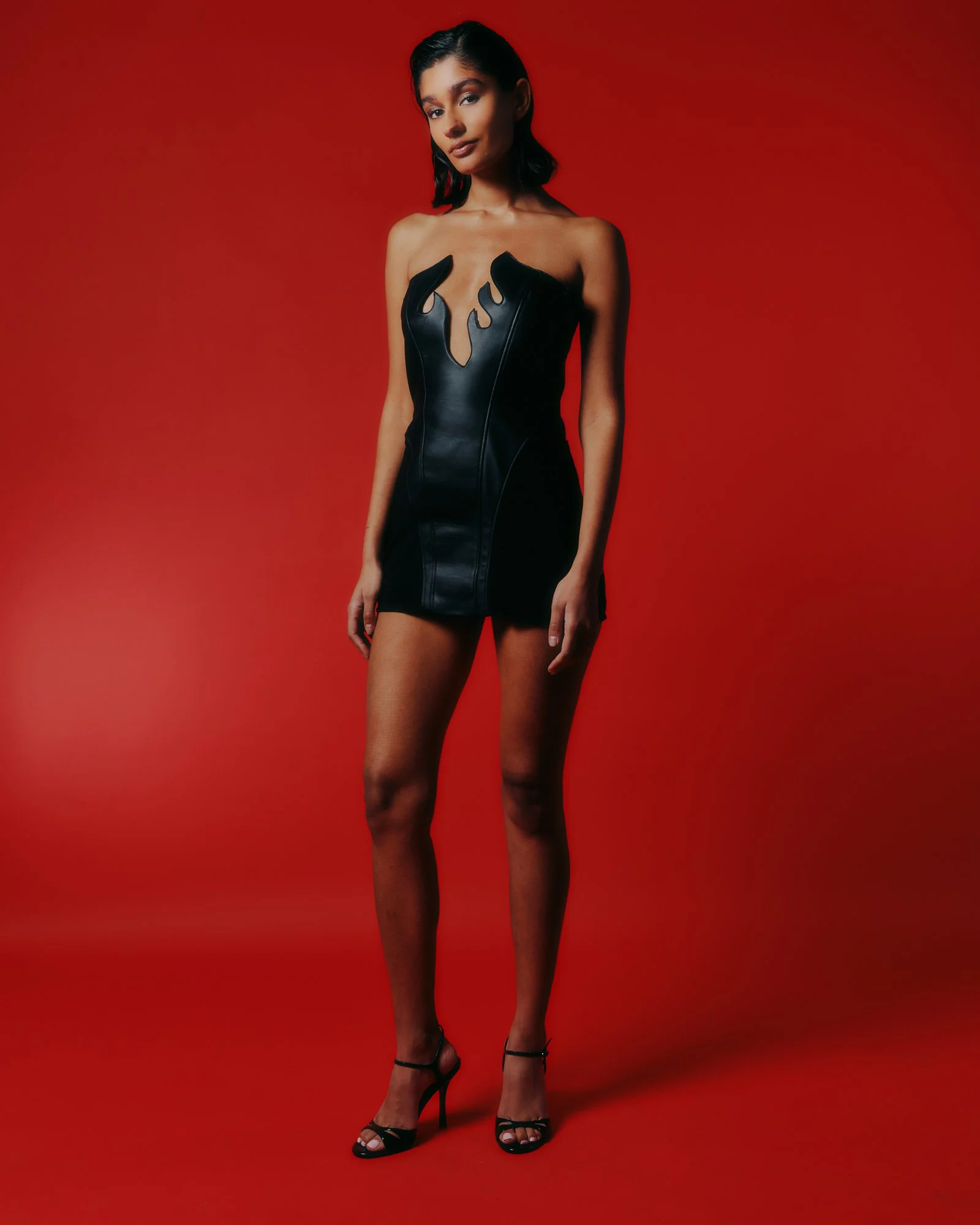
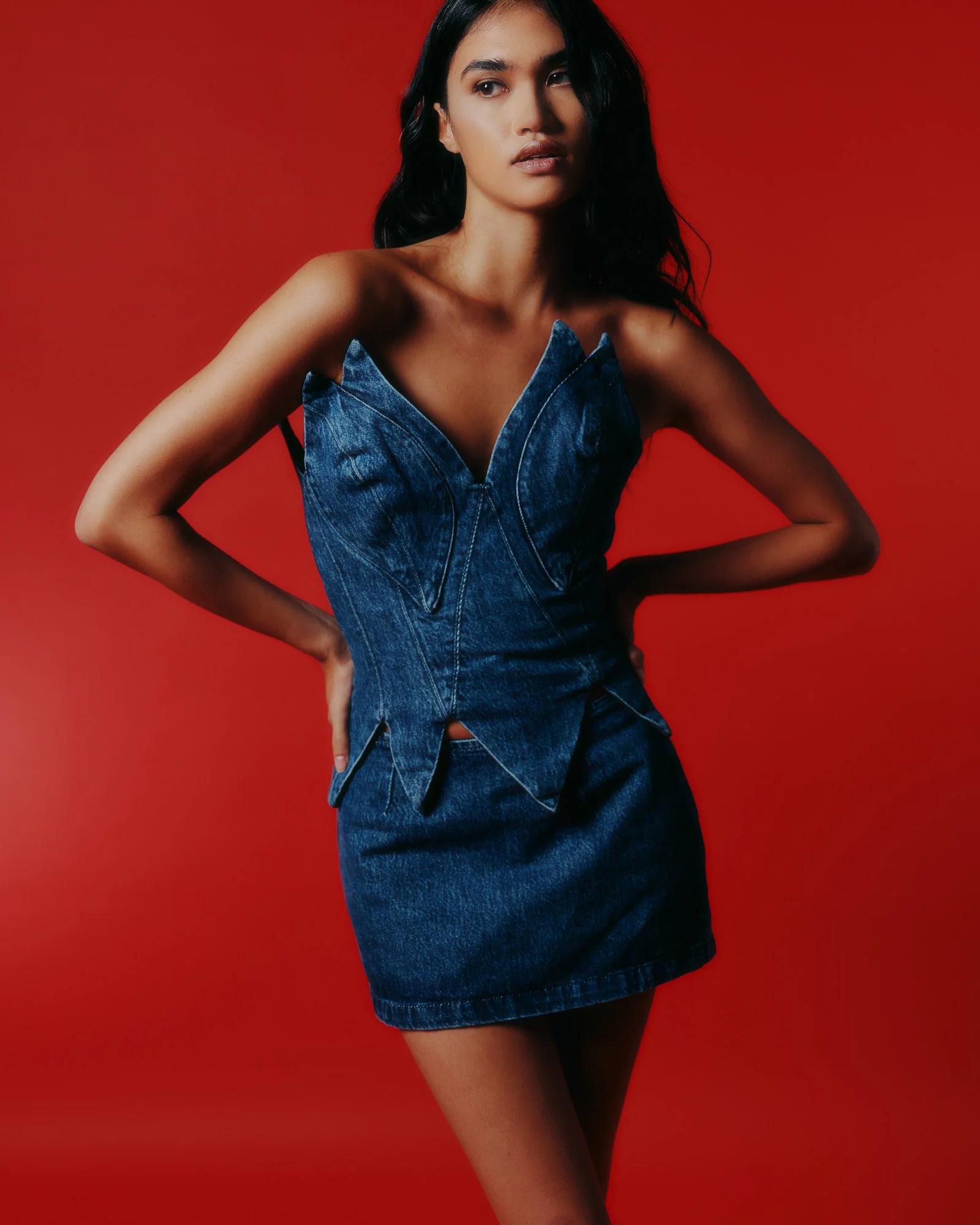
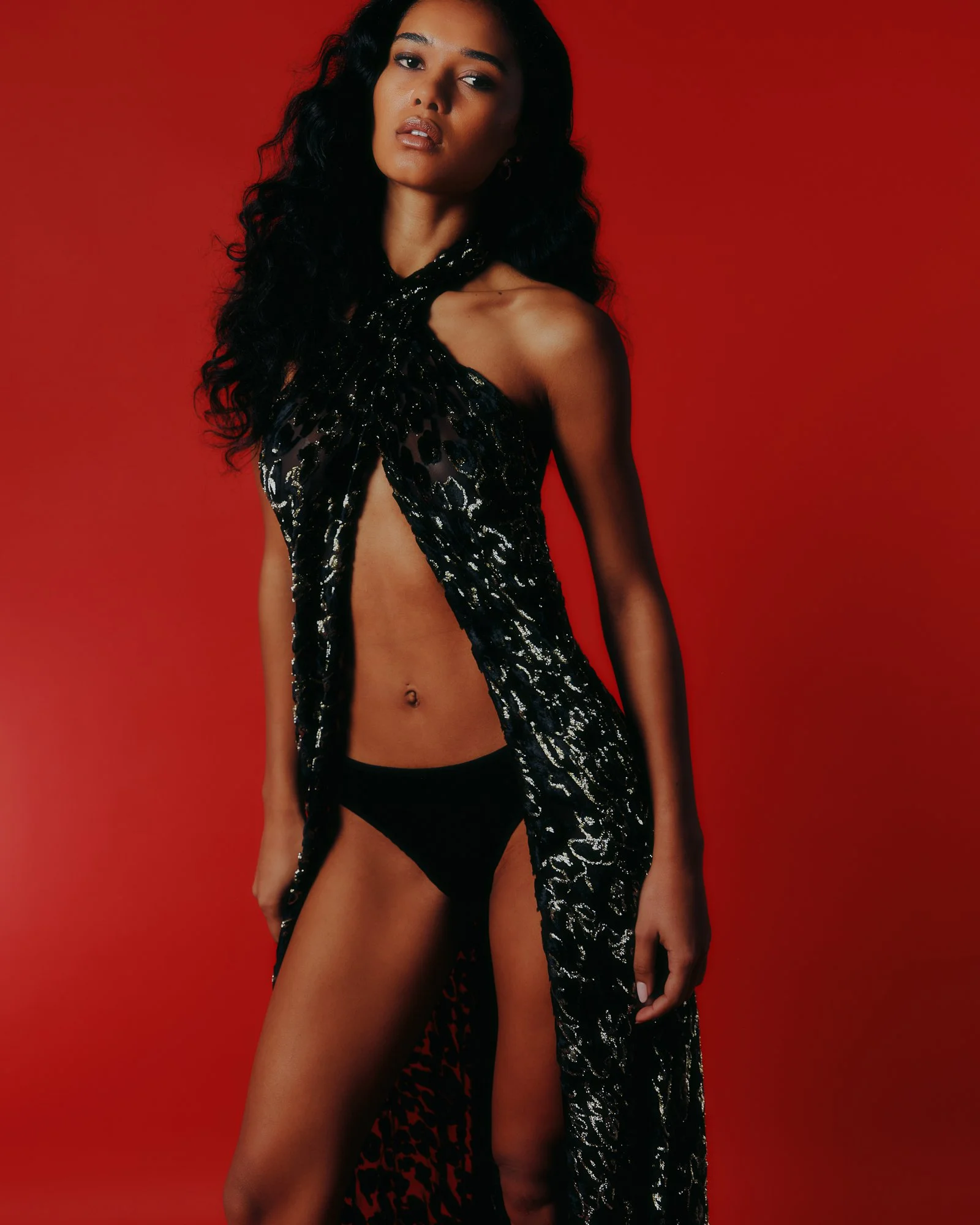
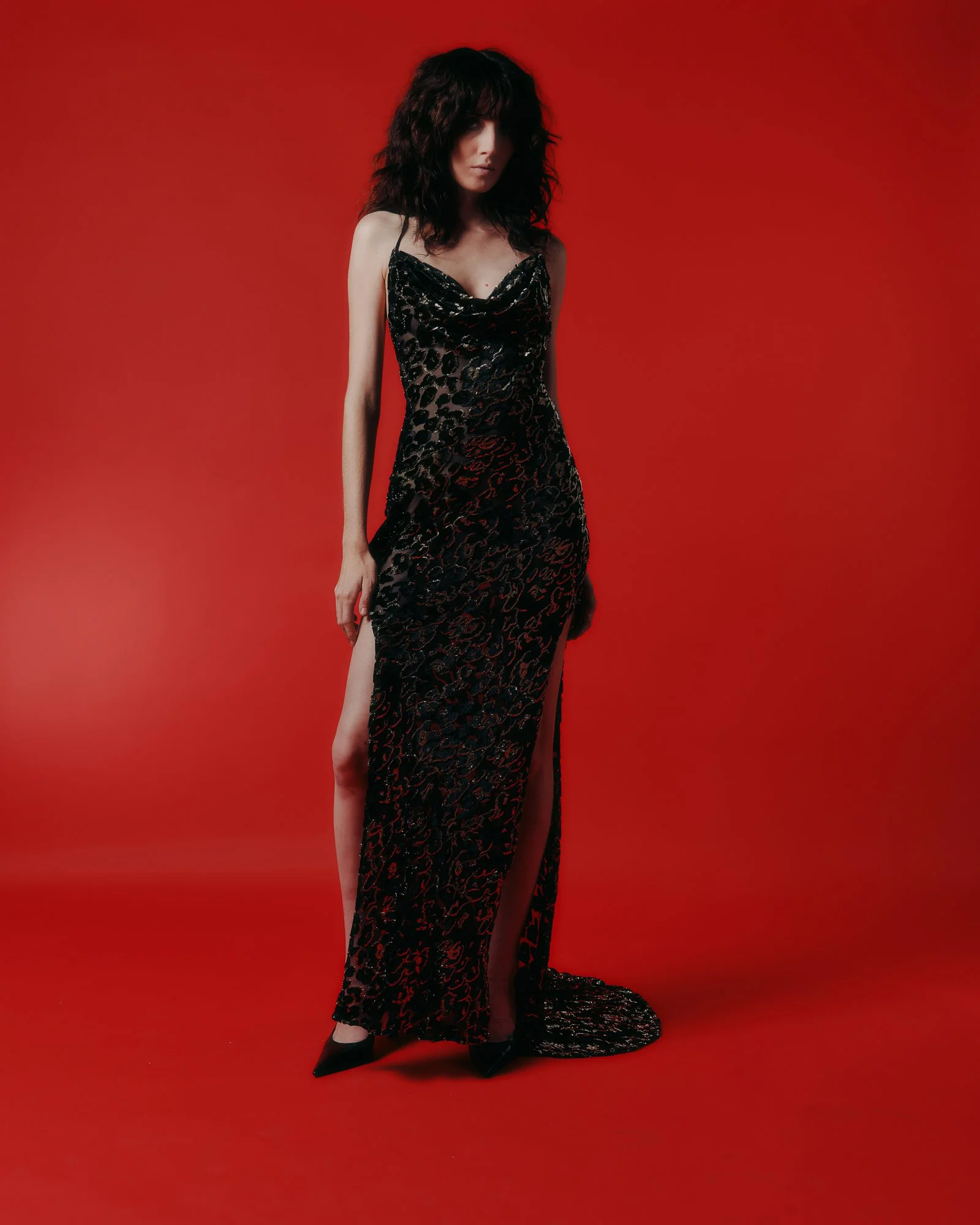
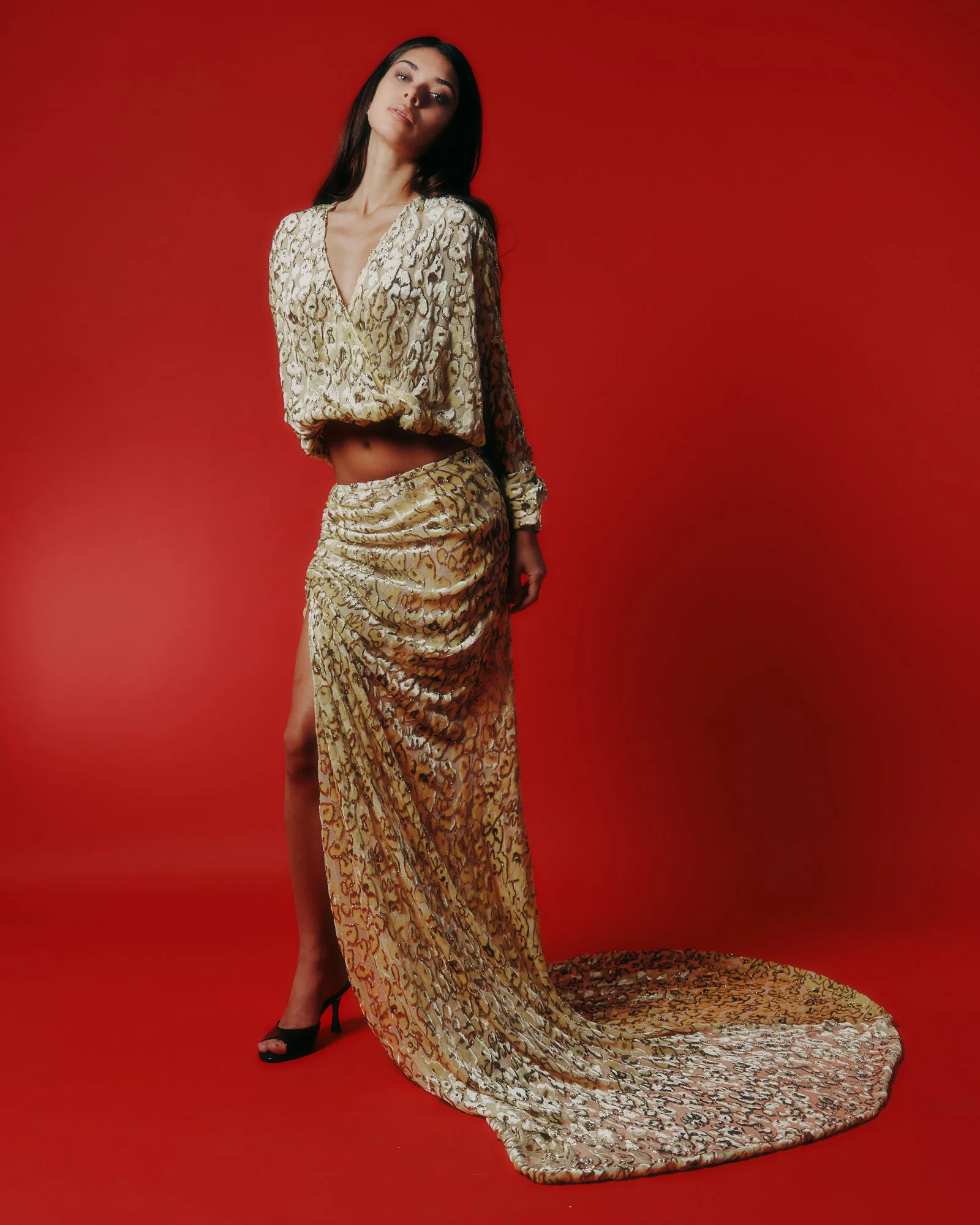
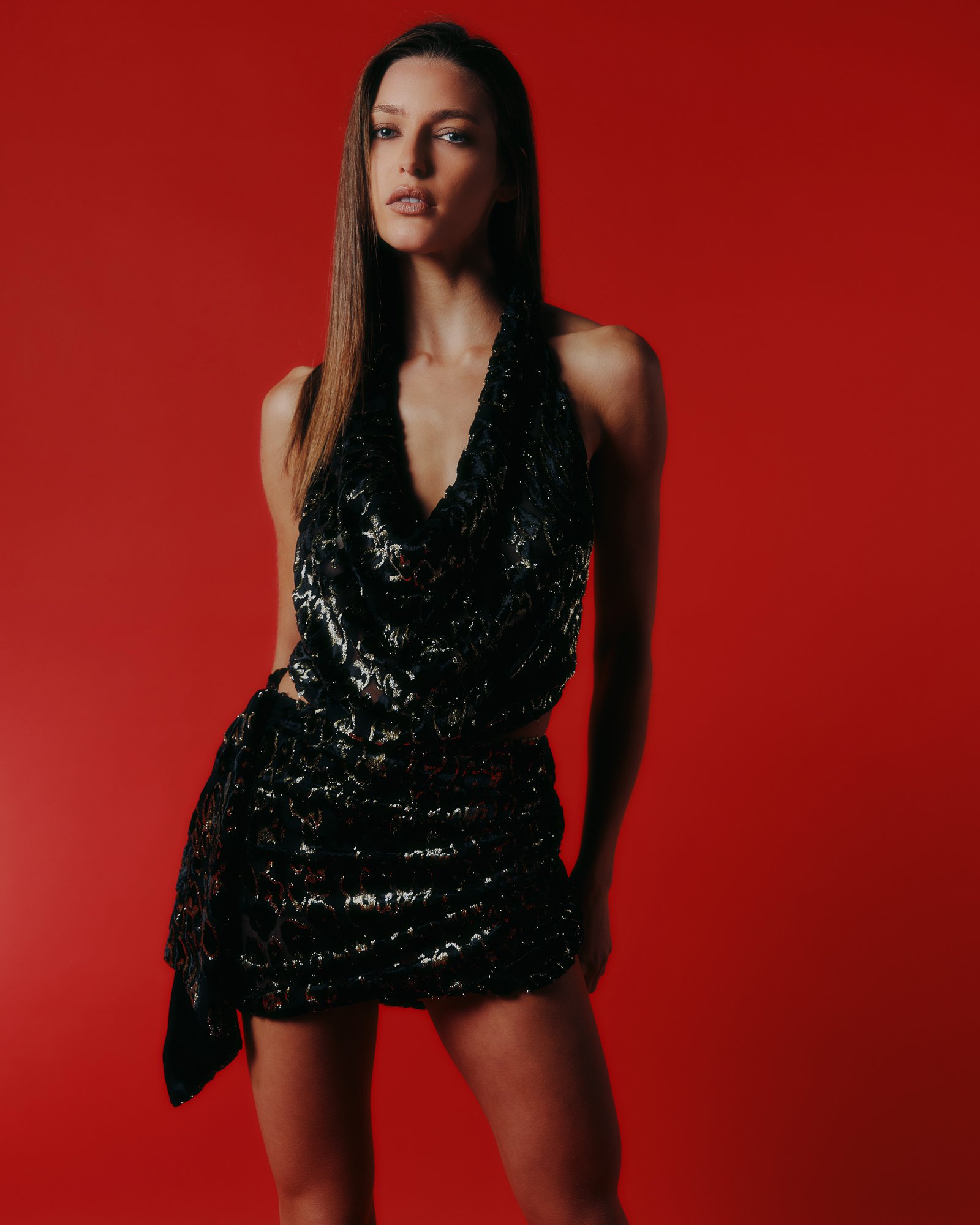
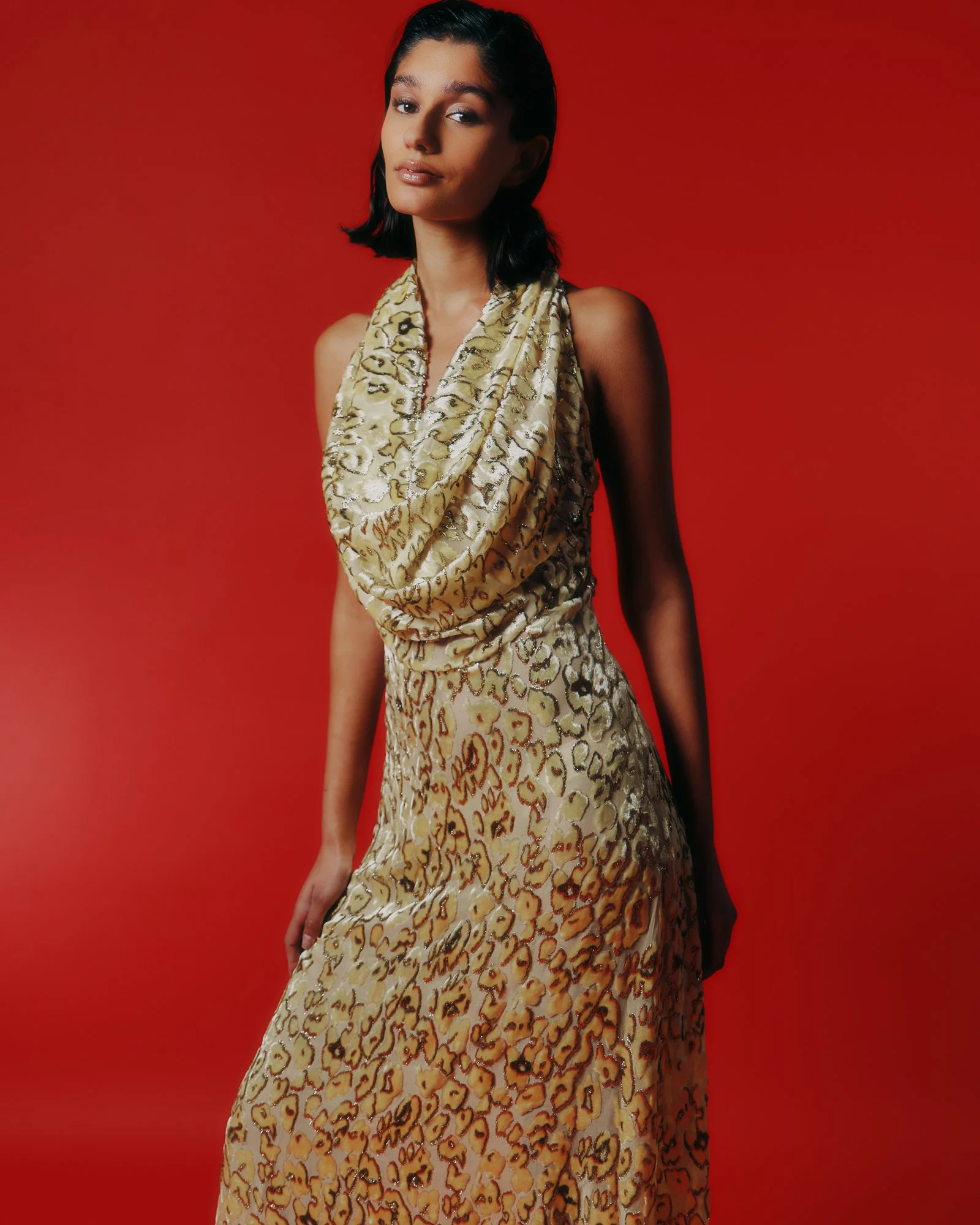
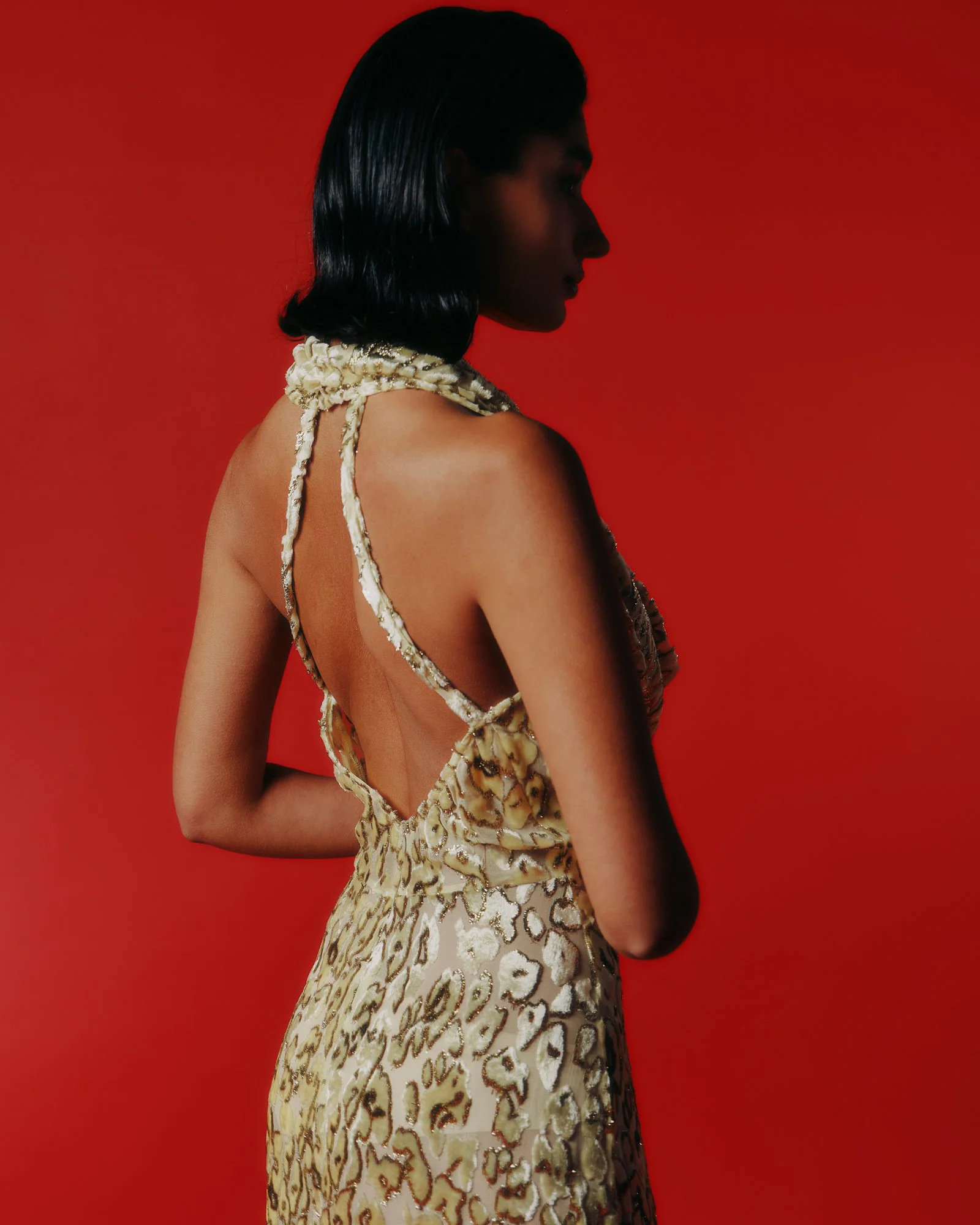
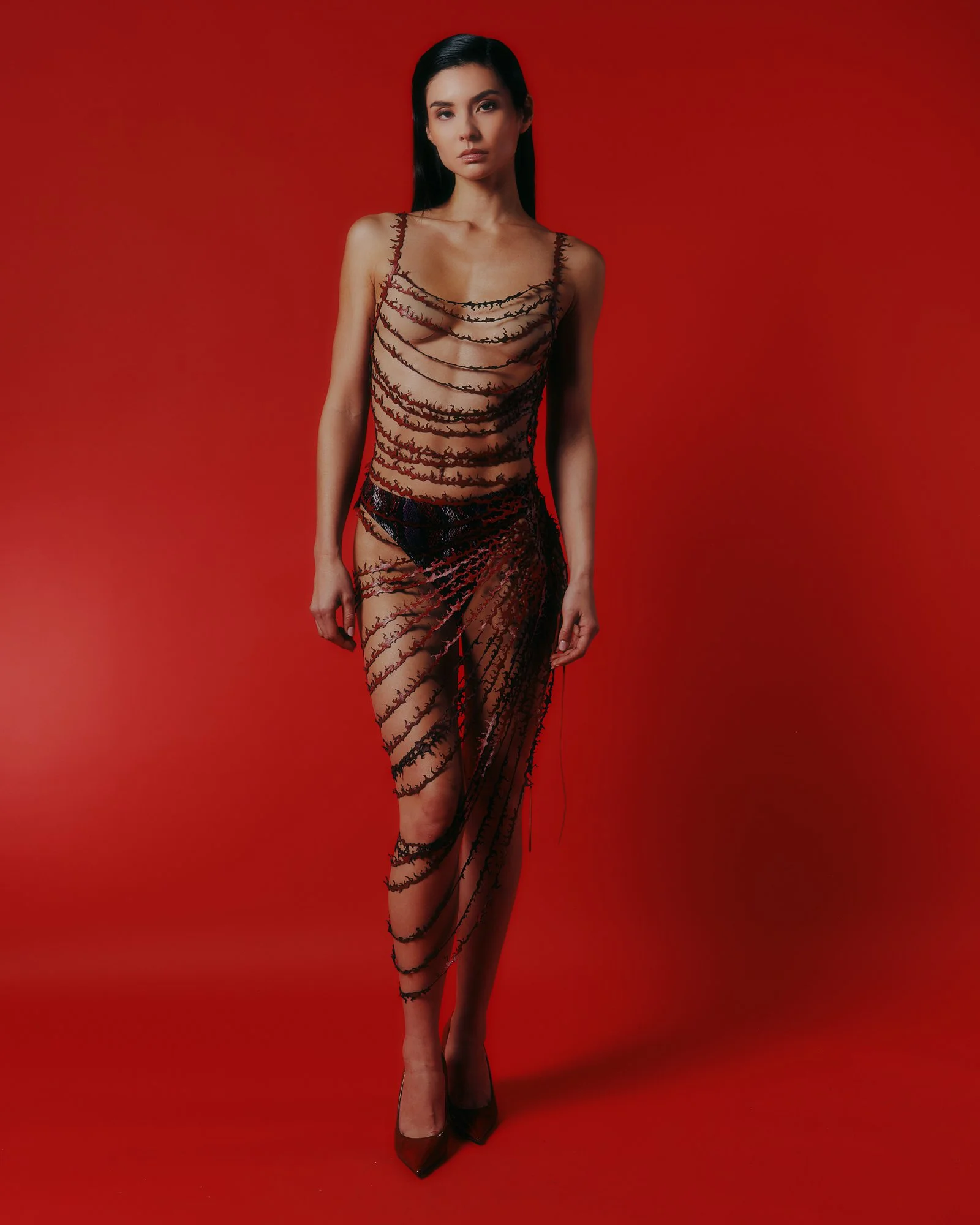
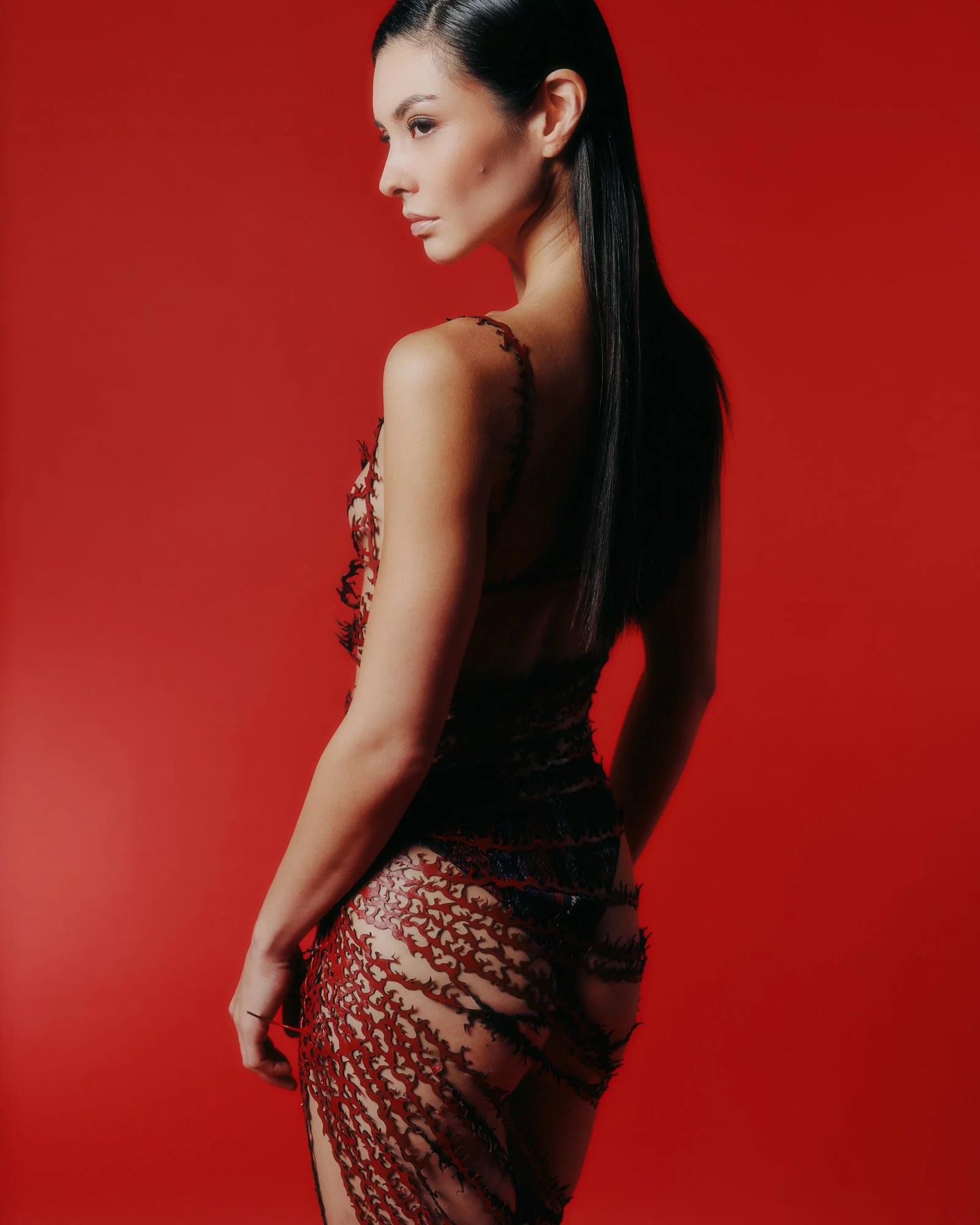
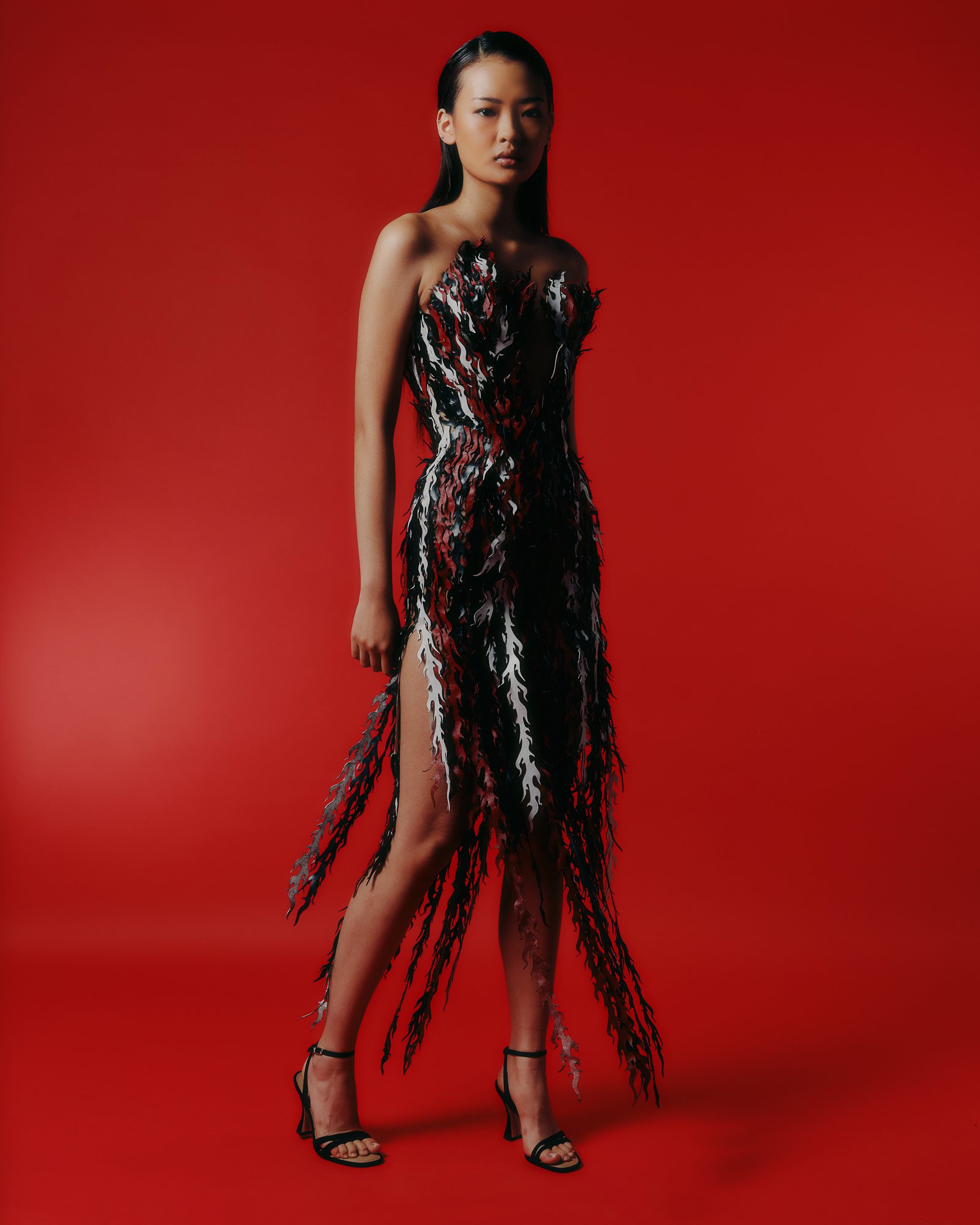
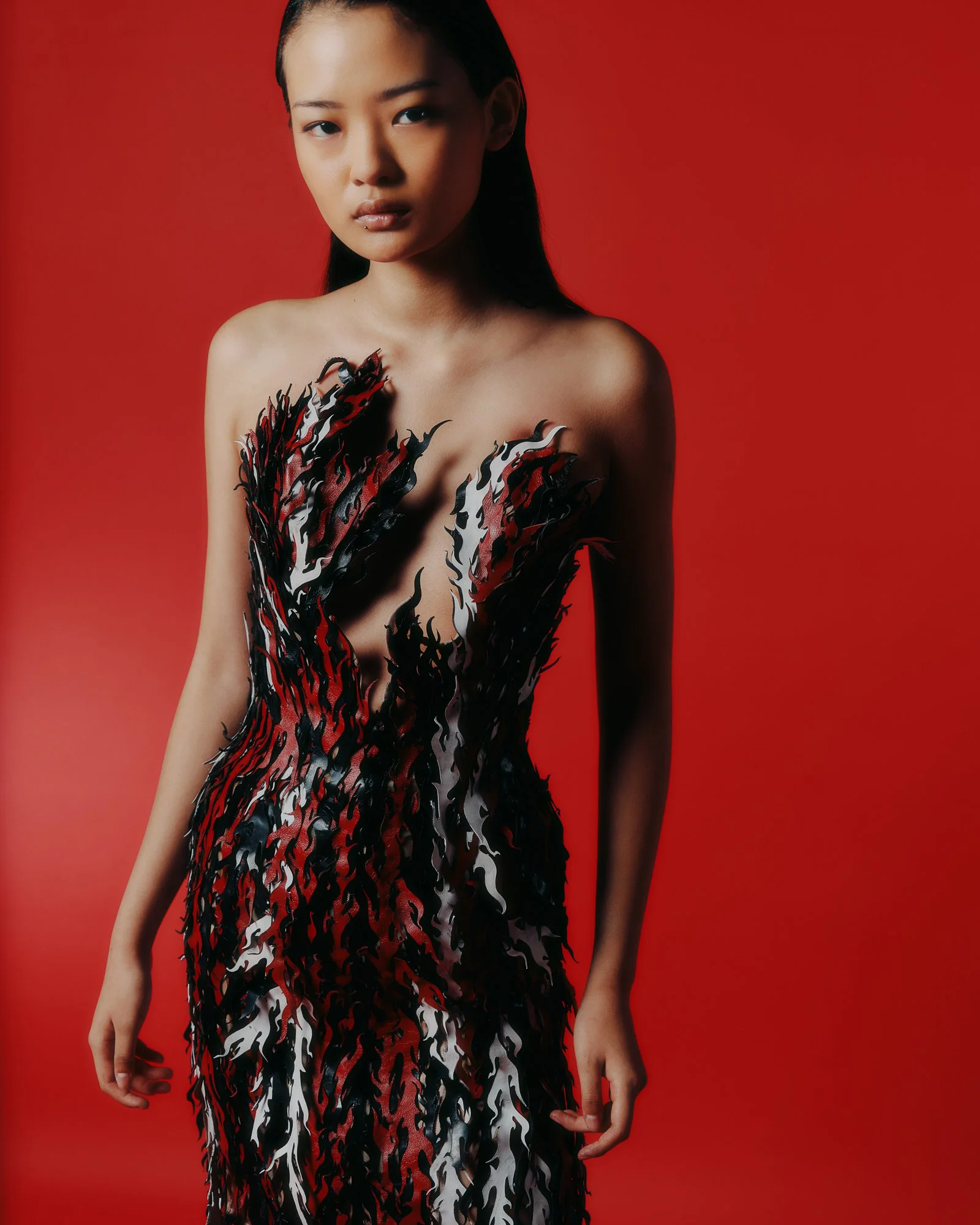
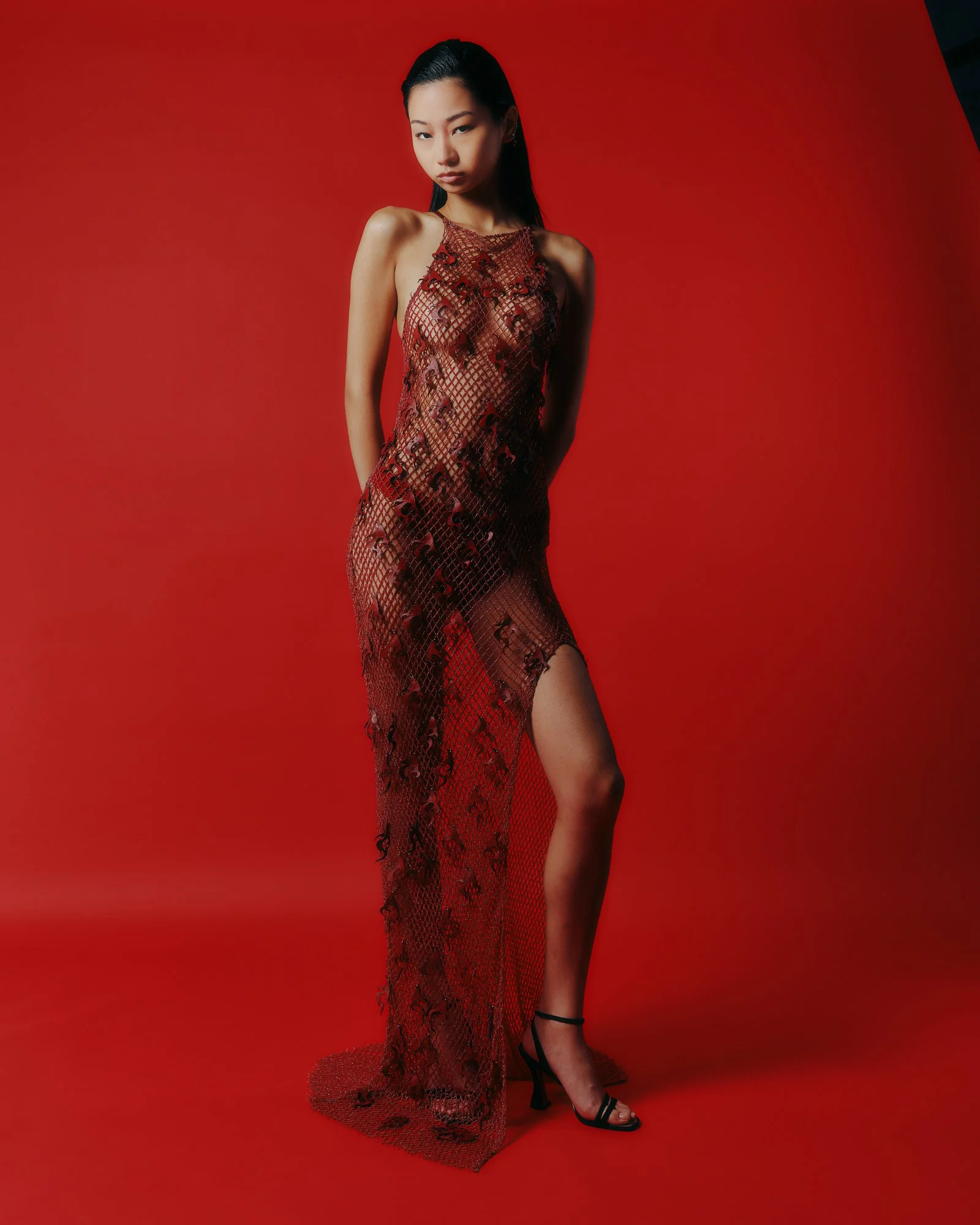
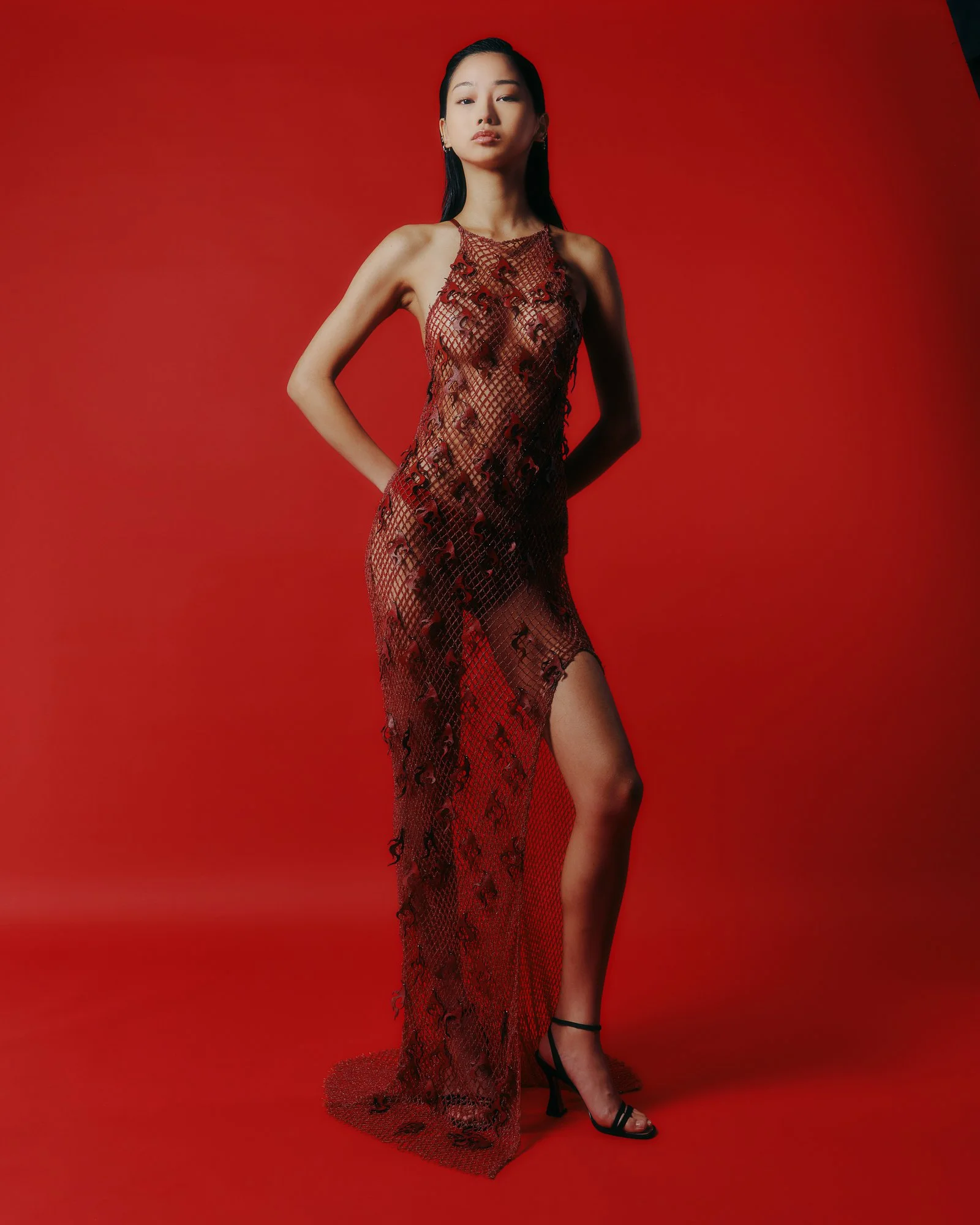
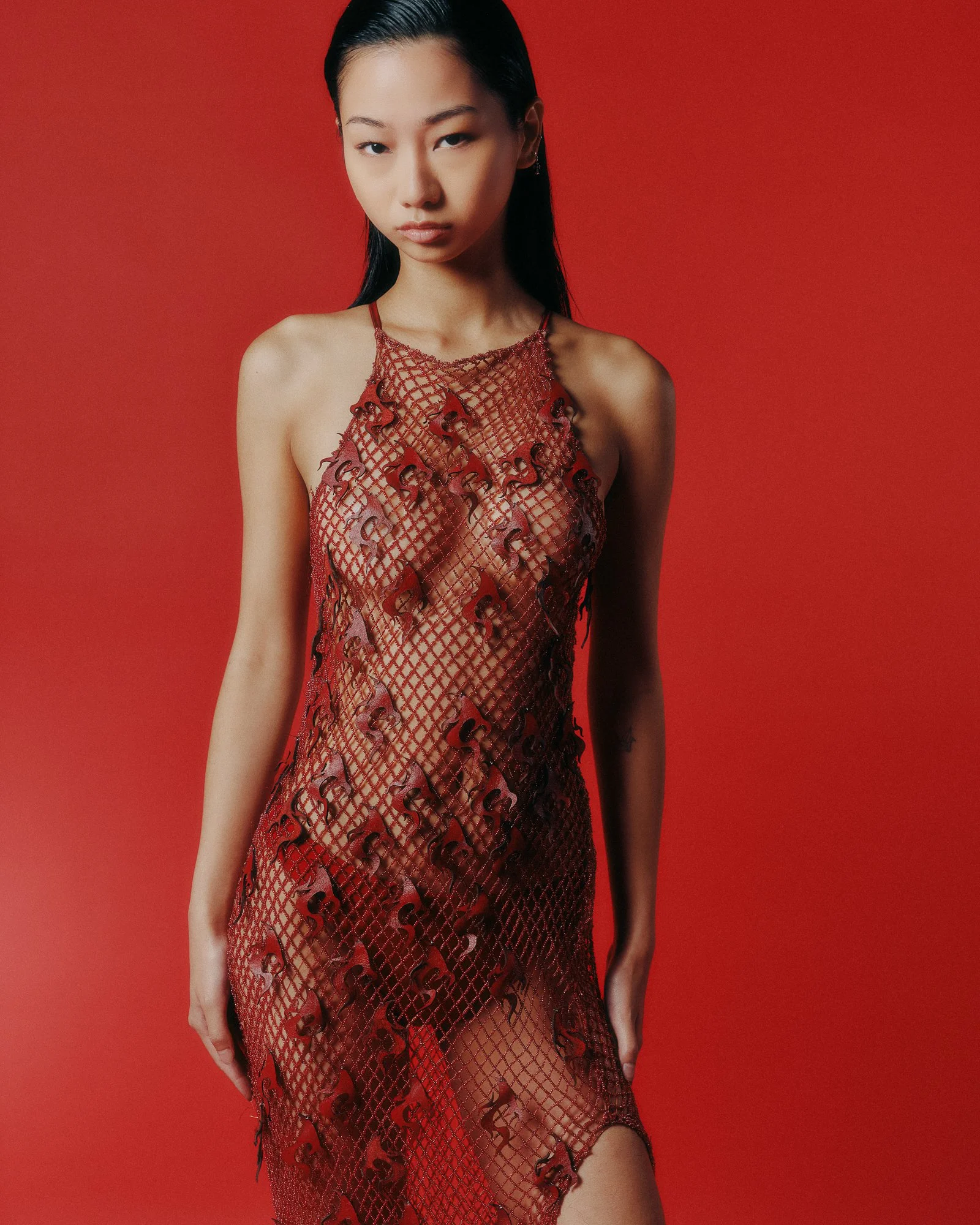
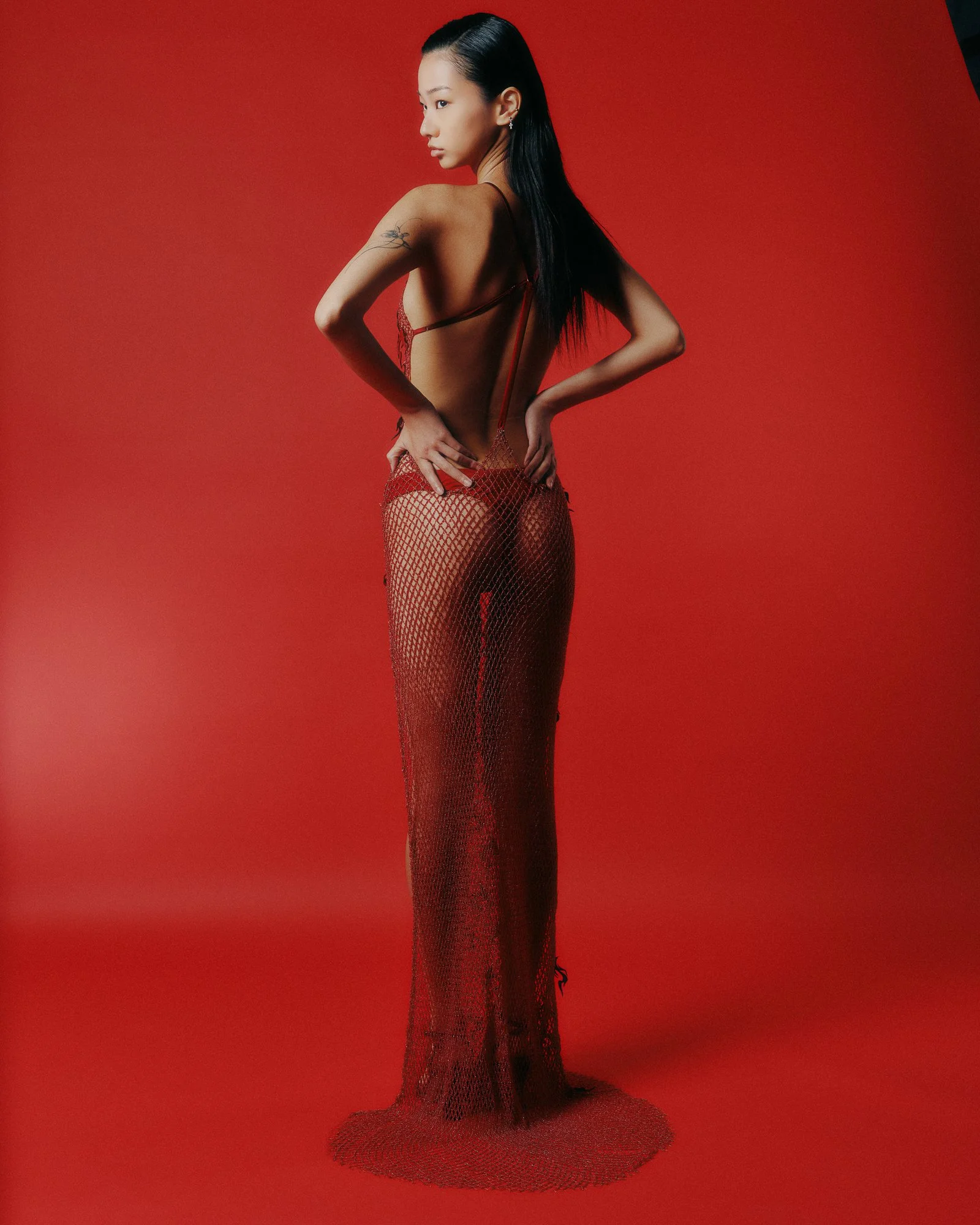
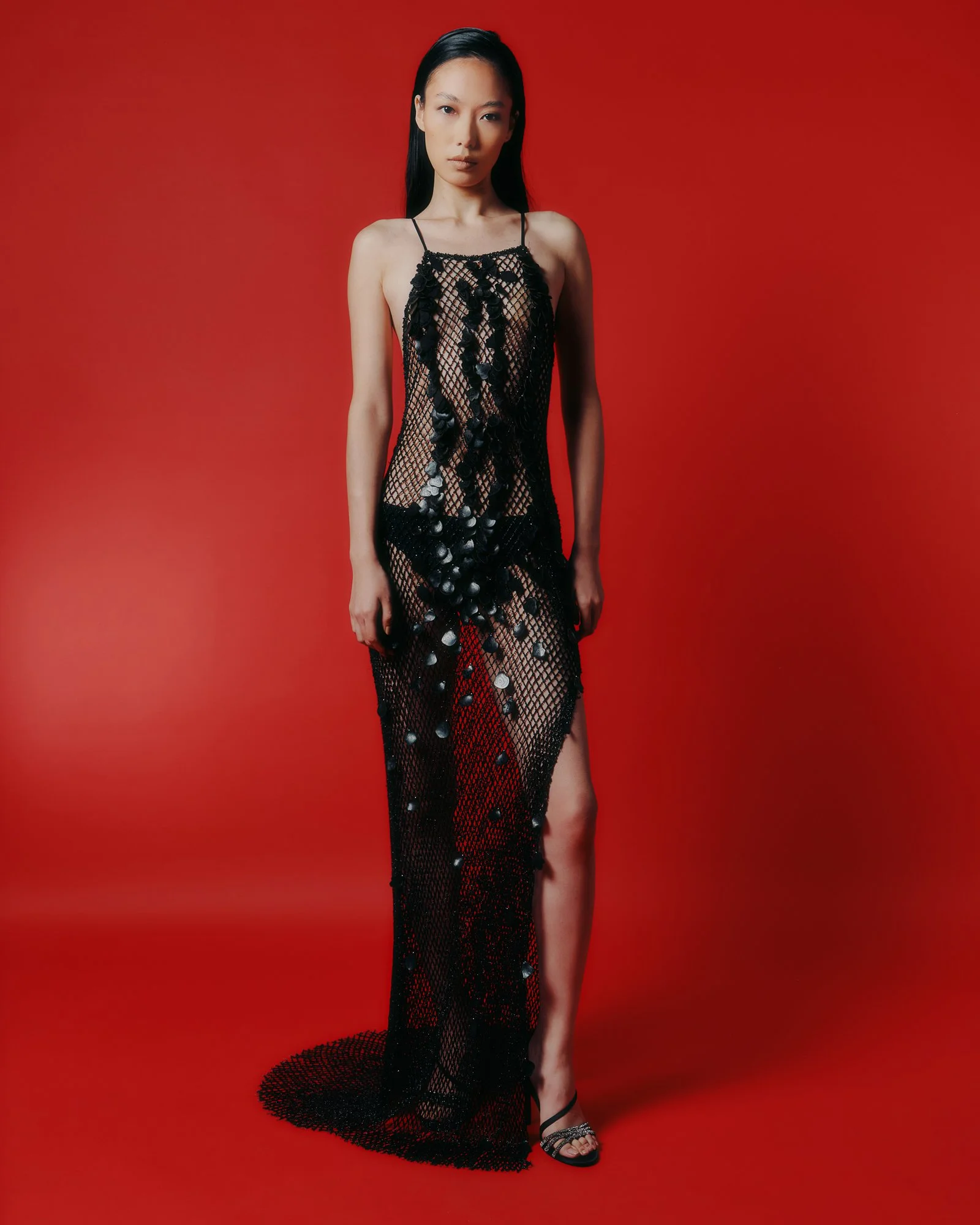
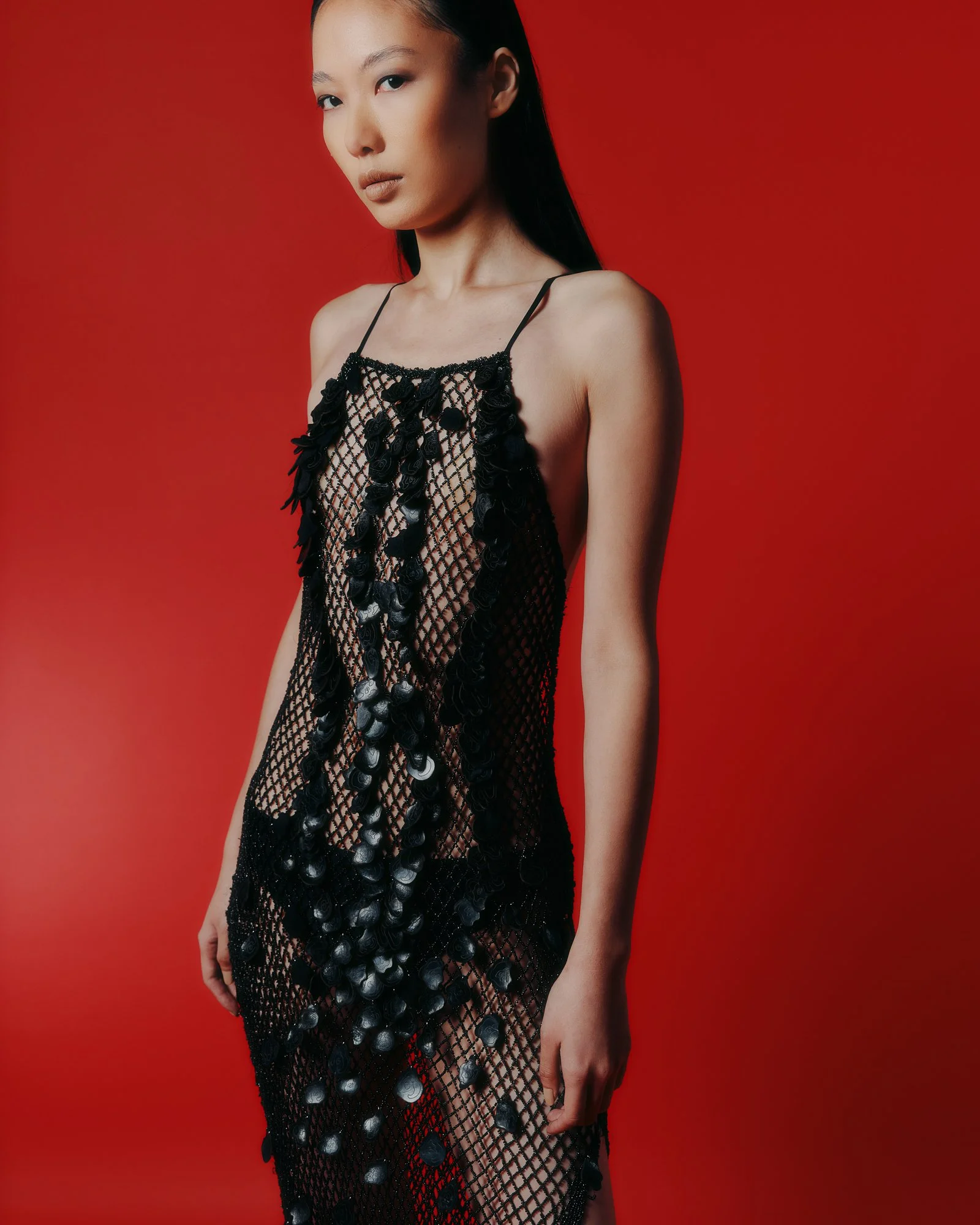
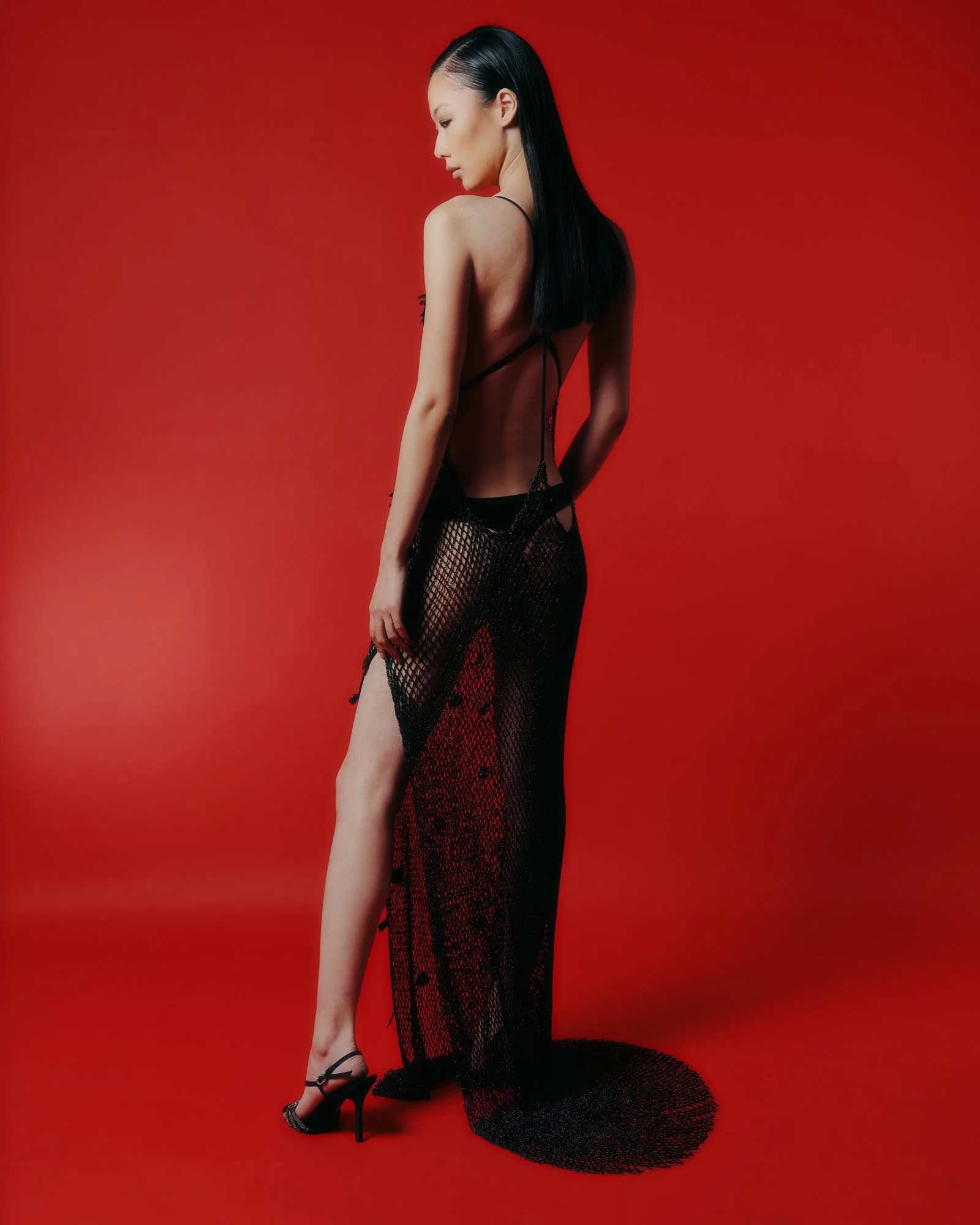
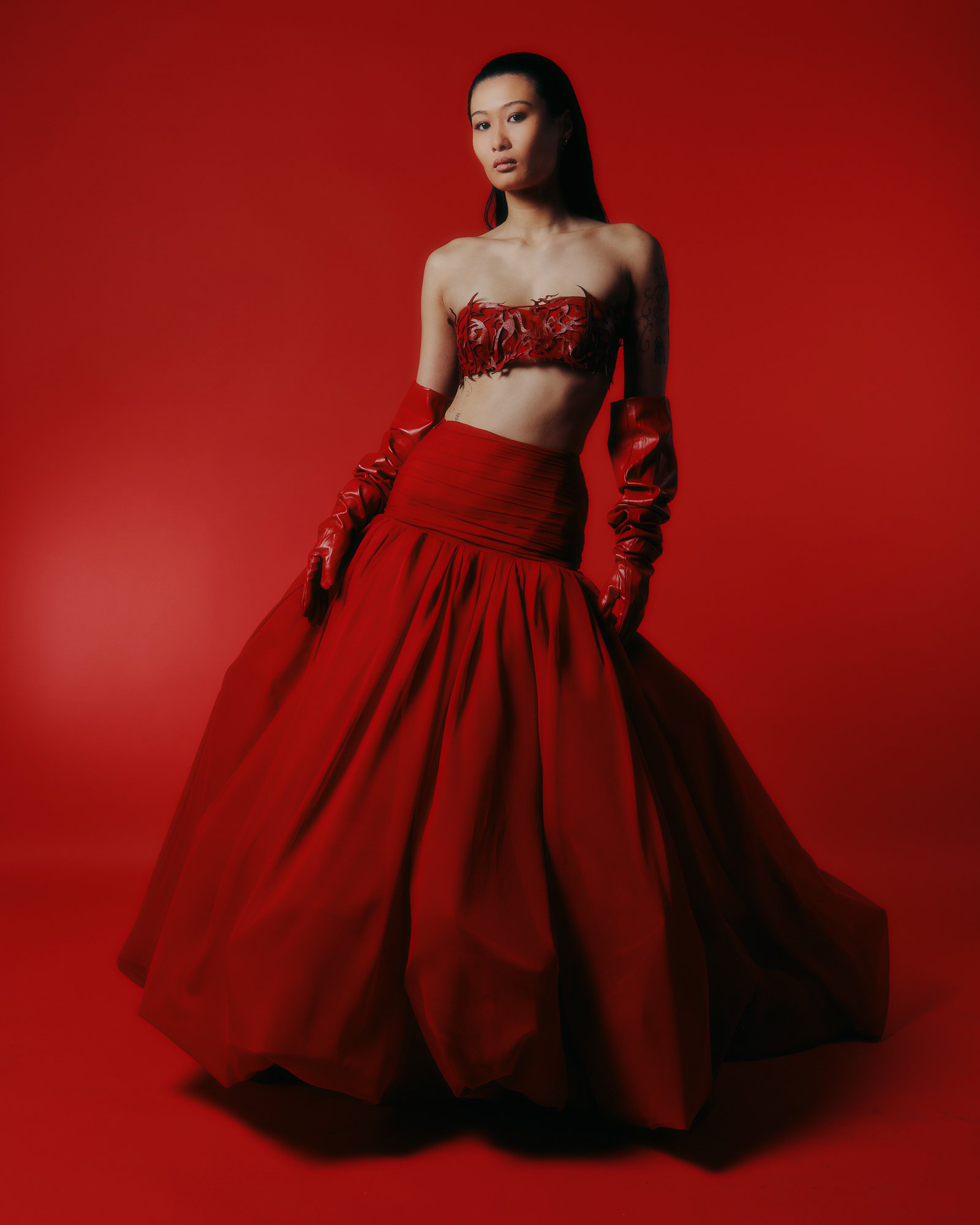
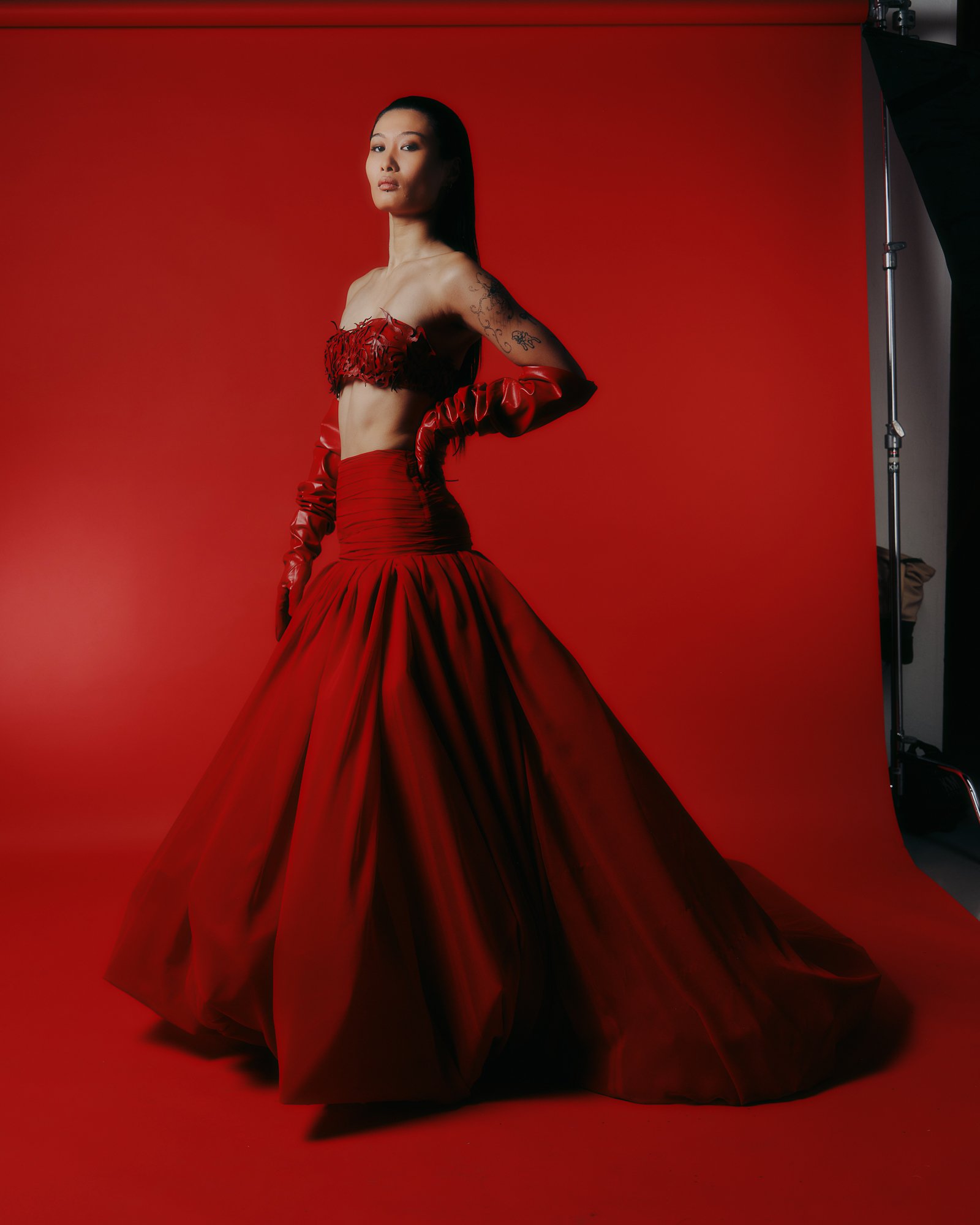
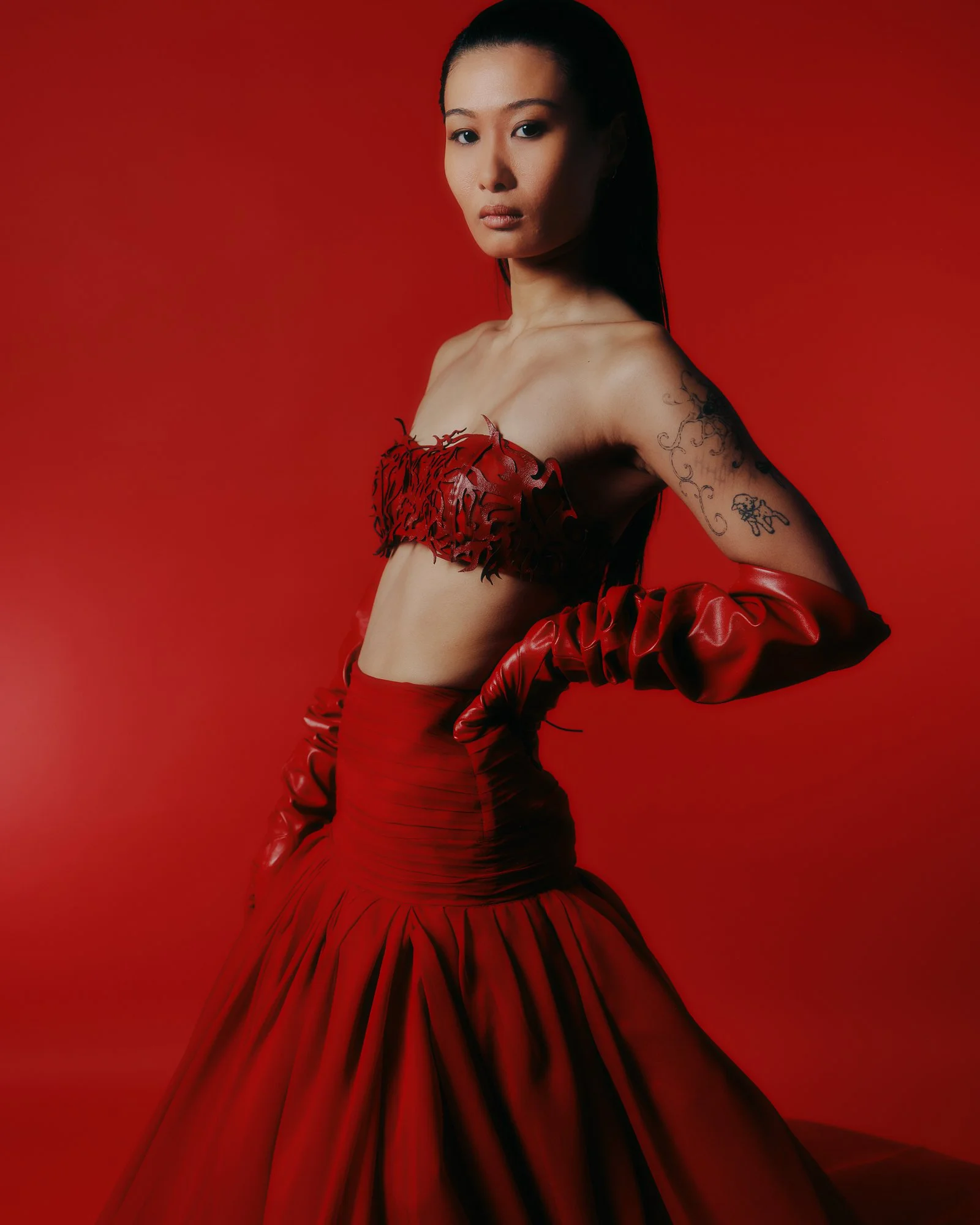
Titled “Lilith,” the collection unfolds as a four-part progression: Exile, Awakening, Fire and Phoenix. Rather than treating mythology as a distant reference point, Arshadnia uses it as a framework for examining personal transformation, translating an internal process into clothing through armor-like structures, serpentine motifs, crochet leather, saturated hues and reflective embellishment.
The opening chapter, Exile, establishes protection as its visual language. Metallic structures and rigid armor introduce a sense of defense, while the serpent appears as an early symbol of transformation. The garments suggest a woman building a physical and emotional barrier around herself before confronting what comes next.
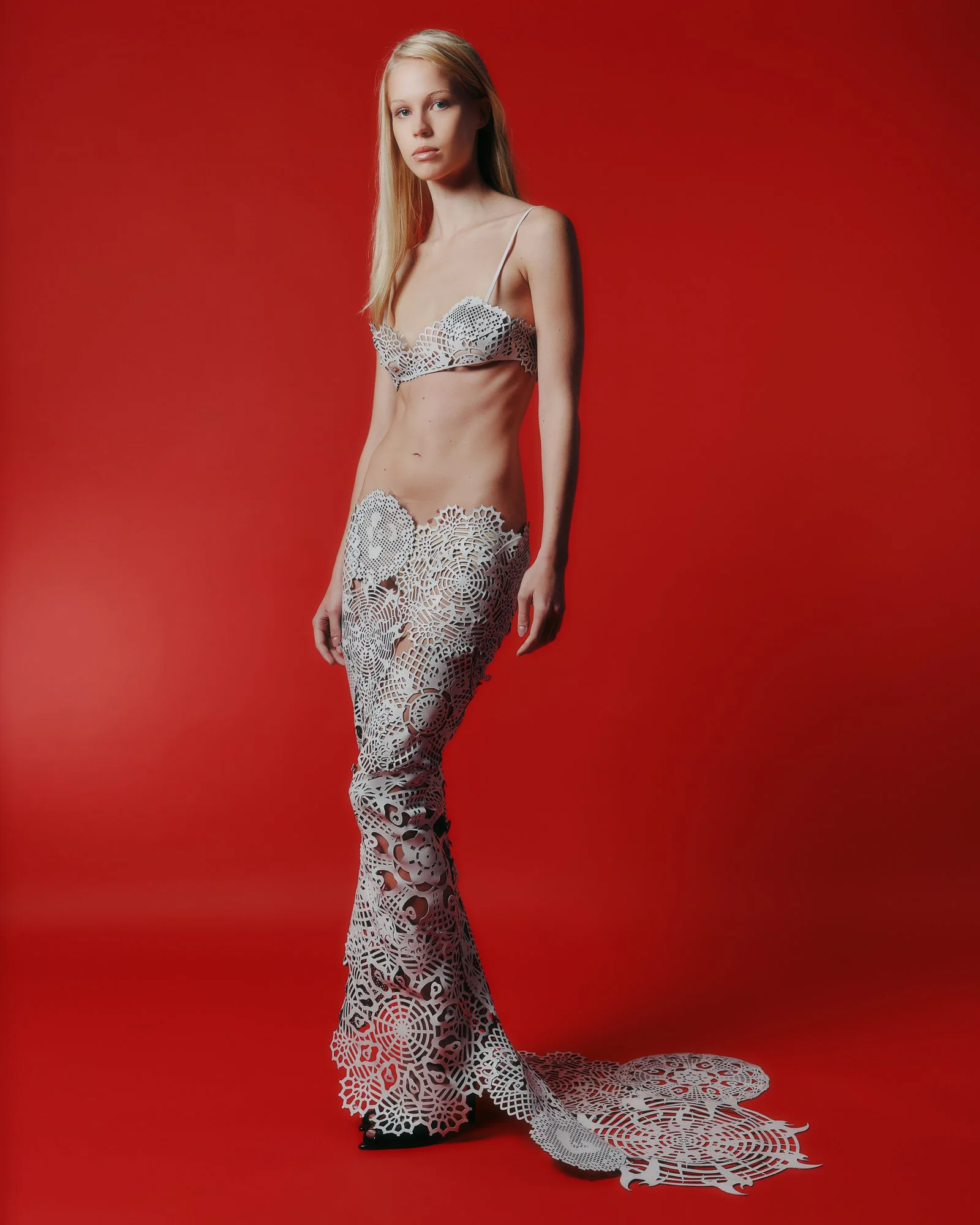
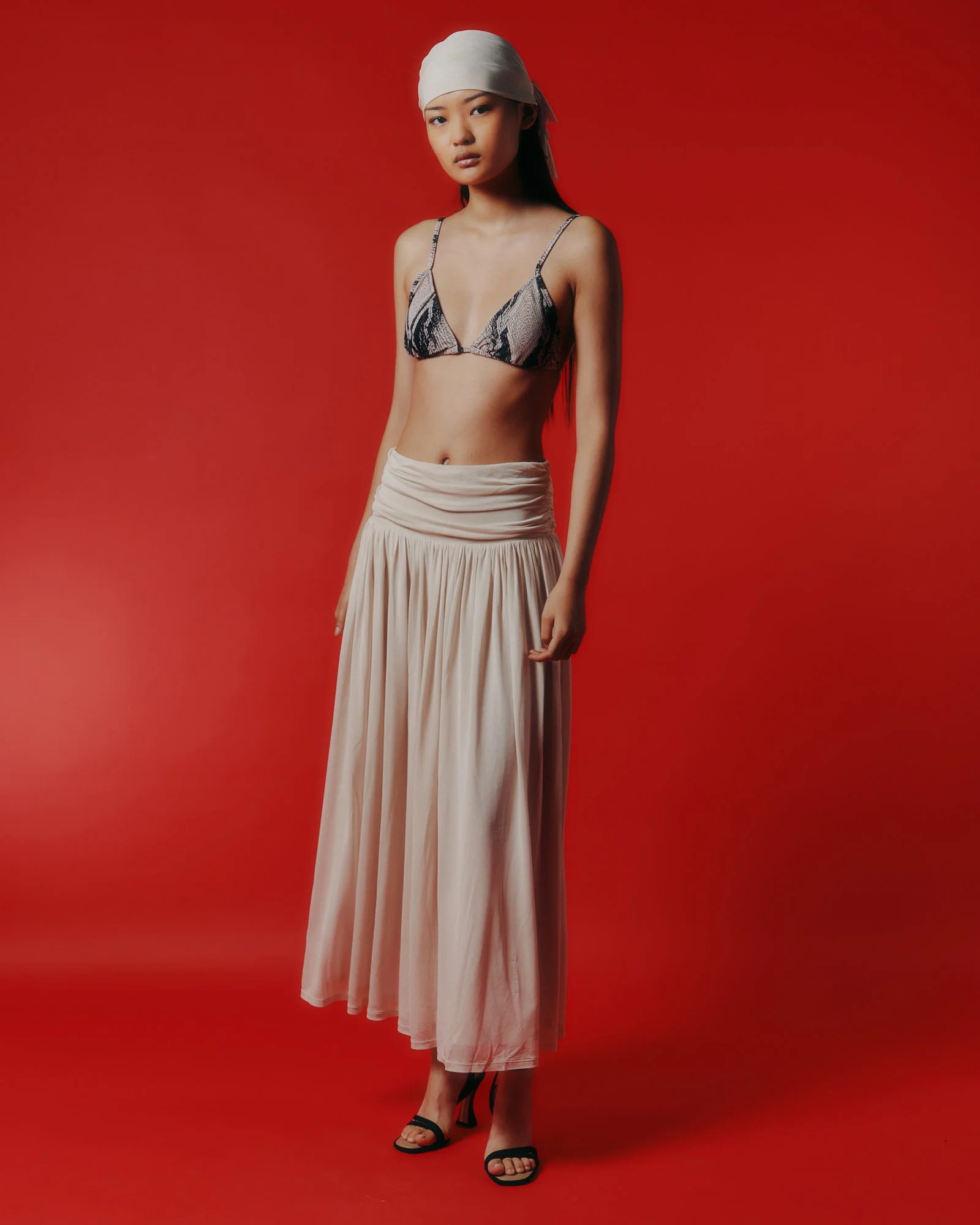
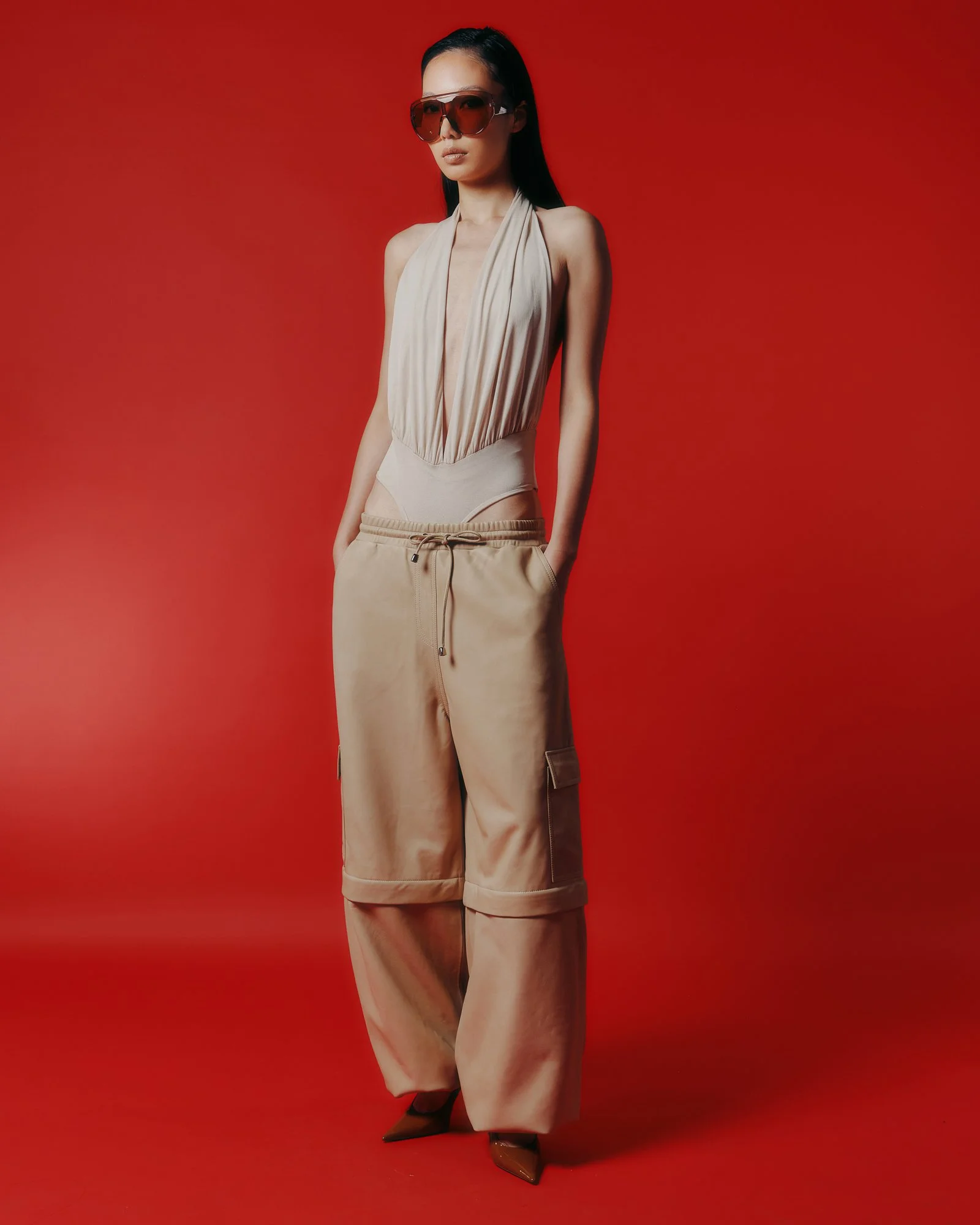
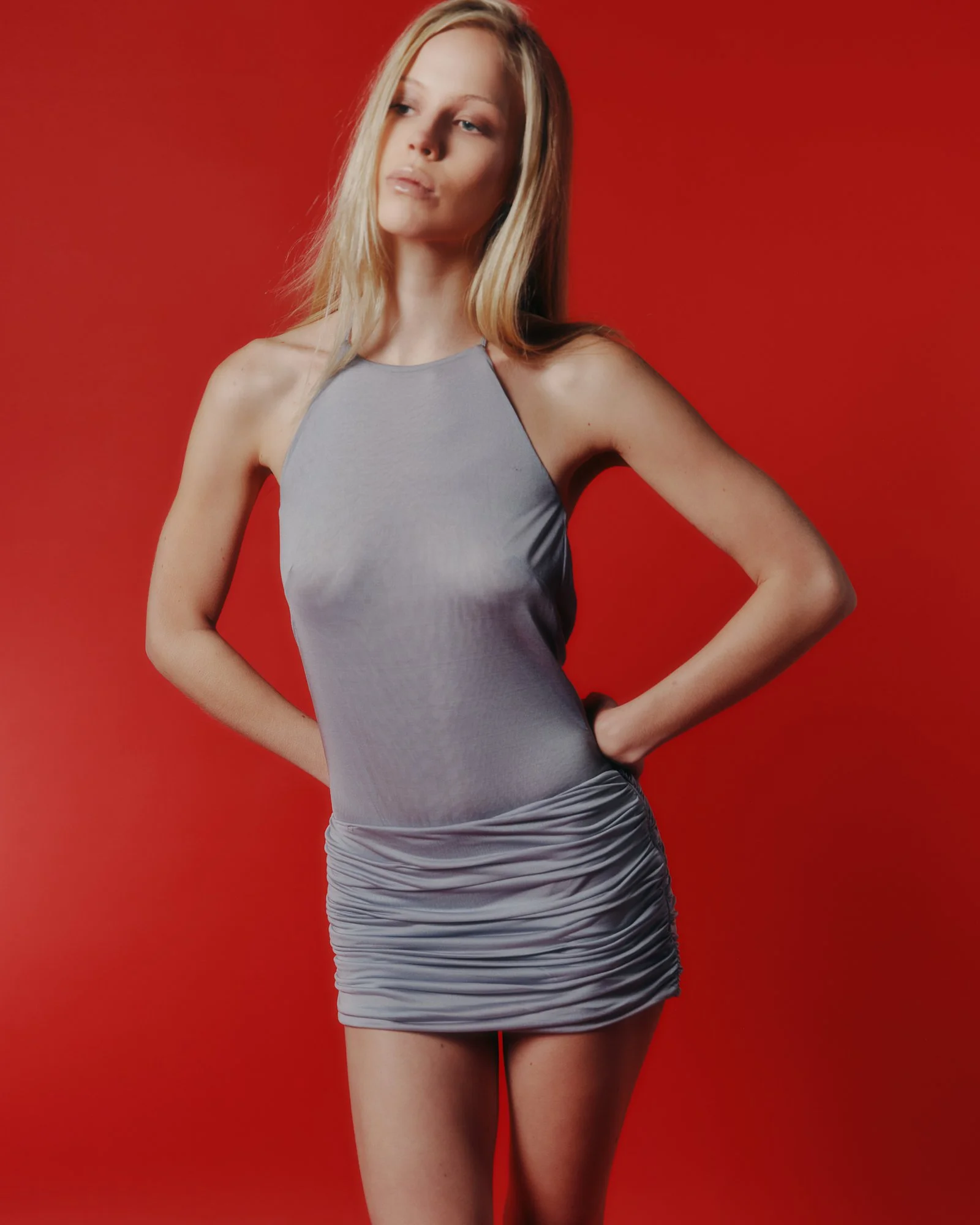
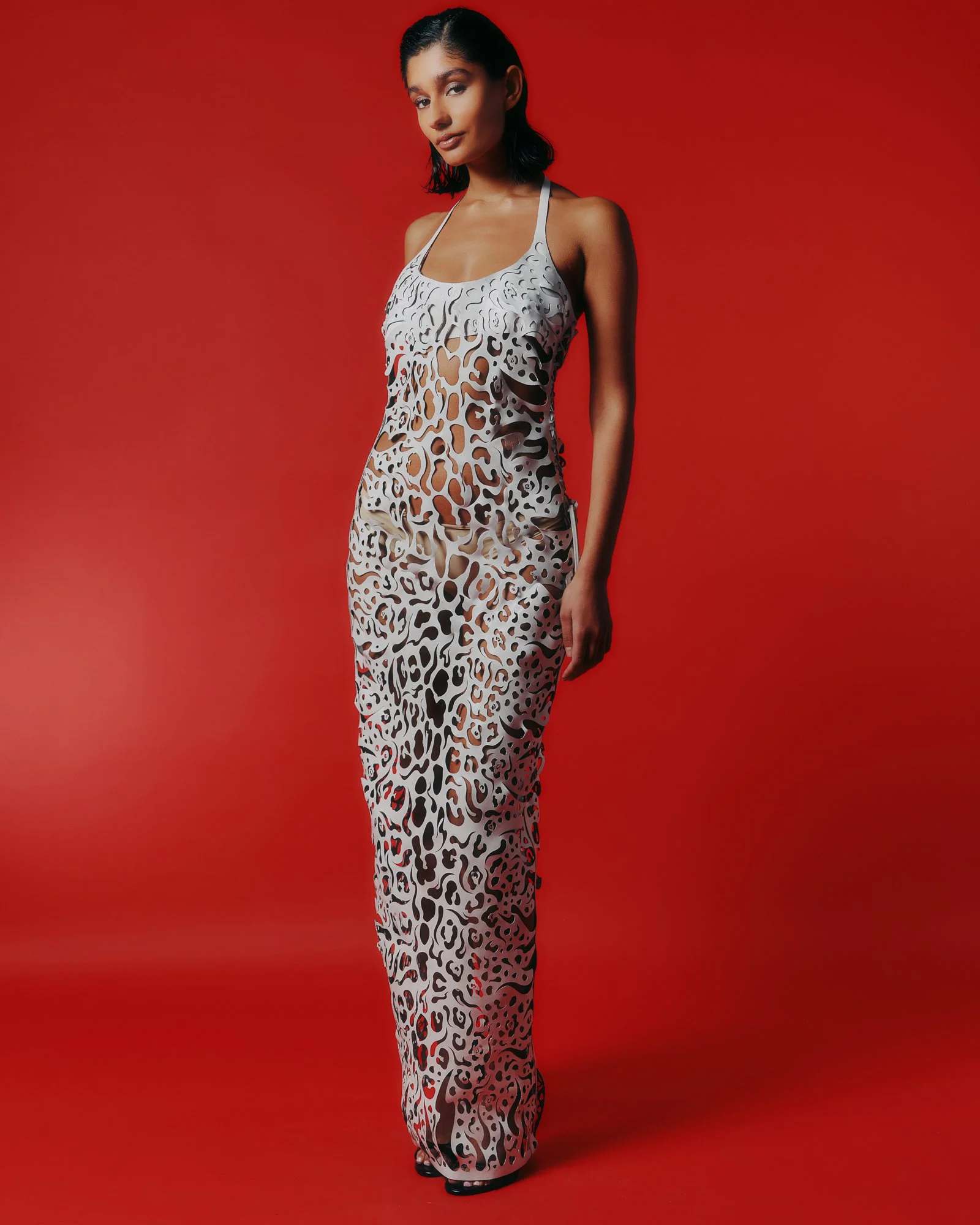
From there, Awakening softens the collection without diminishing its strength. Lilac, bone and ivory replace the harder visual language of the opening looks, while silhouettes begin to reveal more of the body. One of the collection’s most compelling material developments is crochet leather, which transforms a traditionally tough and protective material into something delicate, almost lace-like. The juxtaposition creates a tension between vulnerability and resilience—an idea central to the collection’s larger narrative.
Fire intensifies that tension. Saturated reds and deep purples replace the restraint of the previous chapter, while the serpent motif becomes more pronounced. The collection moves from protection toward confrontation, reflecting the moment when dismantling is no longer passive but becomes an act of reclamation.
Then comes Phoenix, where the palette erupts into bright yellow, light and reflective crystals. The material progression reaches its most luminous point, completing the movement from rigid armor toward illumination. What began as a wardrobe of defense ultimately becomes one of visibility.
“I was drawn to the woman beneath the mythology, the woman who refused to submit, chose exile over self-abandonment, and was condemned for it,” says Arshadnia. “Rebirth isn't about becoming someone new. It's about returning to yourself without the parts you were taught to perform. Lilith never returns to Eden, she walks through the fire and becomes her own beginning.”
That distinction is central to HILÁ’s interpretation. The collection does not position transformation as an opportunity to construct an entirely new identity. Instead, it considers what happens when the layers imposed by expectation are removed. In that sense, the armor is not simply decorative; it represents a necessary stage of protection before the garments gradually become more exposed, colorful and illuminated.
The result is a collection that places agency at the center of its design language. By rejecting the expectation that women should temper ambition, instinct or power for approval, HILÁ presents clothing as an extension of self-determination. Its tension between structure and softness becomes particularly effective here: leather can become lace, armor can become adornment, and fire can become a path toward renewal.
With “Lilith,” Arshadnia turns a deeply personal story into a visual progression that can be read through material, color and silhouette. The collection begins in exile but refuses to remain there. By the time the final chapter arrives, the protective shell has given way to light—a fashion narrative about what it means to choose yourself, dismantle what no longer serves you and emerge without asking permission.

HOW DO YOU FEEL ABOUT FASHION?
COMMENT OR TAKE OUR PAGE READER SURVEY
Featured

Better With Age’s FW26 “STOLEN ART” collection expands its circular design philosophy into refined tailoring and limited-edition eyewear, transforming vintage textiles and antique silver flatware into contemporary pieces with a distinct sense of history.