
How Beautiful Garden Spaces Can Transform Everyday Living
PAGE
By PAGE Editor
A garden can be much more than a decorative part of a property. It can become a place to slow down, enjoy fresh air, spend time with family, and reconnect with nature. Whether it is a small courtyard, a carefully arranged backyard, or a spacious residential garden, a thoughtfully designed outdoor environment can influence the way people experience their homes.
Modern lifestyles often involve long hours indoors, busy schedules, and limited opportunities to enjoy natural surroundings. Having an accessible green space provides a simple way to introduce more outdoor activities into everyday routines. Even a few minutes spent sitting among plants or walking through a garden can make a home feel more welcoming.
However, creating a meaningful garden is not simply about adding flowers or maintaining a lawn. The layout, plant selection, seating arrangements, lighting, and overall atmosphere all contribute to how the space is used.
A beautiful garden should reflect the lifestyle of the people who live there. Here are several ways a well-designed outdoor space can improve everyday living and make a home more enjoyable.
Create a Relaxing Environment Away From Daily Stress
One of the greatest benefits of having a garden is the opportunity to spend time in a quieter environment.
Modern homes often contain several electronic devices, entertainment systems, and work-related distractions. A garden offers a different setting where people can take a break from screens and enjoy a more natural atmosphere.
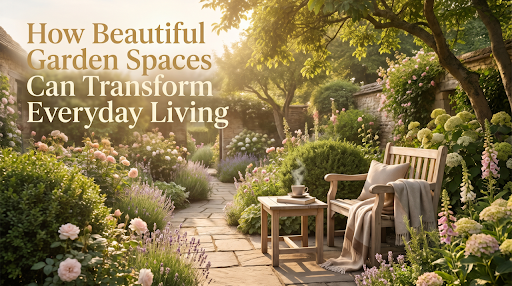
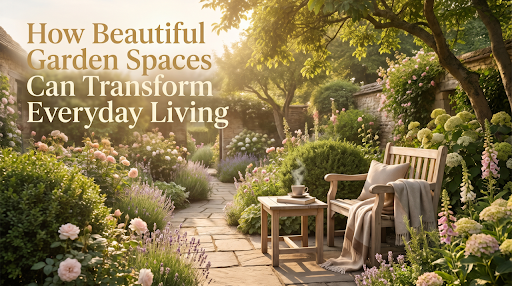
A comfortable seating corner surrounded by plants can become a peaceful place for reading, listening to music, or enjoying a morning drink. The space does not need expensive furniture or elaborate decorations. A simple bench, a few suitable plants, and some natural shade may be enough.
Plant selection can influence the overall feeling of the garden. Soft foliage, flowering shrubs, ornamental grasses, and small trees can introduce different textures and colors without making the space feel overly busy.
The arrangement also matters. Seating should be positioned where people can enjoy attractive views while remaining comfortable throughout the day. A corner with suitable shade may be more appealing than an exposed area that receives intense sunlight.
Some homeowners prefer secluded garden spaces with taller plants and natural screening. Others enjoy open layouts that maintain a visual connection with the rest of the property.
The best arrangement depends on personal preferences and the conditions of the site. What matters most is creating a place that feels comfortable enough to become part of everyday life.
Encourage More Time Outdoors
Having a garden nearby can make outdoor activities easier to incorporate into a normal routine.
People do not always need to plan a special trip to enjoy nature. A residential garden provides convenient access to fresh air and outdoor surroundings without leaving home.
A small paved area can become a place for morning coffee, while an open lawn may provide room for stretching, playing, or casual exercise. A garden path can also encourage short walks throughout the day.
These activities do not need to be complicated. Even a few minutes outdoors can create a welcome change from spending the entire day inside.
The design should make these activities convenient. Pathways need to be easy to access, seating should be placed in comfortable locations, and frequently used areas should not be separated by unnecessary obstacles.
For people who work from home, a garden can provide an alternative environment during breaks. Moving away from a desk and spending time outdoors may help create a clearer separation between working hours and personal time.
A functional garden supports these small daily habits by making outdoor use feel natural rather than inconvenient.
Make Family Time More Enjoyable
A well-designed garden can become an important gathering place for families.
Unlike indoor rooms, outdoor spaces can accommodate a variety of activities without requiring major changes to the furniture arrangement. Children can play, adults can relax, and family members can enjoy meals together in the same general environment.
An open lawn or safe play area may be useful for households with younger children. Parents can position seating nearby so they can supervise activities while remaining comfortable.
Families who enjoy cooking together may prefer a patio with an outdoor dining table. It can provide a convenient setting for weekend breakfasts, evening meals, or casual celebrations.
Gardening itself can also become a shared activity. Children may enjoy planting flowers, watering containers, or observing how vegetables grow. These simple experiences can introduce practical lessons about nature and seasonal changes.
Different family members may have different expectations for the same garden. Some may want open space, while others prefer decorative planting or quiet seating areas.
Creating separate but connected zones can help accommodate these needs. A garden does not need to be divided into rigid sections, but it should provide enough flexibility for different activities.
Improve the Appearance and Character of Your Home
A garden is often one of the first outdoor features people notice when approaching a property. Its appearance can influence how the entire home is perceived.
A well-maintained front garden can create a welcoming entrance, while a thoughtfully arranged backyard can improve the experience of living in the property.
Plants, pathways, boundary treatments, and decorative features all contribute to the visual identity of an outdoor space.
Color is particularly important. Flowering plants can introduce seasonal interest, while evergreen shrubs provide structure throughout the year. Trees can add height and create focal points, and ground covers can soften the appearance of paved surfaces.
A consistent design style also makes a difference. A contemporary home may look better with simple planting arrangements, clean pathways, and restrained materials. A traditional property might benefit from more layered planting, curved pathways, and softer decorative details.
The garden should complement the architecture rather than compete with it. Repeating certain materials or colors from the exterior can help establish a more cohesive appearance.
AI garden design can help homeowners explore these visual relationships before making changes. By comparing different styles and arrangements, they can better understand how planting, paving, and decorative features might influence the overall character of their property.
Support Outdoor Social Activities and Entertaining
A garden can make hosting friends and relatives more enjoyable by providing an additional area for social activities.
Outdoor gatherings do not always require extensive facilities. A comfortable patio, suitable seating, and appropriate lighting may be enough to create a welcoming environment.
For households that regularly entertain guests, a dedicated dining area can be particularly useful. A table positioned near the house makes serving food more convenient, while a shaded lounge area provides a comfortable place for conversation.
Larger gardens may accommodate several gathering areas. For example, one section could be used for outdoor dining, while another provides more relaxed seating around a focal feature.
The arrangement should allow guests to move naturally between different areas. Narrow pathways, poorly positioned furniture, and crowded planting beds can make the space feel less comfortable.
Lighting helps extend social activities into the evening. Soft illumination around seating areas, pathways, and selected landscape features can create a pleasant atmosphere without making the garden excessively bright.
It is also useful to consider weather conditions. Shade structures, pergolas, and suitable outdoor covers can make certain areas more practical during sunny periods.
A garden designed around real social habits can become one of the most frequently used parts of the home.
Bring Nature Closer to Everyday Life
One of the distinctive qualities of a garden is its ability to create a closer connection with the natural environment.
Plants introduce seasonal changes that are difficult to reproduce indoors. Flowering periods, new leaves, changing colors, and the growth of trees all make the outdoor environment feel dynamic.
A garden can also support local biodiversity when appropriate plant species and habitat features are included. Flowering plants may attract pollinators, while suitable shrubs and trees can provide shelter for birds and other small wildlife.
The choice of vegetation should reflect the local environment. Plants need suitable sunlight, soil conditions, and moisture levels to grow successfully.
A garden with a mixture of plant heights can create a more natural appearance. Taller trees provide structure, shrubs add depth, and lower-growing plants soften the edges of pathways and seating areas.
Even a small residential garden can introduce meaningful natural elements. Container plants, vertical gardens, and compact planting beds are useful options when ground space is limited.
The objective is not to create a perfect botanical collection. It is to make nature an accessible and enjoyable part of the residential environment.
Design Small Gardens to Make the Most of Limited Space
Not every home has a large backyard. Urban properties, townhouses, and apartments may have only a small courtyard, terrace, or narrow outdoor area.
However, limited space does not mean that a garden cannot be attractive or functional.
The first step is to identify the most important purpose of the area. A compact garden may be intended for relaxation, decorative planting, outdoor dining, or a combination of these activities.
Vertical planting is one way to introduce greenery without occupying too much floor space. Wall-mounted planters, trellises, and climbing plants can make use of surfaces that would otherwise remain empty.
Multifunctional furniture can also help. A storage bench provides seating while keeping gardening supplies organized. Folding chairs and compact tables allow the layout to change according to different activities.
Light-colored surfaces and a simple arrangement may help a small garden feel more open. Too many decorative objects or large planters can make the space feel crowded.
Mirrors and carefully positioned lighting may also create a greater sense of depth, although they should be used in ways that remain practical and safe outdoors.
When planning a compact space, every element should have a clear purpose. A small garden can be more enjoyable than a larger one if its layout is carefully considered.
Choose Plants That Match Your Lifestyle
Plant selection has a significant influence on how much time and effort a garden requires.
Some homeowners enjoy regular gardening and are happy to prune, water, and care for a wide variety of plants. Others prefer a simpler landscape that remains attractive with limited maintenance.
Neither approach is inherently better. The important thing is to select vegetation that matches the amount of attention the household can provide.
Low-maintenance gardens often benefit from climate-appropriate perennials, suitable shrubs, ground covers, and plants with manageable growth habits.
People who enjoy gardening may prefer a wider selection of flowering plants, seasonal containers, or vegetable beds. These features offer opportunities to experiment and observe changes throughout the year.
It is also worth considering how large plants will become. A small shrub may eventually occupy a significant amount of space, while a young tree may develop a wide canopy that changes the amount of sunlight reaching nearby planting areas.
Grouping plants according to their watering requirements can make maintenance easier. Mulching and suitable irrigation systems may also reduce routine work.
A successful garden should fit naturally into the household's schedule rather than becoming a constant source of maintenance pressure.
Create a Garden That Changes With the Seasons
Seasonal variety can make a garden feel interesting throughout the year.
A landscape that relies on only one flowering period may look attractive for a few weeks but lose much of its visual appeal during other seasons.
Planning for different flowering times can help maintain color across the year. Evergreen plants provide a consistent foundation, while seasonal flowers and ornamental foliage introduce changing details.
Trees with interesting bark, grasses with attractive seed heads, and shrubs with distinctive foliage can provide visual interest even when flowers are absent.
Seasonal containers offer another flexible option. They can be updated periodically without requiring major changes to permanent planting beds.
The garden's functional areas should also respond to seasonal conditions. A sunny seating area may be comfortable during cooler months, while shaded spaces may become more useful during summer.
In regions with significant temperature changes, plant selection and irrigation schedules should be adjusted accordingly.
Thinking about the garden throughout the year encourages a more complete design. Instead of focusing only on how it looks on installation day, homeowners can consider how the space will develop over time.
Use Lighting to Create a Different Evening Atmosphere
A garden can offer a completely different experience after sunset.
During the day, sunlight reveals the colors and textures of plants. At night, carefully positioned lighting can highlight selected features and create a more intimate atmosphere.
Pathway lights help define walking routes, while small spotlights can draw attention to trees, walls, or decorative elements.
Seating areas may benefit from warm, indirect lighting. This creates a comfortable environment for evening conversations without the harsh appearance of excessive illumination.
Outdoor dining spaces may require more focused light so that people can comfortably see their food and surroundings.
The most effective lighting plans use several levels of illumination rather than relying on a single bright source.
Energy-efficient fixtures can help reduce electricity consumption, while timers or appropriate controls make the system easier to manage.
Safety should remain a priority. Steps, entrances, and changes in ground level need sufficient visibility, particularly in gardens used by children or older family members.
Make Gardening a Creative and Rewarding Hobby
A garden can provide an opportunity to develop new skills and express personal creativity.
Planting flowers, growing herbs, arranging containers, and maintaining a vegetable bed can become enjoyable activities that provide a sense of progress.
Unlike many indoor decorations, plants change over time. Watching a seedling grow or seeing a flowering plant return in a new season can make the garden feel personally meaningful.
Beginners can start with a small project rather than attempting to redesign the entire property. A few containers, a compact herb bed, or a simple flower border can provide a manageable introduction.
People who already enjoy gardening may experiment with new plant combinations, propagation techniques, or seasonal arrangements.
It is important to understand the needs of each plant before introducing it. Watering, sunlight, soil, and climate requirements all influence growing success.
A garden does not need to be perfectly maintained to be enjoyable. In fact, allowing some natural variation can create a more relaxed atmosphere.
The process of caring for an outdoor space can be just as rewarding as the final appearance.
Plan a Garden That Reflects Your Personal Style
Every garden tells a story about the people who use it. Some reflect a preference for simplicity and order, while others feature colorful planting, decorative objects, and a more informal arrangement.
Finding a suitable style can be difficult because there are many possibilities.
Minimalist gardens emphasize clean lines and a limited selection of materials. Cottage-style gardens often feature layered flowers and a softer appearance. Japanese-inspired landscapes focus on balance, natural textures, and carefully arranged focal points.
Tropical gardens may use bold foliage and layered greenery where the climate supports them, while Mediterranean-inspired spaces often combine warm materials with suitable drought-tolerant planting.
Collecting reference photographs can help identify preferred styles. However, copying an entire design without considering the property's dimensions or climate may produce disappointing results.
AI garden design provides another way to explore creative possibilities. Homeowners can use visual concepts to compare different styles and investigate how particular arrangements might look in their own outdoor environments.
For example, an existing garden could be explored as a contemporary relaxation space, a colorful flowering garden, or a natural landscape with more informal planting.
These comparisons can help clarify preferences before purchasing plants or materials.
Use Visual Planning to Avoid Unnecessary Design Changes
Garden projects often involve several decisions that influence one another. A new patio may change the amount of available planting space, while adding trees can affect sunlight and the position of seating areas.
Making these decisions individually can result in a layout that feels inconsistent.
Visual planning helps homeowners understand how different elements relate to each other before making physical changes.
AI garden design tools can support this early exploration by generating visual ideas based on an existing outdoor photograph or selected design preferences.
Someone planning a garden makeover might compare a layout with a larger lawn against one featuring additional planting beds and a compact patio. Another person might explore how a pathway or pergola could change the appearance of a courtyard.
This process can make discussions with landscape professionals more productive because homeowners have clearer visual references for their preferences.
However, generated images are not substitutes for technical plans. Planting conditions, measurements, drainage, construction requirements, and material suitability still need to be checked.
Visual exploration is most useful when it helps people make better-informed decisions rather than encouraging them to copy an attractive image without considering practical details.
Conclusion
A beautiful garden can influence everyday life in many ways. It provides a place to relax, encourages outdoor activities, creates opportunities for family time, and makes residential environments more welcoming.
The most enjoyable gardens are not necessarily the largest or most elaborate. They are the ones that reflect the needs and preferences of the people who use them.
Comfortable seating, suitable plants, practical pathways, thoughtful lighting, and balanced layouts can all contribute to a more rewarding outdoor environment.
Exploring AI garden design can make the creative planning process easier by helping homeowners compare styles, visualize different arrangements, and discover new ideas for their properties.
Ultimately, a garden should be more than something attractive to look at from a window. It should be a place people genuinely enjoy using, whether that means spending a quiet morning outdoors, sharing a meal with family, or simply taking a moment to appreciate the natural surroundings.
HOW DO YOU FEEL ABOUT FASHION?
COMMENT OR TAKE OUR PAGE READER SURVEY
Featured



Live casino tables can look similar while offering very different experiences.