
How Modern Exterior Upgrades Improve Home Protection and Property Value
PAGE
By PAGE Editor
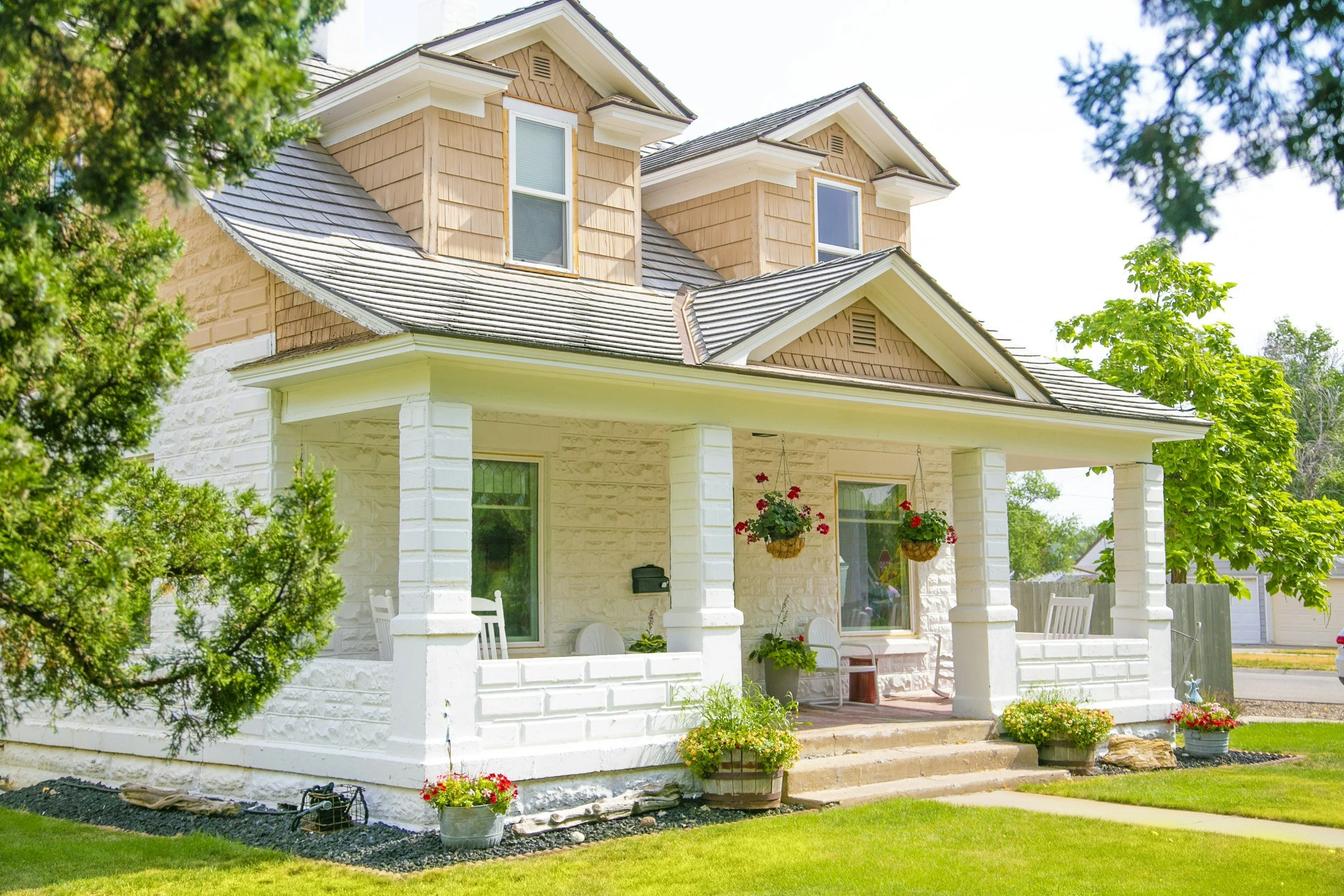
The exterior of a home is constantly exposed to harsh weather, moisture, sunlight, and environmental wear. Over time, these conditions can weaken structural materials, reduce energy efficiency, and negatively affect the appearance of the property. One of the most effective ways to protect a home and improve its long-term performance is by upgrading the exterior siding system.
Quality siding acts as a protective barrier that shields the home from rain, wind, temperature changes, and moisture infiltration. At the same time, it enhances curb appeal, improves insulation, and increases overall property value. Homeowners who invest in professional siding installation often benefit from lower maintenance costs, better energy efficiency, and stronger structural protection for years to come.
Understanding the importance of modern siding systems and how they contribute to overall home performance can help homeowners make informed decisions about exterior improvements.
Understanding the Purpose of Exterior Siding
Siding serves several important functions beyond appearance. Its primary role is to protect the structural framework of the home from moisture and weather-related damage. Without effective siding, water can penetrate exterior walls and cause mold growth, wood rot, and insulation deterioration.
Siding also contributes to energy efficiency by helping regulate indoor temperatures. Properly installed exterior materials reduce air leaks and support insulation performance, allowing heating and cooling systems to operate more efficiently throughout the year.In addition to protection and efficiency, siding significantly affects curb appeal. The color, texture, and design of exterior materials shape the visual character of the property and influence first impressions.Modern siding systems combine durability with aesthetic appeal, offering homeowners a practical and visually attractive solution for long-term home protection.
Common Signs That Siding Needs Attention
Many homeowners overlook exterior deterioration until visible damage becomes severe. Recognizing warning signs early can help prevent costly structural repairs and improve long-term performance.Cracked, warped, or loose siding panels are among the most common indicators of damage. These problems often develop due to prolonged weather exposure, moisture infiltration, or aging materials.
Fading color and peeling paint may also signal that the siding is no longer providing adequate protection. Moisture stains, mold growth, or mildew around exterior walls can indicate trapped water behind damaged siding.Rising energy bills may suggest insulation problems caused by weakened exterior materials. When siding fails to seal the home properly, air leaks increase strain on heating and cooling systems.Homeowners who notice these warning signs should consider professional inspection and replacement to restore protection and efficiency.
Why Professional Installation Matters
Installing exterior siding requires precision, planning, and proper construction techniques. Even high-quality materials may fail if they are not installed correctly.Professional contractors understand how to prepare the structure, install moisture barriers, and align siding materials for maximum durability. They also inspect the existing exterior for hidden problems such as mold, water damage, or rotting wood before beginning installation.
Correct installation techniques help prevent moisture infiltration, warping, and structural movement caused by changing temperatures. Professionals also ensure proper ventilation and secure fastening methods that support long-term performance.Homeowners who invest in professional services often experience fewer maintenance problems and longer-lasting results compared to poorly installed siding systems.
Popular Siding Materials for Residential Properties
Today’s homeowners have access to a wide range of siding materials designed to meet different style preferences, maintenance expectations, and budget requirements.
Vinyl Siding
Vinyl siding remains one of the most popular choices because it is affordable, versatile, and low maintenance. It resists moisture, does not require frequent painting, and is available in many colors and textures.
Fiber Cement Siding
Fiber cement siding is known for exceptional durability and resistance to fire, moisture, and pests. It offers the appearance of natural wood while requiring far less maintenance.
Wood Siding
Wood siding provides a classic and natural appearance that enhances curb appeal. However, it requires regular sealing or painting to protect against moisture and insect damage.
Metal Siding
Metal siding, including aluminum and steel options, offers strong resistance against harsh weather conditions and impact damage. It is durable and generally requires minimal maintenance.
Composite Siding
Composite siding materials are engineered to mimic wood while providing improved moisture resistance and long-term durability Selecting the right siding material depends on environmental conditions, architectural style, maintenance preferences, and long-term budget considerations.
Benefits of Upgrading Exterior Siding
Replacing old or damaged siding provides several important benefits for homeowners. One of the biggest advantages is improved structural protection against moisture and environmental damage.Modern siding systems create a stronger barrier that prevents water infiltration and reduces the risk of mold growth, wood rot, and insulation deterioration. This added protection extends the lifespan of the home and lowers the likelihood of expensive repairs.
Energy efficiency is another major benefit. Updated siding combined with proper insulation helps maintain stable indoor temperatures and reduces heating and cooling costs.Exterior upgrades also improve curb appeal and property value. A clean and modern appearance creates a stronger impression for visitors and potential buyers.Another advantage is reduced maintenance. Many modern siding materials resist fading, cracking, and weather-related wear better than older products.
The Relationship Between Siding and Energy Efficiency
Energy efficiency has become a major priority for homeowners seeking lower utility costs and improved indoor comfort. Exterior siding plays a key role in controlling heat transfer and protecting insulation.Damaged or outdated siding allows air leaks that force HVAC systems to work harder throughout the year. During warm seasons, heat may enter through weakened exterior walls, while colder temperatures can reduce indoor warmth during winter.
Modern siding systems often include insulated backing or moisture-resistant barriers that improve thermal performance. These features help stabilize indoor temperatures and lower overall energy consumption.Proper installation also prevents moisture infiltration that can compromise insulation effectiveness. By creating a stronger exterior envelope, siding supports long-term efficiency and comfort.
Weather Resistance and Long-Term Durability
Exterior walls are constantly exposed to changing weather conditions that gradually wear down building materials. Rain, wind, sunlight, snow, and fluctuating temperatures can all contribute to deterioration over time.Damaged siding allows moisture to enter the structure and weaken insulation, wooden framing, and interior walls. Strong winds may loosen panels, while prolonged UV exposure can fade colors and reduce material flexibility.
Modern siding materials are designed to withstand harsh environmental conditions while maintaining structural integrity and appearance. Professional installation further improves weather resistance by ensuring proper sealing and alignment.Homeowners who invest in durable exterior systems often experience fewer repairs and better long-term property protection.
How Exterior Improvements Increase Property Value
Exterior upgrades remain one of the most effective ways to increase property value and improve market appeal. The condition of a home’s siding significantly influences curb appeal and buyer perception.Visible damage such as cracks, fading, or moisture stains may cause potential buyers to question the overall maintenance of the property. Updated siding demonstrates proper care and strengthens confidence in the structural condition of the home.
Modern materials and energy-efficient features also appeal to buyers seeking lower maintenance responsibilities and reduced operating costs.Homes with professionally updated exteriors often stand out more in competitive real estate markets and may attract stronger offers from buyers.For homeowners exploring modern exterior solutions, siding installation services provide valuable support for improving home durability, appearance, and long-term performance.
The Importance of Moisture Control
Moisture control is one of the most critical functions of any siding system. Water infiltration can spread quickly into insulation, framing, and interior walls if exterior materials fail to provide adequate protection.Trapped moisture encourages mold growth and may weaken structural supports over time. Excess humidity inside the home can also affect indoor air quality and comfort.
Modern siding systems are designed with moisture barriers and ventilation features that help prevent water accumulation behind exterior walls. Proper drainage and airflow reduce the risk of long-term structural damage.Professional installation ensures that all seams, joints, and transitions are sealed correctly to maximize moisture resistance and durability.
Maintenance Tips for Long-Lasting Performance
Routine maintenance helps preserve the appearance and functionality of siding materials for many years. Homeowners should inspect exterior walls periodically for signs of cracks, loose panels, or moisture buildup.
Cleaning siding with mild soap and water removes dirt, mold, and debris that may affect appearance over time. Tree branches hanging near the home should also be trimmed to reduce scratches, moisture retention, and pest activity.Gutters should be cleaned regularly to ensure proper drainage and prevent water overflow near the siding. Professional inspections every few years can help identify hidden issues before they become major repairs.Consistent maintenance supports long-term durability while reducing future repair costs.
Choosing the Right Contractor
Hiring the right contractor is essential for achieving successful results. Homeowners should look for professionals with strong customer reviews, proper licensing, and experience with different siding materials and installation methods.A reliable contractor should provide a detailed inspection, explain available material options clearly, and recommend solutions based on the property’s specific needs.
Transparent pricing, written estimates, and project timelines also help homeowners feel more confident during the planning process.Experienced professionals ensure proper installation techniques that improve durability, efficiency, and long-term performance.
Cost Factors to Consider
The cost of replacing siding depends on several factors, including material selection, home size, architectural complexity, and labor requirements.Vinyl siding is generally one of the most affordable options, while premium materials such as fiber cement or composite siding may involve higher upfront costs.
Multi-story homes or properties with unique architectural details may require additional installation time and specialized equipment. Structural repairs discovered during installation can also increase overall project expenses.Although siding replacement represents a significant investment, it often provides long-term savings through improved energy efficiency, reduced maintenance, and increased property value.
Final Thoughts
A durable and professionally installed siding system is essential for protecting a home from moisture damage, environmental wear, and energy loss. Modern siding materials offer improved weather resistance, lower maintenance requirements, and enhanced curb appeal that supports long-term property value.
Investing in professional siding installation helps homeowners strengthen structural protection while improving efficiency and overall appearance. With proper maintenance and quality materials, updated siding can provide decades of reliable performance and visual appeal.Whether you are replacing aging materials or planning a complete exterior renovation, upgrading the siding remains one of the smartest investments homeowners can make to protect and improve their property for the future.
HOW DO YOU FEEL ABOUT FASHION?
COMMENT OR TAKE OUR PAGE READER SURVEY
Featured




Deep clean, seal, and protect your tile & grout in Oceanside, CA. Bring the original shine back to your floors. Request a quote today!