
How Post Construction Cleaning Transforms Construction Sites into Livable Spaces
PAGE
By PAGE Editor
Introduction to Post Construction Cleaning
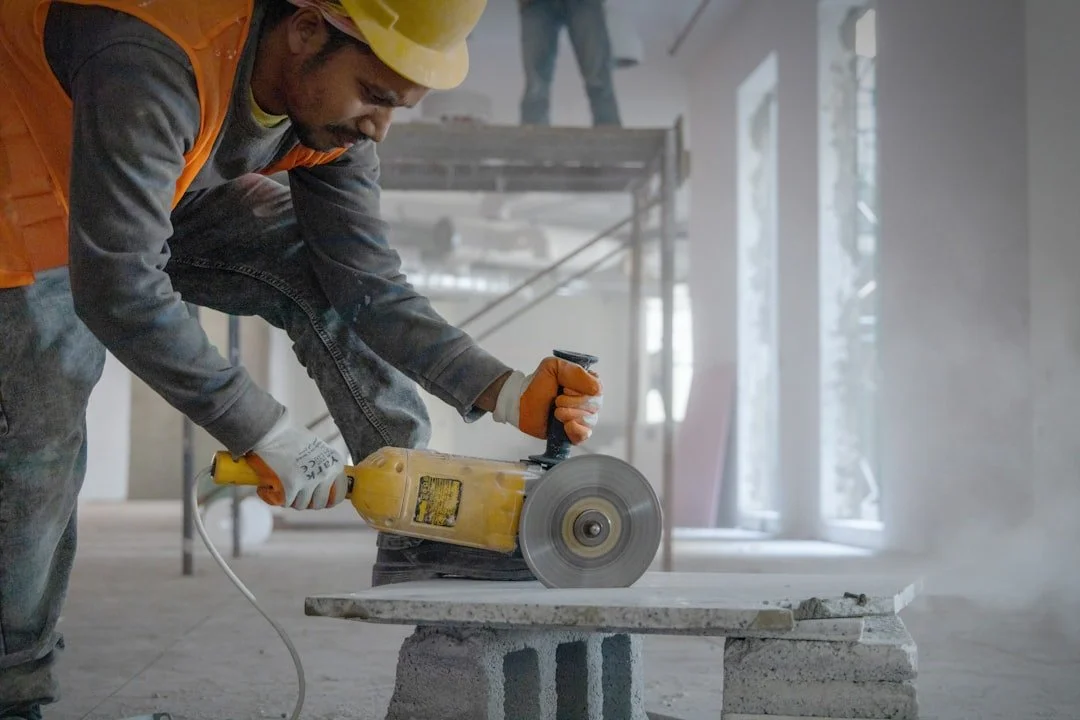
Construction work always brings change, improvement, and new beginnings, but once the building phase is complete, the site is rarely ready for immediate use. Dust, debris, paint splashes, cement residue, and scattered materials often cover every surface, making the space unsafe and uncomfortable. This is why post construction cleaning becomes an essential final step in any construction or renovation project. It transforms a messy, chaotic site into a clean, organized, and livable environment. Without this process, even the most beautifully designed space cannot be properly appreciated or used. Post construction cleaning is not just about appearance; it is about safety, hygiene, and preparing the property for real-life use in a practical and effective way.
Importance of Post Construction Cleaning in Property Preparation
After construction work, the property contains fine dust particles and hazardous residues that are not visible at first glance but can affect health and safety. Post construction cleaning ensures that every surface, including hidden and hard-to-reach areas, is thoroughly cleaned and sanitized. This process is important because construction dust often contains materials like cement, plaster, and wood particles that can cause breathing issues and allergies if left untreated. Post construction cleaning also helps reveal the true beauty of the finished project by removing layers of dust that cover tiles, walls, fixtures, and furniture installations. It plays a major role in making the space suitable for immediate occupancy and long-term use.
Types of Residues Found After Construction Work
A construction site is usually filled with a variety of waste materials and residues that require specialized cleaning methods. These include drywall dust, paint marks, adhesive leftovers, sawdust, cement particles, and packaging waste. Each type of residue behaves differently and cannot be removed using a single cleaning method. Post construction cleaning is designed to handle all these materials systematically, ensuring nothing is left behind. Fine dust spreads easily across the entire space, while sticky residues like glue and paint require chemical-based cleaning solutions. Without proper handling, these materials can permanently damage surfaces and reduce the overall quality of the interior finish.
Initial Cleanup and Debris Removal Process
The cleaning process begins with the removal of large debris and leftover construction materials such as wood pieces, plastic covers, nails, and packaging waste. This step is essential because it clears the space for deeper cleaning activities. Once the area is free from visible waste, dusting begins on all surfaces, including ceilings, walls, and floors. post construction cleaning requires careful attention during this phase because disturbing dust can cause it to spread further into clean areas. Proper removal of loose debris ensures a safer and more efficient cleaning process in the following stages.
Deep Cleaning and Dust Elimination Techniques
After the initial cleaning phase, deep cleaning is carried out using advanced tools and equipment designed to remove fine dust particles. Industrial vacuum cleaners equipped with HEPA filters are commonly used to capture microscopic dust that regular cleaning tools cannot handle. Windows, doors, and frames are carefully cleaned to remove cement dust and paint splashes. Post construction cleaning also includes air vent cleaning because dust often accumulates inside ventilation systems and can continue circulating if not properly removed. This stage is critical in ensuring that the indoor air quality becomes safe for occupants.
Kitchen and Bathroom Cleaning After Construction
Kitchens and bathrooms require special attention after construction work because these areas often contain stubborn residues such as grout dust, adhesive marks, and protective film layers on new fixtures. Tiles, sinks, countertops, cabinets, and glass surfaces must be cleaned thoroughly to restore their original shine. Post construction cleaning ensures that these areas are properly sanitized and free from harmful bacteria or construction chemicals. Bathrooms may also have cement residue in tile joints, which requires careful removal using specialized cleaning agents. This detailed process ensures that functional spaces are safe, clean, and ready for daily use.
Floor and Surface Restoration Process
Floors are heavily affected during construction work as they accumulate dust, stains, paint drops, and heavy debris. Different flooring materials such as wood, marble, tiles, and concrete require different cleaning approaches. Some may need polishing, while others require deep scrubbing or chemical treatment. Post construction cleaning ensures that all flooring types are restored to their original condition without causing damage. Walls and ceilings are also cleaned to remove dust layers and stains that may have settled during construction, giving the entire space a polished and complete look.
Role of Professional Cleaning Services in Post Construction Work
Professional cleaning services play a vital role in handling post construction cleaning because the process requires experience, technical knowledge, and specialized equipment. Trained cleaners use advanced tools such as pressure washers, steam cleaners, and industrial vacuum systems to achieve deep cleaning results. They also follow safety procedures to handle sharp objects, chemical residues, and heavy dust exposure. Post construction cleaning performed by professionals ensures that every corner of the property is cleaned properly and nothing is missed. Their expertise helps complete the process faster and with higher quality results compared to basic manual cleaning methods.
Common Challenges in Post Construction Cleaning
Cleaning after construction is often challenging due to the heavy presence of dust and difficult-to-remove residues. Fine dust spreads quickly and settles in hidden areas such as vents, corners, and behind fixtures. Another challenge is removing stubborn materials like paint splashes, glue marks, and cement stains that require strong cleaning solutions. post construction cleaning also involves working in newly finished spaces where surfaces may still be delicate, requiring extra care to avoid damage. These challenges make the process more complex and time-consuming than regular cleaning tasks.
Equipment and Tools Used for Effective Cleaning
Effective post construction cleaning requires specialized tools that can handle heavy-duty cleaning tasks. Industrial vacuum cleaners, microfiber cloths, scrubbing machines, steam cleaners, and chemical-based cleaning agents are commonly used. Each tool is designed for a specific purpose, such as removing fine dust, polishing surfaces, or breaking down tough stains. Post construction cleaning relies heavily on the proper use of these tools to ensure a spotless and professional finish. Without the right equipment, it becomes difficult to achieve a fully clean and safe environment.
Health and Safety Benefits of Proper Cleaning
Construction dust and chemical residues can pose serious health risks if not properly removed. Exposure to fine particles may lead to respiratory problems, allergies, and skin irritation. post construction cleaning helps eliminate these risks by thoroughly cleaning and sanitizing all areas of the property. It also removes sharp debris such as nails, glass pieces, and metal scraps that may cause injuries. A properly cleaned space ensures better air quality, safer movement, and a healthier environment for occupants.
Time and Effort Required for Completion
The time required for post construction cleaning depends on the size and condition of the property. Small residential spaces may take several hours, while larger commercial buildings may require days of continuous cleaning work. The level of dust, type of construction, and finishing details all influence the total time needed. Post construction cleaning is a detailed process that requires patience and careful execution to ensure that every area is properly cleaned and inspected before final handover.
Environmental Considerations in Cleaning Practices
Modern cleaning methods focus on eco-friendly solutions that reduce environmental impact. Many professionals use biodegradable cleaning agents that are safe for both humans and nature. post construction cleaning can be performed using sustainable practices that include proper waste disposal, recycling of construction materials, and reduced chemical usage. These methods help protect the environment while still ensuring high-quality cleaning results.
Final Inspection and Space Readiness
After the cleaning process is completed, a final inspection is conducted to ensure that the property is fully clean and ready for use. Every surface is checked to confirm that no dust, stains, or debris remain. Post construction cleaning ensures that the space is not only visually appealing but also safe and hygienic for occupants. This final step marks the transition from a construction site to a fully usable and comfortable living or working environment.
Conclusion
In conclusion, construction projects are incomplete without proper cleaning and finishing work. A space may be beautifully designed and structurally strong, but it cannot be used safely until all dust and debris are removed. Post construction cleaning plays a crucial role in transforming construction sites into clean, safe, and livable environments. Through systematic cleaning, specialized tools, and professional expertise, it ensures that every corner of the property is ready for immediate use. This final step completes the construction journey and delivers a space that is healthy, functional, and visually perfect.
HOW DO YOU FEEL ABOUT FASHION?
COMMENT OR TAKE OUR PAGE READER SURVEY
Featured



Finding the right healthcare provider can take time, especially when symptoms do not have one simple explanation.