
How to Build a Custom Apparel Product Line That Sells All Year
PAGE
By PAGE Editor
Most small custom shops make the same early mistake: they say yes to everything. One customer wants a sparkly birthday tee, another wants a logo on a cap, a third wants twenty hoodies by Friday. Without a plan, every order feels like starting from scratch, and your time disappears into setup instead of production.
A product line fixes that. When you decide in advance what you sell, at which price points, and with which tools, orders become repeatable and your income becomes more predictable. This guide shows how to build a simple line using three building blocks: an embroidery machine, a shirt press machine, and glitter heat transfer vinyl.
Think in Tiers, Not Single Products
The easiest way to organize a product line is by price tier. Your entry tier holds quick, affordable items that bring in new customers. Your middle tier holds your best-selling everyday products. Your premium tier holds the special pieces that carry higher margins and show off your skills.
Each tier has a natural tool. Fast heat-pressed designs suit the entry tier. Eye-catching finishes such as glitter suit the middle tier. Stitched work suits the premium tier. Seeing your catalog this way makes it obvious what to promote, what to bundle, and where to invest next.
The Entry Tier: Fast Pressed Designs
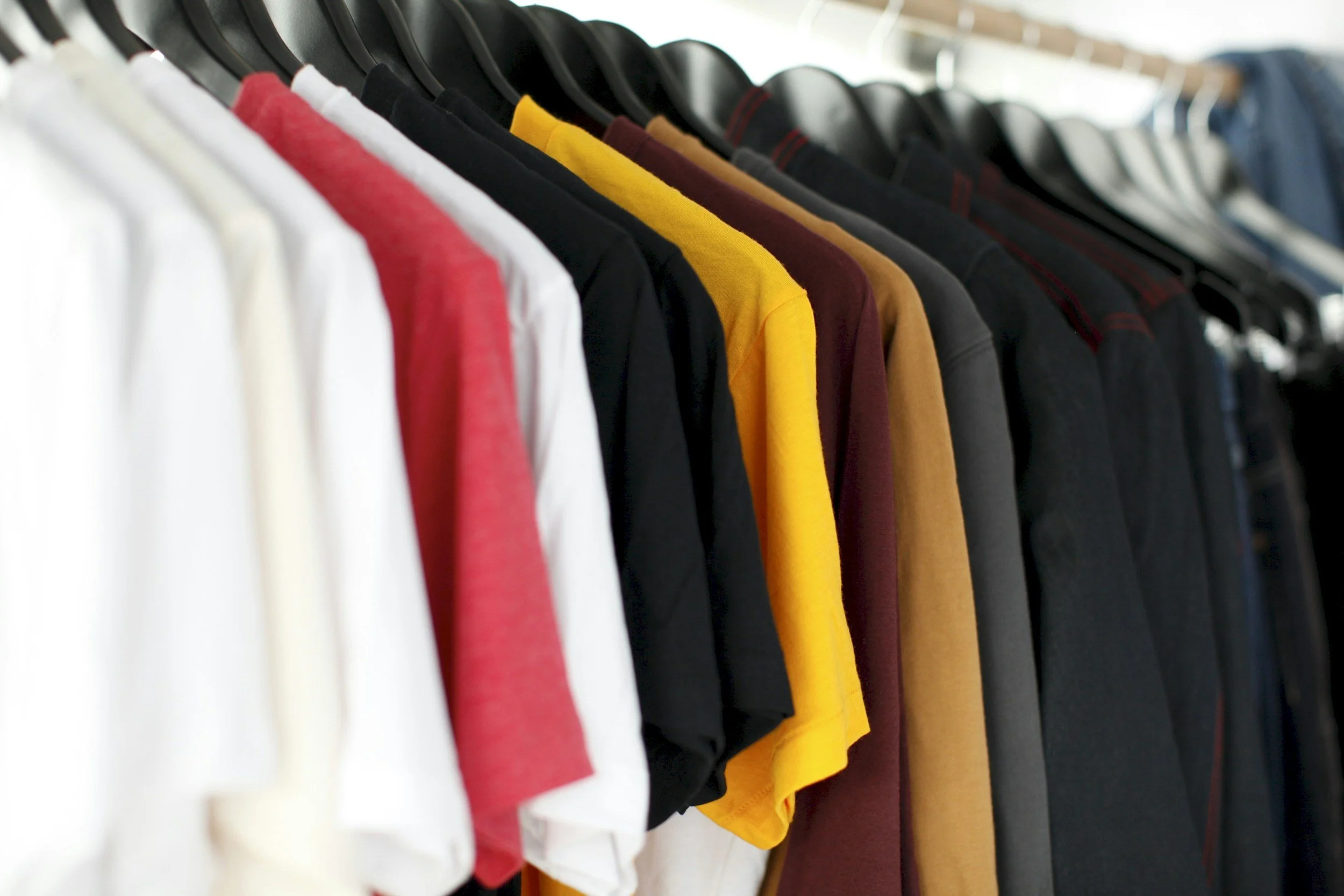
Heat transfer is the quickest way to turn an idea into a sellable product. A dependable shirt press machine lets you produce graphic tees, kids’ shirts, team tees, and simple gifts in a short time with consistent results. The key qualities to look for are even heat across the platen, firm and adjustable pressure, and a stable build that feels comfortable during long sessions.
Entry-tier items work best when they are simple. A single-color slogan, a name, or a small graphic on a quality blank can be made quickly, priced fairly, and sold in volume. These products are also your best marketing, because affordable items let new customers try your work before they order something bigger.
The Middle Tier: Add Shine With Glitter
Once your basics are running smoothly, you can raise the value of your products with finishes that stand out. Glitter heat transfer vinyl is a popular choice because it adds sparkle and texture that a flat print cannot match. It works especially well for names, numbers, bold lettering, and simple shapes on dance wear, cheer outfits, party shirts, and seasonal designs.
Glitter tends to look best with clean fonts and thicker shapes, since very thin lines can disappear in the sparkle. It is also worth running a test press on scrap fabric before every new order, and following the pressing and peeling instructions for the exact material you are using, because settings can vary between products. Since customers see glitter as a special finish, you can reasonably price these items above your plain prints.
The Premium Tier: Stitched Work
At the top of your line sits embroidery. Stitched designs look professional, last for years, and appeal to buyers who care about quality, such as businesses, schools, clubs, and boutique customers. Hats, polos, jackets, and uniforms are the classic premium products, and they often lead to repeat and bulk orders.
For shops ready to handle that demand, the embroidery machine is designed as a commercial 15-needle machine. Having many needles means you can load a wide range of thread colors at once and avoid stopping to re-thread, which matters a lot when a logo uses several colors. It has a 10-inch touchscreen with clear button labels that help beginners get started, and a large 19.68" x 9.84" embroidery area for bigger designs. Red-light alignment and smart border tracing help with accurate placement, and it ships with 13 standard hoops and a beginner starter kit. It also works with IdeaStudio software, which offers over 1,000 designs, 300 of them free, plus image editing, project previews, and color configuration, and it includes 40 built-in designs to start with.
Bundles: Where the Tiers Come Together
Once you have all three tiers, bundles become your easiest way to increase order value. A team package might include pressed T-shirts for everyone, glitter numbers on the jerseys, and embroidered caps for the coaches. A boutique package might pair a glitter holiday hoodie with a small stitched emblem. A business package might combine embroidered polos with pressed event tees for a company day.
Bundles work because they feel like a complete solution rather than separate purchases. Customers get a matching look, and you get a larger order from a single conversation.
A Simple Seasonal Calendar
A product line sells best when it follows the calendar. Back-to-school and sports seasons favor team shirts, numbers, and embroidered uniforms. Autumn and winter favor hoodies, festive designs, and glitter. Spring and summer favor event tees, family reunions, and custom caps. Planning your main designs a month or two ahead gives you time to test, photograph samples, and announce them before demand arrives, so you are never rushing.
Pricing Each Tier With Confidence
Every tier should cover the same basics: the blank garment, materials such as vinyl, thread, and stabilizer, your time for design and setup, machine wear, and packaging and shipping. The difference is the margin you add. Entry items earn less per piece but sell in volume, while premium items earn more per piece and justify slower, more careful work. Reviewing your prices every few months, especially after material costs change, keeps your business healthy.
Common Mistakes to Avoid
The most common mistake is launching too many products at once, which makes every order slower and harder to manage. Another is skipping test runs, which leads to wasted garments and unhappy customers. Many beginners also underprice premium finishes, charging a glitter or stitched item the same as a plain print. Finally, forgetting to include simple care instructions invites complaints about peeling, fading, or damaged stitching that a short card could have prevented.
FAQs
What is the best product to start with?
For most beginners, a simple pressed T-shirt is the fastest and lowest-risk starting point. You can add glitter finishes and embroidery as you gain confidence and see what your customers ask for.
How many products should my line include?
Start small. Three to five core products across your tiers is enough to look professional without overwhelming your workflow.
Can I use glitter vinyl and embroidery in the same order?
Yes. They work well together as long as they are placed in separate areas of the garment, such as a glitter design on the front and a stitched detail on a sleeve or cap.
Do I need all three tools from the beginning?
No. Many shops start with a shirt press machine and vinyl, then add an embroidery machine once demand for hats, logos, and uniforms grows.
Final Thoughts
A strong custom apparel business is built on a clear plan rather than a long list of random orders. Organize your products into tiers, match each tier to the right tool, and use bundles and seasonal timing to grow steadily. Start with what you can do well today, and add the next layer when your customers are ready for it.
HOW DO YOU FEEL ABOUT FASHION?
COMMENT OR TAKE OUR PAGE READER SURVEY
Featured

Discover why time, privacy, and control now define luxury travel, and how private aviation creates a calmer, more intentional journey for people today.