
How to Choose the Right Metal Fabrication Shop for Your Business
PAGE
By PAGE Editor
Selecting a reliable manufacturing partner remains a critical business decision for industrial firms, commercial builders, and product designers. The ideal partner must have the right technical equipment, proven quality assurance protocols, and reliable material tracking. Evaluating prospective vendor shops against strict performance metrics safeguards project budgets and delivery deadlines.
Operational Capabilities and Equipment
A shop's machinery inventory directly determines the scope, accuracy, and overall speed of its manufacturing capabilities. Modern equipment lets shops handle complex job specifications in-house without the risk of outsourcing delays.
Modern Machinery and Processing Tools
Facilities equipped with modern automated tools deliver consistent dimensional accuracy across large-volume production orders. Multi-axis CNC machinery handles complex milling and turning steps efficiently. High-tonnage CNC press brakes ensure precise bend angle repetitions across long sheet lengths. Advanced fiber optic laser cutting in Utah provides clean edge cuts and rapid turnaround times on intricate sheet designs.
In-House vs Subcontracted Services
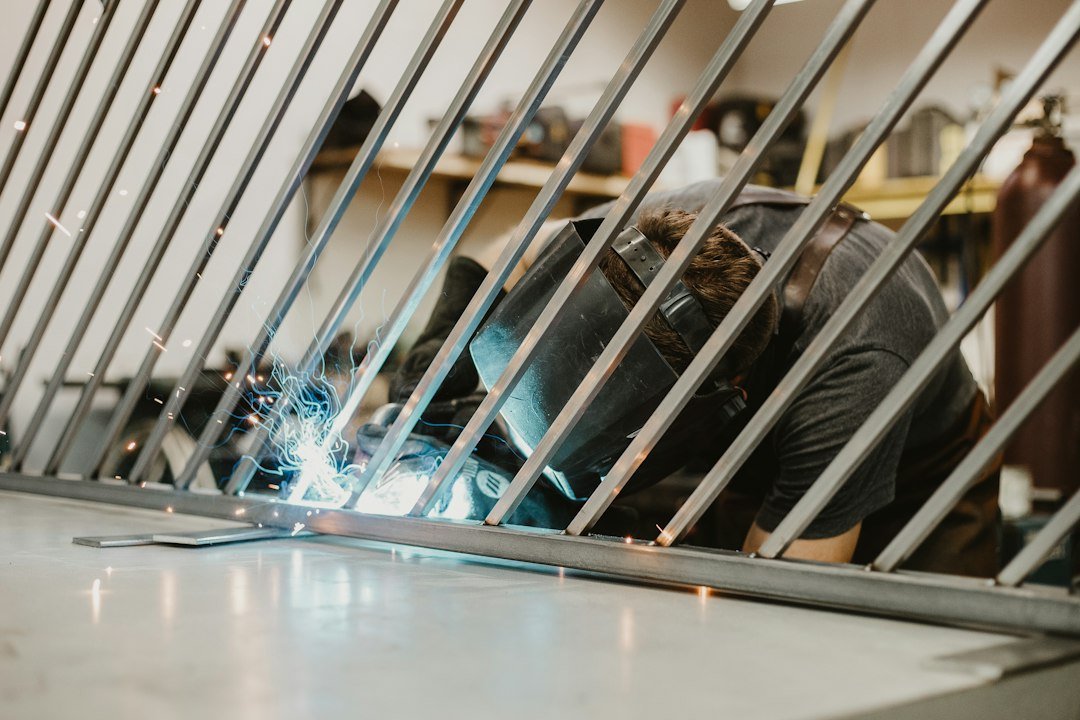
Shops handling cutting, bending, welding, and finishing under one roof maintain firm control over quality standards and timelines. Subcontracting secondary operations often introduces unexpected shipping delays and quality disputes. Inquiring about which manufacturing steps occur in-house helps clarify vendor accountability. Integrated facilities handle engineering changes and shop modifications far more efficiently.
Certifications and Quality Control
Verifiable quality credentials ensure that a manufacturing partner adheres to standardized production methods, safety rules, and strict inspection routines.
Industry Certifications and Welding Standards
Look for facilities maintaining formal quality management certifications like ISO 9001. Specialized structural projects require certified welders holding credentials from recognized industry bodies like the American Welding Society. Certified personnel understand specific joint designs, weld penetration standards, and proper non-destructive testing steps. These credentials guarantee compliance with relevant safety codes.
Inspection and Testing Protocols
A qualified production facility uses calibrated inspection tools, coordinate measuring equipment, and strict quality control checks throughout production. Quality teams should verify raw material dimensions before starting work and perform intermediate checks after key operations. Requesting material test reports confirms that incoming metal meets specified yield and tensile requirements. Thorough documentation prevents sub-standard materials from entering final product builds.
Assessing Business Reliability and Customer Support
Technical equipment represents only part of the vendor evaluation process. Financial stability, clear communication, and reliable supply management remain equally vital for long-term project success.
Communication and Design Assistance
Top-tier fabricators offer constructive design feedback during early quotation reviews. Experience-backed suggestions regarding material choices or joint locations can reduce total labor hours significantly. Dedicated project managers provide timely status updates and flag potential material supply delays early. Responsive communication keeps project schedules moving smoothly forward.
Lead Times and Supply Chain Management
Inquire about vendor relationships with primary raw material suppliers and regional finishing contractors. Established shops leverage high-volume purchasing power to secure stable raw material pricing and priority delivery schedules. Reviewing a shop's historical on-time delivery metrics provides clear insight into their real-world schedule reliability. Dependable scheduling prevents downstream job-site delays.
HOW DO YOU FEEL ABOUT FASHION?
COMMENT OR TAKE OUR PAGE READER SURVEY
Featured




AI is giving fashion creators new ways to develop campaign concepts, experiment with visual storytelling, and produce cinematic content.