
Inside the World of the Brazilian Steakhouse: Food, Culture, and Experience
PAGE
By PAGE Editor
Introduction
Dining is often remembered not only for the food served but also for the experience surrounding it. Among global culinary traditions, few are as immersive and distinctive as the rodizio-style grilling concept. At the center of this tradition is the brazilian steakhouse, a dining style that has gained international popularity for its continuous tableside service, wide variety of meats, and deeply rooted cultural background. What makes it unique is not just the food itself but the entire rhythm of the meal, where guests are served directly at their table in a flowing, uninterrupted sequence that transforms dining into a shared celebration. This style of restaurant is more than a place to eat; it is an experience built on hospitality, abundance, and interaction. It blends traditional grilling methods with modern service techniques, creating an environment where guests can enjoy unlimited servings of expertly cooked meats alongside fresh sides and salads. The atmosphere is lively yet refined, making it suitable for both casual gatherings and special occasions. The concept has grown far beyond its origins and is now recognized globally as a symbol of indulgent and social dining.
Origins of the Brazilian Steakhouse Tradition
The roots of this dining style can be traced back to the gaucho culture of southern Brazil, where cattle herders would prepare simple meals over open flames during long days in the countryside. These meals were practical, hearty, and focused on highlighting the natural flavor of the meat. Over time, this rustic cooking method evolved into a structured dining experience that emphasized quality, variety, and presentation. The modern interpretation of the experience brings this tradition indoors, where skilled chefs prepare large cuts of meat over charcoal grills and serve them continuously to guests. The transformation from a simple ranch-style meal to a refined restaurant concept reflects both cultural pride and culinary innovation. The brazilian steakhouse embodies this evolution, preserving traditional cooking techniques while adapting them to contemporary dining expectations.
The Continuous Service Model
One of the most defining aspects of this dining style is the continuous service model. Guests remain seated while servers circulate the room carrying skewers of freshly grilled meats. Each cut is sliced directly onto the plate, allowing diners to sample a wide range of flavors and textures throughout the meal. This process creates a unique rhythm that distinguishes the experience from traditional restaurants. Instead of ordering individual dishes, guests engage in a flowing sequence of tasting and enjoyment. The use of a simple card system often green for continue and red for pause allows diners to control the pace of service, ensuring they never feel rushed or overwhelmed. At its core, the brazilian steakhouse experience is designed to emphasize abundance and hospitality. The continuous service model ensures that every guest has access to a wide variety of freshly prepared meats without needing to repeatedly order or wait for separate courses.
Variety and Preparation of Meats
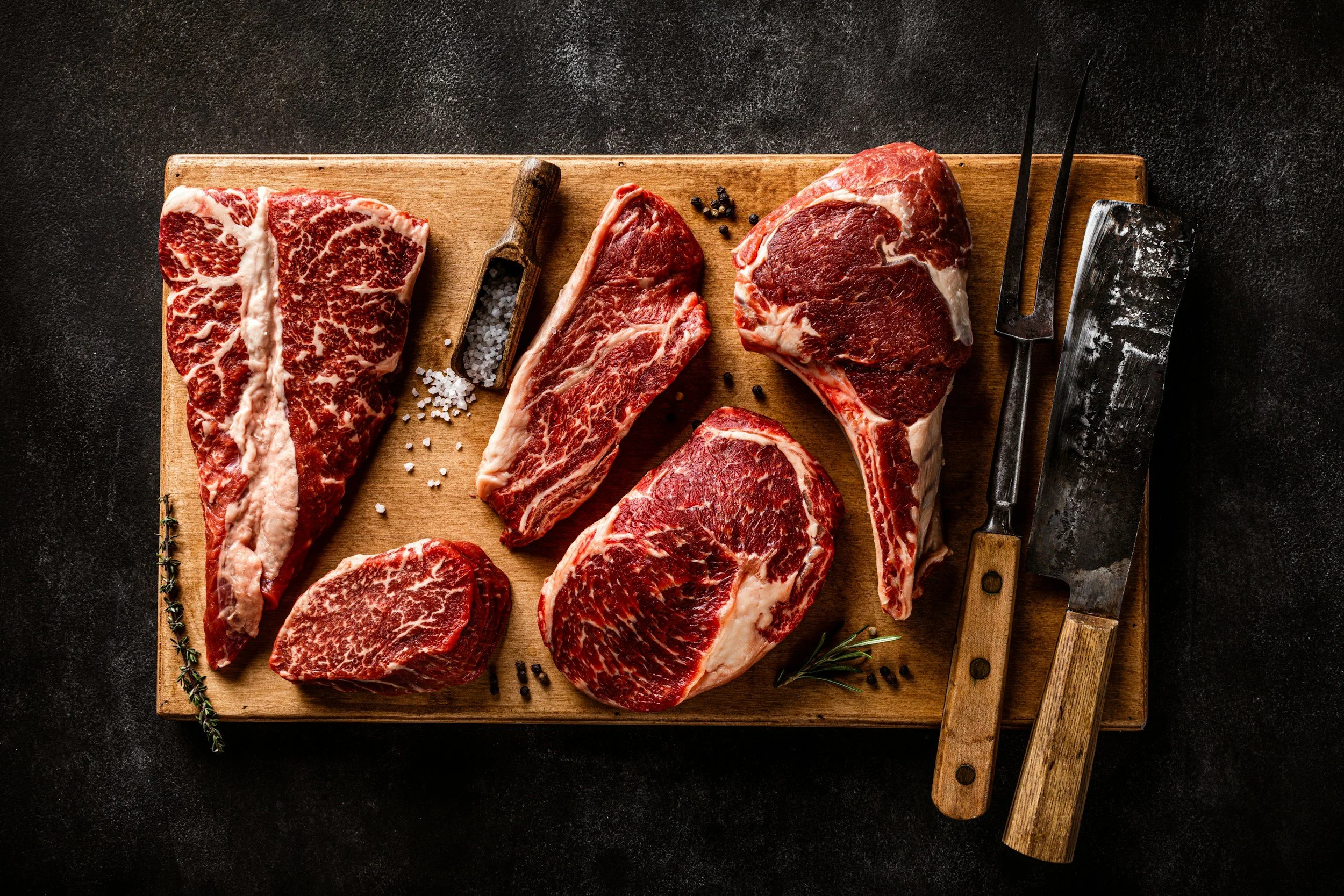
A key attraction of this dining style is the impressive selection of meats offered. Guests can expect a range of cuts including beef, lamb, pork, and poultry, each prepared with attention to flavor and texture. One of the most popular cuts is picanha, known for its tenderness and rich taste when grilled over open flames. The seasoning approach is intentionally simple, often using only coarse salt to enhance the natural flavor of the meat. This minimalist technique allows the quality of the ingredients to stand out without being overshadowed by heavy marinades or sauces. The result is a clean, smoky taste that highlights the skill of the grill masters. Within a brazilian steakhouse, the focus on quality ensures that each cut is cooked to perfection, maintaining juiciness while achieving a lightly crisp exterior. This careful preparation is one of the reasons the dining style has earned global recognition.
Salad Bar and Side Dishes
While meat is the centerpiece of the experience, the supporting buffet or salad bar plays an equally important role. Guests are typically offered a wide variety of fresh vegetables, cheeses, rice dishes, and traditional accompaniments that balance the richness of the grilled meats. This combination allows diners to create a well-rounded meal that suits different preferences. The freshness of the sides complements the bold flavors of the meats, ensuring that the dining experience remains enjoyable even over an extended period. The inclusion of diverse options also reflects the hospitality philosophy behind the concept, which values generosity and variety. A well-designed brazilian steakhouse ensures that the side selections are not an afterthought but an essential part of the overall experience. The balance between hearty meats and fresh accompaniments contributes to the satisfaction and appeal of the meal.
Atmosphere and Dining Environment
The environment plays a crucial role in shaping the overall experience. Interiors are often designed to be warm, welcoming, and slightly upscale, creating a setting that encourages relaxation and conversation. Soft lighting, elegant table settings, and the constant movement of servers contribute to a dynamic yet comfortable atmosphere. Unlike fast-paced dining environments, this experience encourages guests to slow down and enjoy each moment. Meals often extend over long periods, allowing time for conversation, celebration, and indulgence. The atmosphere is designed to feel festive, making it ideal for group gatherings and special occasions. In a brazilian steakhouse, the ambiance is carefully balanced to maintain both energy and comfort, ensuring that guests feel both entertained and at ease throughout their visit.
Service and Hospitality
Service quality is one of the defining characteristics of this dining style. Staff members are trained not only in grilling and carving techniques but also in timing, presentation, and guest interaction. Their role is to ensure that each diner receives their preferred cuts at the right moment and in the right portion. This high level of attentiveness creates a personalized experience that sets the concept apart from standard buffet or à la carte restaurants. The interaction between guests and servers becomes part of the enjoyment, adding a human connection to the meal. The success of the brazilian steakhouse model relies heavily on this balance of efficiency and hospitality. Without attentive service, the continuous dining format would lose much of its appeal and uniqueness.
Social and Group Dining Experience
One of the reasons this dining style has become so popular is its suitability for group settings. Whether for family gatherings, celebrations, or business dinners, it provides a shared experience that encourages interaction and enjoyment. The variety of meats and sides eliminates the need for complicated ordering decisions, making it easy for large groups to dine together without confusion. Everyone can sample different dishes, compare preferences, and enjoy a communal experience. The brazilian steakhouse format naturally fosters connection, as the continuous service and shared tables create a sense of unity among diners. This makes it especially appealing for occasions where social interaction is a priority.
Global Expansion and Modern Adaptations
As the concept has expanded internationally, it has adapted to different cultural preferences while maintaining its core identity. Some establishments incorporate local flavors or side dishes to cater to regional tastes, while still preserving the essential elements of rodizio-style service. Modern innovations such as online reservations, digital menus for side selections, and curated beverage pairings have also enhanced the experience. However, the fundamental idea remains unchanged: continuous service of high-quality grilled meats in a communal setting. The global success of the brazilian steakhouse demonstrates the universal appeal of shared dining experiences and high-quality food prepared with care and tradition.
Culinary Skill and Preparation
Behind the scenes, the preparation of meats requires significant skill and precision. Grill masters must carefully monitor cooking times, temperature, and seasoning to ensure consistency and flavor. Each cut is handled individually, reflecting a high level of craftsmanship. The use of open flame cooking enhances the natural taste of the meat, creating a smoky aroma and rich texture that is difficult to replicate with other cooking methods. This dedication to technique is a major reason why the experience continues to attract food enthusiasts worldwide. A well-run brazilian steakhouse relies on this craftsmanship to maintain its reputation for quality and authenticity, ensuring that every guest receives a memorable meal.
Sensory Dining Experience
Beyond taste, the experience engages multiple senses simultaneously. The sound of sizzling meat, the sight of skewers being carved tableside, and the aroma of grilled flavors all contribute to a fully immersive environment. This sensory richness enhances enjoyment and creates lasting memories for diners. The combination of visual presentation, aromatic appeal, and interactive service transforms the meal into something more than just food consumption it becomes an event. The appeal of the brazilian steakhouse lies in this multisensory engagement, which elevates it above traditional dining formats.
Conclusion
The enduring popularity of this dining style highlights its ability to combine tradition, quality, and hospitality into a single experience. It offers more than just a meal; it provides a celebration of food, culture, and human connection. From its roots in rustic countryside cooking to its modern global presence, the concept has remained true to its core values while adapting to contemporary expectations. Its emphasis on continuous service, high-quality ingredients, and social dining ensures that it remains a favorite among diverse audiences. Ultimately, the brazilian steakhouse represents more than a restaurant style—it represents a philosophy of abundance, craftsmanship, and shared enjoyment that continues to resonate with diners around the world.
HOW DO YOU FEEL ABOUT FASHION?
COMMENT OR TAKE OUR PAGE READER SURVEY
Featured





Having a friends with benefits relationship is a great idea, if you find the right person for it.