
Why Surface Transformation and Refacing Are Changing the Future of Modern Home Design and Renovation
PAGE
By PAGE Editor
Introduction
Modern home design has shifted toward smarter, more efficient, and cost-effective solutions that allow homeowners to upgrade their spaces without committing to full reconstruction projects. One of the most impactful trends driving this change is refacing, a method that focuses on transforming the visible surfaces of existing structures instead of replacing them entirely. This approach has gained significant attention because it delivers a fresh, modern appearance while saving time, reducing costs, and minimizing disruption to daily life. As interior design preferences continue to evolve, refacing has become a key solution for homeowners who want stylish results without the stress of traditional renovation work. The growing popularity of refacing is closely linked to the increasing demand for sustainable living practices and budget-friendly home improvement strategies. Instead of discarding functional structures, homeowners are choosing to update and enhance them through surface transformation techniques. This not only reduces waste but also preserves the core structure of cabinets, furniture, and built-in units. Over time, this approach has reshaped how people think about renovation, making surface-focused upgrades a preferred option for modern interiors.
The Shift From Full Renovation to Surface-Based Design
In the past, upgrading a home often meant tearing out old installations and replacing them entirely with new ones. While effective, this approach was expensive, time-consuming, and often created unnecessary waste. Today, homeowners are increasingly moving away from full renovation models and adopting more practical alternatives that focus on visible improvements rather than structural replacement. Refacing plays a central role in this shift by allowing the transformation of existing surfaces such as cabinet doors, drawer fronts, panels, and exterior finishes. Instead of rebuilding entire units, only the outer layers are updated, creating a completely refreshed appearance while maintaining the original framework. This method significantly reduces renovation time and makes it possible to achieve modern design results without major construction work. The transition toward surface-based design reflects a broader change in homeowner priorities. People now value convenience, affordability, and sustainability as much as aesthetics. As a result, refacing has become a preferred choice for those who want meaningful upgrades without the burden of extensive renovation projects.
Understanding the Concept of Refacing in Modern Interiors
Refacing is a process that focuses on improving the appearance of existing structures by replacing or covering their visible surfaces. This technique is commonly used on kitchen cabinets, bathroom vanities, storage units, and furniture systems. The core structure remains intact while the exterior is renewed using modern materials such as veneers, laminates, or wood finishes. One of the main advantages of refacing is its ability to create a dramatic visual transformation without altering the functionality of the space. For example, outdated cabinets can be completely modernized simply by replacing doors, drawer fronts, and surface finishes. Hardware such as handles and hinges can also be updated to enhance the final look. This approach allows homeowners to achieve a brand-new appearance without the need for demolition or structural changes. It also ensures that spaces remain functional throughout the process, making it a highly practical solution for busy households.
Why Homeowners Prefer Surface Transformation Solutions
The increasing popularity of surface transformation is driven by several practical benefits that appeal to modern homeowners. One of the most important factors is cost efficiency. Full renovation projects often involve high expenses related to materials, labor, and disposal of old structures. Refacing, on the other hand, significantly reduces these costs by reusing existing frameworks. Another major advantage is time savings. Traditional remodeling can take weeks or even months to complete, while refacing projects are typically completed in a much shorter timeframe. This reduced disruption makes it ideal for families who want to improve their homes without extended construction periods. Homeowners also appreciate the flexibility that refacing offers. Since only visible surfaces are updated, it becomes easier to experiment with different styles, colors, and finishes without committing to permanent structural changes. This flexibility allows interiors to stay aligned with evolving design trends.
The Role of Refacing in Modern Kitchen and Interior Design
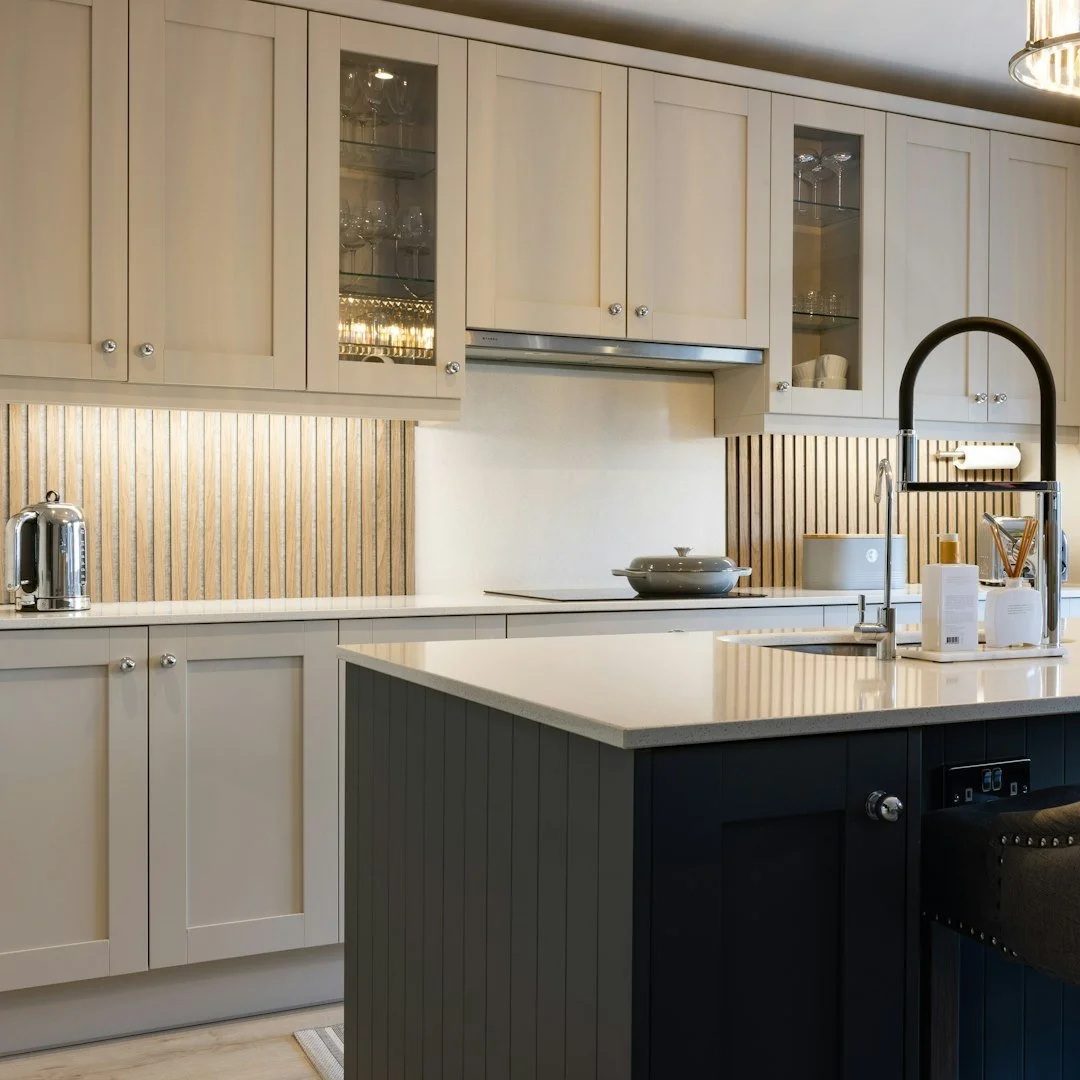
Kitchen spaces are one of the most common areas where refacing is applied. Cabinets often define the overall look of a kitchen, and updating their surfaces can completely change the atmosphere of the space. Instead of replacing entire cabinetry systems, homeowners can achieve a modern look by updating doors, panels, and finishes. This method is especially effective in kitchens because it combines visual improvement with practical functionality. Existing storage structures remain intact, while the exterior is enhanced to match modern design preferences. The result is a space that feels brand new without the cost or disruption of a full renovation. Beyond kitchens, refacing is also used in bathrooms, living areas, and built-in storage systems. It allows homeowners to maintain consistency in design while upgrading multiple areas of the home gradually or simultaneously.
Material Innovation and Design Flexibility
One of the key reasons refacing has become so popular is the wide range of materials now available. Modern surface materials are designed to be durable, stylish, and easy to maintain. Laminates, wood veneers, textured finishes, and composite materials allow homeowners to achieve virtually any design style they desire. This variety makes it possible to create customized interiors that match personal preferences. Whether the goal is a minimalist modern look, a warm traditional style, or a bold contemporary design, refacing provides the flexibility to achieve it. Material innovation has also improved durability, ensuring that refaced surfaces can withstand daily wear and tear. Scratch-resistant and moisture-resistant finishes make these upgrades suitable for high-use areas, increasing their long-term value.
Sustainability and Environmental Benefits
Sustainability has become a major concern in modern home design, and refacing supports environmentally responsible renovation practices. By reusing existing structures instead of discarding them, this method significantly reduces construction waste. Traditional renovation often results in large amounts of discarded materials, which contribute to landfill waste. Refacing minimizes this impact by preserving the core structure and only replacing surface elements. This makes it a more eco-friendly choice for homeowners who want to reduce their environmental footprint. Additionally, many modern refacing materials are designed with sustainability in mind, using recyclable components and environmentally safe production methods. This further enhances the green benefits of surface transformation techniques.
Cost Efficiency and Long-Term Value
One of the strongest reasons behind the growing demand for refacing is its cost-effectiveness. Home improvement projects can be expensive, especially when they involve structural changes or full replacements. Refacing offers a more affordable alternative that delivers similar visual results at a fraction of the cost. Despite being more economical, refacing does not compromise on quality or appearance. In fact, when done professionally, it can significantly increase the perceived value of a home. Updated interiors often make properties more attractive to potential buyers, which can positively influence resale value. This combination of affordability and value enhancement makes refacing a smart investment for homeowners looking to improve both comfort and property worth.
Professional Installation and Quality Assurance
Although some surface upgrades may appear simple, professional installation plays an important role in achieving high-quality results. Experts understand how to properly prepare surfaces, apply materials, and ensure long-lasting durability. Professional refacing services also provide access to better materials and design options. Their experience allows them to recommend solutions that match both aesthetic goals and functional requirements. This ensures that the final outcome is both visually appealing and structurally reliable. Proper installation also reduces the risk of future issues such as peeling, misalignment, or surface damage, ensuring long-term satisfaction.
Maintenance and Longevity of Refaced Surfaces
Once surfaces have been transformed, proper maintenance is essential to preserve their appearance and durability. Most refaced materials are designed to be low-maintenance, requiring only regular cleaning with mild products. Avoiding harsh chemicals and excessive moisture helps maintain the quality of finishes over time. With proper care, refaced surfaces can remain in excellent condition for many years, making them a long-lasting solution for interior improvement. This durability adds further value to the concept of surface transformation, making it a practical choice for busy households.
The Future of Interior Design and Surface Innovation
As design trends continue to evolve, surface transformation is expected to play an even greater role in the future of home renovation. Homeowners are increasingly prioritizing flexibility, affordability, and sustainability, all of which are supported by refacing techniques. Advancements in materials and installation methods will likely make surface upgrades even more efficient and customizable. This will further strengthen the position of refacing as a leading solution in modern interior design. The growing demand for practical and stylish home improvement options suggests that surface-based renovation will continue to replace traditional full-scale remodeling in many cases.
Conclusion
Refacing has transformed the way homeowners approach interior design and renovation by offering a practical alternative to full replacement projects. Through surface transformation, it is possible to achieve modern, stylish, and functional spaces without the cost, time, and disruption associated with traditional remodeling. Its benefits extend beyond aesthetics, providing cost savings, environmental advantages, and long-term value. With increasing material innovation and growing interest in sustainable living, refacing is set to remain a key trend in modern home design. By focusing on surface improvement rather than complete replacement, homeowners can enjoy flexible, efficient, and visually appealing upgrades that redefine the future of interior renovation.
HOW DO YOU FEEL ABOUT FASHION?
COMMENT OR TAKE OUR PAGE READER SURVEY
Featured




Deep clean, seal, and protect your tile & grout in Oceanside, CA. Bring the original shine back to your floors. Request a quote today!