
Mastering Home Transformation with the Expertise of a Painting Contractor
PAGE
By PAGE Editor
Introduction
Transforming a home or any building space is not just about changing furniture or décor, it often starts with the walls and surfaces that define the entire environment. Paint has the power to completely change how a space looks, feels, and functions. A well-painted surface can make a room feel brighter, cleaner, more modern, and more welcoming, while poor paint work can make even the best-designed space look unfinished and dull. Achieving a flawless finish, however, requires more than just buying paint and applying it to walls. It requires skill, preparation, precision, and experience, which is why the role of a painting contractor becomes essential in any serious renovation or construction project. A professional understands how to prepare surfaces, select the right materials, and apply techniques that ensure long-lasting and high-quality results. Without professional expertise, painting projects often suffer from uneven finishes, peeling paint, color inconsistencies, and reduced durability. Understanding the value of professional painting services helps property owners make better decisions and achieve results that truly transform their spaces.
Understanding the Role of a Painting Professional
A painting professional is responsible for much more than simply applying color to surfaces. The work begins with a detailed evaluation of the area that needs painting, including checking the condition of walls, ceilings, or exterior surfaces. Cracks, holes, moisture damage, and uneven textures must be identified and repaired before any paint is applied. Proper surface preparation is one of the most important steps because it ensures that paint adheres correctly and lasts longer. A painting contractor also determines the best type of paint for each surface, considering factors such as durability, finish, exposure, and purpose of the space. Interior spaces may require smooth and elegant finishes, while exterior surfaces need weather-resistant coatings that can withstand environmental changes. This level of planning and technical understanding ensures that the final result is not only visually appealing but also structurally durable and long-lasting.
Importance of Professional Expertise in Painting Projects
Painting may appear simple on the surface, but achieving a professional finish requires knowledge and experience. Many DIY painting attempts fail because of improper preparation, incorrect paint selection, or lack of proper technique. A painting contractor brings specialized expertise that ensures every stage of the project is handled correctly. Professionals understand how different surfaces react to paint and how environmental conditions can affect drying time and finish quality. They also use advanced tools and equipment that allow for smoother application and better precision. In addition, professional painters follow safety procedures, especially when working on high walls, ceilings, or exterior structures. This reduces the risk of accidents and ensures efficient project completion. Hiring a professional ultimately saves time, reduces stress, and guarantees a superior finish that enhances the overall appearance of the property.
Surface Preparation and Its Impact on Final Results
Surface preparation is the foundation of any successful painting project. Without proper preparation, even the highest quality paint will not produce good results or last long. This stage includes cleaning the surface, removing old or damaged paint, filling cracks and holes, sanding rough areas, and applying primer to create a smooth base. Each of these steps plays an important role in ensuring proper adhesion and uniform finish. A painting contractor carefully evaluates the surface condition before starting work to ensure that no underlying issues are ignored. Moisture problems, structural cracks, or uneven textures must be fixed beforehand to avoid future damage. Proper preparation not only improves the appearance of the final result but also increases the durability of the paint, making it resistant to peeling, fading, and cracking over time.
Selecting the Right Paint and Finish for Each Space
Choosing the right paint is a critical part of any painting project because different areas require different types of coatings. Interior walls often require paints that are easy to clean and provide a smooth, elegant finish, while kitchens and bathrooms need moisture-resistant options that can handle humidity. Exterior surfaces require durable paints that protect against sunlight, rain, and temperature changes. A painting contractor helps select the right combination of paint type, color, and finish based on the specific needs of the project. Finishes such as matte, satin, semi-gloss, or gloss each serve different purposes, from hiding imperfections to enhancing brightness and providing easy maintenance. Proper selection ensures that the paint not only looks good but also performs well under different conditions, contributing to long-term satisfaction.
Tools and Techniques Used for Professional Results
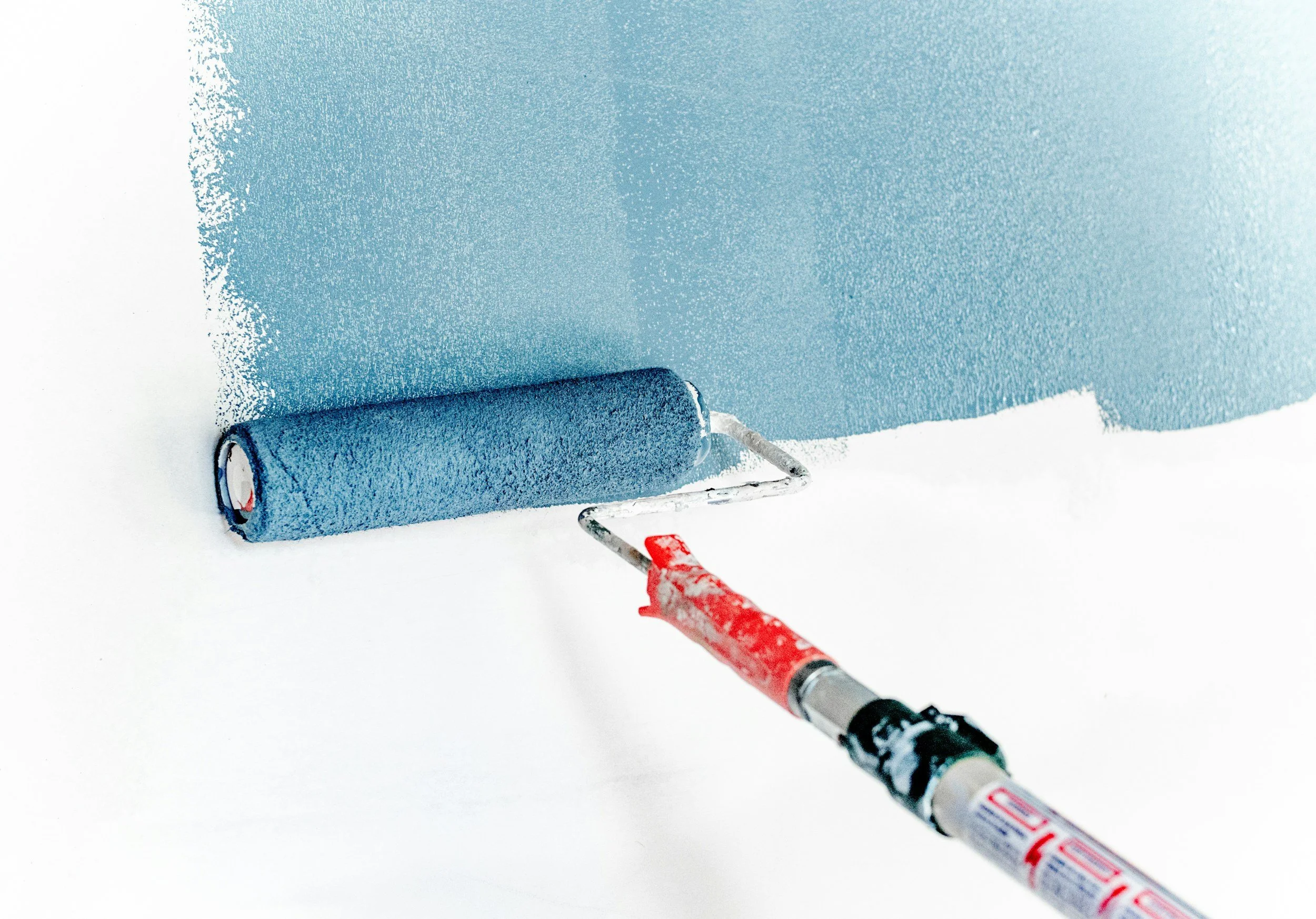
Professional painting requires specialized tools and techniques that ensure smooth and even application. Common tools include rollers, brushes, sprayers, sanding machines, and protective coverings. Each tool is used for specific purposes, such as rollers for large surfaces, brushes for detailed edges, and sprayers for uniform coverage. A painting contractor applies paint in controlled layers to ensure consistency and avoid streaks or uneven patches. Techniques such as cutting in edges, back-rolling, and layering help achieve a flawless finish. Professionals also understand how environmental factors like temperature and humidity affect drying time and adjust their methods accordingly. This level of precision ensures that the final result is visually appealing and long-lasting.
Common Painting Issues and How Professionals Prevent Them
Many painting projects suffer from issues such as peeling, bubbling, fading, and uneven texture. These problems usually occur due to poor preparation, low-quality materials, or incorrect application techniques. A painting contractor prevents these issues by following a structured process that includes thorough preparation, proper priming, and careful application of each paint layer. High-quality materials are selected to ensure durability and resistance to environmental damage. Professionals also allow proper drying time between coats to prevent defects. By following industry best practices, they ensure that the final result is smooth, consistent, and free from common painting problems that often occur in unprofessional work.
Interior and Exterior Painting Differences
Interior and exterior painting projects require different approaches due to varying conditions and requirements. Interior painting focuses on aesthetics, comfort, and design harmony. It requires smooth finishes and careful attention to detail to enhance the appearance of living or working spaces. Exterior painting, however, focuses on protection and durability, as surfaces are exposed to weather conditions such as rain, sunlight, and dust. A painting contractor understands these differences and selects appropriate materials and techniques for each type of project. Exterior paints are designed to withstand harsh conditions, while interior paints prioritize appearance and ease of maintenance. Proper planning ensures that both interior and exterior surfaces remain attractive and durable over time.
Maintenance After Painting for Long-Lasting Results
Once painting is completed, proper maintenance is important to preserve the quality and appearance of the surfaces. Regular cleaning helps prevent dust buildup and keeps walls looking fresh. Avoiding harsh cleaning chemicals ensures that the paint does not fade or get damaged. Minor touch-ups may be needed over time to maintain a uniform appearance. Proper ventilation also helps extend the life of interior paint by reducing moisture buildup. A painting contractor often provides maintenance advice to help property owners protect their investment and maintain long-lasting results. With proper care, painted surfaces can retain their beauty and strength for many years.
Long-Term Benefits of Professional Painting Work
Professional painting provides long-term benefits that go beyond simple visual improvement. A well-painted property enhances curb appeal and creates a positive impression for visitors, tenants, or buyers. It also protects surfaces from moisture, dirt, and environmental damage, helping extend the life of building materials. Over time, professional painting reduces maintenance costs and minimizes the need for frequent repainting. Investing in a skilled painting contractor ensures that property owners receive durable, high-quality results that improve both aesthetics and functionality. Professional work adds lasting value to any property by combining beauty with protection.
Conclusion
Painting plays a crucial role in transforming the look and feel of any space, but achieving high-quality results requires more than just applying color. It requires skill, preparation, and professional execution at every stage of the process. A painting contractor ensures that surfaces are properly prepared, the right materials are selected, and advanced techniques are used to deliver smooth, durable, and visually appealing finishes. From interior upgrades to exterior protection, professional painting enhances both the appearance and value of a property. With proper maintenance and expert application, painted surfaces can remain beautiful and long-lasting for years, making professional painting a valuable investment for any property owner.
HOW DO YOU FEEL ABOUT FASHION?
COMMENT OR TAKE OUR PAGE READER SURVEY
Featured





Decoupling daily work from physical infrastructure transforms operational productivity, lowers fixed real estate expenses, and protects business continuity during unexpected disruptions.