
Modern Techniques for Transforming Kitchen and Storage Spaces Through Cabinet Refinishing
PAGE
By PAGE Editor
Introduction to Cabinet Surface Transformation
Cabinets are one of the most visible and frequently used elements in any interior space, especially in kitchens, bathrooms, and storage areas. Over time, daily use, moisture exposure, grease buildup, and general wear can make cabinet surfaces look outdated or worn out, even if the structure itself remains strong. Instead of replacing entire cabinetry systems, many homeowners and designers choose refinishing methods to restore and upgrade appearance at a lower cost. One of the most effective and popular methods in this category is cabinet painting, which allows surfaces to be completely transformed without the need for full replacement. This process not only improves visual appeal but also extends the lifespan of existing cabinetry, making it a practical and cost-efficient solution for modern interiors. With proper preparation, high-quality materials, and professional techniques, cabinet surfaces can be made to look brand new while matching updated interior design styles.
Importance of Cabinet Refinishing in Interior Design
Cabinet surfaces play a major role in defining the overall look and feel of interior spaces. Because they occupy a large visual area, especially in kitchens, their condition significantly affects the atmosphere of the entire room. Outdated or damaged cabinets can make even a modern space feel old and poorly maintained. Refinishing helps bridge this gap by giving homeowners the ability to refresh their interiors without major renovation costs. Among all refinishing techniques, cabinet painting stands out because it offers flexibility in color selection, finish type, and design customization. Whether the goal is a modern minimalist look, a classic wooden finish, or a bold contemporary style, painting allows complete creative control over the final appearance while maintaining structural integrity.
Surface Preparation and Cleaning Process
Proper preparation is the foundation of any successful cabinet refinishing project. Before any paint is applied, surfaces must be thoroughly cleaned to remove grease, dust, food particles, and old finishes that may interfere with adhesion. Cabinets, especially in kitchens, often accumulate oil and residue that must be fully removed using degreasers and cleaning agents. After cleaning, sanding is performed to smooth the surface and create a texture that allows paint to bond effectively. Any dents, scratches, or imperfections are repaired using fillers or wood putty to ensure a uniform surface. Without this preparation stage, even high-quality finishes will fail to deliver long-lasting results. In professional cabinet painting projects, preparation is considered the most critical phase because it directly affects durability, smoothness, and final appearance.
Materials and Tools Used in Refinishing Work
High-quality results depend heavily on the materials and tools used during the process. Brushes, foam rollers, paint sprayers, sanding blocks, and masking materials are commonly used to ensure precision and cleanliness. The type of paint selected is equally important, as cabinet surfaces require durable, washable, and moisture-resistant coatings. Enamel-based paints, acrylics, and specialized cabinet coatings are often preferred due to their long-lasting finish and resistance to daily wear. Primers are also essential because they help improve paint adhesion and prevent stains or discoloration from showing through the final coat. In professional cabinet painting work, material selection is carefully planned based on cabinet type, usage level, and environmental conditions to ensure optimal performance and longevity.
Techniques for Achieving a Smooth Finish
Applying paint to cabinet surfaces requires precision and skill to achieve a flawless finish. Unlike walls, cabinets have detailed edges, panels, and hardware that require careful attention. Spraying is one of the most common techniques used by professionals because it provides a smooth, even coating without brush marks. However, brushing and rolling are also used for smaller projects or detailed areas where spraying may not be practical. Multiple thin coats of paint are applied rather than a single thick layer to ensure durability and prevent drips or uneven textures. Drying time between coats is carefully managed to allow proper bonding and curing. In high-quality cabinet painting projects, attention to detail is essential to achieve a factory-like finish that enhances the overall appearance of the space.
Role of Color Selection in Cabinet Design
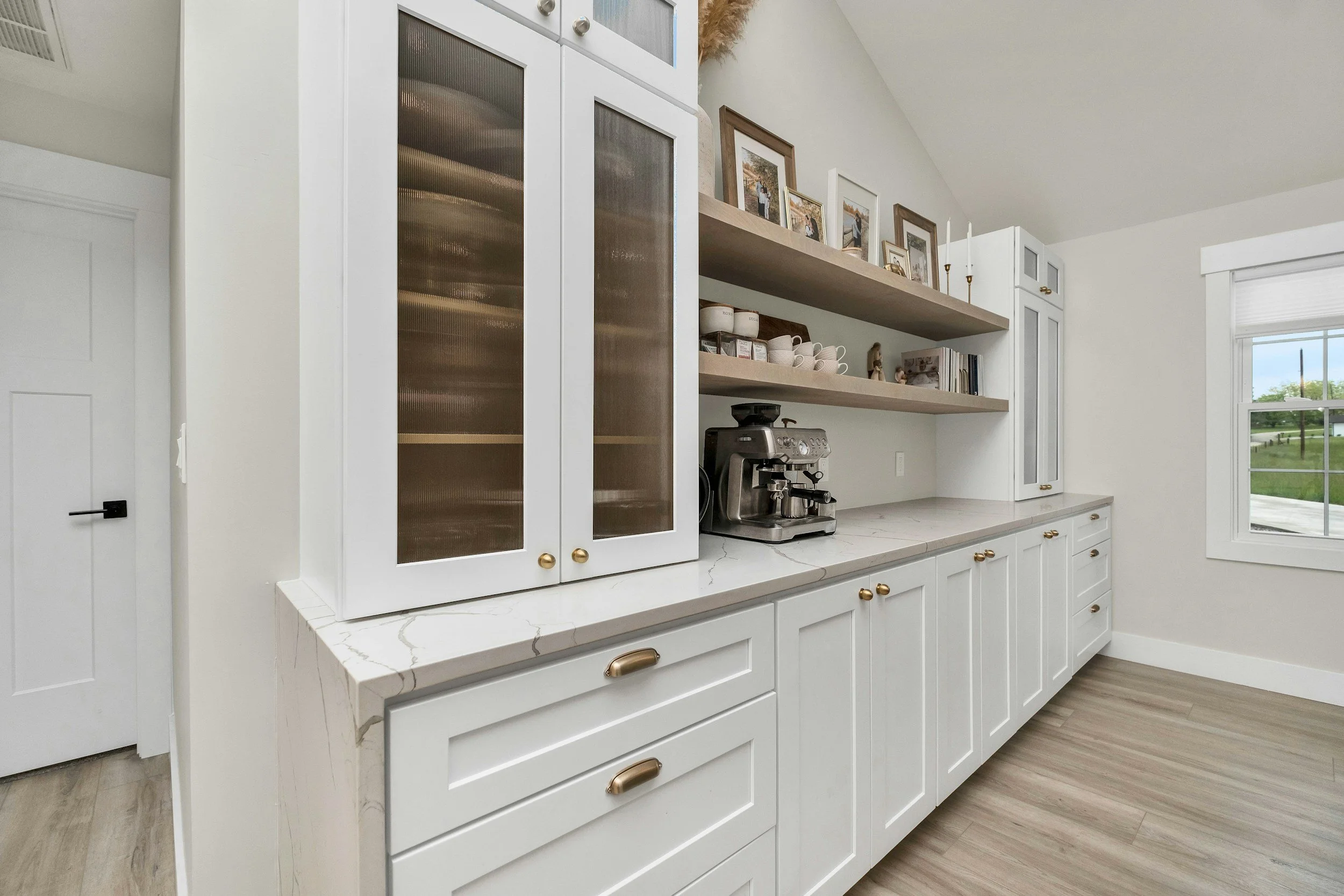
Color choice plays a significant role in how cabinets influence interior aesthetics. Light colors such as white, beige, and soft gray create a clean and modern appearance, while darker tones such as navy, charcoal, and deep green add depth and sophistication. Natural wood tones can also be recreated through specialized finishing techniques for a warm and traditional look. The chosen color must complement countertops, flooring, wall colors, and lighting conditions to achieve a balanced design. In modern cabinet painting projects, color consultation is often included to help homeowners select shades that enhance both functionality and visual appeal. A well-chosen color scheme can completely transform the mood and style of a space without changing its structure.
Common Challenges in Cabinet Refinishing
Cabinet refinishing projects can present several challenges that affect the final outcome if not properly managed. One of the most common issues is poor adhesion caused by inadequate surface preparation. Another challenge is achieving uniform color coverage, especially on older cabinets with uneven surfaces or previous coatings. Humidity and temperature changes can also affect drying time and finish quality. Additionally, handling detailed cabinet designs such as grooves, panels, and corners requires precision to avoid missed spots or uneven coating. Professional cabinet painting teams are trained to identify and resolve these issues early in the process, ensuring smooth execution and high-quality results.
Maintenance and Long-Term Durability
Proper maintenance is essential to preserve the appearance and durability of painted cabinets over time. Regular cleaning with mild detergents helps remove dust, grease, and stains without damaging the surface. Harsh chemicals should be avoided as they can weaken the paint layer. Proper ventilation in kitchens and bathrooms helps reduce moisture buildup, which can extend the lifespan of the finish. Small scratches or chips can be repaired with touch-up paint to maintain a consistent appearance. When executed correctly, cabinet painting provides a durable finish that can last for many years with minimal maintenance, making it a practical solution for long-term interior improvement.
Cost Benefits and Value Enhancement
Refinishing cabinets through painting is significantly more cost-effective than replacing entire cabinetry systems. Full replacement involves high material, labor, and installation costs, while painting offers a more affordable alternative with excellent visual results. This makes it an attractive option for homeowners looking to upgrade interiors on a budget. In addition to cost savings, refinished cabinets can increase property value by improving the overall appearance of kitchens and storage areas. Well-executed cabinet painting projects offer a high return on investment because they enhance both functionality and aesthetics without requiring major structural changes.
Environmental Advantages of Refinishing
Cabinet refinishing also offers environmental benefits by reducing waste and promoting sustainable renovation practices. Instead of discarding old cabinets and contributing to landfill waste, existing structures are reused and improved. This reduces the demand for new materials and minimizes environmental impact associated with manufacturing and transportation. Eco-friendly paints and low-VOC coatings are also commonly used to improve indoor air quality and reduce harmful emissions. In modern cabinet painting practices, sustainability is becoming an important factor, making refinishing a responsible choice for environmentally conscious homeowners.
Professional Expertise and Quality Execution
Achieving high-quality results in cabinet refinishing requires experience, technical knowledge, and attention to detail. Professionals understand how different materials react to paint, how to prepare surfaces correctly, and how to apply coatings for maximum durability. They also have access to specialized tools that improve efficiency and finish quality. Skilled technicians can complete projects faster while maintaining consistent results across all surfaces. In large or complex projects, cabinet painting is best handled by experienced professionals who can ensure smooth execution from preparation to final finishing, delivering a polished and long-lasting result.
Future Trends in Cabinet Refinishing
The future of cabinet refinishing is evolving with advancements in materials, tools, and design trends. Innovative paint formulations are becoming more durable, scratch-resistant, and environmentally friendly. Color trends are also shifting toward more personalized and bold choices, allowing homeowners to create unique interior styles. Technology is improving application methods through advanced spraying systems and precision tools that enhance efficiency and finish quality. As interior design continues to evolve, cabinet painting will remain a popular and practical solution for transforming spaces without major renovation work.
Conclusion
Cabinet refinishing is one of the most effective ways to upgrade interior spaces without the cost and complexity of full replacement. Through proper preparation, high-quality materials, and skilled application techniques, old cabinets can be transformed into modern, stylish, and durable features. From color selection and surface preparation to maintenance and sustainability, every stage of the process contributes to the final result. When done correctly, cabinet painting not only enhances visual appeal but also improves functionality, durability, and property value. It remains a practical, cost-effective, and environmentally friendly solution for modern interior improvement projects.
HOW DO YOU FEEL ABOUT FASHION?
COMMENT OR TAKE OUR PAGE READER SURVEY
Featured





BAPE® brings its streetwear legacy into the ring with UNDEFEATED’s wrestling-inspired Fall/Winter 2026 collection while expanding its design vocabulary through the TYPE 10 BAPEX®, an automatic timepiece that translates the brand’s signature camouflage into contemporary watchmaking.