
Parsons GEN 15 Puts Personal History And Material Experimentation On The Runway
PAGE
By PAGE Editor
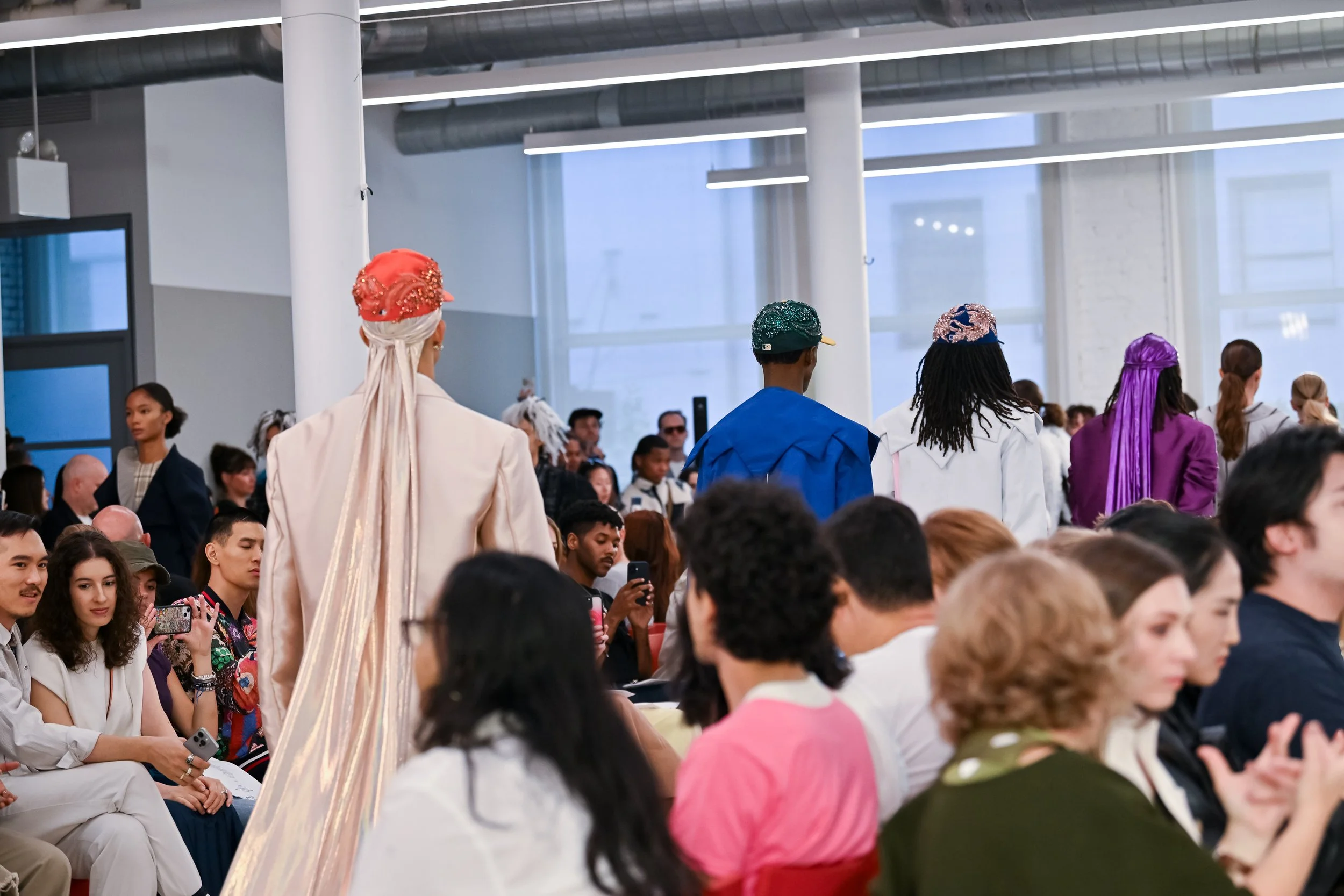
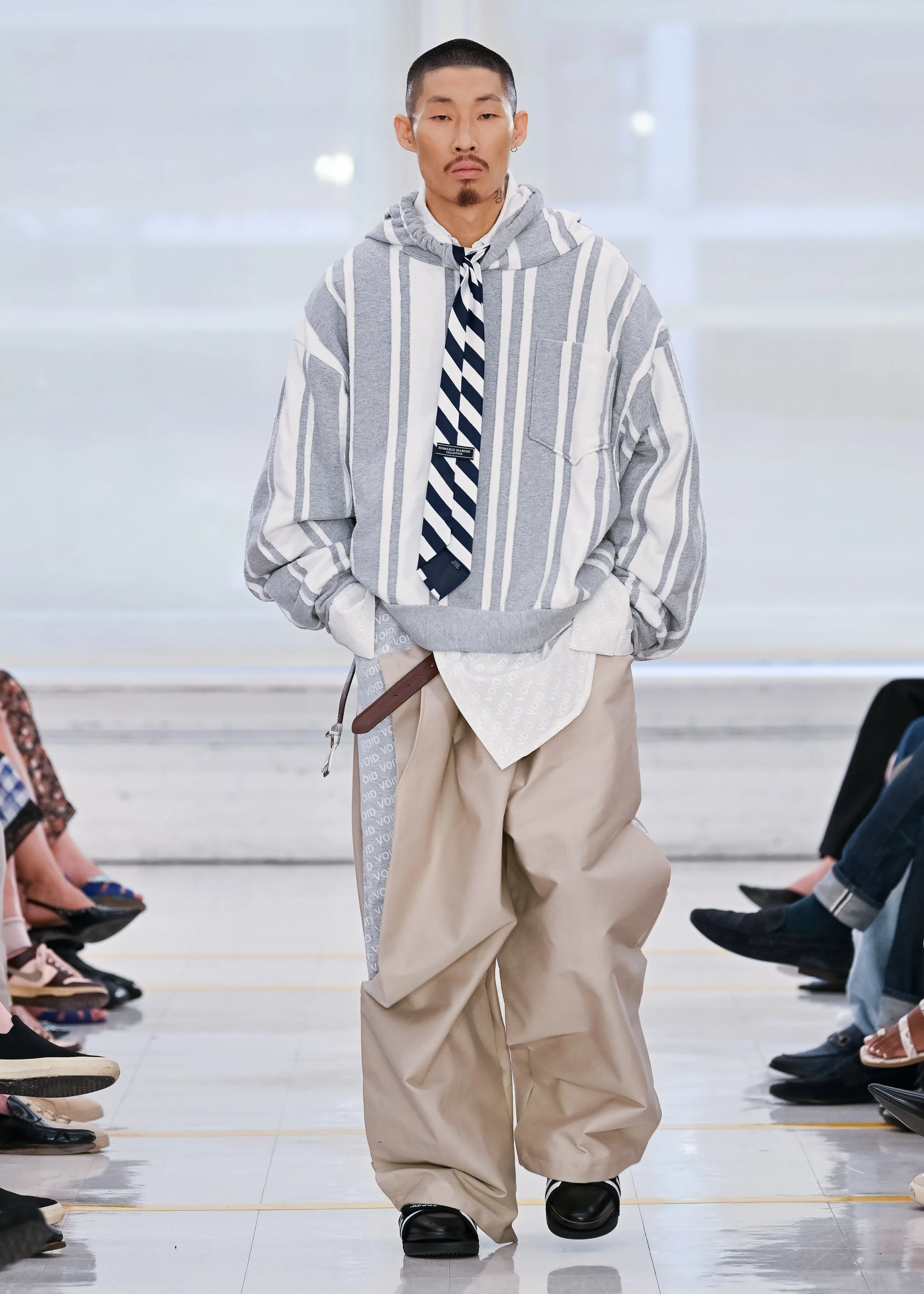
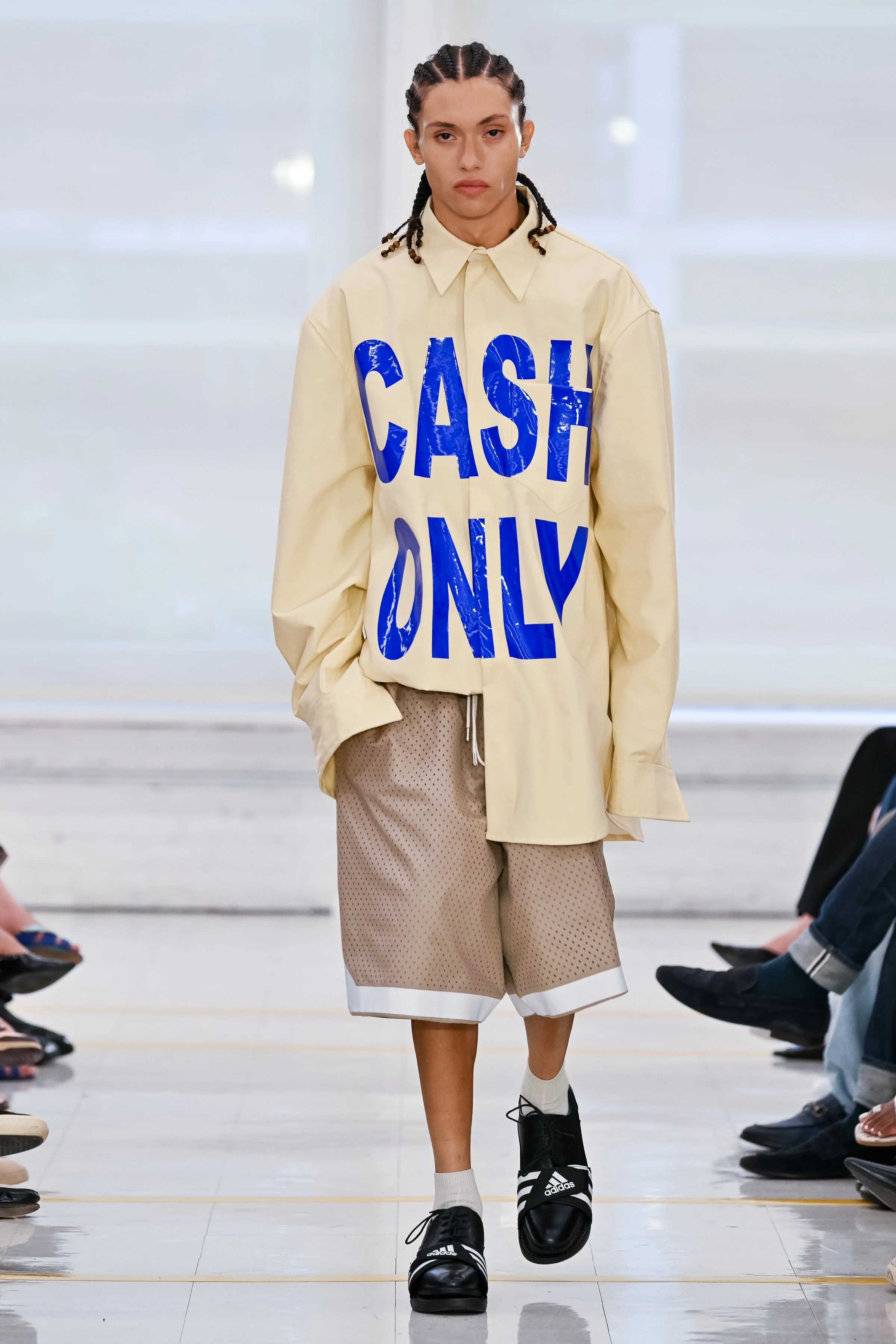
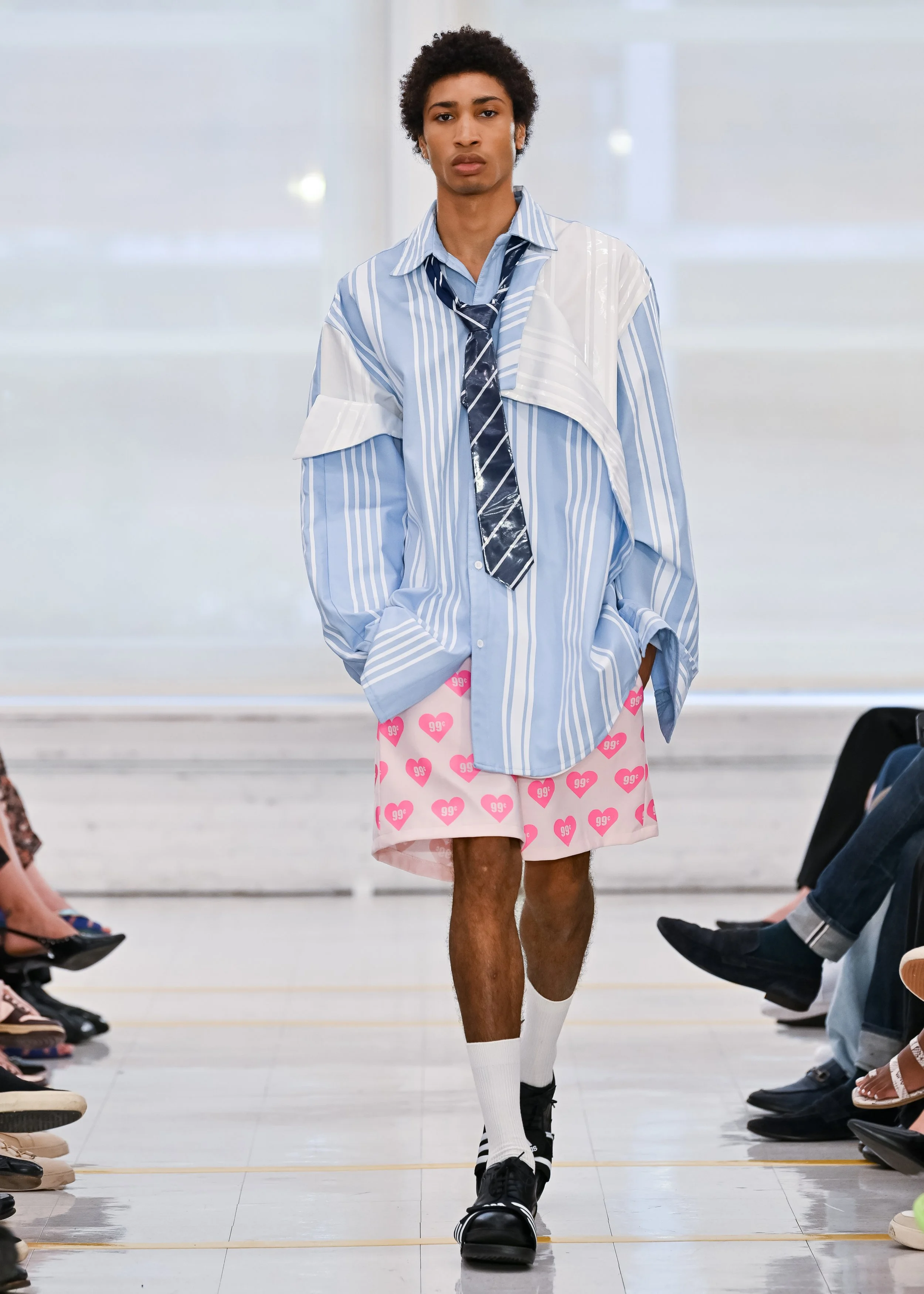
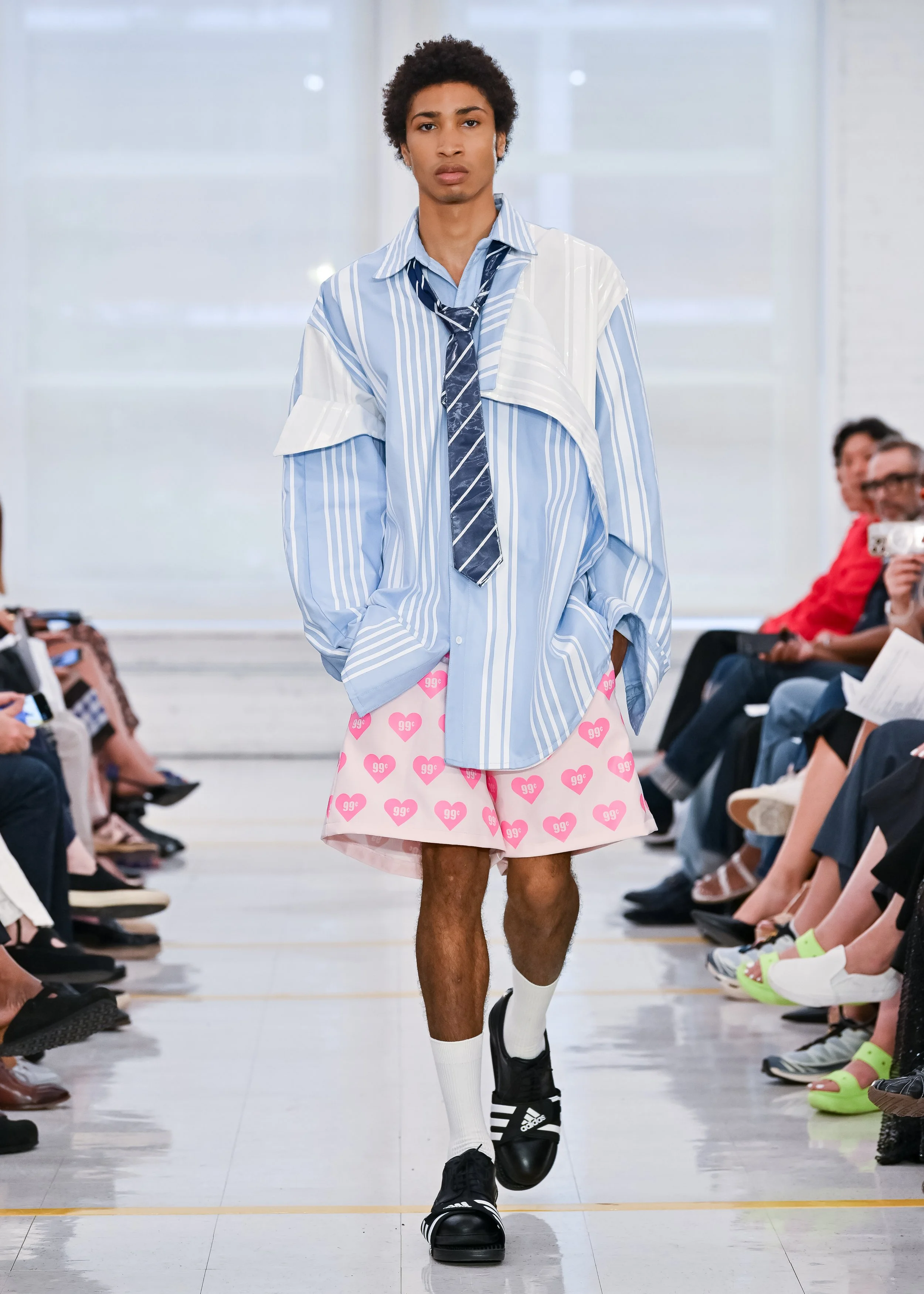
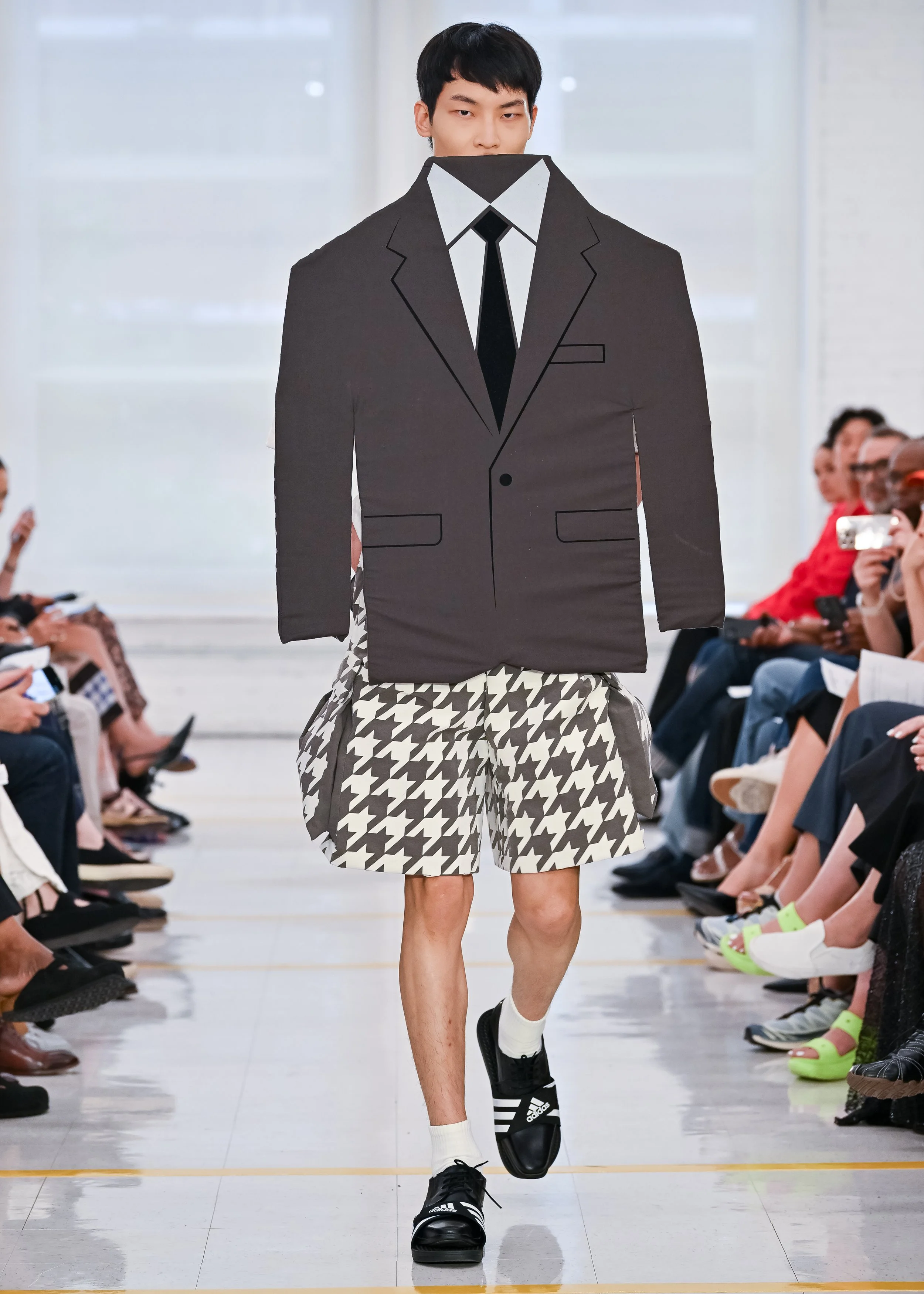
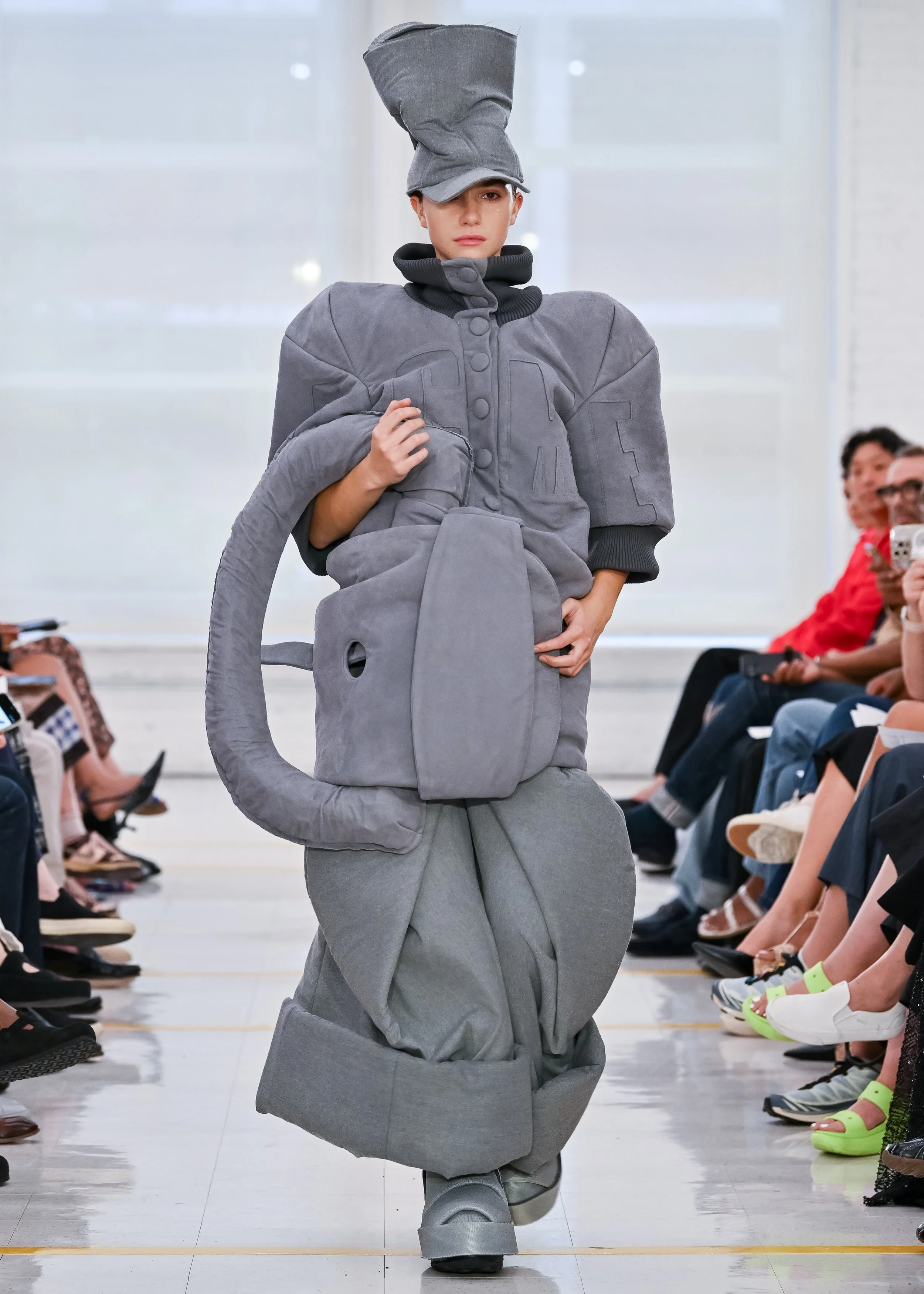
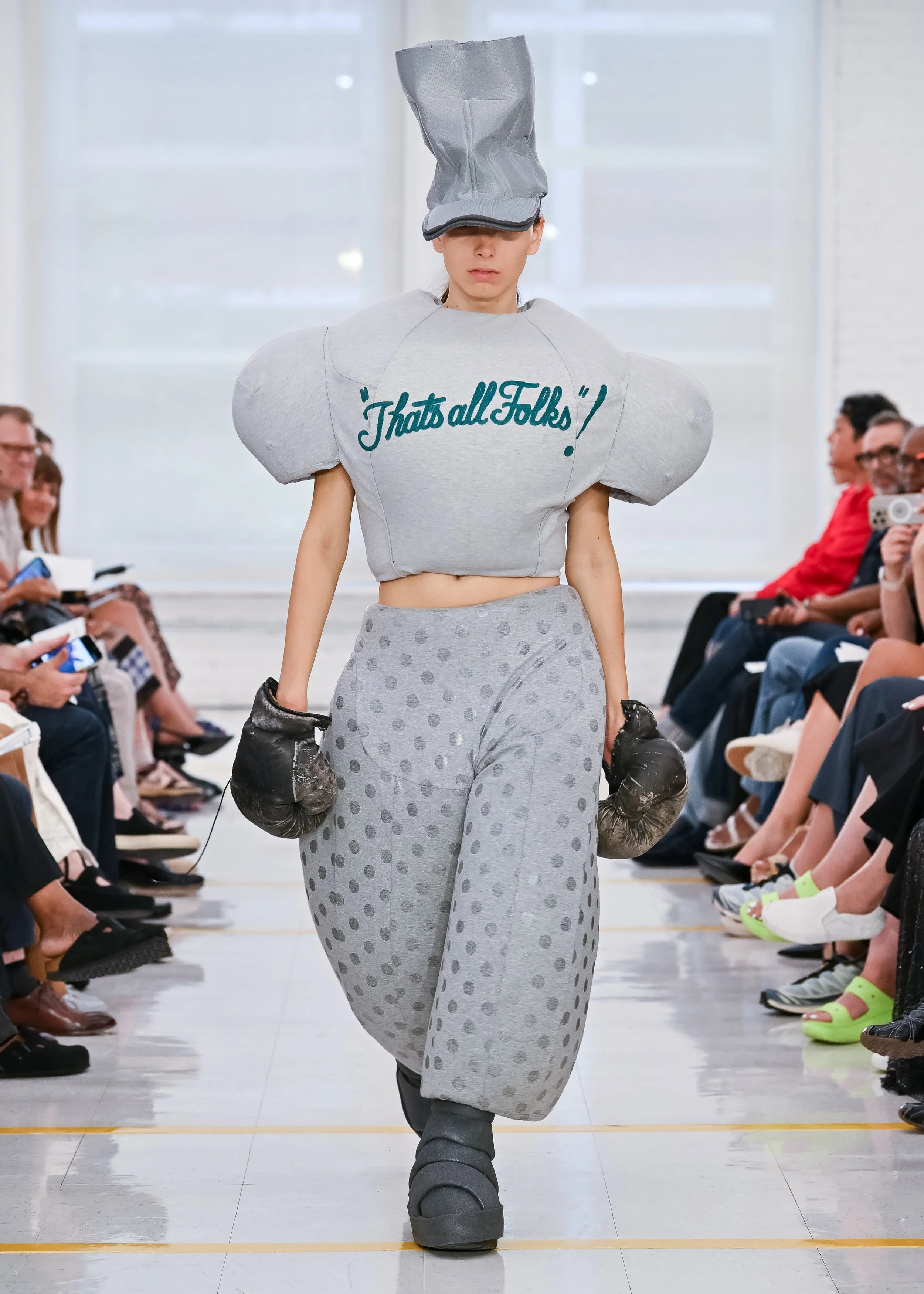
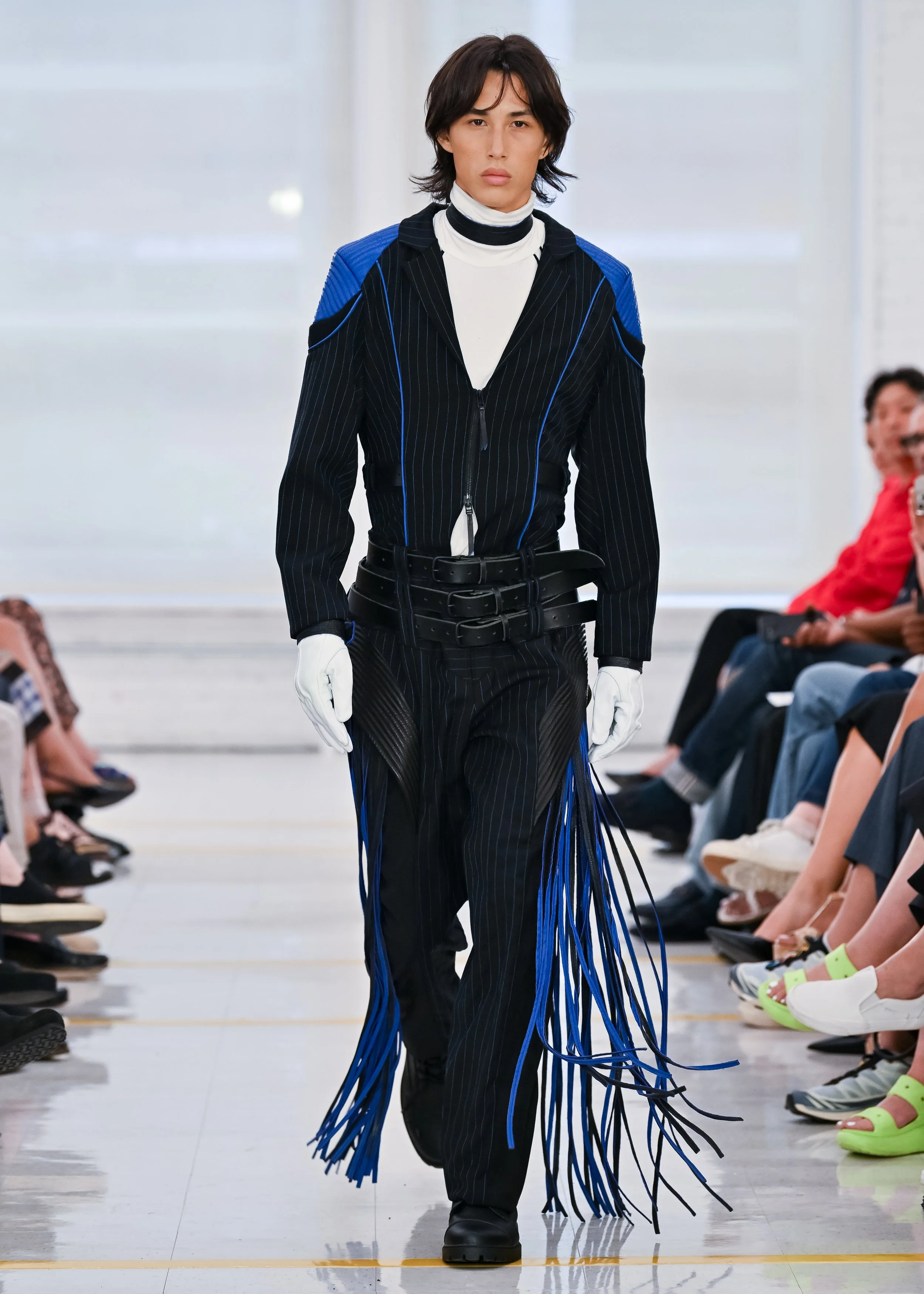
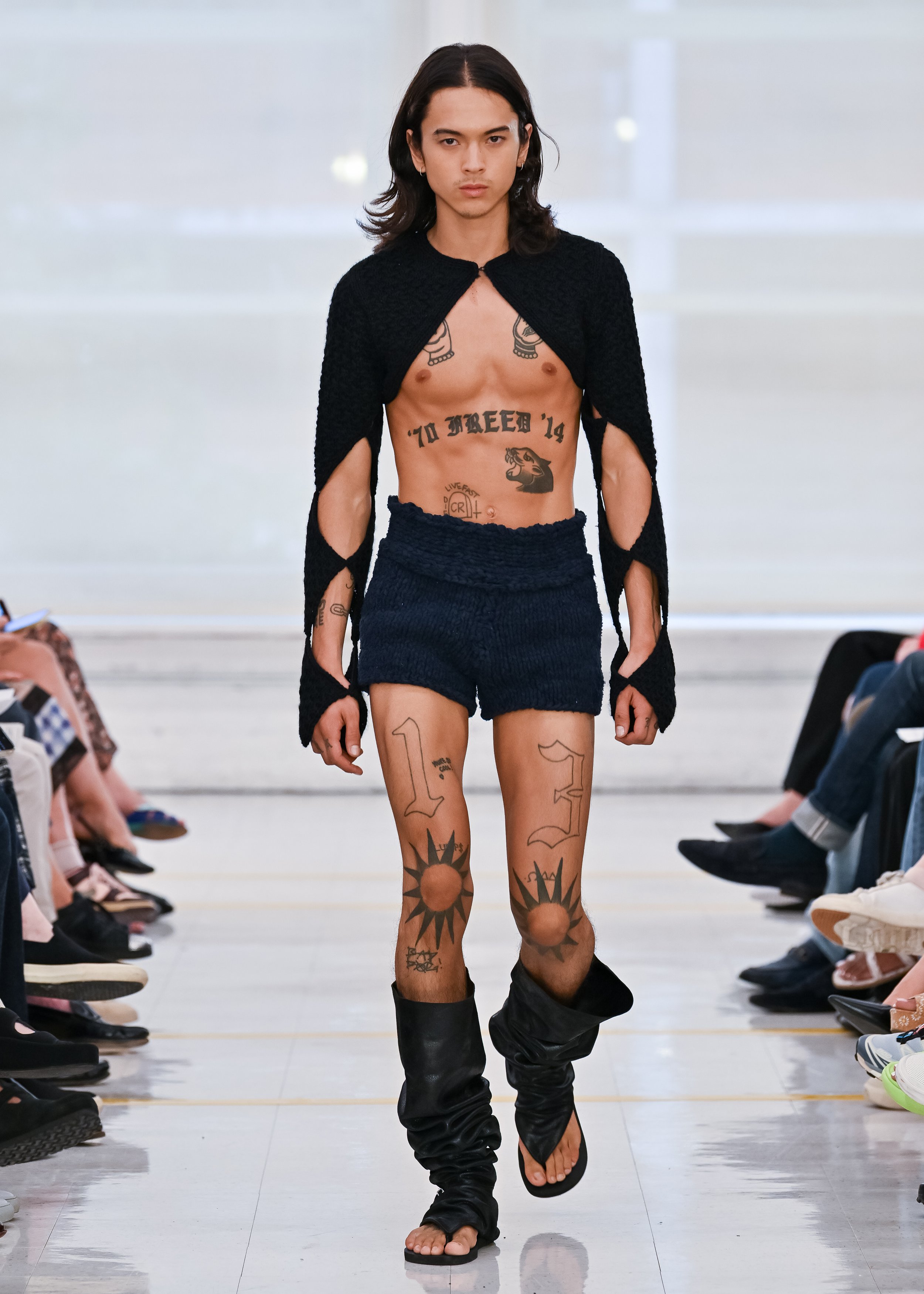
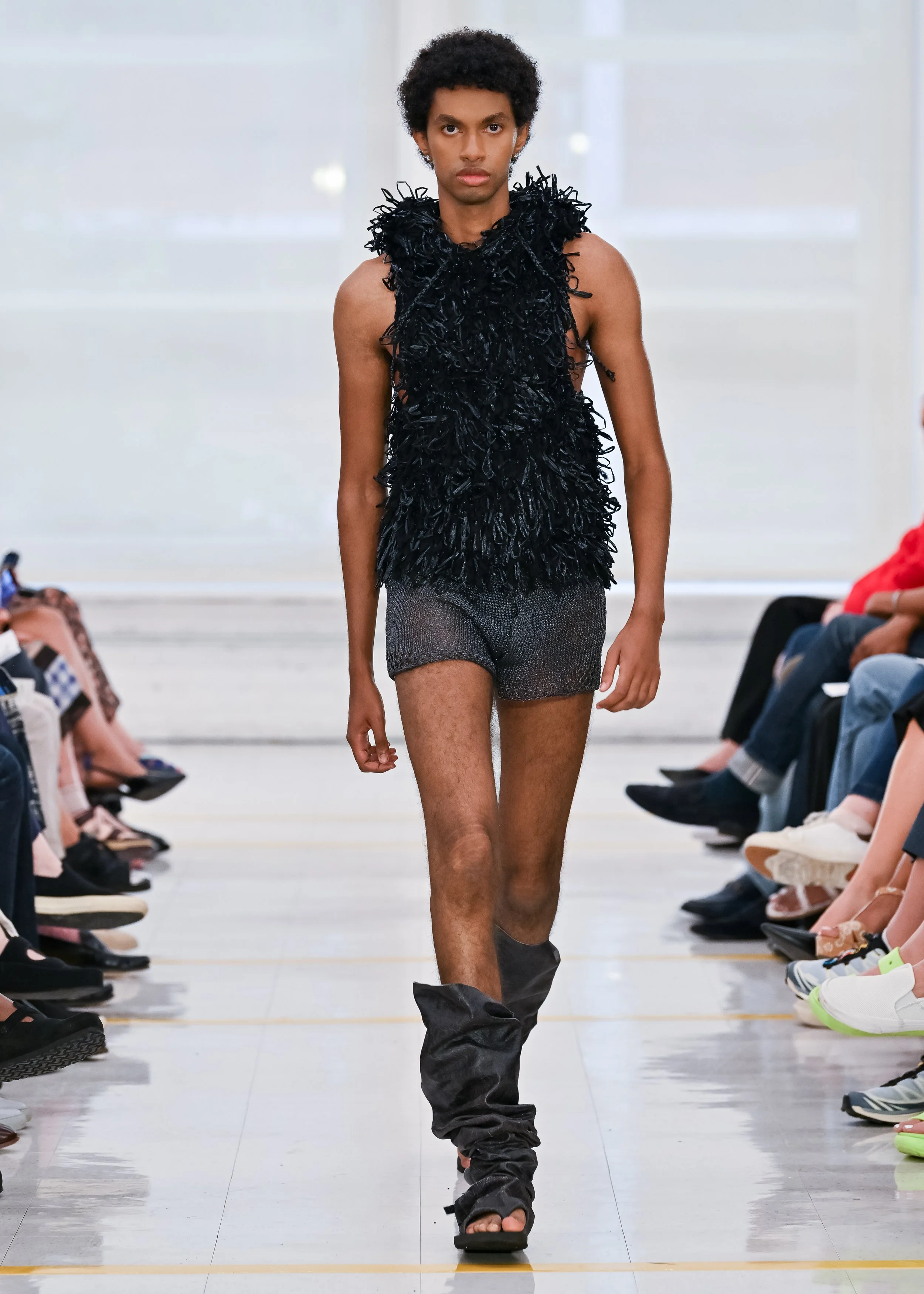
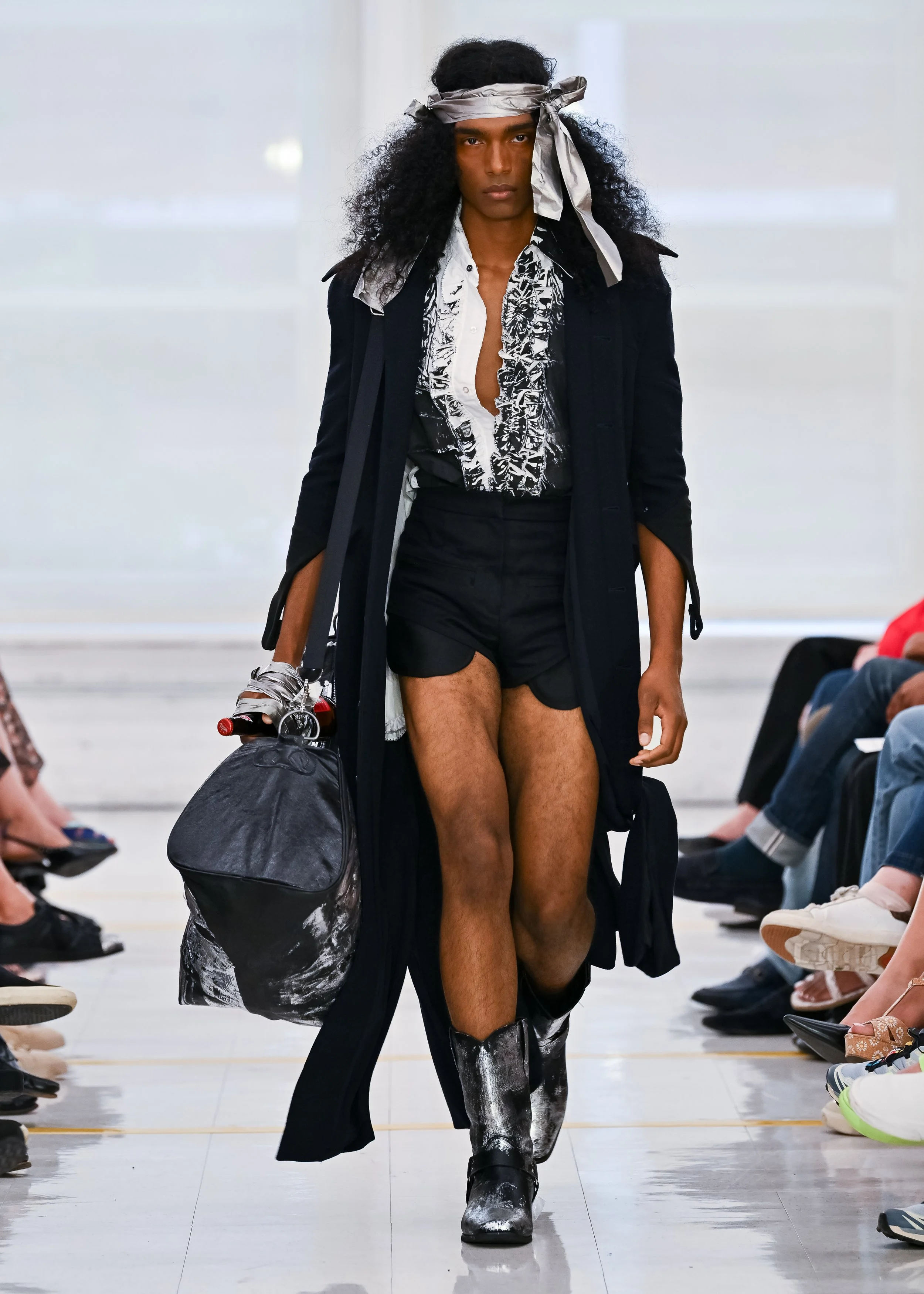
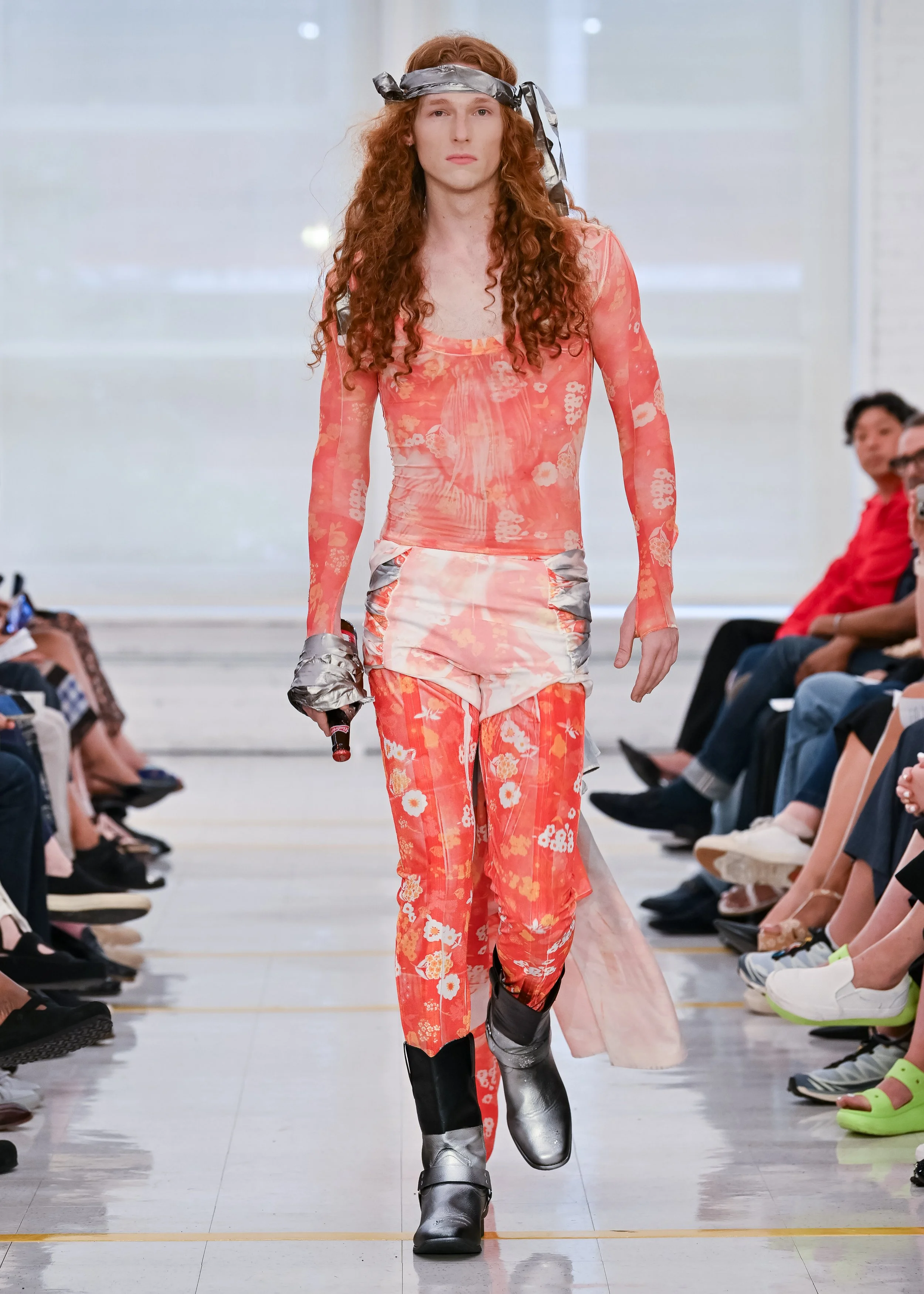
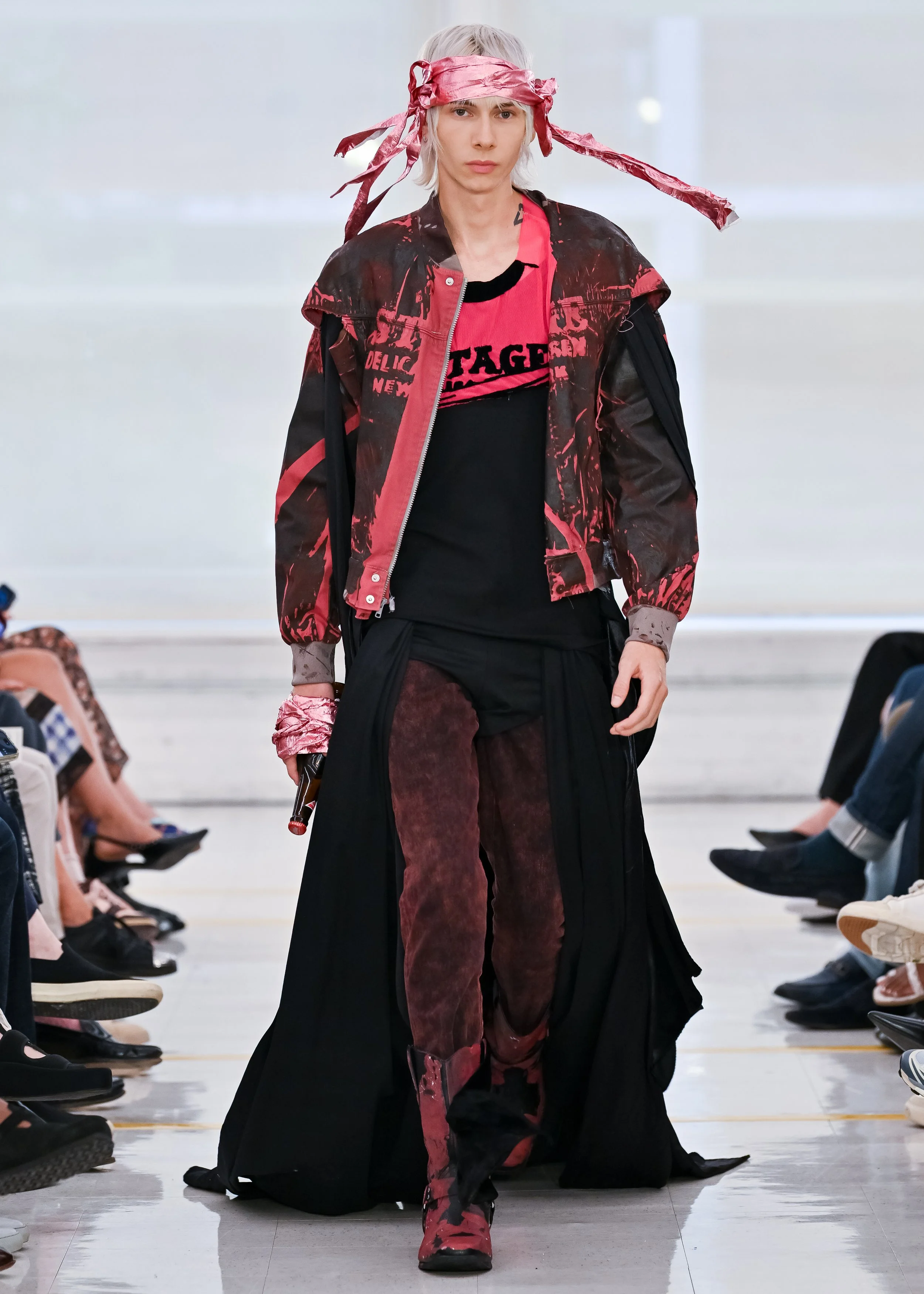
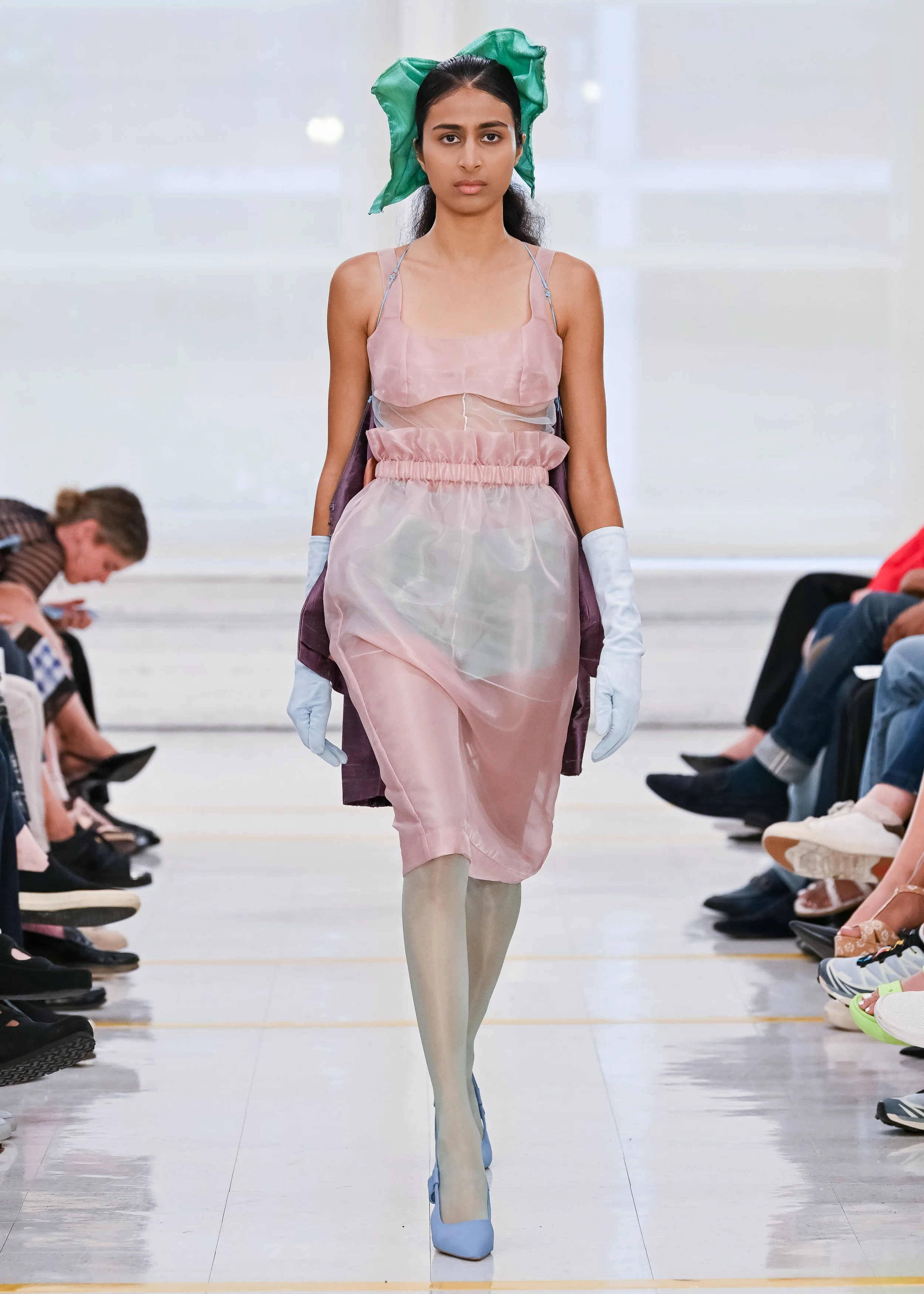
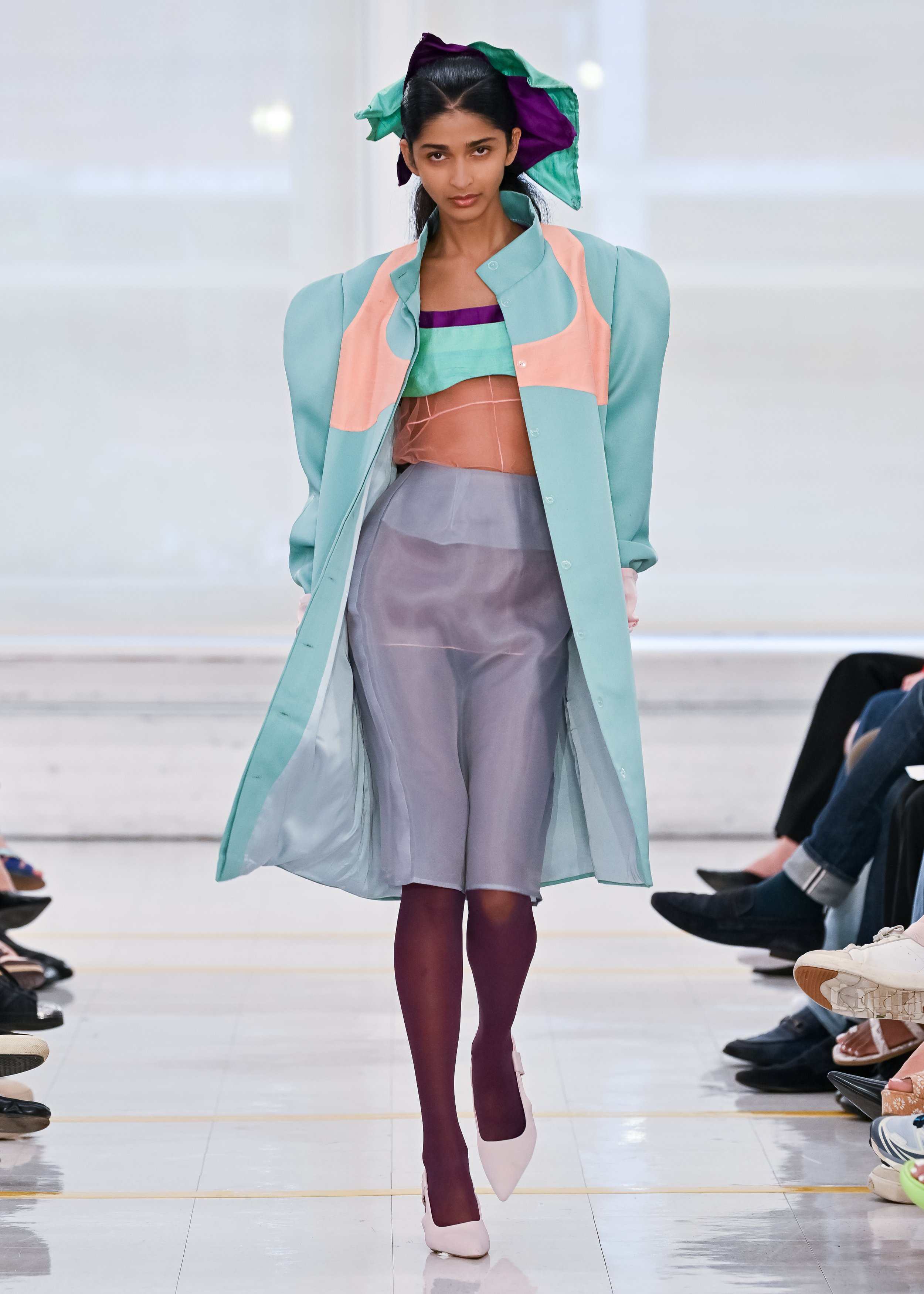
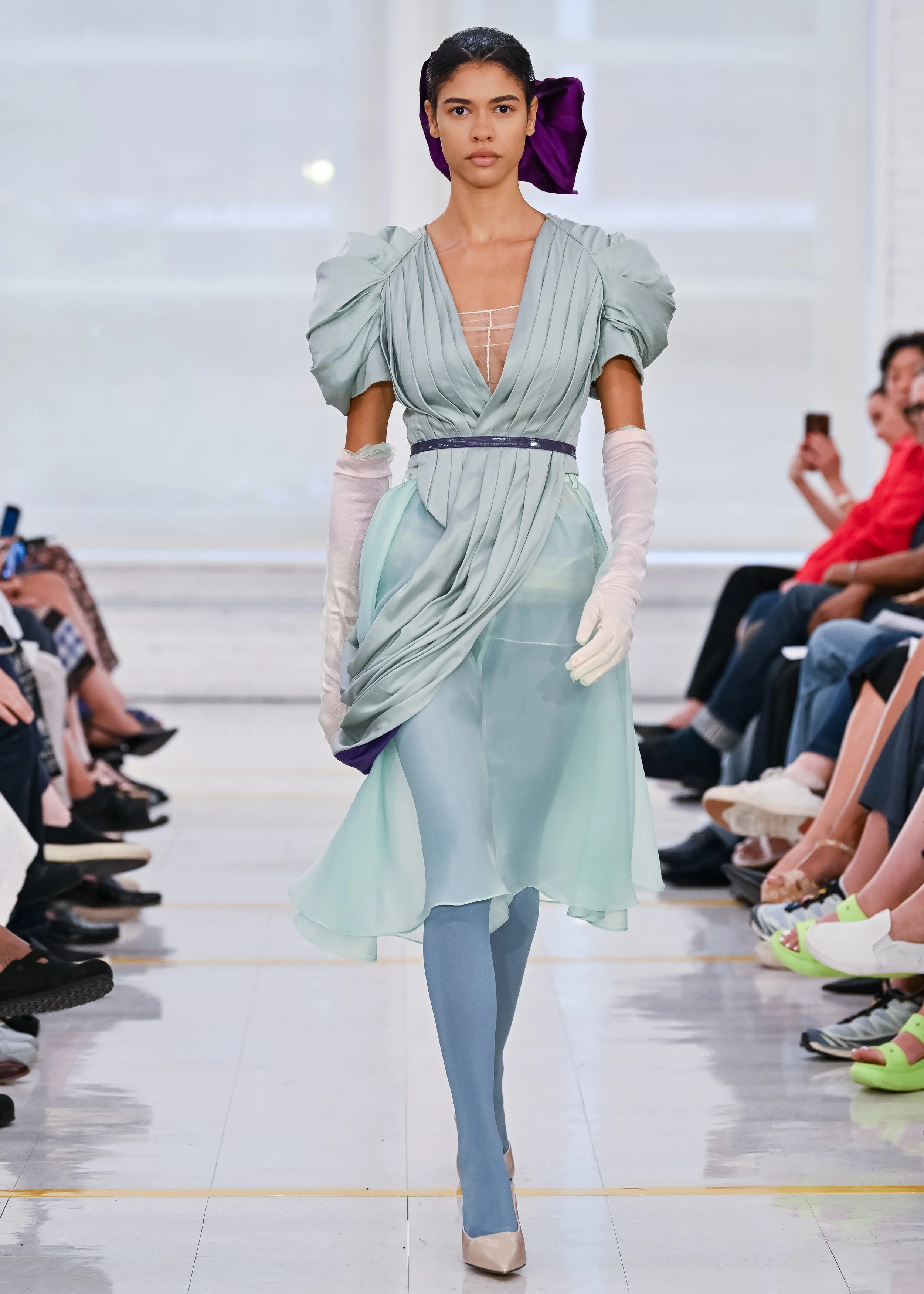
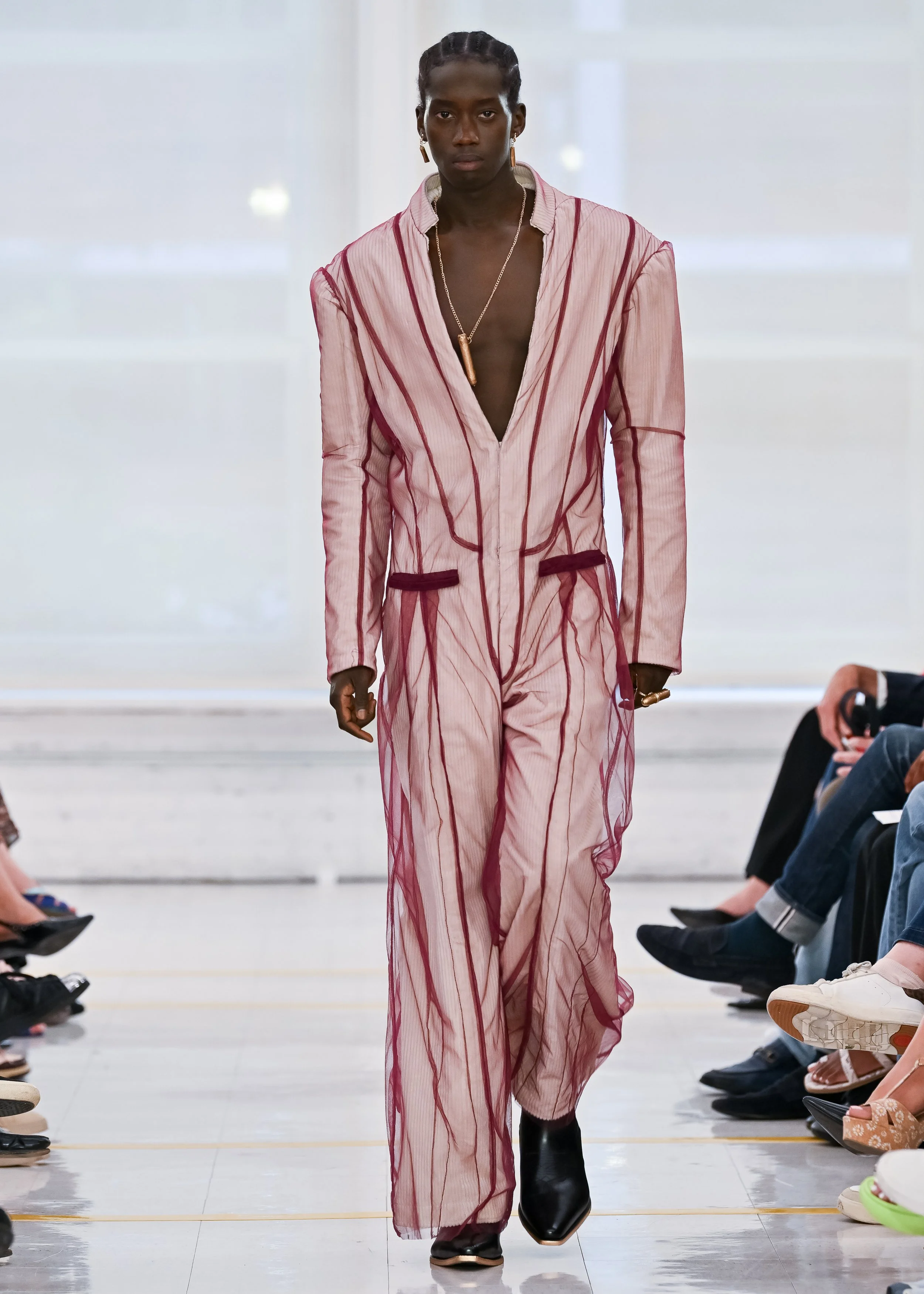
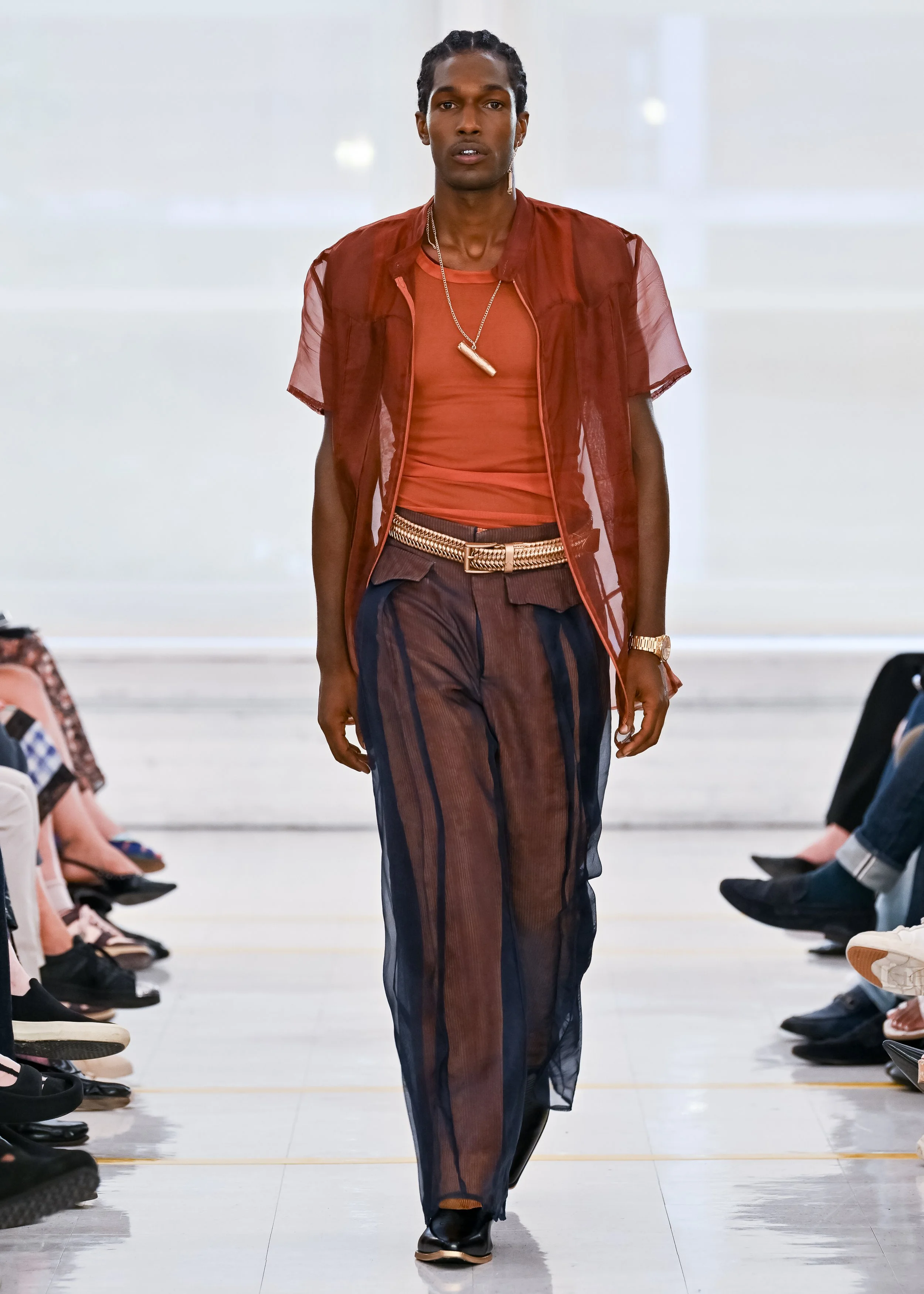
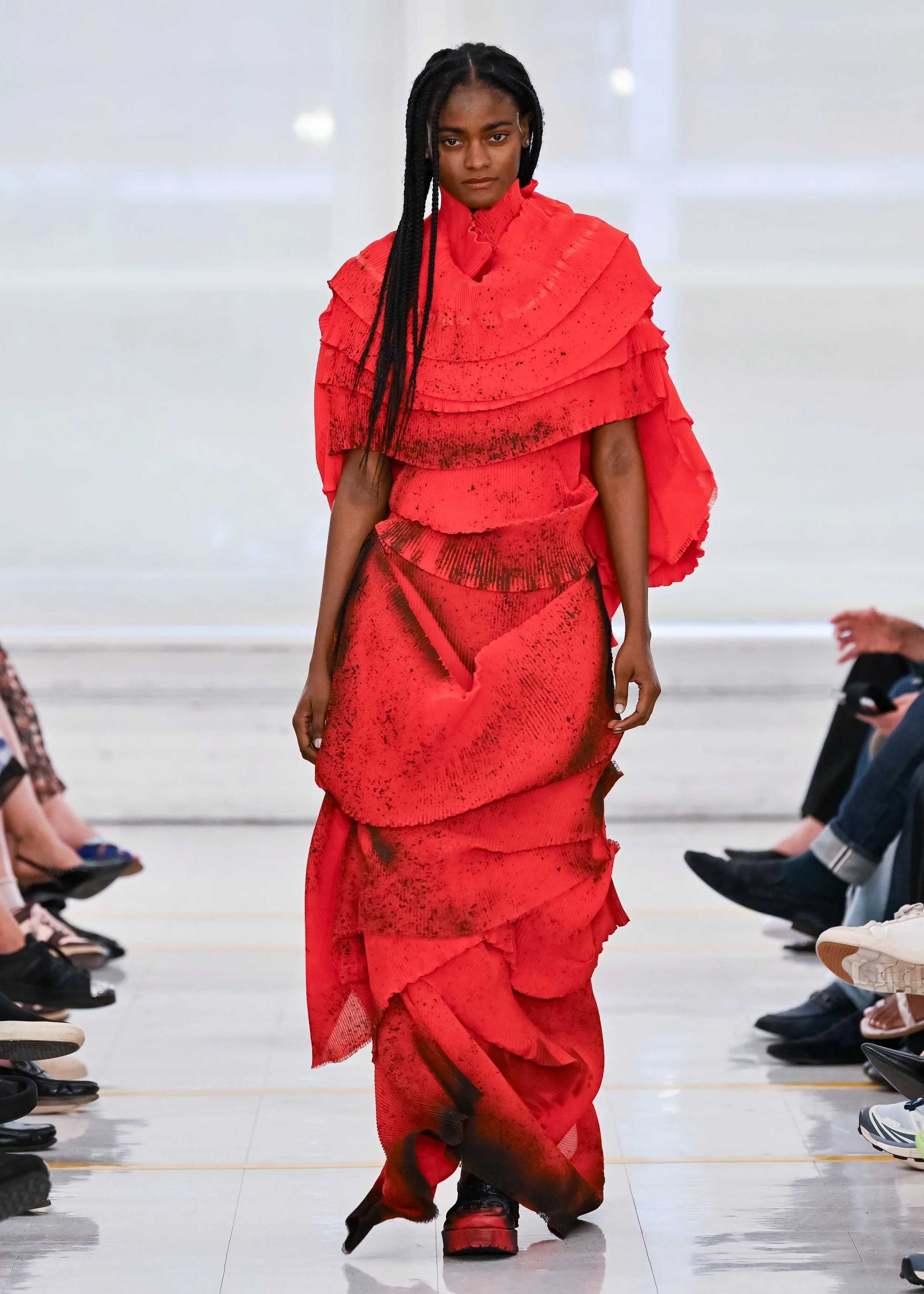
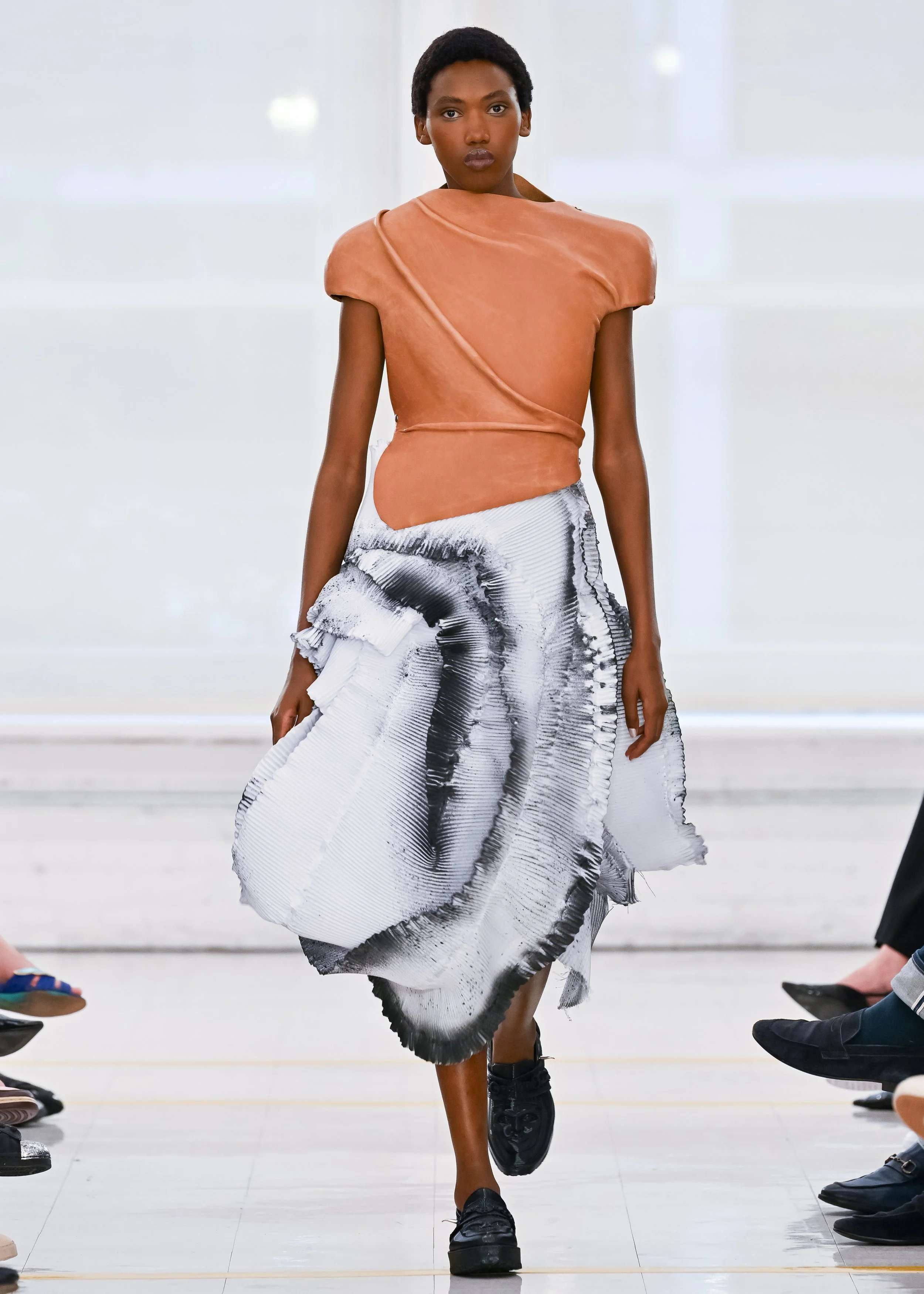
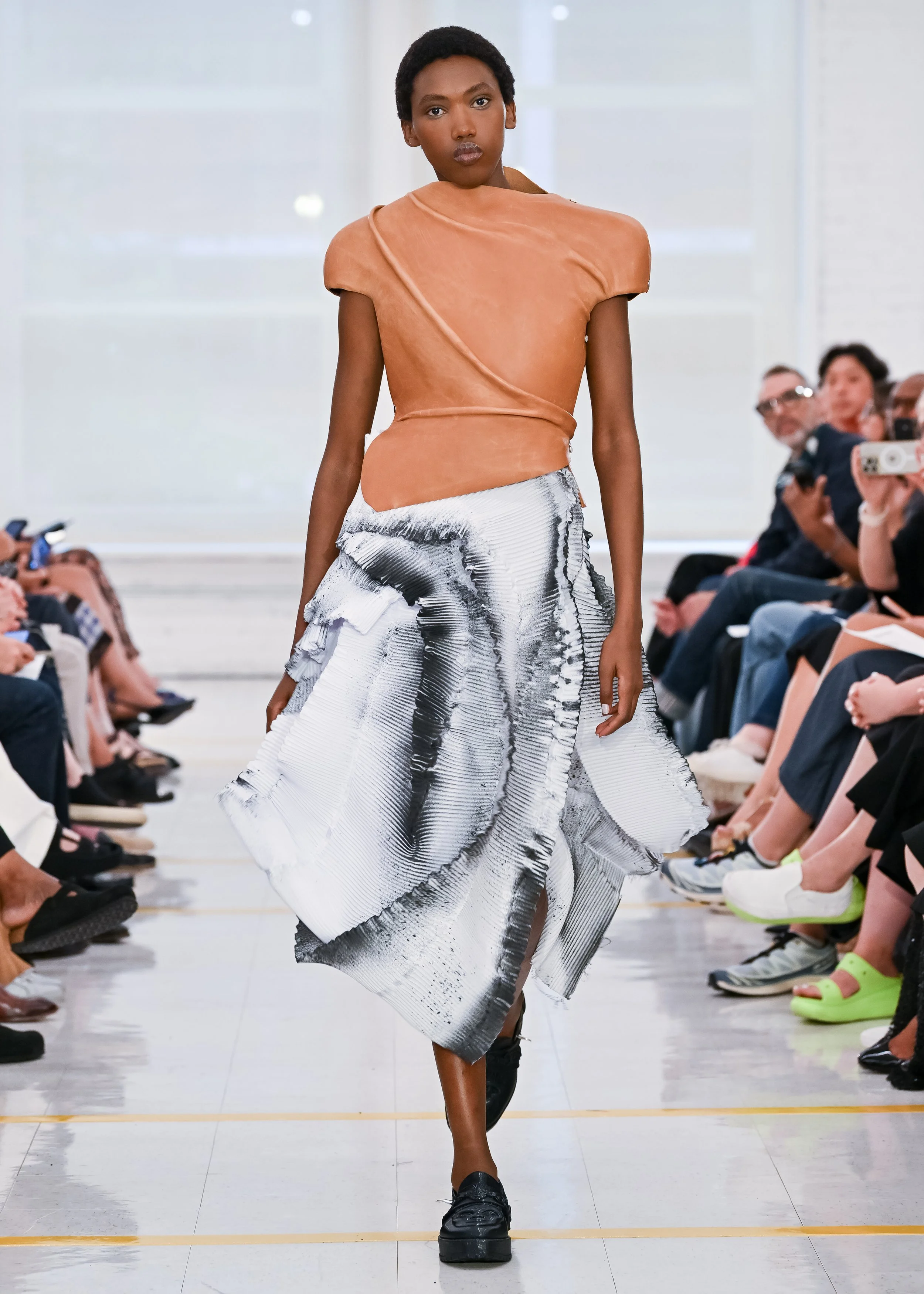
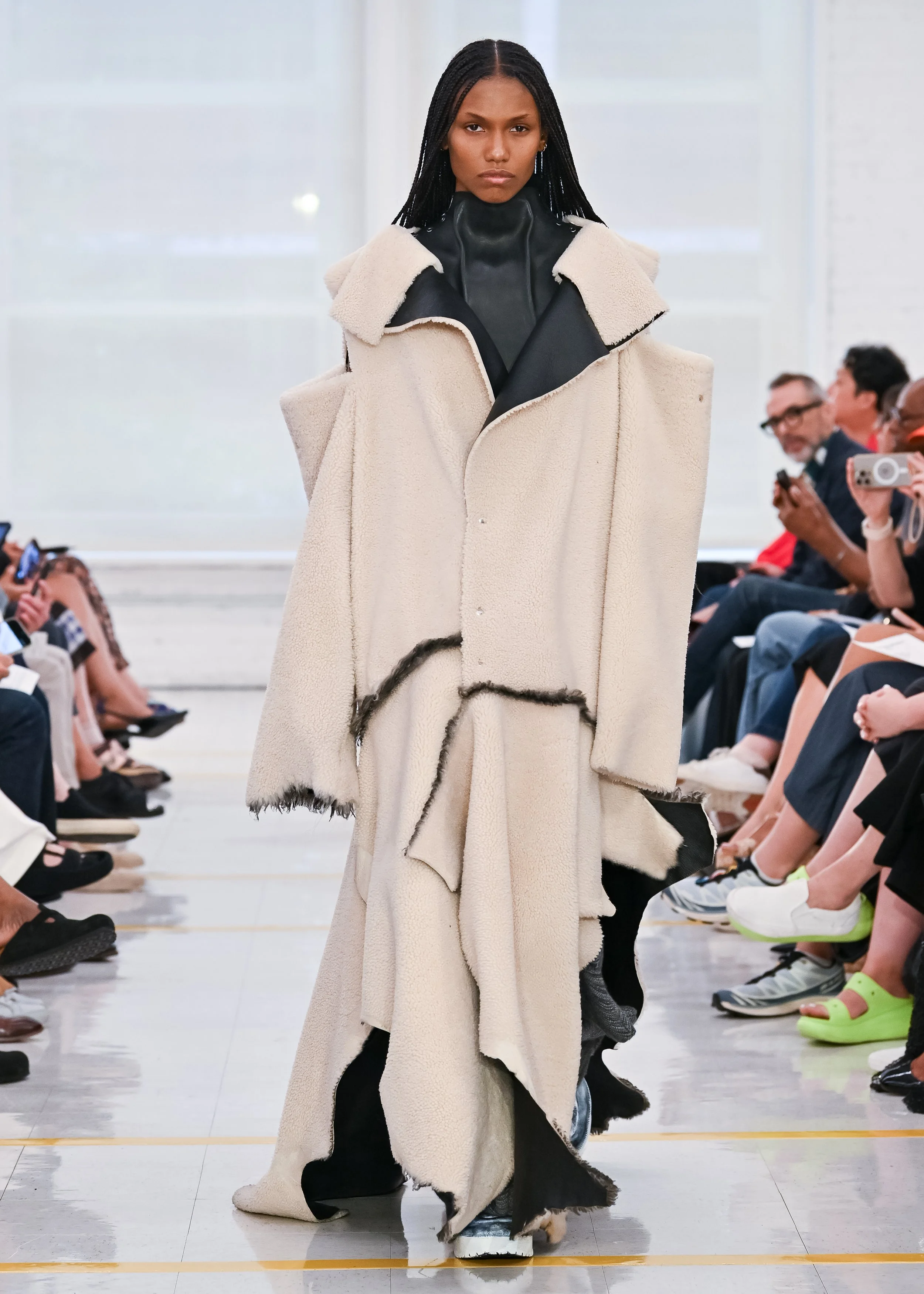
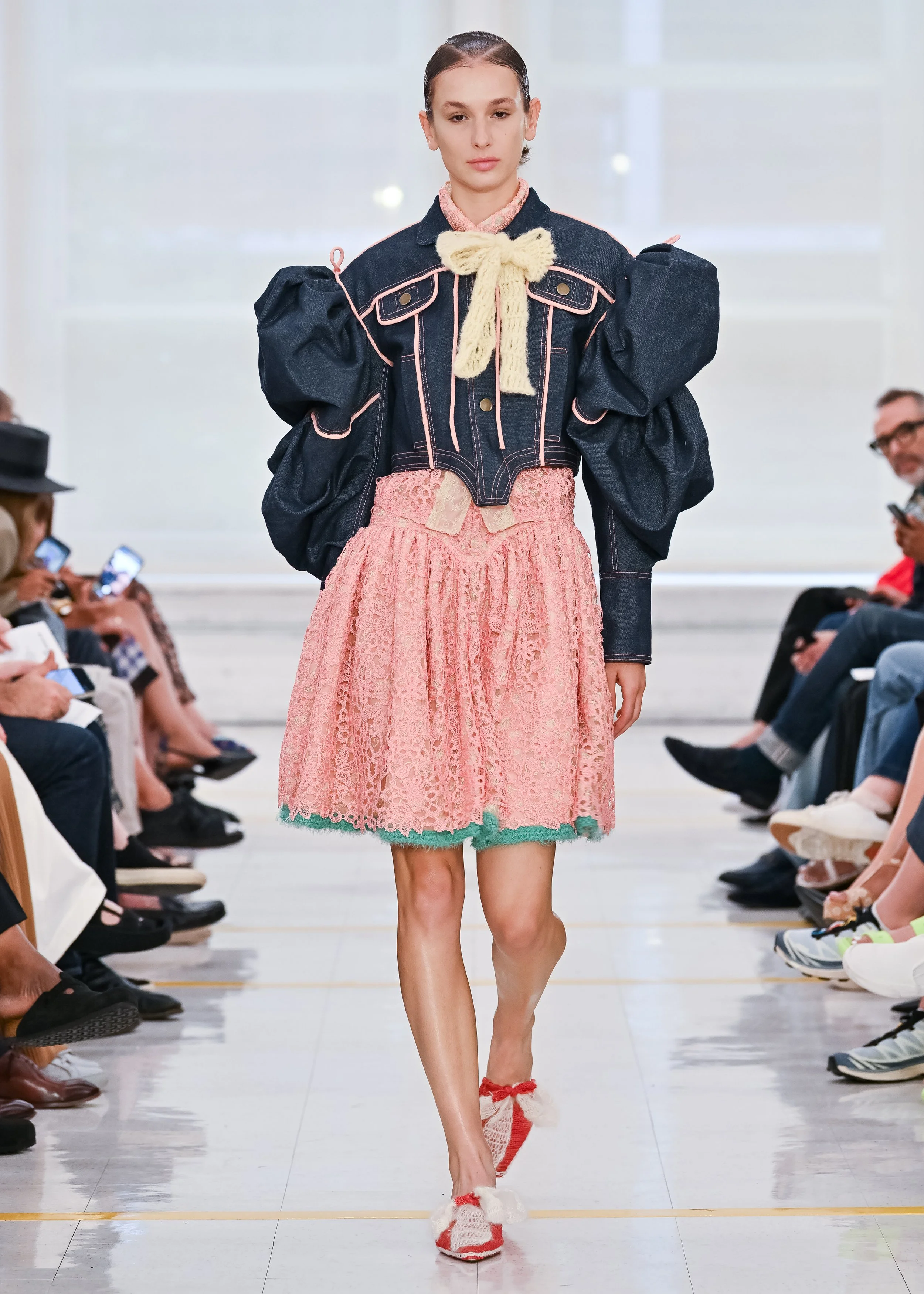
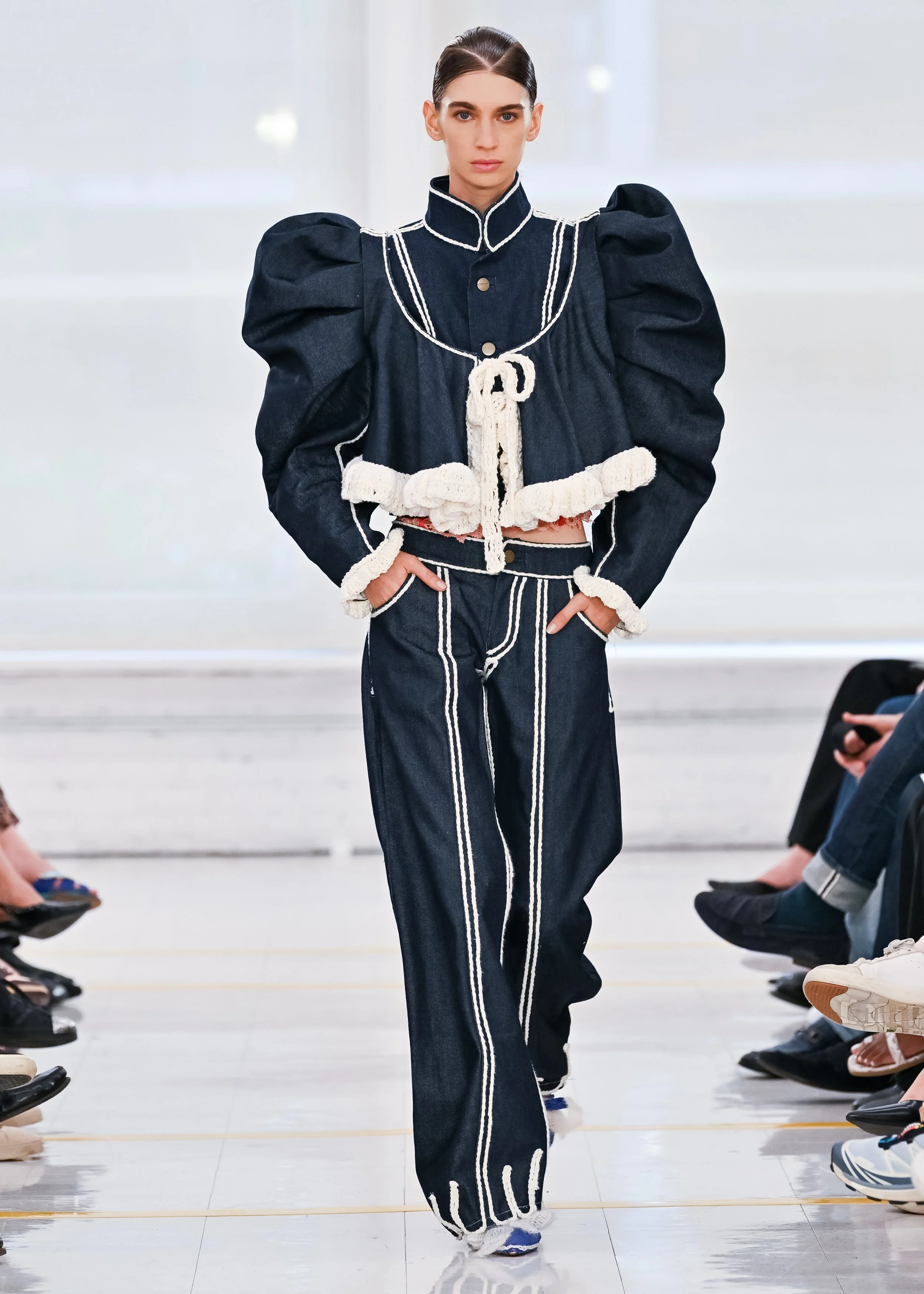
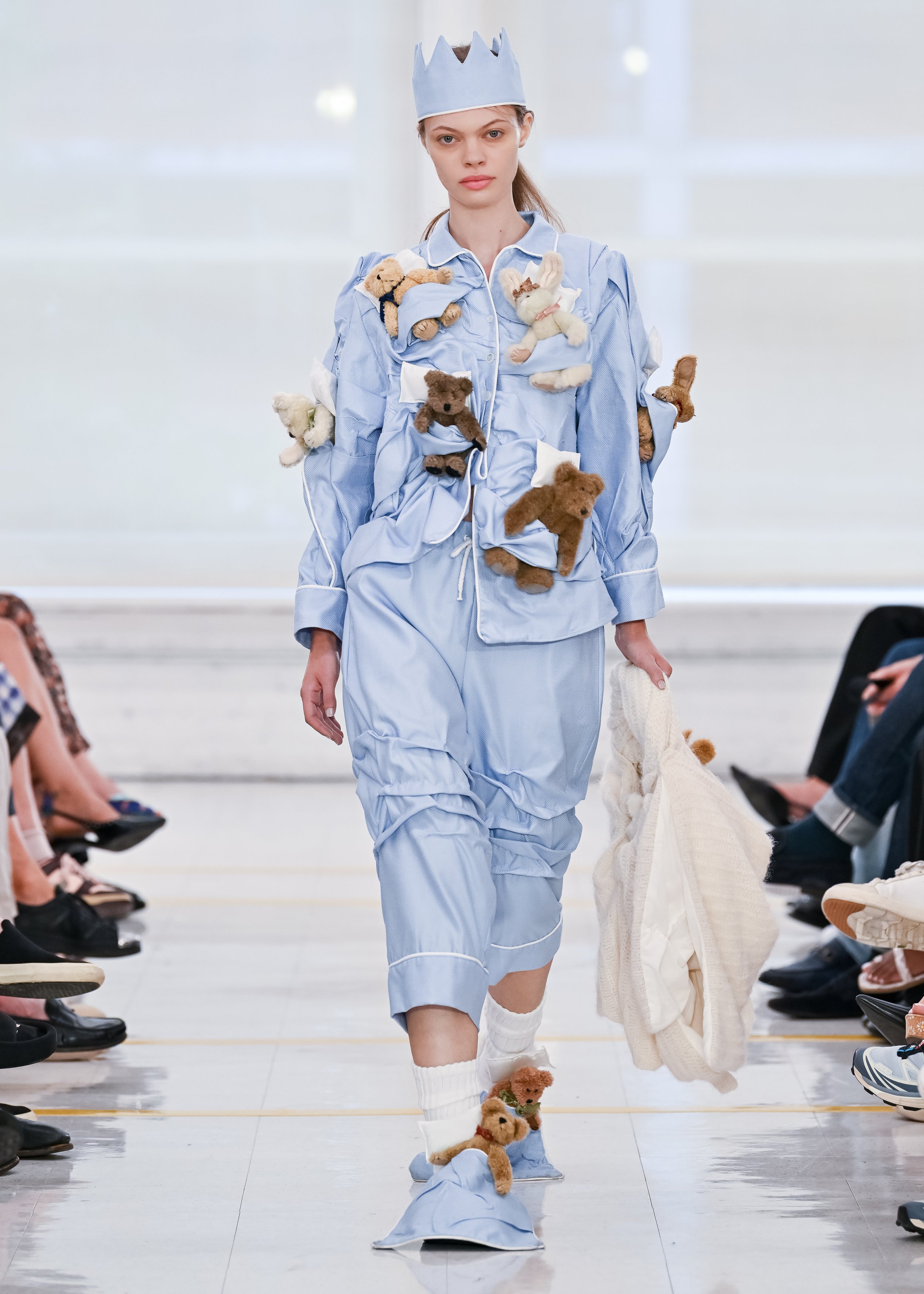
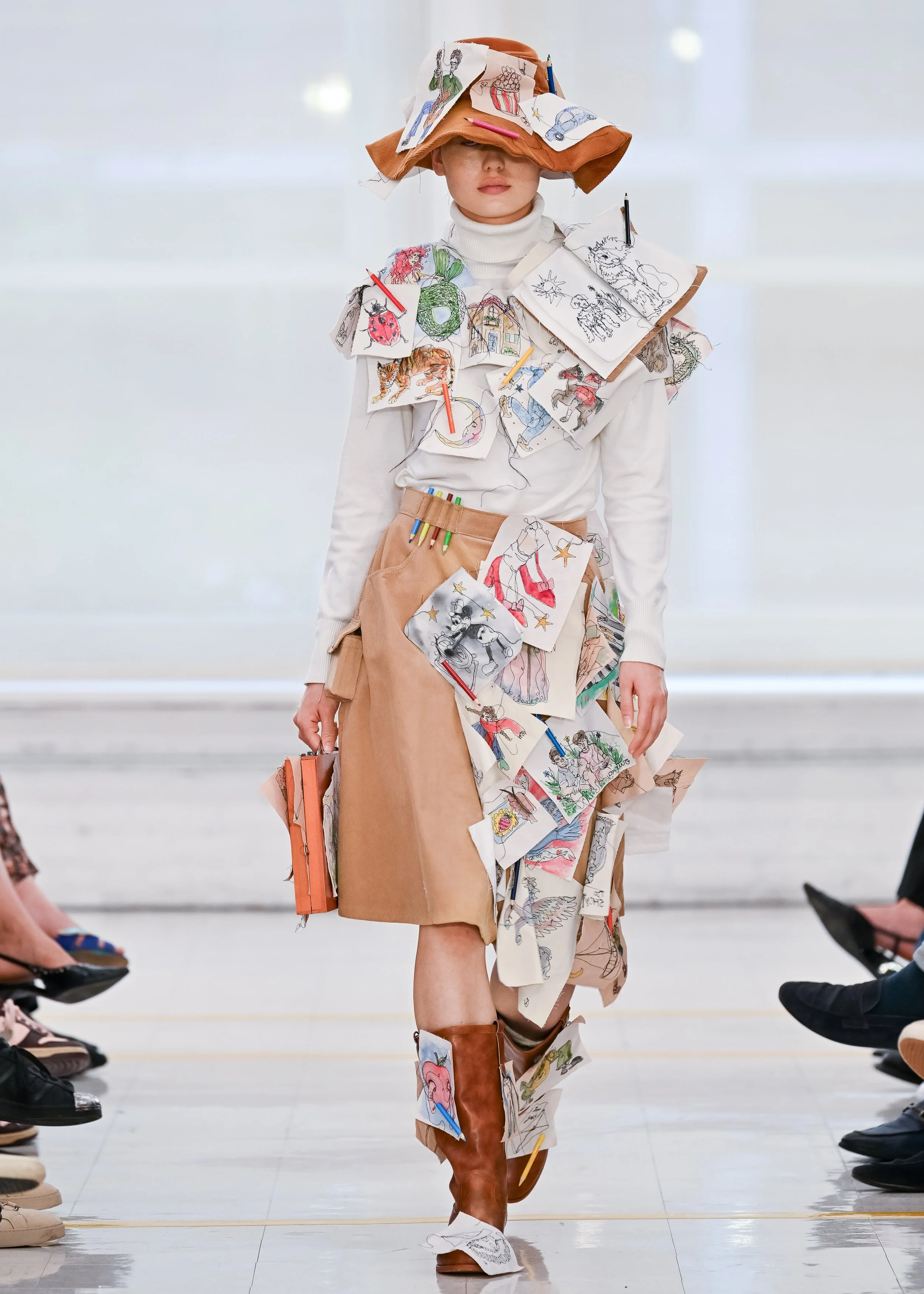
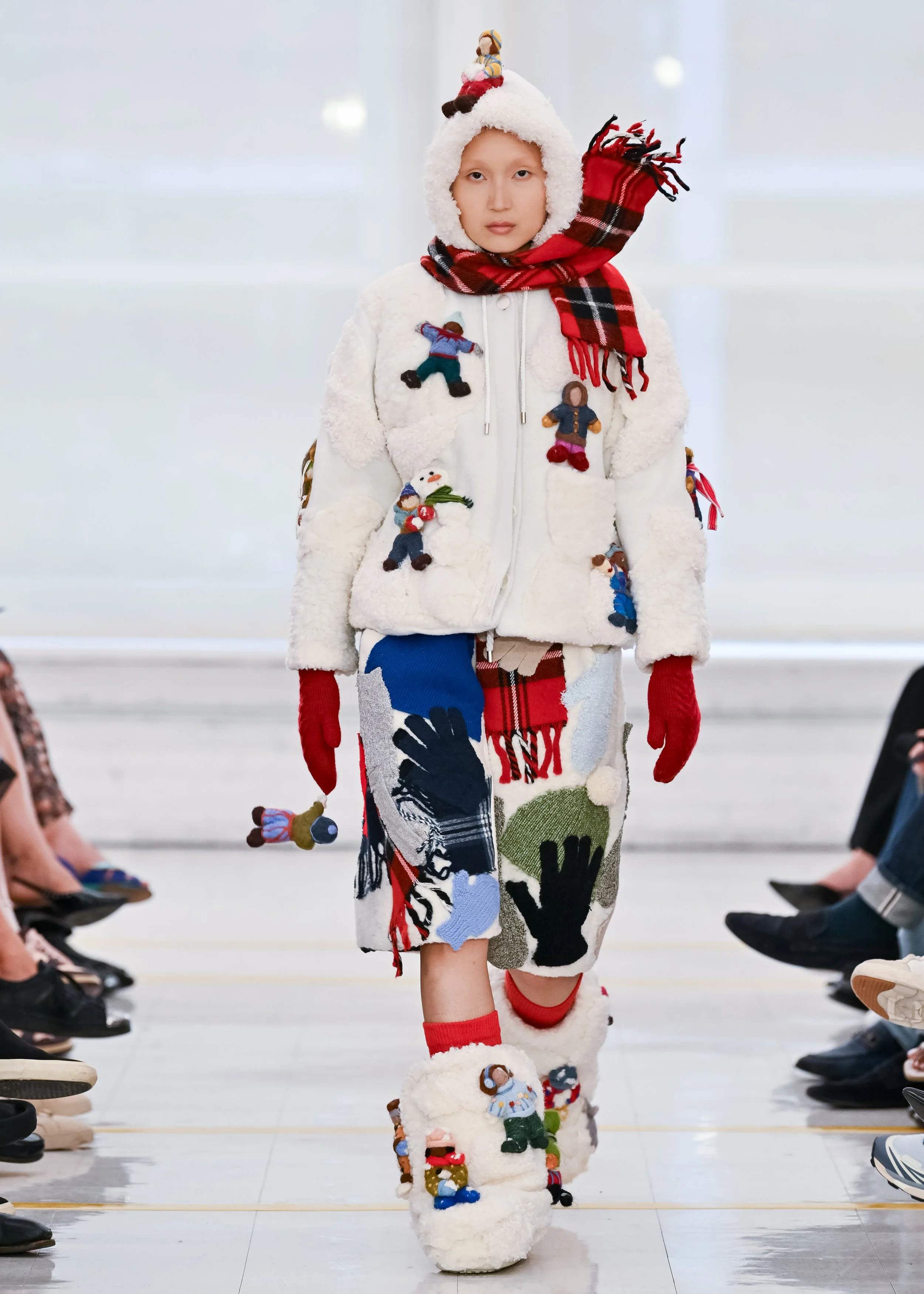
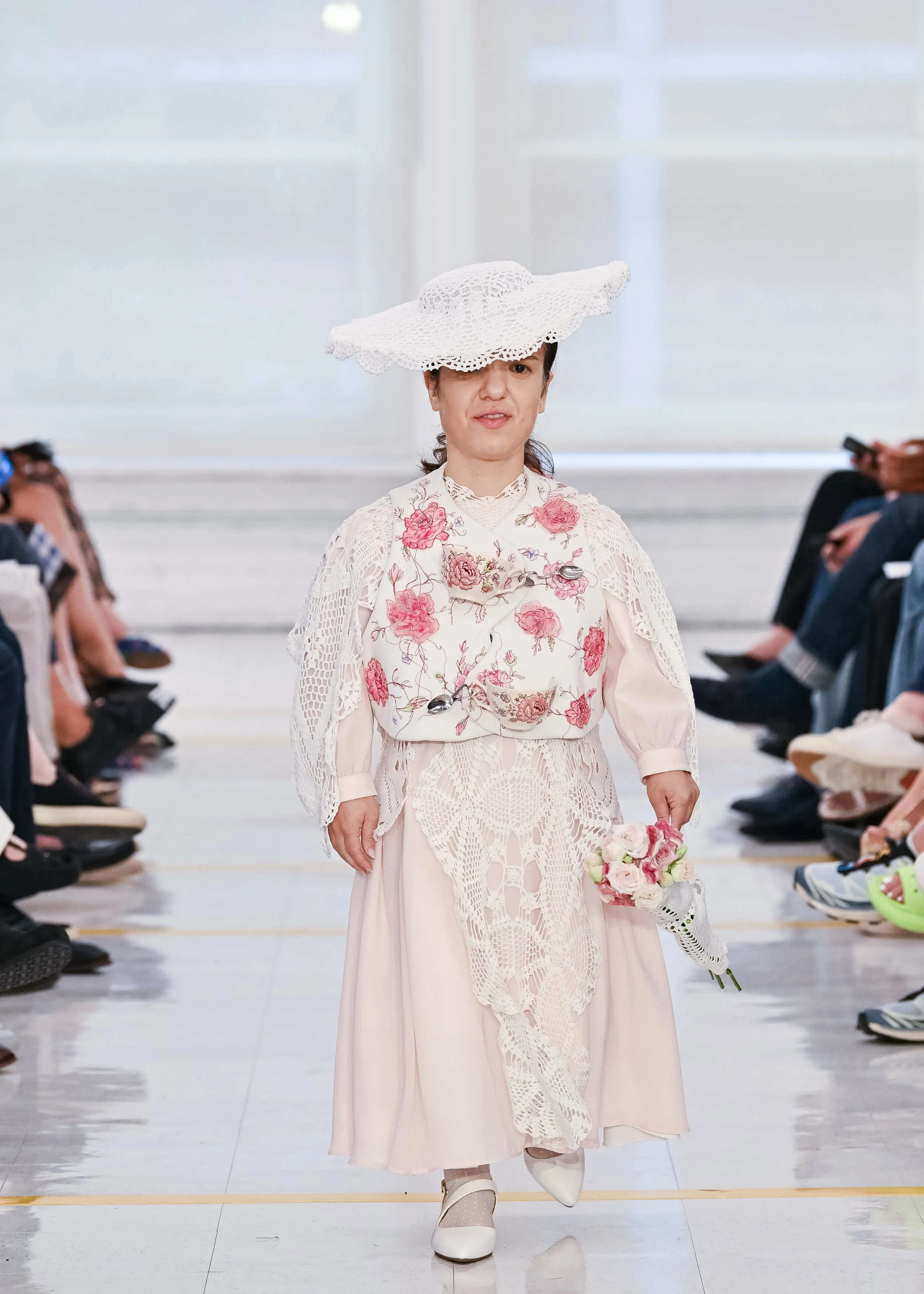
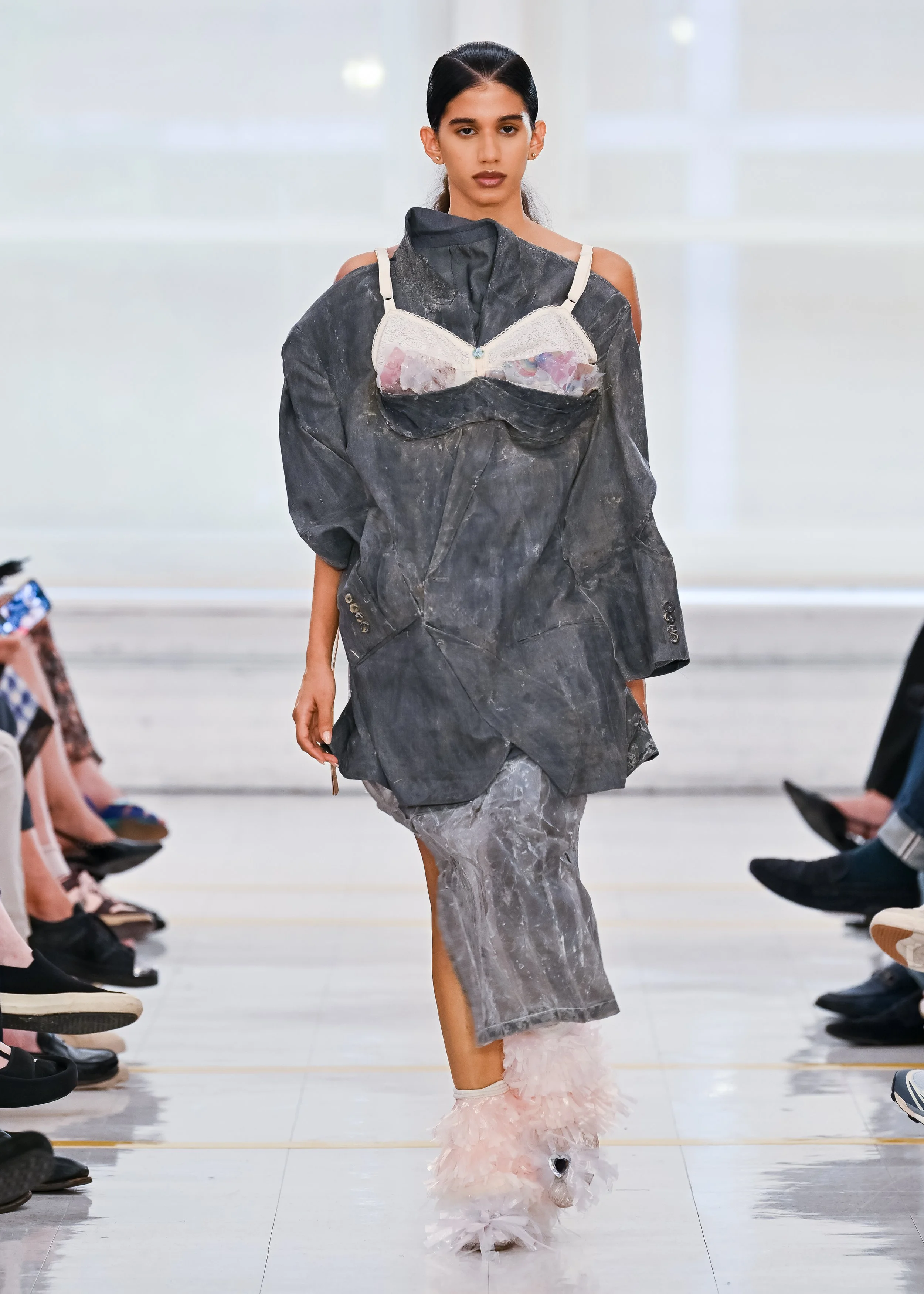
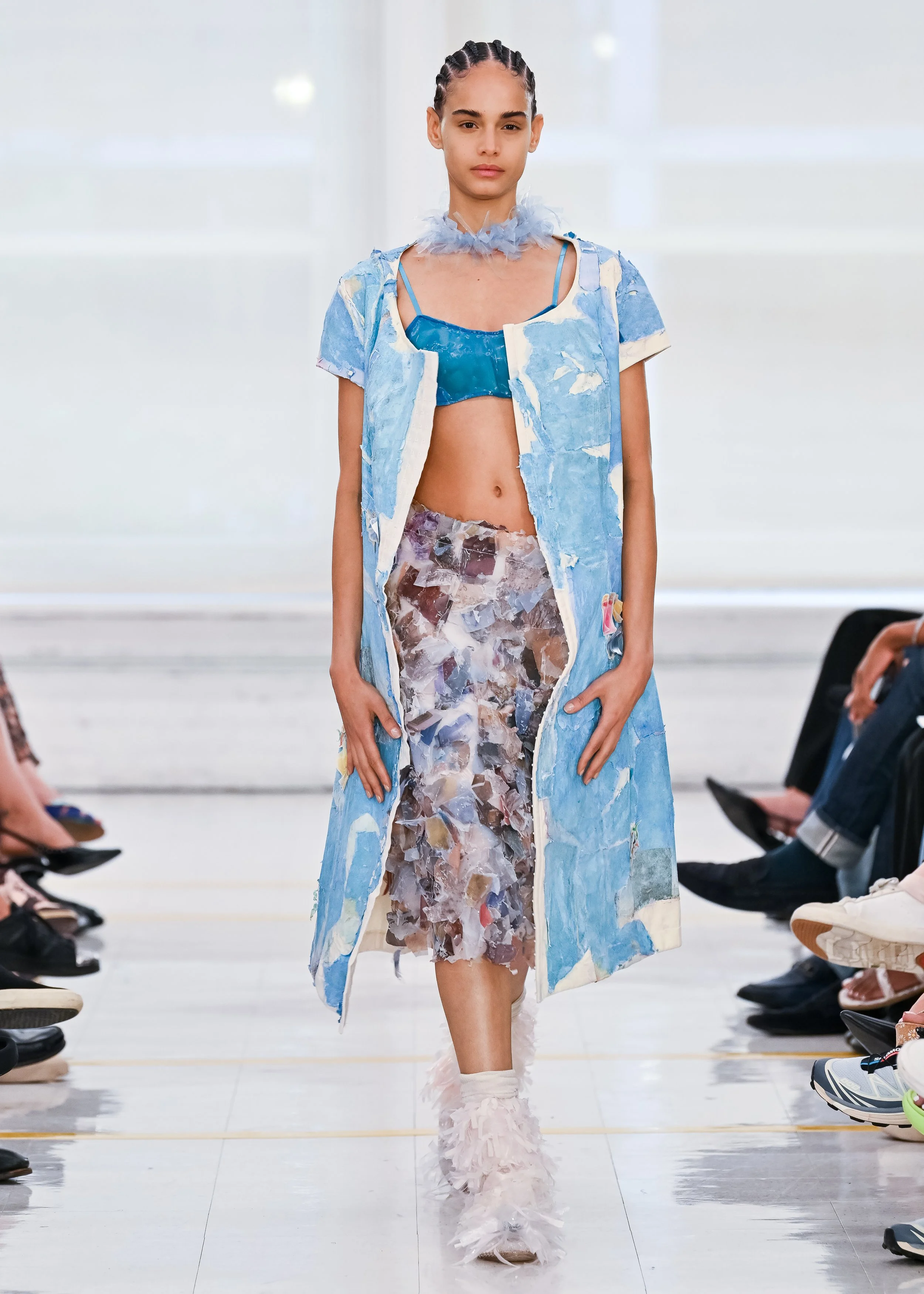
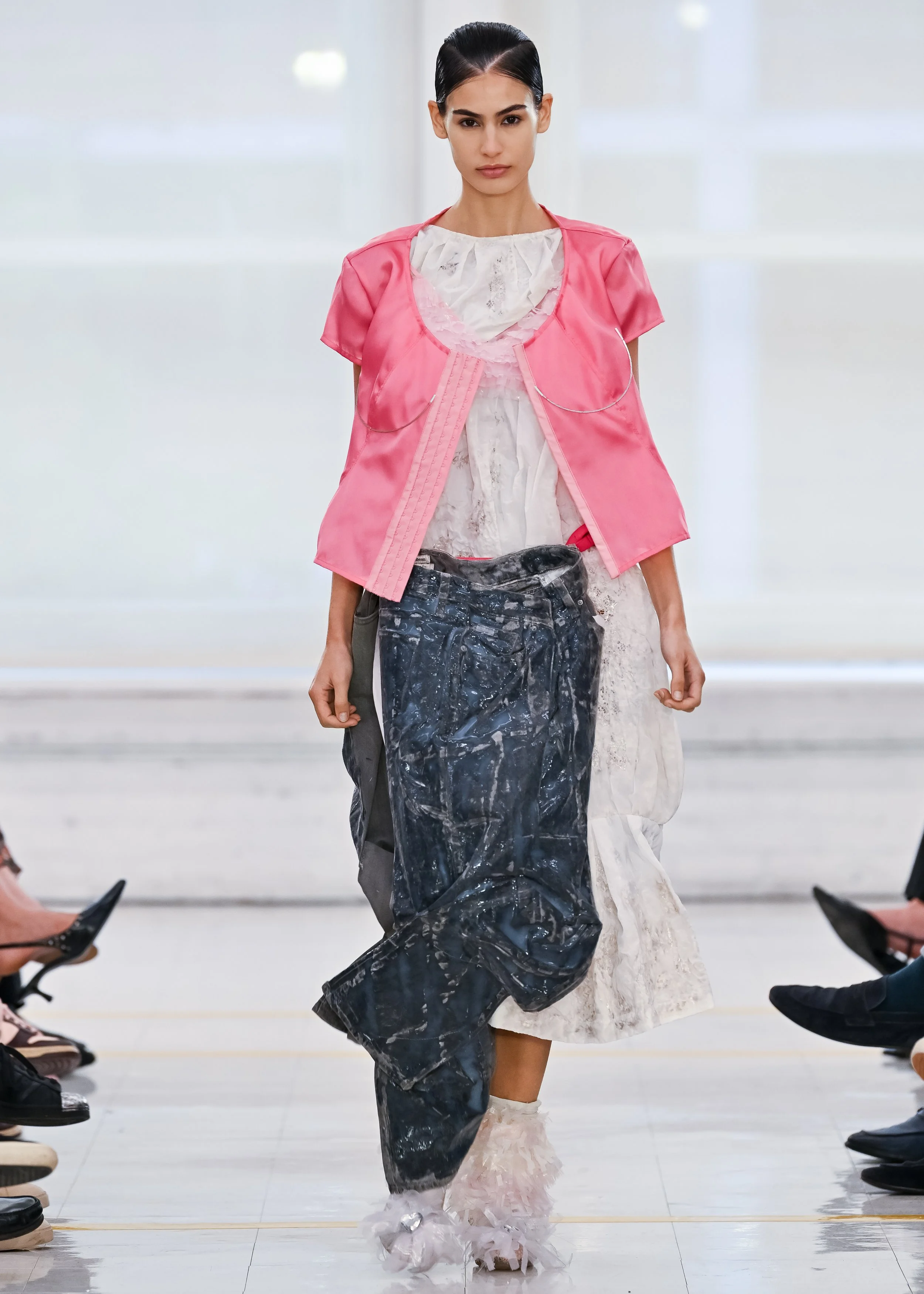
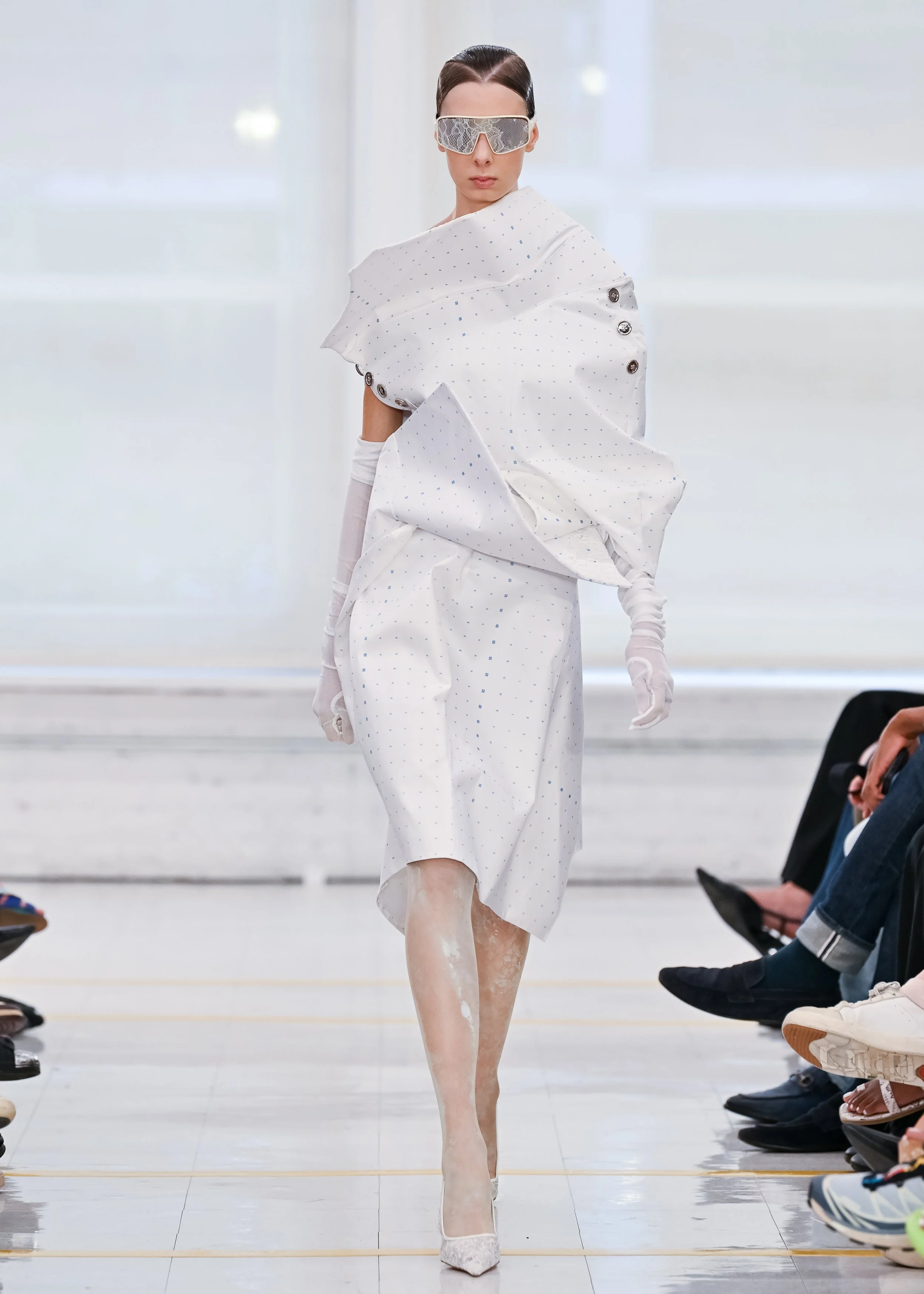
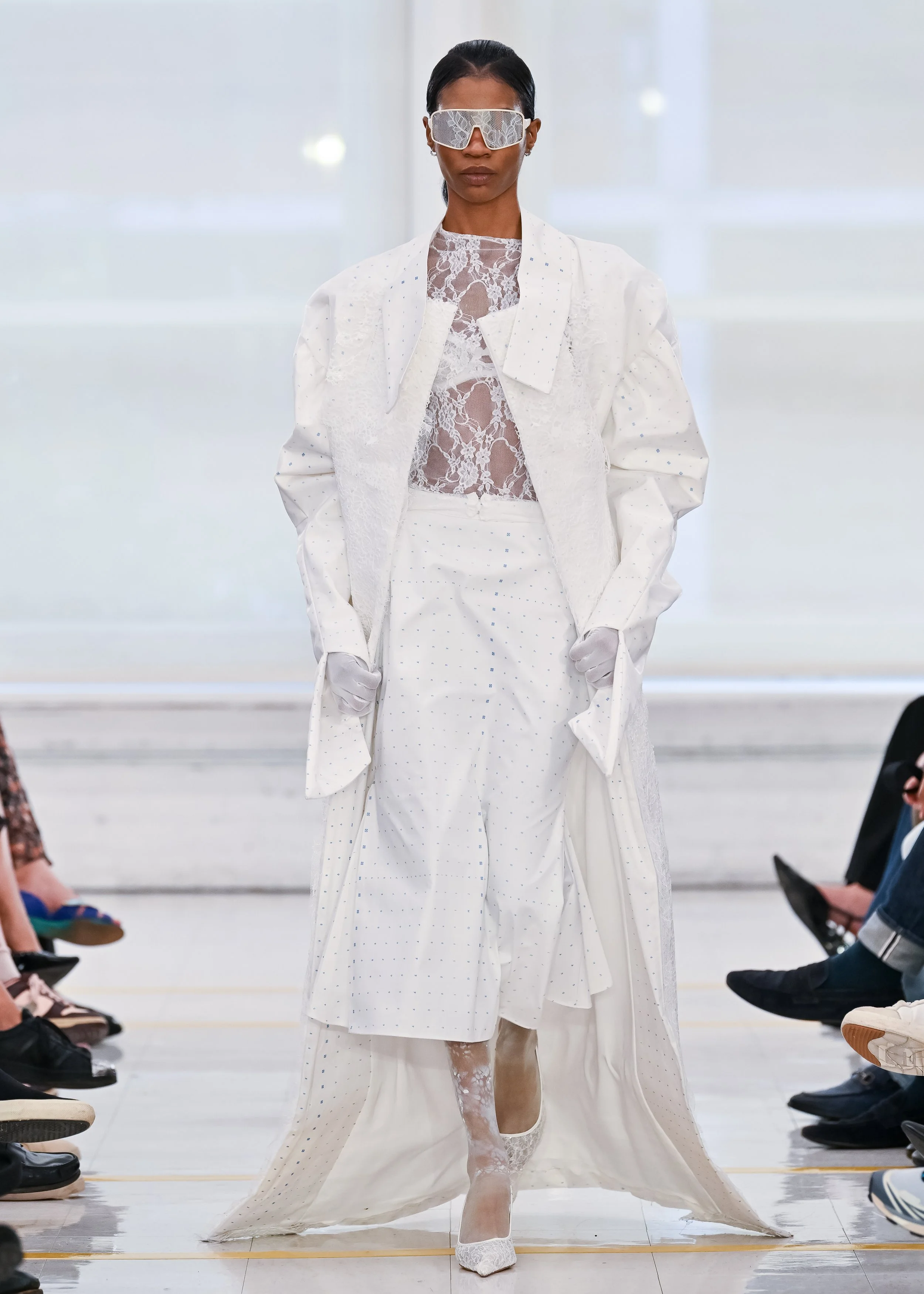
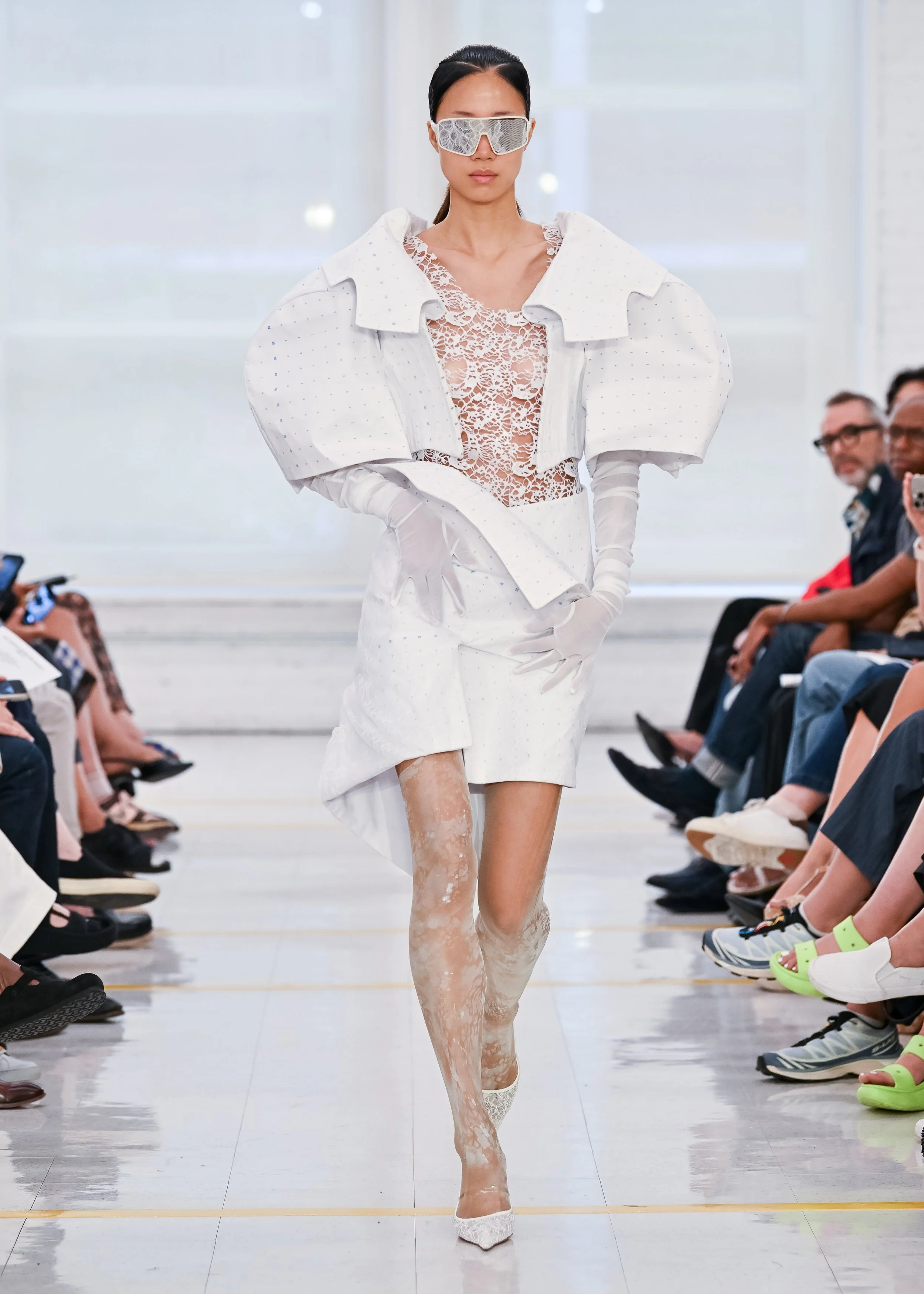
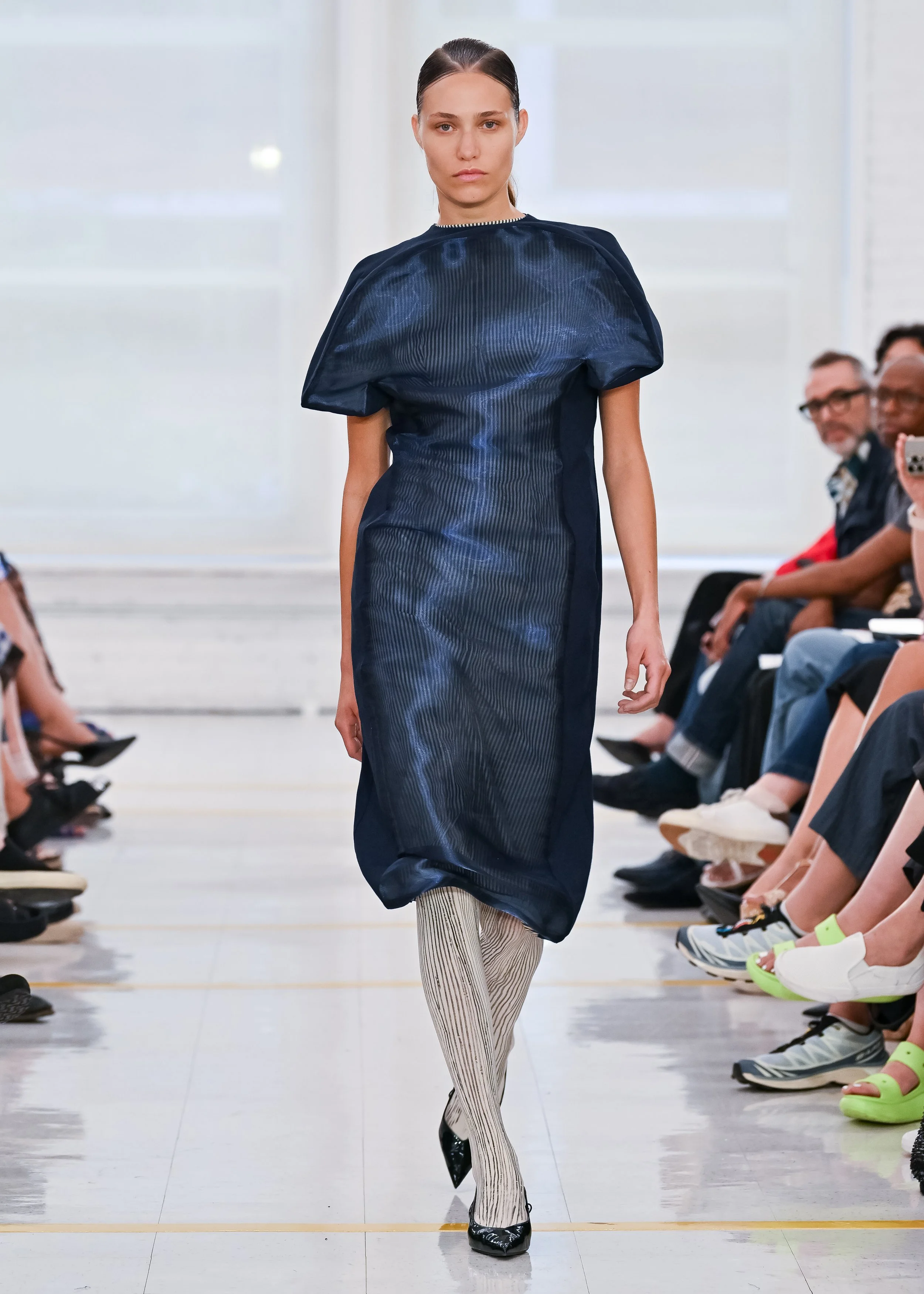
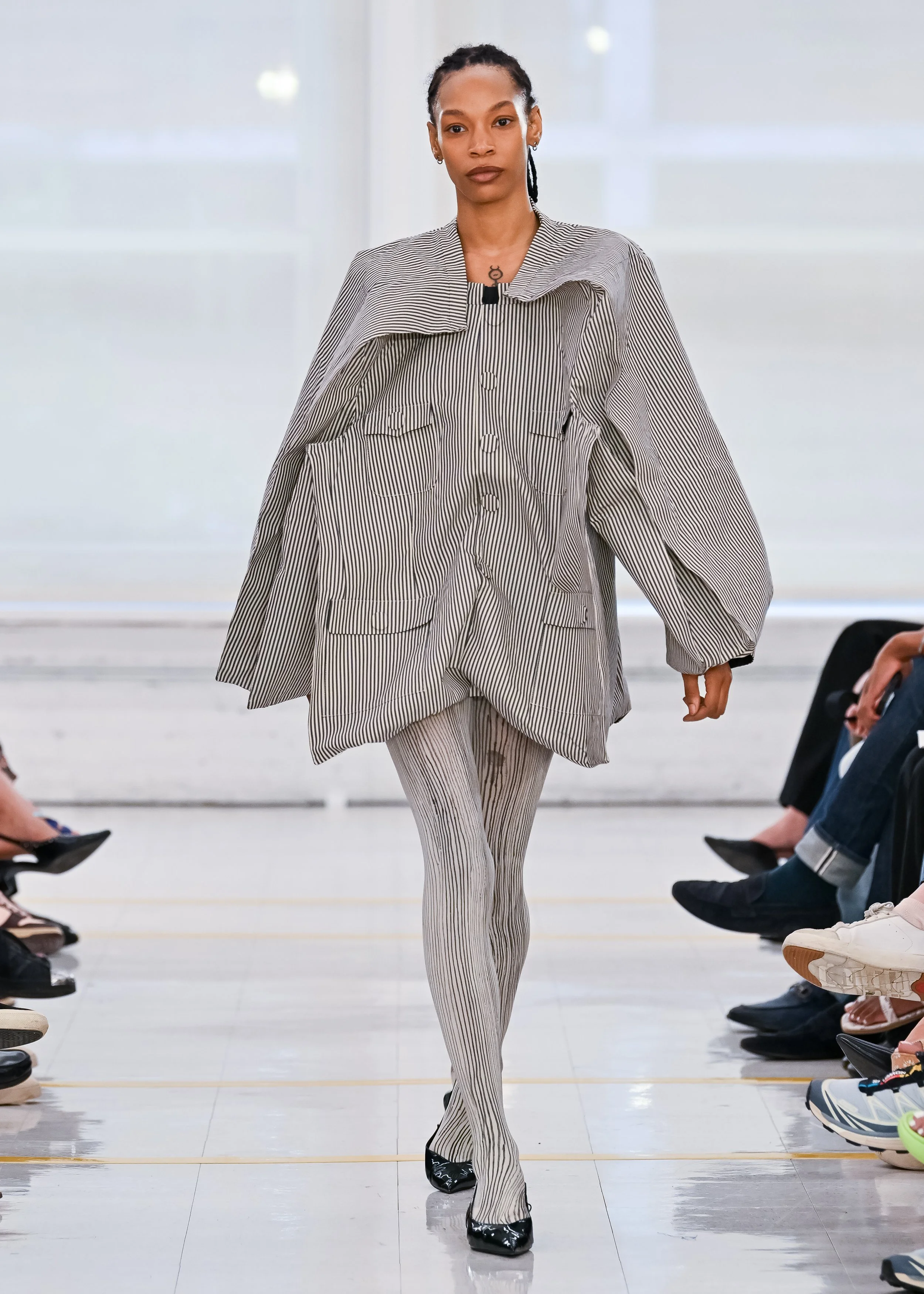
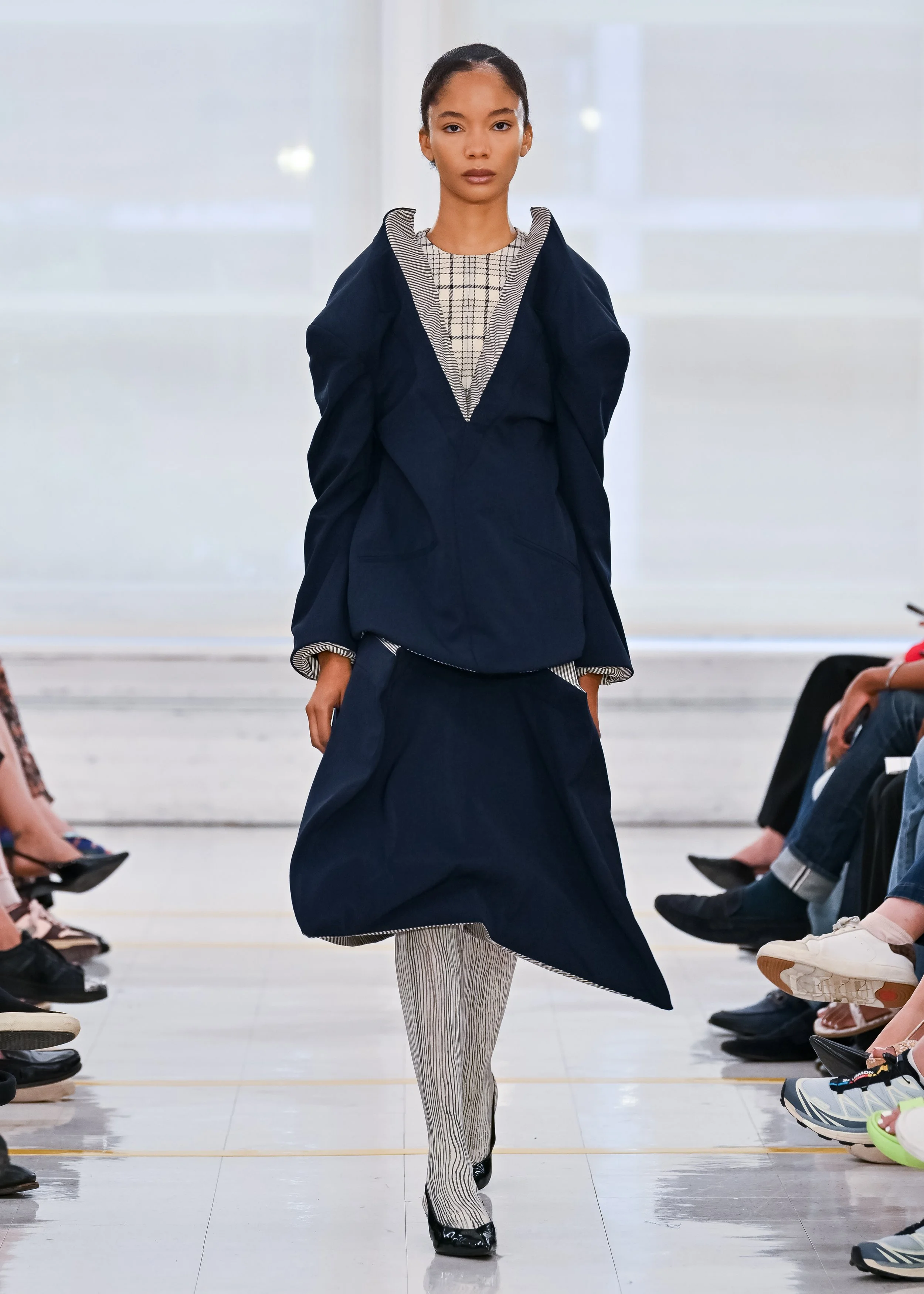
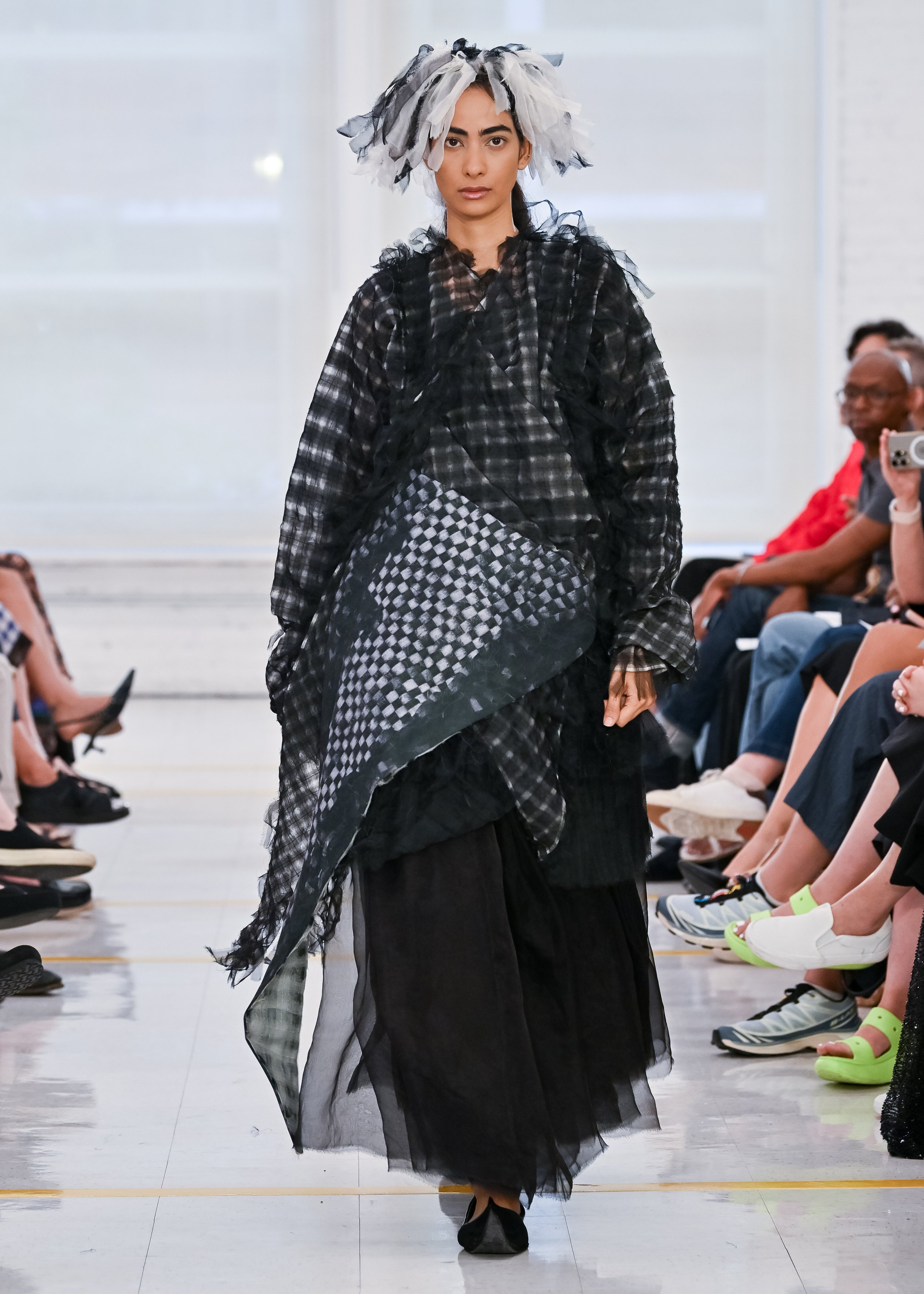
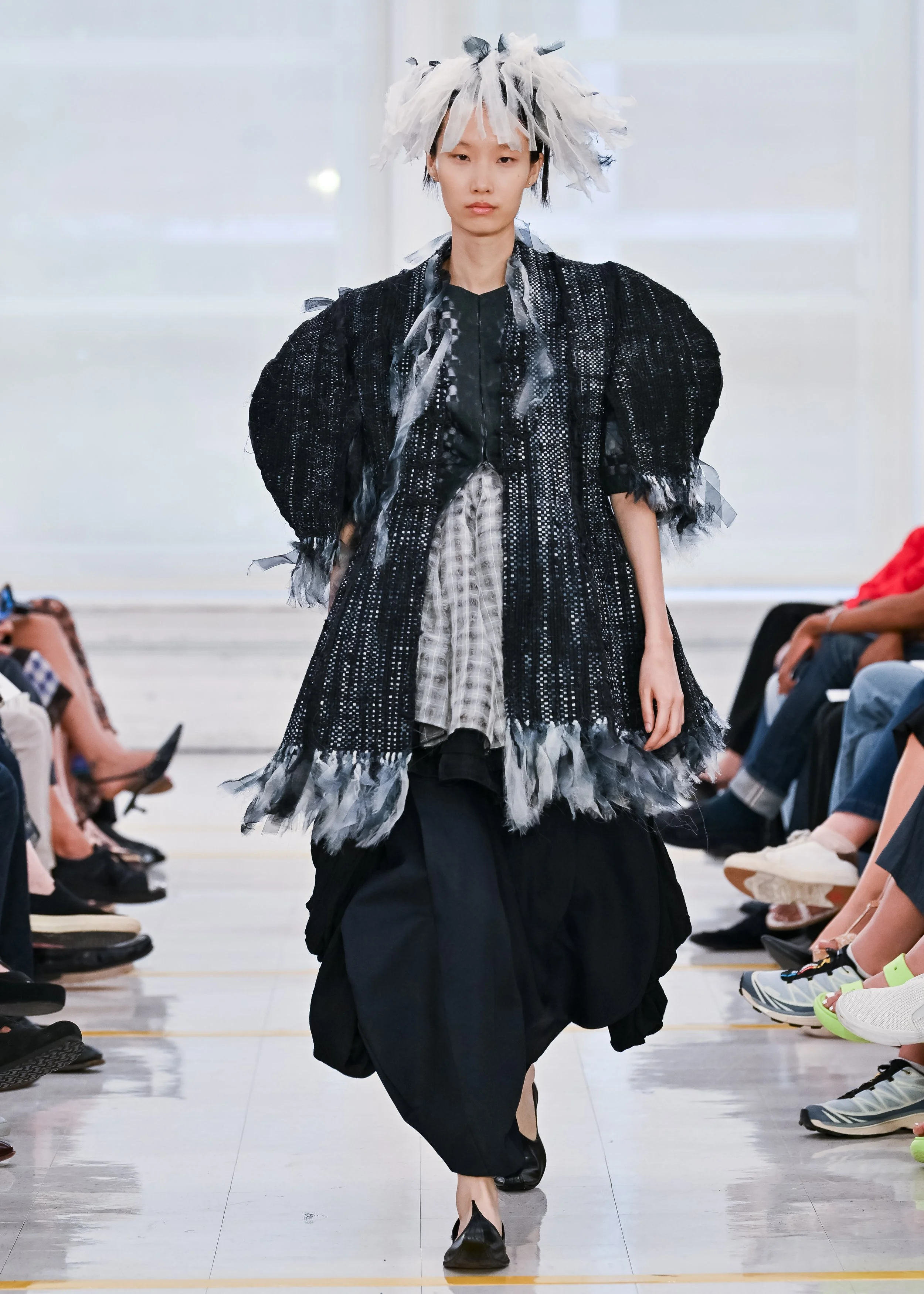
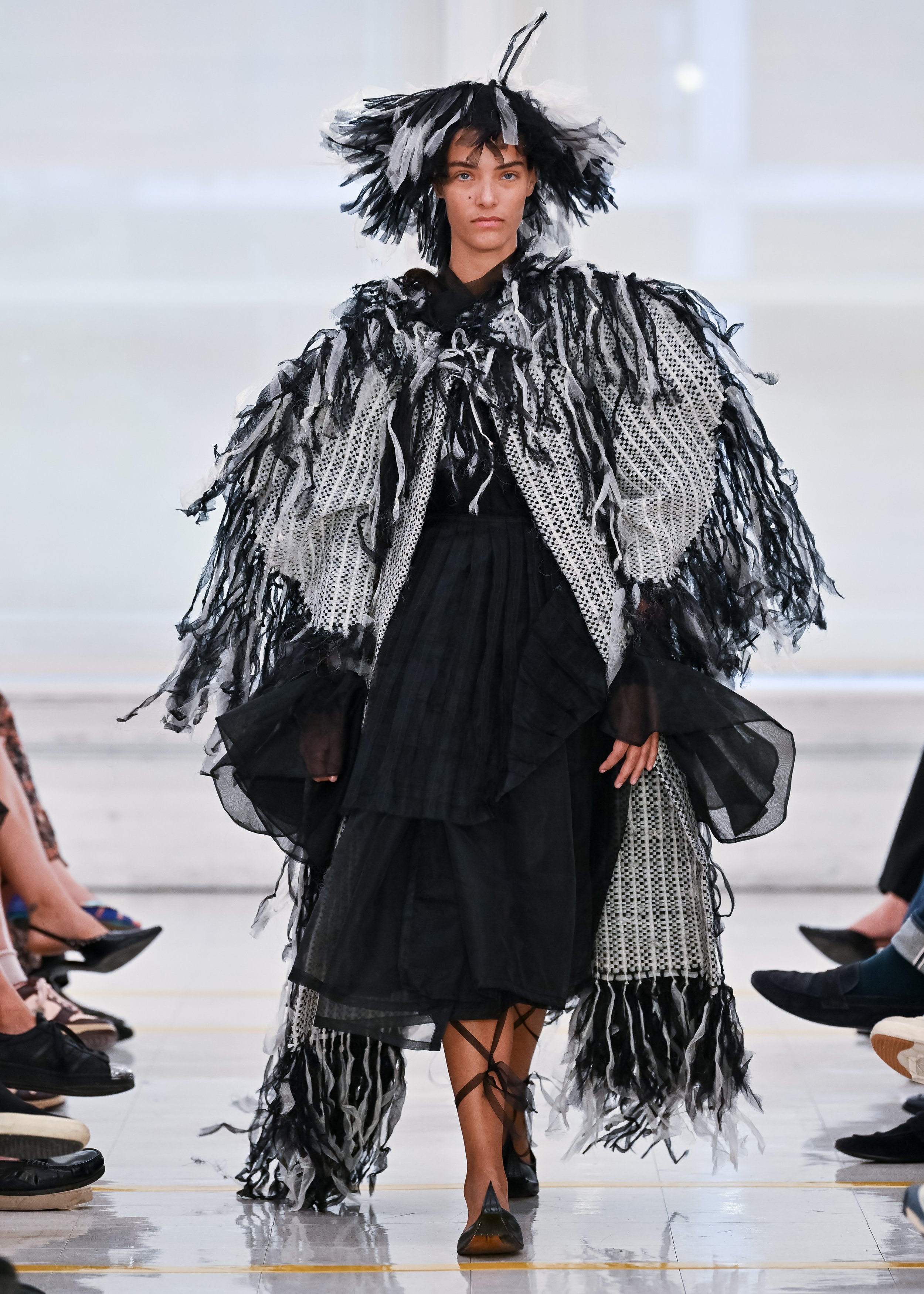
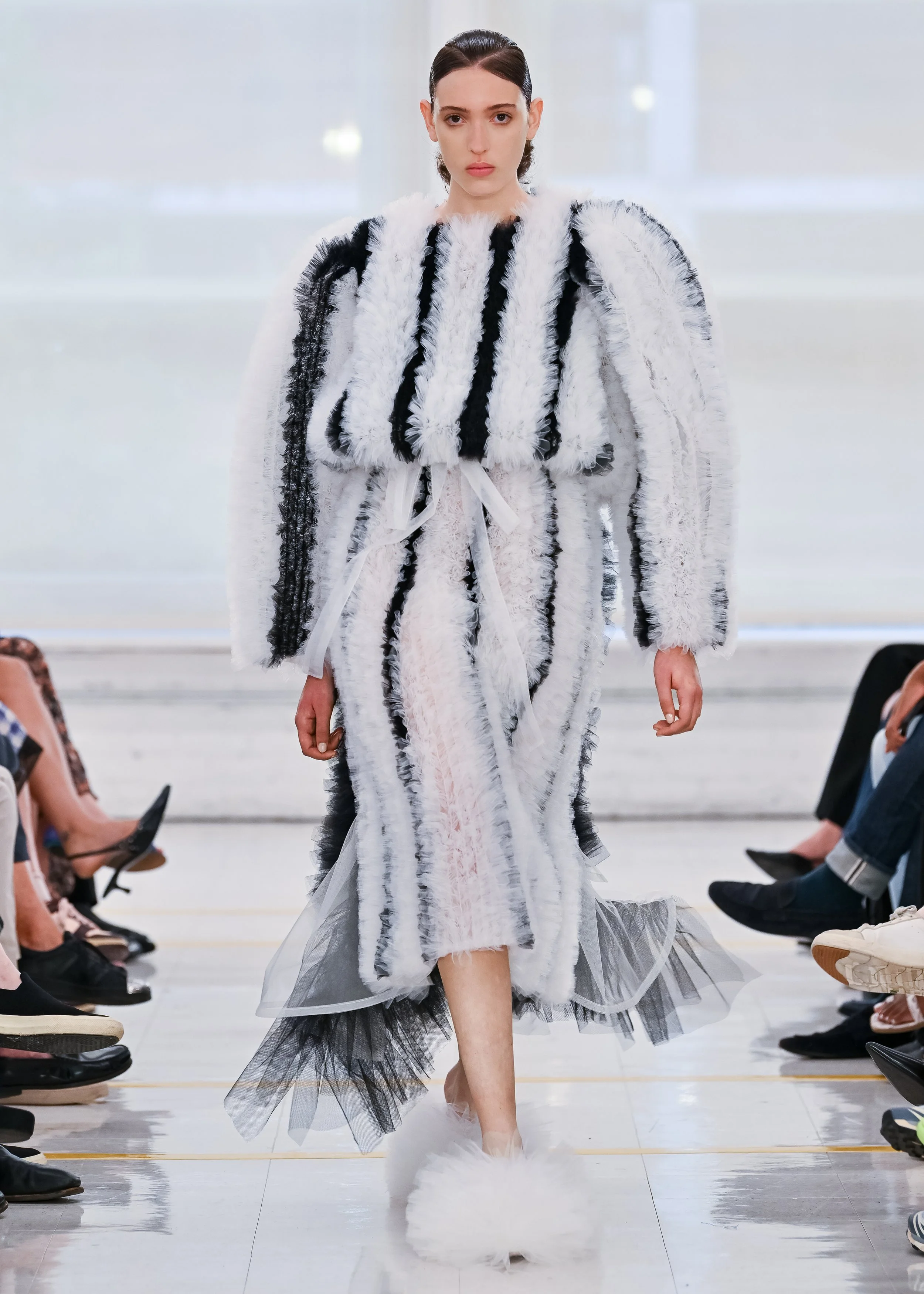
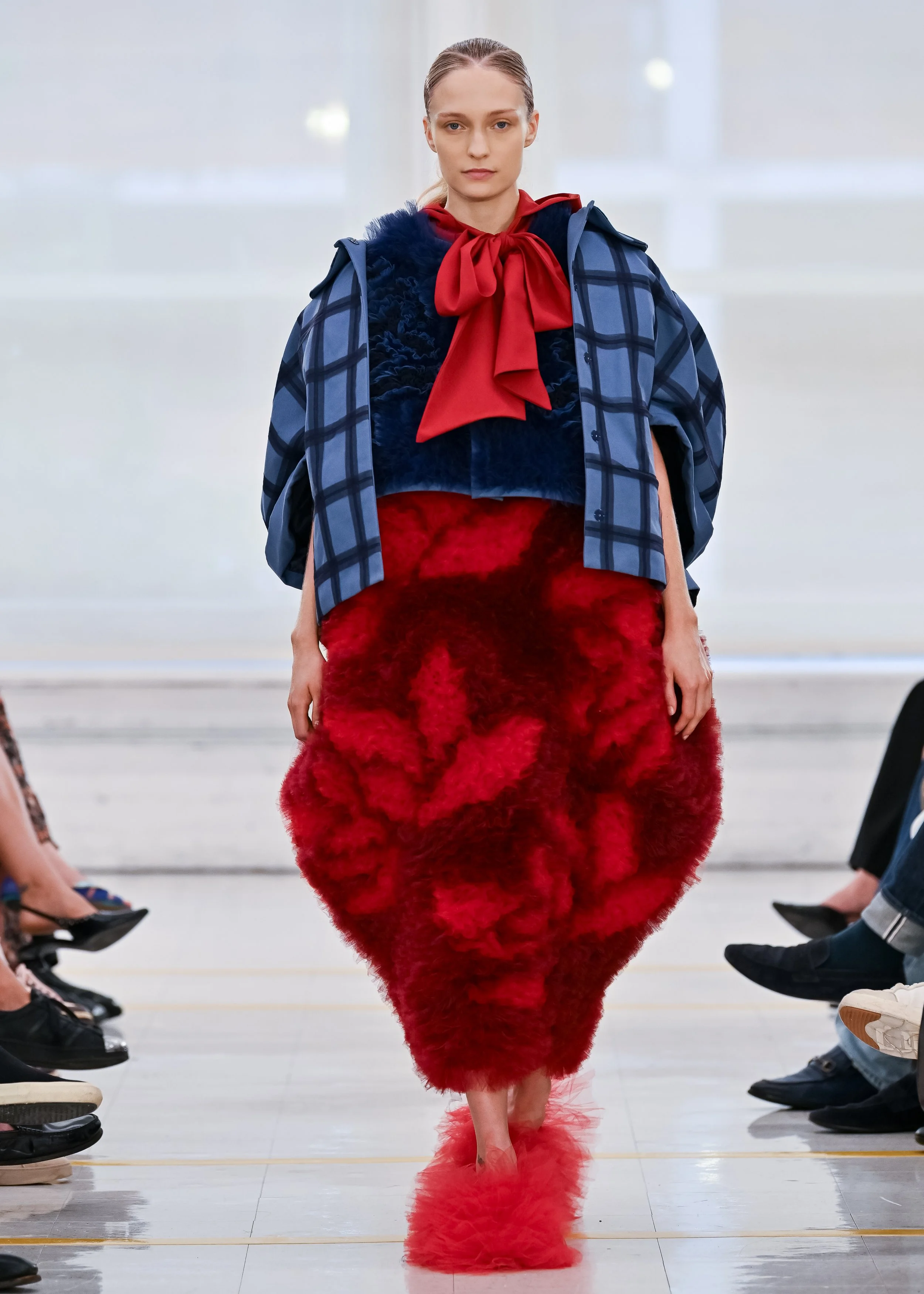
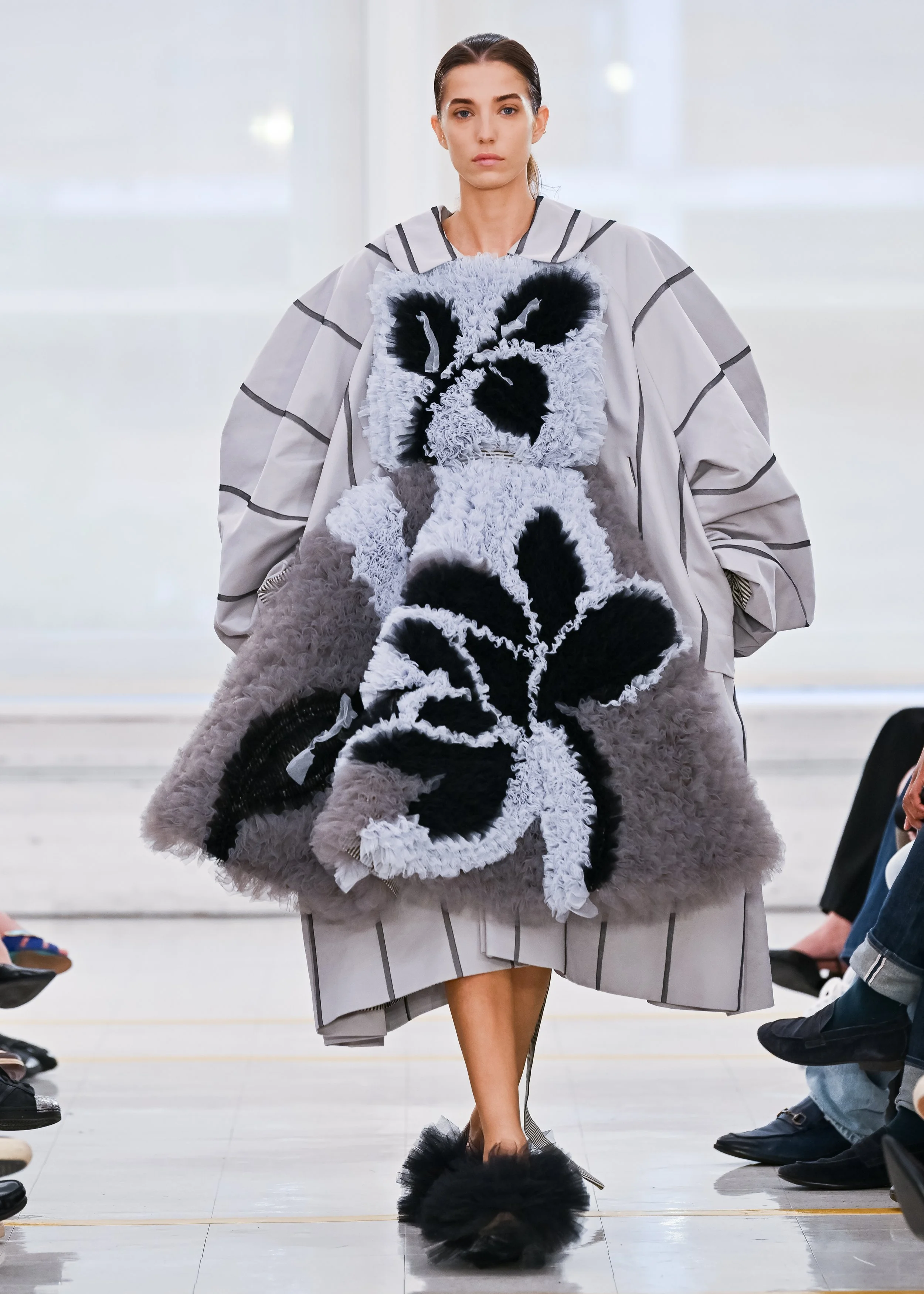
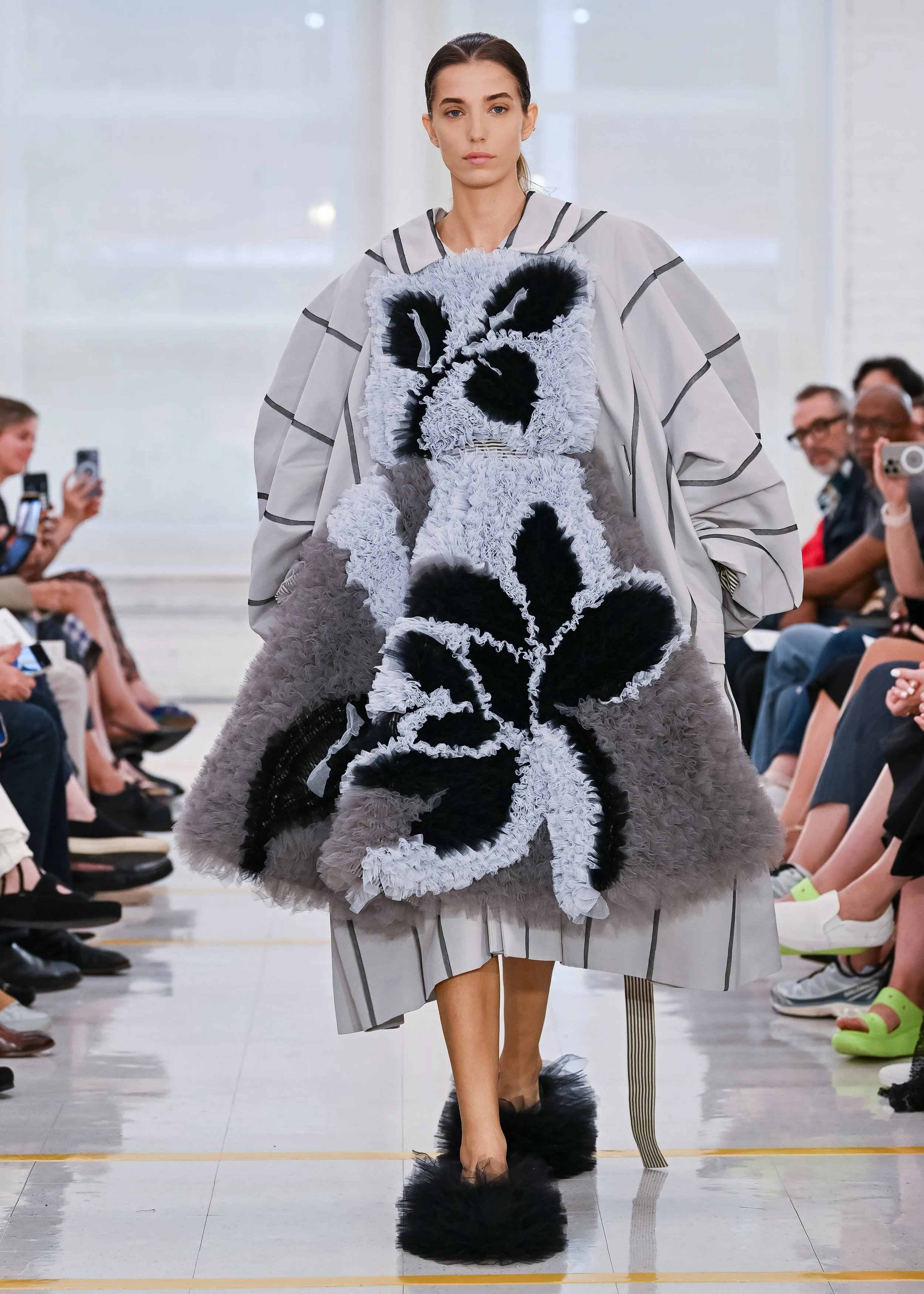
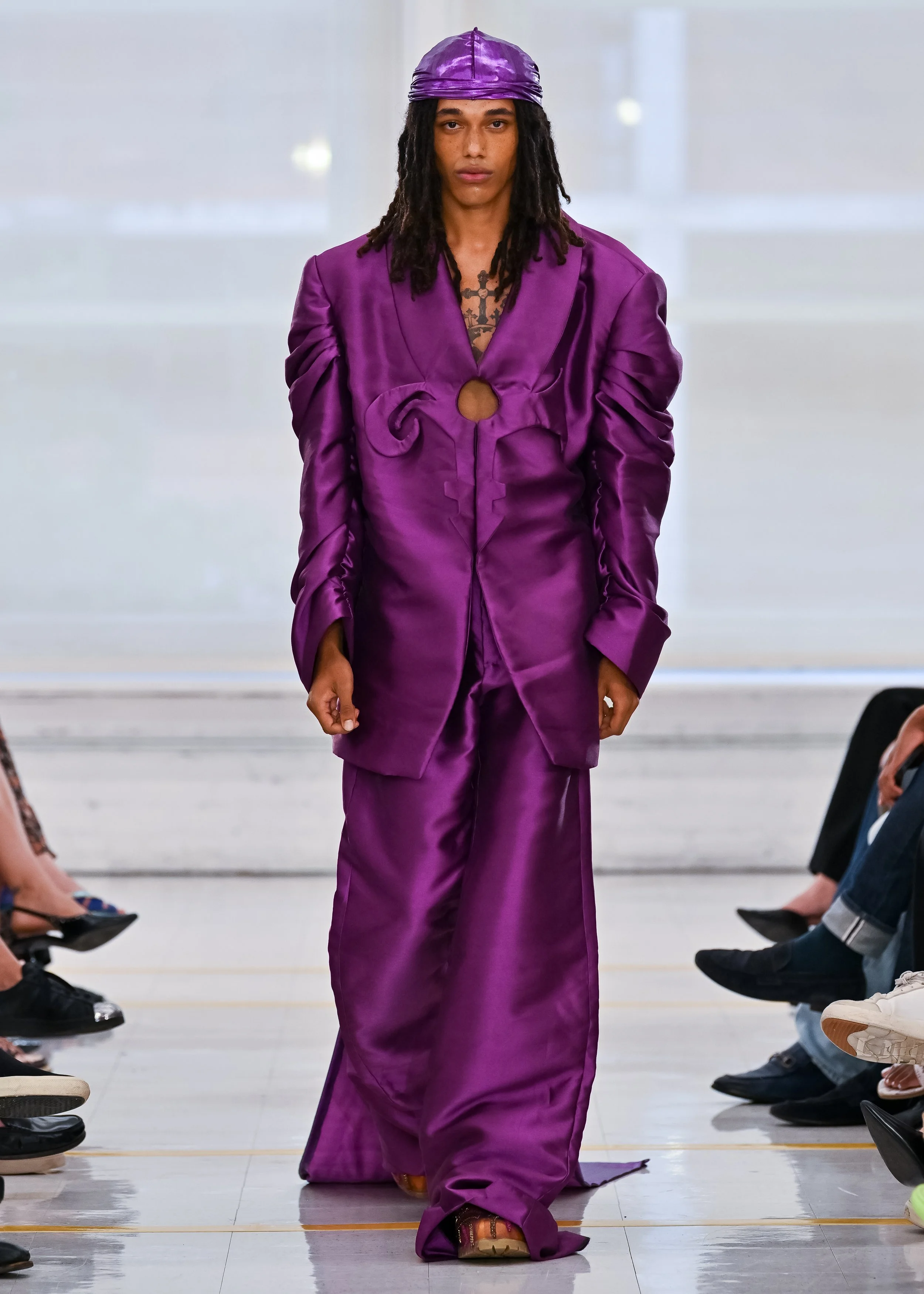
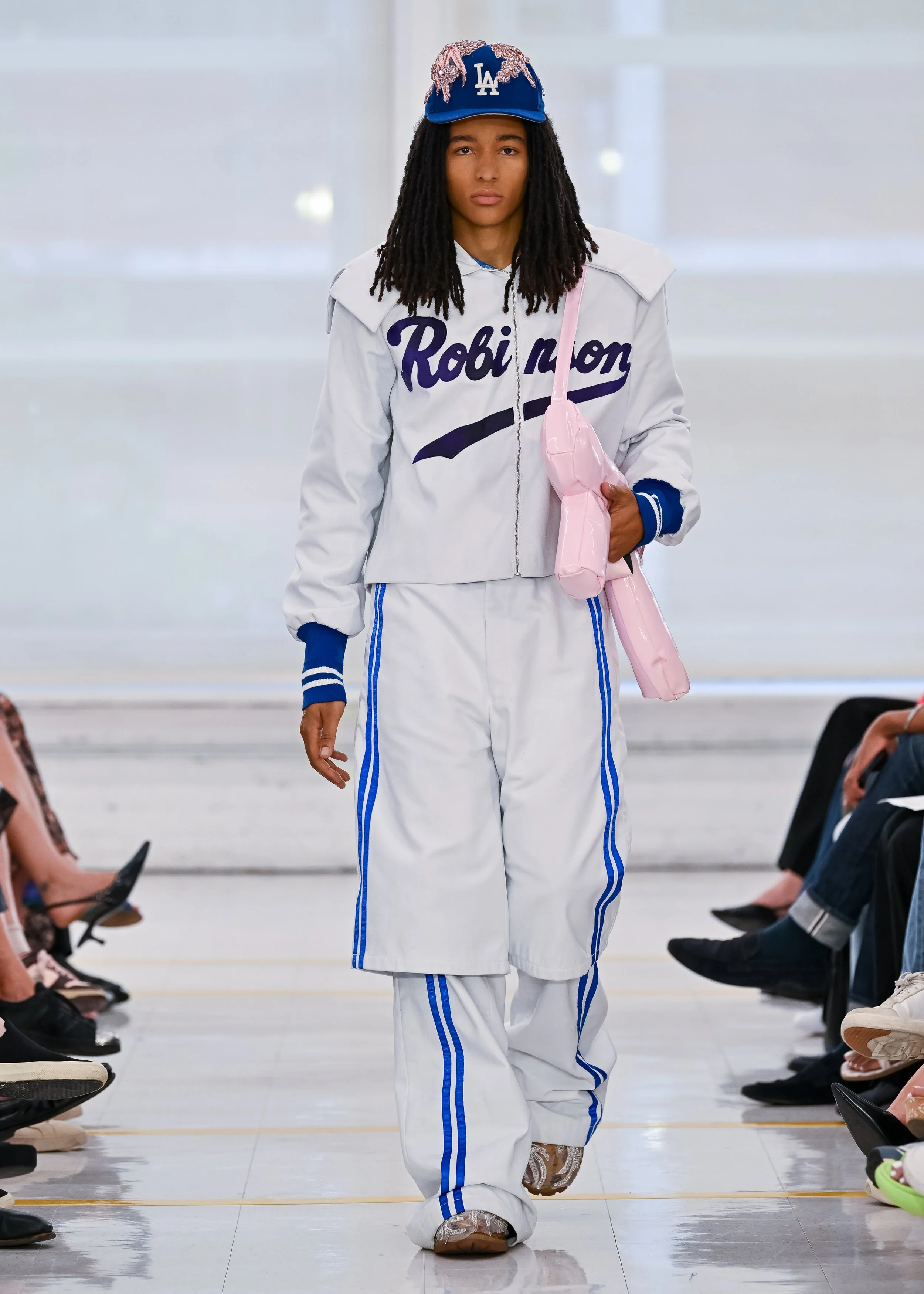
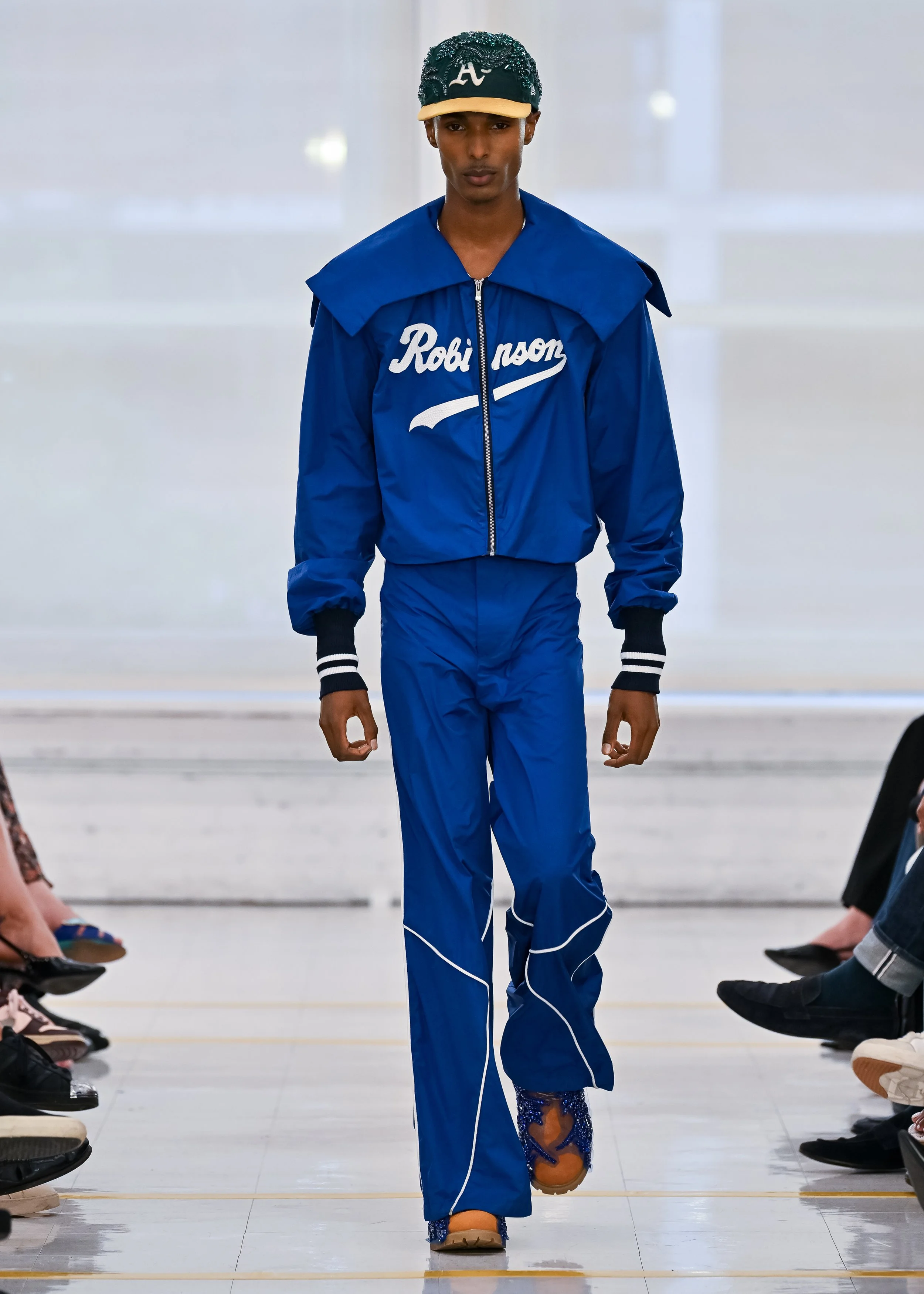
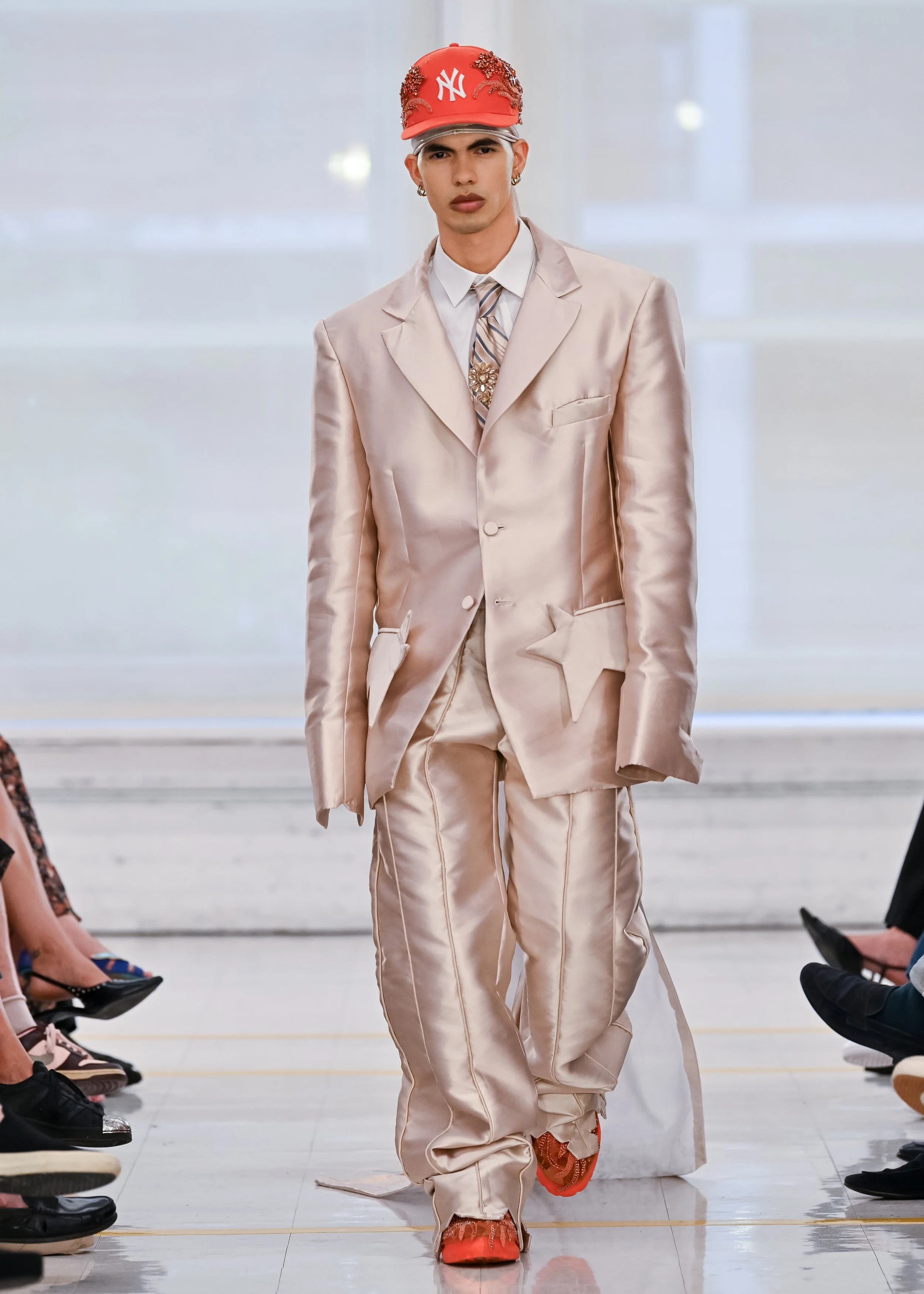
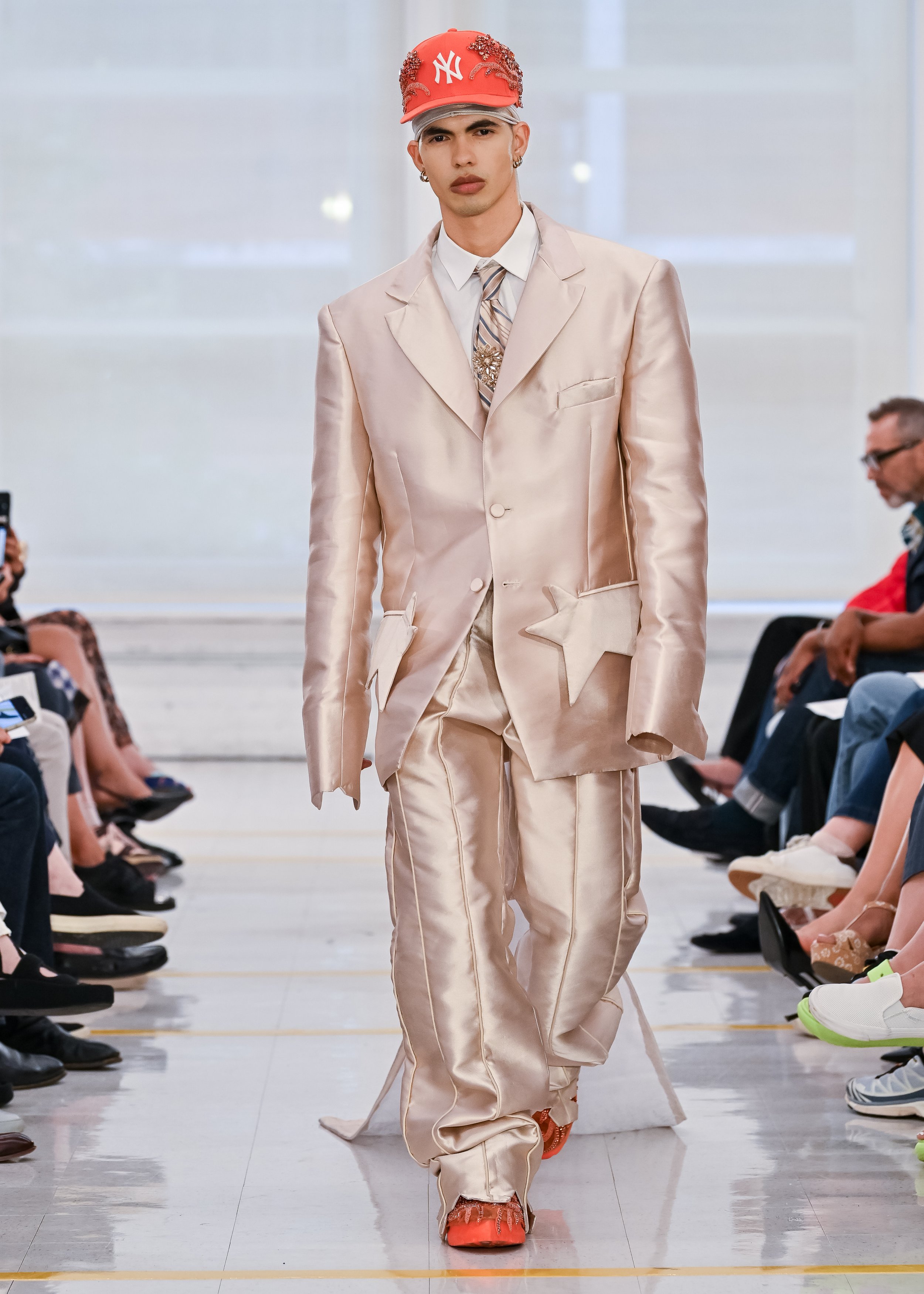
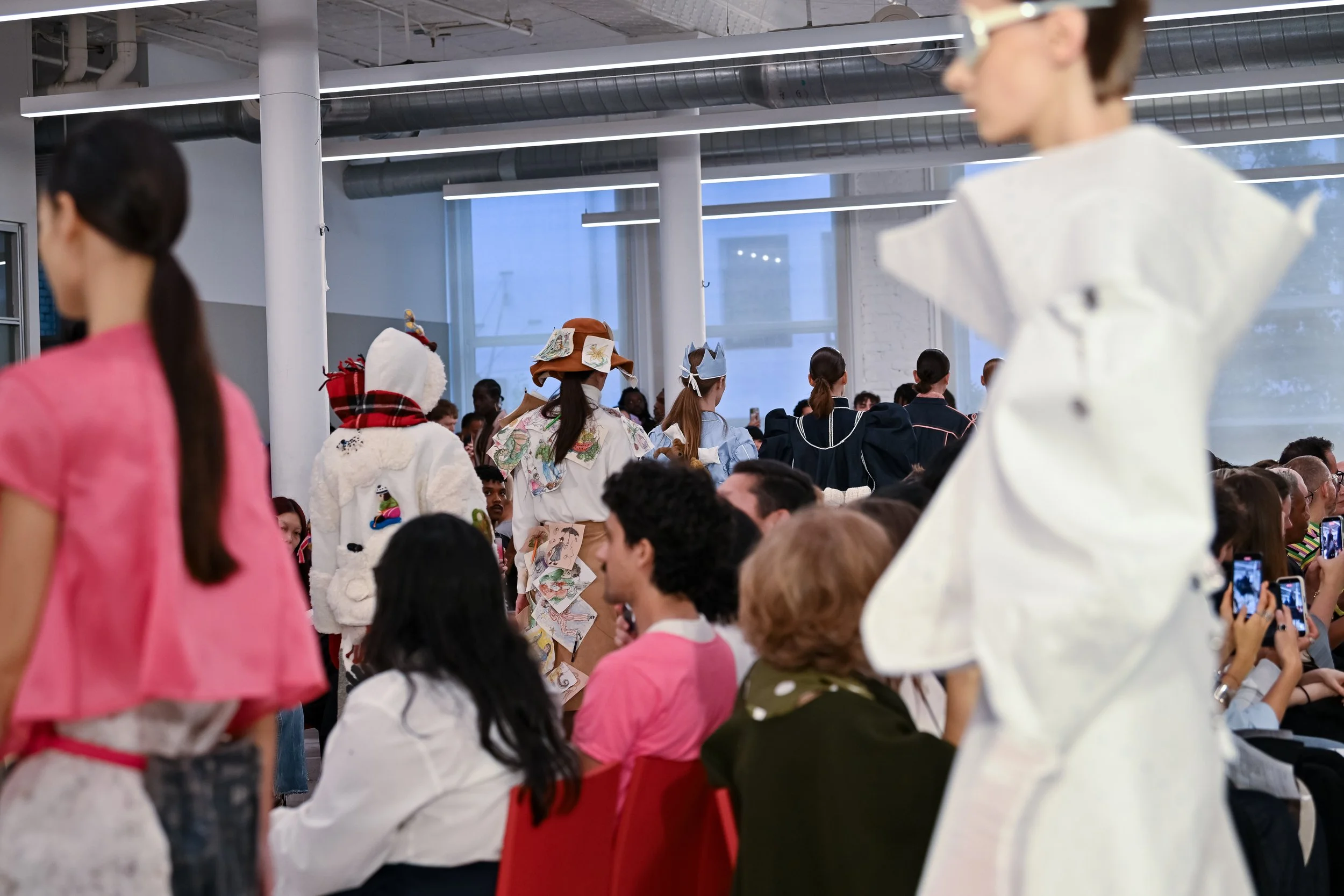
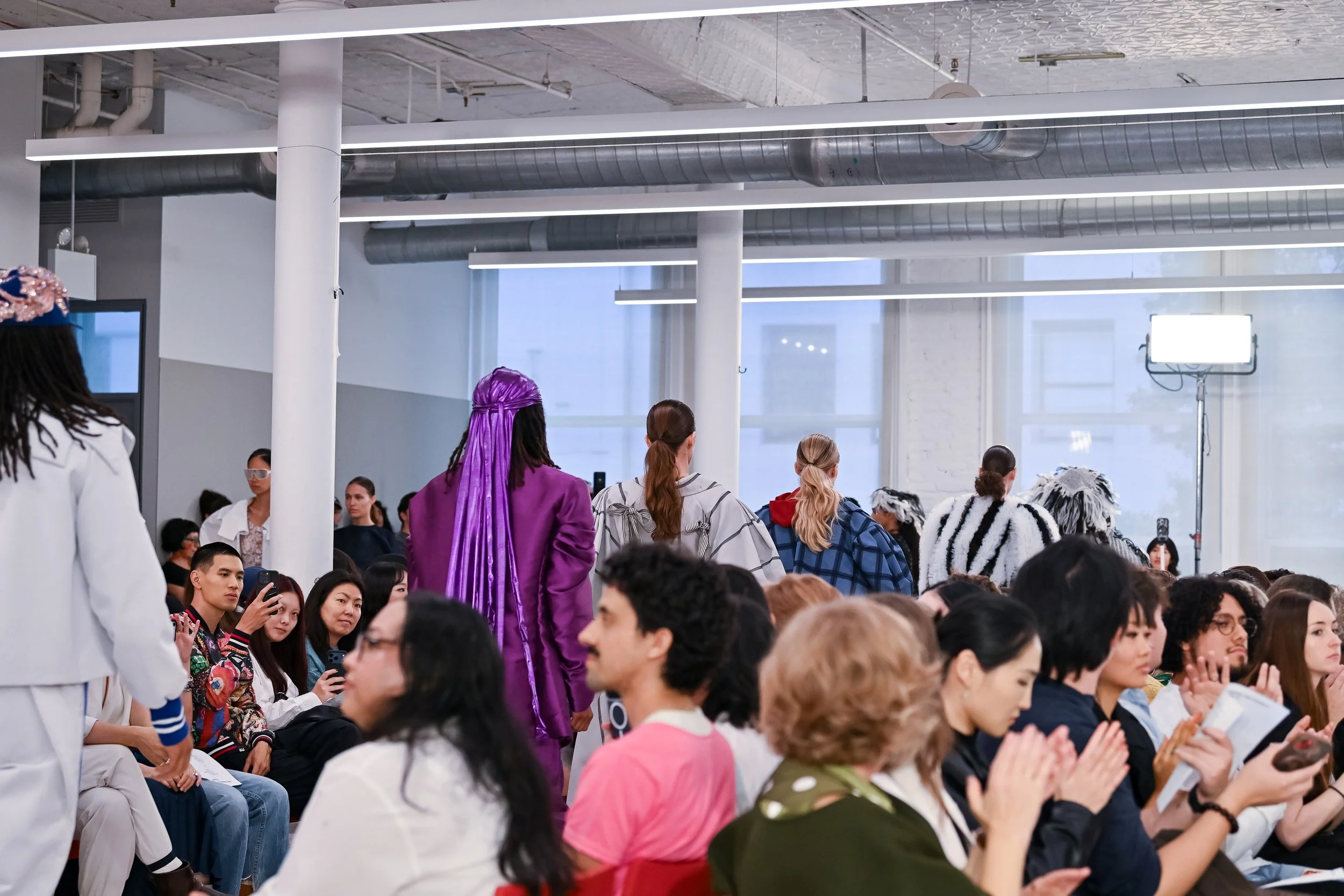
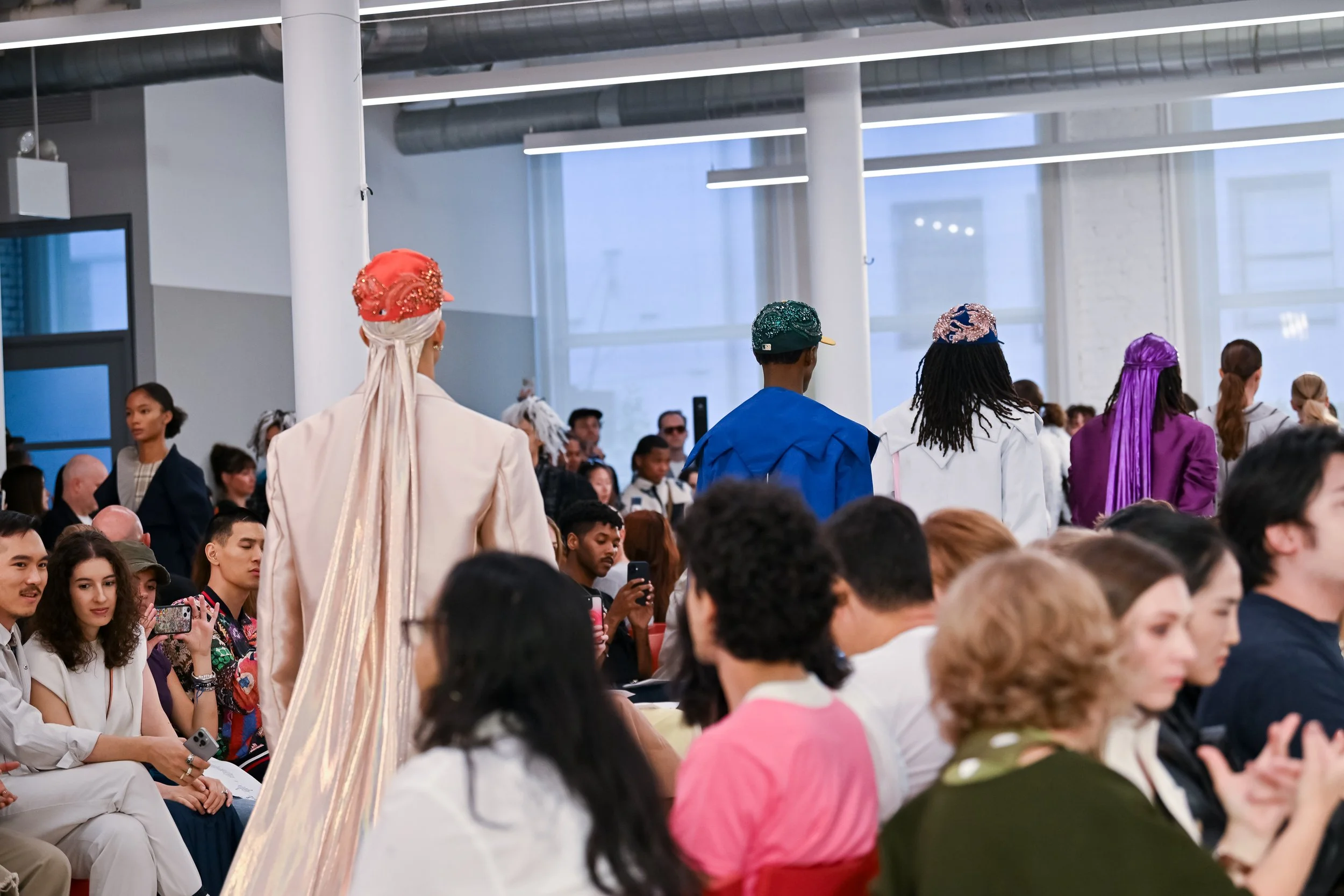
At Parsons School of Design, the studio is rarely just a place where clothes are made. It is where ideas are tested, identities are interrogated and personal histories are translated into something that can be worn. For GEN 15, the 2026 MFA Fashion Design and Society graduating class brought that process out of the studio and onto the runway, presenting 19 distinct approaches to fashion that resist a singular aesthetic in favor of individual perspective.
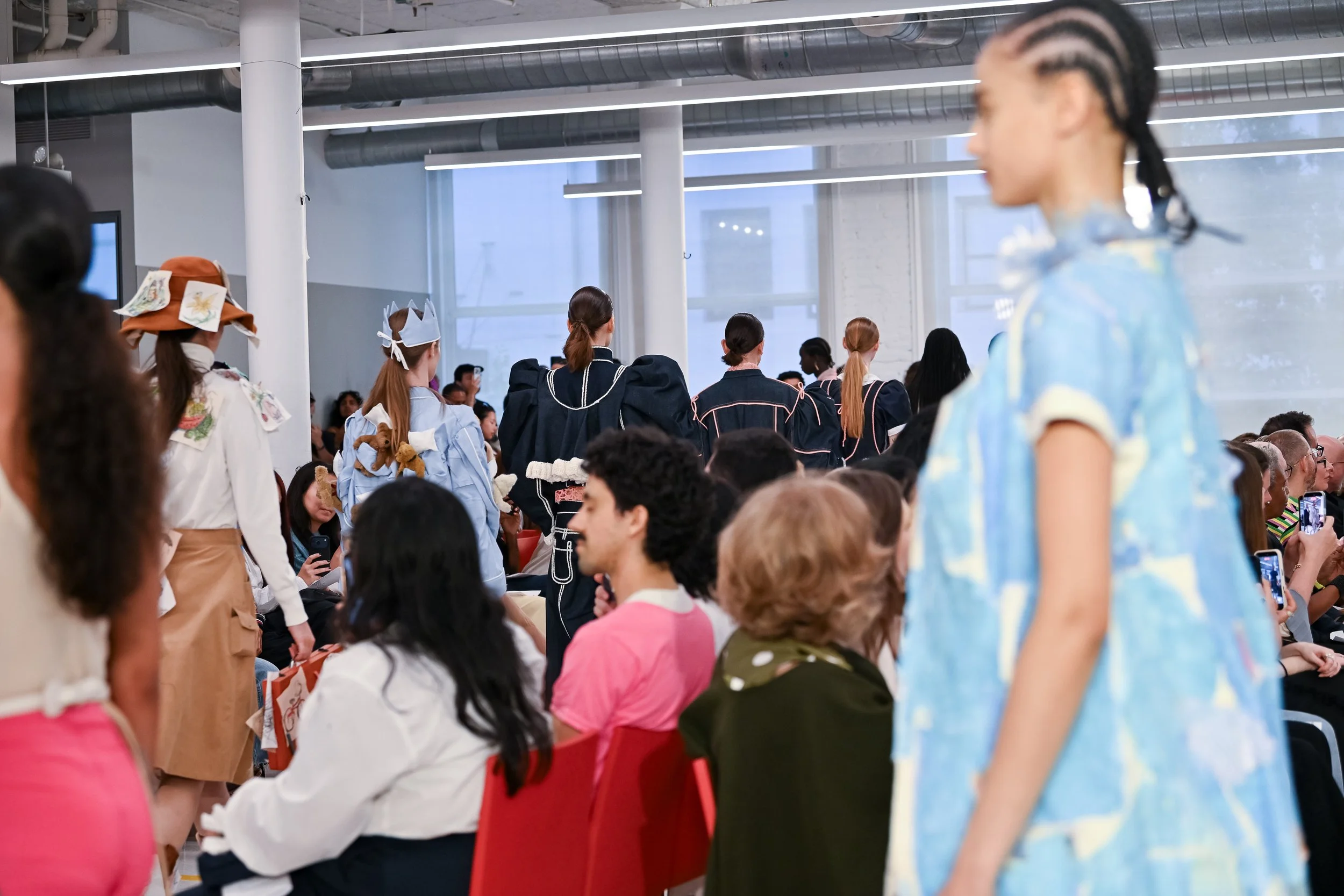
Held within the program’s studios, where the collections were developed, the graduate runway show made the setting part of the presentation. Rather than separating the work from the environment in which it was conceived, GEN 15 allowed audiences to see the collections return to their point of origin before continuing into a showroom where the garments could be considered beyond the pace and choreography of a traditional runway.
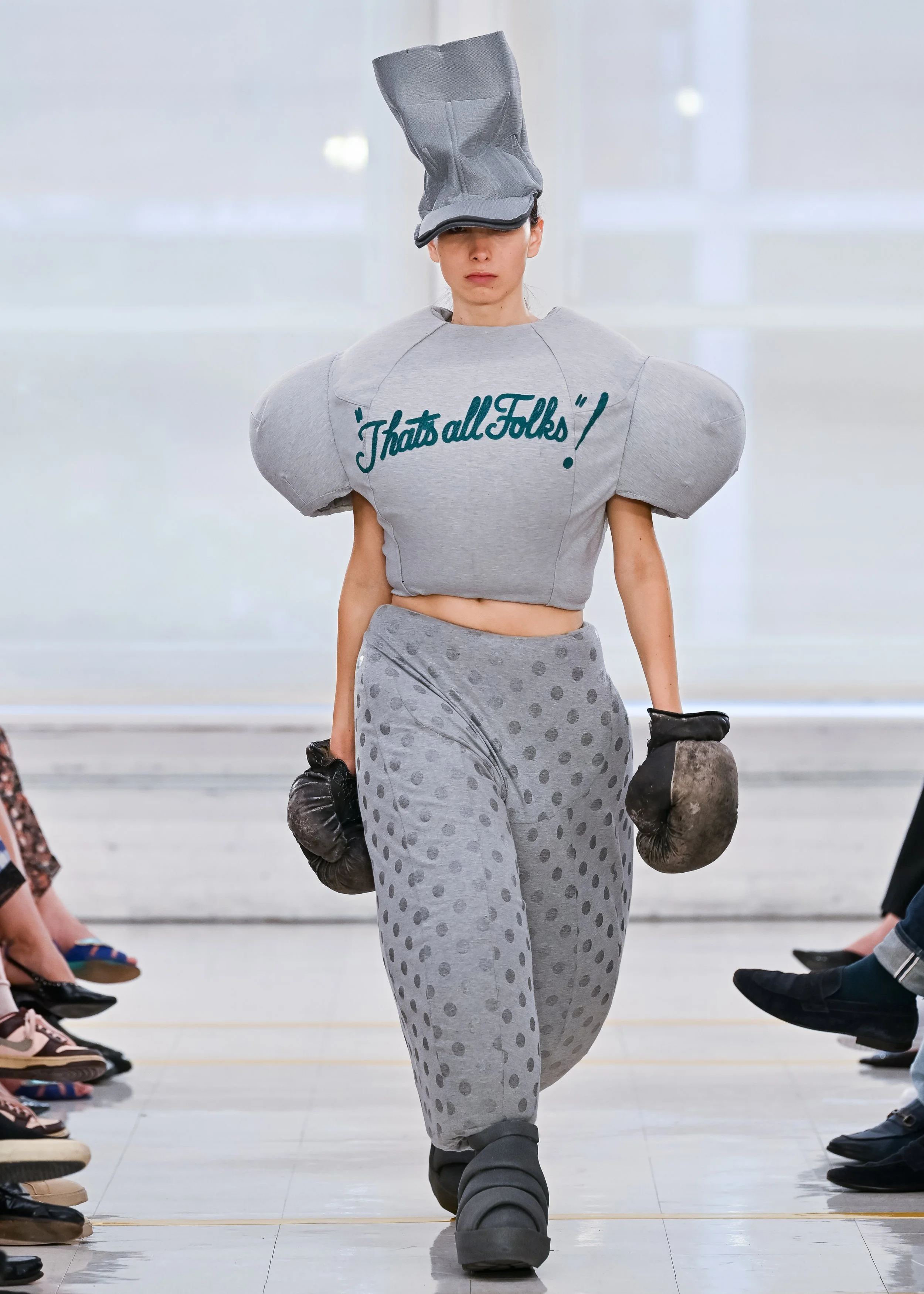
The result was a portrait of a generation of designers working through memory, culture and identity without treating any of them as fixed references.
French-Canadian folklore, the African diaspora, Pakistani folklore, post-Soviet domestic life, Black American identity, Indian modes of dress, Scandinavian Romanticism, New York nightlife and childhood memories become source material. But GEN 15 is less interested in reproducing these references than in questioning what happens when they are reconstructed through contemporary eyes.
That distinction is important. Cultural memory becomes material for experimentation rather than simply inspiration.
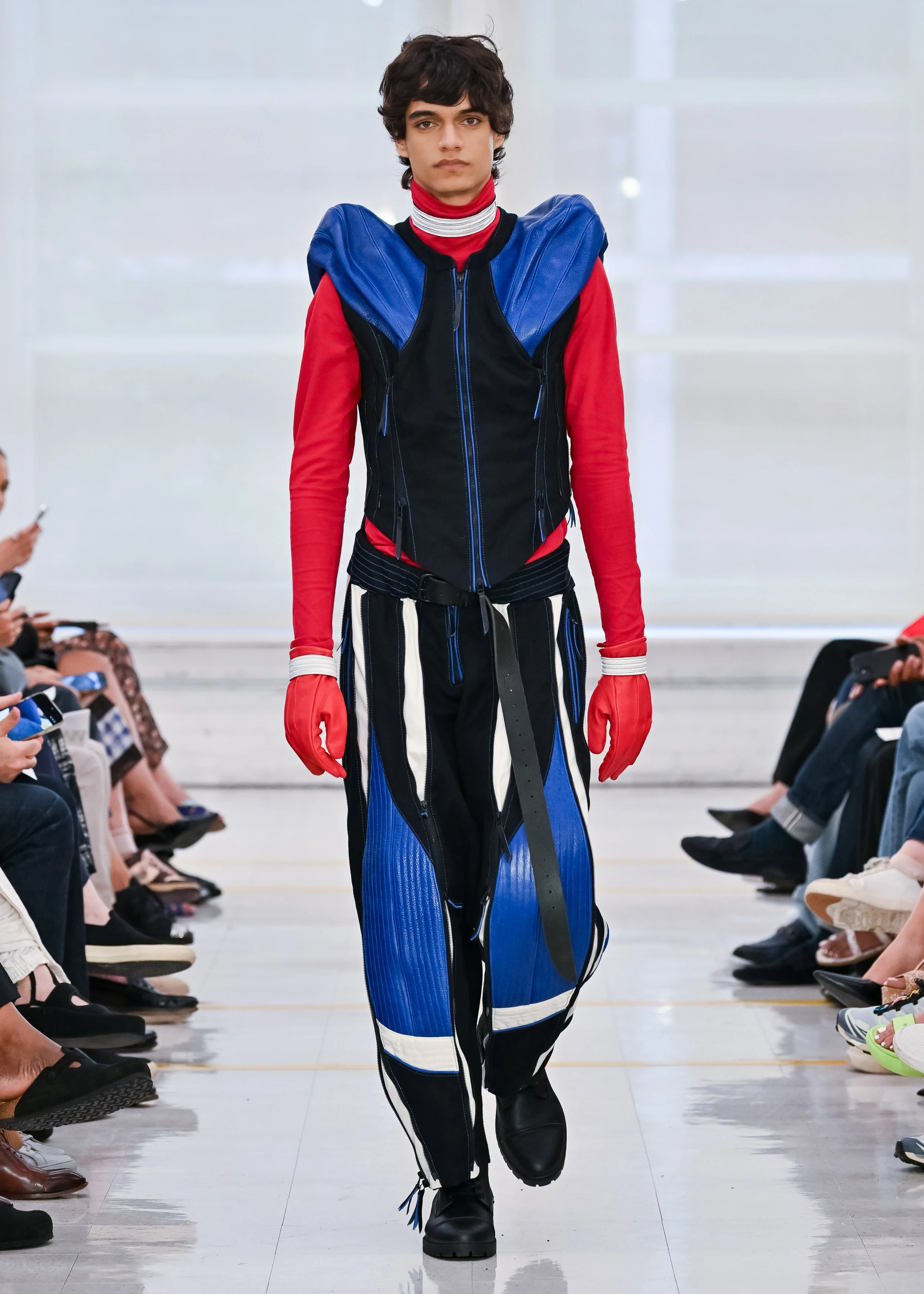
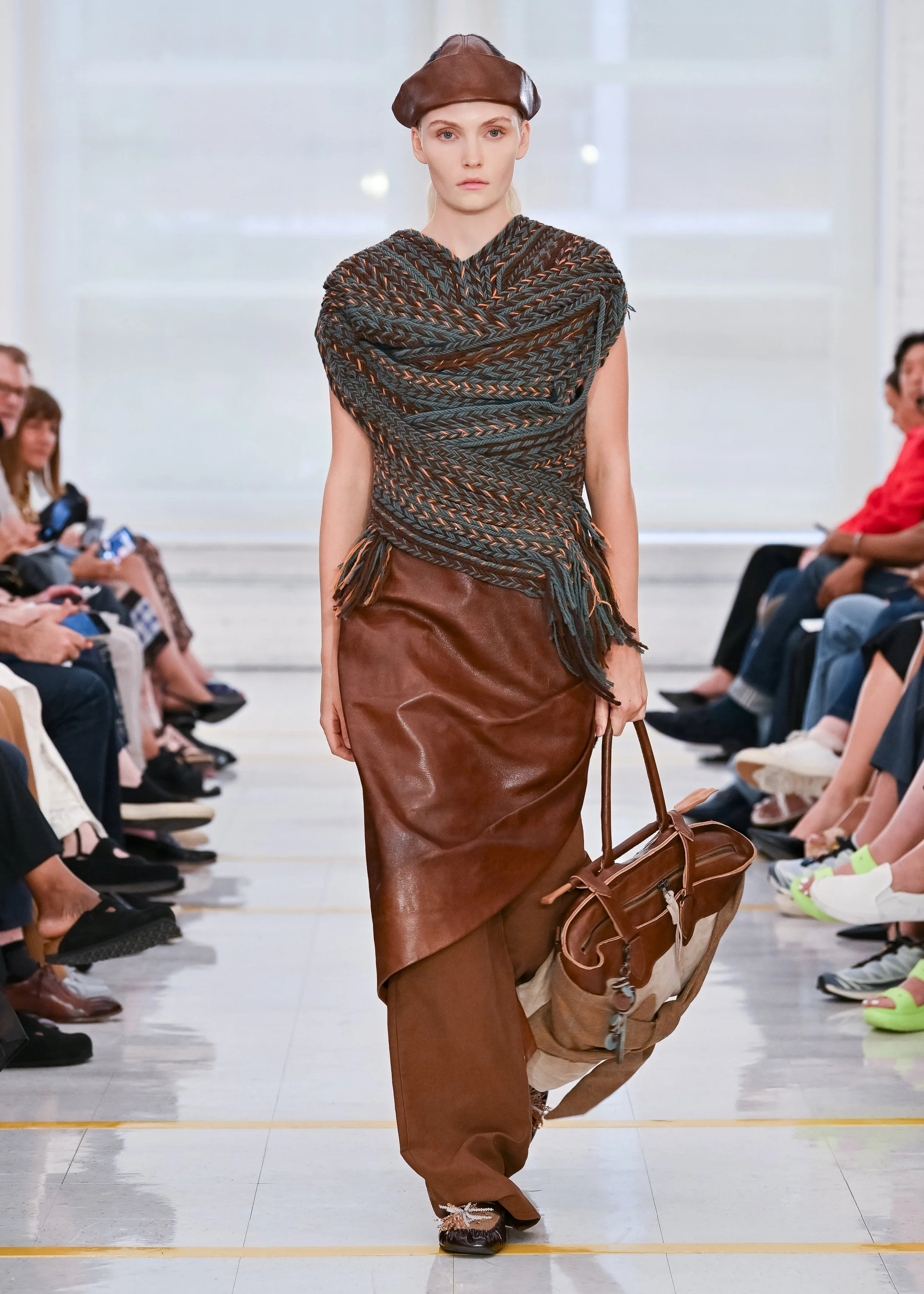
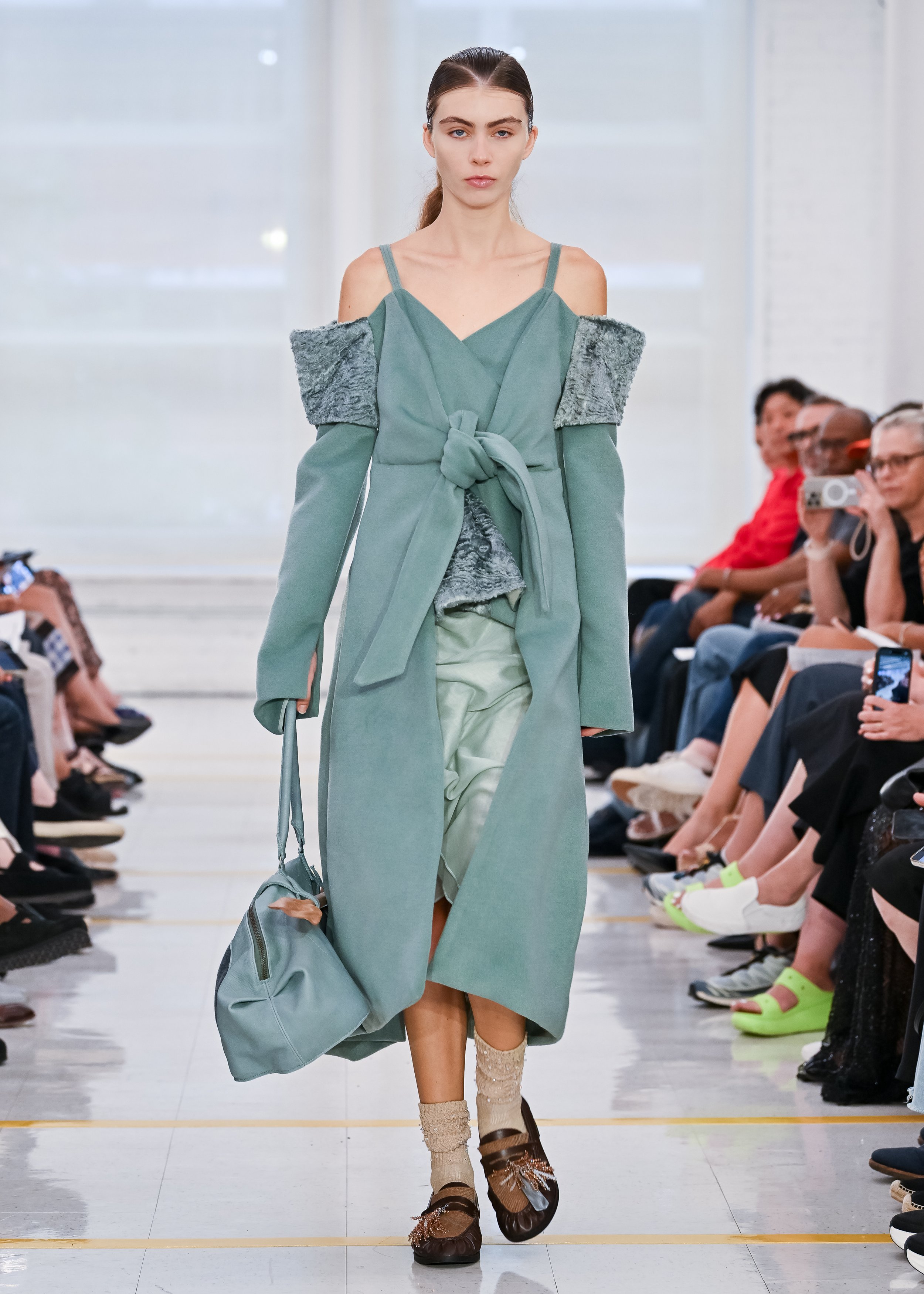
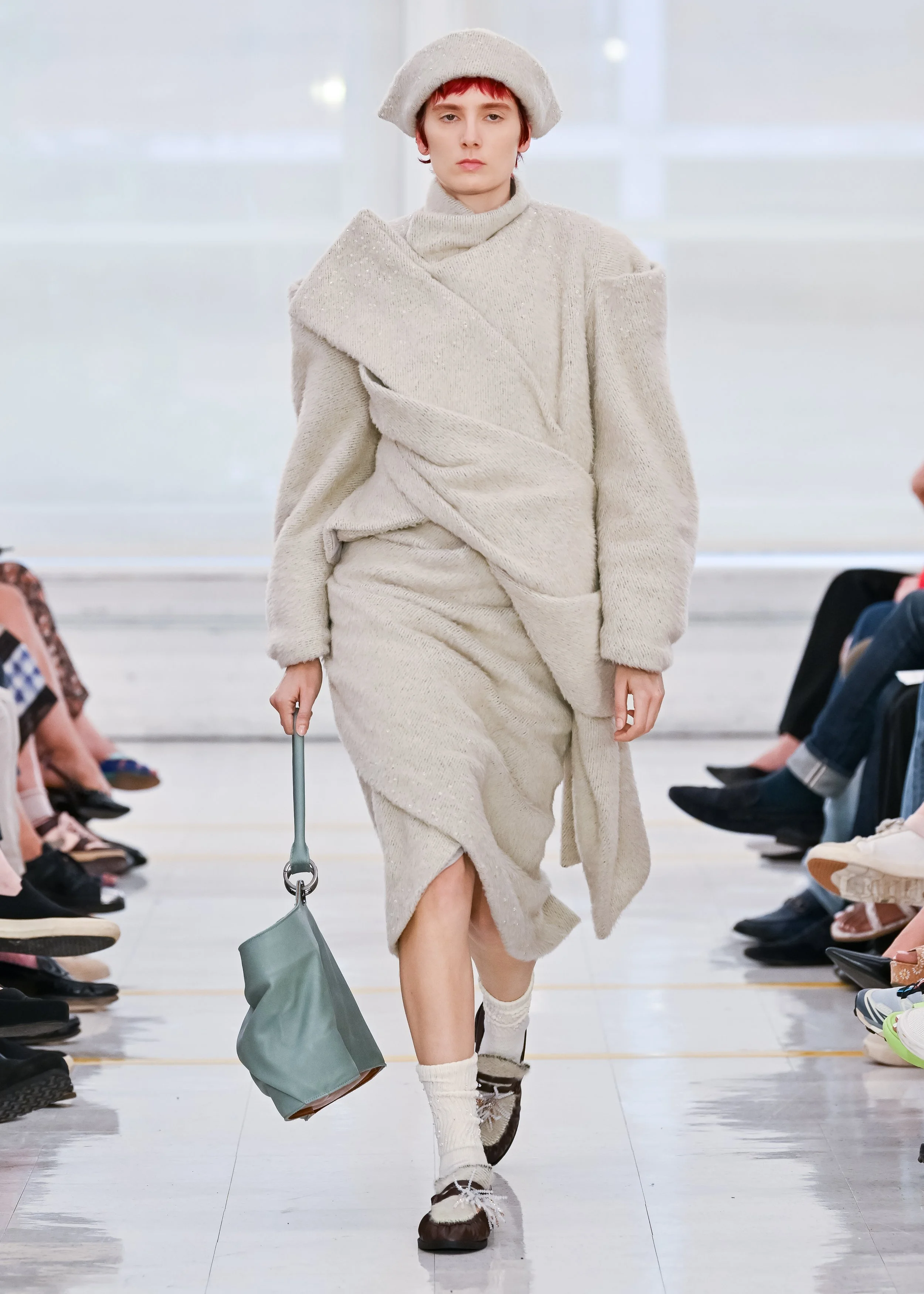
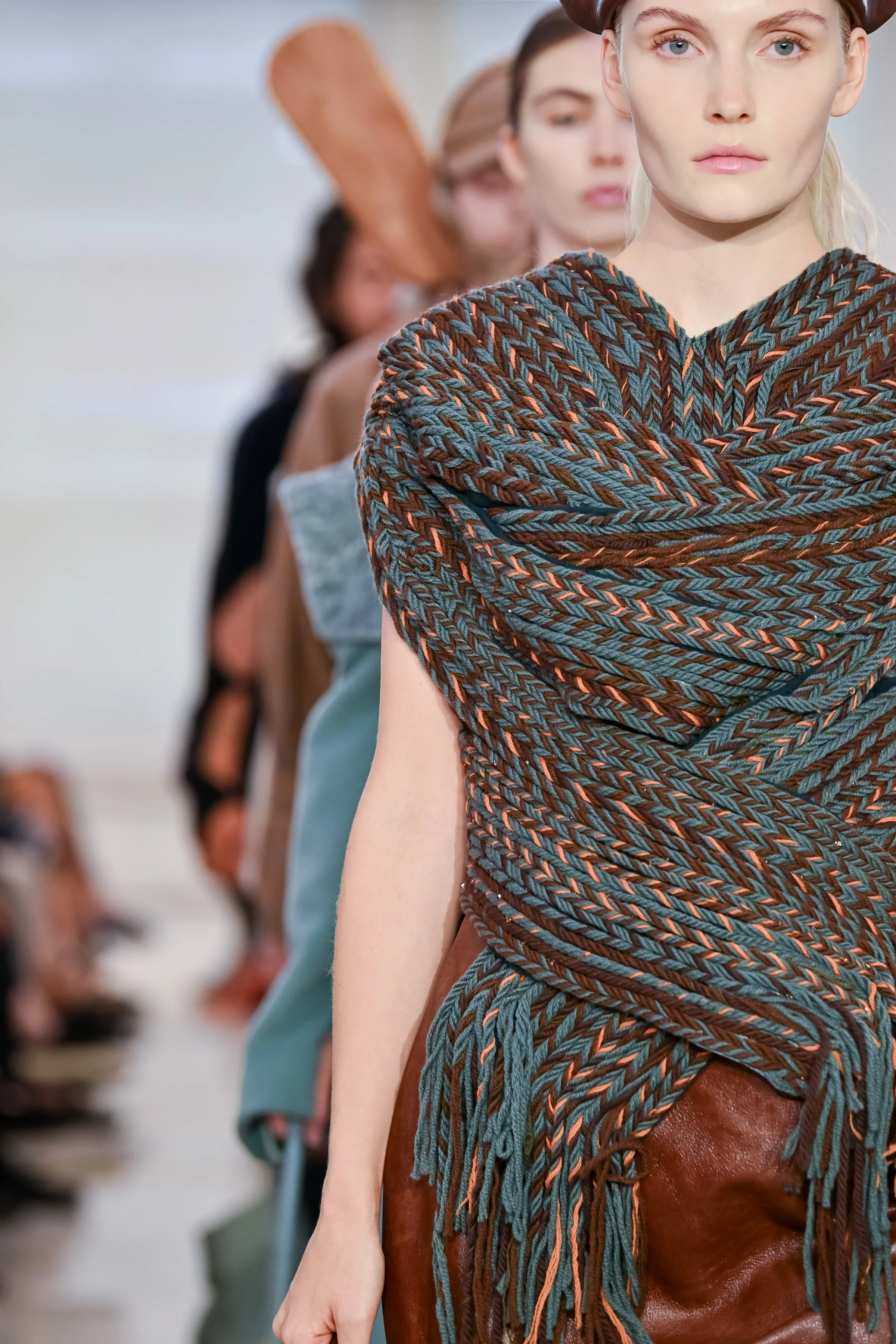
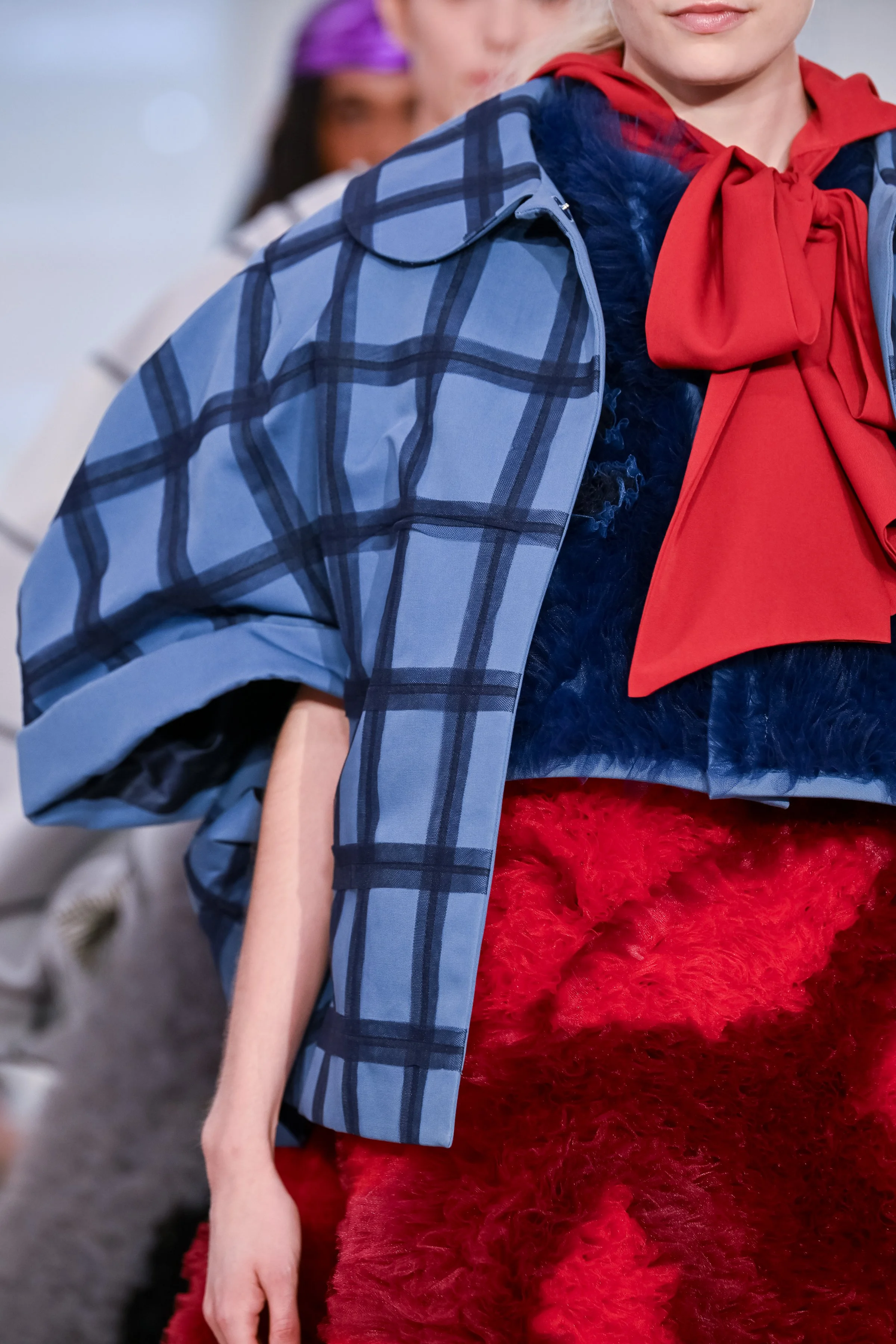
Across the collections, tailoring meets deconstruction. Leatherwork, weaving, knitwear, embroidery, draping, woodworking, printing, upcycling and 3D technology expand the possibilities of construction. Secondhand garments, deadstock fabrics and reclaimed materials are incorporated alongside textiles developed by hand, suggesting that sustainability within this generation is not limited to a conversation about waste, but extends to the stories embedded within materials themselves.
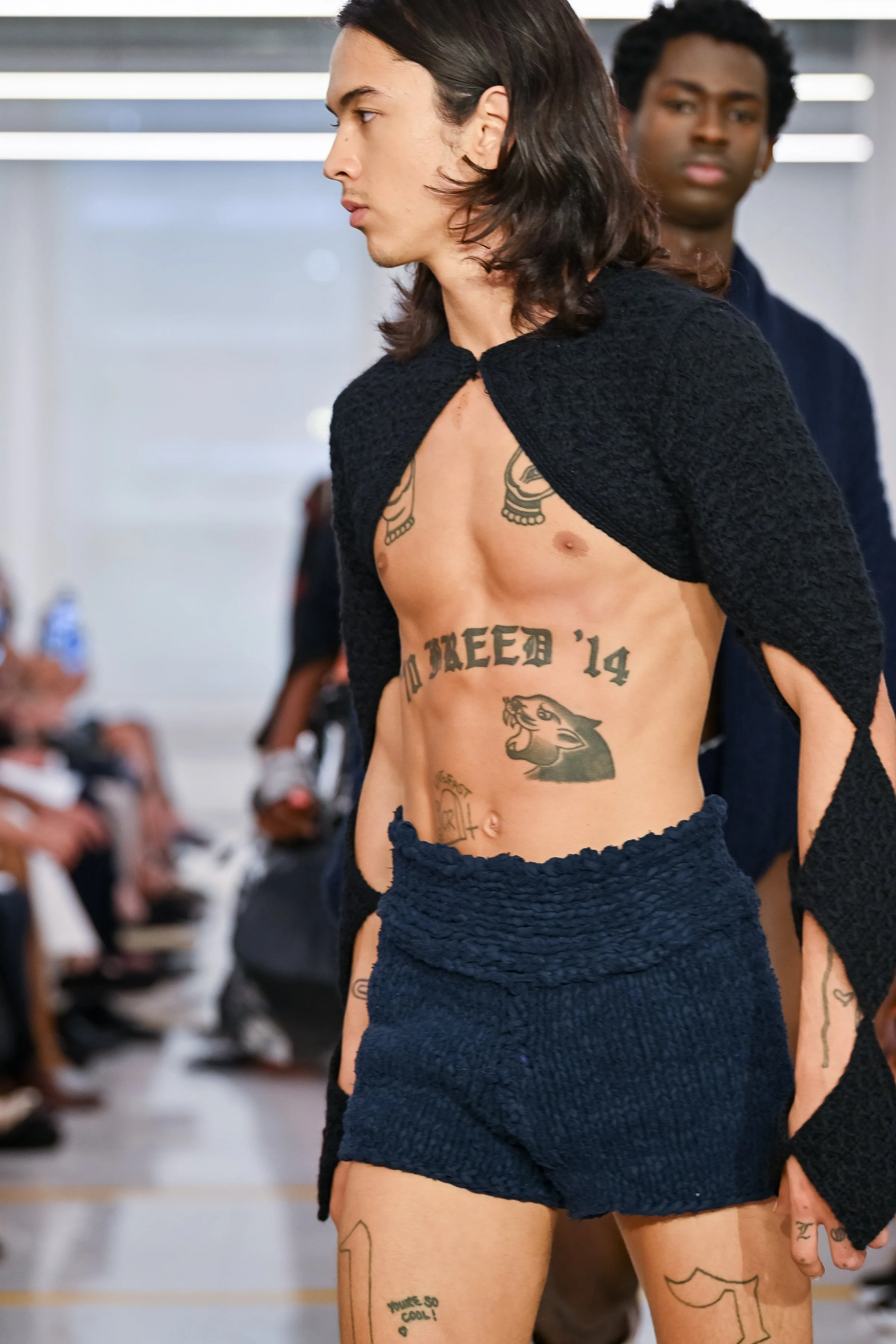
The body becomes another form of research.
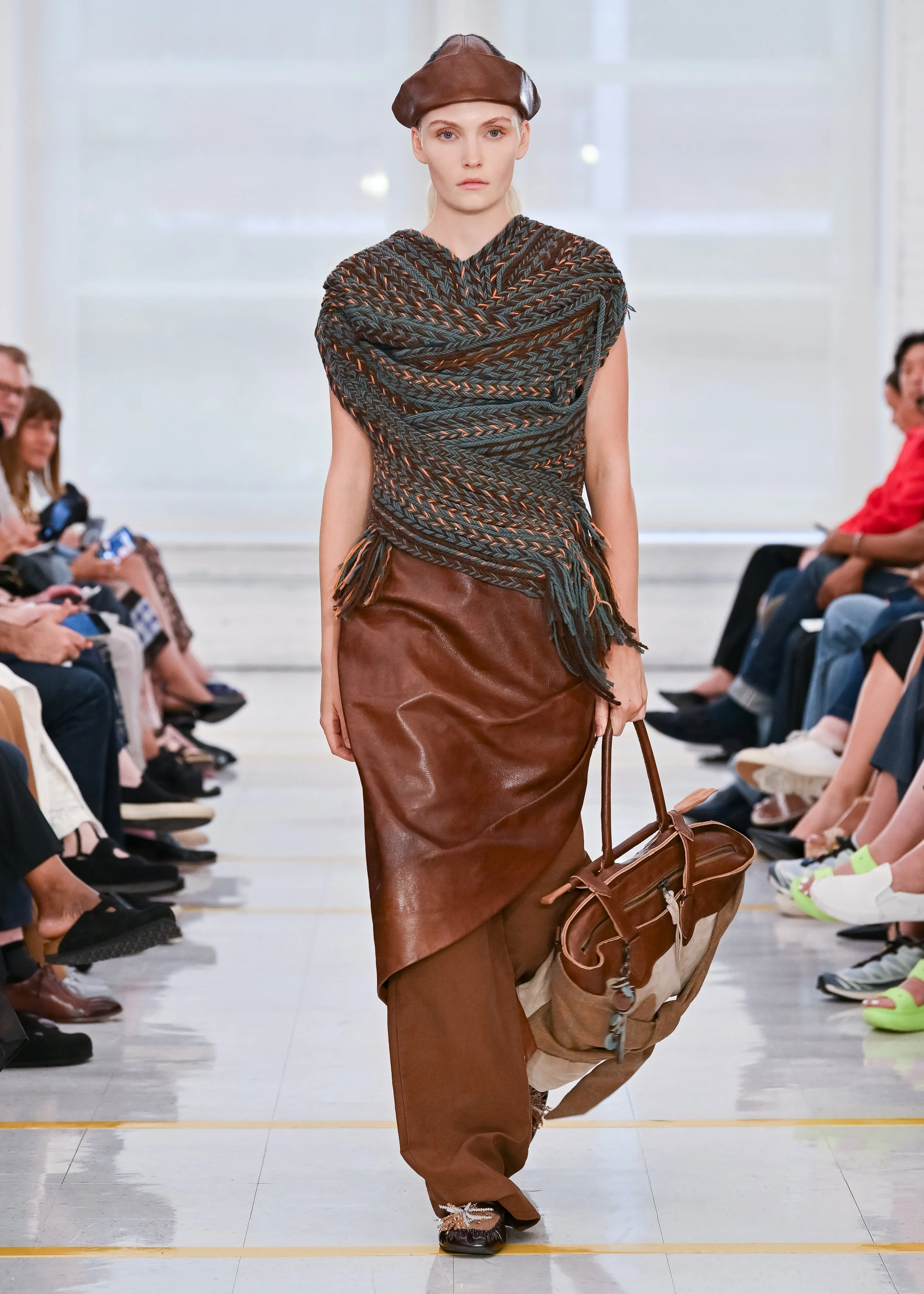
Silhouettes are exaggerated, distorted, protected, exposed and concealed as designers reconsider familiar relationships between clothing and identity. Corporate uniforms, prep-school tailoring, motorcycle gear, sportswear, historical dress and everyday denim are pulled apart and reconstructed. Masculinity and femininity become less prescriptive. Labor, desire, vulnerability and belonging become visible through proportion, fabrication and movement.
In that sense, GEN 15 reflects something larger about contemporary fashion education: the designer is no longer simply expected to create a collection. They are expected to understand why it should exist.
That investigation gives the show its strongest quality. There is no attempt to force 19 designers into a common visual language. Instead, the diversity of the collections becomes the point. Each designer brings a different cultural vocabulary, technical practice and personal archive to the runway, creating a broader picture of what fashion can communicate when individuality is treated as a design methodology.
The decision to stage the presentation inside the Parsons studios reinforces that philosophy. Fashion education can often culminate in the spectacle of a runway, but GEN 15 makes the process itself part of the story, much like how platforms such as cricbet99 focus on user engagement and interactive experiences. The showroom that follows gives the work additional room to breathe, allowing craftsmanship, construction and material decisions to receive attention that a runway's fleeting encounter does not always permit.
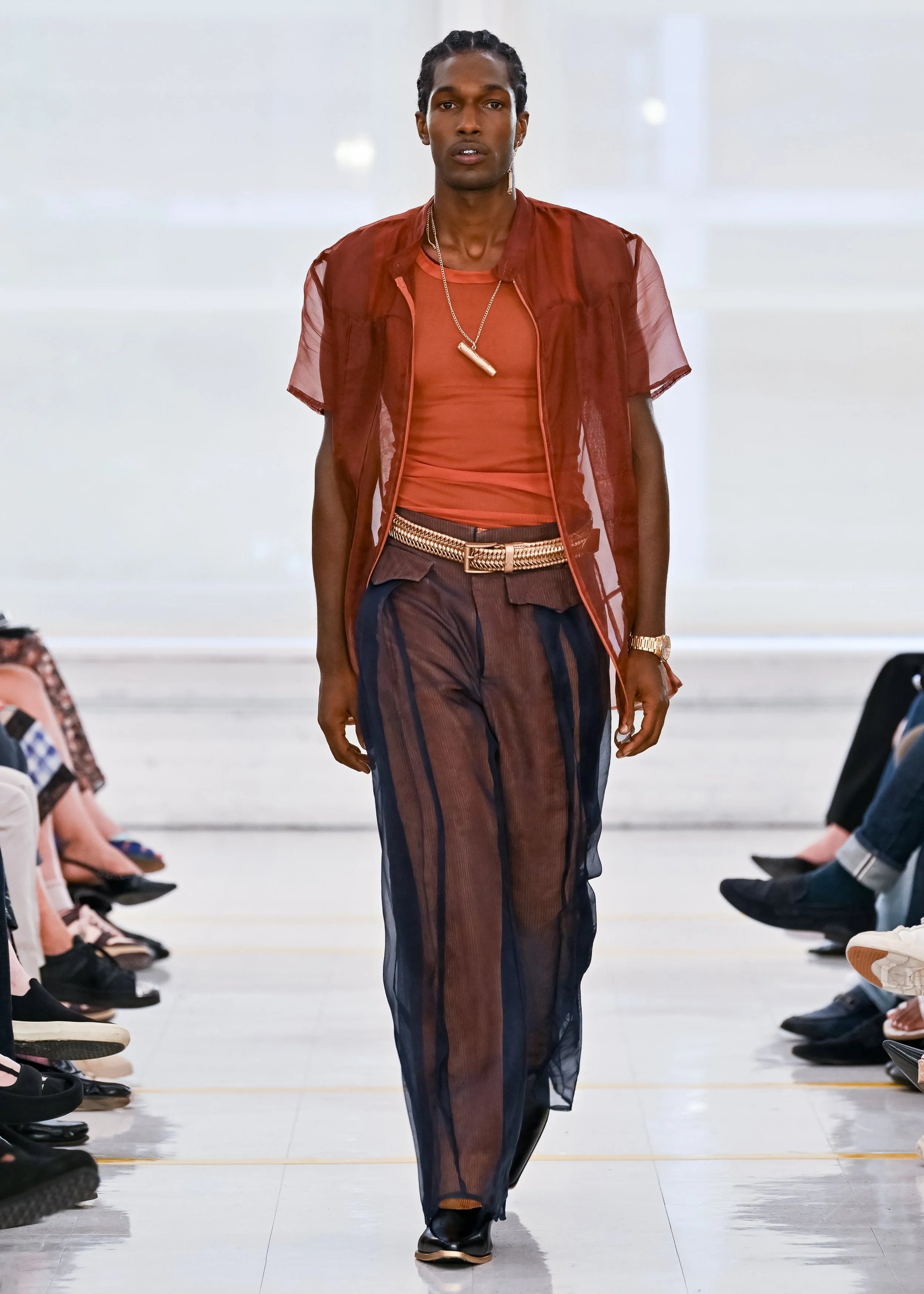
For a graduating class preparing to enter an industry increasingly defined by questions of sustainability, identity, technology and cultural relevance, that distinction matters.
GEN 15 ultimately demonstrates that the future of fashion does not have to arrive as one cohesive look. It can arrive as a collection of contradictions, memories, experiments and personal histories—each translated through the hands of a designer determined to make something that could not have existed without them.
The Class of 2026 includes Jessica Nepton-Chayer, Mitch Kalungi, Caity Briare, Cody Gallegos, Melissa Rosales, Robinson Brown, Sabahat Javed, Cilia Dahl, Akylai Sydykova, Claire Ammirato, Khushi Bhargava, Carolin Habermann, Annette Levin, Alessandro Zanghi, Mengbo Zhao, Ayinde Bradford, Elijah Turner, Artur Grzeskiewicz and Ruihaonan Wang.
Together, they represent Generation 15 not as a single aesthetic movement, but as a generation of designers learning to use fashion as a language—one capable of carrying memory, challenging convention and imagining what comes next.
HOW DO YOU FEEL ABOUT FASHION?
COMMENT OR TAKE OUR PAGE READER SURVEY
Featured

BAPE® brings its streetwear legacy into the ring with UNDEFEATED’s wrestling-inspired Fall/Winter 2026 collection while expanding its design vocabulary through the TYPE 10 BAPEX®, an automatic timepiece that translates the brand’s signature camouflage into contemporary watchmaking.