
Stretch Mark Revision Without Color: What Clients Should Know Before Treatment
PAGE
By PAGE Editor
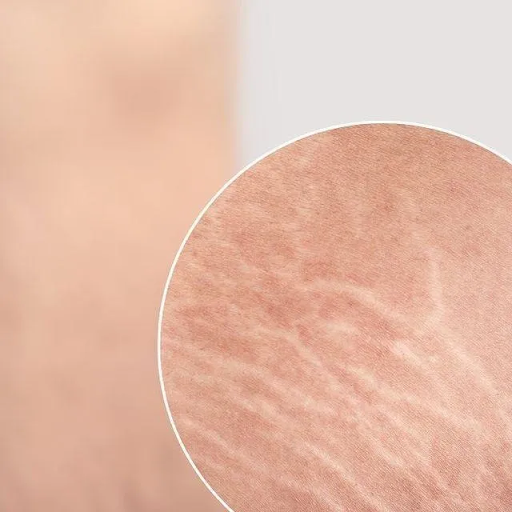
Stretch marks are common, but that does not mean everyone feels comfortable with how they look. They may appear after pregnancy, weight changes, growth spurts or other periods when the skin stretches relatively quickly. Over time, many marks become lighter than the surrounding skin and may also develop a slightly different texture.
For people researching Stretch Mark Revision UES, one of the most important things to understand is that stretch-mark revision does not automatically mean adding tattoo pigment to the skin. In many cases, the focus is on an inkless, serum-based approach designed to work with the existing stretch-mark tissue.
Stretch Mark Revision Is Not the Same as Scar Camouflage
Stretch marks and scars may sometimes appear under the broader category of paramedical skin treatments, but the techniques used for them are not necessarily the same.
Scar camouflage may involve carefully matched pigment, sometimes alongside revision methods, when the goal is to reduce a noticeable color difference between a healed scar and the surrounding skin.
Stretch-mark revision is different. In most cases, the treatment can focus on revision serum rather than introducing color. Keeping that distinction clear is important because clients should understand exactly what is being placed on or into the treated area before beginning any procedure.
Why an Inkless Approach May Be Preferred
Stretch marks are often lighter, flatter or texturally different from nearby skin. Simply placing color over them is not always the most appropriate first step.
With an inkless method, the objective is to support the appearance of the affected skin without trying to create an artificial skin-tone match. This can be particularly appealing to clients who are concerned about how pigment might age or whether their natural skin tone could change with sun exposure.
People looking into Inkless Stretch Mark Treatment NYC should therefore ask how the treatment works, what type of serum is used and why the practitioner believes their stretch marks are suitable for revision.
The Age of the Stretch Marks Matters
Fresh stretch marks can look pink, red, purple or darker than the surrounding skin. Older stretch marks often become pale or silvery as they mature.
Practitioners generally need to assess whether the area has stabilized before recommending treatment. In some cases, the marks may be new and treatment at this time may not be appropriate.
The condition of the skin matters just as much as the color. Irritation, active inflammation or other skin concerns may mean that treatment should be delayed.
What Happens During a Consultation?
A consultation allows the practitioner to see the stretch marks firsthand, as opposed to just by photos.
They can impact the treatment plan because of their position, width, depth, age and general skin tone. The practitioner may also ask about previous procedures, recent sun exposure, medications and healing history.
This is also the right time for clients to discuss expectations. Stretch-mark revision is intended to improve appearance, not erase every mark or make the skin identical to an area that has never stretched.
Healing Is Part of the Process
After treatment, the area needs time to recover. The initial healing period can result in temporary redness, sensitivity or alterations in appearance.
Clients should follow the aftercare instructions provided by their practitioner rather than experimenting with additional creams or active skincare products. Picking, scratching or exposing the treated skin to unnecessary irritation can interfere with the recovery process.
The result should not be judged immediately. Skin remodeling and visible improvement can take time, which is why patience is important.
More Than One Session May Be Needed
There may also be a considerable difference in the appearance of stretch marks within the same area of the body. Different parts may respond in varying ways and a one-size-fits-all approach may not work for all.
A follow-up appointment allows the practitioner to evaluate how the skin responded before deciding whether another session would be helpful. Treatment plans should be based on the skin's progress rather than following a rigid number of visits for every client.
Keeping Expectations Calm and Clear
Many clients approach paramedical treatments with understandable questions about permanence, color changes and whether the treated area could eventually look worse. Clear communication can prevent unnecessary worry.
For stretch marks, it is especially important to explain that the studio's revision approach is generally serum-focused rather than automatically adding skin-colored pigment. This separates the treatment from cosmetic tattoo correction or removal and helps clients understand what is actually being addressed.
Conclusion
Stretch-mark revision should begin with a clear understanding of the skin rather than assumptions about cosmetic tattooing. Information available through visagenewyorkstudio.com can help clients become familiar with the studio's paramedical treatment approach before discussing their individual concerns in a consultation. When the focus remains on realistic improvement, proper healing and an appropriate serum-based method, clients can make treatment decisions with much greater confidence.
HOW DO YOU FEEL ABOUT FASHION?
COMMENT OR TAKE OUR PAGE READER SURVEY
Featured




Finding the right job in human resources or recruitment can take time, especially when you're searching online.