
SUV Safety Features That Make Kia Models Perfect for Families
PAGE
By PAGE Editor
For many families, choosing an SUV involves balancing comfort, practicality, technology, and above all, safety. Modern family vehicles are expected to support busy daily routines that may include school drop-offs, work commutes, grocery trips, vacations, and weekend activities. Because SUVs often serve as all-purpose vehicles, safety features play a major role in the decision-making process.
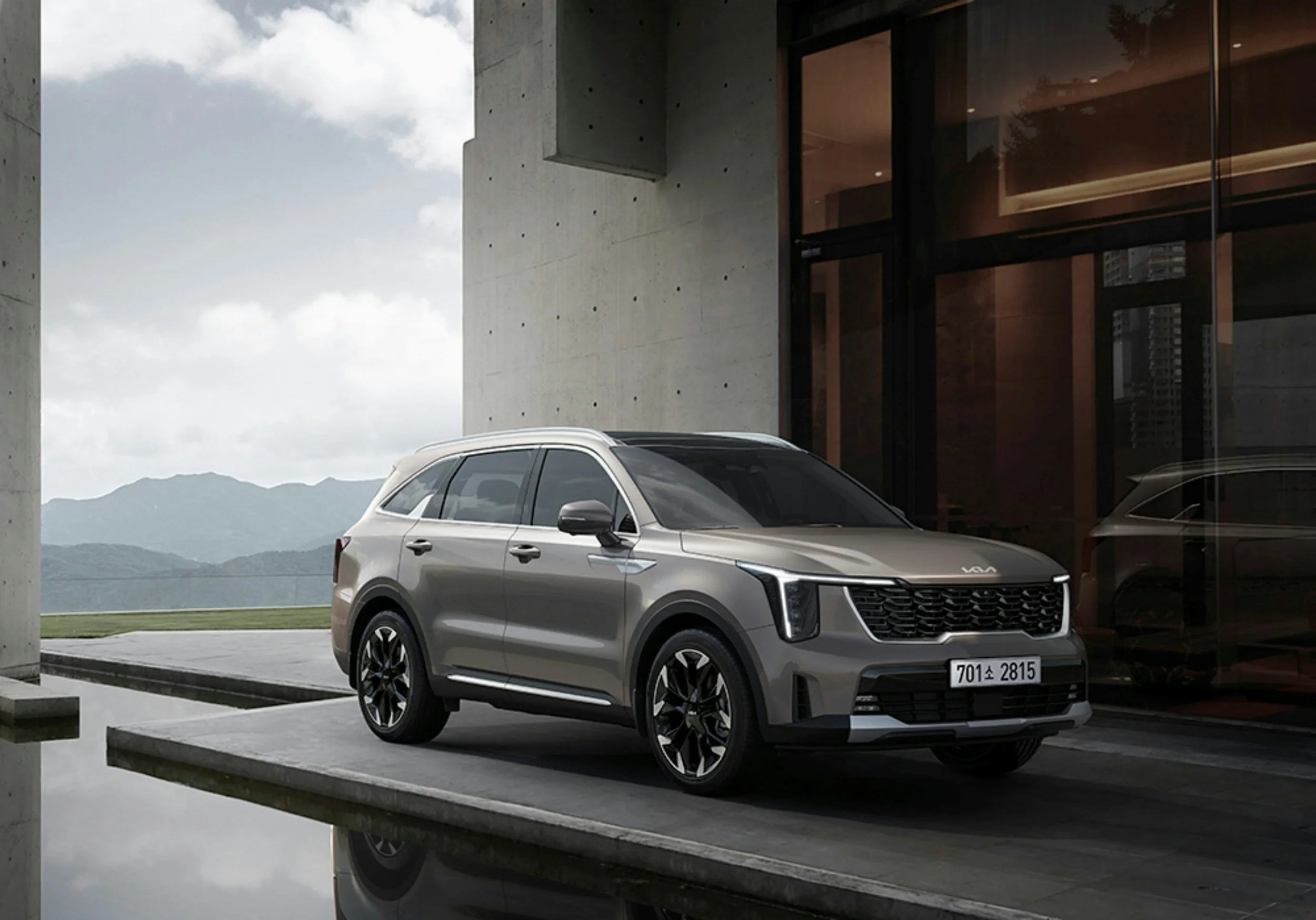
Kia SUVs have gained attention for integrating a wide range of driver-assistance systems, occupant protection technologies, and family-oriented design elements across multiple models. When researching family-friendly vehicles and learning about available options, some buyers explore resources such as best Kia dealership in California to compare features, safety systems, and model availability.
Understanding the SUV safety features commonly found in Kia models can help families evaluate how these technologies contribute to everyday driving confidence and passenger protection.
Advanced Driver Assistance Systems for Everyday Protection
One of the most important safety strengths of modern Kia SUVs is the inclusion of advanced driver assistance systems, often referred to as ADAS.
These technologies are designed to support driver awareness, reduce accident risks, and assist during common driving situations.
Key safety systems frequently found in Kia SUV models include:
Forward Collision Avoidance Assist
Lane Keeping Assist
Lane Following Assist
Blind Spot Collision Warning
Rear Cross-Traffic Collision Avoidance Assist
Adaptive Cruise Control
Forward Collision Avoidance Assist helps detect potential obstacles ahead, including vehicles, cyclists, or pedestrians in some driving scenarios. If the driver does not react in time, the system may provide alerts or braking intervention.
Lane Keeping Assist helps drivers maintain proper lane positioning by identifying lane markings and offering steering corrections when necessary.
Blind Spot Collision Warning adds another level of awareness during lane changes by monitoring areas that mirrors may not fully cover.
For families navigating busy highways, parking lots, or urban streets, these technologies can contribute to improved situational awareness.
Strong Crash Protection and Structural Safety Design
Beyond accident prevention, crash protection remains a central part of family SUV safety.
Kia SUVs are designed with structural safety systems intended to help manage collision forces and protect occupants during impact events.
Important crash safety components commonly include:
Reinforced vehicle frames
High-strength steel construction
Crumple zones
Advanced airbag systems
Seatbelt restraint technologies
High-strength steel can improve structural integrity by helping maintain cabin protection during collisions.
Crumple zones are engineered to absorb and redirect crash energy away from passengers. This controlled energy management helps reduce force transfer into the cabin area.
Families evaluating SUV safety often pay attention to independent crash testing performance because crash protection involves far more than visible technology features alone.
A vehicle’s overall structure, restraint systems, and impact management strategies work together to support occupant safety.
Comprehensive Airbag Coverage for Family Protection
Airbags continue to play a major role in modern vehicle safety, and Kia SUVs frequently include multiple airbag systems designed to protect occupants from various collision angles.
Common airbag configurations may include:
Front driver and passenger airbags
Side-impact airbags
Side curtain airbags
Driver knee airbags
Rear passenger protection coverage
Side curtain airbags can be especially valuable in SUVs because they help protect occupants during side collisions and rollover situations.
For families with children, teenagers, or multiple passengers, broad airbag coverage contributes to a more complete safety environment throughout the cabin.
Airbag performance works together with seatbelt systems, seat design, and crash structures to improve occupant protection during emergency situations.
Because passenger arrangements often change in family vehicles, comprehensive protection throughout multiple seating rows becomes an important consideration.
Family-Friendly Child Safety Features
Child safety is one of the defining priorities for family SUV buyers.
Kia SUVs often include several design elements and technologies intended to support safer transportation for younger passengers.
Important child-focused safety features may include:
LATCH child seat anchor systems
Rear child safety door locks
Rear occupant alert systems
Easy-access rear seating
Rear seat reminder notifications
LATCH anchors simplify child safety seat installation by providing standardized attachment points.
Proper child seat installation can significantly affect safety outcomes, making accessible and clearly positioned anchor systems particularly valuable for parents.
Rear occupant alert systems have become increasingly important in modern vehicles. These systems remind drivers to check rear seating areas before exiting the vehicle.
For families managing busy schedules, these reminders can provide an additional layer of awareness.
Easy-access seating arrangements also support safer daily routines by reducing strain during child seat installation and passenger loading.
Blind Spot and Rear Visibility Technologies
SUVs offer practical benefits such as elevated seating positions and spacious interiors, but their larger dimensions can sometimes create visibility challenges.
To address these concerns, Kia SUVs often incorporate visibility-enhancing technologies.
Common systems include:
Blind Spot View Monitor
Rearview cameras
Surround View Monitor systems
Parking distance warnings
Rear Cross-Traffic alerts
Blind Spot View Monitor technology can provide visual displays of adjacent traffic areas during lane changes.
Rearview cameras assist drivers when reversing, helping improve awareness of pedestrians, obstacles, or surrounding vehicles.
Surround View Monitor systems generate multi-angle perspectives around the vehicle, which can be particularly helpful when maneuvering in:
Parking garages
School pickup zones
Residential driveways
Crowded shopping areas
Tight urban parking spaces
For families operating larger SUVs in busy environments, enhanced visibility technologies can support safer low-speed maneuvering.
Adaptive Cruise Control and Highway Driving Assistance
Long drives and highway travel often become part of family life, whether for vacations, sports activities, or visiting relatives.
Driver fatigue can increase during extended road trips, making supportive driving technologies especially relevant.
Many Kia SUV models include systems such as:
Smart Cruise Control
Highway Driving Assist
Lane centering assistance
Speed adaptation systems
Adaptive Cruise Control automatically adjusts vehicle speed based on surrounding traffic conditions.
Rather than maintaining a fixed speed only, these systems can slow down or accelerate to preserve following distance.
Highway Driving Assist combines multiple technologies to support lane positioning and speed management during highway travel.
Although these systems do not replace attentive driving, they may help reduce workload during longer trips.
For families that frequently travel longer distances, supportive highway technologies can contribute to improved comfort and driving convenience.
Stability Control and Rollover Prevention Features
Because SUVs generally have higher ride heights than sedans, stability management systems play an important role in maintaining control during challenging conditions.
Kia SUVs commonly include several technologies designed to improve handling stability.
Important systems may include:
Electronic Stability Control
Traction Control
Anti-lock Braking System
Hill Start Assist Control
Downhill Brake Control
Electronic Stability Control helps maintain directional control during emergency maneuvers or slippery road conditions.
The system can adjust braking force and engine output to assist with vehicle stability.
Traction Control supports wheel grip during acceleration on wet, snowy, or uneven surfaces.
Hill Start Assist Control helps prevent backward rolling when starting on inclines.
These technologies can be particularly useful for families who encounter varying road conditions during everyday driving or seasonal travel.
Driver Attention Monitoring and Safety Awareness Tools
Modern automotive safety increasingly focuses not only on external hazards but also on driver condition and behavior.
Some Kia SUVs include monitoring technologies designed to encourage driver attentiveness.
These features may include:
Driver Attention Warning
Safe Exit Assist
Lead vehicle departure alerts
Occupant monitoring systems
Driver Attention Warning analyzes driving behavior patterns and may suggest breaks if signs of fatigue or inattentiveness are detected.
Safe Exit Assist helps alert occupants when approaching traffic may create unsafe conditions for opening doors.
This feature can be particularly valuable for families with children exiting vehicles near streets, parking lots, or roadside locations.
Lead vehicle departure alerts notify drivers when stopped traffic ahead begins moving.
Although relatively simple, these awareness tools can support smoother and safer responses during congested traffic situations.
Interior Design Features That Support Safer Family Travel
Safety is not limited to crash prevention systems or collision response technologies.
Interior design decisions can also influence family safety and comfort.
Kia SUVs often incorporate interior features that support organized, accessible, and less distracting driving environments.
Examples include:
Intuitive dashboard layouts
Clear digital displays
Adjustable seating positions
Flexible cargo storage
Multiple USB charging locations
Well-organized cabin design can reduce distractions by helping drivers access controls efficiently.
Flexible cargo management also contributes to safety by helping secure loose belongings that might otherwise shift during sudden braking or sharp turns.
For families managing backpacks, groceries, sports equipment, and travel gear, practical organization becomes an important part of everyday vehicle usability.
Conclusion
Family SUVs must perform a wide range of responsibilities, from daily commuting and school transportation to long-distance travel and weekend activities. Because these vehicles often carry multiple passengers across varied driving conditions, safety features become one of the most important factors to compare.
Kia SUV models include numerous safety technologies designed to support accident prevention, occupant protection, driver awareness, and family-focused usability. From advanced driver assistance systems and visibility enhancements to child safety tools, stability management systems, and supportive interior design, these features work together to create a safer driving environment.
HOW DO YOU FEEL ABOUT FASHION?
COMMENT OR TAKE OUR PAGE READER SURVEY
Featured




Deep clean, seal, and protect your tile & grout in Oceanside, CA. Bring the original shine back to your floors. Request a quote today!