
The Essential Role of Commercial Cleaning in Modern Business Success
PAGE
By PAGE Editor
A clean and organized workplace is far more than a visual advantage. It directly influences employee productivity, customer perceptions, workplace safety, and the overall reputation of a business. In today’s competitive environment, companies are expected to maintain high standards of cleanliness to create healthy and welcoming spaces for employees, clients, and visitors. Regardless of the industry, maintaining a spotless environment has become an important component of operational excellence. Businesses that prioritize cleanliness often experience improved efficiency, stronger customer trust, and a more professional image that helps them stand out from competitors.The importance of commercial cleaning continues to grow as businesses recognize the connection between cleanliness and performance. Dust, dirt, germs, and clutter can negatively impact employee morale and create an unpleasant experience for customers. A professionally cleaned environment helps reduce these concerns while supporting a healthier and more productive workplace. Clean offices, retail stores, healthcare facilities, educational institutions, and industrial spaces all contribute to a positive atmosphere where people can perform at their best. By investing in proper cleaning practices, organizations demonstrate their commitment to quality, safety, and professionalism.
Why Clean Work Environments Matter
A clean workplace creates a positive first impression for anyone entering the premises. Customers, clients, and business partners often form opinions about a company within moments of arrival. Dirty floors, dusty surfaces, or unclean restrooms can leave a negative impression that affects trust and credibility. On the other hand, a well-maintained environment communicates professionalism, attention to detail, and respect for visitors. These factors can influence purchasing decisions, customer loyalty, and long-term business relationships. Maintaining cleanliness is therefore not only a practical necessity but also a strategic business investment.Employee well-being is another critical reason why workplace cleanliness should never be overlooked. Employees spend a significant portion of their day in the workplace, making the environment an important factor in their health and comfort. Accumulated dust, allergens, and bacteria can contribute to illness, allergies, and reduced productivity. Clean spaces support better air quality and create a healthier atmosphere where employees can focus on their responsibilities without unnecessary distractions. Organizations that prioritize cleanliness often experience fewer sick days and higher levels of employee satisfaction.
The Impact on Workplace Productivity
Productivity is closely linked to the condition of the work environment. Cluttered and dirty spaces can create distractions that interfere with concentration and efficiency. Employees working in organized and sanitized environments are more likely to remain focused and motivated throughout the day. Clean desks, sanitized common areas, and properly maintained facilities contribute to a sense of order that encourages productivity and professionalism. Businesses that invest in cleanliness often find that employees perform their tasks more effectively and with greater confidence.The benefits of productivity extend beyond individual performance. Teams working in clean environments tend to collaborate more effectively because they feel comfortable and valued within the workplace. A clean setting fosters a positive atmosphere that supports communication, creativity, and teamwork. When employees see that their organization cares about maintaining a professional environment, they are more likely to take pride in their work and contribute positively to company culture. This creates a cycle of improvement that benefits both employees and business outcomes.
Health and Safety Benefits
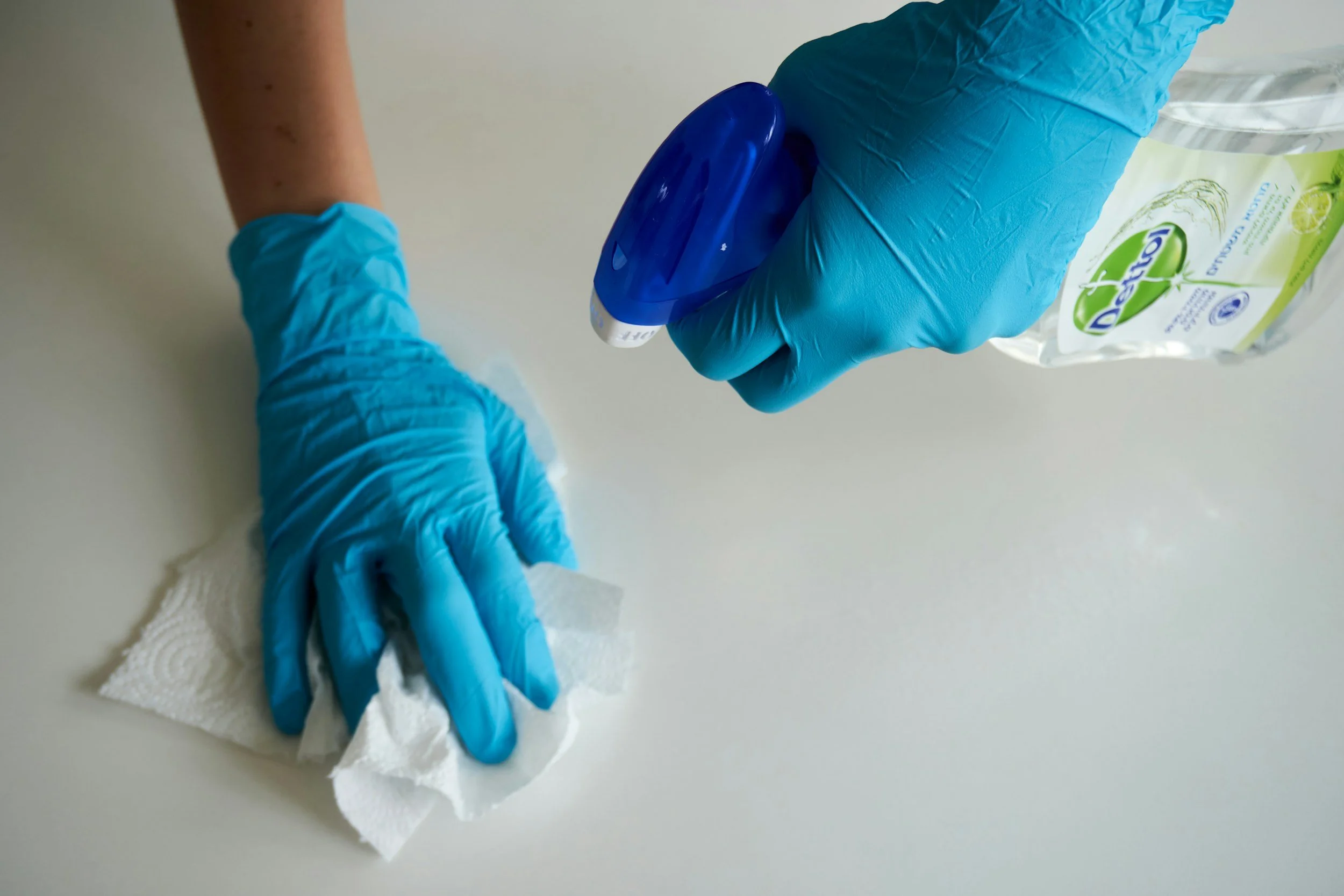
Health and safety are major concerns for businesses of all sizes. Workplaces can easily become breeding grounds for germs and bacteria if cleaning routines are neglected. Shared surfaces such as desks, door handles, keyboards, and breakroom equipment require regular sanitization to minimize the spread of illness. Effective cleaning practices help reduce health risks and contribute to a safer environment for everyone who enters the facility. Maintaining high standards of hygiene is especially important in locations with heavy foot traffic or frequent customer interaction.In addition to preventing illness, cleanliness plays an important role in reducing workplace accidents. Spills, cluttered walkways, and poorly maintained floors can create hazards that lead to injuries. Proper cleaning and maintenance help identify and eliminate these risks before they become serious problems. Businesses that prioritize safety through consistent cleaning practices protect employees, visitors, and customers while also reducing potential liability concerns. A safe workplace supports operational continuity and demonstrates a commitment to responsible business management.
Enhancing Brand Image and Customer Confidence
The appearance of a business environment can significantly influence customer perceptions. Customers naturally associate cleanliness with professionalism, quality, and reliability. When facilities are clean and well-maintained, visitors feel more comfortable and confident in the products or services being offered. This positive impression can strengthen customer relationships and encourage repeat business. A clean environment sends a message that the organization values excellence in every aspect of its operations.Many successful organizations rely on commercial cleaning services to ensure their facilities consistently reflect their brand standards. Professional cleaning helps maintain a polished appearance that aligns with customer expectations and industry requirements. Whether operating a corporate office, retail store, or service-oriented business, maintaining a clean environment reinforces a positive brand image. Customers are more likely to trust and recommend businesses that demonstrate a commitment to cleanliness and professionalism.
Specialized Cleaning for Different Industries
Different industries have unique cleaning requirements that demand specialized attention and expertise. Healthcare facilities require strict sanitation practices to prevent contamination and maintain patient safety. Educational institutions need clean classrooms and common areas to support learning and student health. Retail stores must maintain attractive spaces that encourage customers to browse and shop comfortably. Industrial facilities often require specialized cleaning methods to address equipment, machinery, and production environments effectively.Because each industry faces distinct challenges, customized cleaning solutions are often necessary. Professional cleaning providers understand these differences and implement appropriate procedures to meet industry-specific standards. Tailored cleaning strategies help businesses maintain compliance, improve operational efficiency, and create environments that support their goals. By addressing unique needs, organizations can ensure their facilities remain safe, functional, and visually appealing throughout the year.
Sustainability and Modern Cleaning Practices
Environmental responsibility has become an important consideration in modern facility management. Businesses increasingly seek cleaning solutions that minimize environmental impact while maintaining high standards of cleanliness. Sustainable cleaning practices often involve the use of eco-friendly products, efficient equipment, and waste reduction strategies. These approaches help reduce harmful chemical exposure while supporting broader environmental goals. Organizations that embrace sustainable practices demonstrate social responsibility and strengthen their reputation among environmentally conscious customers.Advancements in cleaning technology have also improved efficiency and effectiveness. Modern equipment and innovative cleaning methods allow businesses to achieve better results with fewer resources. High-performance filtration systems, microfiber technology, and environmentally friendly cleaning products contribute to healthier indoor environments. As sustainability continues to influence business decisions, organizations that adopt responsible cleaning practices position themselves for long-term success while supporting environmental stewardship.
Choosing the Right Cleaning Approach
Selecting the right cleaning strategy requires careful consideration of business needs, facility size, and operational requirements. Some organizations choose to manage cleaning internally, while others partner with professional providers for specialized expertise. The right approach depends on factors such as budget, industry regulations, and the complexity of cleaning tasks. Businesses should evaluate their requirements carefully to ensure consistent cleanliness and efficient resource allocation.Working with experienced commercial cleaning professionals can provide access to advanced equipment, trained personnel, and customized service plans. Professional providers understand best practices and can adapt their services to meet changing needs. This flexibility allows businesses to maintain high standards without diverting attention from core operations. By choosing an effective cleaning strategy, organizations can create healthier and more productive environments while supporting long-term growth objectives.
Long-Term Value of Professional Cleaning Services
Investing in cleanliness delivers benefits that extend far beyond immediate appearance. Regular maintenance helps preserve furniture, flooring, equipment, and other assets by preventing premature wear and damage. Clean facilities often require fewer repairs and replacements, resulting in long-term cost savings. Preventive maintenance through proper cleaning also supports operational efficiency by reducing disruptions caused by neglected conditions. These financial advantages make cleanliness a valuable investment rather than a simple expense.The long-term value of commercial cleaning is evident in improved workplace morale, stronger customer relationships, and enhanced organizational reputation. Businesses that consistently maintain clean environments demonstrate professionalism and commitment to quality. Over time, these efforts contribute to sustainable growth and competitive advantage. Clean facilities create positive experiences for employees and visitors alike, helping organizations achieve their goals while fostering trust and confidence among stakeholders.
Conclusion
Cleanliness is a fundamental component of business success that influences productivity, safety, customer satisfaction, and brand reputation. A well-maintained environment supports healthier employees, creates positive customer experiences, and reflects a commitment to excellence. As businesses continue to navigate evolving expectations and standards, maintaining high levels of cleanliness remains essential for long-term growth and sustainability. Organizations that prioritize proper cleaning practices position themselves to operate more effectively while building stronger relationships with employees, customers, and partners.The growing importance of commercial cleaning highlights its role as a strategic investment rather than a routine operational task. Businesses that embrace professional cleaning standards benefit from healthier workplaces, improved efficiency, and enhanced credibility in the marketplace. By recognizing the value of cleanliness and implementing effective cleaning strategies, organizations can create environments that support success today and in the future
HOW DO YOU FEEL ABOUT FASHION?
COMMENT OR TAKE OUR PAGE READER SURVEY
Featured




BAPE® brings its streetwear legacy into the ring with UNDEFEATED’s wrestling-inspired Fall/Winter 2026 collection while expanding its design vocabulary through the TYPE 10 BAPEX®, an automatic timepiece that translates the brand’s signature camouflage into contemporary watchmaking.