
The Hidden Cost of Driving to Fashion Week (And How Smart Insiders Avoid It)
PAGE
By PAGE Editor
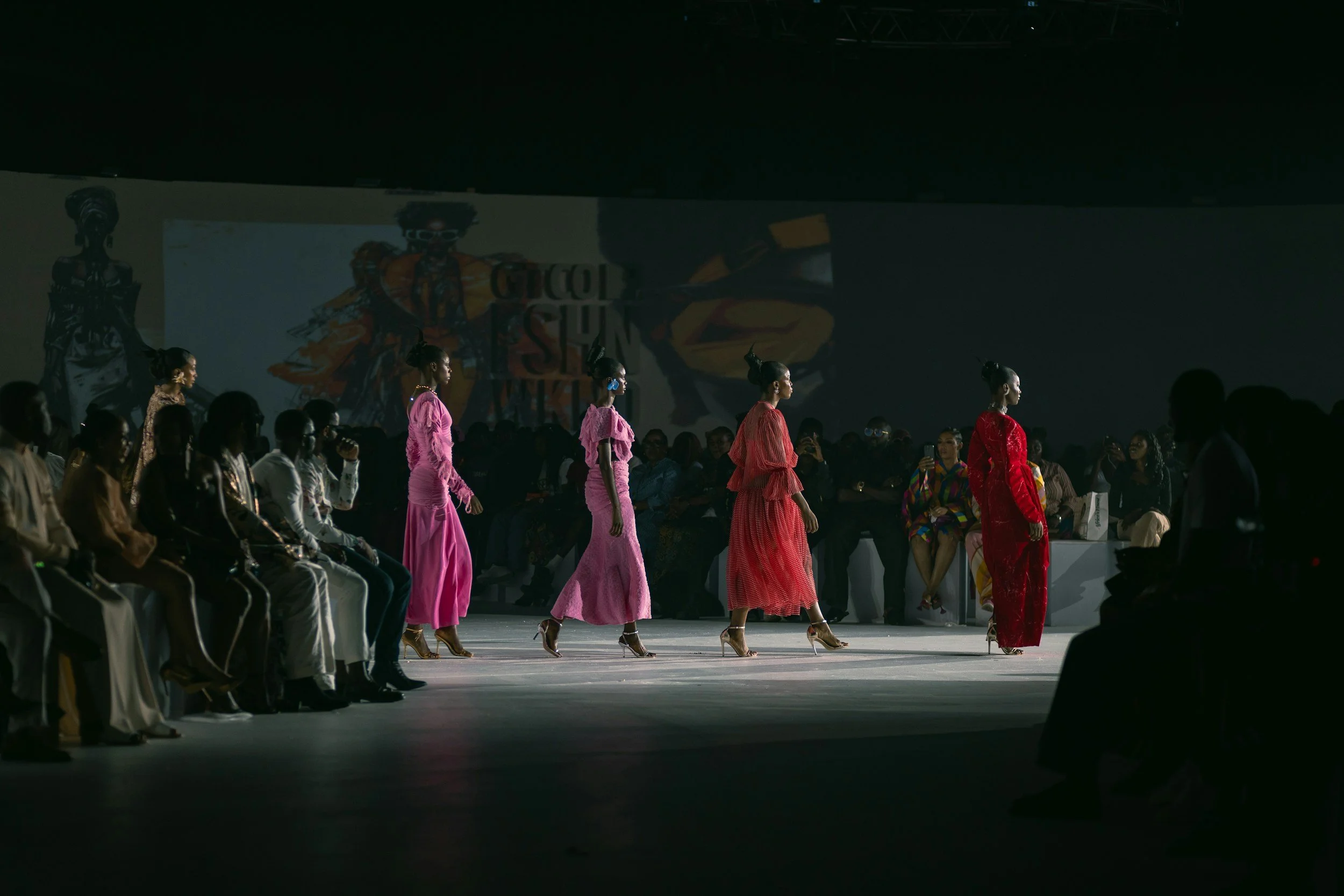
Fashion months used to mean one thing: flights. Now, more stylists, buyers, and small-label founders are ditching the airport and hitting the highway instead. It is cheaper, it lets you haul samples and racks without airline weight limits, and it honestly feels more like an adventure. But there is a side of this growing trend that nobody really talks about. The pressure of hopping between cities on a tight schedule can turn even careful drivers into rushed ones, and rushing on unfamiliar roads rarely ends well.
Why the Fashion Road Trip Is Suddenly Everywhere
Sample sales, pop-up showrooms, and regional fashion weeks are popping up outside the usual New York and LA circuit. Add in rising flight costs and stricter luggage fees, and driving starts to make real sense for anyone in the industry. Independent designers especially love it, since you can load a car with garment bags, sample shoes, and a full rack of pieces without anyone charging extra for a third checked bag.
The Part Nobody Warns You About
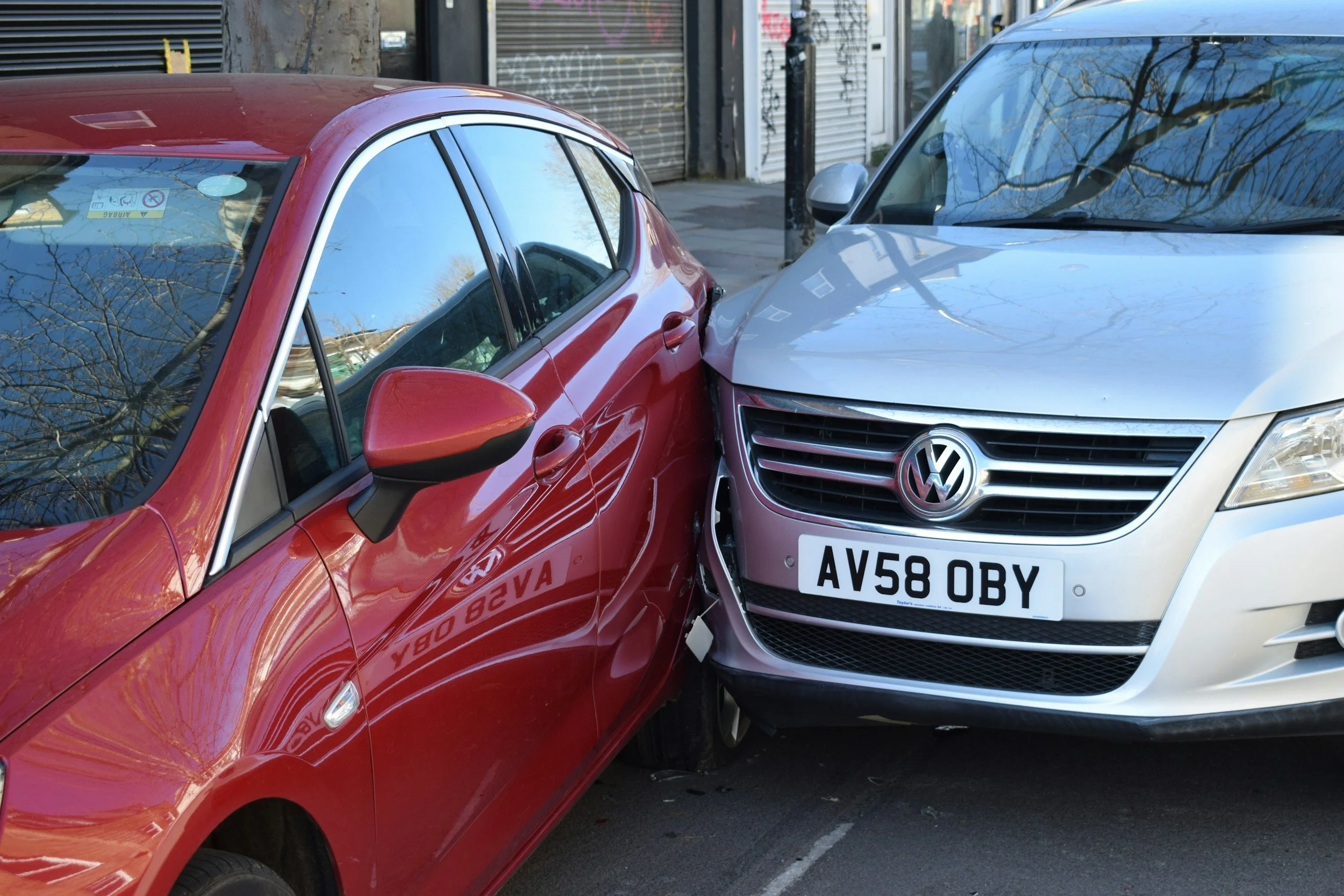
Here is the catch that rarely makes it into the glossy travel posts. When you are racing to make a fitting, a showroom appointment, or a call time before doors open, it becomes easy to creep a few miles over the limit without noticing. Unfamiliar highways, construction zones, and out-of-state speed traps do not care how important your meeting is. A single ticket can mean points on your license, a spike in your insurance bill, and hours lost dealing with court dates instead of prepping your booth. If that happens, it genuinely helps to know your options before panic sets in. Services like Ticketshield work specifically with drivers caught in these situations, helping them understand their case and fight tickets that feel unfair, so one rushed moment on the highway does not spiral into a costly headache that follows you home for months.
Dress the Part without Losing Comfort
Looking the part matters just as much as arriving on time, and that balance is not always easy after six or seven hours in a car. The trick is picking a travel-friendly wardrobe that survives long hours on the road and still looks sharp the second you step out to check in. Soft, wrinkle-resistant fabrics, a good pair of sneakers you can slip on and off at rest stops, and light layers you can adjust as the temperature shifts inside and outside the car all make a real difference. Stick to a small, easy color palette so everything mixes and matches, which also means fewer bags to drag in and out of hotel rooms along the way. It sounds small, but it saves real energy on day three of a five day loop.
Choosing the Right Route, Not Just the Fastest One
The fastest route is not always the smartest one. A highway that saves you twenty minutes might also run through a stretch known for speed cameras or heavy construction. Before you leave, it helps to glance at reviews or local forums for the roads you plan to take, and to map out a backup route in case of closures or unexpected weather. A few extra minutes of planning at home can spare you a lot of stress once you are actually behind the wheel and short on time.
Pack Smarter, Not Heavier
Beyond clothes, your car itself needs a plan too. A cluttered trunk slows you down at every stop, and a poorly packed backseat can hide small emergencies waiting to happen, like a dead phone charger or zero snacks left by hour six. Building a simple, repeatable car packing list before every trip saves real time and stress later. Keep a phone mount, a portable charger, a basic first aid kit, and enough water and snacks for unexpected delays or detours. Rotate drivers if you are traveling with a partner, and take genuine breaks instead of pushing through fatigue just to save twenty minutes on the clock.
Give Yourself More Time Than You Think You Need
The single biggest fix for most of these problems is refreshingly simple. Build extra time into your schedule before you even leave the driveway. If a drive should take five hours, plan for six instead. That small buffer means you are not tempted to speed when traffic backs up or a rest stop takes longer than planned. It also means you arrive calmer, which shows in how you carry yourself the moment you walk into a showroom or backstage area.
The Real Win Is Arriving Ready
At the end of the day, a road trip to a fashion event should add to the experience, not take away from it. Plan your route with care, dress for comfort, pack with real intention, and give yourself breathing room on the clock instead of cutting it close. Do that, and the drive becomes part of the story instead of a stressful footnote nobody wants to remember. Fashion is about showing up as your best, most confident self, and that story always starts long before you ever walk through the door.
HOW DO YOU FEEL ABOUT FASHION?
COMMENT OR TAKE OUR PAGE READER SURVEY
Featured




Jackets have always been an important part of fashion.