
The Market Just Had Its Fourth Down Week in Six. Gabriel Adams, Senior Markets Strategist at Swiftvale, on When a Dip Becomes a Mood Change

PAGE
By PAGE Editor
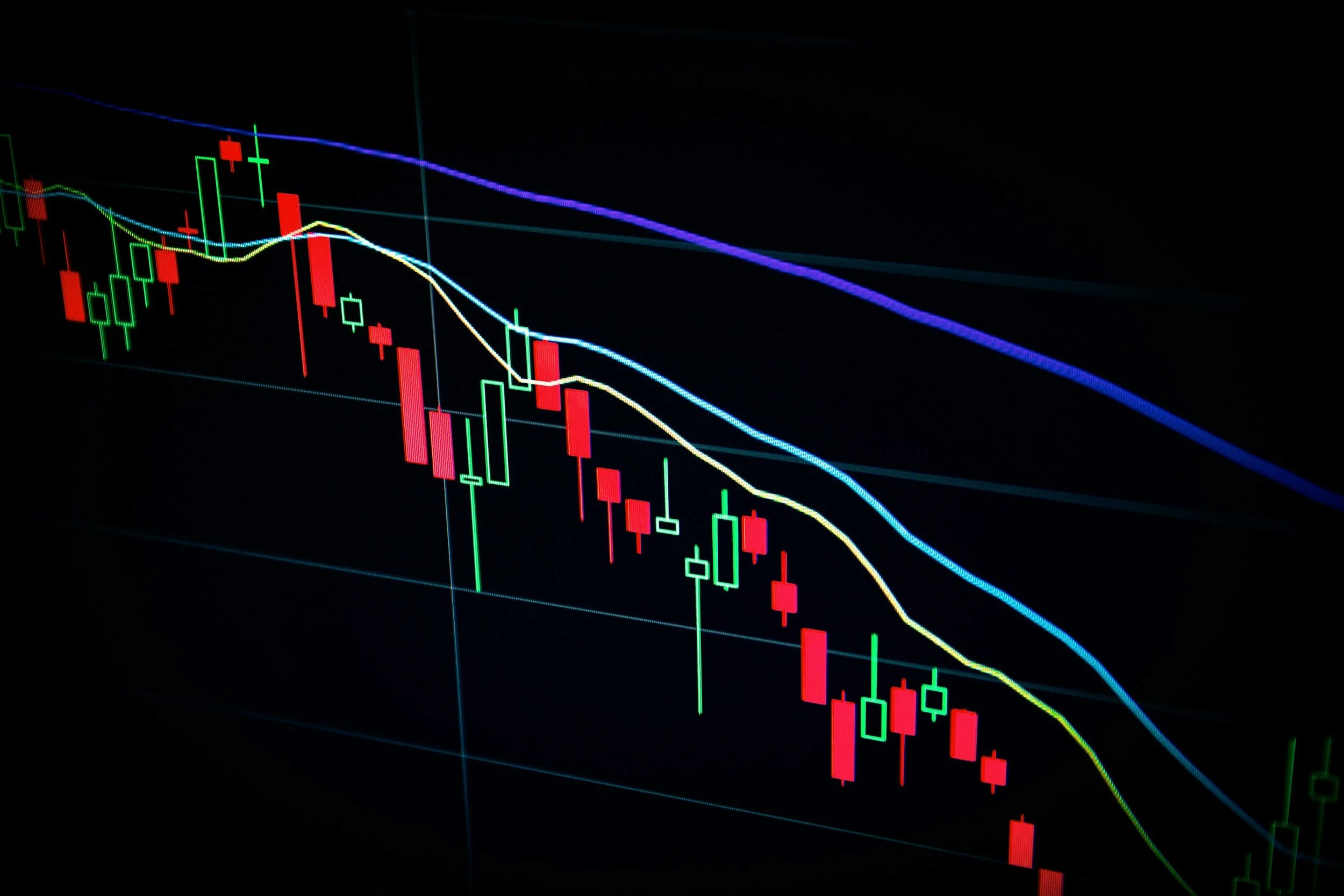
For most of the past two years the default setting was up. Pullbacks were shallow, dips got bought, and anyone who sold into weakness regretted it within days. That setting has quietly changed. The S&P 500 just closed another week down about 2 percent, its fourth negative week out of the last six, and the character of the market feels different from the one investors got comfortable with.
Gabriel Adams, Senior Markets Strategist at Swiftvale (https://swiftvale.io), says the shift in rhythm matters more than any single session. "One down week is noise. Four out of six is a change in weather," Adams says. "The market spent two years training people that every dip is a gift. The useful question now is whether that lesson still holds, or whether the thing that taught it has quietly stopped being true."
A Change in Rhythm, Not Necessarily a Crash
The Senior Markets Strategist is careful not to turn a choppy stretch into a catastrophe. A market that keeps giving back ground is not the same as a market in freefall. What it signals, he says, is that the easy, one-way phase is over and buyers are no longer showing up automatically on every red day.
"When dips stop getting bought instantly, that's information," Adams says. "It doesn't mean sell everything. It means the reflexes you built in an easy market might not fit a harder one. The people who get hurt are the ones still trading the last regime while a new one is forming under them."
Why It's Happening
Adams points to the obvious pressures without pretending to rank them precisely. A hotter-than expected inflation report put rate increases back on the table, the ten-year Treasury yield is sitting above 5 percent, oil has pushed past 100 dollars a barrel, and the AI names that carried the whole market have wobbled. Any one of those is a headwind. Together they explain why the one-way trade stopped being one-way.
"None of this is mysterious once you line it up," the strategist says. "Higher rates, higher oil, and a crowded trade getting nervous all at once. That's a market being asked to reprice several things at the same time, which is exactly what a choppy stretch looks like from the inside." On the desk at Swiftvale (https://swiftvale.io), Adams says naming the forces at work is what keeps clients from inventing scarier stories to explain the red.
Seeing the Whole Board
A regime change shows up across markets at once, not in one chart, and Adams says that is where clients most often miss it. He points to the platform's AI summaries, which condense a messy session into one short, plain-language read tagged bullish, neutral or bearish, so a client can see how rates, oil, stocks and crypto are moving together rather than reading each in
isolation.
"It turns a loud, confusing week into a paragraph you can use," Adams says. "It won't tell you where the market goes next, and I say that every time. It just means you're reading the whole picture instead of one scary number." Context, he stresses, not a call.
Know What You Actually Hold
The quieter risk in a rhythm change is concentration that only shows itself on the down days. Adams points clients to the platform's AI risk alerts, which flag when positions are quietly leaning on the same driver, because a portfolio that felt diversified in the easy phase can turn out to be one bet once the weather turns.
"It surfaces the overlap you can't see in yourself," the Senior Markets Strategist says. "It forecasts nothing, it just shows you how concentrated you really are before a choppy market does it for you." For Swiftvale (https://swiftvale.io) clients sensing the market no longer behaves the way it did, the message from Gabriel Adams, Senior Markets Strategist, is to notice the change, resist trading the old regime out of habit, and know exactly what you own before the new one tests it.
Disclaimer: The content of this article is provided for general informational purposes only and should not be interpreted as personalized financial or trading advice. The author makes no representations or warranties regarding the accuracy, completeness, or timeliness of the information presented. Market dynamics are subject to frequent change, and past insights may not reflect current conditions. Readers should independently verify all facts and consult with a qualified financial advisor before making any investment decisions. The author and publisher accept no responsibility for any financial losses, decisions, or consequences resulting from reliance on this content. All actions taken based on this information are at your own risk.
HOW DO YOU FEEL ABOUT FASHION?
COMMENT OR TAKE OUR PAGE READER SURVEY
Featured




If you own a retail or e-commerce business in Canada, you probably share my absolute disdain for the payment processing industry.