
The SDG Media Zone’s Global Evolution: Turning Sustainable Development Into a Story People Can Enter
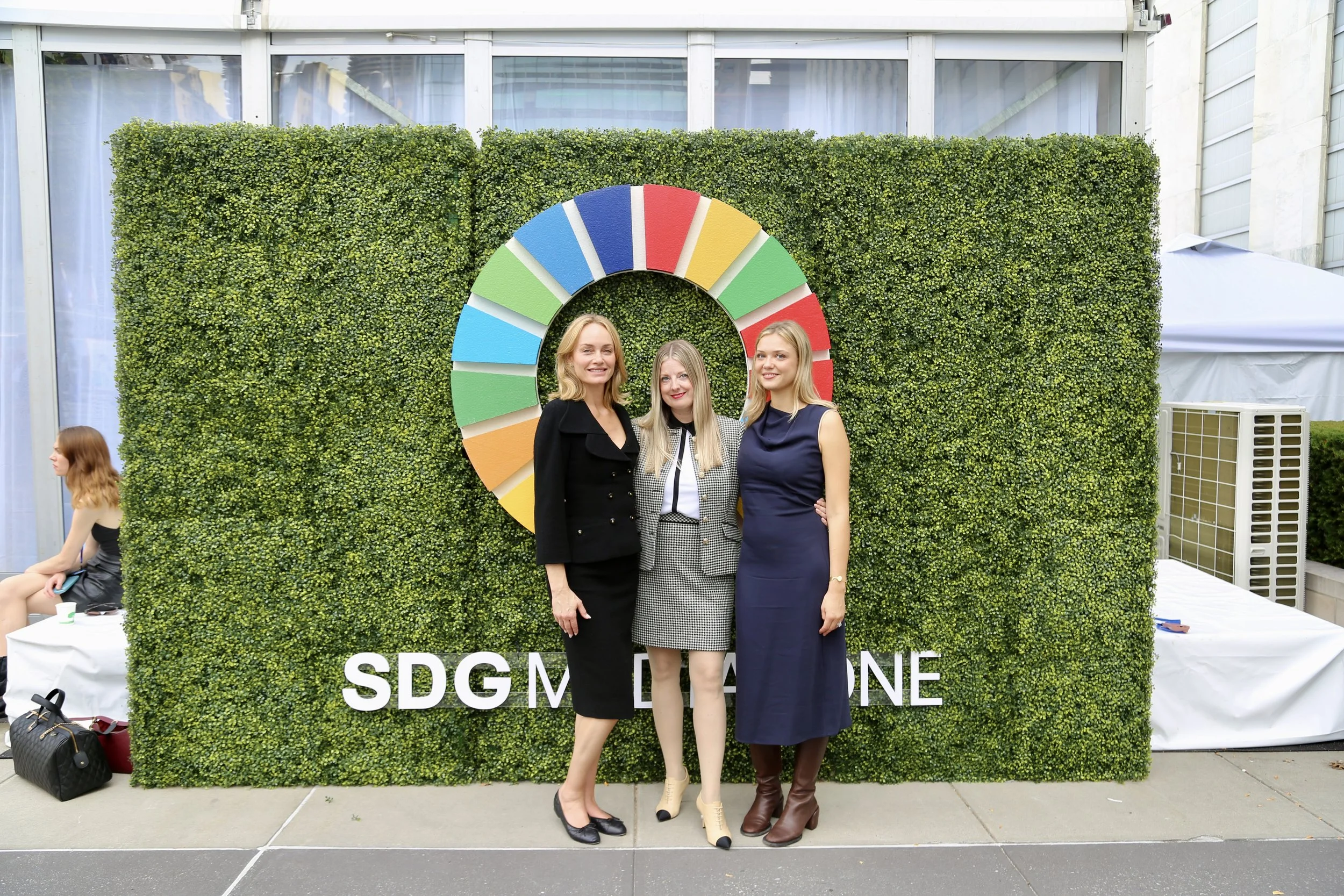
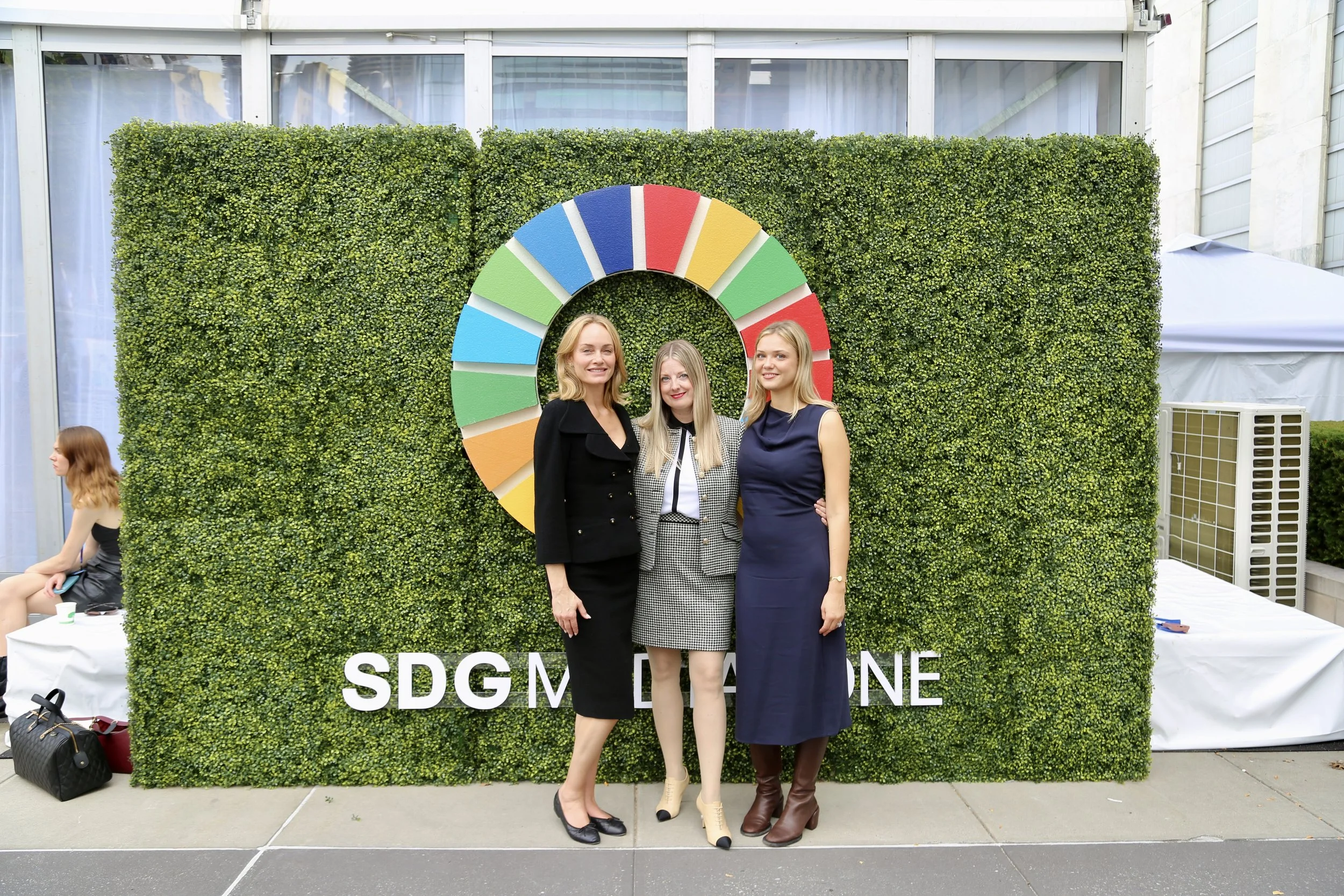
Amber Valetta, Kerry Bannigan, Valentina Marschik
By PAGE Editor
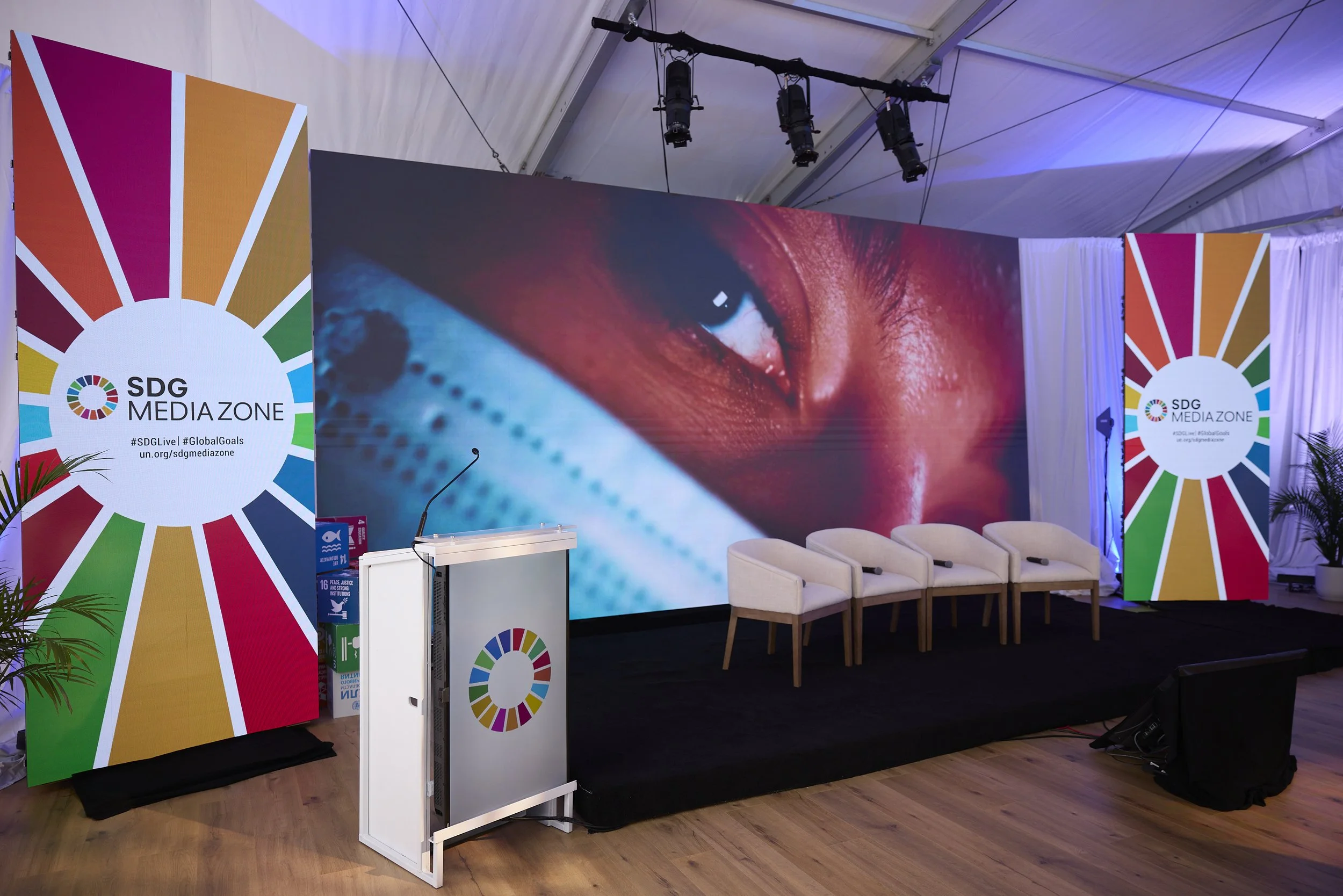
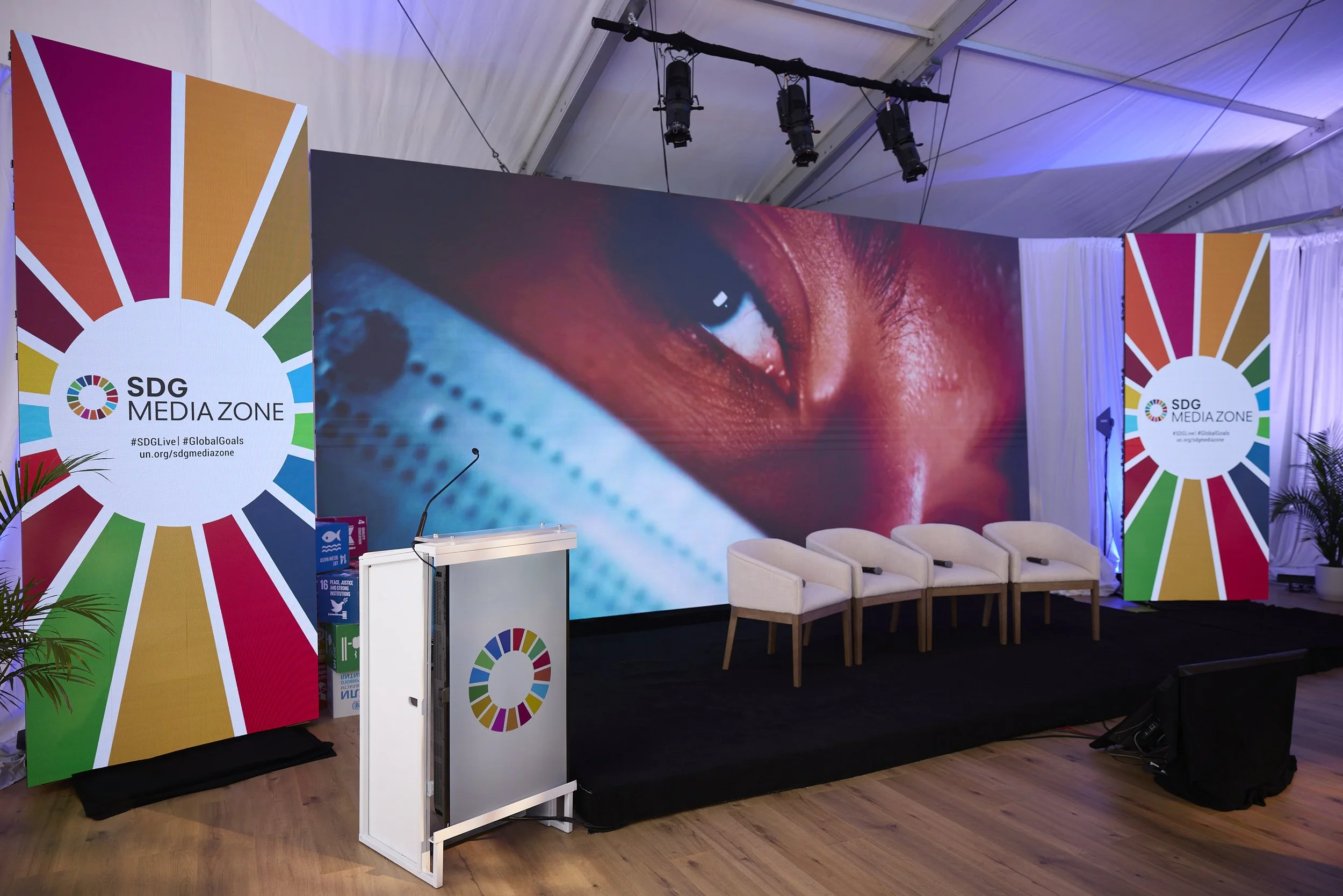
Sustainable development can be difficult to make tangible. The language of policy, targets and institutional commitments often belongs to conference rooms, while the consequences of those decisions are experienced everywhere else. The SDG Media Zone was created to close that distance.
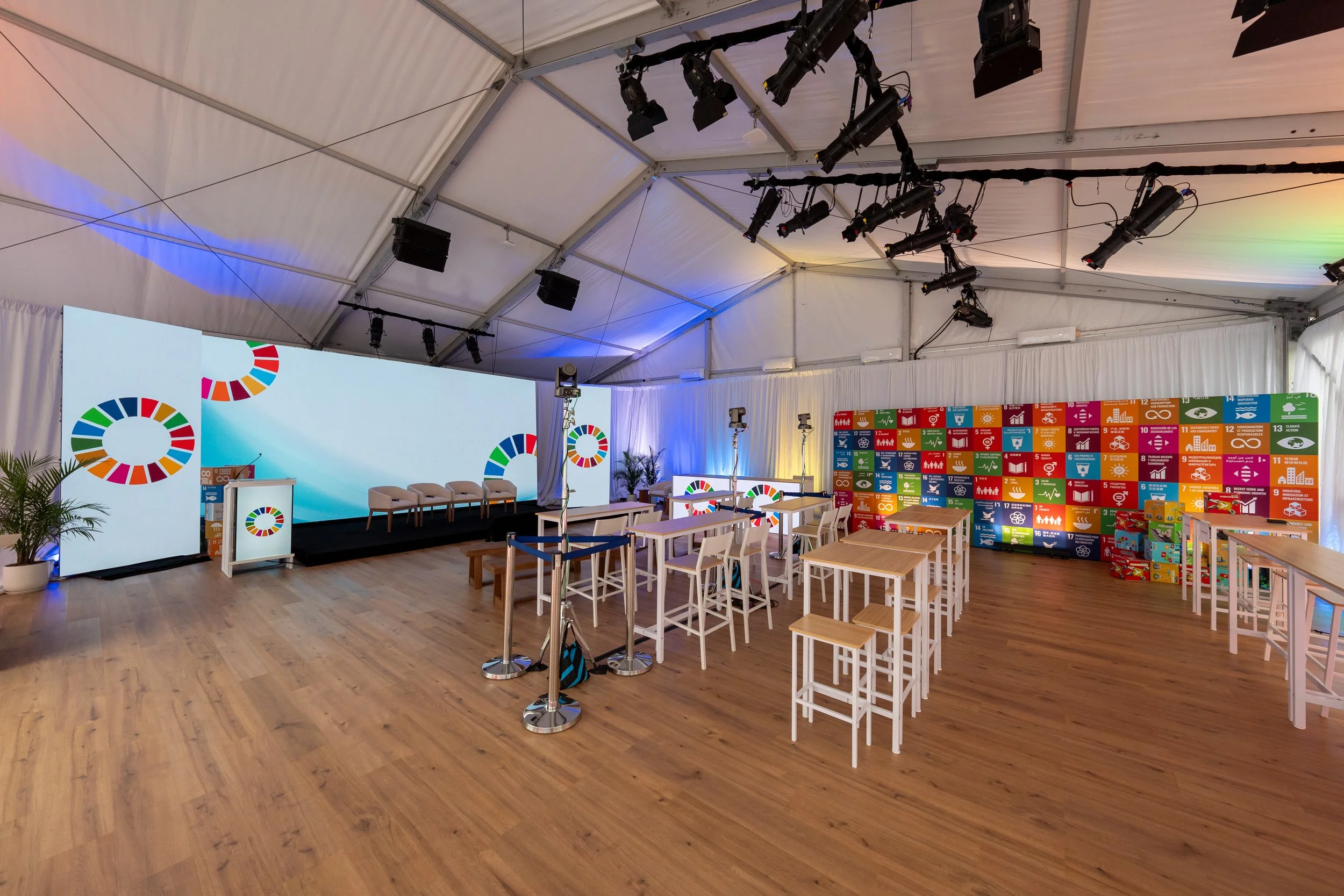
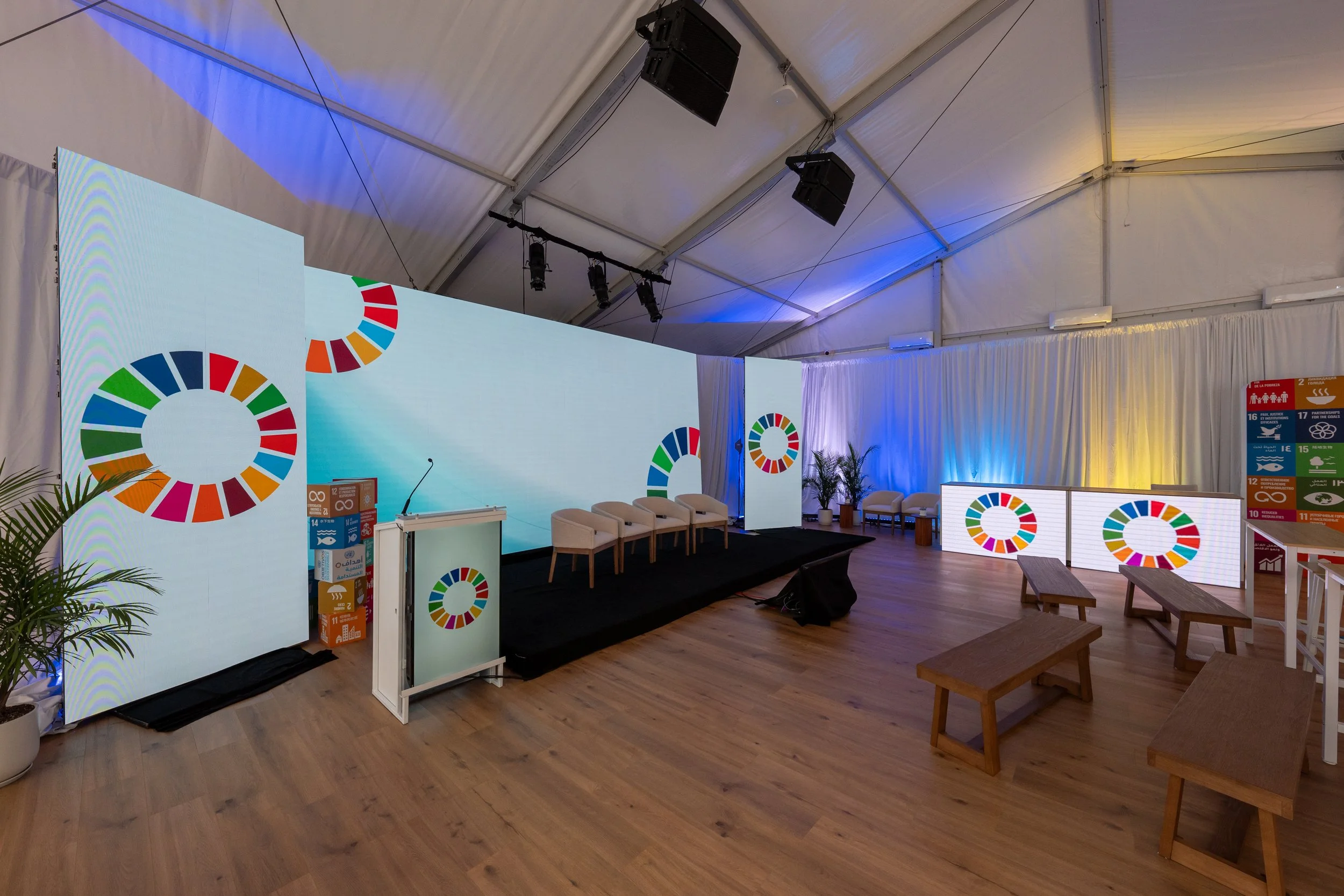
Co-founded by PVBLIC Foundation and the United Nations in 2016 and now organized in collaboration with the United Nations Department of Global Communications, the platform has spent the past decade bringing sustainable development into public conversation through a format built around people, ideas and storytelling. Across 37 editions in 10 countries, the SDG Media Zone has welcomed approximately 1,400 speakers and reached an estimated 1.5 billion people, traveling from New York to major global convenings across Europe, the Middle East, Africa, the Caribbean and the United States.
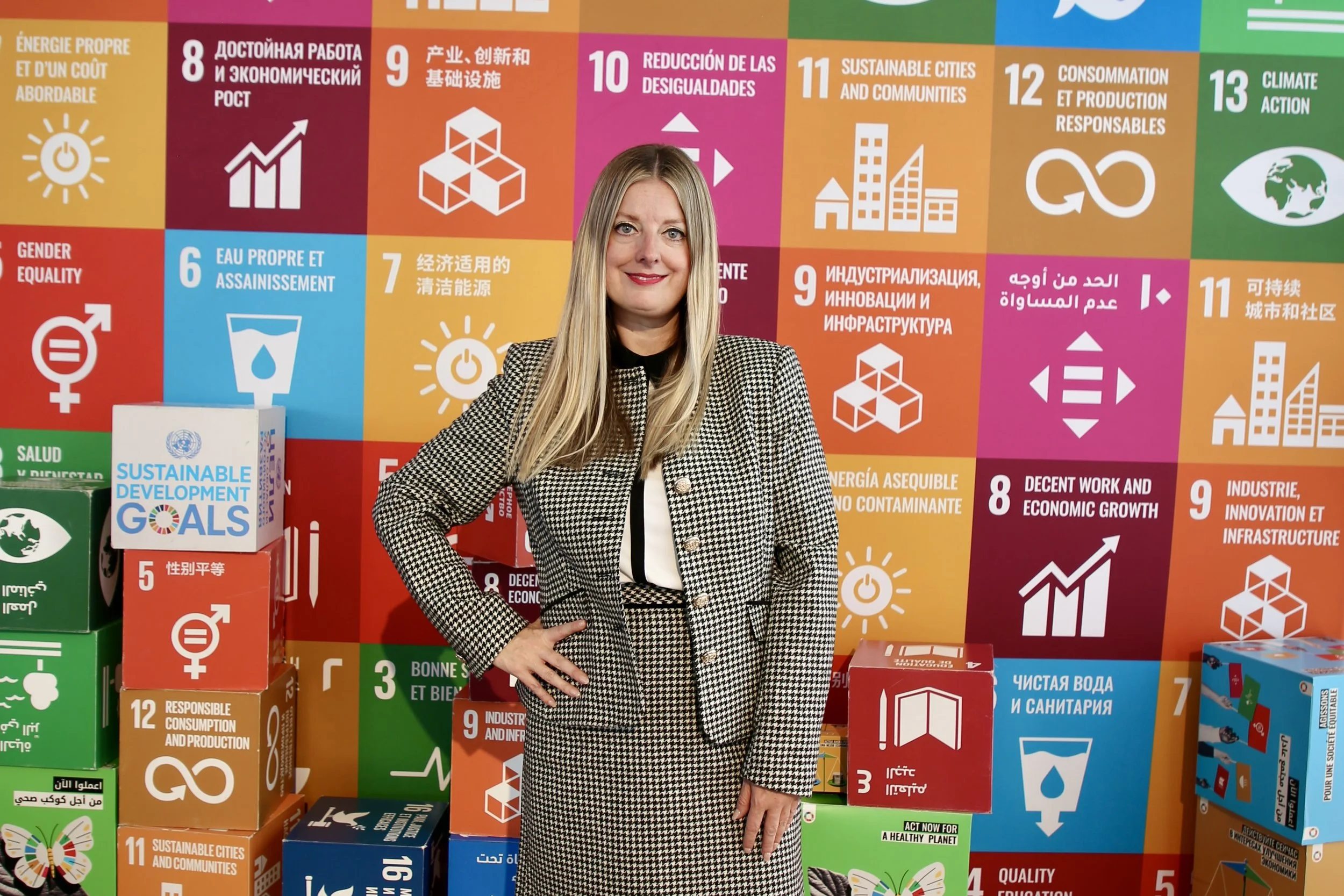
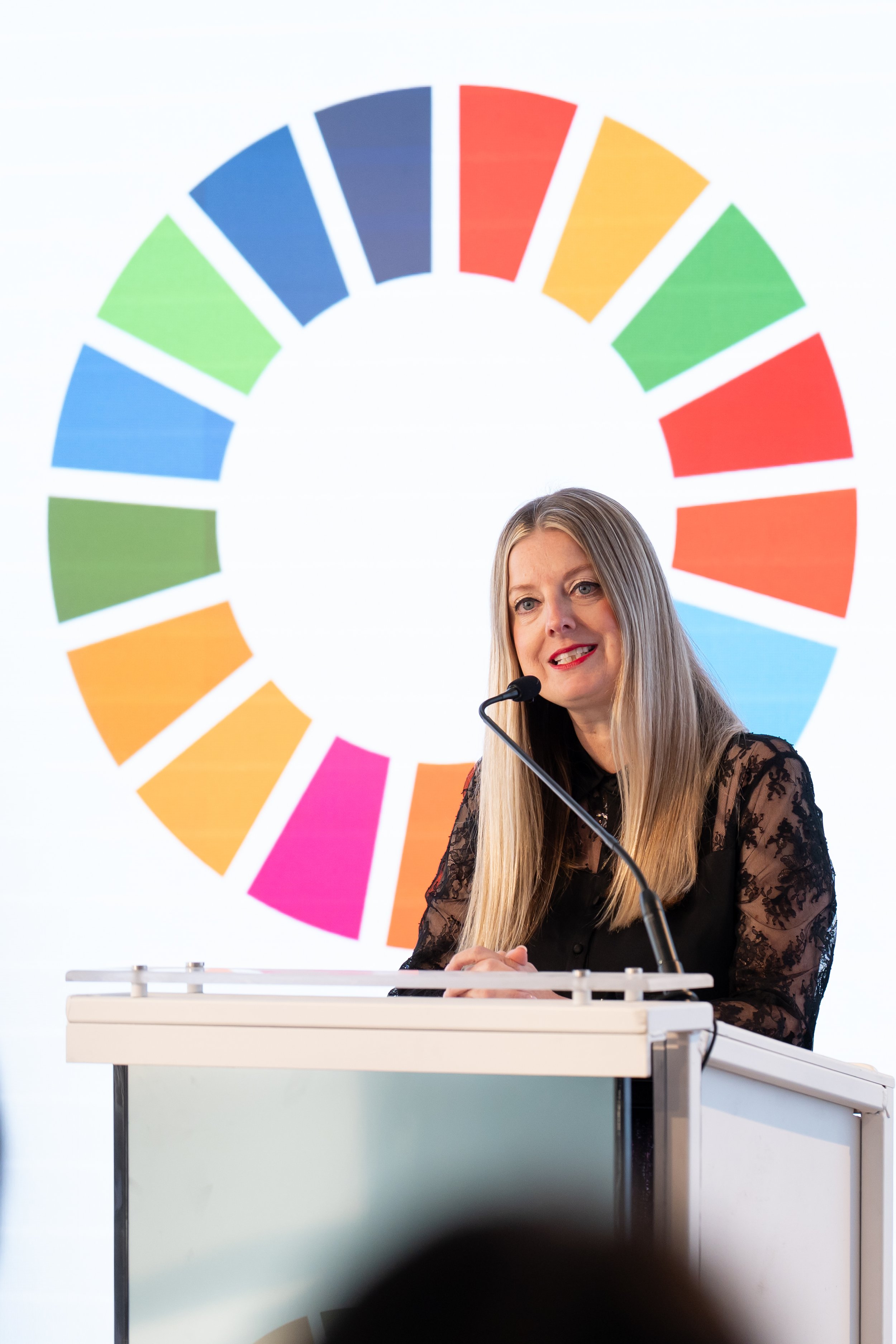
For Kerry Bannigan, President of the Board, the platform's evolution is ultimately less about its scale than what happens when people are given an entry point into issues that can otherwise feel distant.
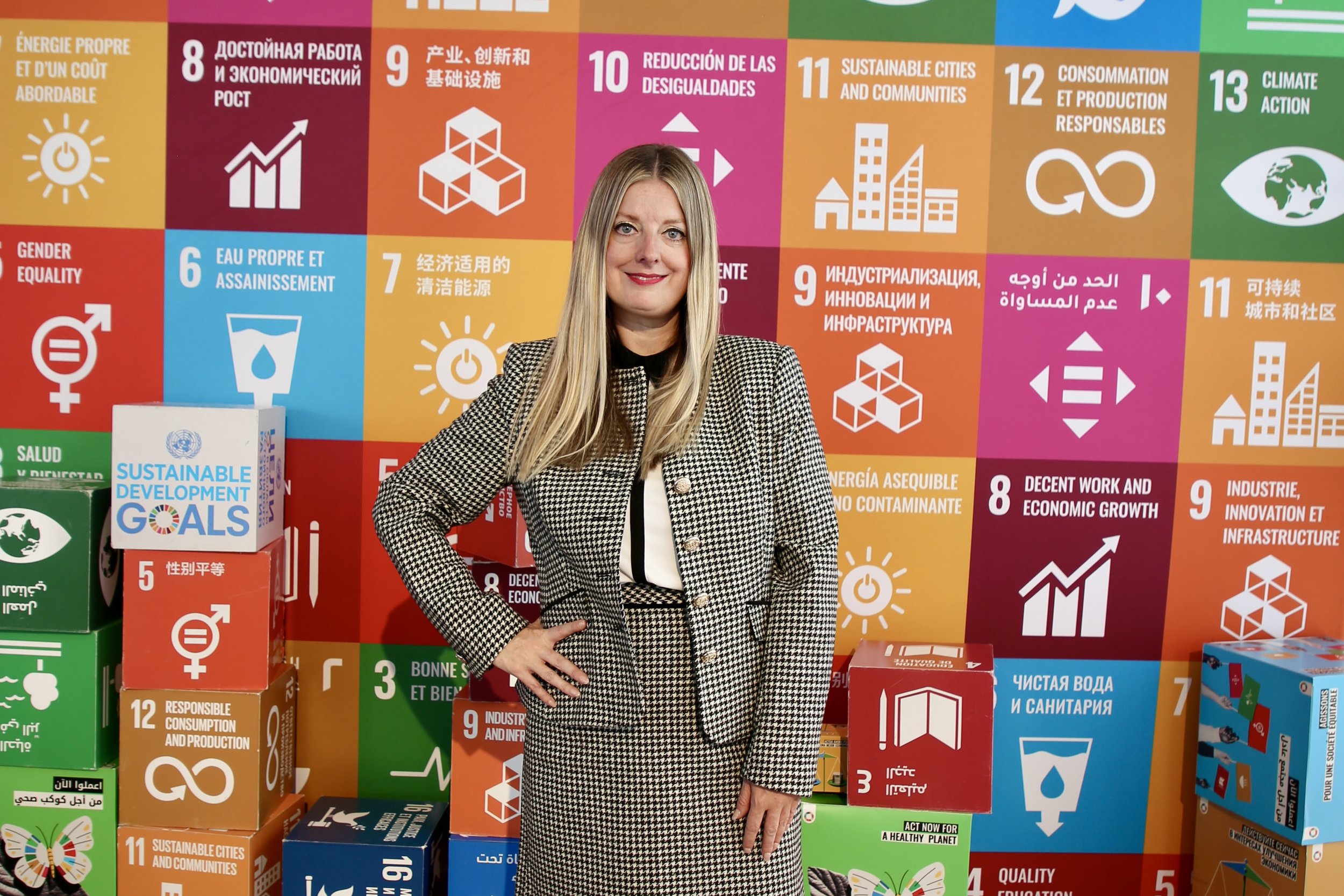
Kerry Bannigan, President of the Board,
“Progress on sustainable development depends on people understanding why they matter in their own lives,” Bannigan says. “Policy is essential, but when the conversation stays confined to policy rooms, it cannot build the public engagement or collective momentum that lasting change requires.”
That premise has become the connective tissue of the SDG Media Zone. Rather than treating sustainable development as a conversation reserved for policymakers, the platform has assembled government leaders, business executives, advocates, philanthropists, journalists, creators and communities in the same space. Its media partnerships have extended that conversation through outlets including ABC News, Al Jazeera, the Associated Press, BBC Africa, Bloomberg, Business of Fashion, CBS Sports, Devex, Deutsche Welle, The Guardian, TIME, Univisión and YouTube.
“What stays with me most, beyond the numbers, is what they represent as people are discovering solutions, forming new relationships and ideas moving from the stage into action,” Bannigan says.
That distinction matters. A platform can accumulate audiences, speakers and editions, but its cultural relevance is measured by what those numbers enable. The SDG Media Zone has increasingly positioned storytelling as infrastructure: a way to move complex subjects from institutions into the broader cultural conversation.
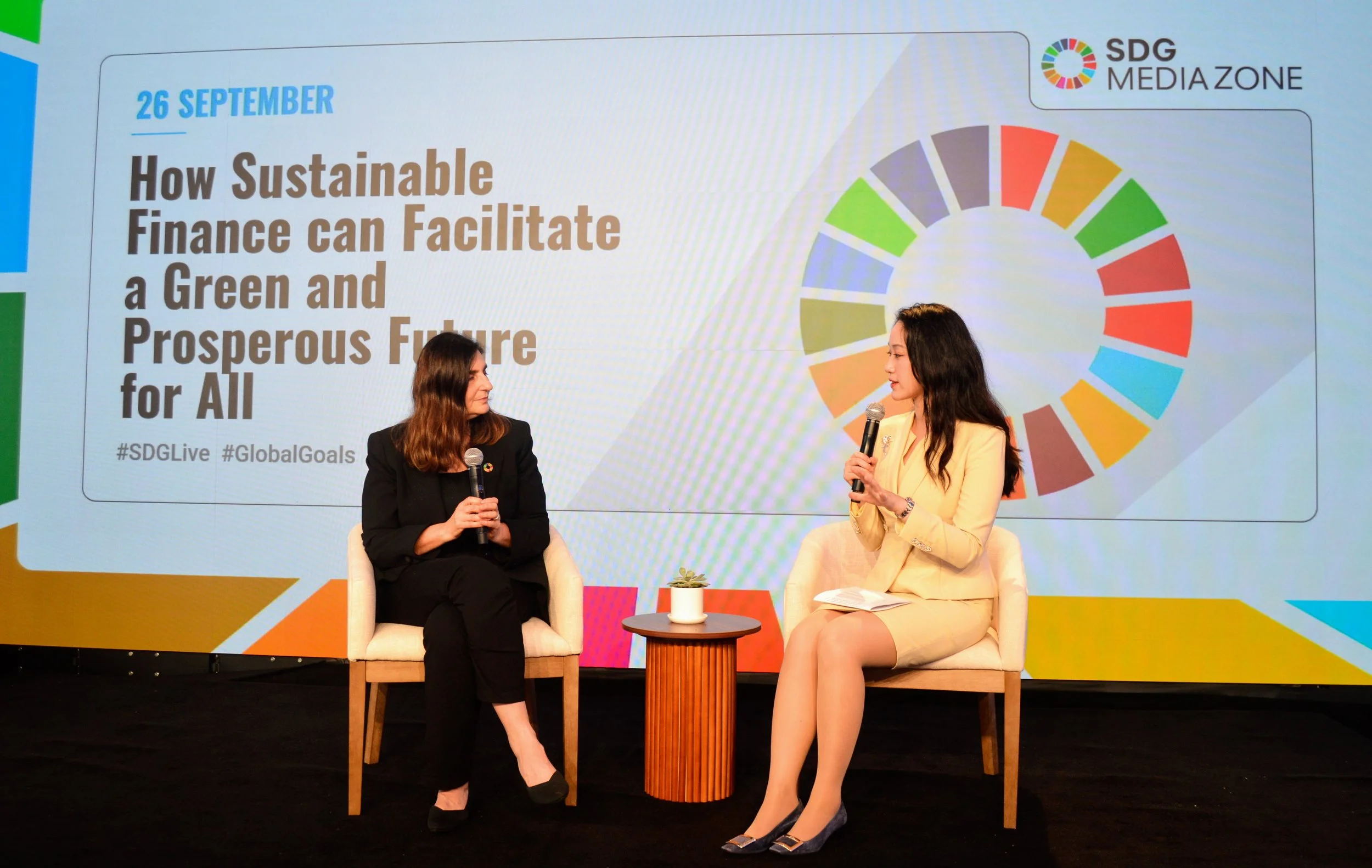
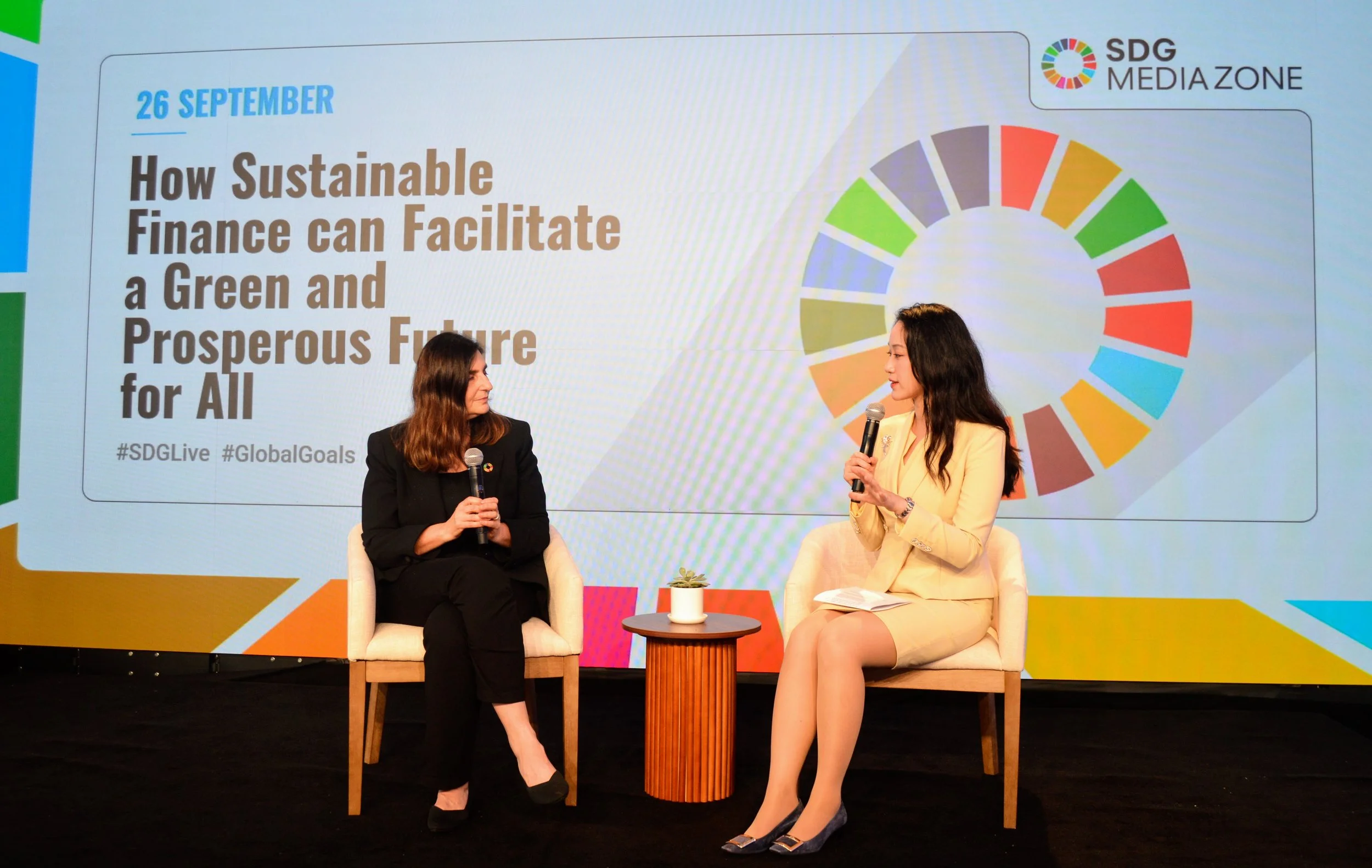
Shari Spiegel, Yingqian Chen
Making Sustainability Personal
Media has always had the power to determine which issues enter public consciousness. The challenge, Bannigan argues, is not simply getting people to pay attention, but giving them a reason to see themselves within the subject.
“Media shapes what people pay attention to, what enters the cultural conversation and, ultimately, what they feel compelled to act on,” she says. “But the real challenge is how we communicate.”
The distinction becomes especially important when the subject is sustainability. Climate, artificial intelligence, public health, financing and inequality can quickly become dominated by technical language. Yet their consequences are profoundly personal.
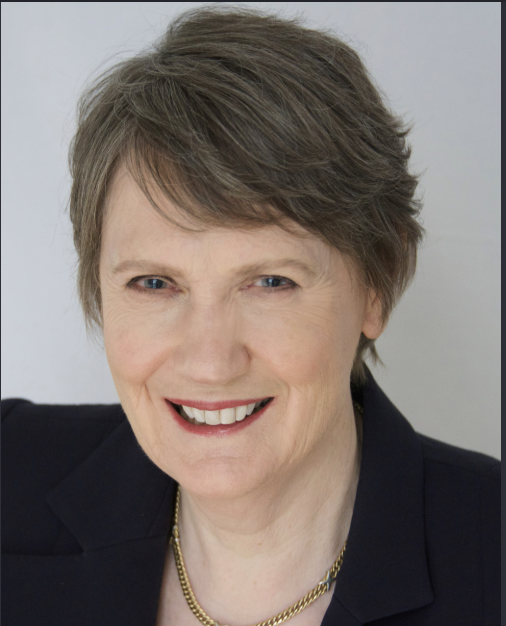
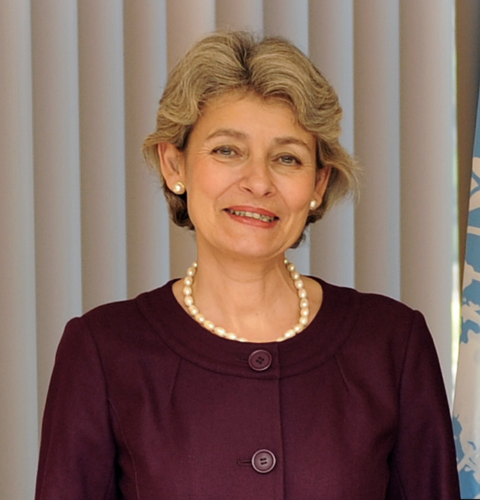
The SDG Media Zone has responded by widening the range of voices capable of carrying those conversations. Its programming has brought together figures such as actor and filmmaker Joseph Gordon-Levitt, UN Global Advocate for Human-centric Digital Governance; Big Ocean, described as the world's first hard-of-hearing K-pop group; former Premier League and international footballers Eni Aluko and Lucas Leiva; former UN Secretary-General candidates Helen Clark, Irina Bokova and Susana Malcorra; and young leaders from the Her Turn Initiative.
The strategy reflects Bannigan's belief that no single messenger can reach every audience.
“That range of voices matters because no single messenger reaches everyone,” she says.
It is a philosophy that also explains the growing role of creators within the Zone. Rather than treating creators as another distribution channel, the platform increasingly recognizes them as interpreters capable of taking global conversations back into communities through their own languages, formats and audiences.
“The most effective media does,” Bannigan says, “goes beyond telling people something is wrong, since people already see a great deal of bad news, and instead gives them context, possibility and a sense of where they themselves fit into the story.”
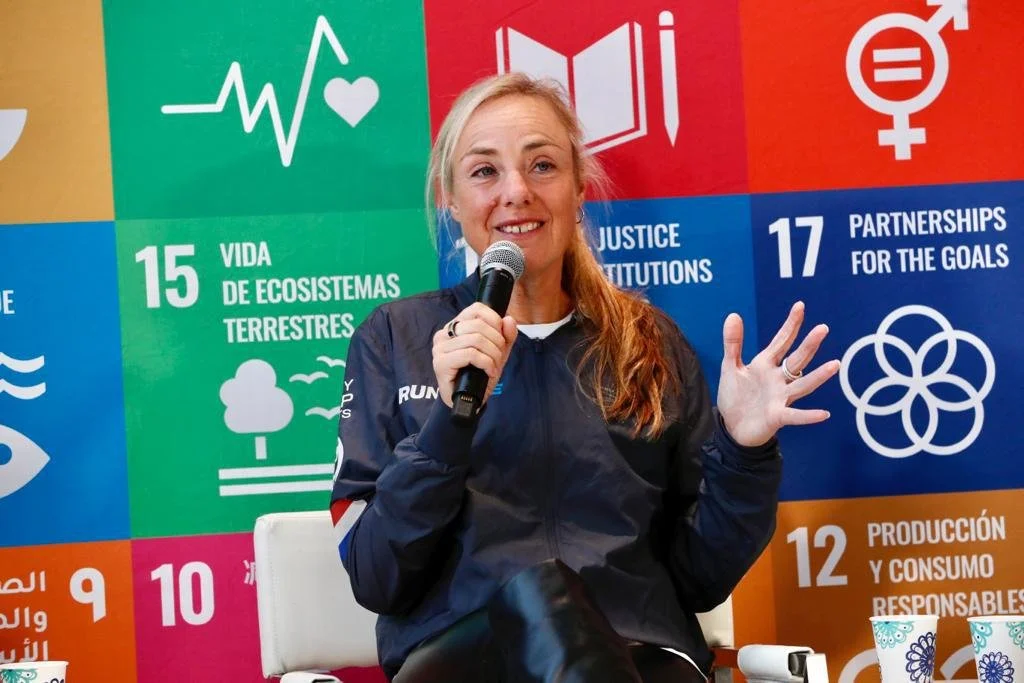
Mina Guli
From Crisis To Solutions
Sustainability storytelling has its own familiar tension. Too much emphasis on crisis can leave audiences overwhelmed; too much optimism can make the subject feel disconnected from reality.
Bannigan sees the answer somewhere between those extremes.
“Sustainability coverage often falls into one of two extremes,” she says. “Everything is either presented as a crisis, leaving people feeling overwhelmed and powerless, or the message becomes so optimistic that it no longer feels connected to reality.”
Her response is a form of storytelling grounded in solutions journalism: acknowledge the scale of a problem while investigating what is being done about it, what is working, what is failing and why.
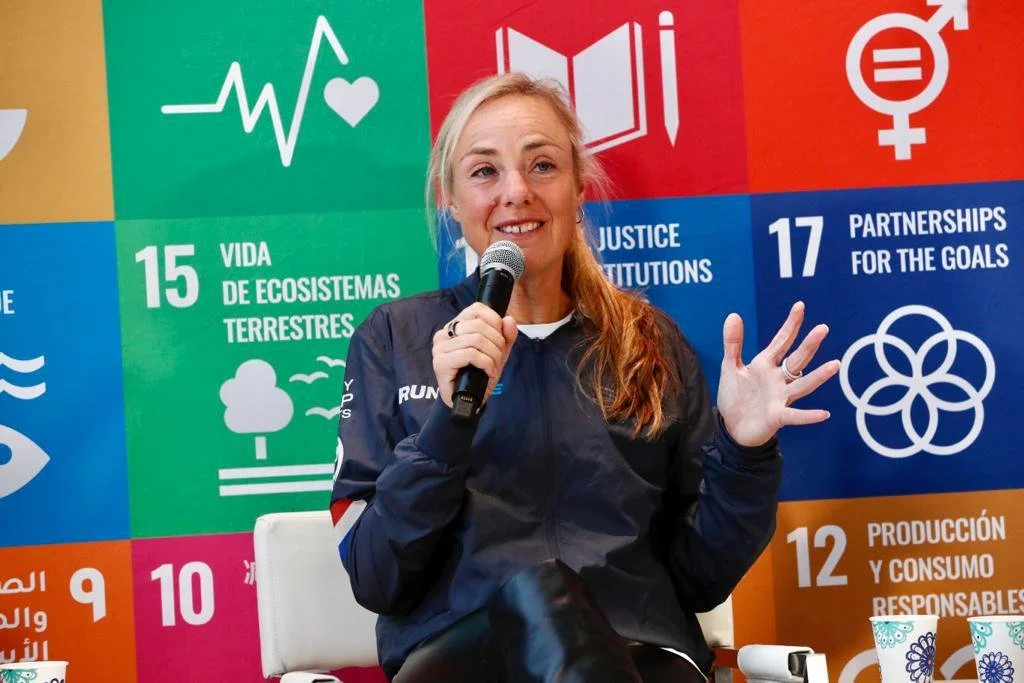
The SDG Media Zone has used human stories to make that approach tangible. Bannigan points to Mina Guli, who ran 200 marathons in one year to raise awareness around the global water crisis. The campaign was subsequently covered by the BBC, CNN, The Guardian and The New York Times.
“When an issue is carried by a human story, it travels into places a policy brief or a set of statistics never could,” Bannigan says.
That idea captures perhaps the most consequential evolution of the SDG Media Zone. Its ambition is not simply to communicate the Sustainable Development Goals, but to create the conditions for people to understand how those goals intersect with their own lives.
Where Media Meets Markets
The platform's scope has also expanded into the relationship between sustainability and economic decision-making. Businesses, investors and markets increasingly confront questions involving infrastructure, supply chains, technology, climate risk, investment and long-term competitiveness.
For Bannigan, media has an important responsibility in helping audiences distinguish measurable progress from polished messaging.
“One of the most important roles of good journalism in this space is helping people distinguish between real progress and good marketing,” she says. “Announcements are easy. What matters is whether there is evidence behind them, where the investment is going, what the timelines are, what is actually being delivered and who is accountable for the outcome.”
That insistence on evidence gives the SDG Media Zone another function beyond awareness: creating a meeting point between people who see different parts of the same global challenge.
Its programming has brought sustainable finance, impact investing, technology, data and public-private collaboration into the same conversation. Speakers including Shari Spiegel of the UN Financing for Sustainable Development Office, Radhika Shah of Stanford Angels & Entrepreneurs and Lan Guan, Chief AI and Data Officer at Accenture, have contributed perspectives spanning capital, technology and development.
“When those perspectives are connected, the conversation becomes much more useful,” Bannigan says, “hopefully helping encourage decisions based not just on the next headline, but on long-term resilience, credibility and impact.”
After a decade of growth, the SDG Media Zone's global footprint offers one measure of its evolution. But its larger legacy may be the way it has reframed who gets to participate in conversations about sustainable development.
The platform began with a straightforward proposition: important global issues should not remain confined to policy rooms. Ten years later, its work suggests that sustainable development is also a media challenge, a cultural challenge and a storytelling challenge.
The numbers demonstrate reach. The voices demonstrate breadth. The stories demonstrate possibility.
And for Bannigan, the ultimate objective remains remarkably human: giving people a place within the future they are being asked to build.


HOW DO YOU FEEL ABOUT FASHION?
COMMENT OR TAKE OUR PAGE READER SURVEY
Featured
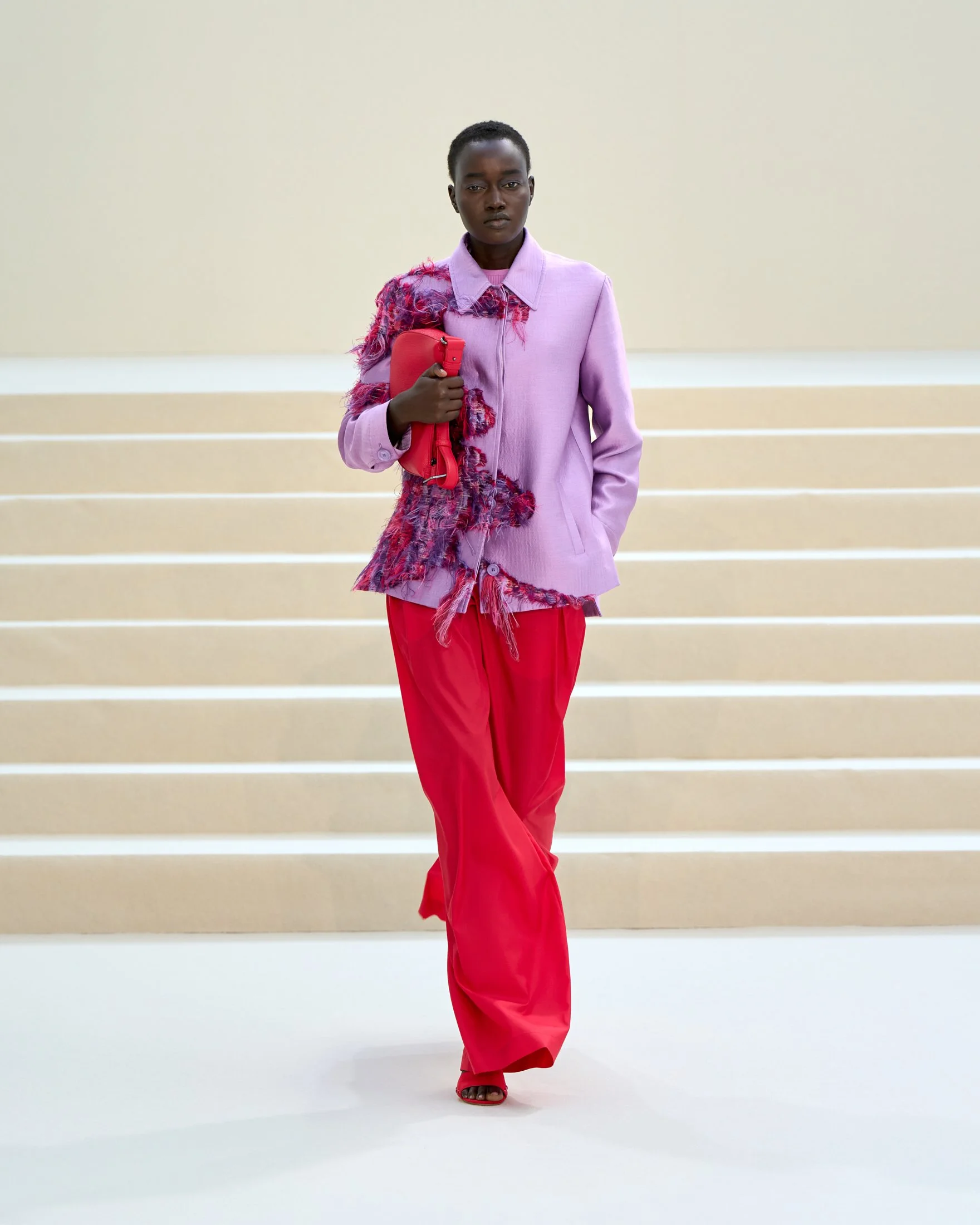
Better With Age’s FW26 “STOLEN ART” collection expands its circular design philosophy into refined tailoring and limited-edition eyewear, transforming vintage textiles and antique silver flatware into contemporary pieces with a distinct sense of history.