
ABLE MADE Is Building a New Model for Soccer, Fashion and Impact

PAGE
By PAGE Editor
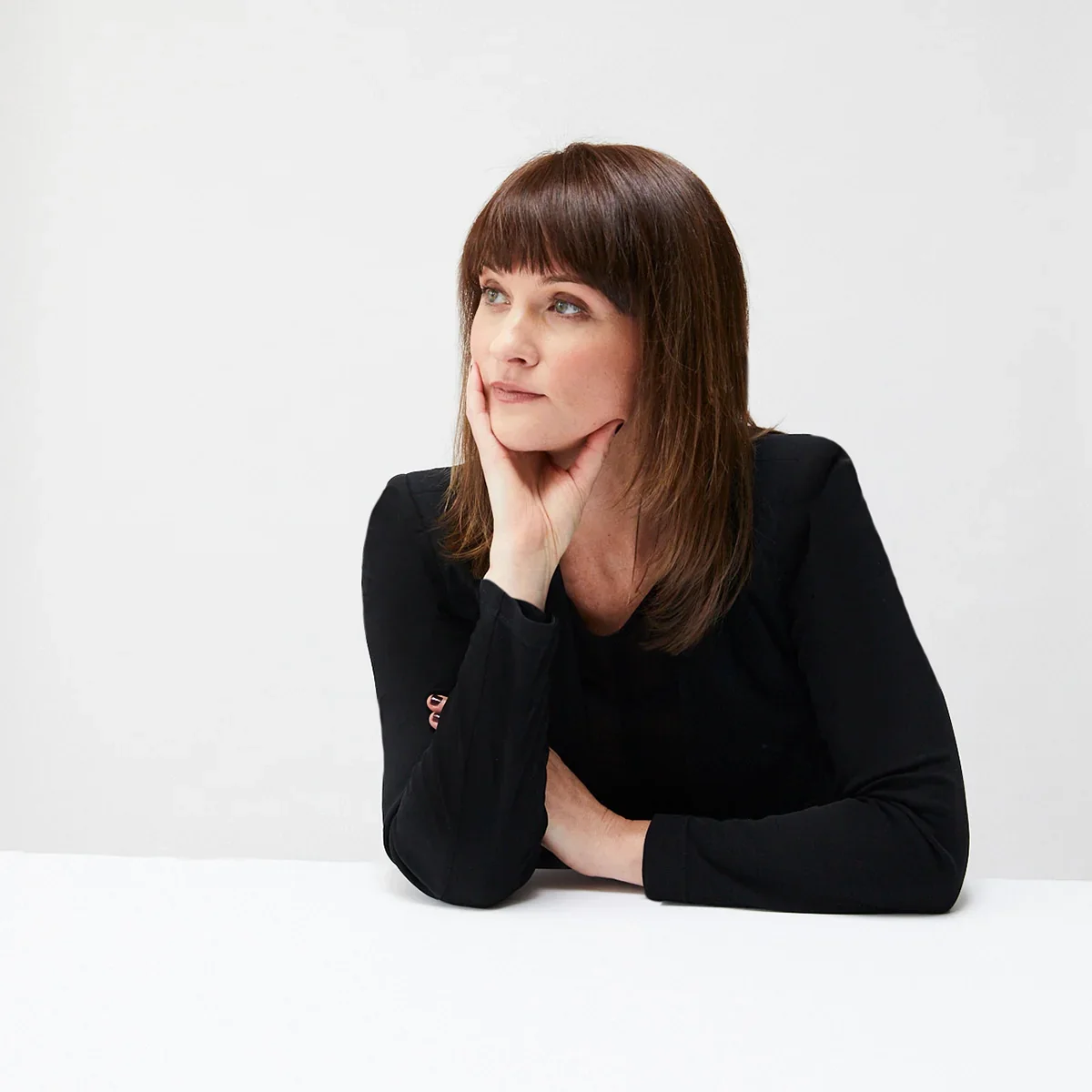
For Suzanne McKenzie, soccer has always been more than a sport. It became the foundation for a business, a vehicle for philanthropy, and ultimately a way to rethink how fashion can participate in culture without leaving responsibility behind.
McKenzie founded ABLE MADE following the 2009 death of her husband, Ucal McKenzie, who died suddenly of cardiac arrest while playing soccer in Boston. The tragedy led to the creation of the Ucal McKenzie Breakaway Foundation, a nonprofit focused on providing affordable youth soccer, wellness, and health programming. What began as a means of funding that mission eventually evolved into ABLE MADE, a fashion brand that connects sport with responsible design.
In the early days, McKenzie worked through collaborations to raise money for the foundation. A project with Nike allowed her to design jerseys and jackets, while an annual poster calendar brought together creative figures from across the arts. The calendar was eventually sold through institutions and retailers including MoMA, the Institute of Contemporary Art, and Standard Hotels.
Those early successes suggested there was an opportunity to build something more enduring.
“I had this idea of opening up an opportunity for people in fashion to back a cause they care about,” McKenzie explains. “We could do a collaboration, an accessory, or something simple. That’s really how the brand started.”
Collaborations with Public School, Anya Ayoung-Chee, the CFDA, Save the Music Foundation, and others helped establish ABLE MADE’s early identity. Responsibility was present from the beginning, but it was never treated as a marketing accessory.
“We were always really careful about manufacturing responsibly,” she says.
After moving to New York, McKenzie worked in the creative department at the Museum of Modern Art and consulted for brands including Tom Ford and Supergoop while continuing to build ABLE MADE. In 2022, as the world emerged from the pandemic, she repositioned the company around its original connection to soccer.
“I really came back to ourselves,” she says. “I repositioned the brand as more like soccer and brought it back to our heritage of why we started. That’s really when it started taking off.”
The distinction is important. ABLE MADE does not approach sustainability as its primary aesthetic. Instead, McKenzie sees responsible production as an operating principle, while sport and design remain the invitation into the brand.
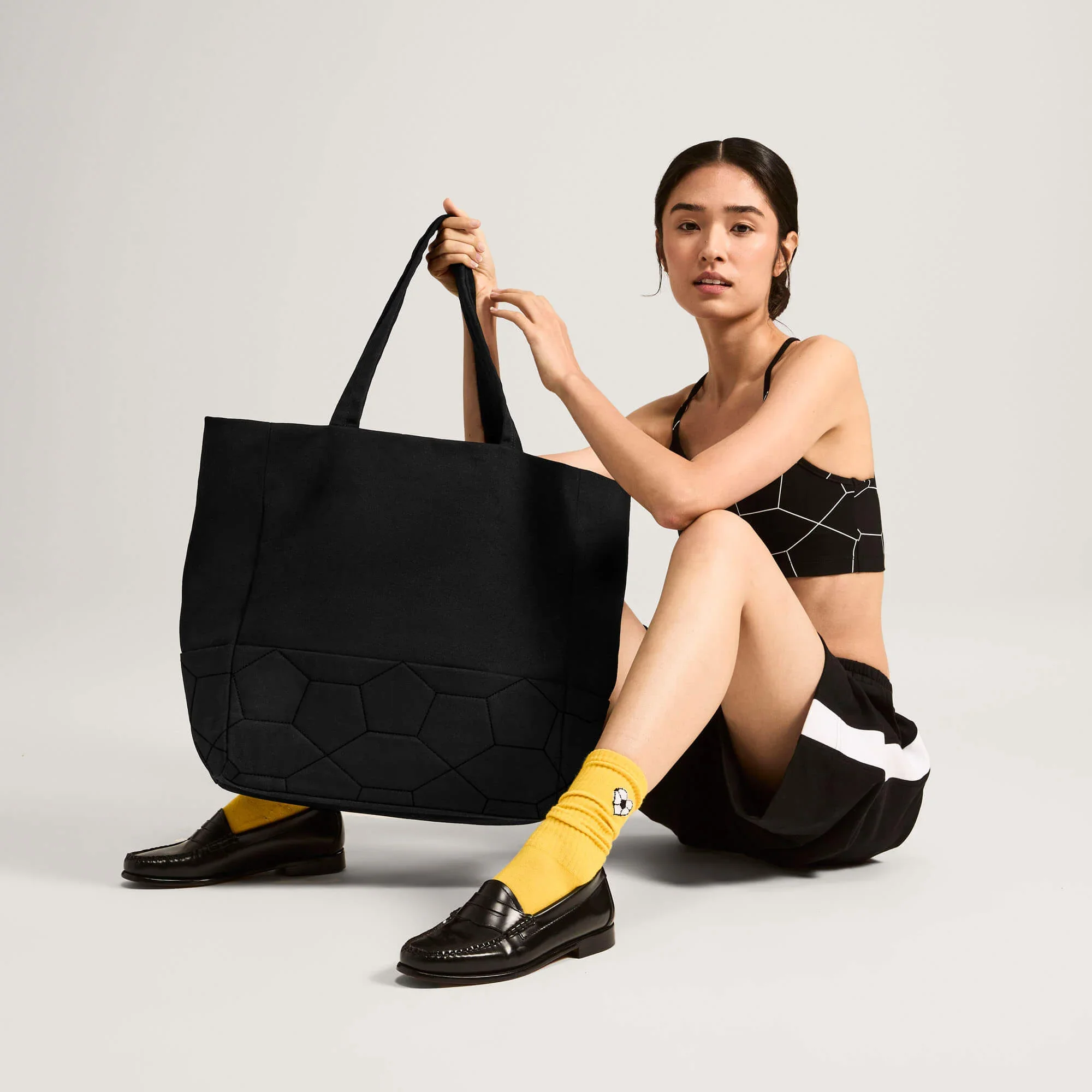
“We don’t ever lead with the sustainability story,” she says. “It’s just what we do. We’re going to do it regardless of whether it’s sexy or customers like it. That’s just how we’re going to roll.”
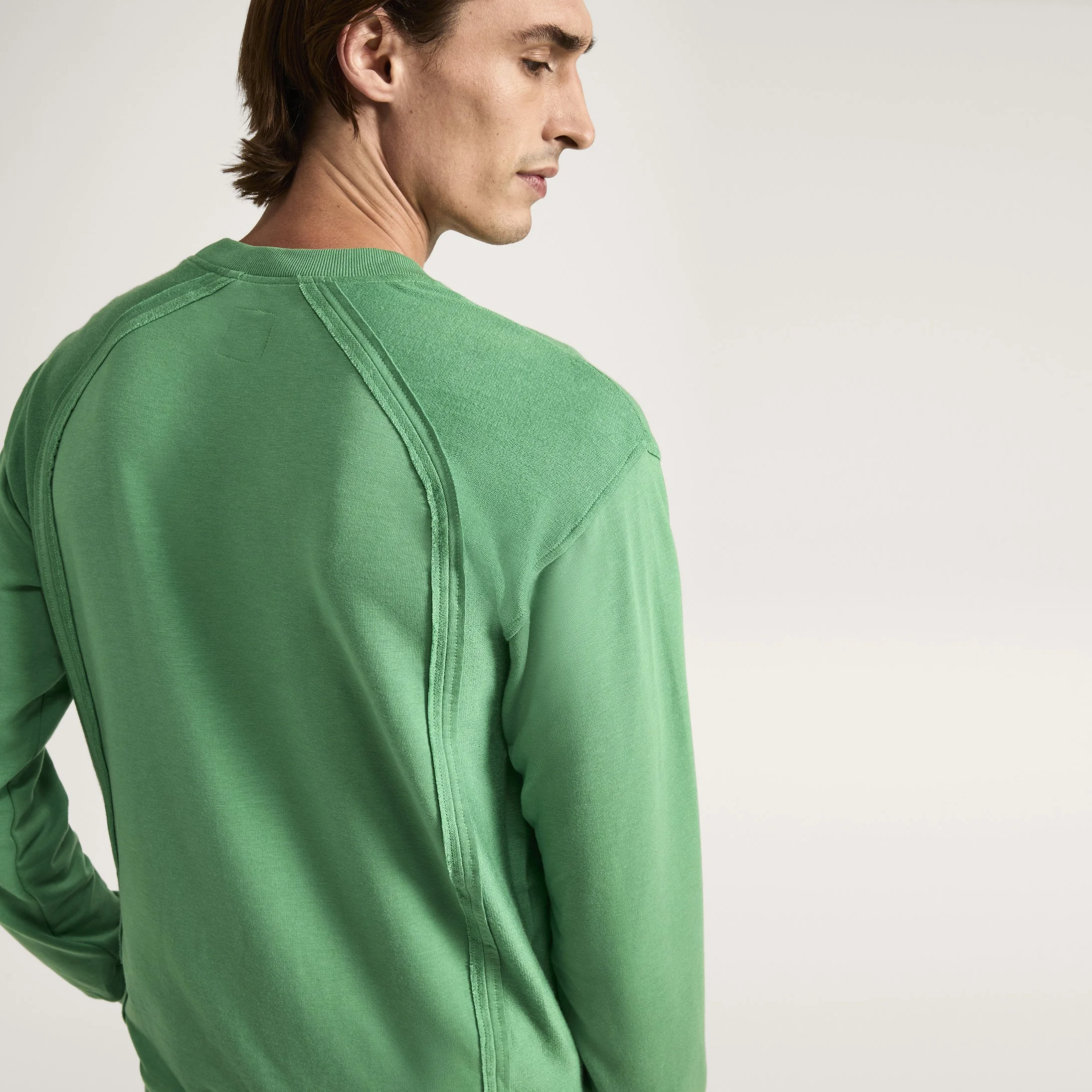
That philosophy extends to the way ABLE MADE approaches materials. McKenzie is particularly interested in using existing resources rather than continually beginning with virgin ones. The brand’s design process can therefore work backwards: material first, design second.
“Upcycling is my favorite because the Earth has so many materials on it already,” she says. “Why do I have to start with a seed?”
For McKenzie, leftover materials should not be treated as an embarrassment for brands, but as an opportunity for collaboration. ABLE MADE has explored relationships with brands to redirect unused materials into future collections, while its previous work with Burberry demonstrated how established luxury houses can participate in that model.
“People shouldn’t be shy about having leftovers,” she says. “It happens. Why not celebrate the fact that we can collaborate around that pain point? If you’re going to give your leftovers to another brand that can use them, it’s a win-win.”
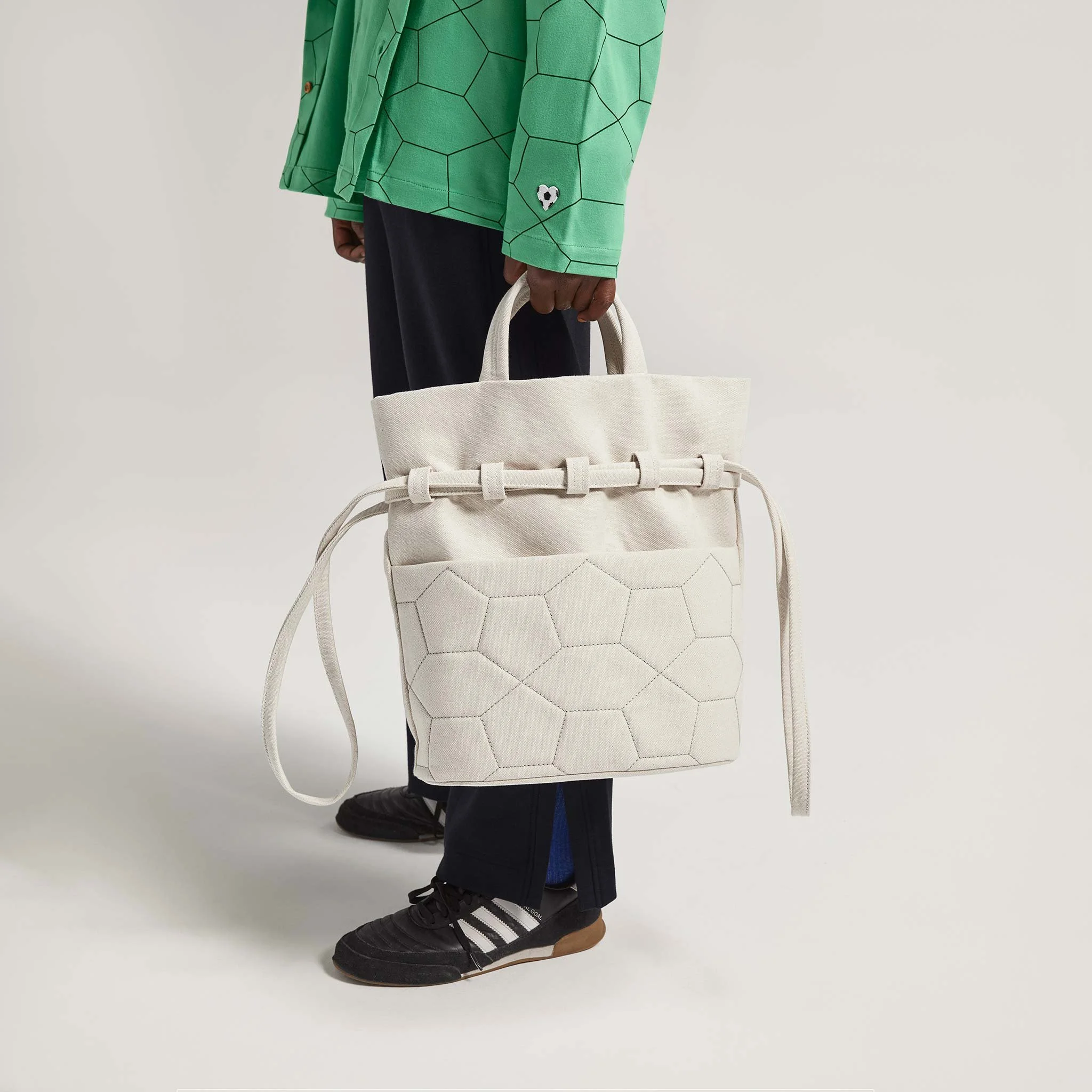
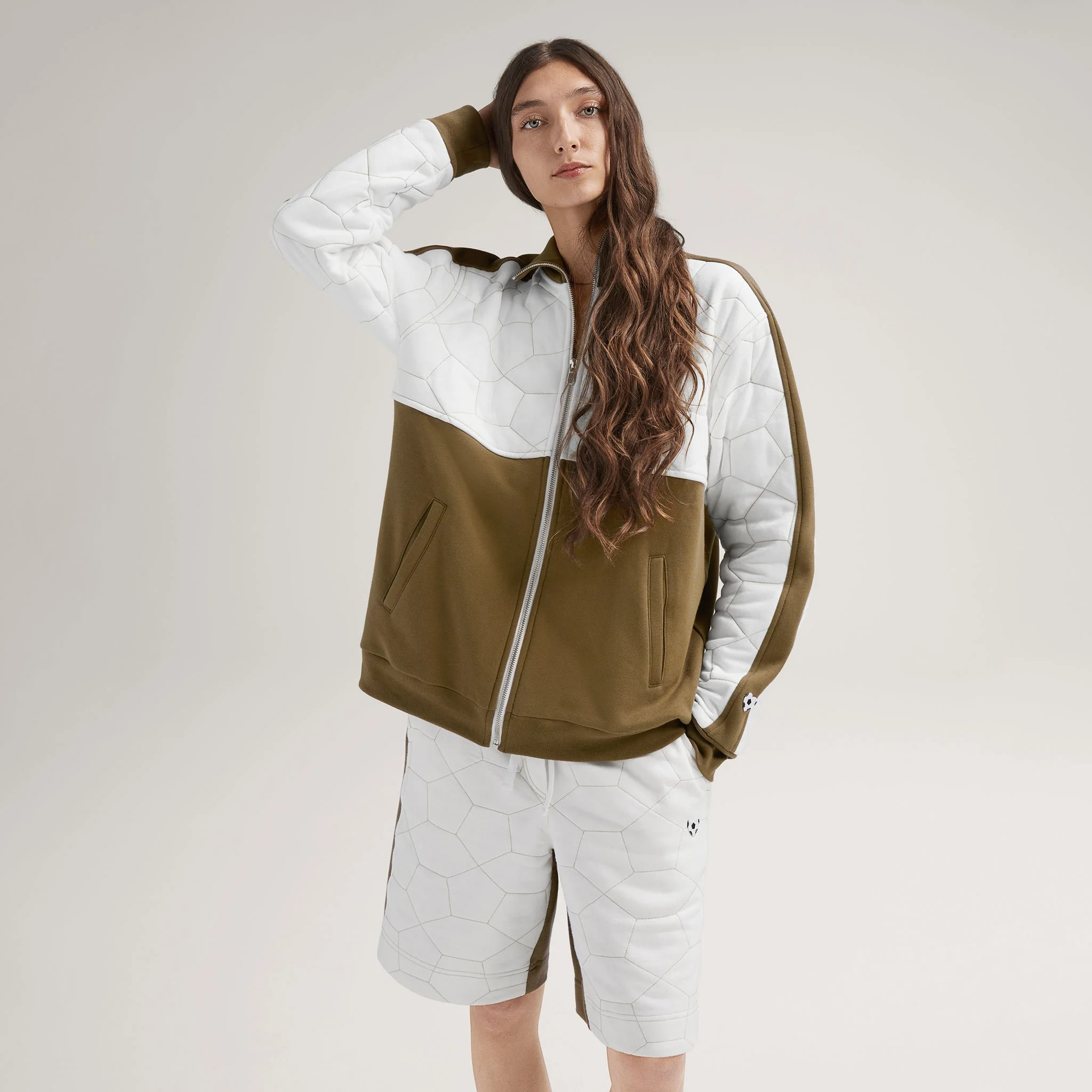
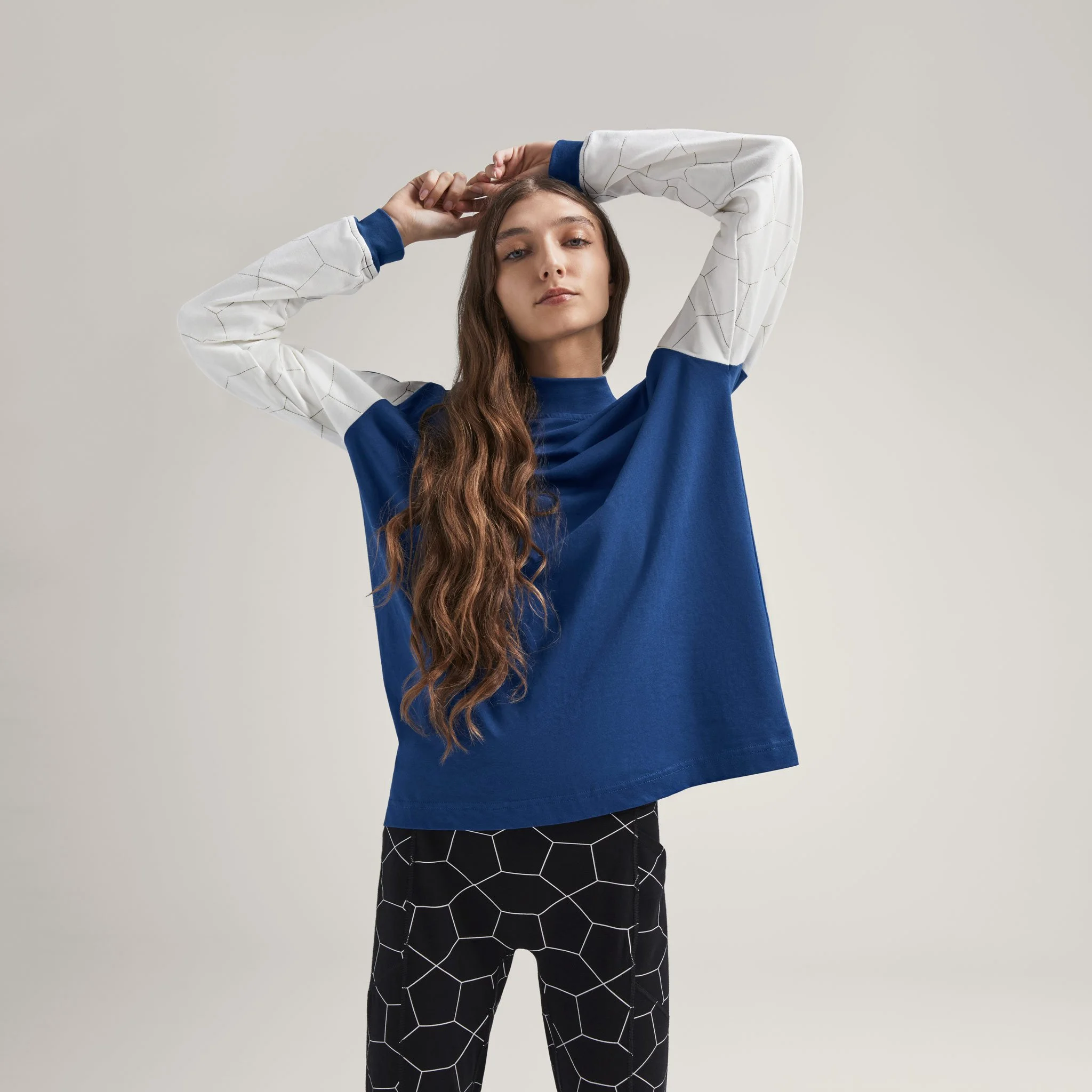
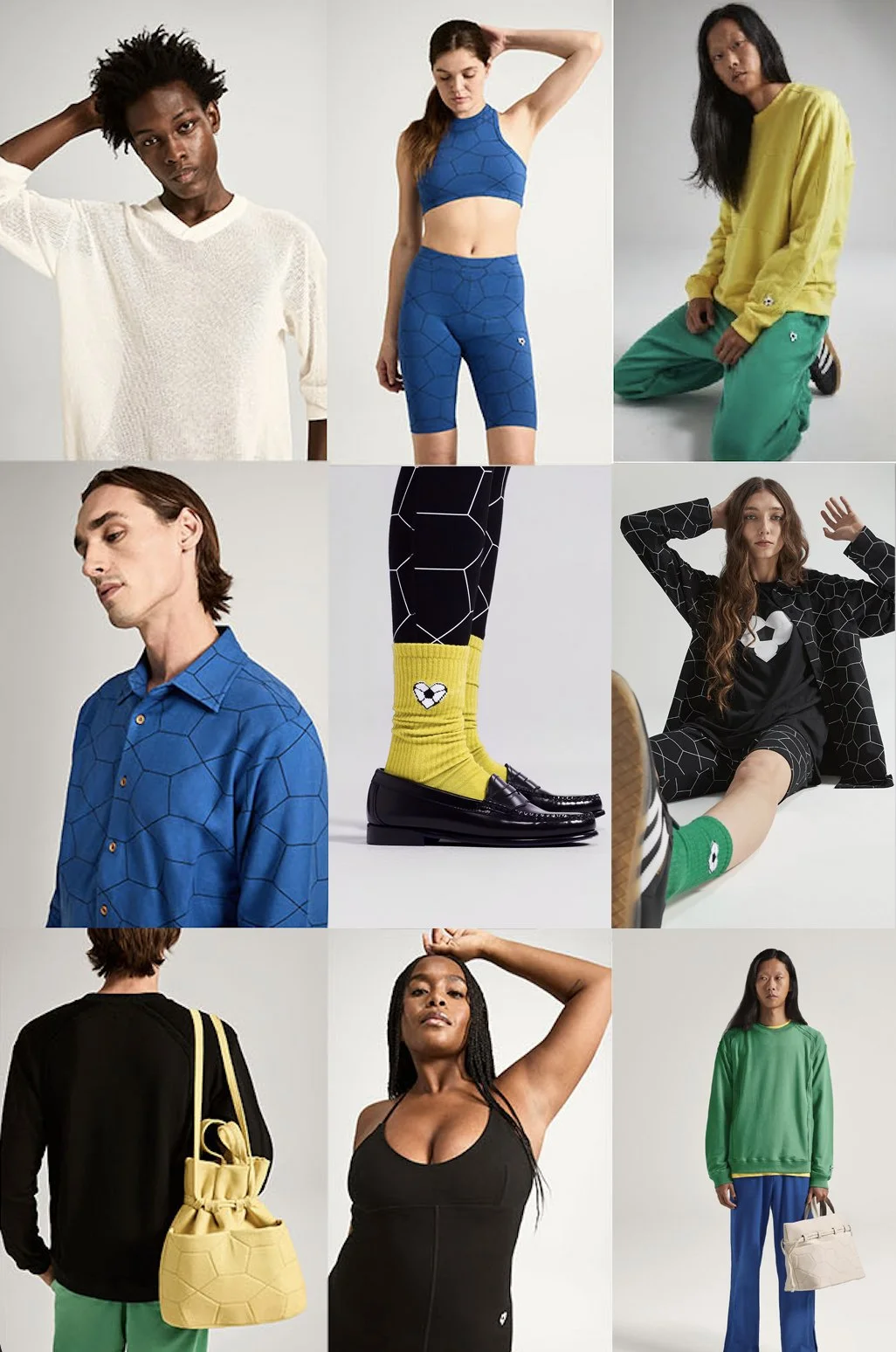
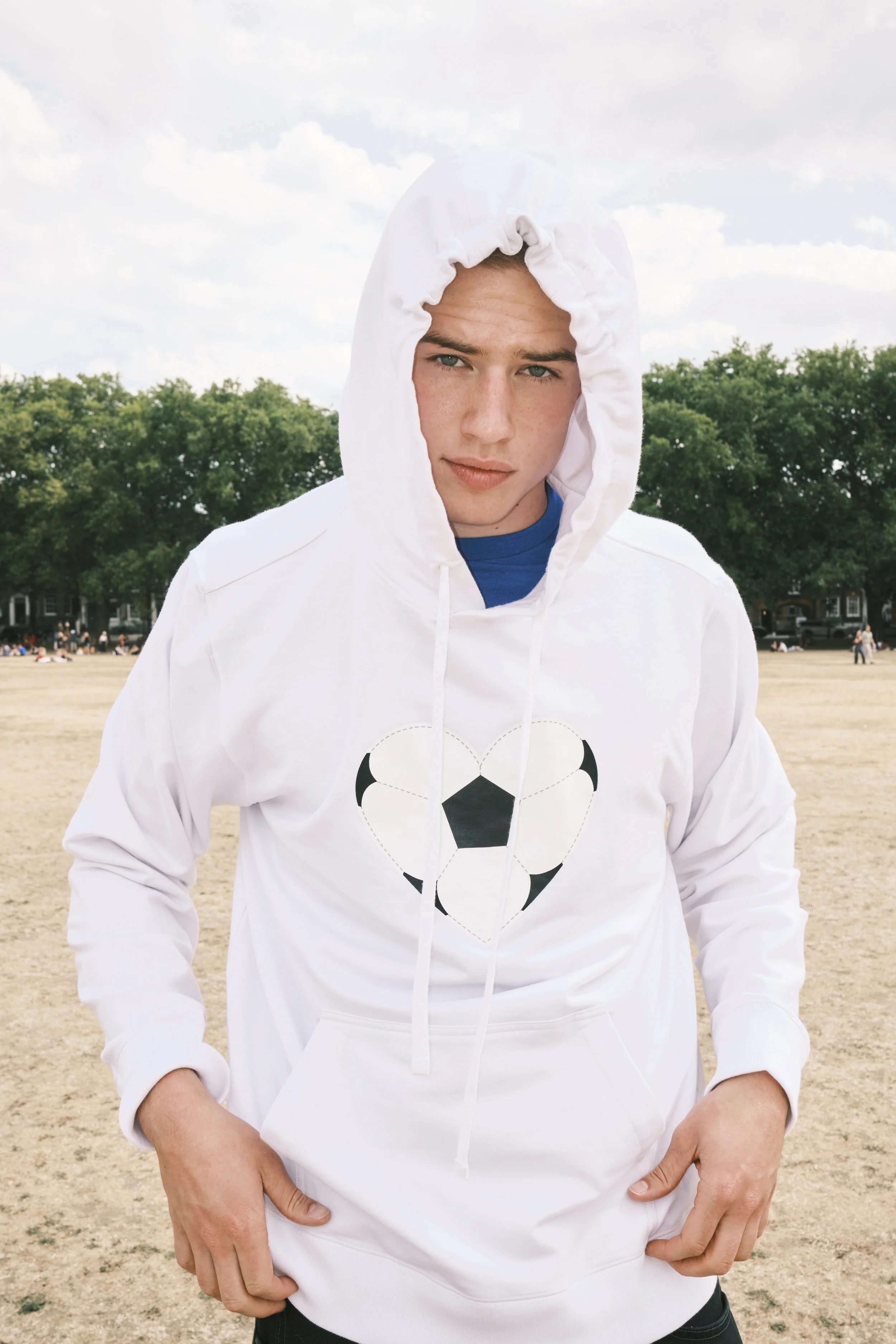
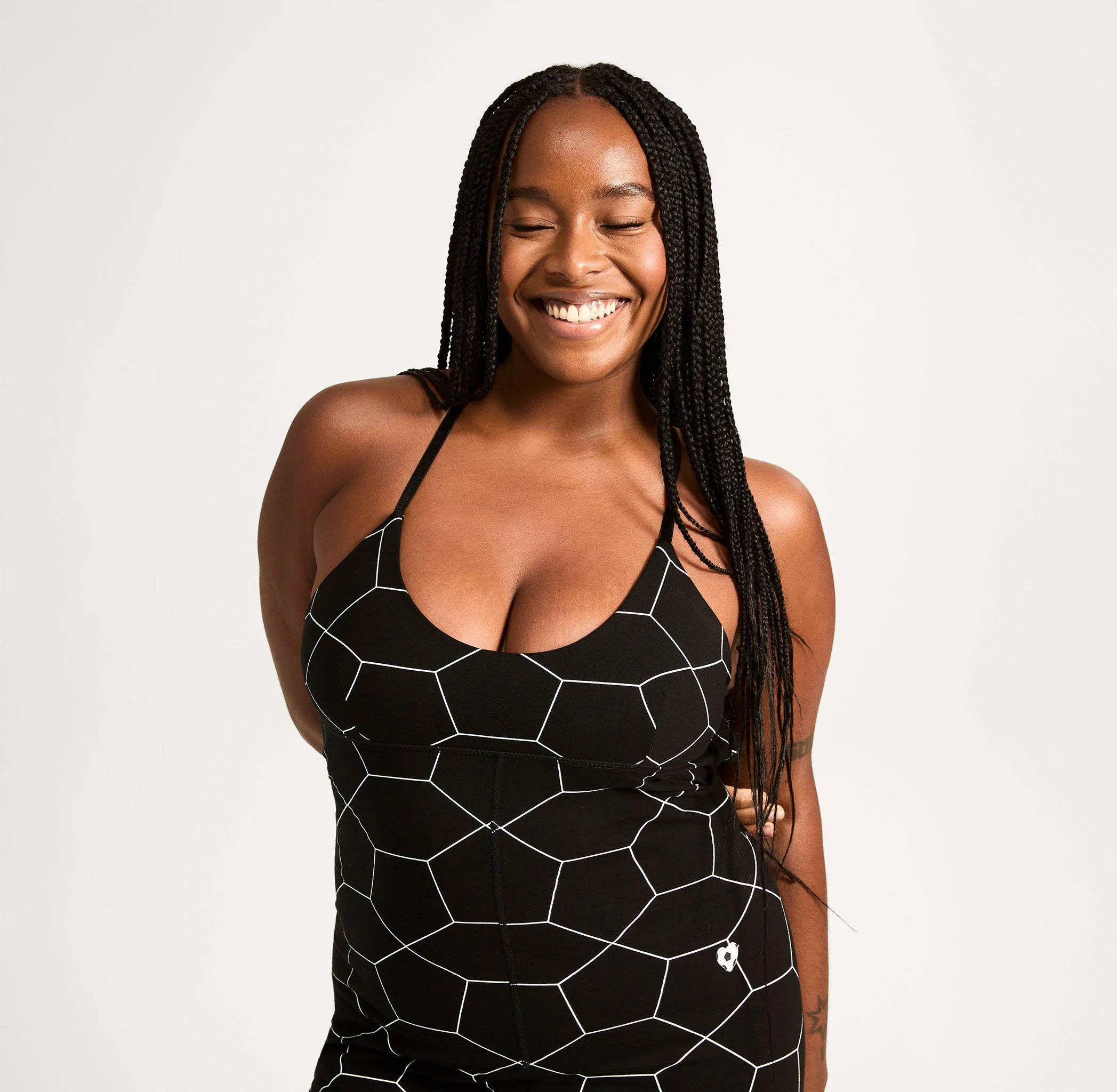
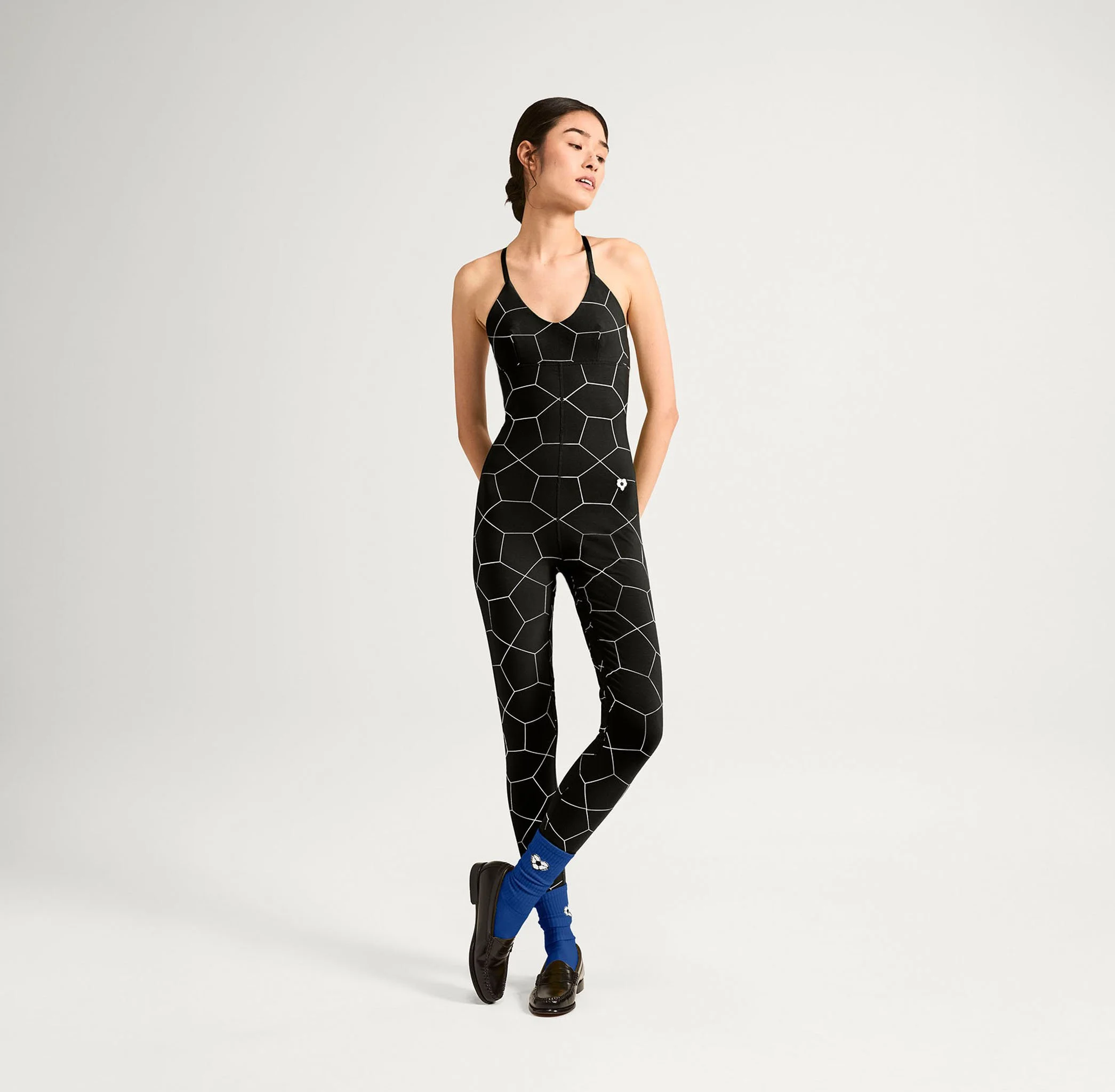
That collaborative mindset also informs ABLE MADE’s approach to soccer itself. Rather than reproducing the traditional visual language of jerseys, scarves, and supporter merchandise, McKenzie positions the company as an “off-pitch soccer style brand”—a wardrobe for everything before and after the 90 minutes.
“We’re everything after the 90th minute, or before the whistle blows,” she says. “We’re everything off the field.”
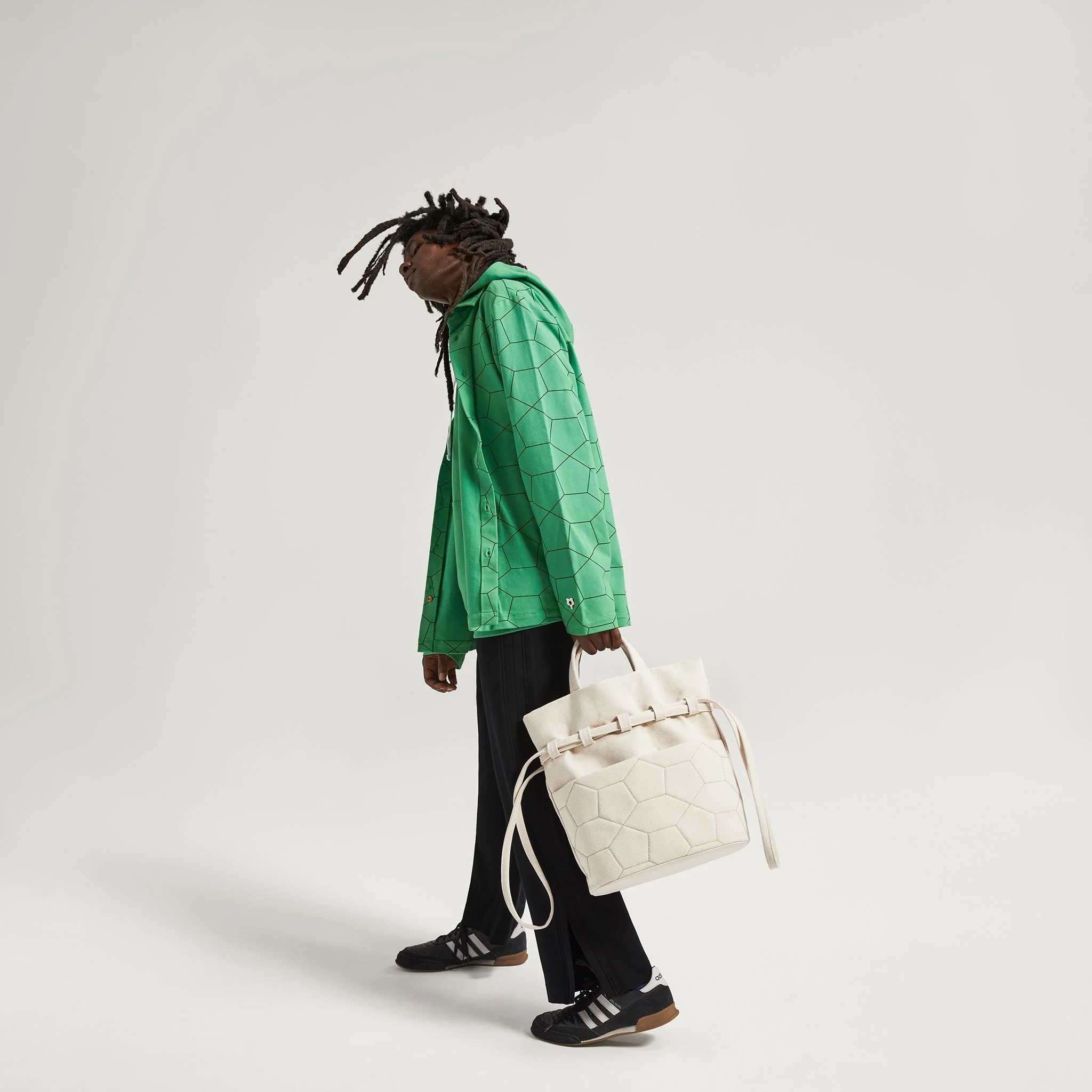
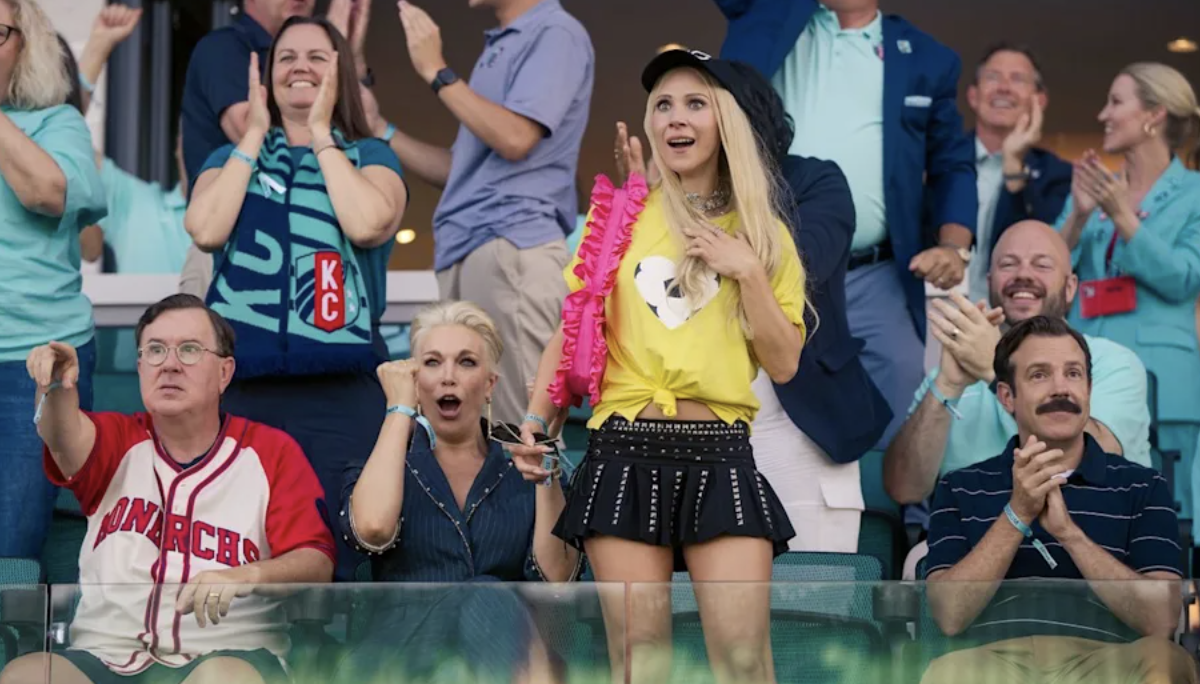
That positioning has allowed ABLE MADE to move naturally between fashion and sport. Athletes across basketball, baseball, football, and soccer have discovered the brand, while its relationship with Interview produced a jersey-inspired capsule that translated the magazine’s visual language into a sport context. The brand has also appeared through cultural touchpoints including Ted Lasso and Manchester United Legends’ Stick to Football.
For McKenzie, organic adoption carries particular weight.
“The biggest compliment is when someone actually shops us on the merit of just liking the stuff,” she says. “You’re not gifting or begging someone to post. Someone actually spending dollars and supporting your business—that’s the biggest compliment you could have.”
The impact is equally tangible beyond the product. After years of running youth programming through the Breakaway Foundation, McKenzie continues to visit the camps and watch participants grow from children into young adults. With programming established in Boston and Hartford, the foundation is expanding into Brooklyn through a partnership with Brooklyn FC.
“That’s really why we were born as a brand,” McKenzie says. “To fund the foundation and create empowerment opportunities for city youth that need the support.”
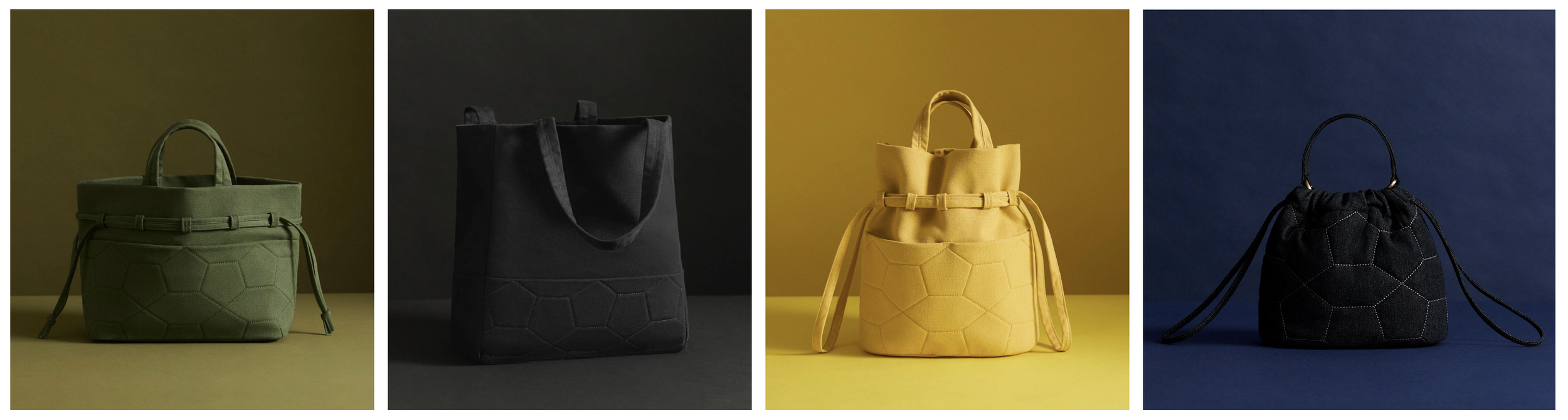
As ABLE MADE looks toward expansion in the United Kingdom and activations surrounding the 2027 FIFA Women’s World Cup in Brazil, McKenzie sees an increasingly broad cultural landscape for the brand. Fashion, music, art, and sport are becoming less isolated categories, creating room for ABLE MADE to operate between them.
“We have a unique spot where we can play in between the fashion world and the sport world in a really unique way, and bring the impact along with us,” she says.
The model is intentionally larger than a seasonal collection. It is a business built from circumstance, sustained through design, and measured by what happens beyond the product.
“I hope we can be an inspiration for the industry,” McKenzie says. “For both impact and sustainability, there’s a lot of room for improvement.”
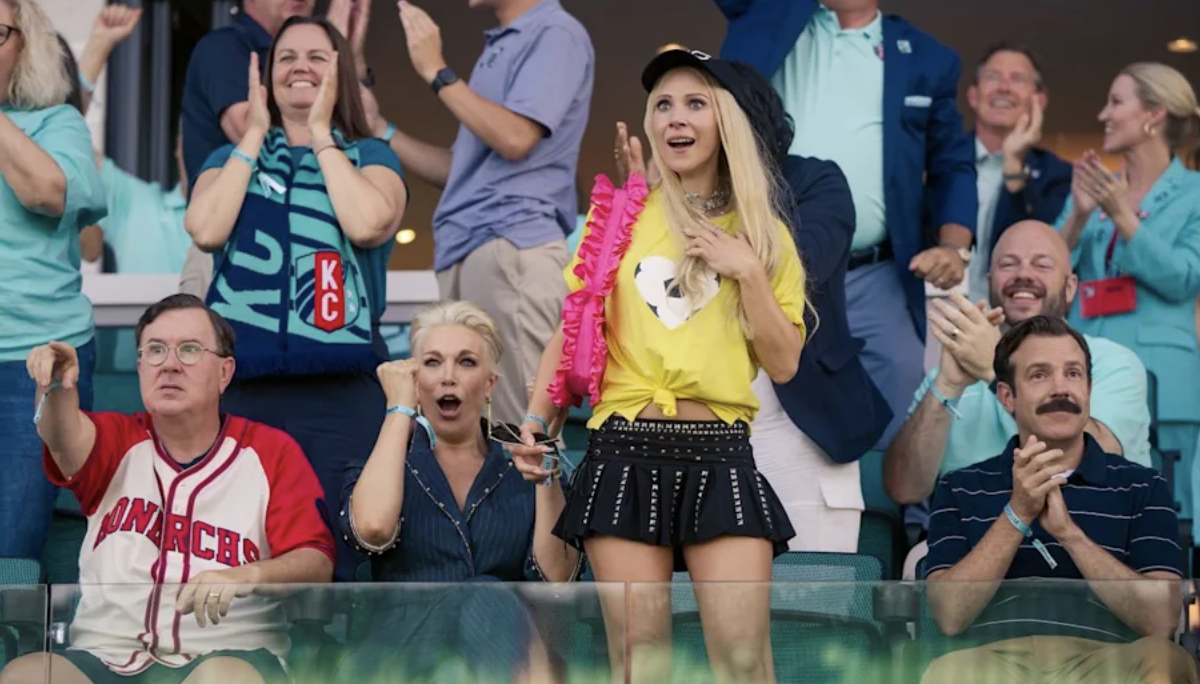
Ted Lasso, episode1
For ABLE MADE, the future of responsible fashion is not necessarily about making sustainability the loudest thing in the room. It is about making desirable products, creating meaningful relationships, using existing resources more intelligently, and ensuring that the value generated by fashion can reach communities beyond the runway or retail floor.
“We have one planet,” McKenzie says. “It’s not just about chasing hype. We could be doing a lot more.”
HOW DO YOU FEEL ABOUT FASHION?
COMMENT OR TAKE OUR PAGE READER SURVEY
Featured
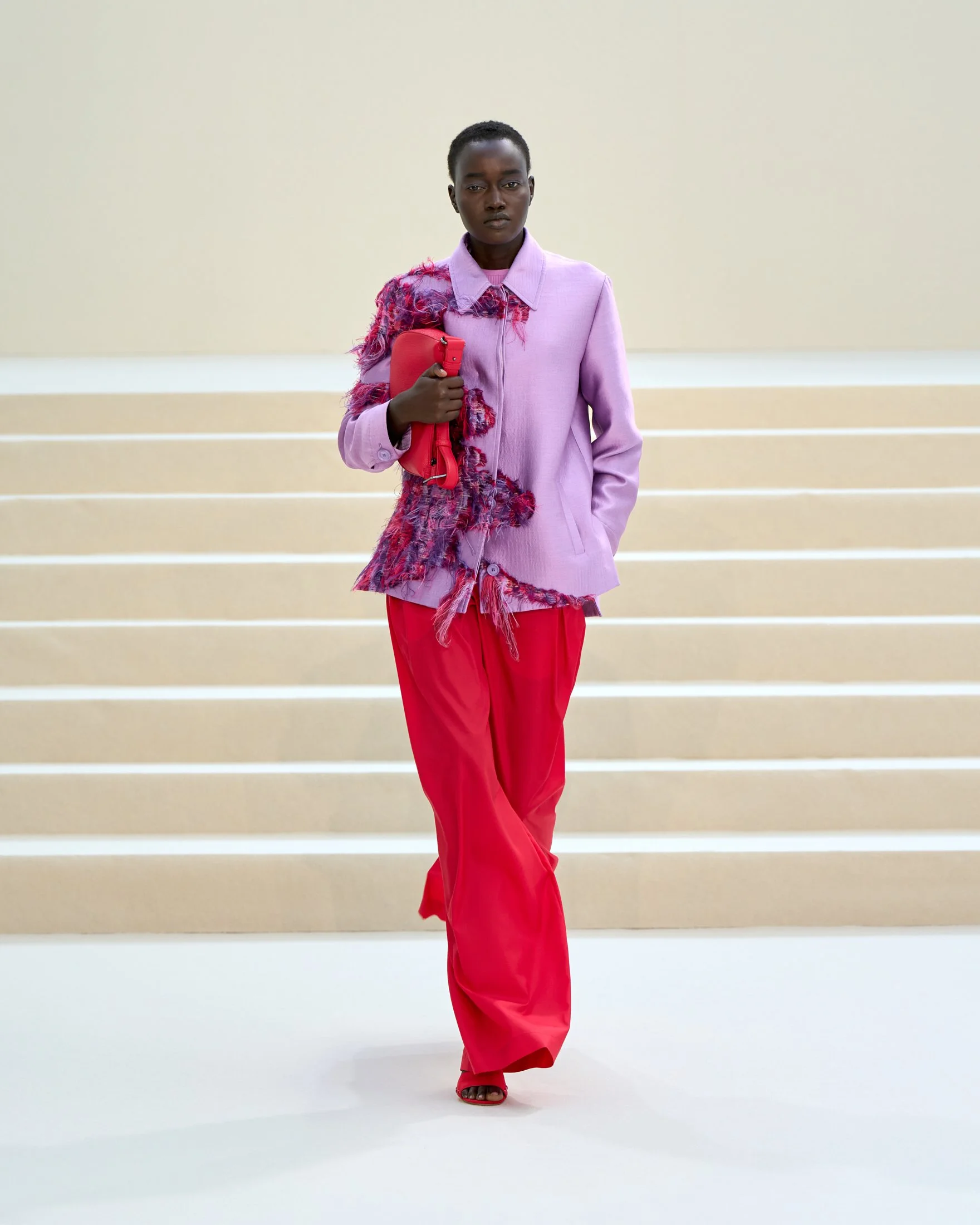
Better With Age’s FW26 “STOLEN ART” collection expands its circular design philosophy into refined tailoring and limited-edition eyewear, transforming vintage textiles and antique silver flatware into contemporary pieces with a distinct sense of history.