
The Sound of Stories: Discovering Narrative Through the Power of Listening
PAGE
By PAGE Editor
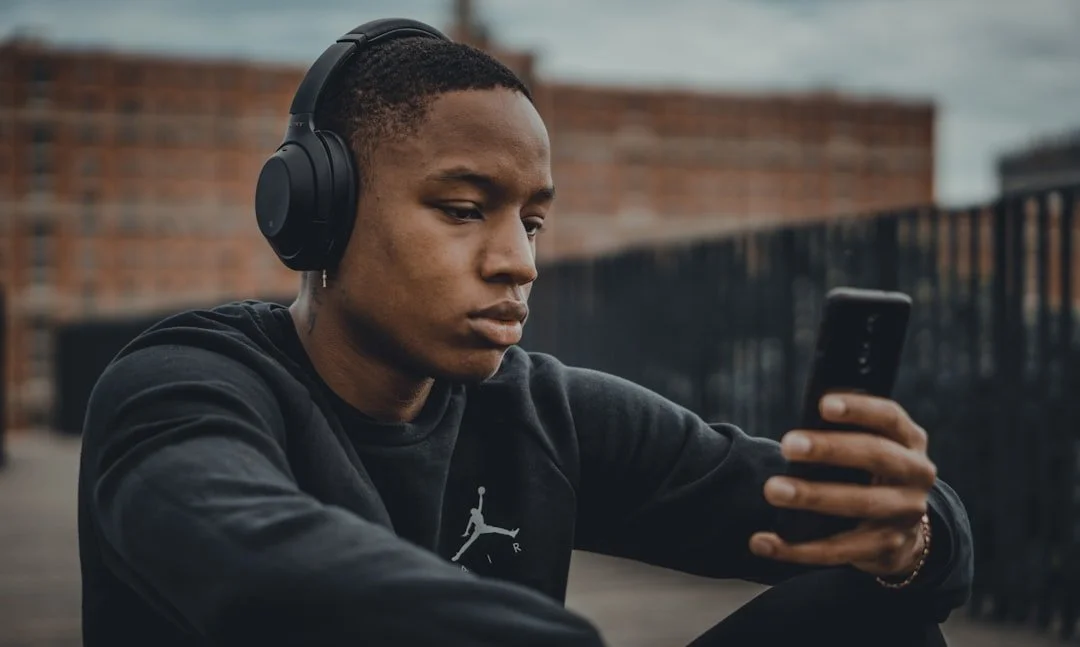
There's something intimate about listening to a story. A voice reading words that transport you somewhere else. The cadence, the tone, the emotional weight carried in how something is spoken. You're not reading words on a page. You're in a conversation with a storyteller. Your imagination fills in the visual details while someone else handles the words.
For decades, this experience was primarily available through audiobooks or live performance. You had to buy a recording or sit in a theater. But the landscape is changing. The way we consume stories, the tools available for creating them, and the cultural conversation around audio narratives have all shifted dramatically.
This shift matters creatively. It matters culturally. It matters for anyone who loves stories, whether as a reader, writer, creator, or someone looking to deepen their relationship with narrative. Audio storytelling opens possibilities that weren't previously accessible. It creates intimacy with stories in ways that differ from reading but are equally powerful.
Key Takeaways
Audio storytelling creates a fundamentally different experience than reading the same text
Audiobooks and spoken word have become mainstream cultural forces
Voice carries emotional information that text alone cannot convey
Writers and creators now have accessible tools for audio adaptation
Listening to stories works for different lifestyles and contexts than reading
Audio narration is becoming a creative medium, not just a format
Technology is making audio storytelling creation accessible to independent creators
The future of narrative includes audio as a primary format, not secondary option
How We Experience Stories Is Evolving
The way humans consume stories has always been tied to available technology. For most of history, stories were oral. People gathered to listen to someone tell a tale. Then writing and printing changed everything. Stories became text. Reading became the primary way most people encountered narrative.
But technology has continued evolving. Radio brought stories through audio directly into homes. Television added visual storytelling. Then the internet fragmented how and when we consume stories. Now we're watching another shift: audio is becoming a primary format rather than an alternative to reading.
This isn't replacing reading. People still read. But it's creating options that didn't exist before. Someone who has no time to read can listen to novels during their commute. Someone who struggles with reading can access books through audio. Someone who enjoys the intimacy of a spoken narrative has a growing library of options. The audience for stories is expanding because the formats are expanding.
This expansion matters because stories are how we understand ourselves and each other. They're how we process emotions, explore possibilities, and connect with others. Making stories accessible through multiple formats means more people get to experience that.
The Unique Experience of Audio Narrative
Reading is an active process. You decode letters, construct meaning, imagine the world and voices in your mind. You're recreating the author's vision through your imagination. That's powerful and personal. No two readers experience the same book exactly the same way.
Listening is different. A narrator makes interpretive choices about tone, pacing, and emphasis. You're not creating the voice in your mind. You're receiving it. This feels passive compared to reading, but it's actually engaging your brain differently. You're hearing emotional information carried in voice that text conveys through description or dialogue tags.
This difference is why someone can read a book and then listen to the audiobook and have what feels like a new experience. The story is the same, but hearing someone speak the words brings something different. Some passages land differently. The emotional register shifts. A character's voice shapes how you understand them.
Great narrators become part of the story experience. A skilled narrator can elevate a story. A poor narrator can diminish even excellent writing. The voice matters deeply. This is why audiobook narration has become an art form. The best narrators are celebrated because they understand how voice creates meaning.
For listeners, this creates accessibility that goes beyond vision or reading ability. Audio narrative works while you're exercising, driving, cooking, or doing a hundred other things where reading isn't practical. This convenience has created an enormous audience for audio storytelling.

The Audiobook Revolution and Cultural Shift
Audiobooks have become mainstream in ways that seemed unlikely just ten years ago. What was once niche hobby is now how millions of people experience literature. The audiobook industry has grown faster than any other publishing format. More people listen to audiobooks than read ebooks.
This growth has changed publishing. Major publishers now produce audiobook editions alongside print and ebook versions. Authors consider audio narration as part of their vision. Readers who once saw audiobooks as "cheating" or not "real reading" have shifted perspective. Listening to a story is acknowledged as legitimate form of engaging with narrative.
This cultural shift has opened doors for different kinds of stories and creators. Independent authors can now produce audiobooks without massive investment. Spoken word performance has become a respected art form. Radio drama, which had faded, is experiencing renaissance through audio-first platforms. Podcasts blur the line between journalism, fiction, and performance art.
The variety of what's available in audio now is stunning. Classic literature. Contemporary novels. Poetry. Essays. Experimental narrative. Comedy. True crime. Fiction from independent authors who couldn't have reached audiences before. The democratization of audio publishing has expanded what kinds of stories get told and reach audiences.
Creating Audio Versions of Your Stories
For writers and creators, this opens possibilities. If you've written something, you now have options for bringing it to audio. You could hire a professional narrator, which is expensive but creates high-quality result. You could narrate it yourself, which is intimate but requires technical skill and equipment. Or you could explore middle-ground options that technology has made possible.
The barrier to audio storytelling used to be prohibitive for independent creators. A professional audiobook required hiring a voice actor, renting studio time, paying for editing and production. That's thousands of dollars. Most independent authors couldn't justify it.
But tools have emerged that make this accessible. Text-to-speech technology has evolved to where it can produce quality narration suitable for publication. You no longer need to choose between being an author and producing audio versions. You can do both without needing massive production budgets.
This democratization means more voices get heard. More stories reach audiences. More creators can explore audio as a creative medium rather than just a distribution format. That's culturally significant. It means the stories that get told, the voices that get heard, becomes less dependent on access to traditional industry infrastructure.
Making Audio Creation Practical
The technological progress that makes this possible has been remarkable. Text-to-speech voices have gone from obviously robotic to genuinely natural-sounding. This matters because credibility of narration affects whether listeners will engage. If the voice sounds artificial, it pulls listeners out of the story.
Modern text-to-speech tools offer multiple voice options. Different accents, ages, genders. Different pacing and emotional registers. Some sound like audiobook narrators. Some sound conversational. Some sound theatrical. The variety means you can choose voices that match your story and characters.
The process of creating audio from written text is straightforward. Most writers already have finished text. Converting that to audio no longer requires hiring talent or learning audio production. Tools have made it accessible.
For creators exploring how to bring their stories to audio, understanding what's currently available helps with planning. Tools like a Text to Speech Generator demonstrate the current state of the technology. Voice quality has improved substantially. Support for various story formats exists. Integration with publishing workflows is increasingly seamless. What seemed technically possible but practically difficult a few years ago is now genuinely accessible to independent creators and small publishers.
This technology enables experimentation. You can try audio format with one story before committing resources to larger projects. You can test different voices and pacing. You can gather feedback from listeners. You can refine your approach iteratively rather than making expensive decisions upfront.
The Emerging Audio Storytelling Culture
What's exciting about the current moment is the emergence of audio as a primary storytelling medium rather than derivative format. When audiobooks first became common, they were seen as books read aloud. Now audio storytelling is becoming its own art form. People are creating stories specifically designed for audio. Podcasts aren't just recordings of conversations. They're narrative experiences designed for the ear.
This is creating new aesthetics. Stories that work in audio might have different pacing than written text. Sound design becomes part of storytelling. Music and ambient sound become elements of narrative. The craft of audio storytelling is distinct from writing, though they overlap.
This opens creative possibilities for writers interested in experimentation. You could write a story that works primarily as audio, with sound design and multiple voices creating the narrative. You could create interactive audio fiction. You could explore forms that don't exist in print because they're specifically designed for listening.
Independent creators are pushing boundaries here. They're not constrained by publishing traditions or market expectations. They're experimenting with what audio storytelling can be. Some of this is brilliant. Some is experimental and weird. All of it is expanding the possibilities of narrative.
FAQ: Audio Storytelling and Creative Listening
Isn't listening to audiobooks instead of reading them lazier or less legitimate?
No. Listening engages your brain differently than reading, but it's not less engaged. You're processing language, creating mental imagery, and engaging with narrative. The format is different, not the cognitive engagement. Both reading and listening are legitimate ways to experience stories.
Do I need to be a great reader to create an audiobook of my writing?
Not necessarily. If you're not comfortable narrating yourself, you can use text-to-speech tools. The quality is professional enough for publication. Some creators combine approaches: narrate parts they feel confident about, use text-to-speech for other sections. Experiment to see what works.
What types of stories work well as audio?
Narrative-driven stories translate beautifully. Dialogue-heavy fiction is engaging. Character-focused narratives benefit from hearing voices. Essays and reflective pieces work well. Poetry can be stunning in audio form. Experimental and visual-heavy work translates less well without adaptation. Consider your story type when deciding about audio format.
How much does it cost to produce an audiobook?
This varies dramatically. Professional voice actors charge $100-300+ per hour. Text-to-speech tools range from free (limited versions) to $50-500 monthly depending on volume. Audio editing and production software ranges from free to expensive. For independent creators using text-to-speech and handling their own production, cost can be minimal. Scale up investment as you grow.
Can I sell an audiobook I created using text-to-speech?
Yes. Text-to-speech audiobooks are increasingly common and legitimate. Platforms like Amazon Audible accept audiobooks created with text-to-speech tools. Just be transparent about the format if required and ensure you own rights to the underlying text.
How long does it take to create an audio version of a written story?
Text-to-speech generation is relatively quick. A 50,000-word novel might take a few hours to convert and produce. If narrating yourself, you're looking at longer, similar to how long the story takes to read. Quality checking and editing add time. Total timeline depends on length and your approach.
What if I want professional narration but can't afford it?
Consider starting with text-to-speech or self-narration. Build your audience. If your audiobooks generate revenue, reinvest in professional narration for future projects. Alternatively, look for emerging voice actors building portfolios. Some are willing to narrate at reduced rates for portfolio pieces.
Can I use music or sound effects with text-to-speech narration?
Absolutely. Sound design enhances audio storytelling. Adding ambient music, sound effects, and silence for dramatic effect creates more engaging audio experience. This elevates text-to-speech narration from simple reading to crafted audio storytelling.
How do I know if my story works better as audio than as text?
Consider your story structure. Heavily dialogue-driven narratives often shine in audio. Character-focused stories benefit from hearing voices. Visual-heavy descriptions might work better in text. Test with sample audiences. Audio creation tools make experimentation accessible. Try it and see what resonates.
What's the future of audio storytelling?
Audio will likely become more primary format rather than alternative. More creators will design stories specifically for audio. Technology will continue improving. Platforms and distribution for audio stories will expand. The craft of audio storytelling will be refined and explored. It's an exciting time to experiment with the medium.
Listening as Creative Practice
There's something profound about listening to a story. It requires surrender in a way that reading sometimes doesn't. You can't skim ahead. You can't skip passages. You're present with the voice and the narrative. This presence is part of what makes listening powerful.
As creators, exploring audio opens possibilities for how we tell stories and reach audiences. As listeners, exploring audio storytelling expands how we experience narrative. We get to exist in spaces where voice carries meaning, where someone's interpretation of a story becomes part of its meaning, where listening itself becomes a form of presence and intimacy.
The stories we tell matter. The formats through which we tell them matter. As audio becomes more accessible as both creation and consumption format, we're expanding what stories get told and who gets to tell them. That's exciting creatively and culturally.
For more on creative storytelling approaches and narrative exploration, discover our narrative technique resources.
Your stories deserve to be heard. Whether you're listening to them or creating them, audio storytelling is now accessible in ways it never was before. Explore it. Listen to it. Create it. The possibilities are expanding.
HOW DO YOU FEEL ABOUT FASHION?
COMMENT OR TAKE OUR PAGE READER SURVEY
Featured




Coordinate apartment painting and flooring with a practical plan for dusty work, skirting boards, access, floor protection, and final touch-ups.