
The Art of Luxury Accessories: Watches, Bags, and Timeless Style
PAGE
By PAGE Editor
Most of us own more accessories than we actually use. There may be a watch in a drawer that felt exciting at the store but never quite fit your wrist, or a bag that looked great online but could not hold your laptop.
You do not need a dozen watches or a closet full of bags. You need pieces that work in real life, feel right on Monday morning, and still look sharp on Friday night. This guide explains how to spot quality, what to check before buying new or pre-owned, and how to care for watches and bags so they last for years.
What Makes an Accessory Feel Luxury in Real Life
Forget logos for a moment. In daily wear, a good accessory reveals itself through small details you notice every time you pick it up.
Start with proportion. A watch that overwhelms a slim wrist or a bag that dwarfs your frame will always look slightly off, no matter the brand. Then look at the finishing: smooth hardware edges, even stitching with no loose threads, and zippers that glide without catching. These are signs of careful production.
Material matters too, but not in a snobby way. Good leather develops character over time instead of cracking quickly. Quality steel keeps its weight and finish after months on your wrist. Versatility ties it all together. If a piece only works with one outfit, it is not earning its place. The best accessories adapt quietly, pairing with jeans, tailoring, and everything in between.
Watches That Work with Your Life
A watch should fit your routine before it fits an ideal version of your wardrobe. Start with how and where you will wear it most often, then narrow the options from there.
Find Your Lane
Daily watches need scratch resistance and enough water tolerance for handwashing, rain, and travel. A dress watch should be slim enough to tuck under a shirt cuff. A sport watch should handle outdoor exposure and movement. Most people are best served by a versatile daily piece that can cross over into slightly dressier settings.
Size and Comfort
Case diameter is the simplest starting point. For smaller wrists under about 16 cm, a case between 36mm and 40mm tends to sit well. Medium wrists often handle 40mm to 42mm comfortably. Larger wrists can usually carry 43mm and above without the watch looking oversized. Thickness matters just as much. A slim case under 12mm slides more easily under cuffs and feels lighter through a long day. If you can, try the watch on before committing, because numbers on a spec sheet do not always tell the full story.
Straps You Will Actually Wear
A steel bracelet is the workhorse: durable, easy to clean, and dressy enough for most occasions. Leather straps age well but need more care in humid climates, especially in places such as Hong Kong or Singapore. Rubber and fabric straps suit active days and travel. A quick-release strap system is useful because it lets one watch cover different looks without much effort.
Buying Pre-Owned the Mindful Way
The secondary market can be a practical route to pieces that might otherwise be out of reach. It can also extend the life of existing items, but it requires careful checking.
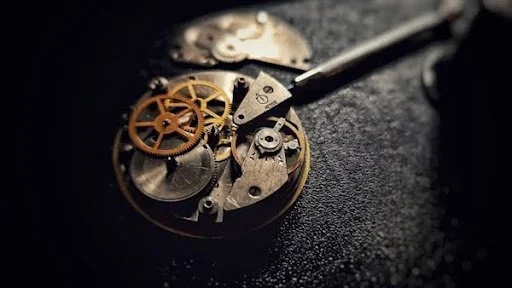
Provenance is your first checkpoint. A documented service history tells you the watch has been maintained by qualified hands, not neglected in a drawer. Look closely at the case edges and lugs. Heavy polishing can round off crisp lines, which may affect both appearance and value. Original boxes and papers add context, though their absence is not always a dealbreaker if the watch checks out in other ways.
Authentication is where a trusted seller matters most. If you are exploring high-end pieces in Asia, a specialist retailer page for Richard Mille watch models can help you see how authentication, servicing, Hong Kong and Singapore showroom details, acquisition support, and valuation services are presented. Use that as a benchmark for your own research. Look for sellers who explain their authentication process clearly and provide documented service support, so you understand exactly what you are buying.
Style It Your Way
Good accessories should feel personal, not like a uniform. A few simple styling habits can make a watch or bag easier to wear across different outfits.
Mixing metals, such as a steel watch with gold-toned rings, looks intentional when the rest of your outfit is simple. Wearing a watch with one or two slim bracelets adds texture without clutter. Pairing a sportier watch with tailored trousers or a blazer can also work when the colors and proportions are balanced.
The goal is not perfection. It is balance. One statement piece per outfit is usually enough. Let your watch or bag stand out, then keep the rest quiet.
Bags Built for Everyday Use
A bag has to look good, but it also has to carry what your day actually requires. Shape, closure, strap length, and weight all matter once you use it for more than a few hours.
Pick a Silhouette That Suits Your Routine
Different days call for different shapes. A structured tote handles laptops and documents for work. A shoulder bag moves from desk to dinner without looking bulky. A crossbody keeps your hands free for commuting, errands, or travel. A clutch is best for evenings when all you need is a phone, keys, and a card.
Think about your most common day, not your ideal one. If you commute by train, a crossbody or shoulder bag with a secure closure is usually more practical than an open tote, no matter how beautiful it is.
Material and Hardware Basics
Full-grain leather is the classic choice because it ages well and feels substantial. Coated canvas resists moisture better and often weighs less. Technical fabrics suit active lifestyles and wipe clean easily. Whatever the material, test the hardware. Zippers should run smoothly, clasps should snap cleanly, and metal fittings should feel solid rather than hollow.
Comfort and Security
Strap width matters more than people think. Thin straps can dig into your shoulder under weight, while wider straps distribute the load. Strap drop, the distance from the top of the strap to the top of the bag, determines where the bag sits on your body, so check it against your height and usual outerwear. For a brand reference while comparing hands-free styles, the official Longchamp crossbody bag page can show what details a maker provides about dimensions, closures, and strap design without relying on third-party listings.
A Capsule Approach That Keeps Spending in Check
You do not need a large collection. A simple formula keeps things focused: roughly 70% neutrals such as black, navy, tan, and grey, 20% complementary tones, and 10% statement colors or textures. This ratio helps most pieces pair naturally.
In practice, one versatile watch and one everyday bag can anchor a full week of outfits. Add a dressier strap for the watch and a smaller evening bag if your lifestyle calls for it, and you have covered most situations. The point is clarity. Fewer, better pieces mean you are more likely to use and enjoy what you own. If you are building a more intentional wardrobe overall, an everyday accessories article can help you plan before you buy.
Care That Adds Years
A little maintenance goes a long way, especially in humid climates common across Southeast Asia.
Bags: Wipe leather with a soft, slightly damp cloth after heavy use. When you are not carrying a bag, stuff it lightly with tissue to hold its shape and store it in its dust bag. Add a silica gel packet if you live somewhere humid. Avoid hanging bags by their straps for long periods, because that can stretch the leather unevenly over time.
Watches: Wipe the case and bracelet with a dry microfibre cloth after wearing. Keep your watch away from strong magnets, including some phone speakers and laptop clasps, because magnetism can affect movement accuracy. Have the movement serviced periodically by a qualified watchmaker. The exact timing depends on the movement and manufacturer, so check the brand recommendation rather than guessing. For anything beyond a battery swap or strap change, professional repair is safer than DIY.
Conclusion
Great personal style does not come from chasing every new release or filling your shelves with options you forget to use. It comes from choosing thoughtfully, caring for what you own, and letting a few well-chosen pieces do the work. A watch that fits your wrist and your life, plus a bag that handles your real routine, can pull together far more outfits than a crowded collection of almost-right pieces.
HOW DO YOU FEEL ABOUT FASHION?
COMMENT OR TAKE OUR PAGE READER SURVEY
Featured




Jackets have always been an important part of fashion.