
Transforming Living Spaces Through Modern Kitchen Design and Functional Renovation Practices
PAGE
By PAGE Editor
Introduction
The kitchen has always been considered the heart of the home, serving not only as a place for preparing meals but also as a central space for family interaction, social gatherings, and daily routines. Over time, the expectations from kitchen spaces have evolved significantly, shifting from purely functional layouts to highly efficient, aesthetically pleasing, and technologically integrated environments. This evolution has made renovation and redesign projects increasingly important for homeowners seeking comfort, efficiency, and improved property value. In this context, kitchen remodeling plays a vital role in guiding how design principles and construction techniques are applied to transform outdated kitchens into modern, highly functional spaces.
A well-planned kitchen renovation is not simply about replacing old cabinets or upgrading appliances; it is a comprehensive process that involves understanding spatial flow, structural limitations, user behavior, and long-term usability. Every decision, from layout selection to material choice, contributes to the final outcome. A successful project requires careful coordination between design vision and practical execution, ensuring that the kitchen is both beautiful and functional for everyday living.
In modern home improvement trends, homeowners are increasingly investing in kitchens because of their direct impact on lifestyle quality and property valuation. A thoughtfully designed kitchen enhances efficiency, reduces wasted effort during cooking, and creates a more enjoyable environment for daily activities. This makes professional planning and structured execution essential for achieving meaningful results.
Understanding the Purpose and Scope of Kitchen Renovation
Before starting any renovation project, it is essential to clearly understand the purpose behind the transformation. Some homeowners aim to improve functionality, while others focus on aesthetic upgrades or increasing property value. In many cases, all these goals overlap, requiring a balanced approach that addresses both visual appeal and practical usability.
The scope of a kitchen renovation can vary widely depending on the condition of the existing space. Minor updates may involve replacing fixtures, repainting surfaces, or upgrading appliances, while major renovations can include structural changes, layout modifications, and complete redesigns. Regardless of the scale, each project must be guided by a clear plan that ensures efficiency and consistency throughout the process.
When professionals approach a project, they often evaluate how kitchen remodeling can be applied to optimize space utilization, improve workflow, and enhance user experience. This involves studying how individuals move within the kitchen, how frequently they use specific areas, and what challenges they face in their current setup. By understanding these factors, designers can create solutions that are tailored to real-life needs rather than purely aesthetic preferences.
Planning and Designing an Efficient Kitchen Layout
Effective planning is the foundation of any successful kitchen renovation. The layout determines how efficiently the space functions and how comfortably users can navigate different work zones. Common layout designs include L-shaped, U-shaped, galley, and open-concept kitchens, each offering distinct advantages depending on available space and user requirements.
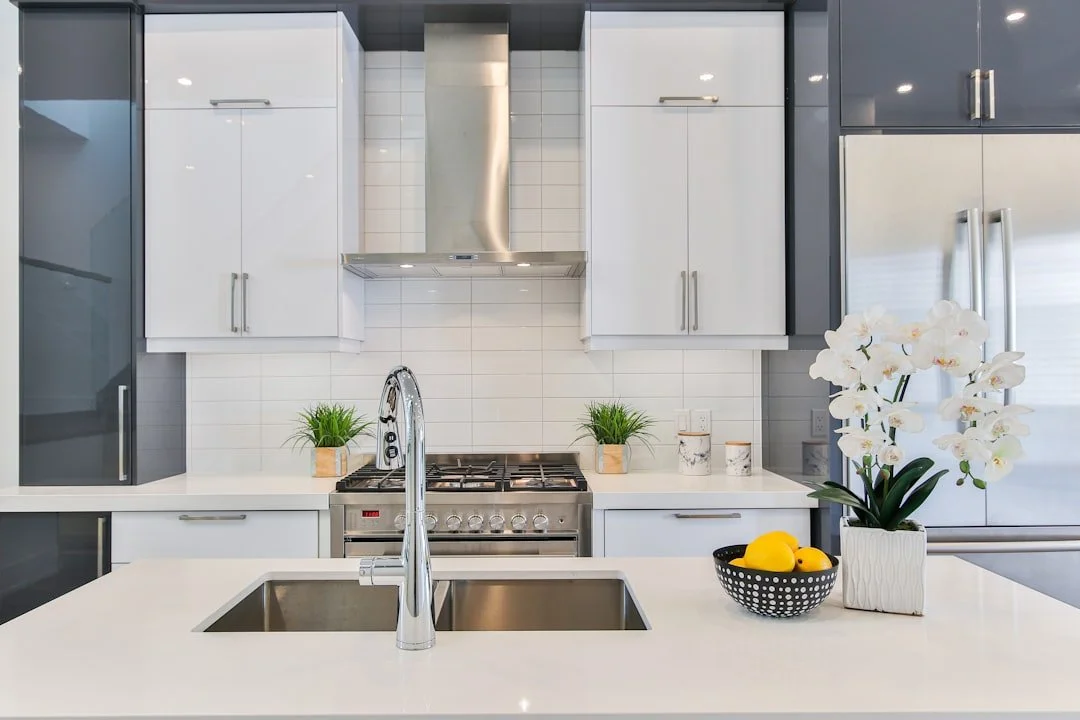
A key principle in kitchen design is the work triangle, which connects the stove, sink, and refrigerator in a way that minimizes unnecessary movement. This concept helps improve efficiency by ensuring that essential areas are easily accessible. Modern design approaches also expand this concept into work zones, which separate cooking, preparation, cleaning, and storage areas for better organization.
During the planning phase, designers also consider lighting, ventilation, and natural movement patterns within the space. Proper planning ensures that the kitchen remains functional, comfortable, and visually balanced. Without careful design, even high-quality materials and appliances may fail to deliver the desired performance.
Incorporating kitchen remodeling use into the planning phase helps ensure that every design decision is aligned with practical functionality. This approach emphasizes usability while still allowing creative freedom in aesthetics and material selection.
Budgeting and Cost Management in Renovation Projects
Budgeting is one of the most critical aspects of any renovation project. Without a clear financial plan, costs can quickly escalate, leading to incomplete or compromised results. A well-structured budget should account for materials, labor, appliances, permits, and unexpected expenses.
Homeowners often underestimate the importance of allocating funds for hidden issues such as plumbing repairs, electrical upgrades, or structural adjustments. These elements may not be visible at the beginning of the project but can significantly impact the overall cost once work begins.
Effective cost management also involves prioritizing essential upgrades over purely decorative changes. For example, investing in durable countertops or high-quality cabinetry may provide better long-term value compared to expensive decorative elements that do not contribute to functionality.
Professional planners often use kitchen remodeling as a guiding principle to balance cost efficiency with design quality. By focusing on usability and long-term performance, they ensure that every investment contributes meaningfully to the overall functionality of the kitchen.
Selection of Materials and Finishes
The choice of materials plays a significant role in determining the durability, appearance, and maintenance requirements of a kitchen. Common materials include wood, laminate, stainless steel, quartz, granite, and ceramic tiles, each offering unique advantages.
Cabinet materials must be strong enough to withstand daily use while maintaining their visual appeal over time. Countertops should be resistant to heat, moisture, and scratches, as they are among the most frequently used surfaces in the kitchen. Flooring materials must also be durable and easy to clean, especially in high-traffic cooking areas.
Finishes contribute to the overall aesthetic of the kitchen, influencing its style and atmosphere. Matte finishes create a modern and subtle look, while glossy finishes add brightness and a sense of spaciousness. The selection of materials should always align with both design preferences and practical requirements.
Incorporating kitchen remodeling use into material selection ensures that choices are not based solely on appearance but also on long-term functionality and maintenance considerations. This balanced approach helps create kitchens that remain practical and visually appealing for years.
Demolition and Structural Preparation
Once planning and design decisions are finalized, the renovation process typically begins with demolition. This phase involves removing old cabinets, countertops, flooring, and sometimes even walls, depending on the extent of the redesign. Proper demolition requires careful handling to avoid damaging underlying structures such as plumbing lines or electrical wiring.
After demolition, the space is prepared for new installations. This may include leveling surfaces, repairing structural damage, and updating utility connections. Preparation is a critical stage because it ensures that the foundation of the new kitchen is stable and ready for construction.
Professional contractors emphasize safety and precision during this phase to prevent future complications. A well-executed preparation process significantly reduces the risk of delays and additional costs later in the project.
Installation of Core Kitchen Components
The installation phase brings the new kitchen design to life. This includes setting up cabinetry, countertops, appliances, sinks, and storage systems. Each component must be installed with precision to ensure proper alignment, functionality, and durability.
Cabinet installation is often one of the most time-consuming tasks, as it requires accurate measurements and secure fitting. Countertops must be carefully placed to ensure stability and seamless integration with cabinets and appliances. Appliance installation involves connecting electrical and plumbing systems while ensuring compliance with safety standards.
At this stage, kitchen remodeling use becomes highly relevant, as it guides the installation process toward maximizing efficiency and usability. Every component is placed with the goal of improving workflow and enhancing the overall cooking experience.
Plumbing, Electrical, and Utility Upgrades
Modern kitchens rely heavily on advanced plumbing and electrical systems to support appliances, lighting, and water supply. Upgrading these systems is often necessary during renovation projects to meet current safety standards and improve efficiency.
Plumbing upgrades may include installing new sinks, faucets, or water filtration systems. Electrical upgrades often involve adding additional outlets, improving lighting systems, and ensuring that circuits can handle modern appliances. Proper installation of these systems is essential for both safety and functionality.
Failure to address utility requirements can lead to long-term problems such as water leaks, electrical failures, or inefficient appliance performance. Therefore, careful planning and professional execution are essential during this phase.
Lighting, Ventilation, and Aesthetic Enhancements
Lighting plays a crucial role in kitchen design, affecting both functionality and atmosphere. A well-lit kitchen improves visibility during cooking and enhances the overall aesthetic appeal of the space. Layered lighting, which includes ambient, task, and accent lighting, is commonly used to achieve a balanced effect.
Ventilation is equally important, as it helps remove heat, smoke, and odors from the cooking area. Proper ventilation systems improve air quality and maintain a comfortable environment within the kitchen.
Aesthetic enhancements such as backsplashes, color schemes, and decorative elements contribute to the final visual appeal of the space. These elements should complement the overall design without overwhelming the functionality of the kitchen.
Common Challenges in Kitchen Renovation Projects
Despite careful planning, kitchen renovation projects often face challenges such as unexpected structural issues, budget overruns, or delays in material delivery. Another common issue is poor coordination between different contractors, which can lead to inconsistencies in execution.
Homeowners may also face decision fatigue due to the wide range of design and material options available. Making too many changes during the project can result in delays and increased costs. Therefore, having a clear plan from the beginning is essential for maintaining control over the project.
Using kitchen remodeling as a guiding principle helps minimize these challenges by maintaining a strong focus on functionality and structured planning throughout the process.A well-executed kitchen renovation provides numerous long-term benefits, including improved functionality, increased property value, and enhanced lifestyle quality. Modern kitchens are more efficient, easier to maintain, and better suited to contemporary living standards.
Homeowners often find that a newly renovated kitchen encourages healthier cooking habits, more family interaction, and greater enjoyment of daily routines. Additionally, energy-efficient appliances and improved layouts contribute to reduced utility costs over time.
Conclusion
Kitchen renovation is a complex but highly rewarding process that transforms one of the most important areas of a home into a more functional, beautiful, and efficient space. From initial planning and budgeting to installation and finishing touches, every stage requires careful attention to detail and a clear understanding of user needs.
By applying structured design principles and focusing on practical usability, homeowners can achieve outstanding results that improve both daily living and long-term property value. The consistent application of kitchen remodeling throughout the process ensures that functionality remains at the core of every decision, leading to kitchens that are not only visually appealing but also highly efficient and durable for years to come.
The long-term success of any renovation project depends on thoughtful planning, quality materials, and professional execution. When these elements are combined effectively, the kitchen becomes a valuable and enduring part of the home.
HOW DO YOU FEEL ABOUT FASHION?
COMMENT OR TAKE OUR PAGE READER SURVEY
Featured




When parents evaluate physical learning kits or STEM toys on an ecommerce storefront, they make purchase decisions under acute time pressure and cognitive overload.