
Understanding Furnace Maintenance for Long-Term Comfort and Heating System Reliability
PAGE
By PAGE Editor
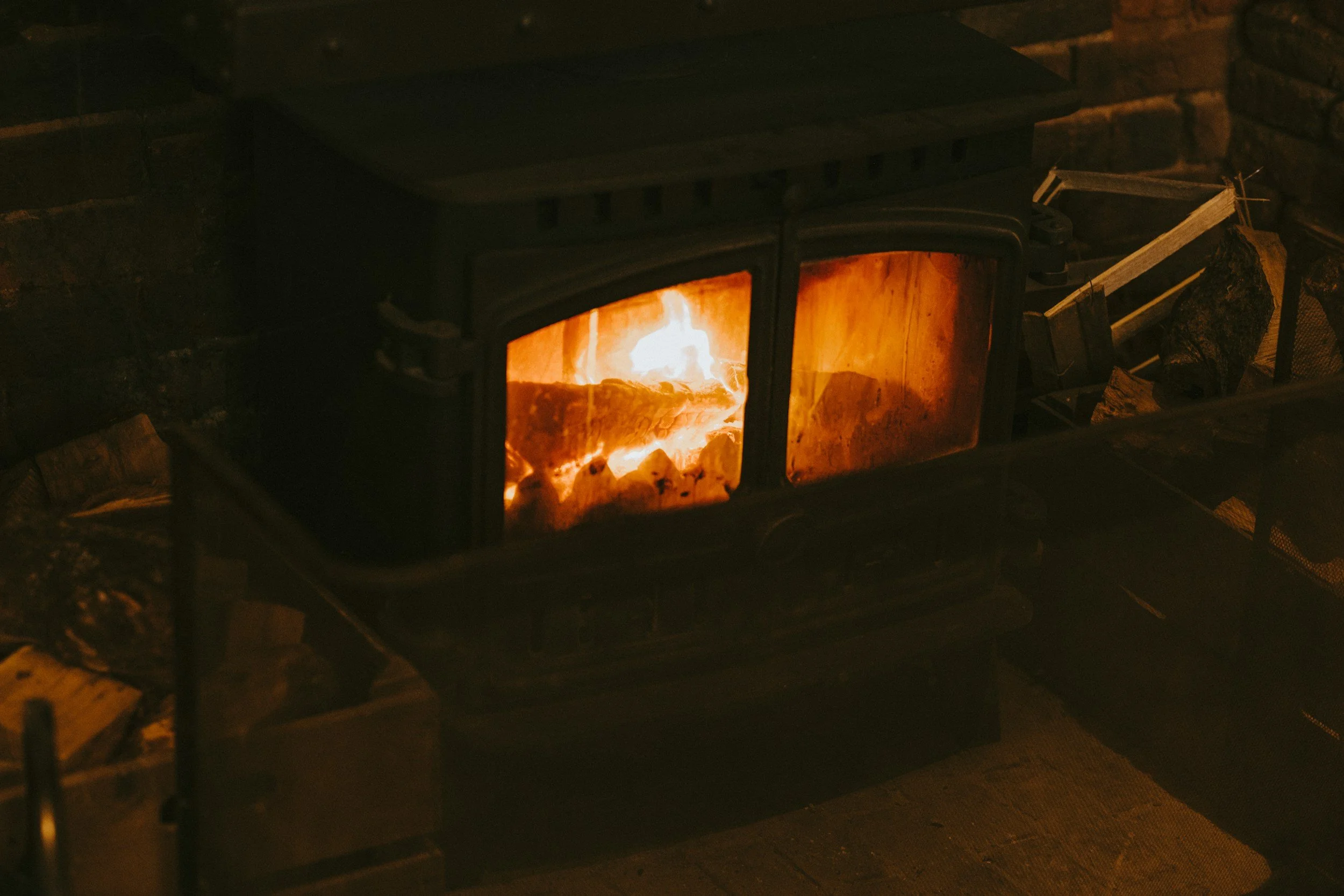
A furnace is one of the most important systems in any home or commercial property, providing dependable heat during colder months and helping maintain a comfortable indoor environment. Because heating systems often operate for extended periods throughout the winter, they experience continuous wear and tear that can affect performance over time. Without proper care, even a high-quality furnace can become less efficient, require costly repairs, or fail unexpectedly when it is needed most. This is why regular Furnace Maintenance is essential for ensuring long-term comfort, system reliability, and energy efficiency.
Many property owners focus on heating system repairs only after a problem occurs. However, preventive maintenance is often the most effective way to avoid unexpected breakdowns and maximize the lifespan of the equipment. Routine inspections, cleaning, adjustments, and performance evaluations help keep the furnace operating at peak efficiency while identifying potential issues before they become major concerns. Understanding the value of furnace maintenance can help homeowners and business owners protect their investment and enjoy dependable heating throughout the year.
The Importance of a Well-Maintained Furnace
A furnace performs a critical role in maintaining indoor comfort and supporting daily activities during cold weather. Beyond simply generating heat, it helps regulate indoor temperatures, supports air circulation, and contributes to overall indoor air quality.
Because furnaces operate under significant demand during the heating season, components naturally experience wear as they age. Dirt accumulation, airflow restrictions, and mechanical deterioration can gradually reduce performance if maintenance is neglected. These issues may not be immediately noticeable, but over time they can lead to higher energy bills, uneven heating, and increased repair needs.
Regular Furnace Maintenance helps ensure that the system continues to operate efficiently while providing reliable warmth and comfort throughout the property.
Improving Energy Efficiency
One of the most significant benefits of furnace maintenance is improved energy efficiency. A clean and properly adjusted furnace requires less energy to generate and distribute heat than a neglected system.
Dust, debris, and clogged filters can restrict airflow and force the furnace to work harder than necessary. Similarly, worn components may reduce operational efficiency and increase fuel consumption. As the system struggles to maintain desired temperatures, energy costs often rise.
Routine maintenance addresses these issues by cleaning critical components, replacing filters, inspecting airflow pathways, and ensuring that the furnace operates according to manufacturer specifications. Improved efficiency not only lowers utility bills but also reduces environmental impact through decreased energy consumption.
Extending Furnace Lifespan
A furnace represents a significant investment, making longevity an important consideration for property owners. While every heating system has a finite lifespan, proper maintenance can help maximize the years of reliable service it provides.
Minor issues that go unnoticed can place additional stress on system components, accelerating wear and increasing the likelihood of premature failure. Regular maintenance helps identify these concerns early and allows technicians to correct them before they cause widespread damage.
By reducing unnecessary strain and ensuring that components function properly, maintenance helps preserve the condition of the furnace and delay the need for replacement. This extended lifespan improves the overall return on investment and reduces long-term ownership costs.
Enhancing Indoor Comfort
Consistent indoor comfort depends on a heating system's ability to distribute warmth evenly throughout the property. When a furnace is not properly maintained, performance may decline, leading to uneven temperatures and reduced comfort levels.
Blocked airflow, dirty components, and mechanical inefficiencies can cause certain rooms to feel colder than others or make it difficult to maintain desired thermostat settings. These issues often become more noticeable during periods of extreme cold when the system is under greater demand.
Professional maintenance helps restore optimal performance and ensures that heat is distributed effectively throughout the building. Improved airflow and system efficiency contribute to a more comfortable indoor environment for occupants.
Reducing the Risk of Unexpected Breakdowns
Few situations are more frustrating than a furnace failure during cold weather. Unexpected breakdowns can disrupt daily routines, create uncomfortable living conditions, and require emergency repair services.
Preventive maintenance significantly reduces the likelihood of sudden system failures by identifying developing issues before they become serious problems. Technicians can inspect critical components, evaluate system performance, and make necessary adjustments to maintain reliable operation.
By addressing minor concerns proactively, property owners can avoid many of the common causes of furnace breakdowns and enjoy greater confidence in their heating system's performance.
Improving Indoor Air Quality
Heating systems play an important role in circulating air throughout a property. Over time, dust, dirt, pet dander, and other airborne particles can accumulate within the furnace and ductwork. If not addressed, these contaminants may circulate throughout the indoor environment.
Regular furnace maintenance includes cleaning and replacing air filters, which helps improve indoor air quality by capturing airborne particles before they enter occupied spaces. Clean filters also support proper airflow and reduce strain on the system.
Better indoor air quality contributes to a healthier and more comfortable environment, particularly for individuals who may be sensitive to allergens or respiratory irritants.
Supporting Safe Furnace Operation
Safety is one of the most important reasons to schedule routine furnace maintenance. Heating systems involve electrical components, fuel connections, combustion processes, and ventilation systems that must operate correctly to ensure safe performance.
Maintenance inspections allow technicians to evaluate safety controls, inspect fuel lines, examine heat exchangers, and verify proper ventilation. These assessments help identify potential hazards and ensure that the furnace continues to operate safely.
Regular safety evaluations provide peace of mind while helping protect both occupants and property from avoidable risks associated with heating system malfunctions.
Common Tasks Performed During Furnace Maintenance
Professional furnace maintenance involves a comprehensive evaluation of the heating system. Technicians typically inspect and clean major components, check electrical connections, test safety controls, evaluate airflow, and assess overall system performance.
Air filters are often replaced or cleaned to maintain proper airflow and improve efficiency. Burners, ignition systems, and blower components may also be inspected and serviced as needed. Thermostat operation is verified to ensure accurate temperature control.
These maintenance procedures help optimize performance while identifying any developing issues that may require future attention.
Recognizing Signs That Maintenance Is Needed
While routine maintenance should be scheduled regularly, certain warning signs may indicate that the furnace requires immediate attention. Rising energy bills, inconsistent heating, unusual noises, and increased dust accumulation can all suggest that maintenance is overdue.
Frequent cycling, difficulty maintaining comfortable temperatures, and reduced airflow are additional indicators that the system may not be operating efficiently. Addressing these signs promptly helps prevent further deterioration and supports continued reliable operation.
Property owners who pay attention to these warning signs are often able to avoid more serious and expensive heating system problems.
Lowering Long-Term Operating Costs
Many property owners view maintenance as an additional expense, but it is often one of the most cost-effective investments in heating system care. Preventive maintenance helps reduce operating costs by improving efficiency, minimizing repair needs, and extending equipment lifespan.
A well-maintained furnace consumes less energy and experiences fewer mechanical failures. This combination of lower utility bills and reduced repair expenses can result in significant long-term savings.
Investing in routine maintenance helps property owners manage heating costs more effectively while protecting the value of their equipment.
The Importance of Professional Maintenance Services
Although homeowners can perform certain basic tasks such as replacing filters, comprehensive furnace maintenance should be conducted by qualified professionals. Modern heating systems contain complex components that require specialized knowledge and diagnostic equipment.
Professional technicians have the expertise necessary to identify subtle performance issues, evaluate safety concerns, and perform adjustments that support optimal operation. Their training allows them to detect problems that may not be apparent during a visual inspection.
Working with experienced professionals helps ensure that maintenance is thorough, effective, and compliant with industry standards.
Developing a Preventive Maintenance Schedule
Consistency is key when it comes to furnace care. Most heating professionals recommend scheduling maintenance at least once per year, ideally before the start of the heating season. Annual inspections allow technicians to prepare the system for increased demand and identify any issues that developed during the off-season.
Some properties with heavy heating requirements may benefit from more frequent evaluations depending on usage patterns and system age. Establishing a regular maintenance schedule helps ensure ongoing reliability and simplifies long-term heating system management.
A proactive approach to maintenance provides the best opportunity to maximize performance and minimize unexpected problems.
Environmental Benefits of Furnace Maintenance
Efficient heating systems consume less fuel and produce fewer emissions than neglected equipment. By improving operational efficiency, regular maintenance helps reduce the environmental impact associated with energy consumption.
Maintained systems also experience fewer failures and often remain in service longer, reducing the environmental costs associated with manufacturing and replacing equipment prematurely. These sustainability benefits make furnace maintenance an important component of responsible property management.
Property owners who prioritize maintenance contribute to energy conservation while enjoying lower operating costs and improved comfort.
Conclusion
Regular Furnace Maintenance is one of the most effective ways to ensure long-term comfort, energy efficiency, and heating system reliability. Through routine inspections, cleaning, adjustments, and preventive care, maintenance helps reduce operating costs, improve indoor air quality, enhance safety, and extend equipment lifespan.
A well-maintained furnace provides consistent warmth, dependable performance, and greater peace of mind throughout the heating season. Rather than waiting for problems to develop, property owners who invest in preventive maintenance can avoid many common heating issues while maximizing the value of their heating system.
By establishing a regular maintenance schedule and working with qualified professionals, homeowners and businesses can enjoy reliable comfort and efficient furnace operation for many years to come.
HOW DO YOU FEEL ABOUT FASHION?
COMMENT OR TAKE OUR PAGE READER SURVEY
Featured




Deep clean, seal, and protect your tile & grout in Oceanside, CA. Bring the original shine back to your floors. Request a quote today!