
UNINVITED Is Giving Sneakers A Second Life Through Circular Design
PAGE
By PAGE Editor
The San Francisco design company is turning the sneaker into an evolving canvas, using interchangeable jewelry and graphic pieces to challenge the idea that something has to be new to feel different.
The sneaker industry has perfected the art of the new. New colorways. New collaborations. New silhouettes. New drops engineered to create desire before the previous pair has even had time to settle into a closet. UNINVITED is asking a different question: What if the next sneaker didn't have to be new at all?
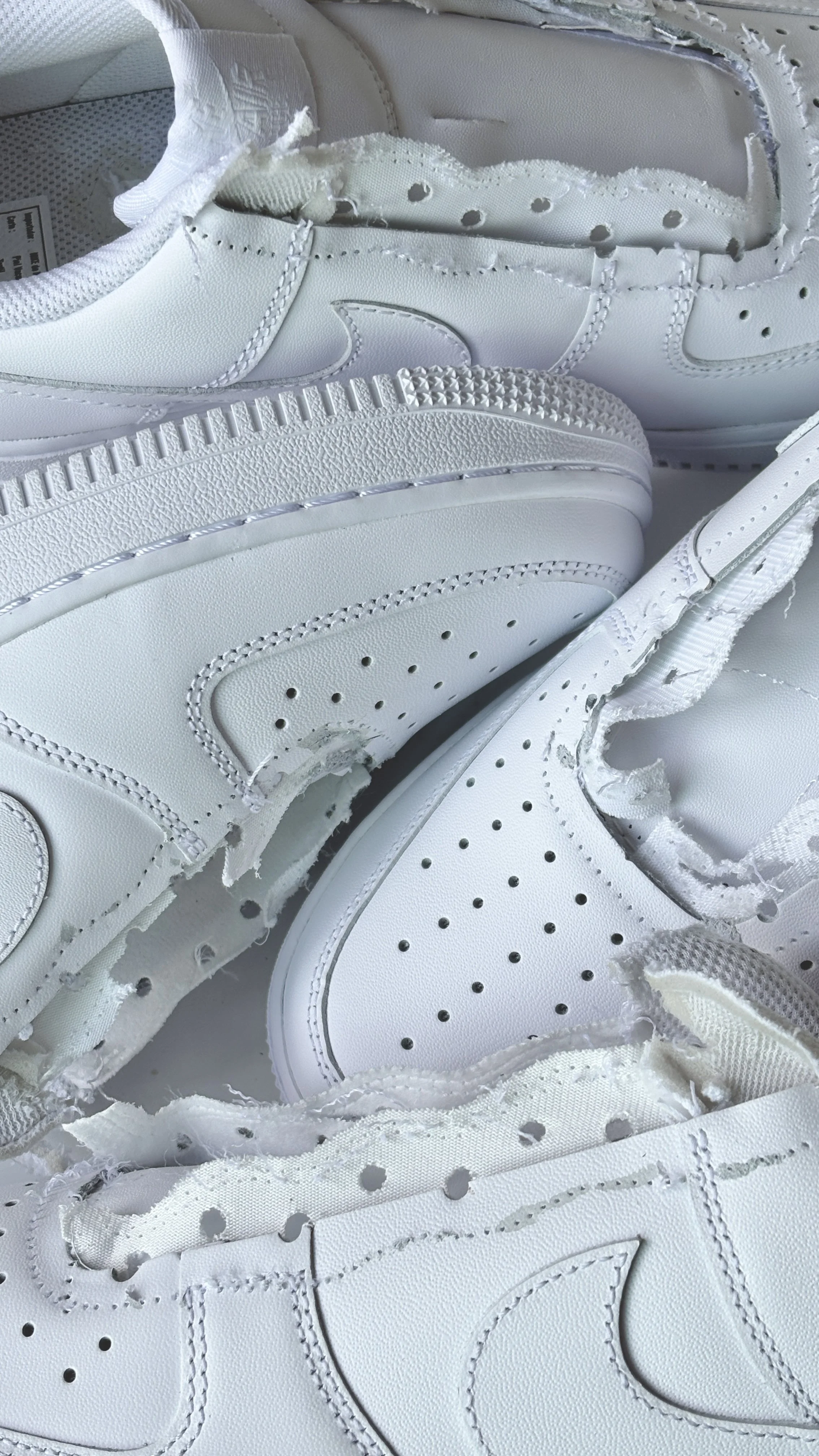
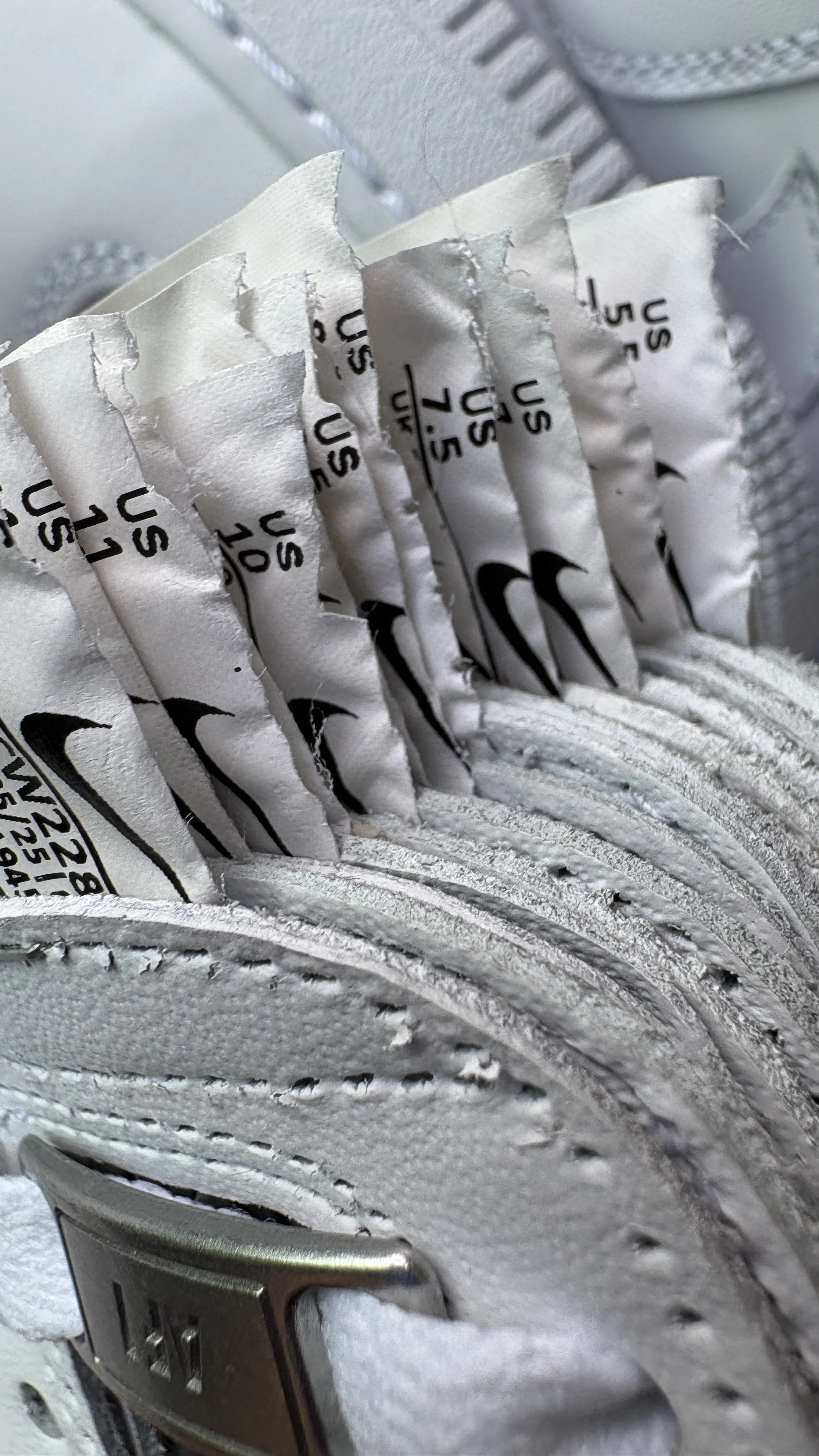
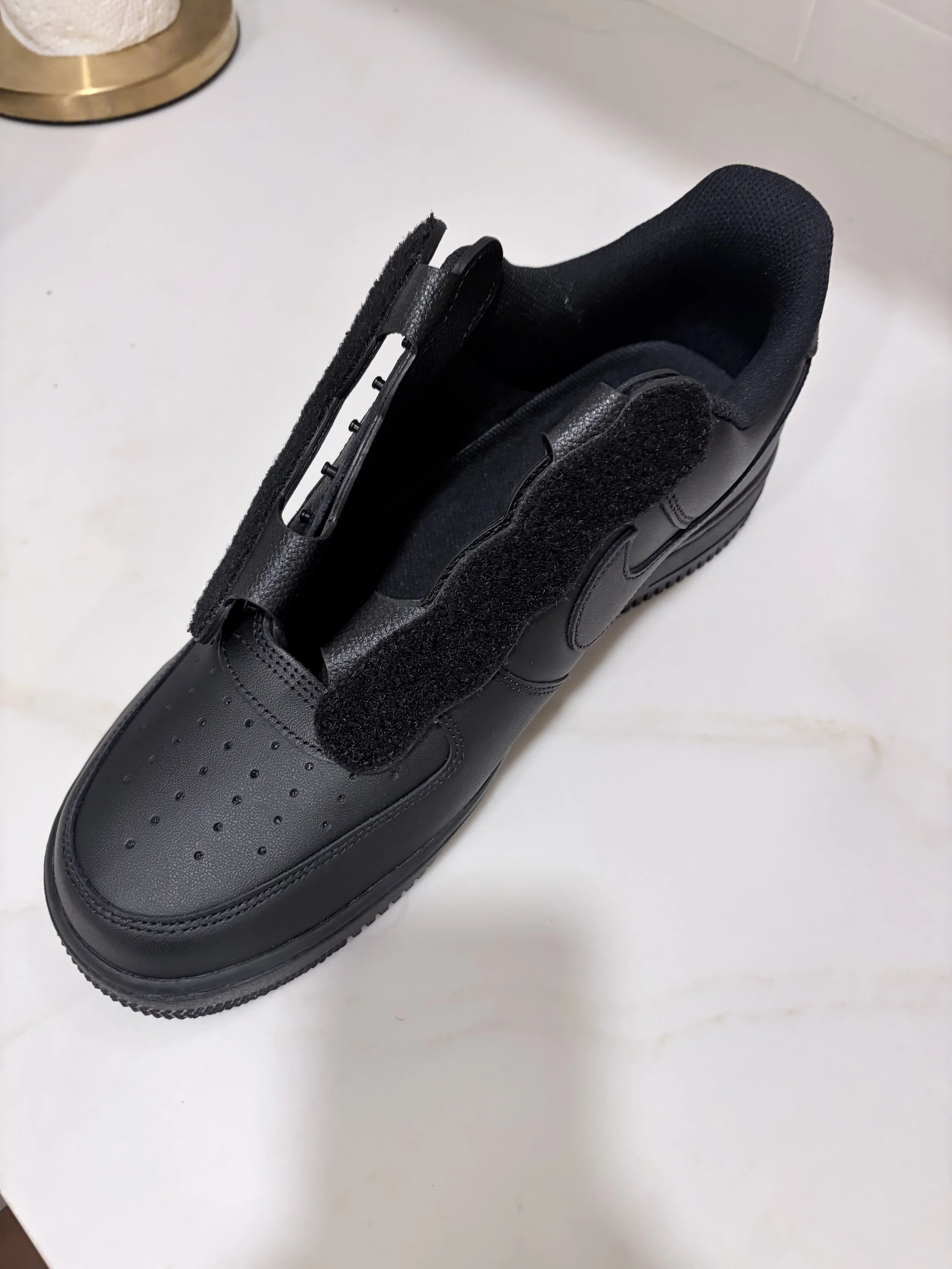
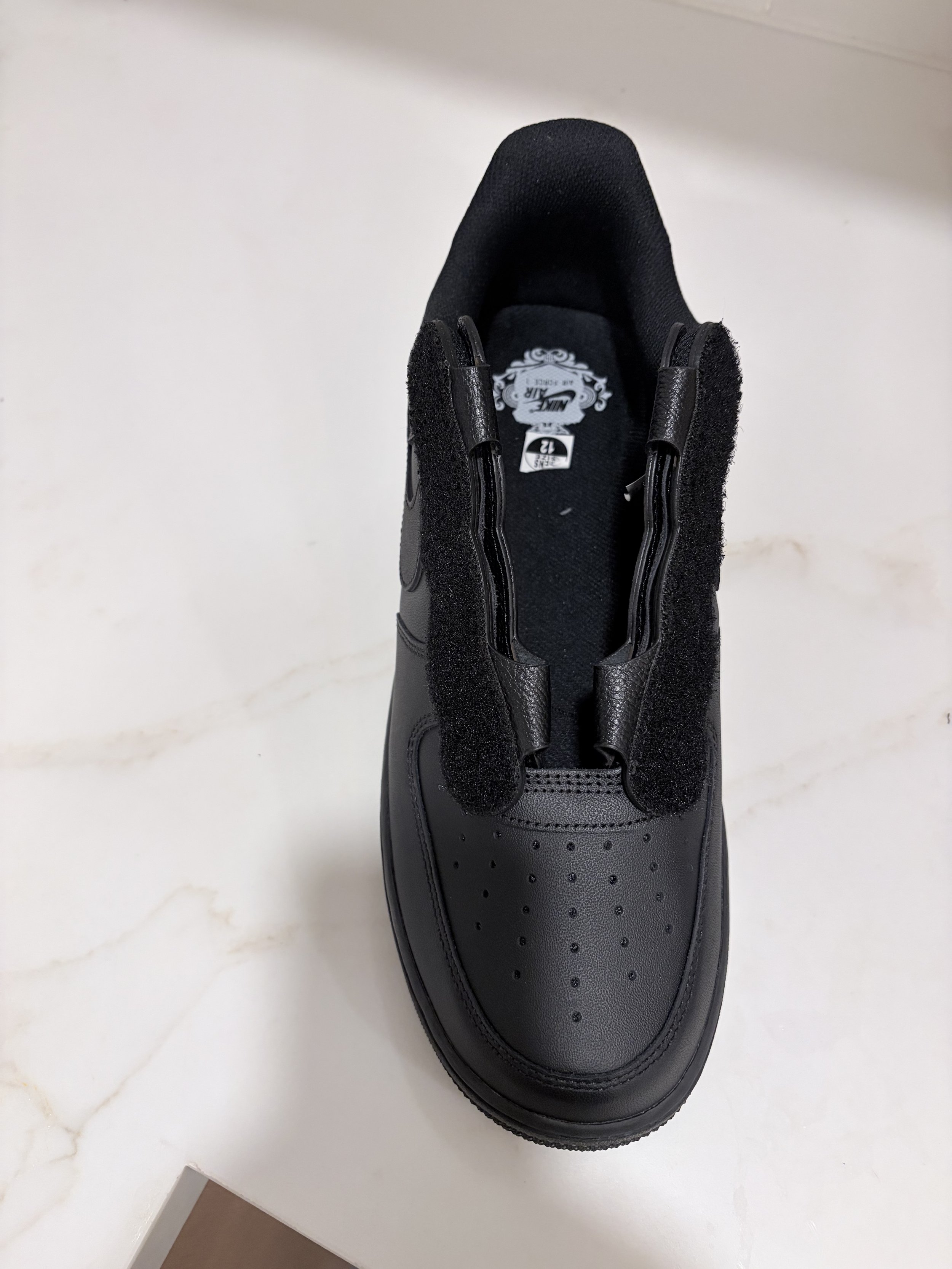
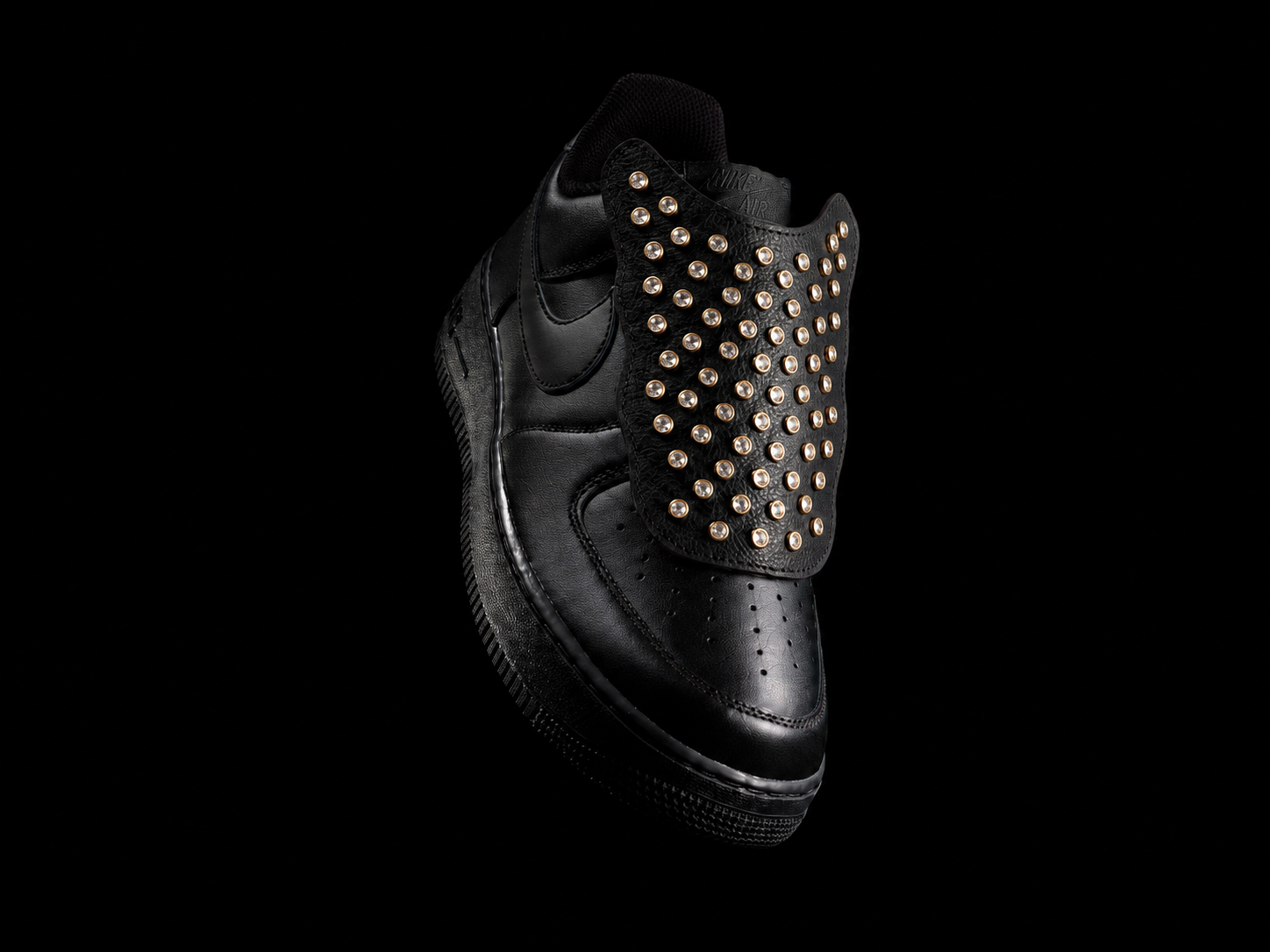
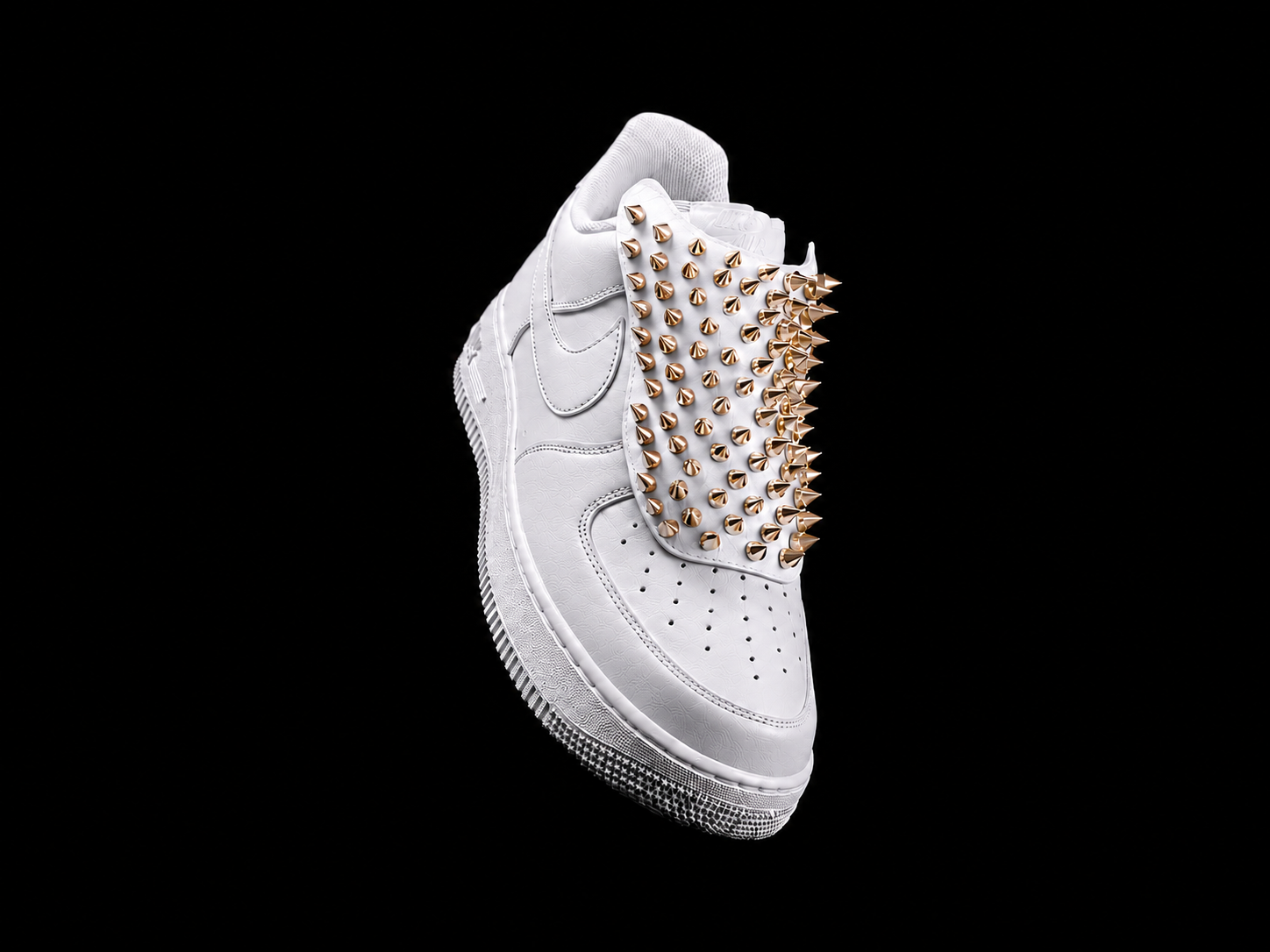
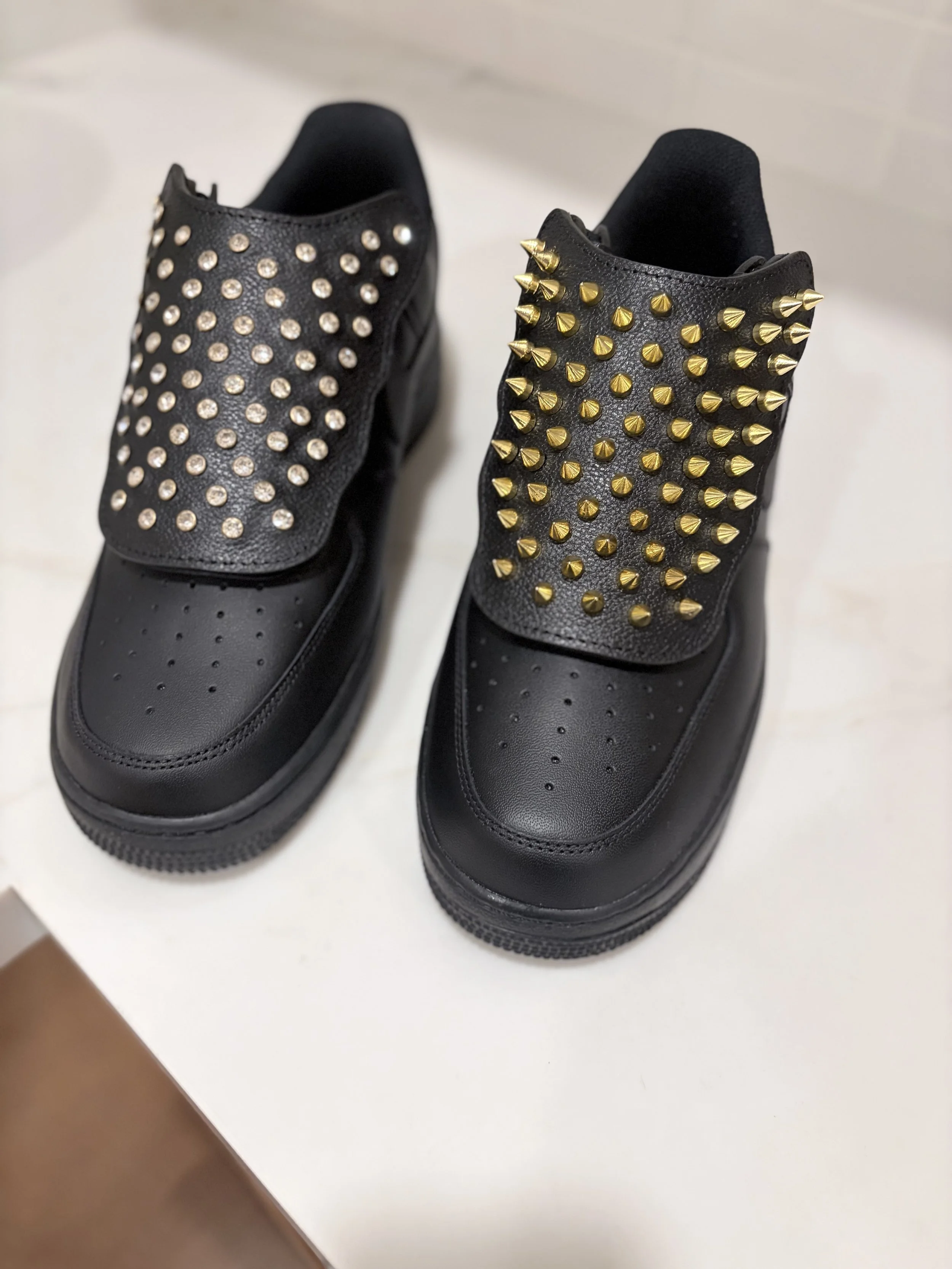
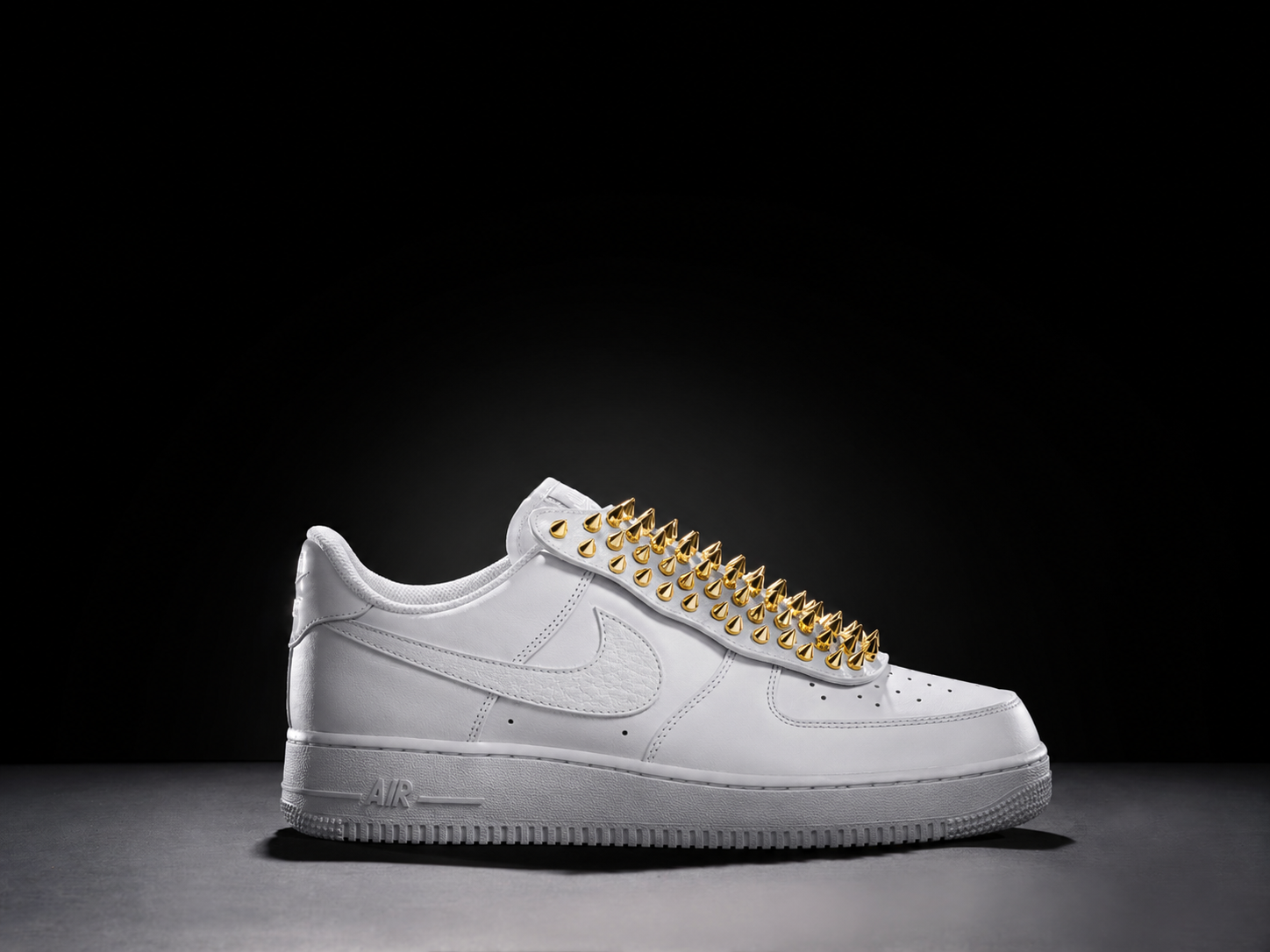
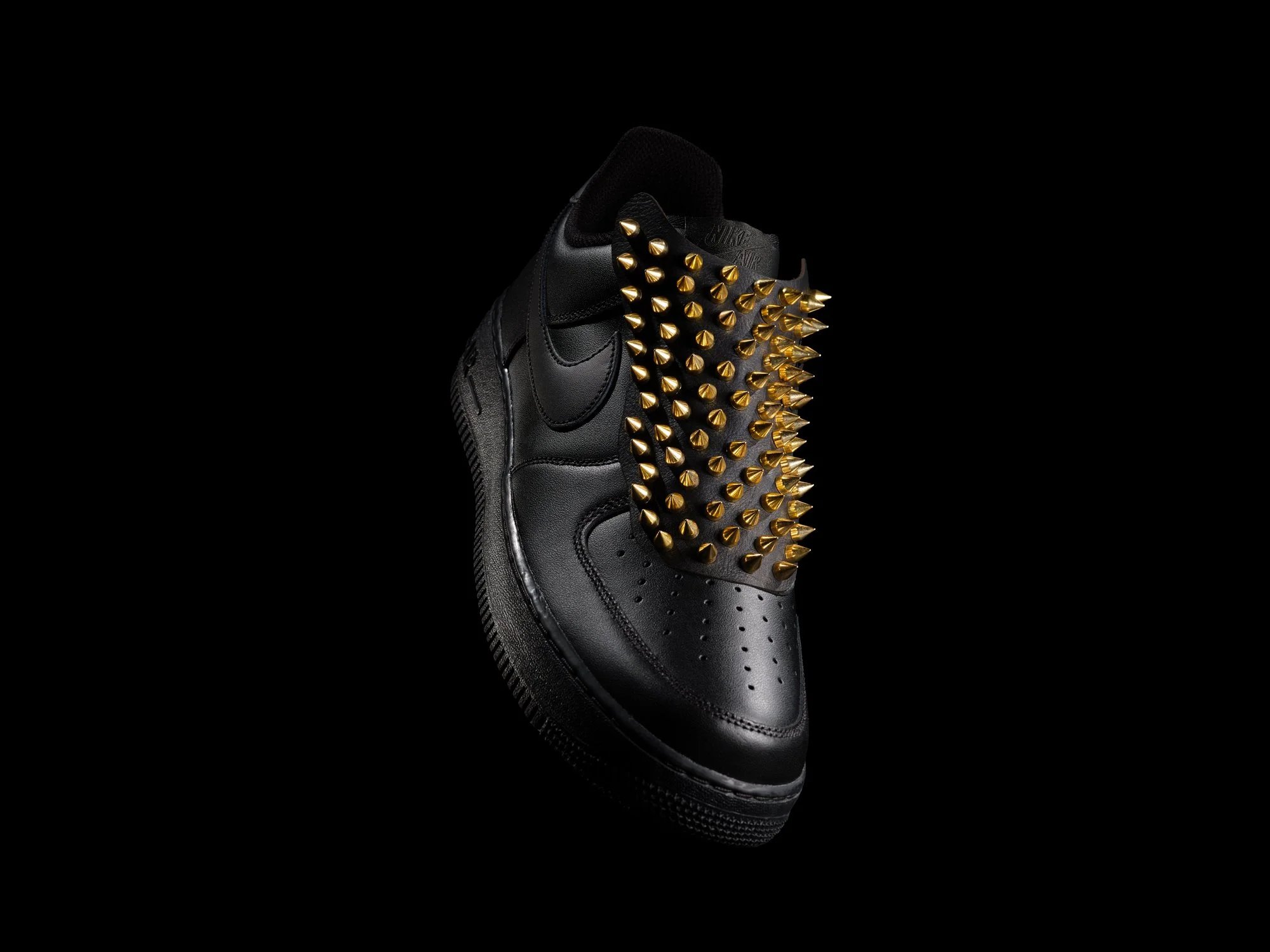
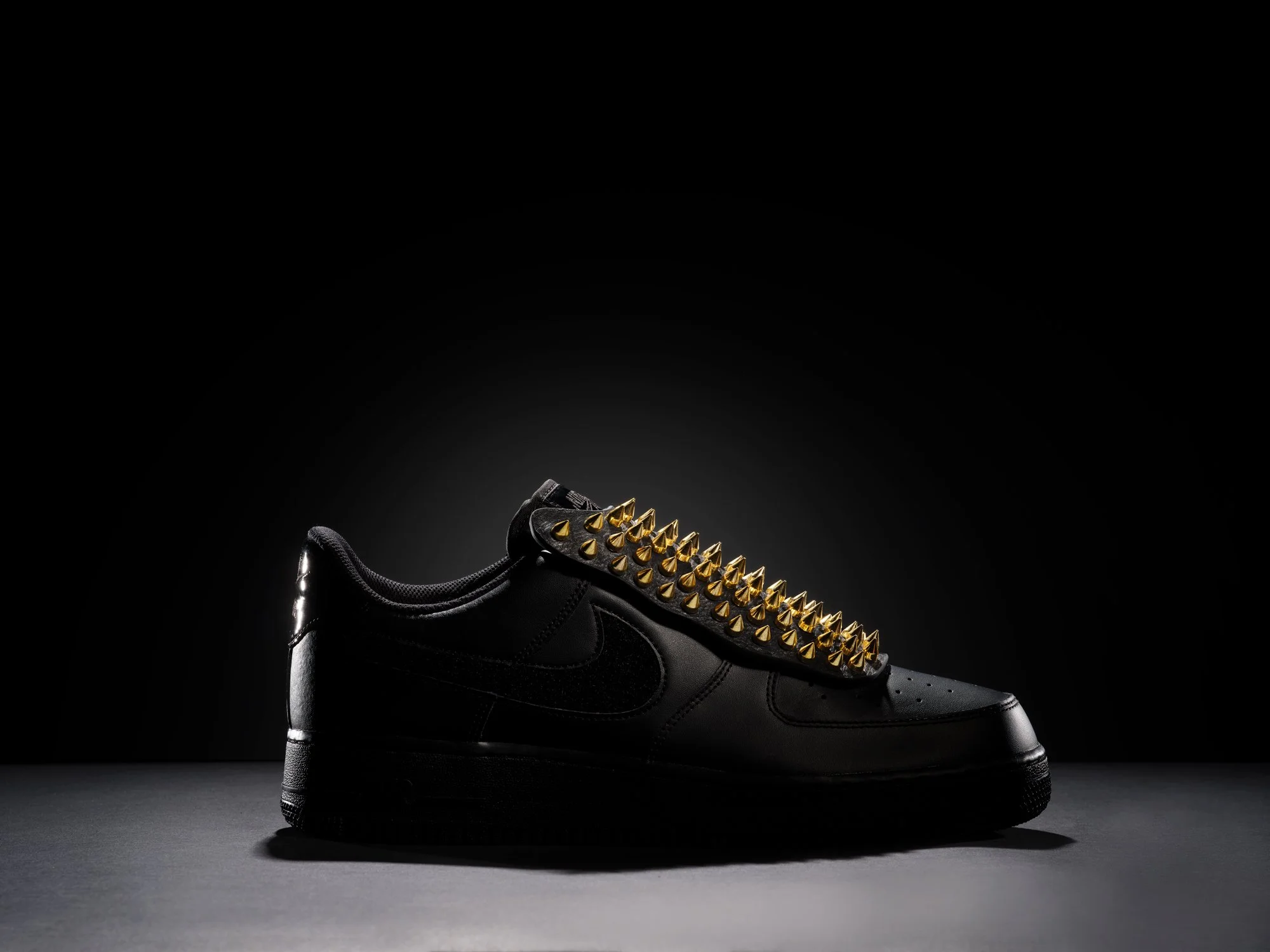
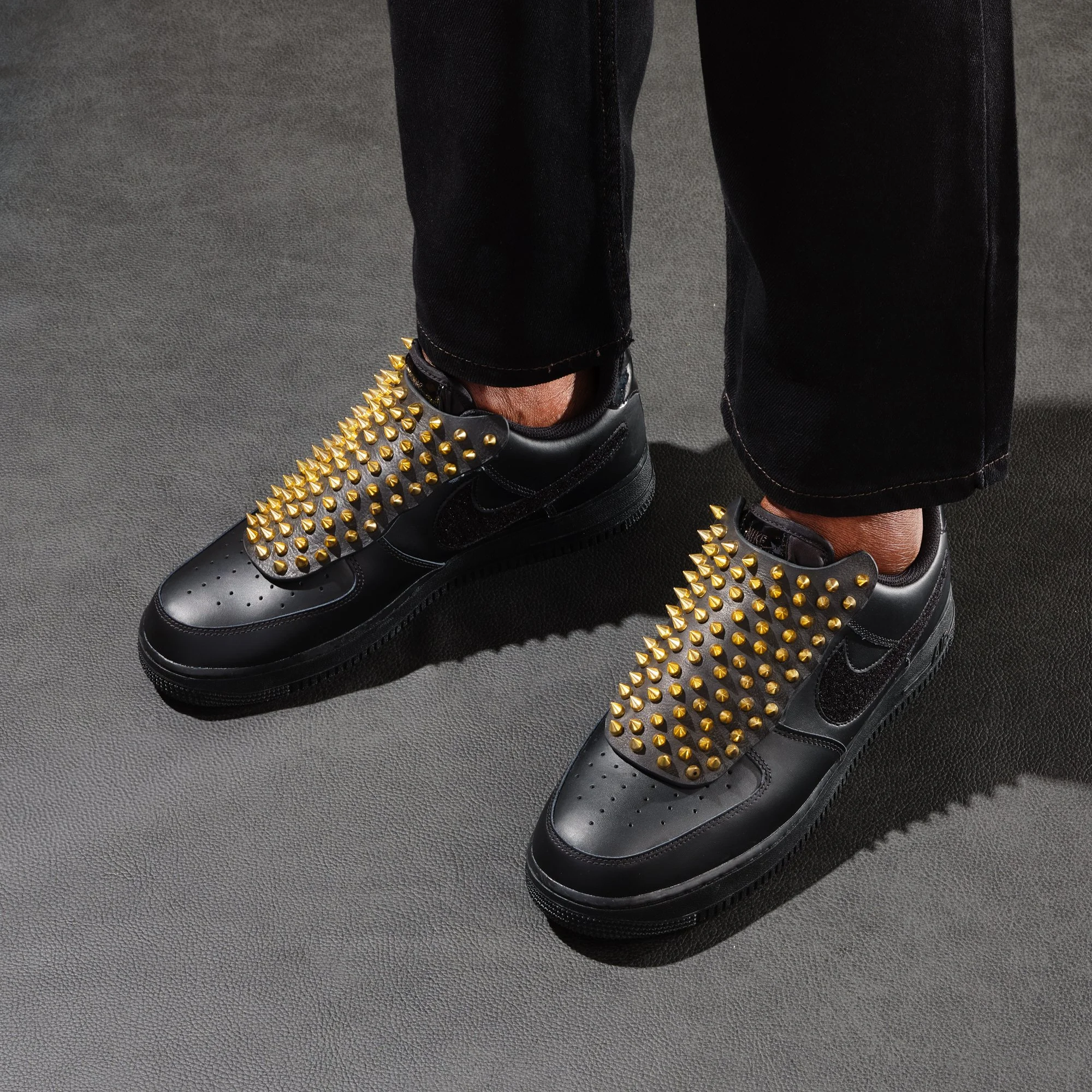
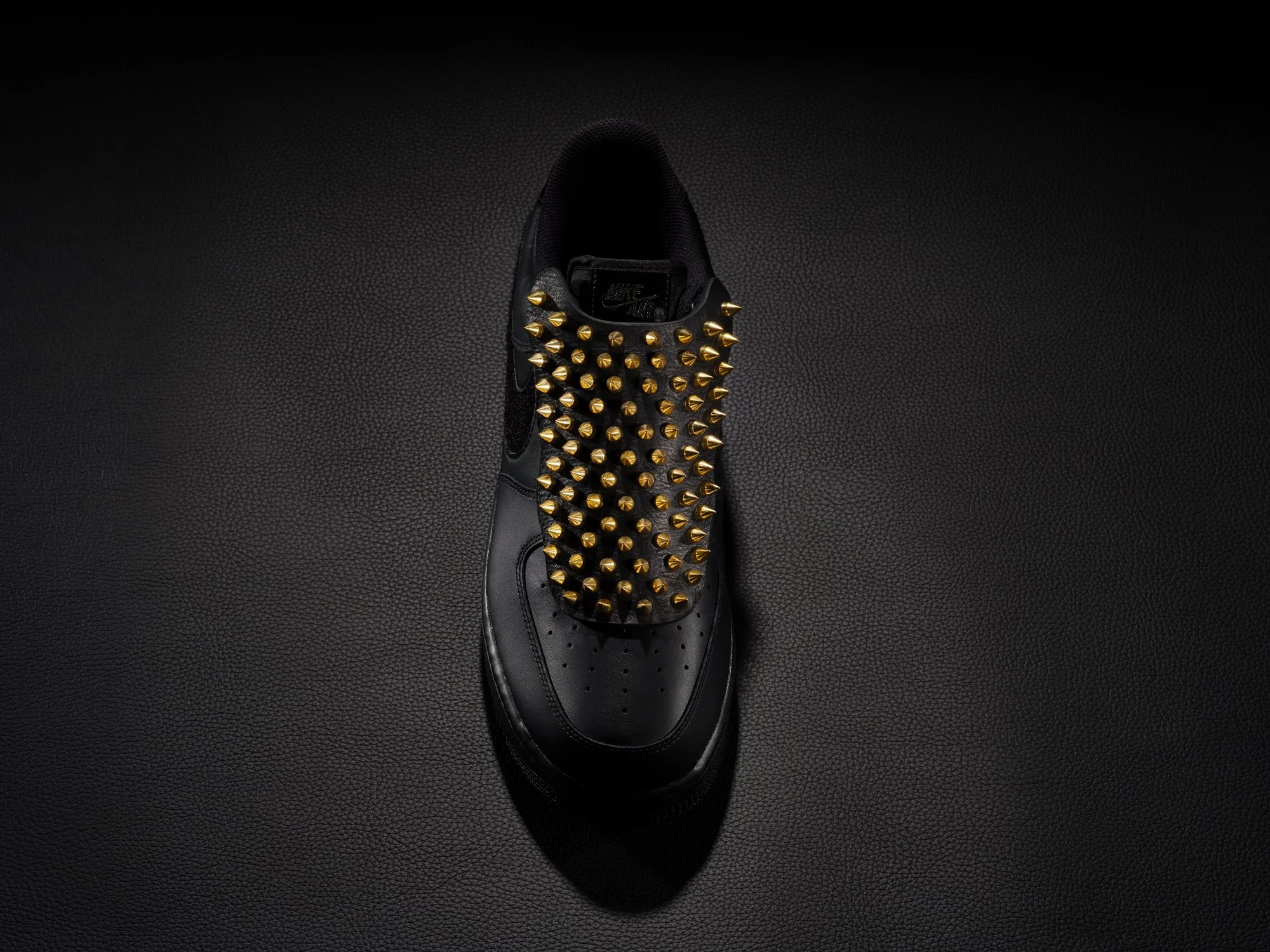
Launching August 27, the San Francisco-based design company is introducing what it calls a new category of post-purchase sneaker design—a patented system of interchangeable jewelry and graphic pieces designed to transform sneakers people already own. Its first canvas is the Nike Air Force 1 Low, one of the most recognizable silhouettes in modern footwear and a shoe that has spent more than four decades being continuously reinterpreted by the culture around it.
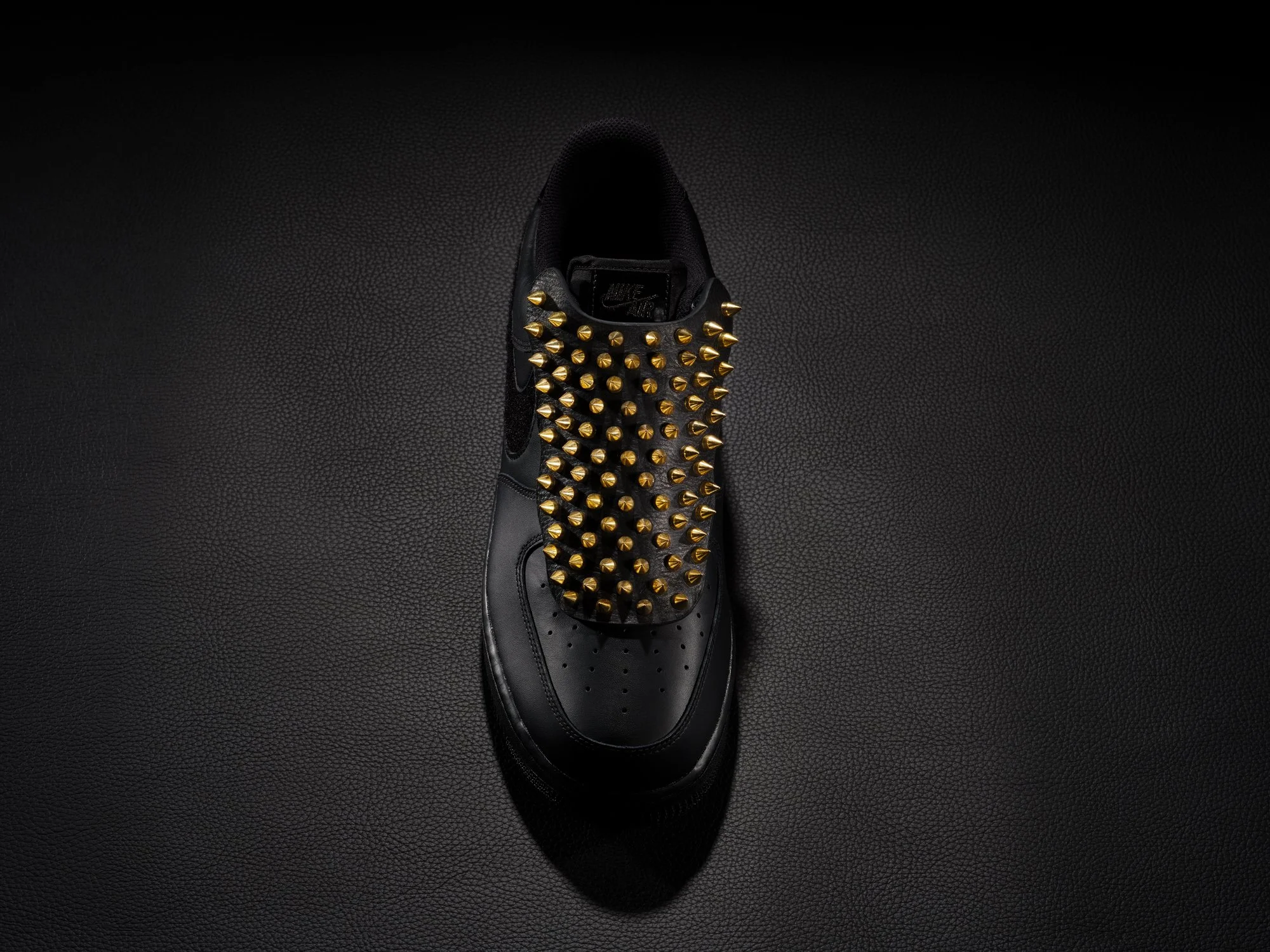
The premise is deceptively simple. Instead of changing the sneaker, change what is attached to it.
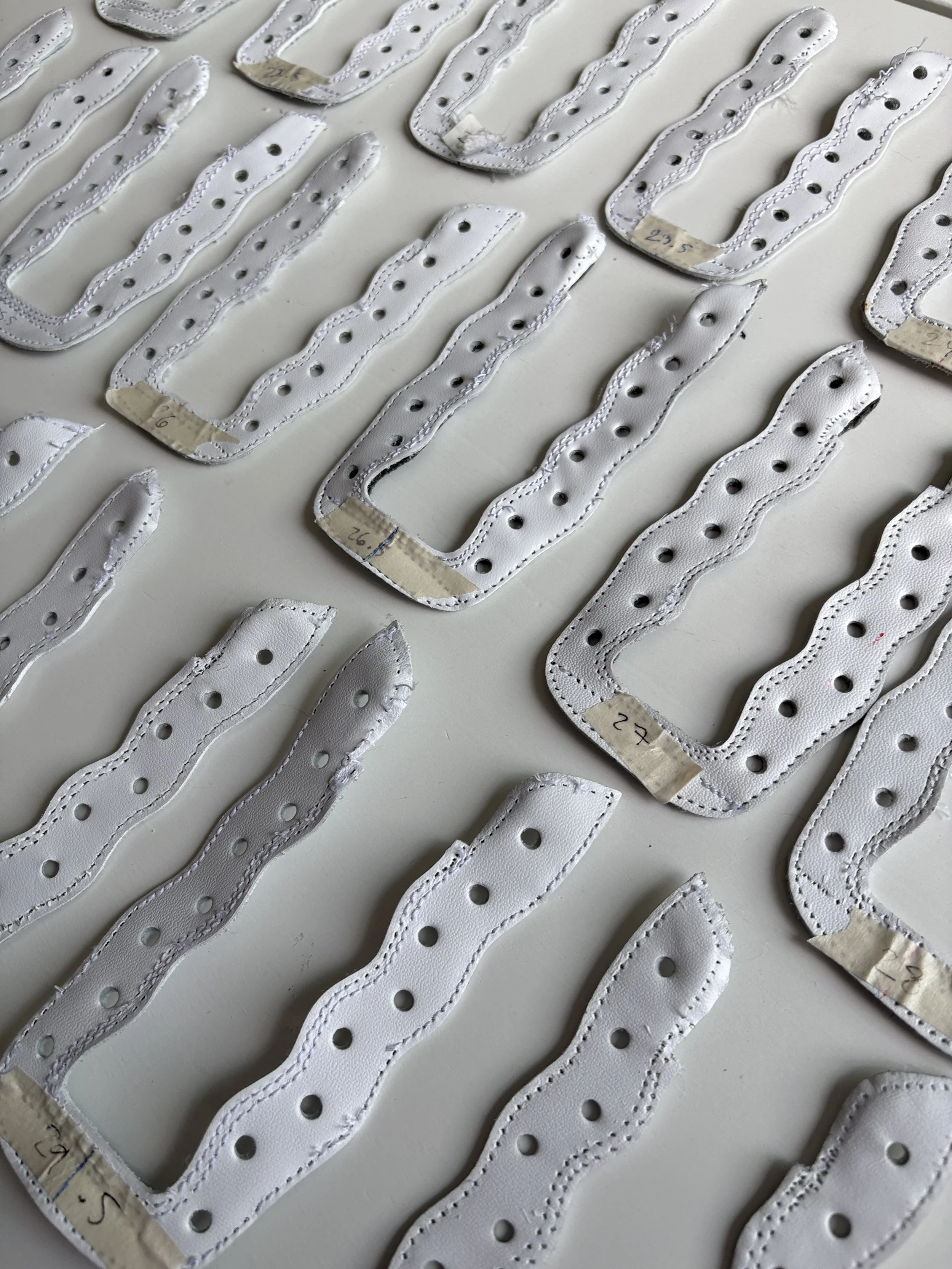
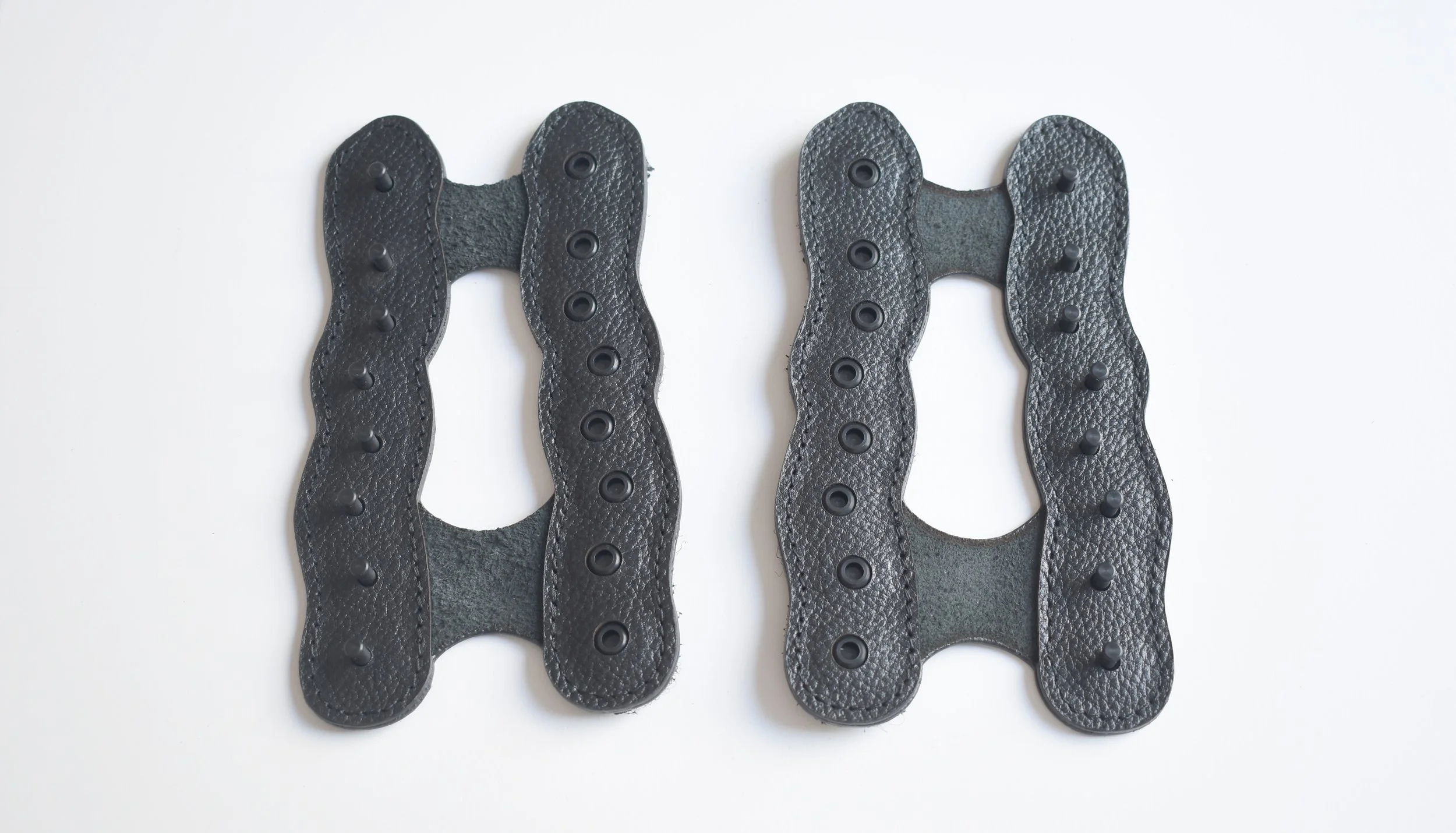
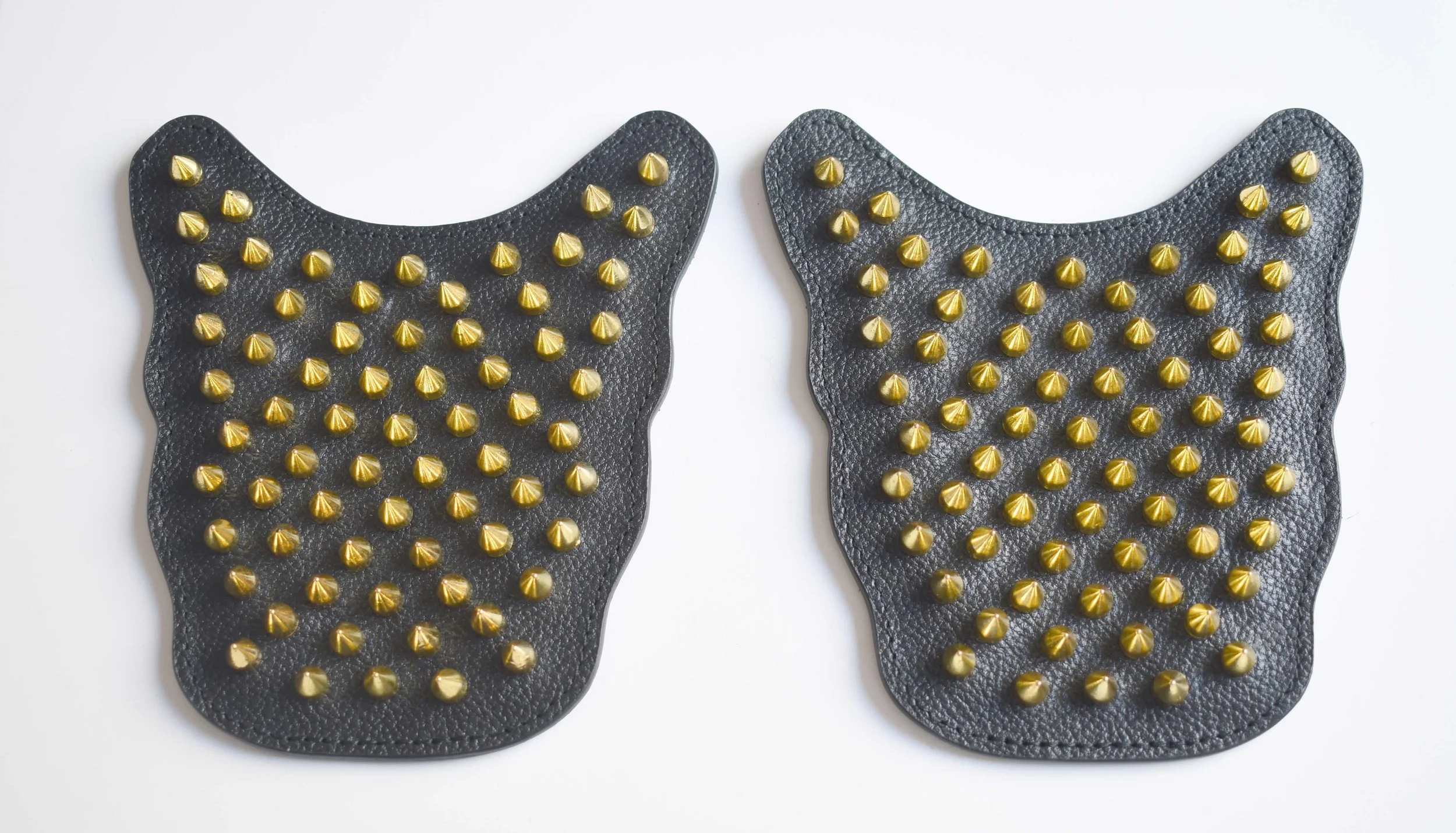
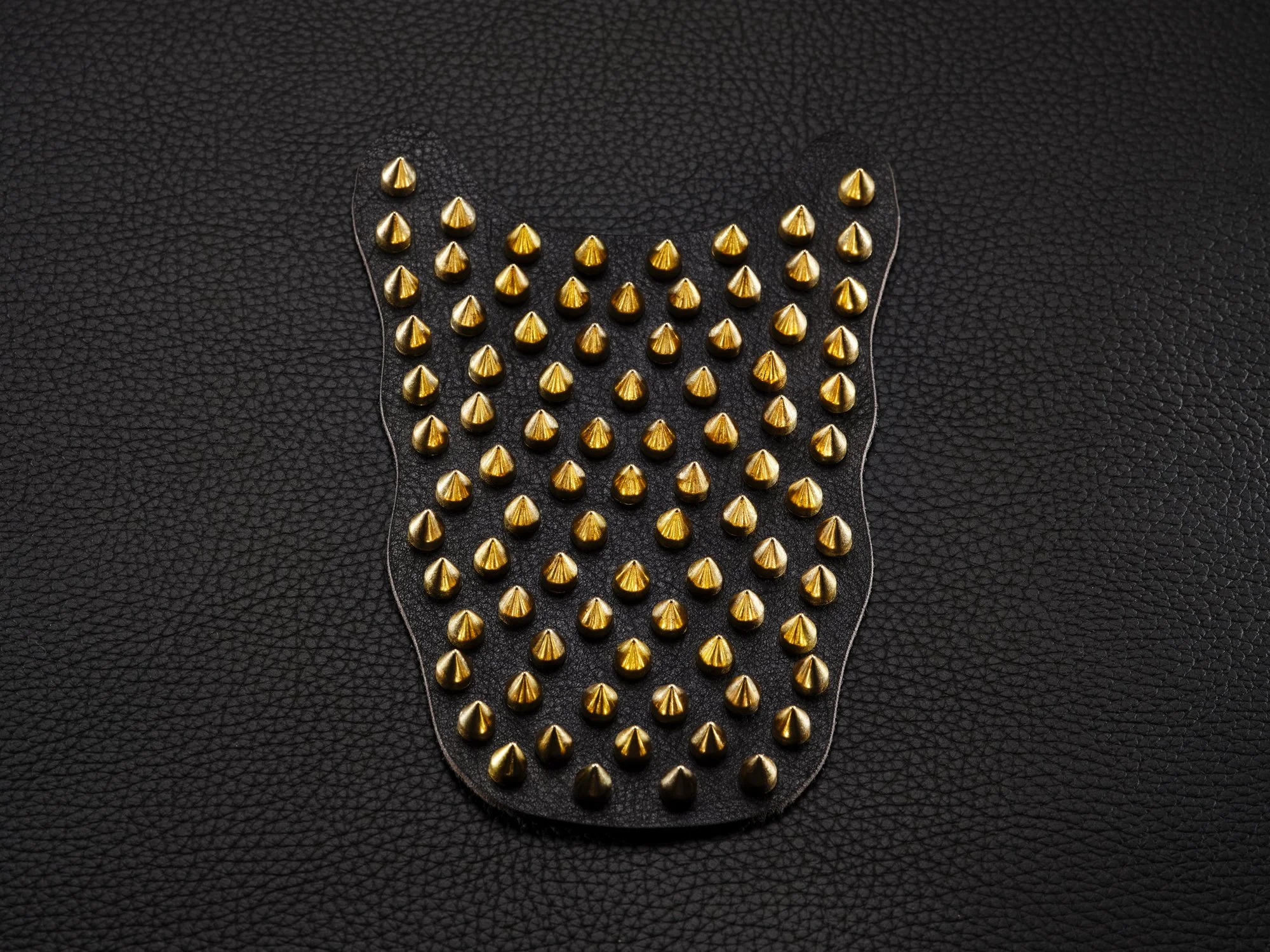
UNINVITED's jewelry pieces introduce material, dimension and ornament, while its graphic pieces bring image, color and visual expression. Both connect through the company's proprietary attachment platform, allowing wearers to remove, replace and rearrange pieces without permanently modifying the underlying shoe.
In an industry built around consumption, that distinction has larger implications. Circular design is often discussed through the lens of materials, manufacturing and end-of-life solutions. But there is another part of the equation that begins after a product has already been purchased: How do you keep someone interested in what they already have?
“ We've spent decades designing sneakers up until the moment someone buys them, and almost no time thinking about what happens afterward,” says Airason Heard, founder and CEO of UNINVITED. “That never made sense to me. The sneaker shouldn't become a finished object just because it left the store.”
That philosophy places UNINVITED in an interesting space between footwear, jewelry, accessories and product design. Rather than treating customization as a one-time intervention, the company has built a modular system intended to evolve with the person wearing it. And that could be where its sustainability argument becomes most compelling.
The fashion industry's relationship with novelty has historically been linear: purchase, wear, desire something different, purchase again. Sneakers are particularly susceptible to this cycle. A new colorway can make a familiar silhouette feel new, while a collaboration can turn an existing design into an entirely different cultural object. Personalization has typically followed the same logic, whether through painting, swapping laces or permanently altering the shoe.
UNINVITED introduces another layer between ownership and replacement. If a sneaker can change its appearance repeatedly, the value proposition begins to shift. The consumer isn't necessarily buying another pair to satisfy the desire for something different; they can buy an accessory that changes the pair already sitting in their closet.
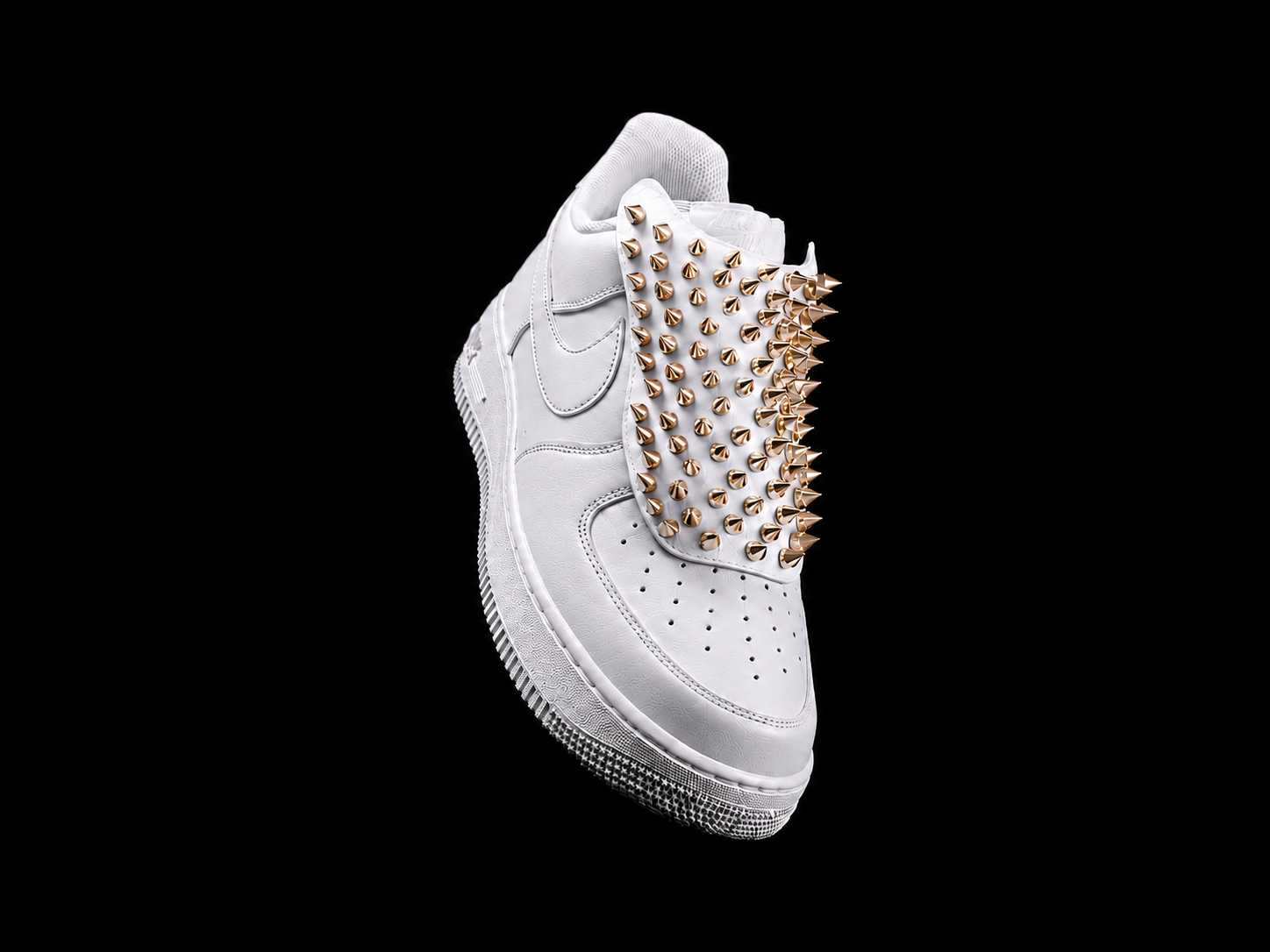
That doesn't make a sneaker inherently sustainable, nor does an accessory eliminate the environmental impact associated with producing it. But extending the emotional and aesthetic relevance of an existing product is an important part of designing for longevity. A product that remains desirable is more likely to remain in rotation.
“Take the piece off, put a different one on, and the same sneaker says something it has never said,” Heard says. “That's the work.”
It is also a concept that speaks directly to how sneaker culture has evolved. The Air Force 1 has never been just a piece of footwear. Since its introduction in 1982, it has moved through basketball, hip-hop, streetwear, luxury fashion and countless subcultures, repeatedly absorbing new meaning without losing its recognizable DNA.
UNINVITED isn't attempting to redesign that history. Instead, it is creating another design layer around it. The distinction is important. Traditional customization changes the sneaker itself. UNINVITED's system is designed to leave the original silhouette intact while creating new opportunities for expression around it. The sneaker becomes less of a finished product and more of a platform.
That thinking comes naturally to Heard, an architect and designer whose career has centered on systems rather than isolated objects. After studying architecture at Columbia University and California College of the Arts and working across global real estate and workplace portfolios involving companies including Salesforce, Meta and Juniper Networks, Heard began looking at sneakers through the same systems-oriented lens.
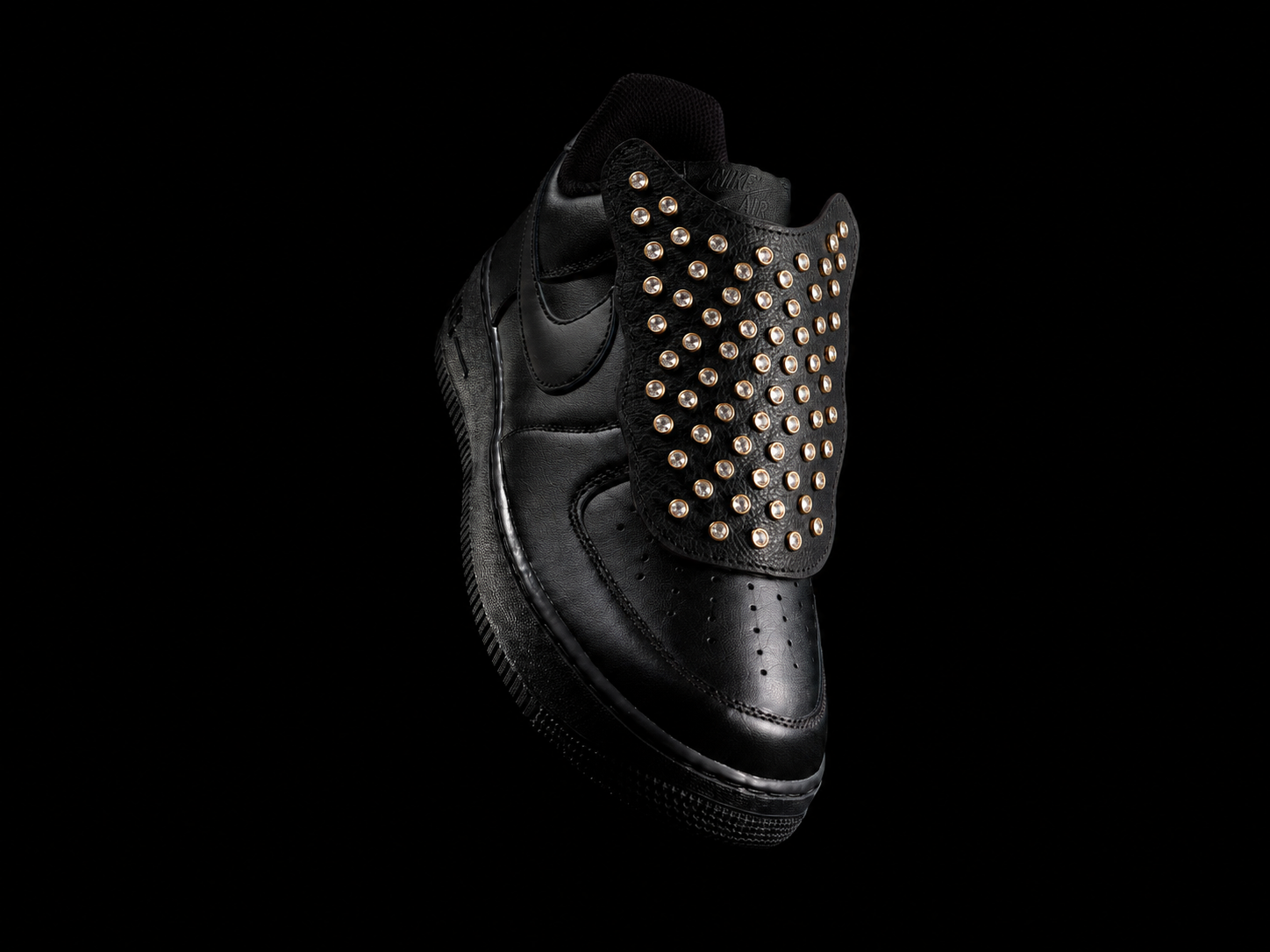
What he found was an overlooked opportunity hiding in one of the smallest components of the shoe: the lace. “We engineered the smallest part of the shoe to carry the largest idea,” Heard says. “The lace was never the limit. It was the opening.” That opening has become the foundation for UNINVITED's patented sleeve and interchangeable attachment mechanism, designed to support an expanding library of pieces rather than a single customization.
There is something inherently circular about that proposition. Not circular in the sense of simply recycling an object after it has reached the end of its useful life, but circular in extending the useful life before that endpoint ever arrives.
Keeping products in use longer can be one of the most direct ways to challenge the constant churn of consumer culture. In fashion, where novelty often drives purchasing behavior, giving an existing object more ways to remain relevant can be as significant as what happens to it when it is eventually discarded.
UNINVITED is effectively betting that consumers don't always want more sneakers. Sometimes they want their sneakers to feel new again.
The company's ambitions extend beyond the Air Force 1 Low. The platform is designed to expand across silhouettes including the Air Jordan 1 Low, Adidas Superstar, Adidas Stan Smith and Converse Chuck Taylor Low, suggesting a future where the sneaker itself becomes infrastructure for a growing ecosystem of interchangeable design.
The analogy already exists elsewhere. Watches have interchangeable bands. Bags have straps, charms and hardware. Phones have cases. Jewelry stacks, layers and evolves. Sneakers have largely remained the fixed object.
UNINVITED wants to change that relationship. Its first release will also include “The Death of Socrates” shirt, marking the brand's expansion beyond the sneaker and into a broader design language. But the larger proposition remains rooted in what happens after the purchase—the moment when most product design traditionally stops.
Sustainability in fashion does not always have to begin with asking consumers to want less. Sometimes it can begin by giving what they already own more possibilities. In a culture obsessed with the next pair, UNINVITED is making a case for the pair you already have.
HOW DO YOU FEEL ABOUT FASHION?
COMMENT OR TAKE OUR PAGE READER SURVEY
Featured

BAPE® brings its streetwear legacy into the ring with UNDEFEATED’s wrestling-inspired Fall/Winter 2026 collection while expanding its design vocabulary through the TYPE 10 BAPEX®, an automatic timepiece that translates the brand’s signature camouflage into contemporary watchmaking.