
What Parents Should Look for in a Junior Tennis Coaching Program
PAGE
By PAGE Editor
Choosing the right junior tennis coaching program can have a major impact on a child’s long-term development, confidence, and enjoyment of the sport. While many programs teach basic tennis skills, the overall coaching environment, structure, and developmental approach often determine whether children remain engaged and continue improving over time. Parents searching for quality junior tennis opportunities often explore Broadmeadow tennis coaching at Discover Sports Group because structured coaching programs can help young players build technical skills while also developing discipline, confidence, and a positive attitude toward physical activity.
Tennis is a sport that rewards consistency, patience, and long-term progression. Because of this, parents should look beyond simple lesson availability when evaluating coaching programs. A strong junior coaching environment should support both athletic development and personal growth while helping children enjoy the learning process from beginner stages through more advanced levels.
Coaching Structure and Skill Development Matter
One of the most important factors in a junior tennis coaching program is how lessons are structured. Young players develop best when coaching sessions follow clear progression pathways that gradually build skills over time rather than focusing only on repetitive drills or casual gameplay. Good junior coaching programs typically introduce players to proper fundamentals early, including grip technique, footwork, movement patterns, coordination, and stroke development. Coaches should also adapt lessons based on age groups and skill levels so children can progress at an appropriate pace without becoming overwhelmed or disengaged.
Structured coaching programs often help children improve more consistently because lessons are designed to reinforce techniques step by step. This creates a stronger foundation that supports future development as players become more confident and experienced on the court. Parents should also pay attention to whether coaching sessions balance technical learning with enjoyable activities. Young players are more likely to stay motivated when lessons remain engaging while still providing opportunities for measurable improvement.
Coaches Should Support Both Confidence and Development
Junior sports programs influence more than physical skills alone. Coaches often play an important role in shaping confidence, communication, discipline, and overall attitudes toward learning and competition. A strong coaching environment should encourage players while also teaching resilience, focus, and sportsmanship. Young athletes develop best when they feel supported rather than pressured excessively during training sessions.
Parents should look for coaches who:
Communicate positively with children
Encourage effort and improvement
Adapt coaching styles for different personalities
Promote teamwork and respect
Create supportive learning environments
Children who feel comfortable and encouraged during coaching sessions are often more willing to continue participating long term. Positive coaching also helps players develop confidence both on and off the court. Programs that focus only on competition results without supporting enjoyment and development may increase pressure on younger players unnecessarily. Long-term growth is usually strongest when children genuinely enjoy the sport and feel motivated to continue learning.
Group Environment and Social Development Are Important
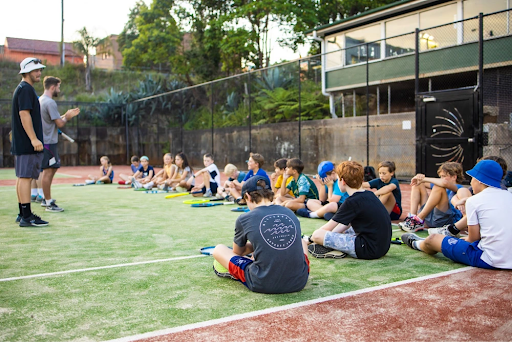
Tennis is often viewed as an individual sport, but junior coaching programs also provide important opportunities for social interaction and teamwork. Group coaching environments allow children to practice alongside players of similar ages and skill levels while developing friendships and communication skills.
Training with other children can help improve motivation because players learn from observing one another while participating in drills, games, and match play activities together. Group lessons also help young players become more comfortable in social sporting environments and develop confidence through shared experiences.
A positive group coaching environment can support:
Social confidence
Teamwork and communication
Healthy competition
Motivation through peer interaction
Enjoyment and long-term participation
Many children remain involved in tennis not only because they enjoy the sport itself but also because they build friendships and positive experiences through coaching programs and training groups.
Programs Should Offer Long-Term Development Pathways
Parents should also consider whether a tennis coaching program offers clear progression opportunities as children improve. Some programs focus only on beginner participation without providing structured pathways for more advanced development later. Long-term player development is important because children progress at different speeds. Coaching programs that offer beginner, intermediate, and advanced training options allow players to continue improving within a familiar and supportive environment as their skills grow.
Discover Sports Group offers junior tennis coaching programs designed for different age groups and experience levels in Broadmeadow. Discover Sports Group Broadmeadow Structured progression opportunities help players continue developing without needing to constantly change coaching environments as they improve. Parents should also ask whether programs include opportunities for match play, tournaments, or advanced coaching for players who become more competitive over time.
Facilities and Coaching Environment Influence Learning
The overall training environment can significantly affect how children experience tennis coaching. Well-maintained courts, organised sessions, and a welcoming atmosphere all contribute to a more positive learning experience for junior players. Children often learn best in environments that feel safe, encouraging, and professionally organised. Coaching sessions should run efficiently while still maintaining a relaxed and enjoyable atmosphere for young players.
Several factors can improve the overall coaching experience, including:
Quality court facilities
Appropriate equipment for junior players
Organised lesson scheduling
Safe and supervised environments
Positive communication with parents
Programs that prioritise organisation and player experience often create stronger long-term engagement for both children and families.
Consistency Helps Children Improve Over Time
One of the biggest advantages of quality junior coaching programs is the consistency they provide. Tennis development usually happens gradually over time through regular practice, repetition, and structured instruction. Children often improve most when they participate consistently in coaching sessions rather than attending irregularly or switching frequently between programs. A stable coaching environment allows players to build trust with coaches while steadily developing technical and physical skills.
Consistent training also helps children develop important habits such as discipline, patience, focus, and resilience. These qualities often extend beyond tennis and support broader personal development as children grow. Parents who prioritise long-term consistency over short-term results often find their children build stronger confidence and greater enjoyment in sports overall.
Tennis Supports More Than Athletic Development
While technical skill development is important, tennis also provides many broader developmental benefits for children. Junior sports participation helps encourage healthy activity levels while supporting coordination, concentration, communication, and emotional resilience. Tennis requires players to problem-solve, stay focused under pressure, and learn from both success and setbacks. These experiences help children develop important life skills that extend beyond competition and athletics.
Many parents choose tennis coaching programs because the sport supports:
Physical fitness and coordination
Discipline and responsibility
Confidence and independence
Focus and concentration
Long-term healthy activity habits
A quality coaching environment helps reinforce these benefits while ensuring children continue enjoying the sport as they progress.
Conclusion
Choosing the right junior tennis coaching program involves much more than simply finding available lessons. Parents should look for structured coaching environments that support technical development, confidence building, long-term progression, and positive overall experiences for young players.
Strong coaching programs help children improve gradually while encouraging enjoyment, discipline, and consistent participation. Supportive coaches, organised training pathways, positive group environments, and quality facilities all contribute to a more effective and rewarding tennis experience. For many families, junior tennis coaching becomes more than just learning a sport. It becomes an opportunity for children to build confidence, develop valuable life skills, and establish healthy habits that continue benefiting them well beyond the tennis court.
HOW DO YOU FEEL ABOUT FASHION?
COMMENT OR TAKE OUR PAGE READER SURVEY
Featured





Having a friends with benefits relationship is a great idea, if you find the right person for it.