
Why Garage Floor Coatings Fail in Florida: Epoxy vs. Polyaspartic vs. Polyurea Compared
PAGE
By PAGE Editor
If you've ever watched a brand-new garage floor coating peel, bubble, or turn an ugly yellow within a year, you already know the frustration. You paid good money, the floor looked amazing for a few months, and now it's a patchy mess. Welcome to the reality of garage floors in Florida.
The truth is, Florida's climate is brutal on coatings. Between sky-high humidity, salty coastal air, and intense UV exposure, what works in Ohio or Texas often fails fast here. Homeowners from Daytona Beach down to Port Orange and up through Palm Coast deal with this all the time. So let's break down the three most common coating types, why they fail, and what actually holds up.
The Florida Climate Problem No Coating Can Ignore
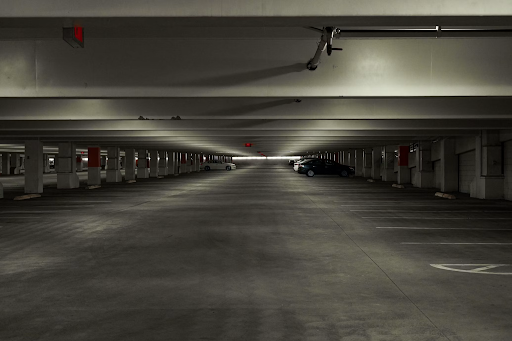
Before we compare products, you need to understand what your garage floor is up against.
Humidity Sneaks in From Below
Concrete is porous. In coastal areas like Ormond Beach and Daytona Beach, slabs hold moisture year-round. That moisture rises up through the concrete and pushes against whatever coating sits on top. If the coating can't handle that pressure, it lifts, bubbles, or delaminates. This is the single biggest reason coatings fail in Florida.
Heat and UV Do Real Damage
Garage doors open and close all day. Sunlight pours in. Surface temperatures climb fast. Cheaper coatings just aren't built for that kind of UV punishment, and they show it through yellowing, chalking, and brittleness.
Salt Air Is Quietly Corrosive
In Flagler County and along the eastern edge of Volusia County, salt drifts inland from the Atlantic. It settles on garage floors, reacts with uncured coatings, and weakens the bond over time. You won't see it on day one, but you'll see it on year two.
Epoxy Coatings: Affordable but Fragile
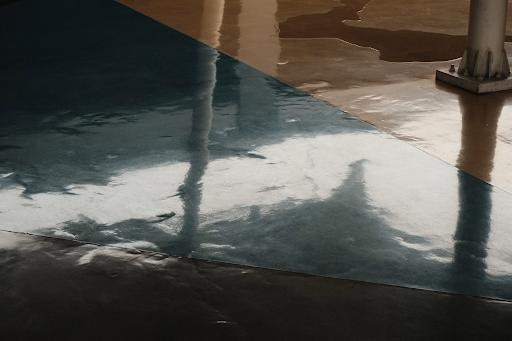
Epoxy is the coating most people think of first. It's what you find in big-box DIY kits and what many budget contractors offer.
What Epoxy Does Well
It's cheap, thick, and pairs nicely with decorative color flakes. Done right, it looks great for a while.
Why Epoxy Struggles in Florida
Epoxy takes 24 to 72 hours to fully cure. In Florida humidity, that long cure window is a disaster waiting to happen. Moisture interferes with the chemical reaction, leaving you with a hazy film called amine blush. Worse, epoxy isn't UV stable, so direct sunlight turns it yellow surprisingly fast. Slabs in Palm Coast and Port Orange without proper vapor barriers often see epoxy lift within the first summer. That's why working with experienced contractors like Raz-Barry Construction matters more than whatever product is printed on the bucket.
Honest Lifespan Expectations
A DIY epoxy kit gives you maybe 1 to 3 years in Florida. A professionally applied epoxy without strong moisture mitigation might stretch to 5. After that, expect hot tire pickup, peeling edges, and that dreaded yellow haze.
Polyaspartic Coatings: Fast, Tough, and Built for Heat
Polyaspartic is where things get interesting. It's actually a type of polyurea, but with a slower cure designed for floor applications.
Why Polyaspartic Works Here
It cures in hours instead of days. That short window means less time for humidity to mess things up, which is a huge advantage during Volusia County's long wet season. It's also UV stable, so no yellowing under Florida sun. And because it stays flexible, it handles the daily expansion and contraction that cracks rigid epoxy.
The Catches
Polyaspartic costs more upfront. The fast cure also means installers have minutes, not hours, to get the application right. Rushed or untrained crews leave roller marks, lap lines, and weak spots. There are DIY polyaspartic kits floating around, but they rarely match what a trained applicator can deliver.
Polyurea Coatings: The Heavy-Duty Option
Pure polyurea is the industrial cousin of polyaspartic. It was originally designed for pipelines, truck beds, and commercial floors before homeowners caught on.
What Sets It Apart
Polyurea is denser, more abrasion resistant, and incredibly tough against chemicals and impact. It handles moisture better than almost any other coating, which makes it a strong option for coastal slabs in Flagler County where humidity never really lets up.
What to Watch Out For
It's the most expensive of the three. Installation requires specialized spray equipment and trained crews wearing proper PPE. This is not a weekend DIY project. And even polyurea will fail if it's applied over a poorly prepped slab. The product is only as good as the surface underneath it.
The Real Reason Coatings Fail Has Little to Do With the Product
Here's the part nobody wants to admit. The coating type matters, but installation matters more. A premium polyurea applied poorly will fail faster than a basic epoxy applied correctly. It really comes down to long-term thinking versus chasing the cheapest quote.
Surface Prep Is Everything
Diamond grinding is the only acceptable prep method for Florida slabs. Acid etching might be cheaper, but it doesn't open the concrete enough for proper bonding in humid conditions. Moisture testing, crack repair, and joint filling all need to happen before a single drop of coating touches the floor.
Timing the Application Right
Smart installers watch the weather, the slab temperature, and the humidity level before they start. The low-cost crews you sometimes see racing through jobs in Daytona Beach and Ormond Beach often skip this step. The result shows up within months as peeling edges and bubbled patches.
Layering Builds Longevity
A real system uses a moisture-mitigating primer, a base coat, decorative flakes if you want them, and a UV-stable topcoat. Those quick "one-day" jobs you see advertised across Palm Coast and Port Orange almost never include all those layers, and the floor pays the price down the road.
Conclusion
Each coating has its place. Epoxy is the budget pick but rarely lasts long in Florida. Polyaspartic gives you the best balance of speed and durability. Polyurea is the premium choice for homeowners who want maximum toughness. But no matter which one you choose, the installer's understanding of Florida's climate decides whether your floor lasts two years or fifteen.
If you live anywhere in Volusia County, Flagler County, or along the Atlantic coastline, prioritize surface prep and proper installation over cheap promises. A garage floor done right is a one-time investment. A garage floor done wrong is a yearly headache.
FAQs
Q1: How long should a garage floor coating last in Florida? A quality polyaspartic or polyurea system installed correctly can last 8 to 15 years or more. Standard epoxy typically lasts 2 to 5 years in Florida's humid climate.
Q2: Is polyaspartic really worth the extra cost? For most Florida homeowners, yes. The UV stability, fast cure, and flexibility justify the price, especially in coastal areas where humidity wrecks slower-curing coatings.
Q3: Why did my new coating turn yellow already? You probably have a non-UV-stable epoxy reacting to Florida sunlight, or amine blush from moisture interfering with the cure. Both are common with budget installations.
Q4: Can I install a garage floor coating myself? You can try, but Florida's humidity makes DIY kits a gamble. Professional surface preparation and climate-aware application are what actually make a coating last.
HOW DO YOU FEEL ABOUT FASHION?
COMMENT OR TAKE OUR PAGE READER SURVEY
Featured

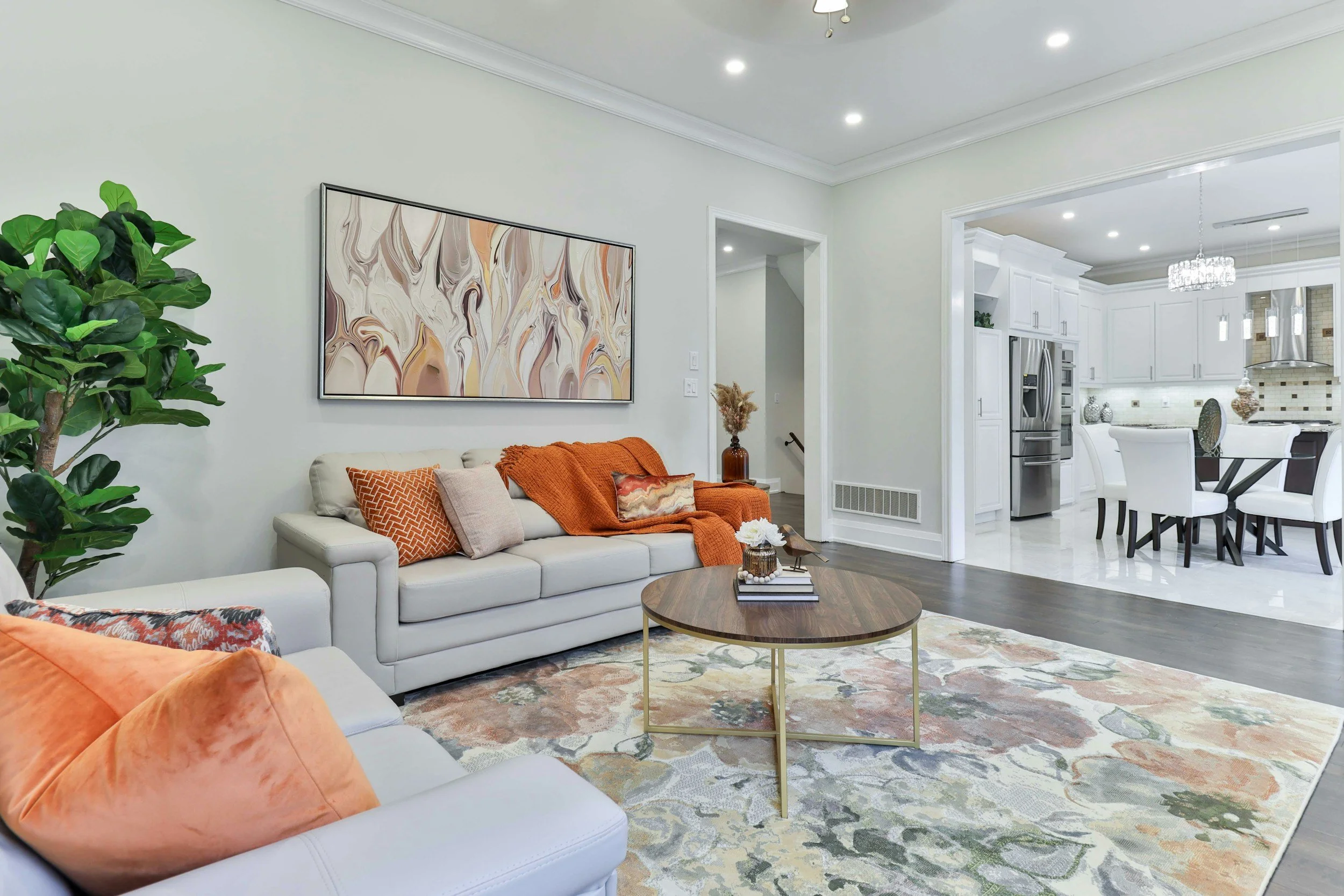
Preparing a home for overnight guests creates different priorities from ordinary weekly upkeep.